March 31, 2026
Metal Shingle Roof Cost: Why Your Installer's Overhead Matters More Than Material Price
Author
If you're researching metal shingle roof cost, you've probably already found a dozen different per-square-foot figures and come away more confused than when you started. That's not an accident-it's a structural problem with how this information gets presented. The true metal shingle roof cost isn't just about what the materials run at the supplier. It's a layered calculation involving labor, overhead, installation complexity, regional factors, and long-term value.
This guide breaks all of it down so you can walk into any contractor conversation knowing exactly what drives your number-and what to do about it. Whether you're comparing your first quotes or trying to figure out why two bids are $8,000 apart, this is the resource that actually explains it.
TL;DR
Metal shingle roof cost ranges from $8 to $16 per square foot installed, but your contractor's overhead structure often impacts your price more than material selection. Installation complexity (roof pitch, existing layers, accessibility) can add 30–60% to base material costs. Regional labor rates and permit requirements create price swings of $3–5 per square foot between markets. Cheap metal shingles often require replacement within 15–20 years, negating any upfront savings. True ROI on quality metal shingle roofing typically appears at the 12–15 year mark through energy savings and avoided maintenance. Financing terms matter more than monthly payment amounts when evaluating affordability.
Table of Contents
- Why We're Talking About Overhead (Not Just Shingles)
- What Metal Shingles Actually Cost in 2025
- The Hidden Cost Structure Your Contractor Isn't Explaining
- How Installation Complexity Drives Your Final Bill
- Regional Price Variations That Nobody Warns You About
- When Cheap Metal Shingles Cost You More Long-Term
- The Real ROI Timeline for Metal Shingle Roofing
- Financing Options That Actually Make Sense
- Questions to Ask Before You Sign Anything
- Finding a Contractor Who Gets It
Why We're Talking About Overhead (Not Just Shingles)
Stop Googling "metal shingle cost per square foot." Seriously. Stop.
I know you won't, but you should. Because those numbers? They're mostly incomplete. Not wrong, exactly-just incomplete in a way that's going to cost you.
The shingles themselves are maybe 40% of what you'll pay. The rest? That's where it gets interesting. And by interesting, I mean this is where contractors either protect you or take advantage of you.
Metal roof labor costs run $300 to $500 per square (100 square feet) compared to $200–$300 per square for asphalt shingles. Why? Because metal roofing is harder. Period. For a deeper look at how roofing contractor pricing actually works, see our guide on Roofer Secrets: Why Your Biggest Investment Isn't the Roof Itself.
A contractor running three crews with $2 million in liability coverage and a fleet of specialized equipment can't match the pricing of a two-person operation working out of a pickup truck. You probably don't want them to, either.
Overhead reveals how a contractor operates and whether they'll deliver what they've promised. It's not a markup-it's evidence of how the business is run.
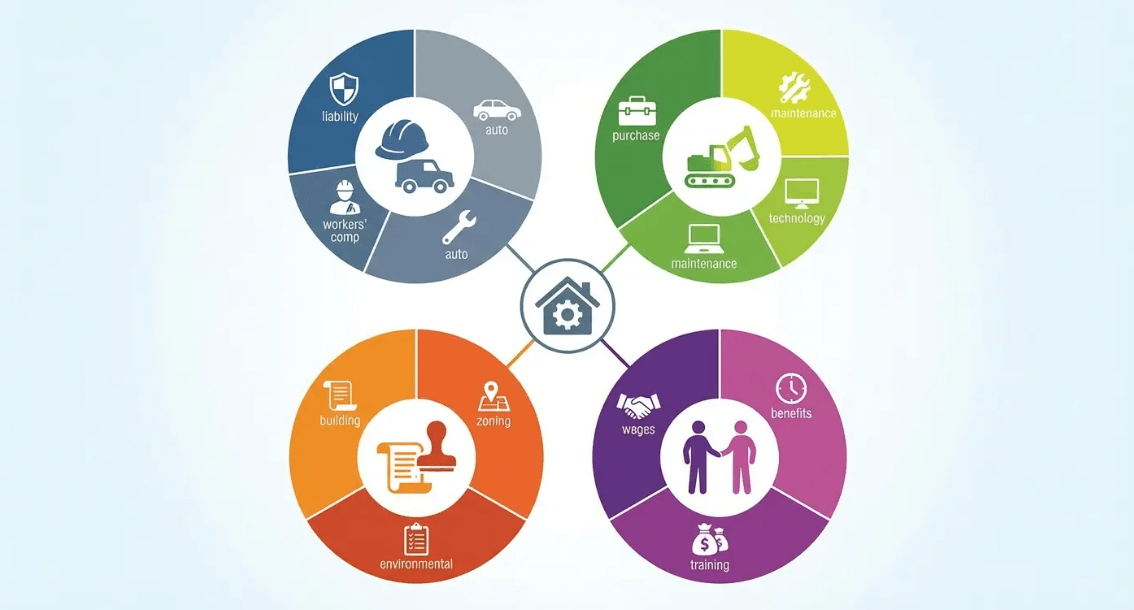
A contractor who carries proper insurance, invests in ongoing crew training, maintains equipment, and honors warranties has higher operating costs than one who skips these expenses. The question isn't whether you'll pay for overhead (you will, regardless) but whether you're paying for overhead that protects your investment or subsidizing a business model built on cutting corners.
What Metal Shingles Actually Cost in 2025
According to State Farm's analysis of metal roofing benefits, metal roofs cost between $8 and $16 per square foot installed, and they can last between 40 to 80 years-way longer than the 20-year lifespan of typical asphalt shingle roofs. This completely flips the cost-per-year calculation that most homeowners overlook when comparing initial price tags.
Material Price Ranges by Metal Type
Here's how the main metal shingle materials break down:
Steel (26–28 gauge):$2.50 to $4.00 per square foot. Entry-level. Works fine, but don't expect a 50-year lifespan.
Aluminum:$3.50 to $6.00 per square foot. Better corrosion resistance (critical in coastal areas) and lighter weight. Holds paint finishes longer.
Premium Steel (24 gauge):$4.00 to $6.50 per square foot. Thicker gauge means less flex, fewer fatigue cycles, longer lifespan.
Copper & Zinc:$12.00 to $18.00 per square foot. Premium tier. Both can last 100+ years with minimal maintenance.
| Metal Type | Material Cost/sq ft | Lifespan | Best For | Corrosion Resistance |
|---|---|---|---|---|
| Steel (26–28 gauge) | $2.50 – $4.00 | 30–40 yrs | General residential | Good (coated) |
| Aluminum | $3.50 – $6.00 | 40–50 yrs | Coastal / lightweight | Excellent |
| Steel (24 gauge premium) | $4.00 – $6.50 | 45–60 yrs | High-wind, long-term | Excellent (premium coat) |
| Copper | $12.00 – $18.00 | 70–100+ yrs | Historic / premium homes | Superior (natural patina) |
| Zinc | $12.00 – $18.00 | 80–100+ yrs | Premium / low maintenance | Superior (self-healing) |
Why Premium Costs More (And When It's Worth It)
Three factors drive the price gap between entry-level and premium metal shingles:
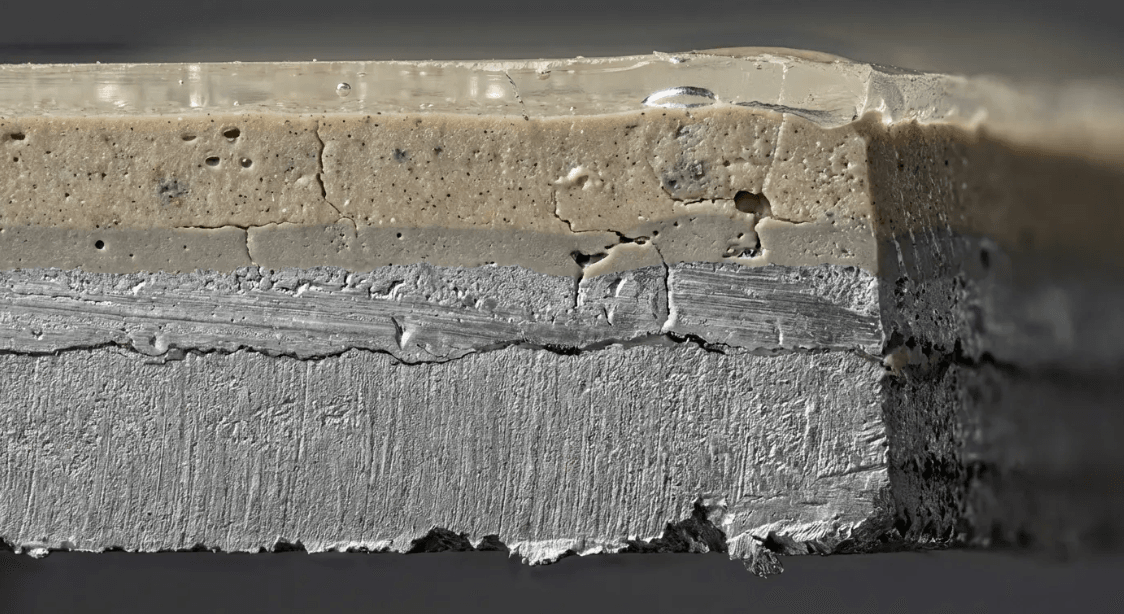
1. Coating systems.Entry-level products use basic polyester coatings that degrade after 15–20 years. Premium options use Kynar 500 fluoropolymer coatings rated for 40+ years. The upgrade adds $0.75–$1.50 per square foot.
2. Substrate thickness.24-gauge steel flexes less than 26-gauge, meaning fewer expansion/contraction cycles and a longer service life. Adds about $0.50 per square foot but gains 10–15 years.
3. Manufacturing precision.Cheap shingles don't fit together right. Premium manufacturers hold tighter tolerances, which speeds installation and improves weather resistance.
The Asphalt Comparison Everyone Makes
Metal shingle roof cost runs 2.5–3× more than asphalt upfront. For a full breakdown of how long different materials actually last, see How Long Does A New Roof Last? Shingle, Flat, and Metal.
Here's the math on a 2,000 sq ft roof over 44 years:
Asphalt path:$10,000 today + ~$17,100 replacement in 22 years = $27,100 total.
Metal path:$24,000 today, lasts the full 44 years with minimal maintenance = $24,000 total.
The metal roof saves $3,100 over 44 years-before factoring in energy savings, avoided maintenance, or insurance discounts.
The Hidden Cost Structure Your Contractor Isn't Explaining
Insurance and Bonding Requirements
Every legitimate roofing contractor carries general liability insurance and workers' compensation coverage. Here's what that actually costs them:
Liability insurance:$15,000–$40,000 annually for $2M in coverage.
Workers' compensation:15–25% of payroll for roofing work = $15,000–$25,000 per year per $100,000 in crew wages.
Bonds:1–3% of project total on larger jobs.
These costs show up in your quote whether the contractor explains them or not. The difference is whether you're paying for real coverage or just a lower number with no protection behind it.
Equipment Investment and Depreciation
Professional metal roofing installation requires pneumatic shears, metal brakes, seaming tools, and safety equipment that most general contractors simply don't own. A legitimate operation might have $50,000–$150,000 tied up in equipment and vehicles. Your quote absorbs a portion of that.
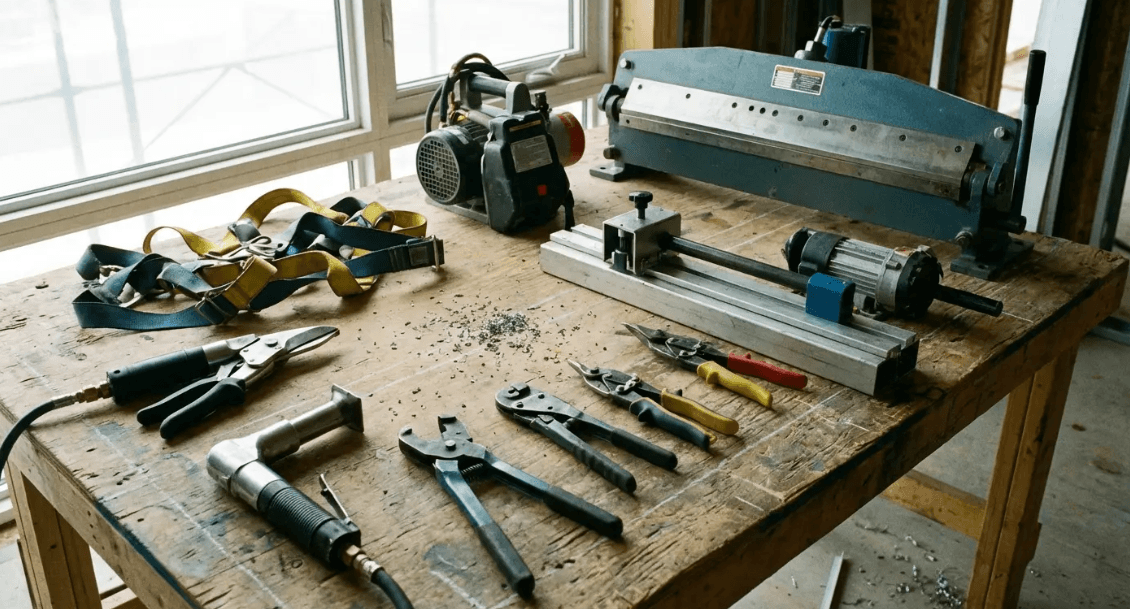
Contractors without proper equipment improvise with inadequate tools. That shows up as slower installs, higher error rates, and quality problems you'll be dealing with years later.
Permit Fees and Inspection Costs
Most jurisdictions require permits for roof replacement-fees run $150–$800 depending on location and project size. Experienced contractors know local codes and pass inspections consistently. For everything involved in a real roof replacement, read our guide on The Re-Roofing Process – What to Expect.
Disposal and Cleanup Expenses
Dumpster rental: $300–$800. Landfill disposal fees: $100–$300. These get built into your quote whether they're itemized or not. Professional crews also use magnetic sweeps to collect metal scraps and fasteners, protect landscaping with tarps, and restore your property to pre-project condition.
Overhead Verification Checklist
Before signing any contract, verify these items directly:
- Certificate of general liability insurance - minimum $1M coverage (verify with the insurer directly)
- Workers' compensation policy certificate (call to confirm active status)
- State contractor license number (check licensing board for complaints)
- Business registration and tax ID documentation
- List of specialized equipment owned (not rented) for metal roofing
- Proof of permit acquisition for your specific project
- Waste disposal plan and dumpster rental confirmation
- Written warranty terms with a real contact for claims
- References from metal roofing projects in the last 12 months
How Installation Complexity Drives Your Final Bill
Roof Pitch and Safety Requirements
4/12–6/12 (moderate):Baseline cost and timeline. Standard working conditions.
8/12–12/12 (steep):Add 20–40% to labor. Scaffolding, safety harnesses, and toe boards required-all of which slow the crew significantly.
2/12 or less (low slope):Add 15–25%. Water doesn't shed fast enough for standard metal shingles. Contractors may recommend standing seam instead.
Existing Layer Removal Complications
Multiple layers of old shingles add $1.50–$3.00 per square foot in removal labor. They also reveal damaged decking that's impossible to see until tear-off begins. Learn more about what that uncovers in our post on Roof Deck Structural Failures No One Talks About.
Damaged decking:$3–$5 per square foot to replace. A 200 sq ft section adds $600–$1,000.
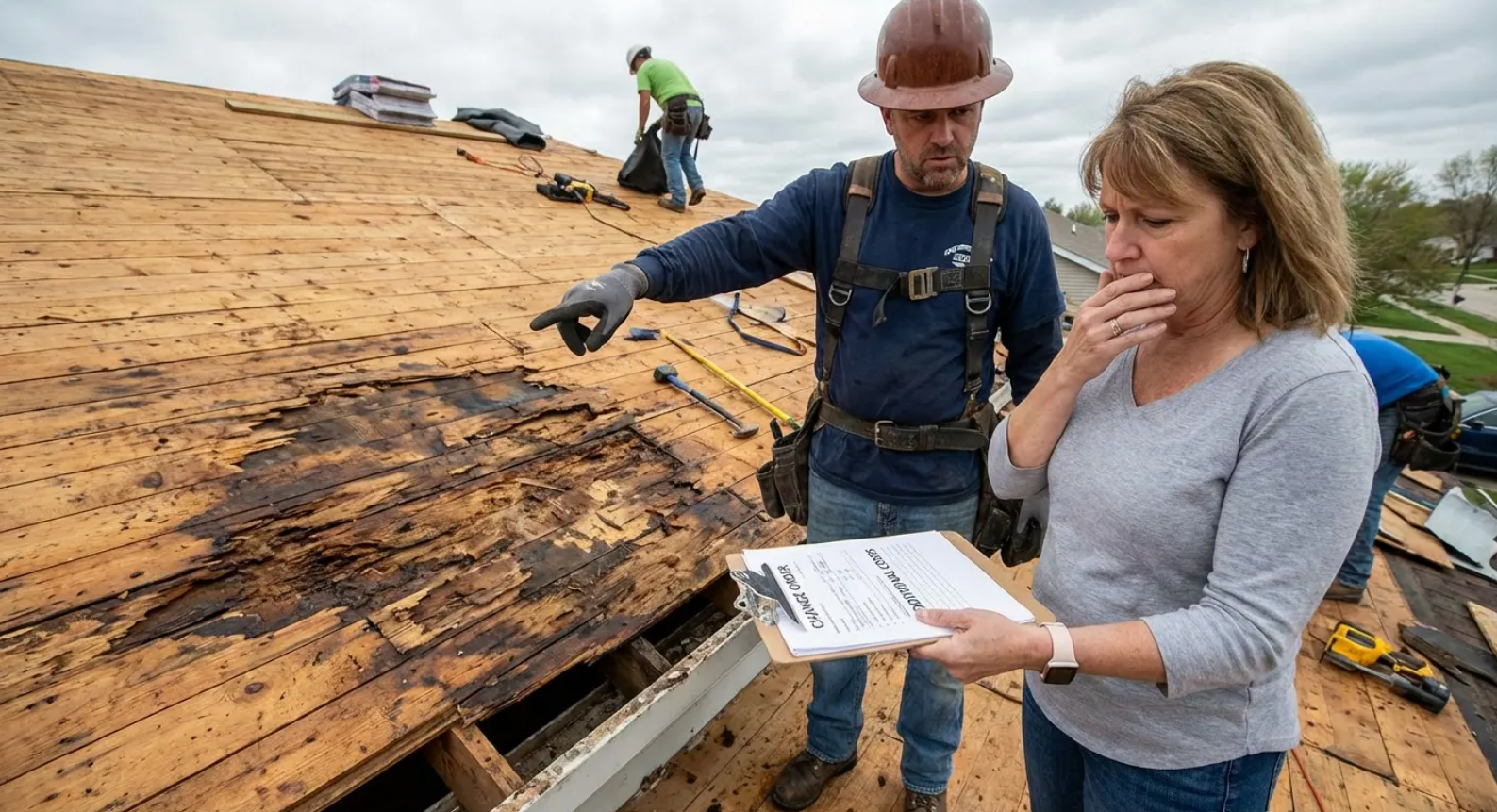
Real example: A 1970s ranch homeowner got an $18,000 quote for metal roofing. After tear-off revealed three shingle layers and 180 sq ft of water-damaged decking near the chimney, the final cost was $24,500. Timeline stretched from 4 days to 7. Budget 15–20% contingency for unknowns.
Accessibility and Site Conditions
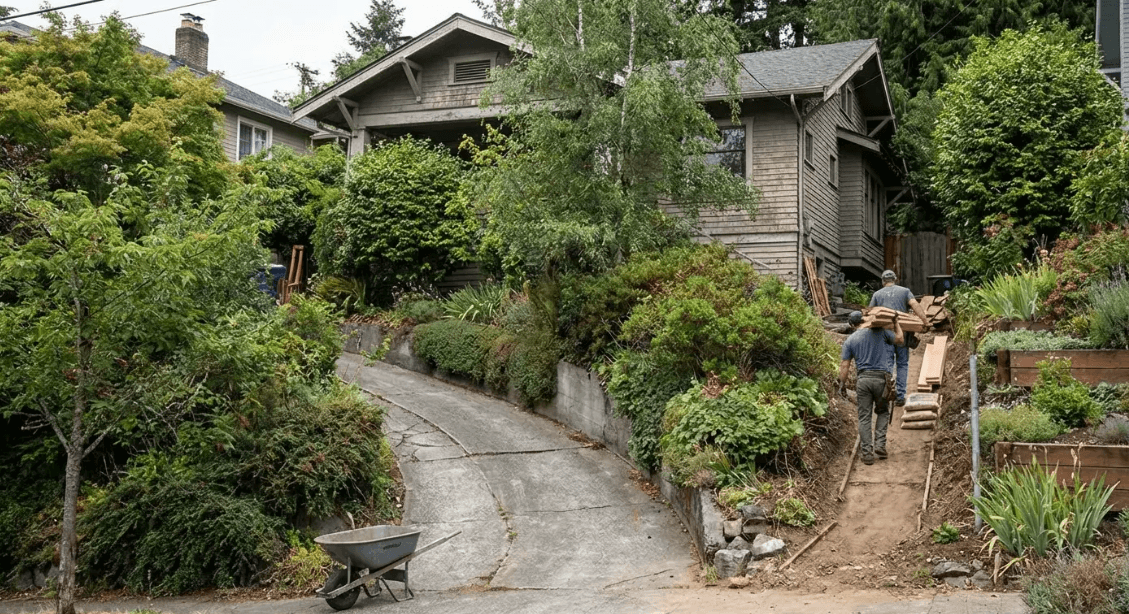
Narrow yards / no driveway access:+10–20% (hand-carry materials from street)
2–3 story height:+15–30%
Dense tree coverage:+5–10%
Architectural Complexity
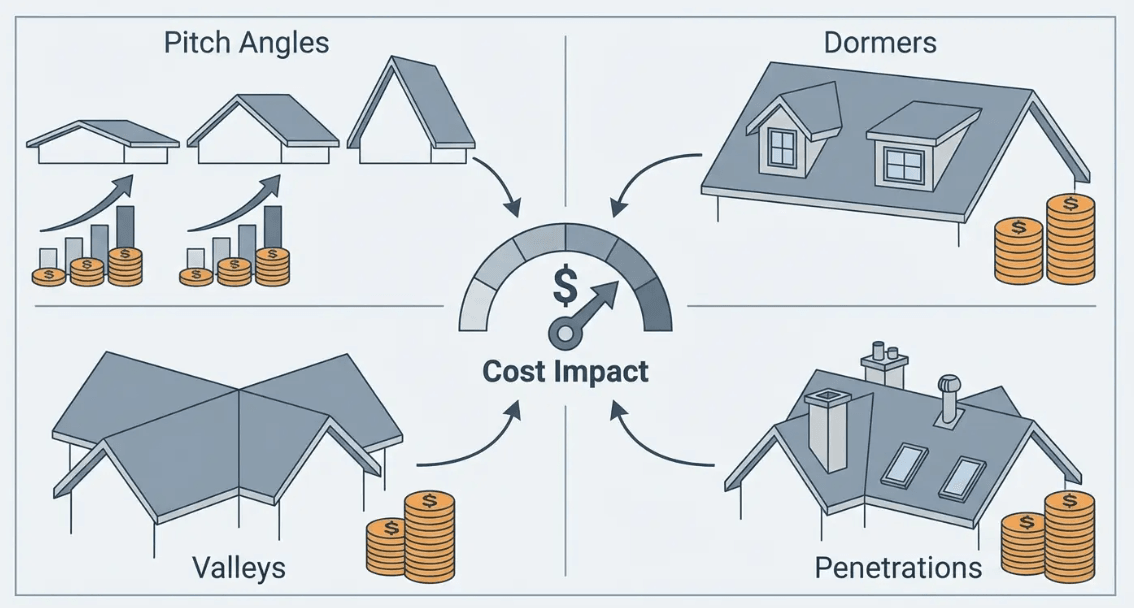
Complex rooflines-dormers, multiple valleys, skylights-add significant labor time. Our post on Parts of a Roof Exposed: Why Your Shingles Are Only 10% of the Solution explains what goes into each of these components.
Each valley:+$150–$300 and 2–4 hours
Each dormer:+$200–$500 and 3–5 hours
Each penetration (chimney, vent, skylight):+$100–$200 and 1–3 hours
| Complexity Factor | Cost Impact | Timeline Impact |
|---|---|---|
| Moderate pitch (4/12–6/12) | Baseline | Baseline |
| Steep pitch (8/12–12/12) | +20–40% | +30–50% |
| Low pitch (2/12 or less) | +15–25% | +20% |
| Multiple shingle layers | +$1.50–3.00/sqft | +2–4 days |
| Damaged decking (per 100 sqft) | +$300–500 | +1 day per 200 sqft |
| Limited access (hand-carry) | +10–20% | +15–25% |
| 2–3 story height | +15–30% | +20–30% |
| Each valley | +$150–300 | +2–4 hours |
| Each dormer | +$200–500 | +3–5 hours |
| Each roof penetration | +$100–200 | +1–3 hours |
Regional Price Variations That Nobody Warns You About
Want to see how wild regional pricing gets? A Washington state school district got quotes for a metal roof replacement on a high school ranging from $2.1 million to $4.3 million-same building, same specs. The district ended up going with composite shingles because metal was "unaffordable." If a government entity with professional procurement people can't navigate metal roof pricing, what chance do you have without a guide?
Labor Rate Disparities Across Markets
Urban coasts:$11–$16 per square foot installed.
Rural Midwest / South:$8–$12 per square foot for identical materials.
These differences reflect local wage rates, cost of living, and contractor competition-not differences in quality. You can't arbitrage them; hiring out-of-region adds travel and logistics costs that erase any savings.
Building Code and Permit Variations
Florida wind-rated requirements:+$1–$2 per square foot
Permit fees:$200 (small towns) to $600–$800 (large cities)
Processing time:Same-day in some areas, 2–3 weeks in others
Seasonal Demand and Weather Impacts
Peak season (May–October) in northern markets can push prices 10–20% above off-season rates. Storm-damage events cause even sharper spikes that last 6–18 months. Timing your project well can save thousands-our post on the Best Time to Replace Your Roof walks through exactly when to act.
When Cheap Metal Shingles Cost You More Long-Term
Coating Failure and Premature Rust
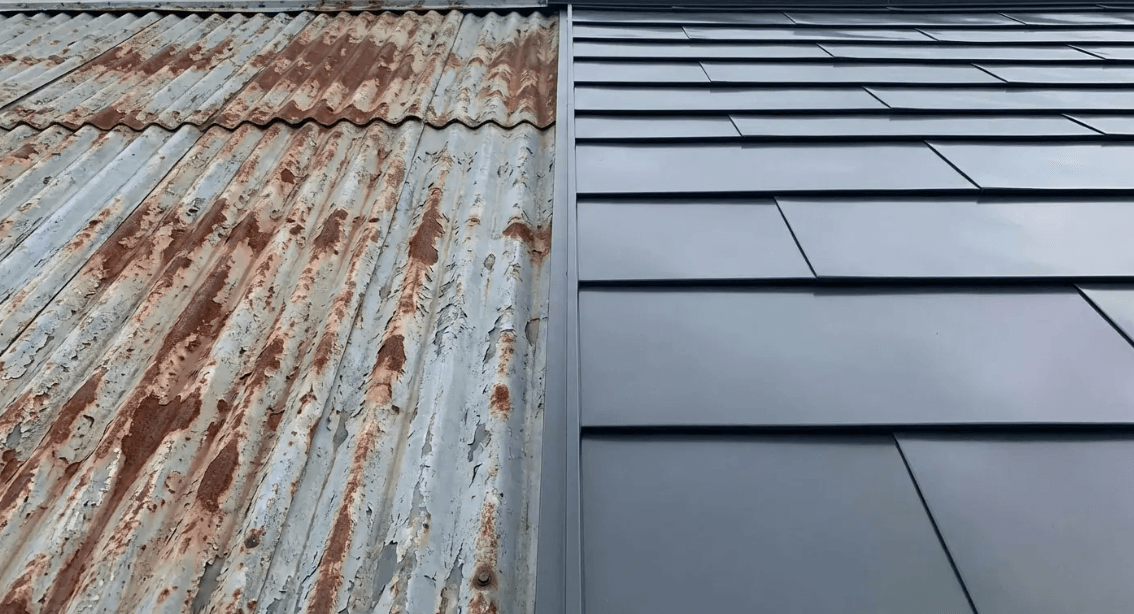
Entry-level metal shingles with basic polyester coatings start degrading within 10–15 years in harsh climates. The failure sequence:
Years 10–15:Chalking (powdery surface residue) and color fading appear.
Years 15–20:Rust spots form where coating has failed.
Years 20+:Rust holes allow water infiltration. Repairs cost $500–$1,500 per area. Full replacement becomes more economical than patching.
Premium coatings cost an extra $1.50–$2.00/sqft upfront. On a 2,000 sqft roof, that's $3,000 more. It saves you from a $15,000–$20,000 premature replacement. The math isn't close.
Fastener and Attachment Problems
Cheap jobs cut costs on fasteners. Standard screws instead of EPDM-washered metal roofing fasteners fail within 5–10 years as washers deteriorate and panels work loose.
Repair cost:$4–$7 per square foot labor-only to remove and reinstall affected panels. On a 2,000 sqft roof: $8,000–$14,000 to fix what should have been right from day one.
Warranty Gaps That Leave You Exposed
That "50-year warranty" on cheap metal shingles? Read the fine print:
- Typically covers only manufacturing defects (which almost never happen)
- Excludes coating failure, color fading, and corrosion (the things that actually go wrong)
- Often prorated: 40% coverage after year 10, 20% after year 20
- Requires documented maintenance and professional inspections to keep valid
Installation Warranty Matters More
Your contractor's workmanship warranty matters far more than the manufacturer's product warranty. Reputable contractors offer 10–25 years covering leaks, fastener failure, and installation defects. Our guide on How to Compare Roofing Quotes Without Losing Your Mind explains exactly what to look for and what red flags to avoid.
Real example: An Atlanta homeowner chose the $16,000 low bid over $21,000 and $23,500 alternatives. By year 12, the coating had failed and fasteners were improperly installed.
The contractor was out of business. Replacement quotes came in at $28,000–$32,000. The $23,500 option with premium coatings would have saved roughly $20,000 over that timeline-with 30+ years of roof life still remaining.
The Real ROI Timeline for Metal Shingle Roofing
Research on energy performance shows reflective metal roofs can reduce cooling expenses by 10–40%. The savings compound over decades-especially as energy costs continue to rise.
Energy Savings by Climate Zone
Hot climates (South / Southwest):$250–$600/year in AC savings.
Cold climates:Metal sheds snow efficiently, reducing ice dam formation. One major ice dam event costs $3,000–$8,000 to remediate.
Ice dams are a serious and often overlooked concern. Our detailed guide on Dealing with Ice Dams explains causes, risks, and how metal roofing helps prevent them.
Avoided Replacement Costs
Asphalt shingles last 20–25 years. A $12,000 replacement today will likely cost $18,000–$22,000 in 25 years (at 2–3% annual inflation). Quality metal shingles lasting 45–50 years eliminate those costs entirely.
Maintenance Cost Differences
Asphalt annual maintenance:$300–$800/year = $7,500–$20,000 over 25 years.
Metal maintenance:$100–$200 every few years = $1,000–$2,000 over 25 years.
Maintenance savings:$6,500–$18,000 over that same period.
Insurance Premium Reductions
Some insurers offer 5–15% premium reductions for metal roofs (better fire, wind, and hail resistance). A homeowner paying $2,000/year might save $100–$300 annually-$3,000–$9,000 over 30 years.
Resale Value Impact
Metal roofing adds 1–6% to home resale value depending on market preferences. A $400,000 home could see a $4,000–$24,000 increase. Real estate agents also report faster sale times for homes with newer metal roofs.
Break-Even Timeline
Most homeowners reach break-even on their metal shingle investment within 12–18 years, factoring in energy savings, avoided maintenance, and insurance reductions. Planning to stay 15+ years? Metal almost always wins financially.
ROI Calculation Worksheet
Initial Cost Difference
Metal shingle quote:$_________
Asphalt shingle quote:$_________
Premium paid for metal:$_________
Annual Savings
Energy cost reduction:$_________
Insurance premium reduction:$_________
Avoided maintenance (asphalt avg $300–$800/yr):$_________
Total annual savings:$_________
Long-Term Avoided Costs
Asphalt replacement in 20–25 yrs (today's cost × 1.6):$_________
Potential 2nd replacement in 45–50 yrs (today's cost × 2.5):$_________
Total avoided replacement costs:$_________
Break-Even Calculation
Premium paid ÷ Total annual savings =_____ years to break-even
Total savings over 50 years:$_________
Net benefit of metal over asphalt:$_________
Metal roofing makes financial sense?YES / NO
Financing Options That Actually Make Sense
If you're considering financing, review our dedicated Roof Financing page for current options and terms.
Home Equity Options
Home equity loan (fixed rate, 6–10%):$20,000 at 7.5% over 10 years = ~$4,800 in interest. Often tax-deductible if you itemize.
HELOC (variable rate, 7–9%+):More flexibility; draw only what you need. Risk: your home is collateral.
Contractor Financing Programs
Many contractors partner with financing companies. Read the fine print carefully:
- 0% promotional periods last 6–18 months-after which deferred interest applies retroactively at 20%+
- Origination fees of 2–6% get added to the loan balance immediately
- A $20,000 project can become a $24,000–$26,000 obligation if you miss the payoff window
Personal Loans and Credit Cards
Personal loan (8–15%):$20,000 at 10% over 5 years = ~$5,500 in interest. No home collateral risk.
Credit cards:Last resort. 18–25% standard rates make this expensive and rarely worth it.
When to Wait and Save Instead
Financing makes sense when your roof is actively failing and delay isn't an option. It doesn't make sense if you're stretching to afford payments, carrying significant other debt, or facing income uncertainty. Saving for 12–24 months eliminates interest entirely and gives you negotiating leverage.
Questions to Ask Before You Sign Anything
Licensing and Insurance Verification
Ask:"Can you provide your current license number and proof of insurance?"
Legitimate contractors provide this immediately. Hesitation = problem. Call the state licensing board yourself to verify the license is active and check for complaints. Call the insurance company directly to confirm coverage hasn't lapsed.
Warranty and Coverage Details
Ask:"What exactly does your workmanship warranty cover, and what's excluded?"
Ask:"How do I file a warranty claim, and what's your typical response time?"
Ask:"What happens if your company goes out of business during the warranty period?"
Get all of it in writing. Verbal promises about warranty coverage are worthless when you're chasing a leak three years later.

Installation Process and Timeline
Ask:"Who will be installing my roof?" (own crews or subcontractors?)
Ask:"What's your projected timeline, and what could cause delays?"
Ask:"How do you protect my property during installation?" (tarps, magnetic sweeps, daily cleanup)
Material Specifications
Ask:"What specific product are you proposing?" (manufacturer, model, gauge, coating type)
Ask:"Why this product for my home?" (should reference your climate, pitch, and preferences)
Ask:"Where do you source materials?" (established supplier relationships = better pricing)
Payment Terms and Contract Structure
Reasonable deposit:10–30%. Anything over 50% upfront is a red flag.
Ask:"What circumstances could cause the price to increase?" Decking damage = acceptable. Vague "unforeseen circumstances" clauses = not acceptable.
References and Past Work
Ask for references from the past 12 months. Call them. Ask about communication, timeliness, cleanup, and whether they'd hire again. Want to understand what a proper inspection actually looks like? Read What a Real Roof Inspection Looks Like (From Ladder to Attic).
Finding a Contractor Who Gets It
Homeowners increasingly recognize that the higher upfront metal shingle roof cost is justified by durability and long-term value. Many describe metal roofing as a "once-in-a-lifetime" purchase-especially compared to asphalt roofs that insurance companies push for early replacement on.
The roofing industry has a reputation problem, and it's earned. Too many contractors prioritize closing deals over delivering quality. They obscure costs, make promises they can't keep, and disappear when warranty issues arise.
Look, I should probably mention I run Joyland Roofing. So yeah, this whole article is basically me trying to get you to call us. I'm not going to pretend otherwise. But everything I've told you is still true regardless of who you hire. The overhead matters. The installation quality matters. Cheap metal roofs are a trap whether you hire us or someone else.
We break down material costs, labor, and overhead clearly in every quote-because we're not trying to hide anything. You can see that approach reflected throughout our Costs & Pricing Learning Center.
Our workmanship warranty covers installation defects for 25 years because we're confident in our crews and processes. We don't subcontract to unknown crews or substitute materials without discussion.
Does this approach cost slightly more than the lowest bidder? Sometimes. You're paying for crews who've installed hundreds of metal roofs, equipment that produces clean cuts and proper seams, and a business that will still answer the phone in five years. That's overhead worth paying for.
Final Thoughts
Metal shingle roof cost isn't a number you can pull from a pricing guide and apply to your home. It's a layered calculation involving material quality, installation expertise, contractor overhead, regional market factors, and your home's specific characteristics.
The $8 to $16 per square foot range you'll see in quotes represents vastly different value propositions. A $9 quote using entry-level materials and questionable installation will cost you more over 20 years than a $14 quote using premium materials and expert installation. The math changes when you factor in replacement costs, maintenance expenses, and energy savings.
Contractor overhead deserves more attention than most homeowners give it. You're not just buying shingles and labor hours. You're buying insurance protection, warranty backing, equipment capability, and business stability-the intangibles that determine whether your metal roof delivers the 40–50 year lifespan you're expecting or fails prematurely.