
Metal Roofing in PA
Choosing metal roofing in PA is a smart investment for your home. It’s built to handle tough Northeast weather, won’t crack or rot, and can help lower energy costs - providing reliable protection and long-term peace of mind.








A Lifetime Roofing Solution for Pennsylvania Homes
In an era where most things are made to be replaced, a metal roof is built to last. For many homeowners, it’s the last roof they’ll ever need. Our metal roofing solutions offer serious durability, a clean modern look, and reliable protection against the state’s tough seasonal weather.
Homeowners throughout south-central PA turn to Joyland Roofing for quality installation they can trust. With 30 years of hands-on experience and full licensing and insurance, our team keeps the process simple - delivering metal roofing solutions that protect your home, improve energy efficiency, and add long-term value.
The Guide: Standing Seam vs. Corrugated
(Honest Comparison)
Choosing the right profile for your metal roofing matters most. We offer an honest look at your options so you can choose what best fits your home and budget.
Option A: Standing Seam (The "Hidden Fastener" System)
Standing seam is the gold standard of residential roofing. Raised locking seams hide all fasteners for a clean, modern look. Built with 26-gauge snap-lock panels, it adds style and durability to homes or offices and lasts 80+ years with proper care.
Best For: Forever Homes," modern aesthetics, and maximum leak protection, especially in storm-prone areas.
The Technical Edge: Fasteners are the weakest point of any roof. In this system, the panels lock together with hidden thermal clips underneath the metal. This allows the metal to expand and contract freely with Pennsylvania's freeze/thaw cycles without loosening the screws.
Joyland Spec:
We install 26-gauge Snap-lock panels—significantly thicker and stronger than the 29-gauge metal many budget contractors use.
Paint Finish:
Paint Finish: Coated with Kynar 500 (PVDF), the industry gold standard for fade and chalk resistance.
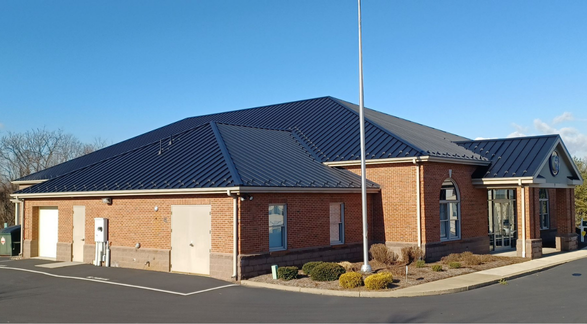
PROS
- Sleek Aesthetic: Clean lines with no visible screws.
- Zero Leak Points: No exposed fasteners or washers to crack or rot.
- Solar Ready: Panels allow solar clamps to attach without drilling holes.
- Storm Ready: The interlocking clip system helps the roof withstand high winds.
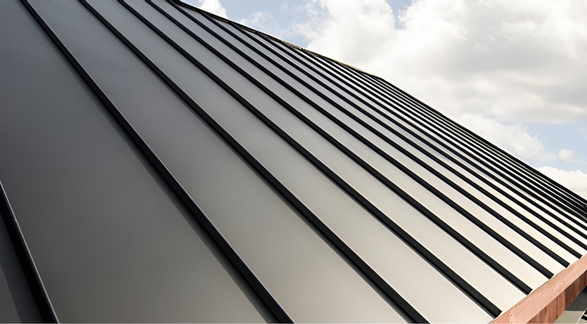
CONS
- Higher Investment: More expensive material and more labor-intensive installation.
- Oil Canning: Flat metal panels may show a slight “wavy” appearance (oil canning) in certain lighting. It’s a common, cosmetic characteristic of metal roofing, and adding panel striations reduces how visible it is.
Option B: Corrugated / Ag Panel (The "Exposed Fastener" System)
Commonly seen on barns, sheds, and farmhouses, these panels overlap and are fastened by screwing directly through the face of the metal into the structure below.
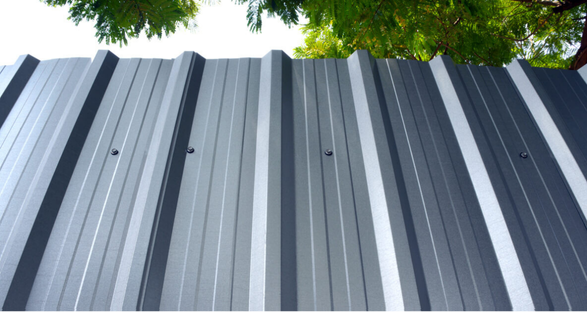
PROS
It’s much more budget-friendly and delivers a classic ranch or industrial look. Installation is faster and less complex, making it a practical, no-nonsense option for larger roofs and projects.
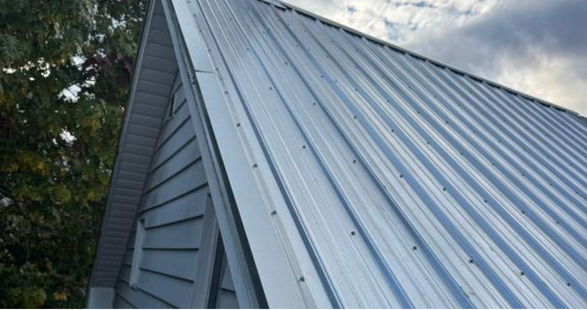
CONS
With exposed screws, the rubber washers eventually dry rot. This means full screw replacement every 10–15 years to prevent leaks, making it a higher-maintenance choice for metal roofing in PA.
| Feature | Standing Seam (Hidden Fastener) | Corrugated (Exposed Fastener) |
|---|---|---|
| Fasteners | Concealed (Protected) | Exposed (Vulnerable to UV) |
| Maintenance | Near Zero | Moderate (Tighten/Replace screws) |
| Aesthetic | Modern, Clean, Residential | Rustic, Industrial, Agricultural |
| Lifespan | 50-80 Years | 40-60 Years |
| Cost | Premium Investment | Budget-Friendly |
| Contact Us |
Best For: Barns, detached garages, farmhouses, and budget-conscious replacements.
The Technical Reality: Often called "G100" or "Ag Panel," this system screws directly through the face of the metal into the wood decking. It relies on a neoprene rubber washer to seal the hole.
Joyland Spec:
We use 28-gauge corrugated panels. While thinner than standing seam, the "wavy" corrugation adds structural rigidity, making it incredibly hail-resistant.
The Maintenance Truth:
The metal will last 50 years, but the rubber washers will not. You must expect to tighten or replace the screws every 15–20 years as the rubber dries out and cracks from UV exposure.
| Feature | Fasteners | Maintenance | Aesthetic | Lifespan | Cost |
|---|---|---|---|---|---|
| Standing Seam (Hidden Fastener) | Concealed (Protected) | Near Zero | Modern, Clean, Residential | 50-80 Years | Premium Investment |
| Corrugated (Exposed Fastener) | Exposed (Vulnerable to UV) | Moderate (Tighten/Replace screws) | Rustic, Industrial, Agricultural | 40-60 Years | Budget-Friendly |
Not sure which metal roofing fits your home? We bring full-size samples to every inspection.
PROS & CONS OF METAL ROOFING
Metal roofing is known for durability and performance, but understanding its pros and cons is key to choosing the right system for your home.
PROS
- Cost-effective for most budgets
- Widest range of colors and styles
- Easier and faster to repair than metal or slate
PROS
- Superior wind, hail, and weather resistance
- Energy-efficient and reflective surface
- Low maintenance
- Increases home value
- Fire-resistant and environmentally friendly
- Upgraded look and function (over shingles)
CONS
- Higher upfront cost compared to shingles
- Can be noisy in heavy rain without proper insulation
- Exposed fastener systems require periodic tightening
- Not ideal for flat or low-slope roofs
If you're planning to stay in your home long-term or want the best protection available, metal roofing offers unmatched lifetime value.
Click here to see a longevity comparison chart for metal roof vs. other materials.
A Premium Metal Roof Is More Than Just Panels
Metal roofing systems include multiple layers engineered to provide watertight performance, proper ventilation, and long-term structural protection.
6 Key Components of a Metal Roofing System
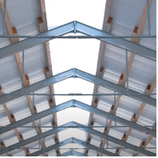
Roof Deck / Substrate
We perform a full tear-off to inspect your plywood or OSB. A metal roof is only as strong as the wood it’s attached to.
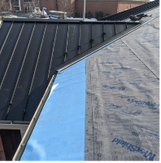
Underlayment
We use high-temp synthetic underlayment that acts as a secondary waterproof barrier for added protection and reliability.
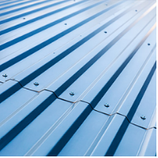
Fastening System
We use premium fasteners designed to resist backing out or rusting over decades of dependable, long-term service you trust.
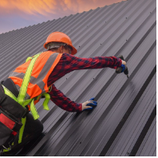
Metal Panels
Our panels are built to look like clay tile, slate, wood, or traditional shingles while maintaining the strength of steel.
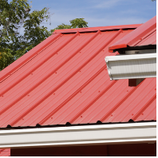
Flashing & Edge Metals
This is where the skill of the installer shows. We custom-bend our flashing to ensure watertight seals at every transition.
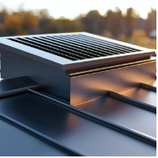
Ventilation
Proper airflow is essential to prevent moisture buildup and help maximize energy savings throughout the year in your home.
What a Metal Roof Replacement Looks Like (From Start to Finish)
We follow a meticulous process we call "The Seamless Way." We start by protecting your property with the Equipter "Roof Buggy" to catch debris. After stripping the old materials, we prep the deck, install the underlayment, and custom-fit your metal panels. We finish with a 21-point inspection to ensure every detail meets our 30-year standard of excellence.
Why is Metal Roofing So Expensive?
The cost of metal roofing in Pennsylvania reflects premium materials and expert craftsmanship. Metal requires precision tools and trained specialists, resulting in a roof that can last 100+ years. Installed by licensed pros, GAF Master Elite® rated, and OSHA-compliant.
For pricing by home size and shingle type, visit our Residential Roof Replacement Pricing page.
So, why do people buy it? Because the Cost of Ownership is lower.
- The Asphalt Cycle: In 50 years, you will pay for three asphalt roofs (inflation-adjusted). You will buy one metal roof.
- Energy Savings: Metal reflects solar heat (High Emissivity), lowering summer cooling costs up to 25% compared to dark asphalt that absorbs heat.
- Resale Value: Homes with metal roofs typically see a resale value increase of 1-6% and recoup a significant portion of the installation cost.
- Insurance Discounts: Many insurance carriers offer discounts for Class 4 Impact Resistant metal roofs.
So, why do people buy it? Because the Cost of Ownership is lower.
The Asphalt Cycle: In 50 years, you will pay for three asphalt roofs (inflation-adjusted). You will buy one metal roof.
Energy Savings:
Metal reflects solar heat (high emissivity), lowering summer cooling costs by 20–25% compared to dark asphalt that absorbs heat.
Resale Value:
Homes with metal roofs typically see a resale value increase of 1–6% and recoup a significant portion of the installation cost.
Insurance Discounts:
Many insurance carriers offer discounts for Class 4 impact-resistant metal roofs.
Asphalt Shingle Cost
$30,000 - $40,000
Standing Seam Metal Cost
$12,000 - $15,000
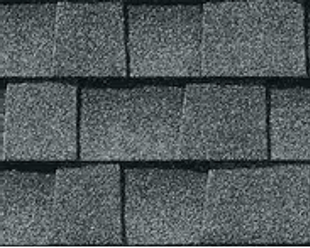
A Standing Seam metal roof can cost 3 to 4 times more than an asphalt shingle roof.
For detailed pricing by home size and shingle type, visit our Residential Roof Replacement Pricing page.
Why Pay for a Temporary Roof?
Asphalt shingles are a short-term solution when you look at the lifespan of a home. While the upfront cost is lower, shingles typically need replacement every 15–25 years. Metal roofing lasts two to three times longer, with fewer repairs and less maintenance. Over time, what seems expensive often becomes the most cost-effective investment for your property.
The ROI of Metal:
While the "Sticker Shock" of metal is real (often 2-3x the cost of asphalt), the Cost of Ownership is lower.
- Energy Savings: Metal reflects the sun, lowering cooling costs by up to 15%.
- Resale Value: Metal roofs tend to add more value to a home than shingles.
- Insurance Discounts: Many insurers offer discounts for impact-resistant metal roofs.
- Longevity: A standing seam metal roof can last for 80+ years.
Snow Guards: Protect Your Home from
"Roof Avalanches"
In Pennsylvania, snow doesn’t melt off metal roofs like shingles-it slides off in heavy sheets. Snow guards help control that movement, protecting gutters, property, and people below.
One of the biggest surprises for new metal roof owners in Pennsylvania is the "Roof Avalanche." Unlike asphalt shingles, which have grit that holds snow in place, metal is slick. When the sun hits your roof, the snow releases in massive, heavy sheets.
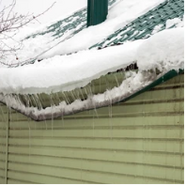
Ripped Gutters
A sudden snow slide can tear gutters right off the fascia.
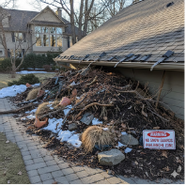
Crushed Landscaping
Thousands of pounds of ice can crush bushes and gardens.
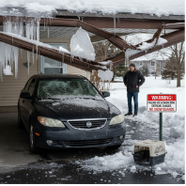
Liability
Falling snow creates a serious safety risk near roof edges.
How We Fix It: The Joyland Solution
No quick fixes. Metal roofing needs a system built for ice and heat-keeping water out and snow in place.
For Standing Seam (The "No-Hole" Method)
- The beauty of a standing seam is its solid, unbroken surface. We refuse to compromise that.
- The Fix: We use precision-engineered clamps that grip the ribs of your roof.
- The Benefit: No drills, no holes, and zero leaks. Your warranty stays intact, and your roof stays watertight while providing a rock-solid anchor for snow guards.
For Corrugated/Ag Panel
- Exposed fasteners shouldn't mean exposed risks.
- The Fix: We use structural-grade snow blocks fastened with oversized EPDM washers.
- The Benefit: Every attachment is triple-sealed and anchored into the building's frame, not just the thin metal. It’s a rugged, high-grip solution that saves your gutters from the "Pennsylvania Avalanche."
Rail vs. Cleat: Which Do I Need?
Continuous Rails (Best): These look like a fence running along the bottom of the roof. They are the strongest option and recommended for doorways, driveways, and areas with heavy foot traffic.
Individual Cleats (Good):
Small, individual guards staggered across the roof. These are a lower-profile option often used on upper roof sections to break up snow before it falls.
Joyland Tip:
We strongly recommend installing snow guards over any entryways, garage doors, or expensive landscaping. You can always add them later, but doing it during installation saves money and protects your home from the first winter storm.
To stop a “roof avalanche” on metal roofing, you have two effective options. The right choice depends on your roof’s pitch and what’s below the eaves.
Rail Systems (The "Fence"): These consist of a continuous bar (or two) that runs the length of your roof.
Best For: Walkways, doorways, and high-traffic areas.
Why: They provide a solid barrier that catches almost 100% of sliding snow and ice, keeping it on the roof until it melts safely.
Snow Cleats (The "Breakers"): These are individual, staggered pads (sometimes called "birds" or "snow guards").
Best For: Open yards and areas where you just need to break up the snow.
Why: They don't stop the snow entirely; instead, they break it into small, harmless chunks as it slides, preventing a single massive sheet from crashing down.
Built to Last Decades, Not Years
A roof is only as good as the specs behind it. We don’t just install metal roofing; we install systems engineered to last for 50 to 100 years.
What to Look for in a Roof Warranty
Panel & Coating Requirements
The sun is the biggest threat to metal finishes, so we use Kynar 500® coatings bonded to steel to resist fading and chalking.
Weather & Leak Protection
In the Northeast, roofs face extreme temperature swings. Metal roofing expands and contracts daily, and while shingles crack, our metal systems are built to move without breaking their seal.
Coverage Length
Watch VideoWe provide comprehensive protection that lasts as long as you own your home. While a standard roof starts failing the moment it’s installed, our metal systems are engineered for a 50-to-80+ year lifespan.
Transferability
A major perk of metal roofing is added property value. Our warranties transfer to the next owner, giving buyers the same coverage and often helping you recover a significant portion of the installation cost at resale.
Technical Specs & Warranties
When you choose metal roofing, you’re getting an engineered system-not paper-thin metal. We use commercial-grade materials that exceed code and stand up to extreme PA weather.
Steel: 24- or 26-gauge for superior dent resistance
Finish: Kynar 500® or Hylar 5000® coatings resist fading and chalking
Ratings: Class A fire rated; tested for winds up to 140 MPH
Substrate: Galvalume® coating prevents rust, even if scratched
Metal Roof Lifespan Comparison
60-100
Years Expected Lifespan
Standing Seam Metal
40-60
Years Expected Lifespan
Corrugated
The Joyland Guarantee
We’ve been serving South-Central Pennsylvania for 30 years, and we aren't going anywhere. Our Joyland Guarantee covers our craftsmanship for up to 25 years. If a screw backs out or a flashing piece isn't sitting right, we’re back to fix it for free. We treat your property like it’s our own, ensuring your investment is protected by more than just a piece of paper.
What Your Neighbors Say
Ready to See Metal Roof Samples on Your Home?
Frequently Asked Questions - Residential Roofing
Is metal roofing a good choice for Pennsylvania weather?
Yes. Metal roofing is specifically built to handle heavy snow, ice, freeze–thaw cycles, strong winds, and driving rain. Unlike shingles, it won’t crack, rot, or lift under stress, making it one of the most dependable long-term roofing solutions for Pennsylvania homes.
How long does metal roofing last compared to shingles?
Learn MoreAsphalt shingles usually last 15–25 years due to harsh seasonal weather. Metal roofing in PA can last 50–80+ years when professionally installed, often becoming the final roof a homeowner needs, with fewer repairs and lower lifetime costs.
Why is standing seam considered the best option?
Learn MoreStanding seam panels float on hidden clips, allowing them to expand and contract with temperature changes. This design handles freeze–thaw cycles effectively, preventing leaks and fastener failure common in Pennsylvania’s climate.
Why is metal roofing more expensive upfront?
See Pricing InformationMetal roofing costs more upfront because it uses premium materials and requires specialized installation. That upfront investment delivers superior durability, reduced maintenance, and a lifespan that far exceeds traditional roofing materials.
You can see more information on our pricing by clicking the button below.
Will a metal roof be noisy during rain or storms?
No. When installed over solid decking with proper underlayment and insulation, metal roofing is no louder than asphalt shingles. Noise issues are usually limited to open-frame or uninsulated structures like barns or pole buildings.
Can metal roofing improve energy efficiency?
Yes. Metal roofing reflects solar heat instead of absorbing it, helping reduce attic temperatures and lower cooling costs. Proper ventilation further enhances energy efficiency, making metal roofing a strong choice for year-round comfort.
What warranties come with metal roofing?
Click to Watch VideoHigh-quality systems include long-term material and coating warranties as well as workmanship guarantees. Many warranties transfer to future owners, providing lasting protection and peace of mind.