
Commercial Roof Replacement Cost
Wondering about the financial commitment for a new system? Access straightforward commercial roofing prices, discover the variables that shift your commercial roof replacement cost, and learn how to secure the highest return on investment for your property.
What is the Cost for a Commercial Roof Replacement in PA?
Here's everything you need to know to budget confidently for commercial flat roof replacement - from materials and labor to hidden costs and permits.
This guide provides the essential details for planning a commercial flat roof replacement cost - covering everything from material selection and labor to administrative fees and unexpected expenses. Estimates for roof work can fluctuate significantly within the commercial sector. As a property stakeholder, you understand that to replace commercial roof systems represents a major capital expenditure. Naturally, you need to understand the financial scope and the logic behind the numbers. Find clarity here on common inquiries like:
- How do different materials impact the bottom line?
- Is a complete tear-off of the existing surface mandatory?
- How do warranties and longevity affect cost?
- What are the things I should look for in a commercial roof estimate?
Commercial Flat Roof Prices by Size and Material
Review the categories below to see estimated pricing for standard flat systems, sloped commercial options, and specialized materials like metal or traditional shingles.
Commercial Flat roofs
Commercial steep roofs
Replace with TPO
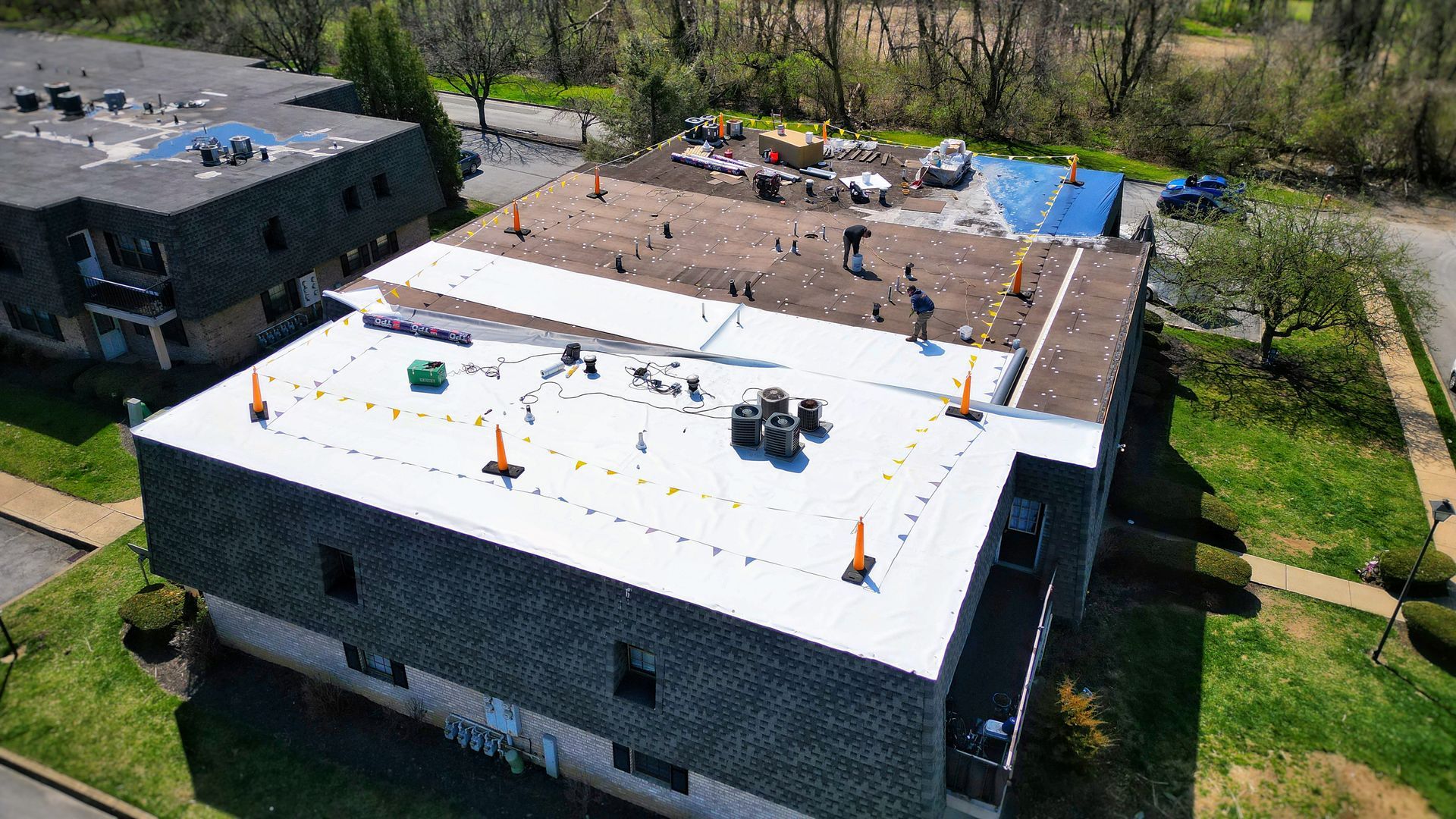
Swapping an old surface for a modern TPO system typically ranges from $8 to $15 per square foot. Your specific commercial flat roof replacement price is influenced by building height, site logistics, the number of units on the roof, the difficulty of removing the old material, and the thickness of the insulation boards required.
Replace with EPDM
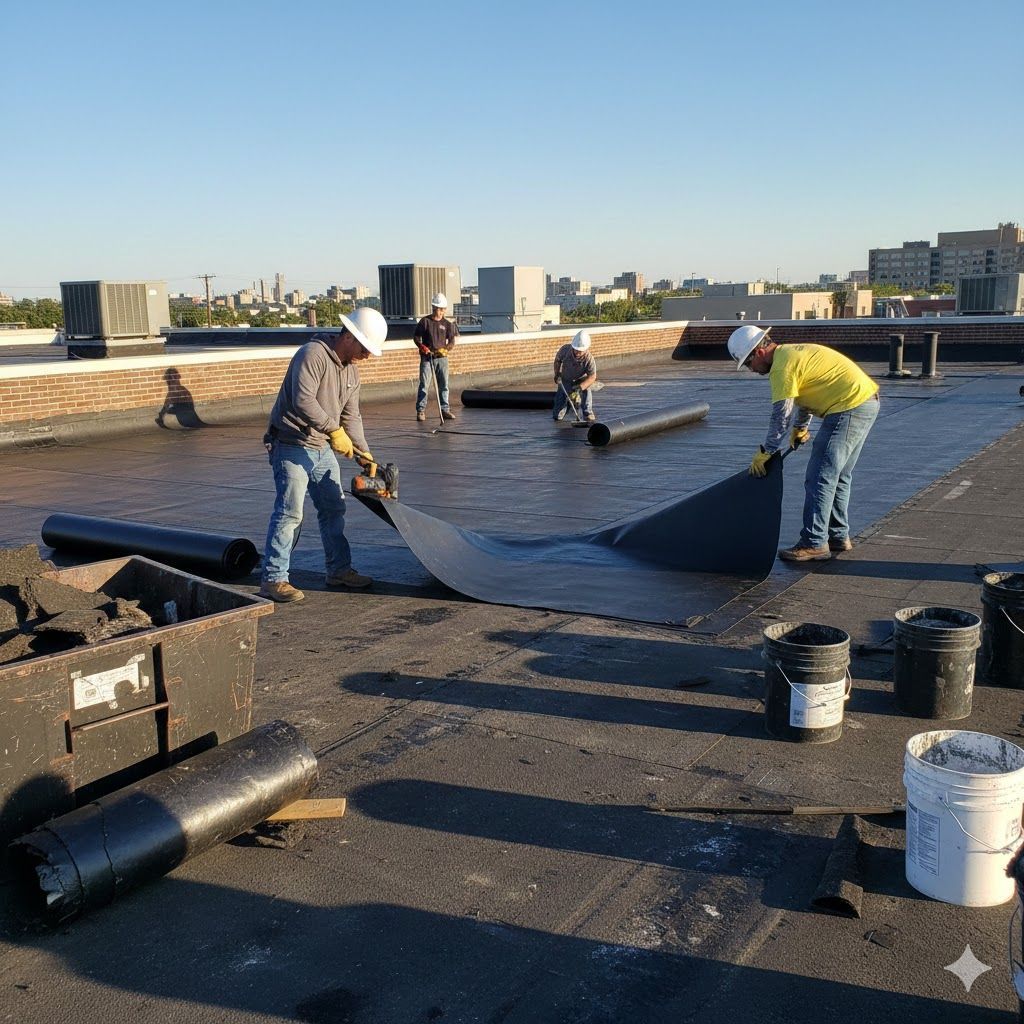
Installing a fresh EPDM rubber membrane usually falls between $10 and $15 per square foot. Total commercial roofing costs depend on the roof's elevation, ease of access for crews, the volume of penetrations, the difficulty of the demolition phase, and the specific R-value needed for the new insulation layer.
Flat Roof Repairs
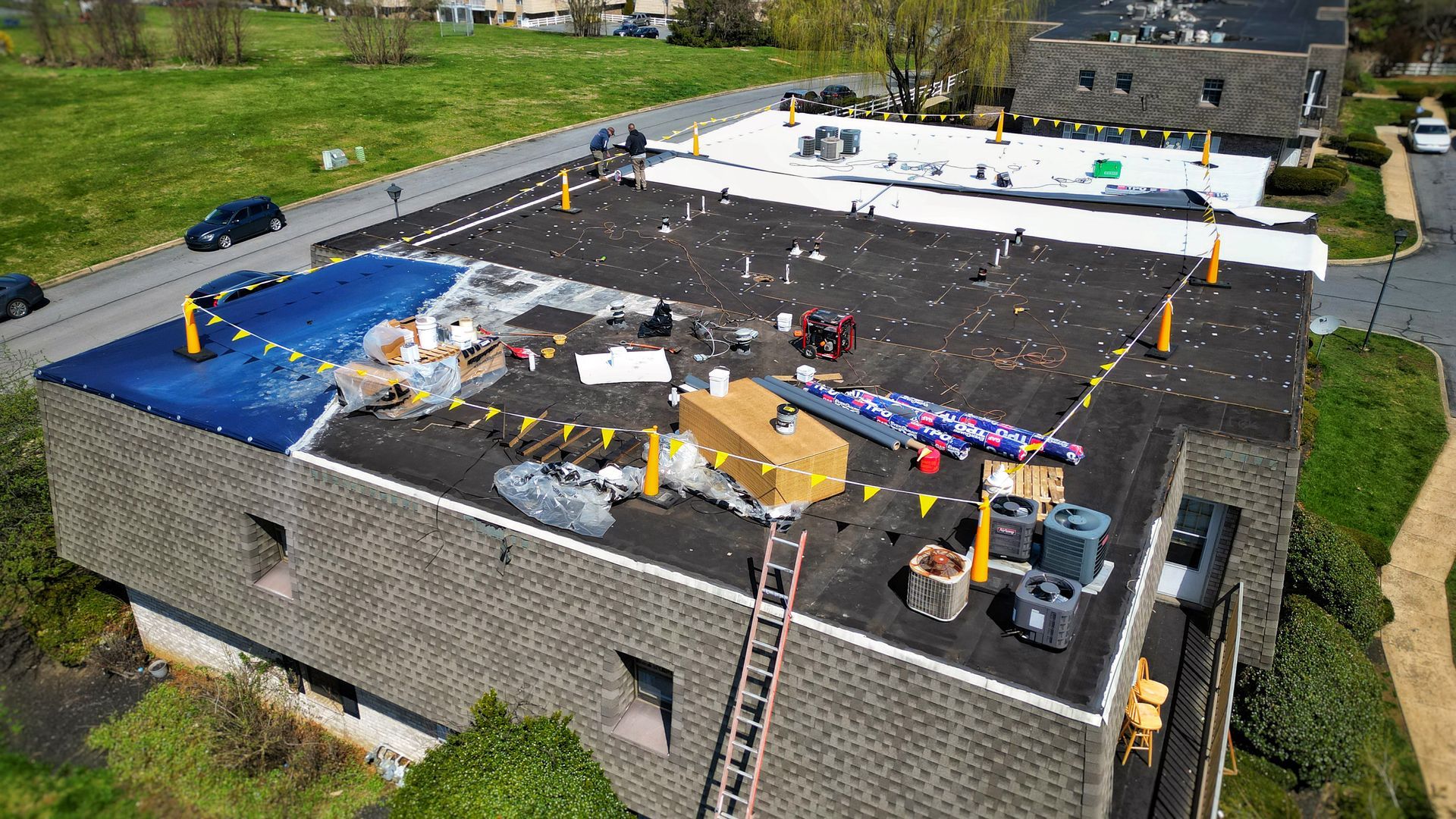
- Small repairs
- Puncture repair: $400-$800
- Leak investigation and fix: $800-$2500+
- Larger repairs such as drainage problems, long-time leaks, or other issues:
- $1500-$5500+
Commercial Asphalt Shingle
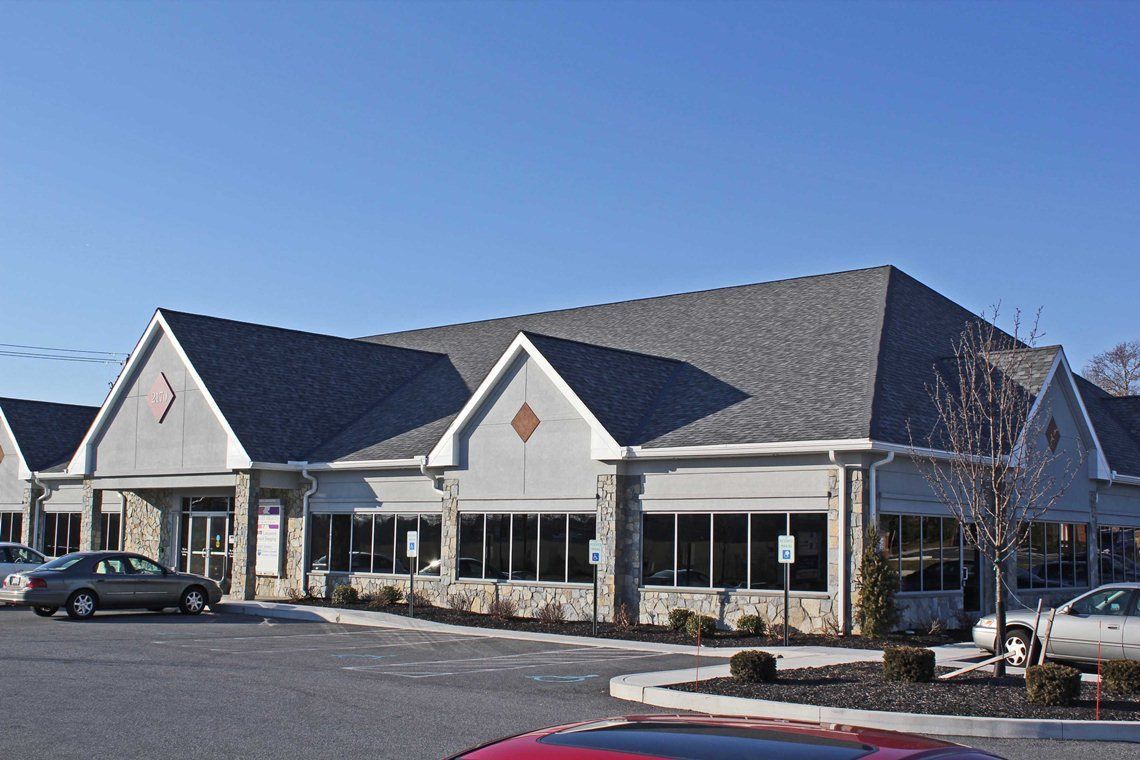
Upgrading a sloped commercial building with a modern asphalt shingle system typically costs between $7 and $12 per square foot of the roof surface. Total project expenses are influenced by the steepness of the pitch, site access for crews, the specific shingle quality you select, the overall shape complexity, and how many vents or pipes are present.
Commercial Metal
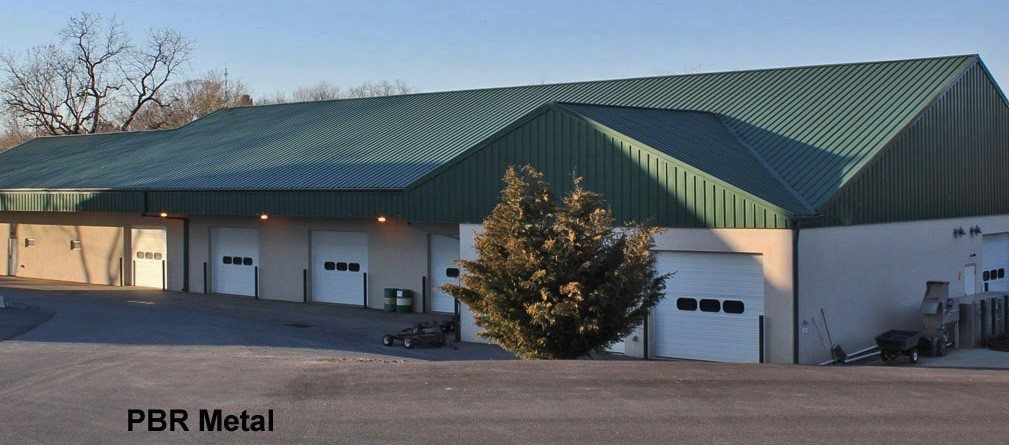
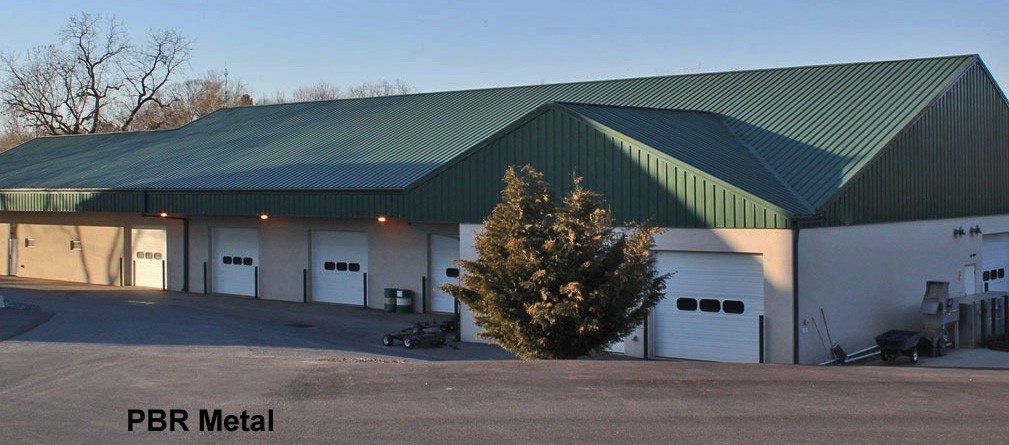
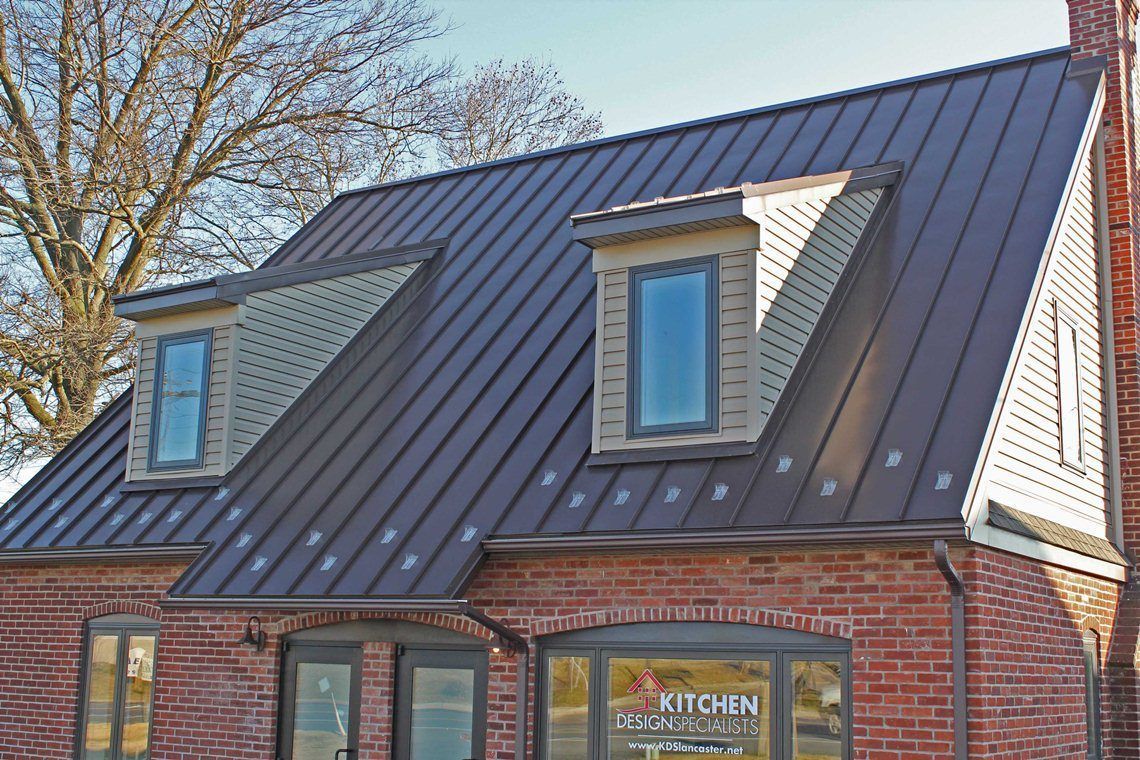
Opting to install a new metal system on a sloped commercial roof generally ranges from $8 to $20 per square foot of area. The final investment depends on factors like the roof's slope, the specific metal style (such as standing seam or corrugated panels), site accessibility, and the amount of custom flashing required for penetrations.
Steep Roof Repairs
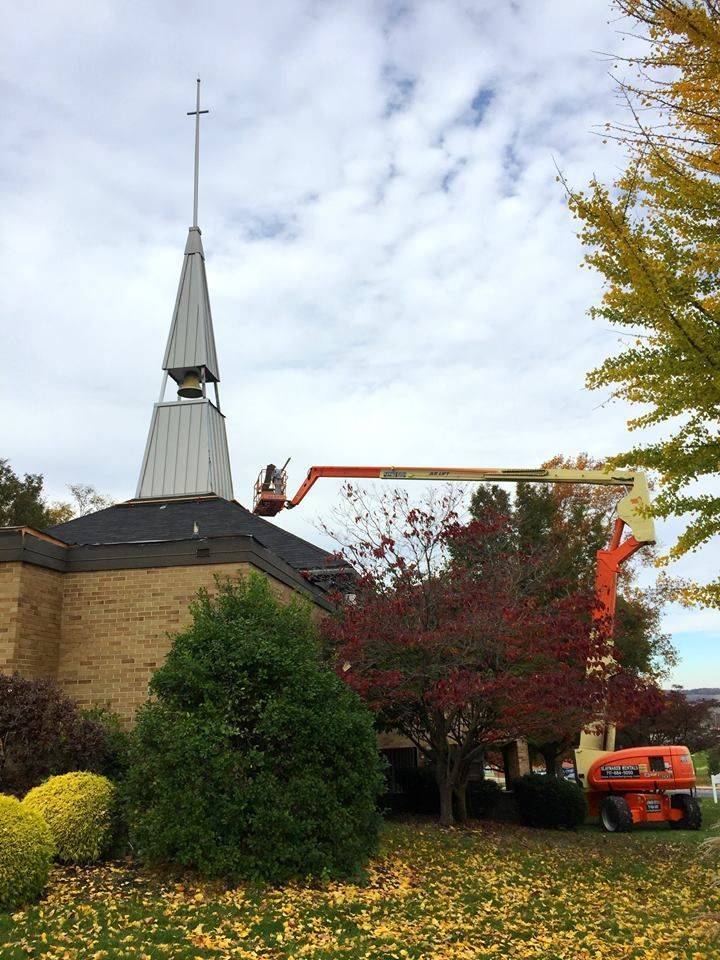
- Small repairs on a commercial steep roof:
- Shingle tab repair, pipe boot, etc: $500-$1200
- Leak investigate and repair: $800-$1500
- Larger repairs on a commercial steep roof:
- Long-standing leak issues or larger roof area affected: $2000-$4500
- Punctured metal roof: $1500-$3800
Commercial Flat roofs
Commercial steep roofs
Replace with TPO
Replacing an existing commercial flat roof with a new TPO flat roof system will generally cost between $8 and $15 per square foot. Factors that influence this include the type and height of the roof, accessibility, penetrations on the roof, type of system being removed, and amount of insulative substrate needed.
Replace with EPDM
Replacing an existing commercial flat roof with a new EPDM flat roof system will generally cost between $10 and $15 per square foot. Factors that influence this include the type and height of the roof, accessibility, penetrations on the roof, type of system being removed, and amount of insulative substrate needed.
Flat Roof Repairs
Small repairs
(Puncture repair: $400-$800)
(Leak investigation and fix: $800-$2500+)
Larger repairs such as drainage problems, long-time leaks, or other issues:
($1500-$5500+)
Commercial Asphalt Shingle
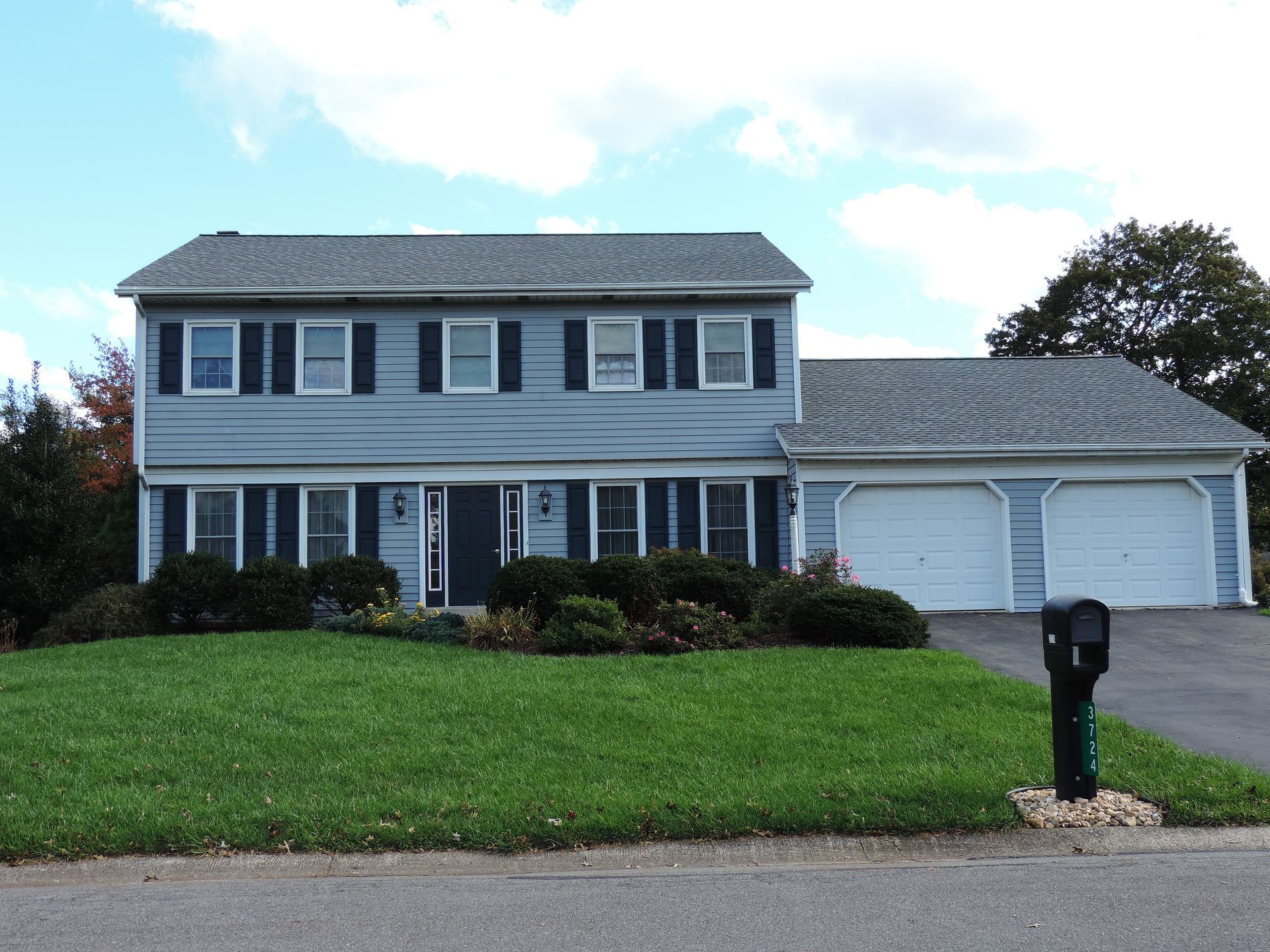
Replacing a commercial steep roof with a new asphalt shingle system will generally be between $7 to $12 per square foot of roof area. Factors that determine the price are explained below, such as roof pitch, accessibility, grade of shingles chosen, roof complexity, and the number/type of penetrations present.
Commercial Metal
Replacing a commercial steep roof with a new metal roof system will generally be between $8 and $20 per square foot of roof area. Factors that determine the price are explained below, such as roof pitch, accessibility, type of metal chosen (standing seam or corrugated), roof complexity, and the number/type of penetrations present.
Steep Roof Repairs
Small repairs on a commercial steep roof:
(Shingle tab repair, pipe boot, etc: $500-$1200)
(Leak investigate and repair: $800-$1500)
Larger repairs on a commercial steep roof:
(Long-standing leak issues or larger roof area affected: $2000-$4500)
(Punctured metal roof: $1500-$3800)
What factors drive the price up?
Difficult tear off
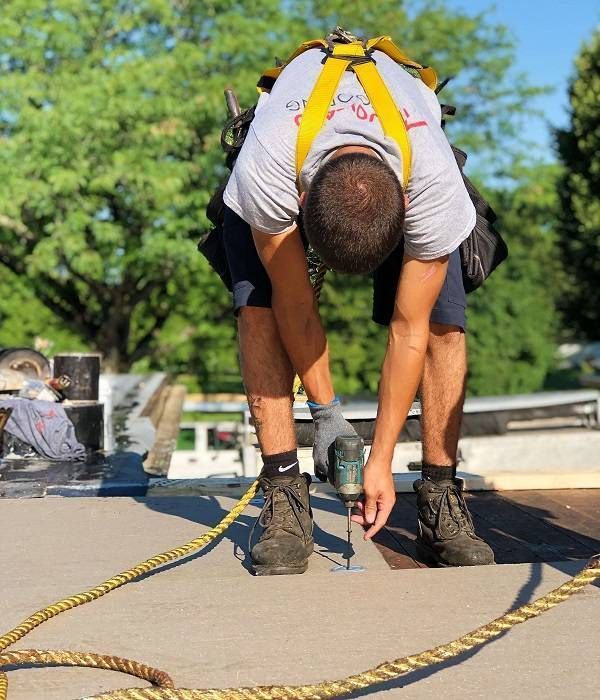
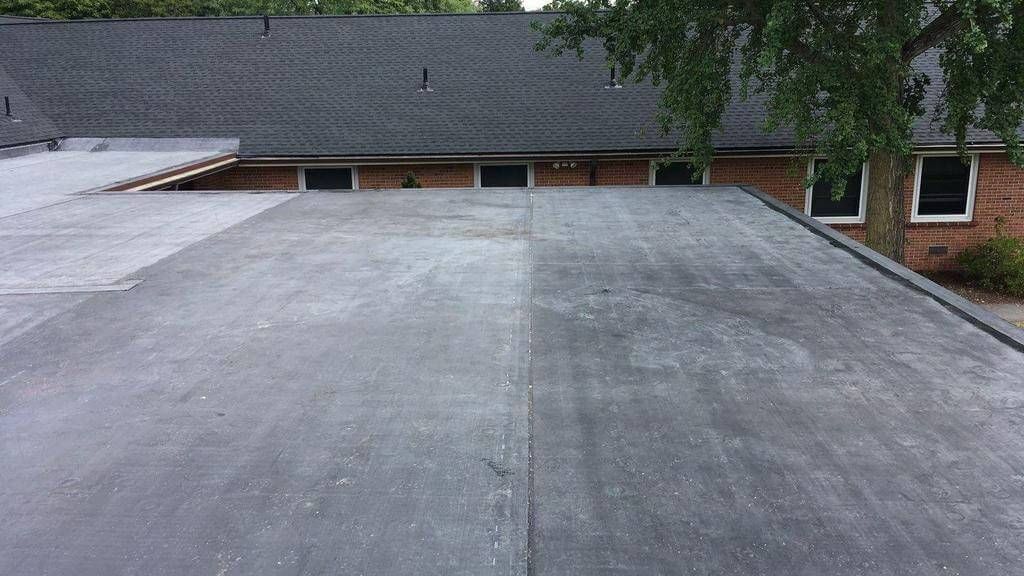
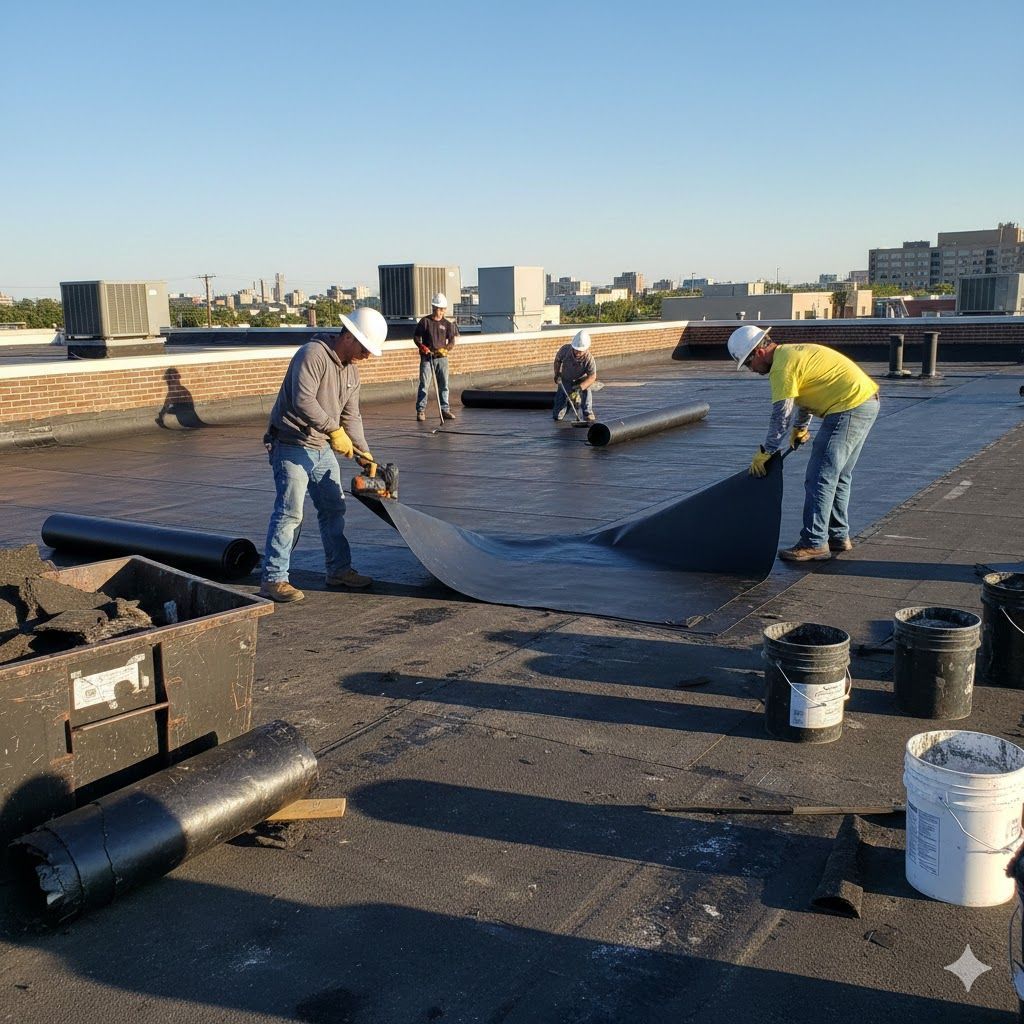
Labor costs spike when removing heavy materials like gravel and hot tar, or when dealing with water-logged insulation fused to the deck. These intensive demolition scenarios can add $2 or more to the flat roof replacement cost per square foot.
Gypsum or Tectum roof decks
Aged facilities built mid-century often feature specialized Gypsum or Tectum decks. These surfaces require custom, time-consuming attachment hardware. Depending on the needs, this can increase the price by $2 to $5 per square foot.
Complexity
Does your roof look like an obstacle course of AC units, pipes, and drains? The more items a crew has to flash and seal, the higher the labor cost. A busy 10,000 SF roof can easily see a higher commercial roofing cost than a clean roof.
Insulation
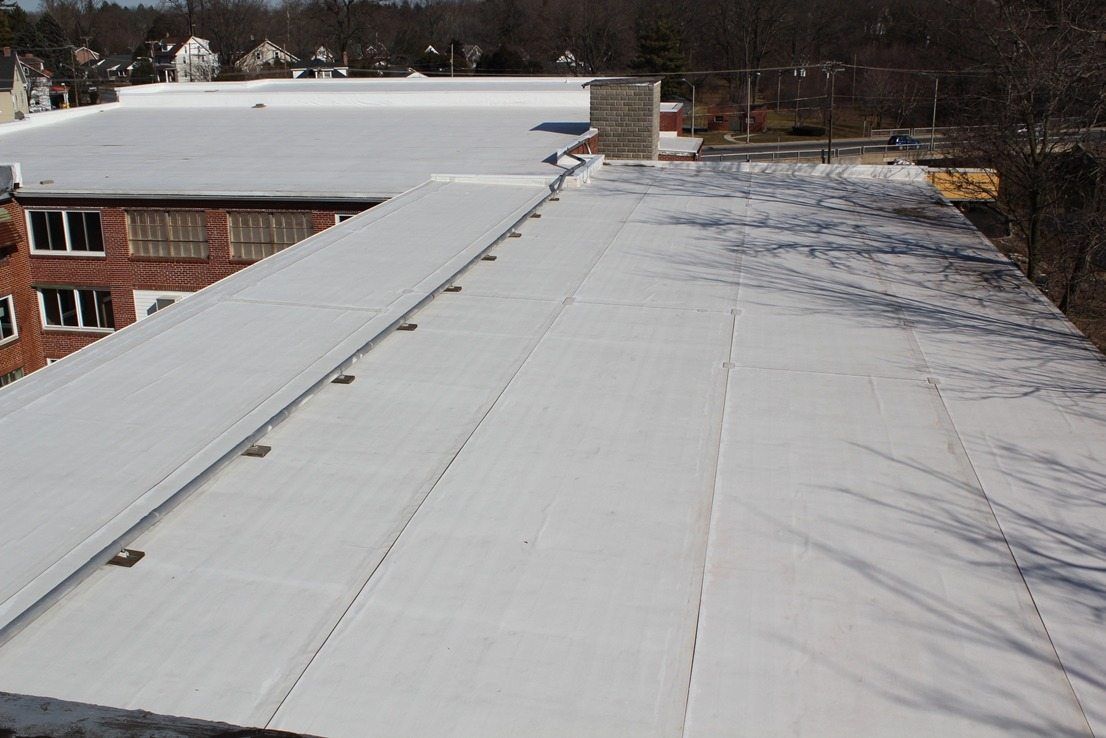
If you need high-density PolyISO boards to meet modern energy codes or to create a slope for better drainage, expect the budget to grow. These insulation requirements can add approximately $1.50 per square foot to the total project.
Difficult Accessibility
When a building is exceptionally tall or situated in a way that prevents easy crane or truck access, material logistics become a major hurdle. Challenging site conditions can inflate the commercial roofing price by 30% or even more.
Long Term Warranties
Premium warranties that offer extended protection require superior installation techniques, such as wider overlaps and higher-grade fasteners. While this improves durability, it usually only adds about $1 per square foot to the bill.
What factors drive the price down?
Roof Recover System
Depending on the existing roof type and condition, it's possible to go over it with a new system instead of removing it. There can be significant cost savings in this case, saving tear-off and disposal costs by as much as $4 per square foot.
Wood or Metal Roof Deck
Membrane roof systems like TPO or EPDM can be easily fastened to a wood or a metal roof deck using standard fastening methods. These deck types are also easier to repair (rot or rust) than other types and can save 20% or more on total project cost.
Simple Roof
A commercial flat roof that has minimal penetrations (AC curbs, pipes, cables, etc) is much easier to complete since large sections can be done without the need for extra flashing, cuts, and seams. This can translate to savings of $5-$8 per square foot in some cases.
Standard Substrates
If insulation value is not needed, or the deck is structurally sloped, then a standard 1/2" substrate board can be used instead of more expensive PolyISO tapered or insulative systems. The difference in price can be as much as $2 - $3 per square foot.
Easy to Access
A flat roof that's 15 feet off the ground, with a wide open parking lot for easy access right beside it - that's a roofer's dream. A flat roof replacement comes with large amounts of material handling, so the easier this is, the better.
Recover System
If your current roof is in decent shape and meets local codes, we might be able to install the new membrane directly over the old one. This avoids the labor of a full tear-off and disposal, potentially lowering the industrial roof replacement cost and saving you significant money on the project.
Simple Roof
A flat roof that's mostly open space with very few vents or HVAC units is much faster to install. Because there's less custom cutting and sealing involved, building owners can see savings ranging from $5 to $8 per square foot. This efficiency allows the crew to finish the entire job in record time.
Substrates
In cases where high-performance insulation isn't a priority or the deck already has a built-in slope, a thinner substrate board can be used. Opting for a standard 1/2" board over thick PolyISO can reduce the commercial roof cost by $2 to $3 per square foot without sacrificing any structural integrity.
Easy to Access
A low-level roof situated next to an open, paved lot is an ideal workspace. Since flat roofing involves moving heavy rolls and equipment, the faster the crew can move materials from the truck to the roof, the lower the labor cost will be. Logistics play a huge role in the final price of any project.
Type of Deck
Attaching TPO or EPDM to standard wood or steel decks is a straightforward process. These decks are the most cost-effective to work with and easier to fix if they have minor damage, often leading to a 20% reduction in total project costs. They provide a reliable foundation for your new system.
Why Roofing Prices Vary So Much
It's a challenging situation. A new roof is a significant asset, and while you need a contractor with verified skills, you also want to avoid paying a premium just to cover a company’s high-priced advertising or unnecessary corporate layers.
What Makes Companies So Expensive?
Technology & Equipment
Some companies invest heavily in new equipment, safety systems, and technology to offset labor costs. In the long run, this is a good plan, but it does come with high costs to purchase and maintain this equipment and technology.
Overhead
All companies carry overhead costs, but some more than others. Large offices, multiple levels of management, new vehicles and equipment — all of this can impact the final cost to the customer for a new roof system.
Limited offerings
Some companies have limited expertise in certain flat roof types, and so stick to a basic few regardless of the situation. This can result in a roof that might be more expensive than necessary because the contractor can't offer the right roof for the building.
Code Compliance
Commercial flat roofs need to be done right, and townships have code compliance officers to ensure this is the case. Manufacturers have very specific guidelines for how a roof gets installed, such as fastening methods, attachment specs, flashing details and more. Miss this and you have a roof without a warranty. It costs more up front but will definitely be worth it.
Limited offerings
Some contractors only know how to install one or two systems. If they aren't experts in multiple materials, they might push a more expensive solution regardless of the situation.
Code Compliance
Doing things by the book costs more upfront but protects you later. Manufacturers and local municipalities have strict rules. Skipping these results in prices that look better today but fail tomorrow.
Technology & Equipment
Top-tier companies spend money on specialized machinery and safety tech to improve long-term efficiency.
Overhead
Large-scale operations with massive offices and many layers of middle management have higher overhead reflected in the final commercial roof replacement cost.
Lack Of Proper Insurance
Roofing is dangerous work, and comes with high insurance costs for worker safety. Commercial roofing is a risky business not only in terms of property liability, but also in worker safety. A commercial roofer should have at least $2,000,000 in liability coverage, full Worker's Comp coverage, and a generous umbrella insurance policy to cover the what-ifs of roof replacement.
Lack of Code Compliance
Yes, it's very possible to replace a flat roof without permits or thought of system design. Of course, there are risks involved, but it does save a lot of money! Weekend warriors are great at dodging the costs of doing good business, but most times the project ends up with a frustrated building owner and a roofer gone with the cash.
Poor Workmanship
There are specific requirements from manufacturers for how a flat roof gets installed. Miss them and your warranty will be completely void. And yes, they're easy to miss if you haven't been factory trained and certified. A roofer who is not trained and certified by the manufacturer of the products they're installing should be avoided.
What Makes Companies So Cheap?
Lack Of Proper Insurance
Roofing insurance is a major expense. Cheap crews often skip liability or workers' comp, leaving you financially responsible for any onsite accidents, injuries, or property damage that occurs during your project.
Lack of Code Compliance
Skipping permits saves money upfront but creates legal risks. Uncertified work fails inspections and leads to fines or issues when selling, as the roof was never legally approved or documented by the city.
Poor Workmanship
Warranties are only valid if strict rules are followed. Untrained crews miss critical details in seam welding or flashing, which voids your protection and leads to leaks that you must eventually pay for out of pocket.
Where do Joyland's Prices Fall for Commercial Roofing?
How we keep costs reasonable without compromising quality
Experience has shown us that the lowest bid rarely satisfies a client in the long run. While we respect your budget, our goal is to provide a roof
that remains leak-free for decades.
Regular training and certification
Installation methods must evolve alongside modern product technology. A roof system installed incorrectly might fail in eight years, while a certified installation can last thirty. We prioritize continuous education on technical details to ensure your system performs for decades. Our crews are trained to get every single seam right.
Proper licensing and insurance
This's about protecting your business assets. We carry comprehensive liability and workers’ comp insurance so you're never held responsible for onsite incidents. Low-cost contractors often bypass these expenses to lower their bids, but that shifts the risk to you. We refuse to compromise on the coverage that keeps your company safe.
Code and Warranty Compliance
Major manufacturers mandate specific fastening patterns and deck requirements for their systems. If an installer ignores these codes, your warranty becomes completely void. We strictly follow all regional regulations and manufacturer specifications. This ensures your capital investment is fully protected by a valid, long-term guarantee.
Tools and equipment to do the job correctly
We utilize specialized machinery, like the Roofer’s Buggy, to protect your landscape and improve efficiency. High-quality dumpsters and lifting equipment mean we spend less time on logistics and more time on the roof. Proper tools allow us to work accurately, ensuring you don't pay for wasted labor or preventable installation errors.
Use of safety equipment
Roofing remains a high-risk profession. We have seen how a lack of safety can lead to life-altering accidents, and we refuse to let that happen on our projects. We invest in advanced fall protection and strict onsite protocols. This professional approach protects our dedicated team while minimizing any liability for your organization.
Staff to provide quick, consistent customer support
Our company culture is built on rapid response and transparent communication. You should never have to struggle to reach your contractor or wait weeks for a simple estimate. Our dedicated office team is structured to provide constant updates and helpful advice, ensuring a smooth experience from the initial inspection to completion.
We're There Every Step of the Way
Replacing a commercial roof is a major event. You deserve an honest commercial roof estimate that explains the differences and provides advice based on your building's specific needs. This's where Joyland fits in. Our pricing typically sits in the middle of the market. We're usually more affordable than the giant national firms while offering the same level of expertise. For example, on a 15,000 square foot project, you might see a range from $75,000 to $225,000. For a standard job of that scale, Joyland’s commercial roof replacement costs would likely fall in the $120,000 to $180,000 range.
What Hidden Costs Might there by on a commercial flat roof replacement?
Smart investors want to avoid "sticker shock" once the project has started. Here are the variables we watch for.
Costs That Some Contractors may Purposefully Leave Out
Disposal Fees
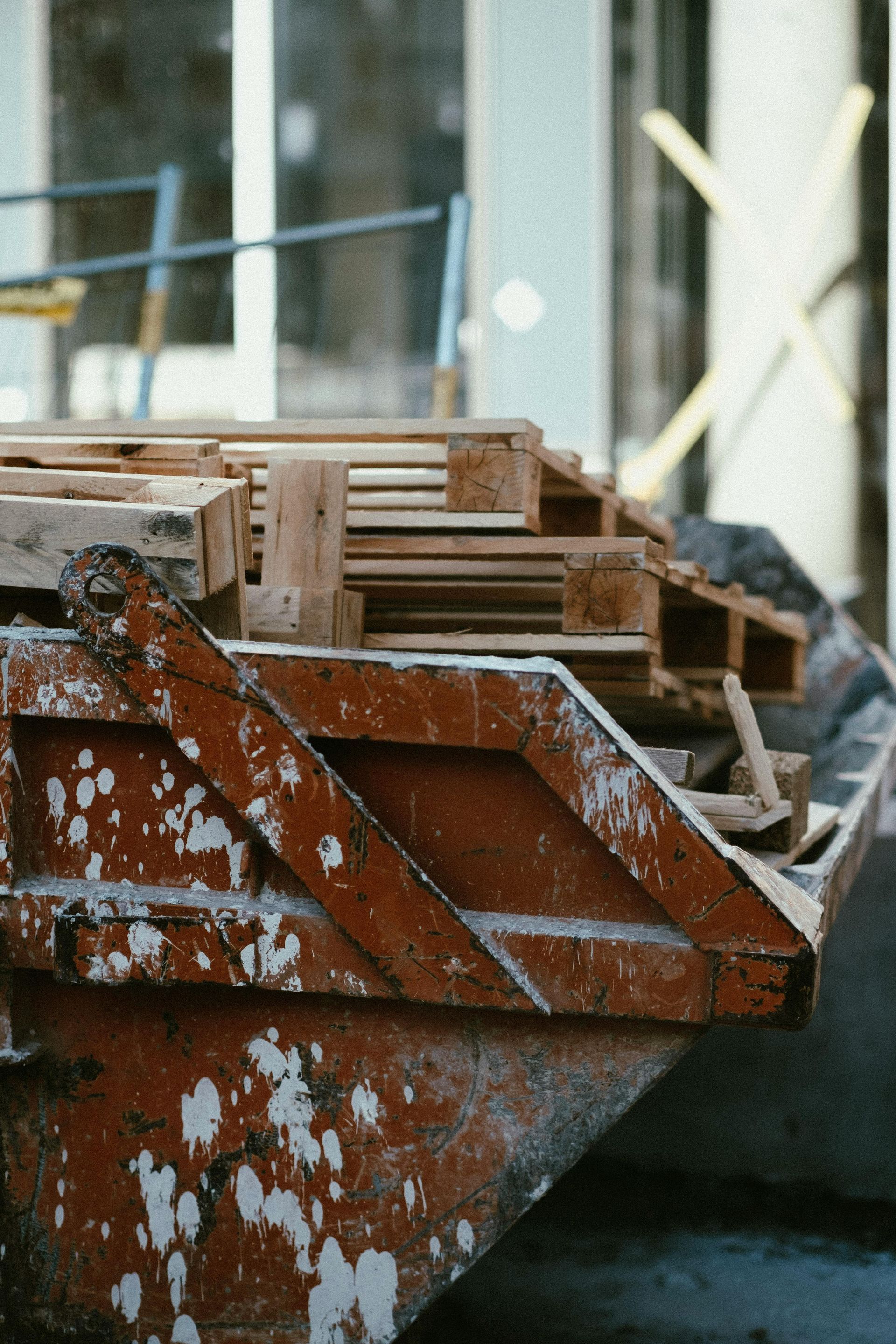
Confirm that your roofer has fully included all debris removal and landfill fees.
Multiple layers
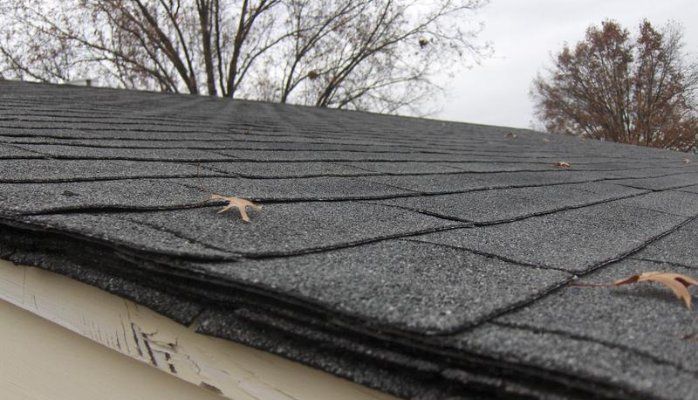
It's very common for flat roofs to have several layers of old material hidden underneath. Some contractors will hit you with a "surplus layer removal" fee (which can cost thousands), claiming they "didn't see" the extra layers and "had no way to include it in the quote." Don't fall for that. A professional roofer checks for extra layers, and if there is any doubt, they'll make sure you're informed ahead of time.
Roof deck issues
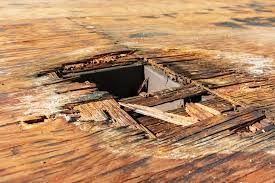
Soft plywood, rotting wood, or rusted steel decking - these issues can usually be spotted early if your roofer does a careful job during the first inspection. But a lazy contractor might just bill you for these necessary repairs while the project is halfway done instead of doing a thorough and honest evaluation at the very beginning.
Warranty Registration
If your new roof includes a manufacturer's warranty, there is typically a fee for it. Ask if that cost is already in your price or if it'll be an extra charge.
Reuse of Materials
Some companies try to lower their bids by planning to reuse old materials, but if those parts fail, they may charge you for "required upgrades" they didn't plan for.
Costs That Even Reputable Roofers May Not Include (But Will Tell You Upfront)
Permit Costs
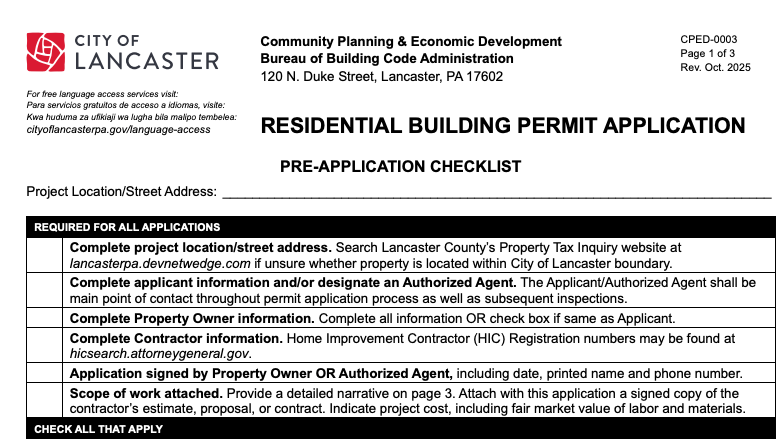
Fees and rules for permits differ depending on the local municipality. To avoid extra work, many contractors simply inform clients that "permits are not included" in their estimate, leaving you to handle the paperwork yourself. For our commercial projects, Joyland typically manages the application process for you and then bills the actual permit fee later once the city provides the final amount.
Rotted or Unsound Roof Deck
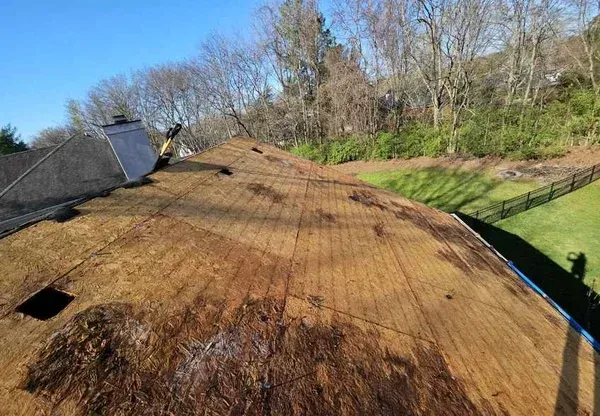
Especially near the edges of the roof!
This's common specifically near the edges! While a good inspection usually uncovers deck problems early, decay can still hide along the perimeter, above walls, or in other hard-to-reach spots on a flat roof. These sections must be repaired to ensure the new system is secure, so there may be extra costs if we discover and fix these hidden issues after the old roof is removed.
Our Promise
We’re upfront about what’s included, what’s not, and what could happen, even if it costs us a sale. That’s why we do detailed inspections before pricing and walk you through any “what ifs” — so you’re not caught off guard.
If something does come up mid-project, you’ll get clear documentation and honest pricing. We don't like bad surprises, and we try hard to keep them away from our customers, too.
Financing
Does Joyland Roofing Offer Financing?
One of our guiding principles at Joyland is to "do what's best for the customer." When it comes to financing, it means helping our customers understand the options without any smoke and mirrors. We believe you should know exactly what you're signing up for—the interest rates, the monthly payments, and the full repayment terms—before you commit to anything.
All in all, we offer a range of straightforward financing plans on qualifying projects, which are backed by reputable lenders.
That's not just Joyland saying "we have great rates!"—it’s actually major national banks that stand behind our financing programs and have approved our customers. This gives you the peace of mind of working with a credible and trustworthy partner.
Of course, we work hard on competence on the job, because we don't want you to have to worry about the investment you just made. Do it once, do it right!
Financing your new roof, or siding, or windows—that can be a bit intimidating. It's kind of like shopping for a new car. You find the perfect one, but then you get to the finance office and suddenly you're faced with a mountain of paperwork, confusing terms, and a lot of pressure. The entire process can feel overwhelming and full of fine print by design because nobody wants to give you the lowest rate or the simplest deal.
Financing your new roof, or siding, or windows—that can be a bit intimidating. It's kind of like shopping for a new car. You find the perfect one, but then you get to the finance office and suddenly you're faced with a mountain of paperwork, confusing terms, and a lot of pressure. The entire process can feel overwhelming and full of fine print by design because nobody wants to give you the lowest rate or the simplest deal.
One of our guiding principles at Joyland is to "do what's best for the customer." When it comes to financing, it means helping our customers understand the options without any smoke and mirrors. We believe you should know exactly what you're signing up for—the interest rates, the monthly payments, and the full repayment terms—before you commit to anything.
All in all, we offer a range of straightforward financing plans on qualifying projects, which are backed by reputable lenders.
That's not just Joyland saying "we have great rates!"—it’s actually major national banks that stand behind our financing programs and have approved our customers. This gives you the peace of mind of working with a credible and trustworthy partner.
- Of course, we work hard on competence on the job, because we don't want you to have to worry about the investment you just made. Do it once, do it right!
Frequently Asked Questions
Does Joyland require a deposit for commercial projects?
Yes, we'll typically require a 25% deposit at the time of signature, and then depending on the size of the project, we may wait for the balance until the project is complete, or we may require progress payments for large projects.
Do You Offer Financing?
Yes! We offer financing for both our roofing replacement and roofing repair projects.
Is maintenance necessary on a commercial flat roof?
Yes. Flat roofs collect debris and get walked on. Drains get clogged by leaves and sticks. Technicians working on rooftop equipment drop tools and sharp objects, puncturing the roof materials.
Most roof warranties require or strongly recommend annual maintenance by a factory certified roofer, and may deny a claim if this is not the case.
How does proactive maintenance affect the roof?
Regular maintenance on a flat roof can increase it's lifetime by as much as 60% or more. That's a huge incentive to have the roof maintained.
Does Joyland do flat roof maintenance plans?
Yes! A simple plan woud cost a few hundred dollars per year (depending on the roof size). We would conduct a site visit, record our findings with video/pictures, and point out any areas of concern accompanied with prices for any repairs recommended.
Can you put a new roof over an existing flat roof?
Sometimes. Here's how it works:
- International Building Code allows for up to 2 roof systems on a flat roof. So if there's only one layer there, it might not need to come off! But that depends on the next point:
- If there is only one layer, BUT there is water saturation or damaged roof decking, that layer will likely need to come off so the decking can be repaired or to remove the wet material so that the new system is not compromised.
- So, IF there is only one layer existing, and IF the deck is solid, and IF the existing system is dry, then YES, a new, fully warranted system can be installed overtop of that.
Should You Replace or Repair Your Roof?
Deciding between a roof repair and a full replacement isn’t just about today’s price tag — it’s about how much life your roof has left and what your plans are for your building.
Our philosophy is that you should do whatever is going to make the most financial sense within a 10-year period.
So if repairs are an effective way to extend the life of the roof by at least a few years, and they're less than 10% of replacement cost, then we say go for it!
But if proper repairs get into the 15%+ range of a full replacement, and they don't significantly extend the lifetime of the roof (less than 5 years), then that's a risky move. With repairs, you're not guaranteed that a new problem won't pop up tomorrow in another section of the roof, whereas with a replacement, you have warranties and guarantees to protect you in most leak/defect scenarios.