
Residential Flat Roofing in PA
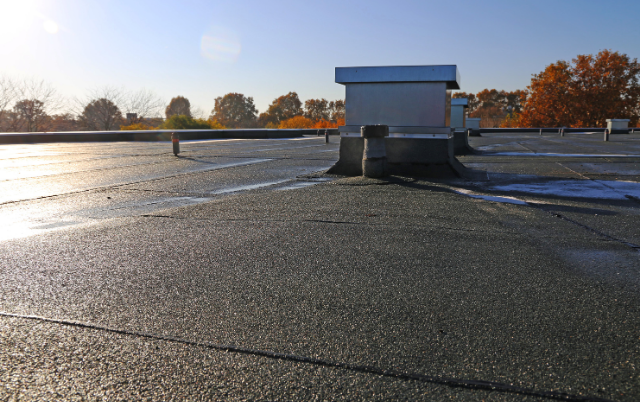
Residential flat roofing in PA requires expert planning. At Joyland Roofing, we install high-performance flat roof systems using advanced membranes along with proper slope and drainage design to prevent ponding and protect your home from harsh weather year after year.
Joyland is a Certified Flat Roofing Company
Residential flat roofs require specialized materials, proper drainage, and expert installation—more than any other roofing type. That's because water doesn't just run off a flat roof like it does on a sloped roof. At Joyland Roofing, we use high-performance membrane systems designed to withstand ponding water, UV exposure, and year-round weather challenges.
Many of our customers have struggled with finding a reliable and guaranteed fix for the problems on their flat roofs, such as:
- Water ponding / accumulating on the roof
- Leaks that are hard to trace back to the source
- Premature roof failure
- Punctures and tears in the material
Residential flat roofing requires a level of precision that goes beyond standard shingles. Because gravity doesn’t pull water off a flat surface as easily as a sloped one, these systems must be perfectly sealed and drained. At Joyland Roofing, we utilize advanced membrane technology specifically engineered to handle standing water and extreme temperature shifts, keeping your home dry through every season.
Many local homeowners have struggled to find lasting solutions for their flat roofs, encountering issues like:
- Standing water that doesn’t drain
- Hard-to-trace leaks
- Aging materials that fail before their time
- Punctures and holes from debris or foot traffic
Common Residential Flat Roofing
Systems Joyland Recommends
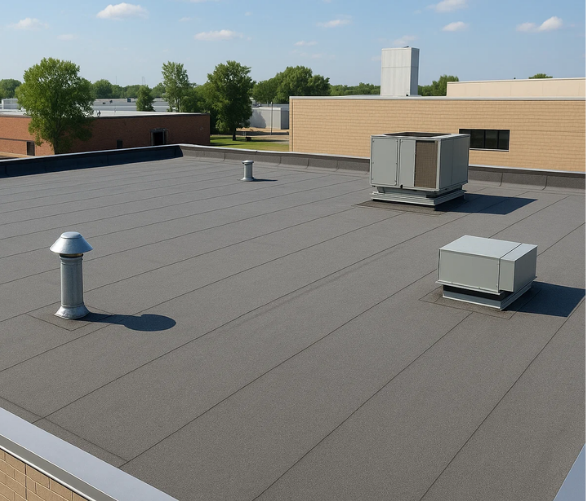
Low-slope surfaces need high-performance flat roofing systems to stay watertight. We prioritize engineered membranes that provide durability and energy savings. Every home is different, so we focus on choosing the best flat roof materials for your specific structure and drainage needs.
Common options include:
- EPDM (Rubber)
- TPO or PVC (Reflective)
- Modified Bitumen (Multi-layer)
1 - EPDM (Rubber Roofing)
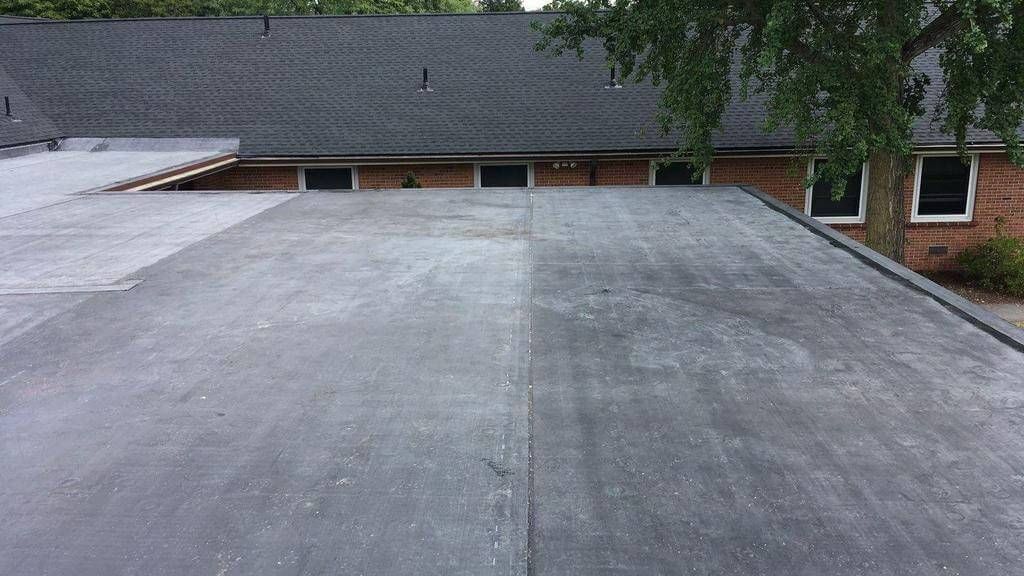
As the most popular choice for homes, EPDM is a synthetic rubber known for its incredible flexibility. It handles freezing winters and scorching summers without cracking. With a lifespan that often hits the 30-year mark, it’s a time-tested way to protect your property with minimal hassle.
2 - TPO (Reflective)
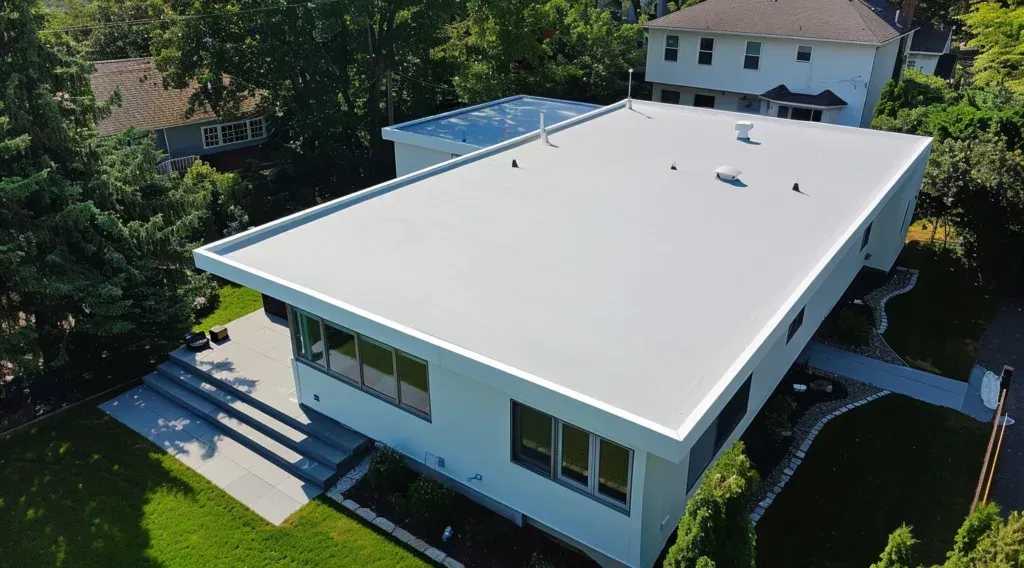
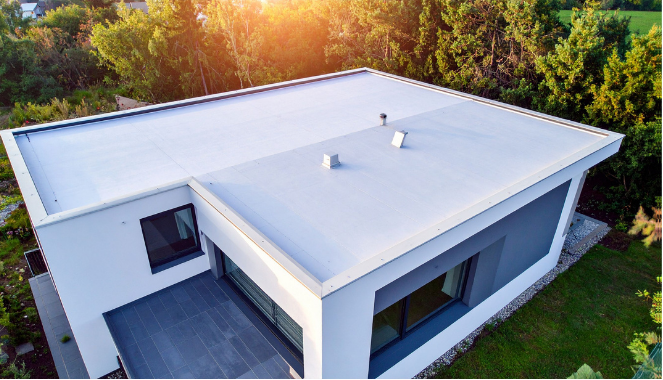
TPO is a modern, white membrane that reflects sunlight to keep your home cooler. The seams are heat-welded, creating a single, continuous shield that is highly leak-resistant. It’s a smart, energy-efficient upgrade for homeowners looking to lower their utility bills while securing their roof.
3 - Modified Bitumen (MBR) Reinforced Asphalt System
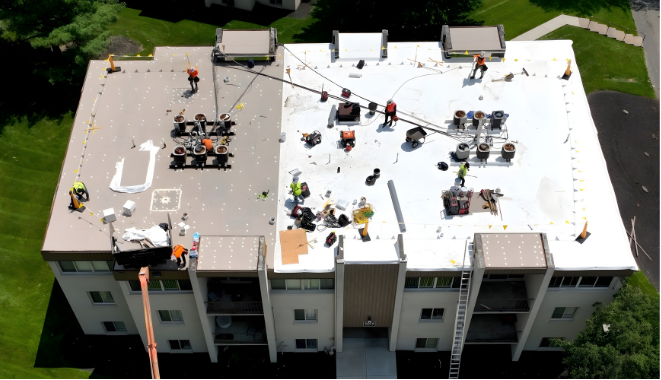
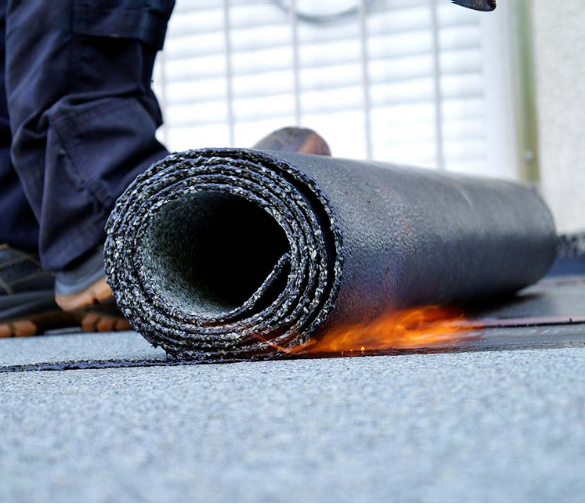
This is a tough, multi-layered asphalt system that provides excellent resistance against punctures. We often recommend this for high-traffic areas or small sections like balconies. It’s installed in thick, reinforced sheets, making it one of the most durable residential flat roofing systems available today.
We Can Help!
Uncertain about which material is the right fit for your home? We will evaluate your specific roof structure and provide a straightforward, expert recommendation on the system that best matches your goals and budget.
Understanding Each Roof Type’s Advantages & Challenges
Flat roofs can last decades when installed correctly with proper slope design, drainage, and high-quality membrane systems.
Click here to see a longevity comparison chart for flat roof vs. other materials.
PROS
- Cost-effective for most budgets
- Widest range of colors and styles
- Easier and faster to repair than metal or slate
EPDM (Rubber Roofing)
PROS
Membrane longevity
Flexible membrane for tight spaces
Cost-effective
Easy to repair
Heating cost reduction
CONS
Low puncture resistance
Black/grey color only
Seams deteriorate over time
Higher cooling costs (black absorbs heat)
TPO (Thermoplastic Roofing)
PROS
Superior Energy Efficiency (Cool Roof)
Heat-Welded Seams
Good Durability and Impact Resistance
Color Options
Lightweight and Faster Installation
CONS
Questionable Longevity (Newer Tech)
Susceptible to Heat
Slippery When Wet/Icy
Requires Professional Installation
Mod Bit (Modified Bitumen)
PROS
Excellent Puncture and Foot Traffic Resistance
Ease of Repair
Superior Waterproofing (Multi-Layer)
Fire/Wind Resistance
CONS
Shorter Lifespan
Heat Absorption / Energy Loss
Installation Safety and Fumes (Torch-Down)
Vulnerability to Ponding Water
A Reliable Flat Roof Requires More Than Just a Membrane
A durable flat roofing system is made up of multiple layers that work together to prevent leaks and structural damage.
Key Components Include
Substrate / Roof Deck
The solid base that supports the entire flat roofing system.
Tapered Insulation
Custom-sloped foam boards that eliminate ponding by directing water flow toward your drain system.
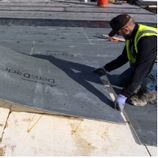
Cover Board
A rigid layer providing extra strength and a perfectly smooth surface for membrane attachment.
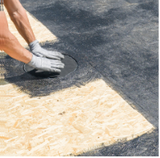
Membrane
The primary waterproof shield engineered to withstand UV rays, ice, and heavy rain year-round.
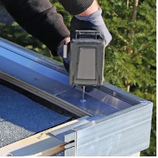
Flashings and Seams
Specialized seals applied to edges and vents to block water at the most vulnerable transitions.
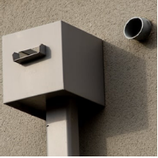
Drains / Scuppers
Essential exit points designed to move water off the roof quickly to prevent structural damage.
Watch a Flat Roof
Installation
For homes with flat or low-pitched roofs, a thorough inspection of the existing roof conditions is important before determining what should be done. When water leaks through a flat roof, it can often travel several feet or more before leaking down into the home. Understanding both where the leak appears inside and where it originates on the roof is essential.
Joyland replaces flat roofs on homes ranging from small sunporch flat roofs or balconies to whole-house flat roofs with drain systems and many details.
How Much Does a Residential Flat Roof Cost?
The total cost is based on your chosen membrane, total square footage, and necessary drainage fixes. We also consider roof features like skylights or vents. Use this guide to plan your project budget.
| Flat Roof Type | Description | Cost Example |
|---|---|---|
| EPDM (Rubber Roofing) | Single-ply rubber membrane; excellent leak protection; long-lasting; ideal for most residential flat roofs. | Most Popular Best Overall Value |
| TPO (Thermoplastic Roofing) | Heat-welded reflective membrane; energy-efficient; strong seams; great for additions or modern homes. | Mid-range Energy-efficient Upgrade |
| Modified Bitumen (MBR) | Reinforced asphalt membrane; durable; good for smaller flat roof sections or walkable decks. | Lowest Cost Option |
See our residential roof replacement pricing page for a full cost breakdown by house size and type.
Strategic Recommendation for Homeowners
| Factor | EPDM (Rubber) | TPO (Thermoplastic) | Modified Bitumen (Asphalt) |
|---|---|---|---|
| Typical Lifespan | 25-30+ Years (Proven) | 20-25 Years (Newer Tech) | 15-20 Years (Shorter) |
| Puncture Resistance | Low (Tears easily) | Medium (Good) | High (Thick, Multi-Layer) |
| Energy Efficiency | Low (Black absorbs heat) | High (White reflects heat) | Low (Dark absorbs heat) |
| Temperature Cycling | Excellent (Highly Flexible) | Good (Heat welded seams) | Good (Polymer enhanced) |
| Cost (Initial) | Lowest | Moderate | Low to Moderate |
| Installation Risk | Low (Adhered/Ballasted) | Low (Hot-air weld) | High (Torch-down risk) |
What to Look for in a Roof Warranty
Membrane Thickness
Opting for a thicker material often leads to enhanced durability and extended manufacturer coverage.
Insulation & Drainage
Standard warranties usually require professional insulation and a proper slope to prevent damage.
Seam & Flashing Coverage
Confirm your plan protects against failures at seams and vents, where most leaks actually begin.
Coverage Terms
Review whether your protection is prorated or non-prorated to gauge your long-term financial safety.
Transferability
A warranty that passes to the next owner can significantly increase your home’s overall resale value.
Flat Roof Lifespan Comparison
20-30
Years Expected Lifespan
TPO Membrane
25-35
Years Expected Lifespan
EPDM Rubber
15-25
Years Expected Lifespan
Modified Bitumen (MBR) Reinforced Asphalt System
The Joyland Recommendation:
If Lifetime Value & a Proven Track Record Matter:
EPDM and TPO are both dependable, long-term roofing systems. EPDM has a longer performance history and is widely valued for straightforward repairs, while both materials deliver the durability expected from a properly installed residential flat roof.
If Energy Efficiency & Visual Appeal Are Priorities:
TPO is the recommended option. Its reflective white “cool roof” surface helps reduce heat absorption and lower cooling costs during summer months. We work exclusively with reputable TPO manufacturers to avoid the formulation issues associated with lower-quality products.
If Puncture Resistance & Roof Traffic Are Critical:
Modified Bitumen is often the strongest solution. Its reinforced construction performs well on roofs with frequent foot traffic or exposure to debris from nearby trees. When EPDM or TPO is preferred, added walk pads or pavers can provide comparable protection for high-traffic areas.
Joyland Residential Warranties
We provide peace of mind through the GAF Golden Pledge Warranty, offering 50-year material protection and 25-year workmanship coverage. We don't just fix roofs; we ensure they last for a generation.
What Your Neighbors Say
















Ready to Explore Flat Roofing Options?
Frequently Asked Questions
What is the best material for residential flat roofing?
Learn MoreThe best choice depends on your specific goals. EPDM rubber is a classic favorite because of its long track record and flexibility. If you want to lower your energy bills, the reflective surface of TPO is an excellent modern upgrade. We evaluate your home's structure to help you pick the residential flat roofing system that provides the most value for your budget.
Are flat roofs fire-resistant?
Tips for Maintaining your Flat RoofMost modern membranes like TPO and Modified Bitumen carry high fire ratings. Modified Bitumen often has a mineral surface that acts as a natural flame retardant. When we design your residential flat roofing system, we can select materials that meet specific fire safety standards required by your local building codes or insurance company.
How do I get an estimate for my flat roof?
Getting an estimate is easy. Just contact us for a free video inspection. We will come to your home, walk the roof, and record a video showing you the current condition and any problem areas. Then, we will sit down with you to discuss the best materials and provide a clear, upfront quote for a long-lasting and professional residential flat roofing solution.
How long should a new rubber roof last?
A professionally installed EPDM rubber roof typically lasts between 25 and 35 years. Its ability to stretch and contract during local temperature swings keeps it from cracking or tearing easily. To get the most out of it, we suggest keeping your drains clear of debris and having the seams checked every few years to ensure they stay watertight.
Is TPO roofing energy efficient?
Yes, TPO is one of the most efficient options available. Because the membrane is naturally white or light grey, it reflects the sun’s energy away from your house instead of absorbing it. This "Cool Roof" effect can significantly lower the temperature of your attic and living spaces, reducing your reliance on air conditioning in the summer.
Do flat roofs require more maintenance than shingles?
Watch VideoThey don't necessarily require "more" work, but the maintenance is different. While you don't have to worry about individual shingles blowing off, you do need to be more diligent about keeping drains and scuppers clear. A quick bi-annual check to remove leaves and debris is usually all it takes to keep your residential flat roofing performing at its peak.
Can a flat roof handle heavy snow?
Yes, when installed correctly, flat roofs are designed to support local snow loads. The key is ensuring that the roof has a solid substrate and that the water has a clear path to drain away as the snow melts. Materials like EPDM used in residential flat roofing are particularly good in cold weather because they stay flexible and won't crack when temperatures drop.