
What a Real Roof Inspection Looks Like (From Ladder to Attic)
James Wesser
March 18, 2026

Lorem ipsum dolor sit amet

Lorem ipsum dolor sit amet, consectetur adipiscing elit. Sed do eiusmod tempor incididunt ut labore et dolore magna aliqua. 

Most homeowners think a roof inspection means someone pulls up, looks around for a few minutes, and throws out a number. Sometimes, that’s exactly what happens. But if you actually want to know what’s going on with your roof, it takes a little more than a glance from the ground.


Roofing Sales Consultant Zach recently inspected a home in Elizabethtown where the homeowner noticed missing shingles and wanted to understand her options. What followed is a pretty typical example of how our team approaches every inspection.


And yeah… it involves actually getting on the roof.


.

Starting With What You Can See


We always begin with the obvious.

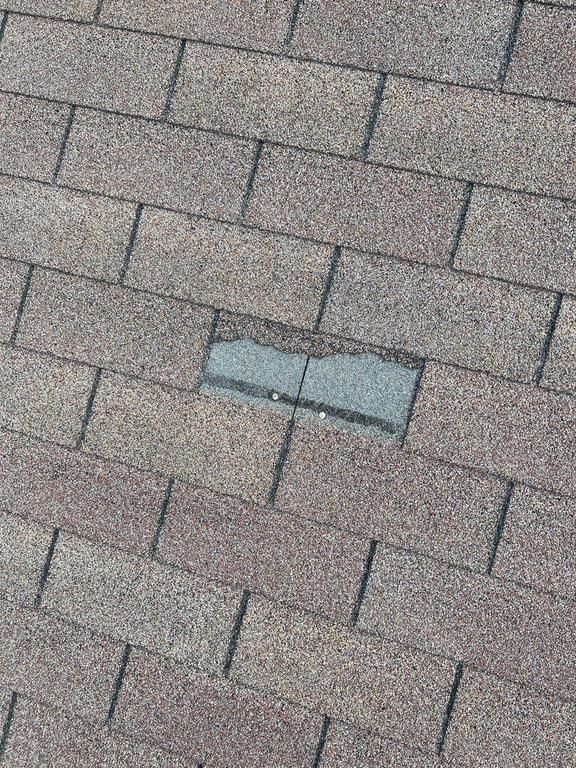
In this case, multiple shingles were missing across the roof. The home had a traditional three-tab shingle system, and over time, the sealant had started to fail. With a few strong wind events, those tabs didn’t stand a chance. That alone tells part of the story.


But not the whole story.


Getting Up on the Roof (Where the Real Answers Are)


Many roofing inspections stop at the ground. At Joyland, that’s only the beginning.

Once we’re up on the roof, we start digging into the details:


  • Checking the ridge to see what type it is and whether it’s secure
  • Inspecting pipe penetrations and rubber gaskets for breakdown
  • Looking at the granule loss and the overall condition of the shingles
  • Identifying soft spots, wear patterns, and problem areas


On this home, the ridge was aluminum. While it was holding up, the surrounding shingle condition told a bigger story. The roof had been repaired a few times already, and it was starting to show its age.


The Overlooked Areas Most People Miss

Roof issues don’t always start on the roof. We also take a close look at everything tied into it:

  • Siding where it meets the roofline
  • Dormers and J-channel connections
  • Soffit and fascia condition
  • Transition points like porch roofs and lower sections


These are the areas where water quietly sneaks in and causes problems long before you ever notice a leak inside.

On this home, the porch roof and transition areas needed a closer look, especially given the overall wear across the system.

The Attic Check (When Possible)

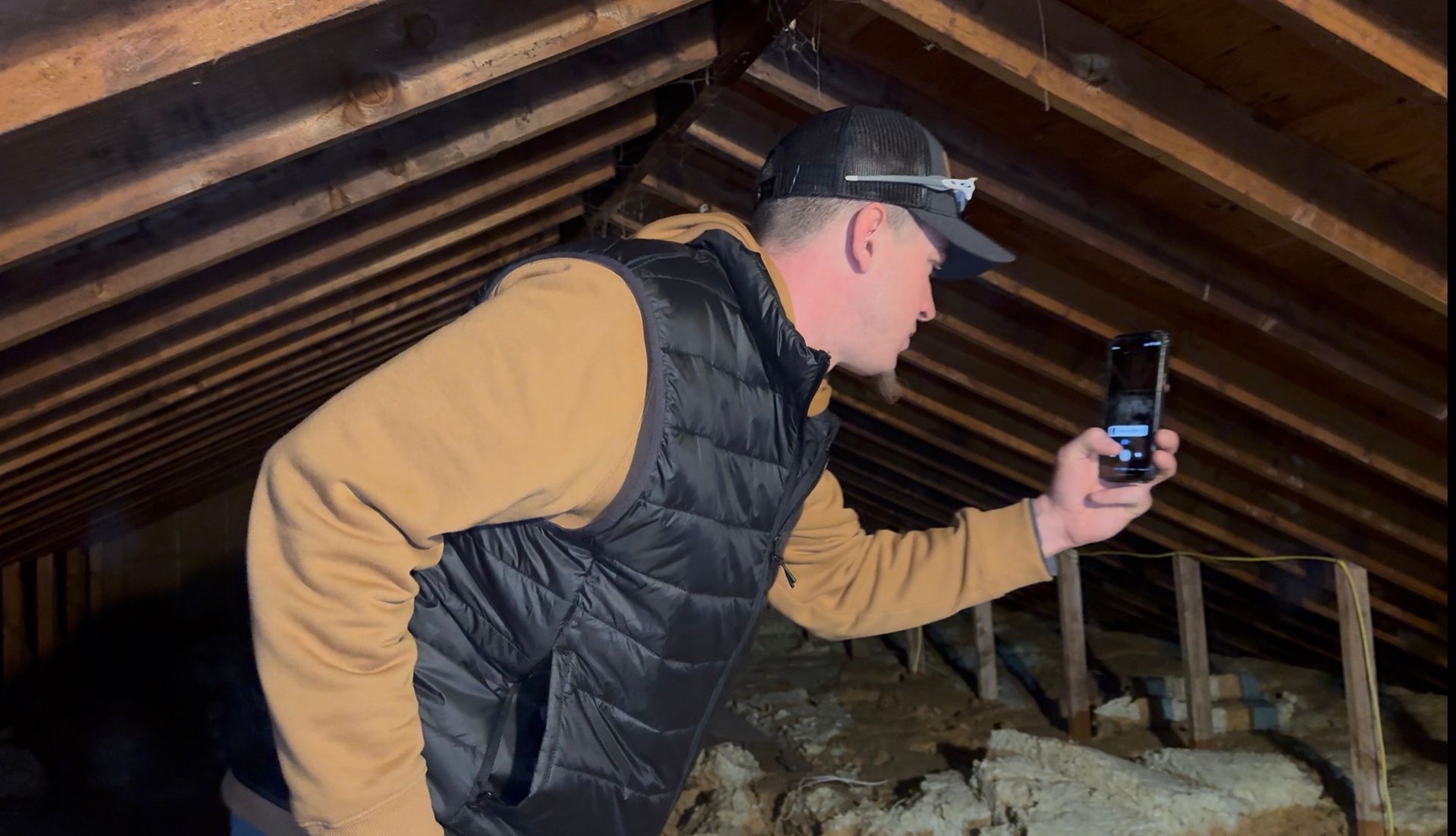
If the homeowner is available and access allows, we check the attic or crawlspace.

Why? Because the attic tells the truth.


This is where you can spot:

  • Active leaks or past water damage
  • Ventilation issues
  • Mold or moisture buildup
  • Insulation problems


In this case, the homeowner wasn’t home, so we held off. But if she moves forward, that attic inspection is part of the process before anything gets signed.


Repair or Replace? Giving Both Options

Here’s where we keep things simple and honest. Yes, some of the issues on this roof could be repaired.


But when you start stacking:

  • Missing shingles
  • Aging materials
  • Multiple past repairs


  …it often makes more sense to consider replacement.


In certain situations, we may provide both a
repair quote and a replacement quote. Then we walk through it with the homeowner and let them decide what makes the most sense for their situation.

No pressure. No guessing.


Why This Process Matters

At the end of the day, a roof inspection shouldn’t feel like a sales pitch.

It should feel like clarity.


You should walk away knowing:

  • What’s actually wrong
  • What are your options
  • What each option means for your home long-term


That only happens when someone takes the time actually to inspect the roof, not just estimate it.


If you notice these issues...

If you’ve noticed missing shingles, leaks, or just haven’t had your roof looked at in a while, it might be time.

We’ll climb it. We’ll check it. We’ll even crawl through the attic if we have to!

Ready to get started? Reach out today, and let’s take a look.

how often to clean gutters
By John Esh January 4, 2026
How often should you clean your gutters? It's not a one-size-fits-all. Your trees, weather, and roof design set the pace. Learn how often your gutters need attention to avoid leaks.
Logo for Joyland Roofing: red and black roof icon with company name in red and black text.
By John Esh January 4, 2026
Search Blog
Hole in white siding. Damaged area has rough edges and discolored interior. Horizontal grooves visible.
By John Esh January 1, 2026
Search Blog
Comparison of two houses with different siding, one tan with a red question mark, and one blue with a green checkmark.
By John Esh December 17, 2025
A Quick History Lesson: Who Is James Hardie?
Man pondering insulated siding. Headline:
By John Esh December 17, 2025
Is insulated siding worth the cost for Pennsylvania homeowners? Learn the pros, cons, energy savings, and whether it’s right for your home.

John Esh | CEO & Master Installer

  • 25+ Years Experience: From ground crew to Master Certified Installer.
  • Local Roots: Serving Lancaster, Harrisburg, and SEPA since 1991.
  • Credentials: GAF Master Certified (ME27586); Licensed in PA (PA124258) & MD (#137952).
  • The "Why": Obsessed with "radical transparency" to remove the fear factor from home improvements.

James Wesser | Content Producer

  • Background: Former local news digital producer and journalist.
  • The Mission: Turning complex roofing jargon into clear, "fluff-free" answers for homeowners.
  • Local Tie: When not filming on-site, he’s likely roaming Hersheypark or building digital worlds.

Meet The Experts