February 25, 2026
Siding Upgrades That Will Completely Transform Your Home’s Exterior
Author
There is massive potential hiding in every home exterior. Data from Hover’s dataset on over 10 million homes proves that the renovation market is huge, but more importantly, it proves that upgrading your house siding is a reliable path to increasing property value. Maybe you’re looking to modernize a dated facade, or perhaps you need to fortify your home against the harsh weather. Whatever the reason, the right siding choice changes everything.
Homeowners often underestimate how much a siding replacement impacts a house until the scaffolding comes down and they see the transformation firsthand. It does more than just cover the walls; it acts as the skin of your home. It creates that crucial first impression and protects your biggest investment. It deserves a little careful consideration.
Table of Contents
- TL;DR
- Vinyl Siding and Material Innovations
- Exterior Siding Aesthetics and Curb Appeal
- Building Science and Sustainability
- The Siding Selection and Installation Journey
- Why We Care About Your Walls
- Wrapping It Up
TL;DR
- Vinyl isn't what it used to be: Modern vinyl is a high-performance system, often featuring insulated backing and serious UV resistance.
- Fiber cement is the tough guy: It’s a non-combustible, rot-resistant alternative that handles temperature swings much better than wood.
- Metal is trending: Board and batten steel siding is moving from barns to high-end homes, thanks to better rust prevention.
- The look is changing: We are seeing a shift toward darker colors, matte finishes, and mixing textures (like stone and shake) on the same wall.
- It's about science, not just looks: Siding is part of a system that needs to repel rain while letting the house "breathe" to prevent rot.
- Installation is everything: The best material will fail if the moisture management system (like a rain screen) isn't installed correctly.
Vinyl Siding and Material Innovations
Let’s start with the material that still dominates the market. You might have some preconceived notions about synthetic materials—specifically that they look "plastic" or cheap. But manufacturing technology has moved fast. Engineering has transformed basic plastic coverings into durable, high-tech cladding systems.
Today, you don't have to sacrifice structural integrity for a lower price. Vinyl specifically has seen massive leaps in quality. The siding on your neighbor's house that looks like freshly painted wood? It’s likely advanced vinyl. Before you judge it, take a look at modern samples. The durability is high, the insulation is better, and the maintenance is almost non-existent. It fits most budgets and makes vinyl siding installation a serious contender for any renovation.
The Evolution of Vinyl Siding
Vinyl used to get a bad rap for looking flimsy. That narrative is outdated. Modern engineering has pushed this material into a high-performance category that rivals natural options. We see homeowners choosing this for its low maintenance requirements just as often as for its budget-friendly price tag. While vinyl is cost-effective, keep in mind that vinyl siding removal costs can run $0.70 to $2.00 per square foot extra, so getting the installation right the first time is key to avoiding future remediation expenses.
Insulated Vinyl Technology
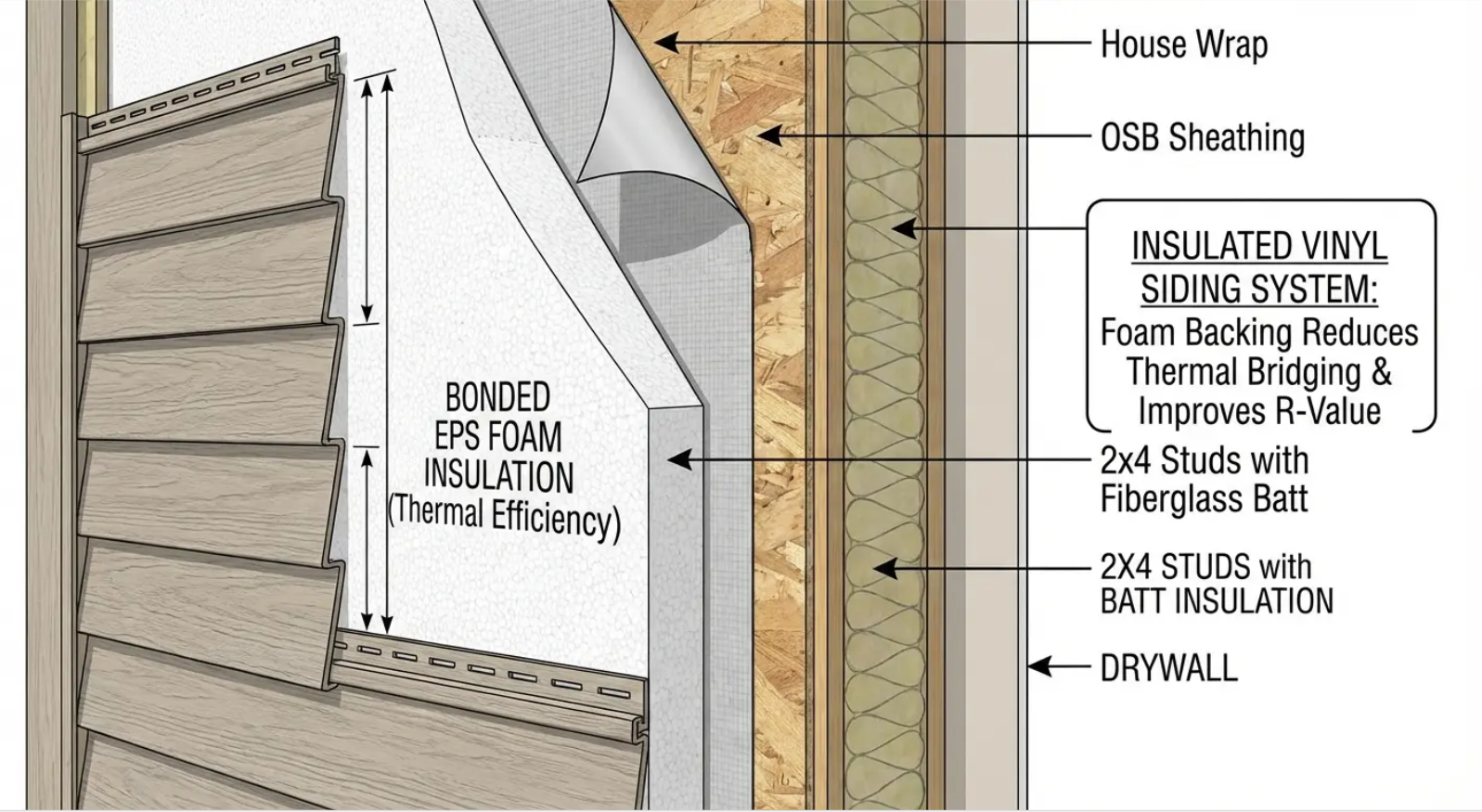
Manufacturers now bond expanded polystyrene (EPS) foam directly to the vinyl panel. This backing increases the R-value of your wall, but it does something else, too: it adds rigidity. You won't see that warping or "oil-canning" effect common in older, cheaper products because the foam keeps the profile stiff and straight against the studs.
This added rigidity is a game-changer for energy efficiency. Many homeowners wonder if the cost is justified. We explore the cost-benefit analysis in our guide on is insulated siding worth it for Pennsylvania homeowners, which details how that foam backing actually impacts utility bills in our specific climate.
UV Resistance and Color Fastness
Fading and chalking plagued vinyl siding in the 90s. Today, we use acrylic capstocks and advanced chemical formulations to protect the siding from the sun. These innovations allow manufacturers to offer warranties on darker, richer colors that last for decades without losing their vibrancy.
Texture Replication (Woodgrain)
Everyone wants the look of wood without the rot. Manufacturers now cast molds from actual cedar planks to imprint realistic grain patterns onto the vinyl. This gives the material the tactile and visual warmth of timber, but eliminates the risk of termite damage entirely.
Fiber Cement and Composite Alternatives
Some homeowners want to move away from vinyl but still want to avoid the heavy maintenance of real wood. Fiber cement and composites sit right in that middle ground. These materials are engineered for extreme resilience, handling moisture and temperature fluctuations better than almost any organic material on the market.
Make no mistake: fiber cement is heavy. It requires specialized tools and installers who are trained specifically for it. But the longevity is the main selling point. Composed of cement, sand, and cellulose, brands like James Hardie are leading the pack for premium builds. It resists fire, pests, and rot, and it holds paint much longer than wood. It looks substantial and adds real value to the home.
Manufacturers are constantly optimizing to meet this demand. Recently, James Hardie Industries made significant investments in modernizing manufacturing facilities (The Post and Courier) to improve efficiency and ensure a steady supply of these advanced composites.
Durability Against Elements
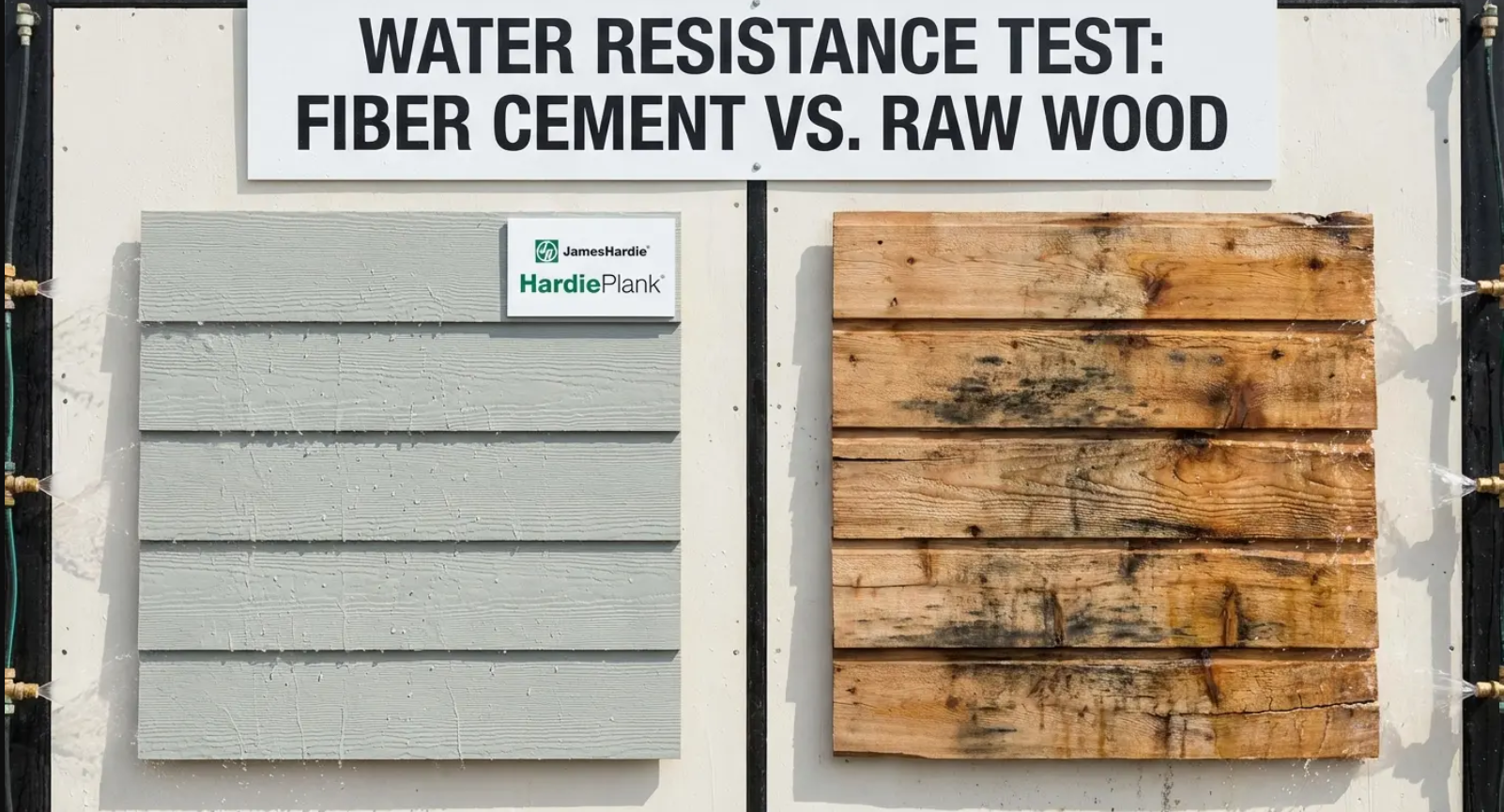
Because it's a mix of cement and fibers, this material is impervious to wood-boring insects and resists rot even in humid environments. Unlike PVC, fiber cement does not expand and contract drastically with temperature changes, meaning your seams stay tight year-round.
While the material is robust, choosing the right brand matters. To help you decide if this premium house siding material fits your goals, read our contractor's honest take on is James Hardie siding worth it. It is a long-term investment; fiber cement siding lifespan is rated for 50 years, far outlasting standard vinyl and wood options in harsh climates.
Fire Resistance Ratings
Fiber cement carries a Class A fire rating. It is non-combustible. This distinction is critical if you live in a wildfire-prone area or simply want to lower your insurance premiums. Wood and standard vinyl simply do not offer this level of protection.
Metal and Specialty Sidings
Metal siding is moving from agricultural buildings to high-end residential homes. It offers a sleek, industrial aesthetic with unparalleled longevity. While you need specialized installation knowledge to get it right, the results are striking.
Steel is tough, aluminum resists salt, and the modern profiles look incredible. It reflects heat, lasts a lifetime, and requires minimal maintenance. Yes, the upfront costs are higher, but for adding architectural interest or accenting a specific part of the house, it's hard to beat.
| Feature | Metal Siding (Steel/Aluminum) | Vinyl Siding | Fiber Cement |
|---|---|---|---|
| Lifespan | 40–70+ Years | 20–40 Years | 50+ Years |
| Maintenance | Low (Occasional wash) | Low (Wash annually) | Moderate (Caulk/Paint) |
| Fire Rating | Class A (Non-combustible) | Class A (treatment dependent) | Class A (Non-combustible) |
| Impact Resistance | High (Steel) / Low (Aluminum) | Low (Can crack in cold) | High |
| Rot/Insect Proof | Yes | Yes | Yes |
Aluminum vs. Steel
Aluminum is lightweight and rust-proof. It works best in coastal areas where salt air is a factor. Steel is heavier and stronger. We recommend steel for areas prone to hail or heavy impact, provided it has a high-quality galvanized coating to protect the core.
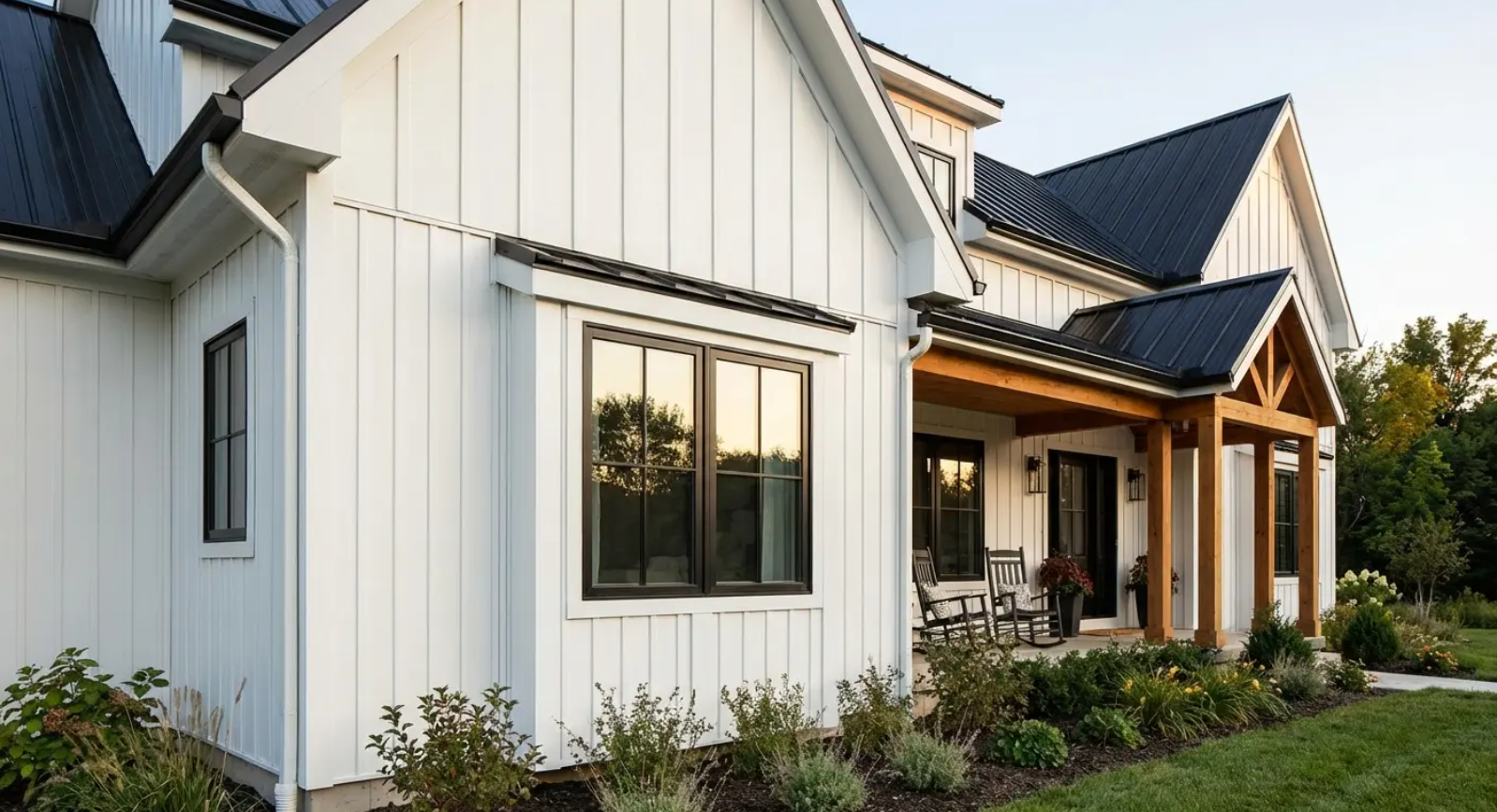
Modern Board and Batten
Board and batten was traditionally a wood style, but we now see it executed frequently with metal panels. The vertical orientation draws the eye upward, making homes appear taller. This style provides that modern farmhouse aesthetic while shedding water efficiently.
Rust Prevention Coatings
Corrosion is the main concern with metal. Manufacturers apply Kynar 500 and Hylar 5000 coatings to prevent this. These resin-based coatings serve as a barrier against moisture, significantly extending the lifecycle of the metal facade.
Architectural Accent Panels
You don't have to do the whole house in metal. Homeowners increasingly use it as an accent. Copper or zinc panels over bay windows or entryways develop a natural patina over time. This adds a "living" element to the facade that changes as it ages.
The "Living" Facade: A homeowner in a historic district installed raw copper panels specifically on their bay window roof and the entryway overhang. Over three years, the bright penny-copper color transitioned into a rich bronze, and eventually, it will turn into a verdigris green, giving the home a unique sense of history and time that static paint colors cannot replicate.
Exterior Siding Aesthetics and Curb Appeal
Your home siding is the face of your property. Current trends emphasize personality and architectural depth rather than cookie-cutter uniformity. We are seeing the end of the single-color, single-profile approach. The modern method involves a curated mix of textures, shadows, and hues to create visual interest.
It’s about art as much as construction. The colors set the mood, the profiles create shadow, and the textures add depth. Whether you want to reflect your personal style or maximize resale value, treating your exterior siding as a canvas is the best way to make the house pop.
If you are looking for more inspiration on how to combine these elements, check out our article on aesthetic upgrades for modernizing your home's exterior, which dives deeper into how lighting and landscaping interact with your cladding choices.
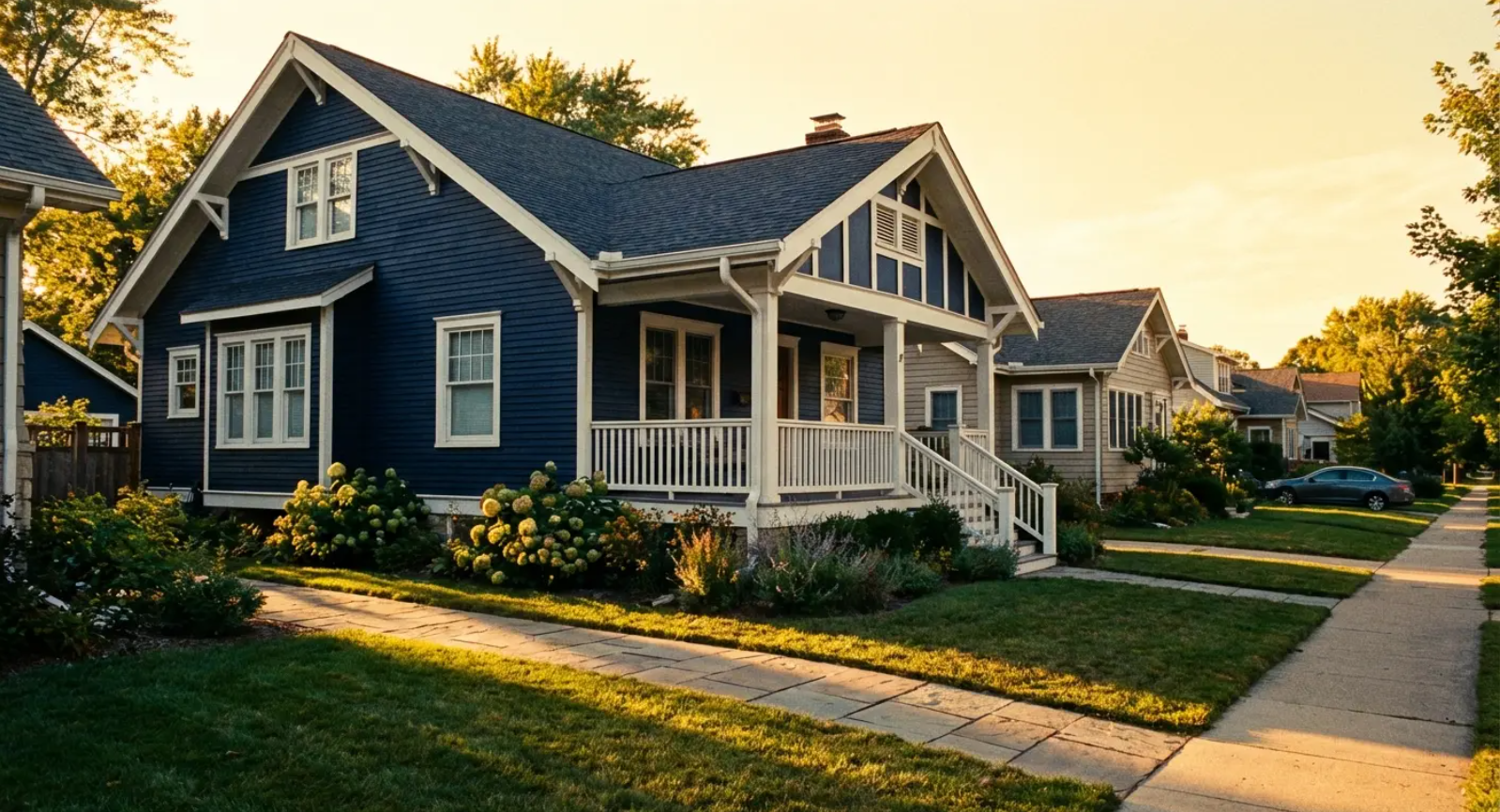
Color Palettes and Finishes
The psychology of color has shifted from safe neutrals to bold statements. You can use the exterior of your home to reflect personal style. Advanced manufacturing techniques now allow for finishes that were previously impossible to maintain outdoors.
The Shift to Darker Hues
Deep charcoal, forest greens, and navy blues are trending. These colors used to warp vinyl due to heat absorption, but new "solar defense" technologies reflect infrared light. This allows dark colors to remain cool and stable on the wall.
Matte vs. Gloss Finishes
High-gloss finishes are out. Low-gloss or matte finishes are in. A matte finish hides surface imperfections and dust better than gloss, mimicking the look of freshly painted high-end lumber.
Texture and Profile Mixing
A nuanced approach involves breaking up the visual mass of a wall. You create a custom, designer look by changing profiles between different stories or architectural features.
Mixing Shakes and Horizontal Lap
We often install traditional horizontal lap siding on the first floor and cedar-style shakes on gables or the second story. This mimics historic craftsmanship and adds shadow lines that change with the sun's angle.
Stone Veneer Accents
Manufactured stone veneer works well on the lower third of the exterior wall or around columns. This "grounding" element adds visual weight, giving the home a solid, permanent appearance.
Vertical Siding Trends
Vertical siding is not just for barns anymore. Using vertical panels on contemporary homes or specific architectural bump-outs creates a clean, elongated look that contrasts sharply with traditional horizontal lines.
Building Science and Sustainability
Siding is more than decoration; it is the first line of defense in the building envelope. We need to look at how it interacts with energy transfer, moisture control, and the environment to understand the full picture.
Siding protects the structure, manages water, and allows airflow. It’s a science, and failures here are costly. A good siding system contributes to insulation, prevents rot, and reduces noise. It’s not just about nailing boards to a wall; it’s about sealing the home correctly.
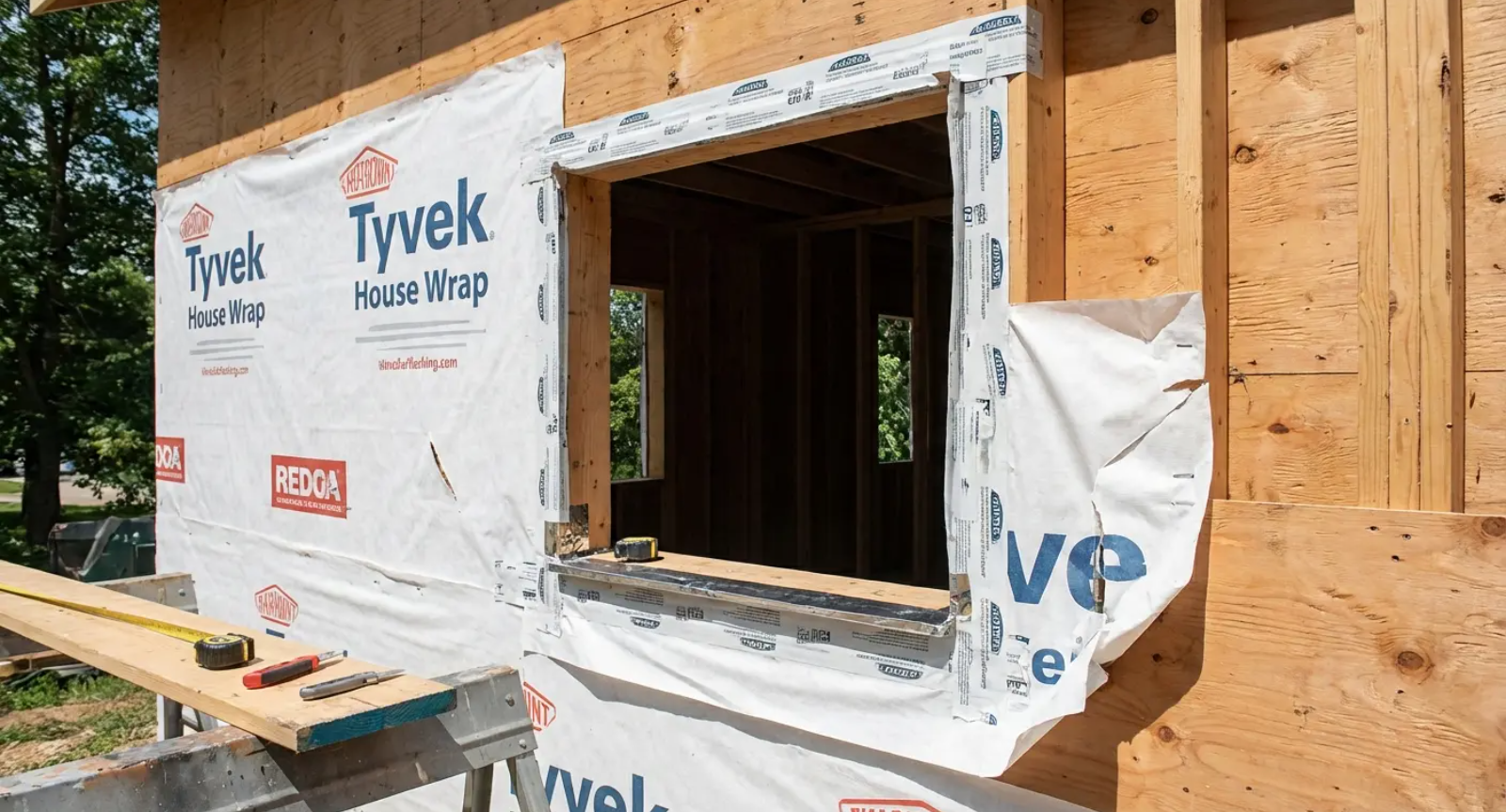
The Building Envelope Science
Modern siding must repel bulk water while allowing water vapor from inside the home to escape. If you miss this balance, mold and rot will develop within the walls regardless of how new the siding looks on the outside.
R-Value Impact
Siding itself has a low R-value. The system as a whole matters more. Insulated vinyl or proper house wrap installation minimizes "thermal bridging," preventing heat from escaping through the wood studs of the house.
Moisture Management Systems
Rain screens are becoming standard in high-performance siding. This involves creating a small gap between the siding and the sheathing. Water that gets behind the siding drains away, and air circulates to dry the wall assembly.
Neglecting this moisture management can lead to significant structural issues. For a deeper understanding of what happens when the envelope fails, read about fixing weather-related damage to home exteriors, which explains how water infiltration compromises sheathing over time.
The Pacific Northwest Rain Screen: In a recent project in a high-rainfall zone, we utilized a 3/8-inch rain screen gap behind fiber cement siding. Despite weeks of continuous rain, the sheathing remained dry because the bulk water drained harmlessly behind the panels, and the airflow evaporated any residual dampness, preventing the "sponge effect" common in tight installations.
Recyclability of Materials
Sustainability is a priority for many. Vinyl is thermoplastic and can be recycled repeatedly. Metal is highly recyclable. Fiber cement utilizes wood pulp from sustainable sources. This reduces the carbon footprint compared to harvesting old-growth cedar.
Noise Reduction Capabilities
The density of the siding impacts acoustic comfort. Insulated vinyl and heavy fiber cement products can dampen outside noise by up to 45% compared to standard hollow vinyl. This creates a quieter interior environment.
The Siding Selection and Installation Journey
Choosing the right exterior siding options is a multi-step process where you have to balance budget, climate, and architecture. It’s a big project, and usually a once-in-a-lifetime decision for a homeowner.
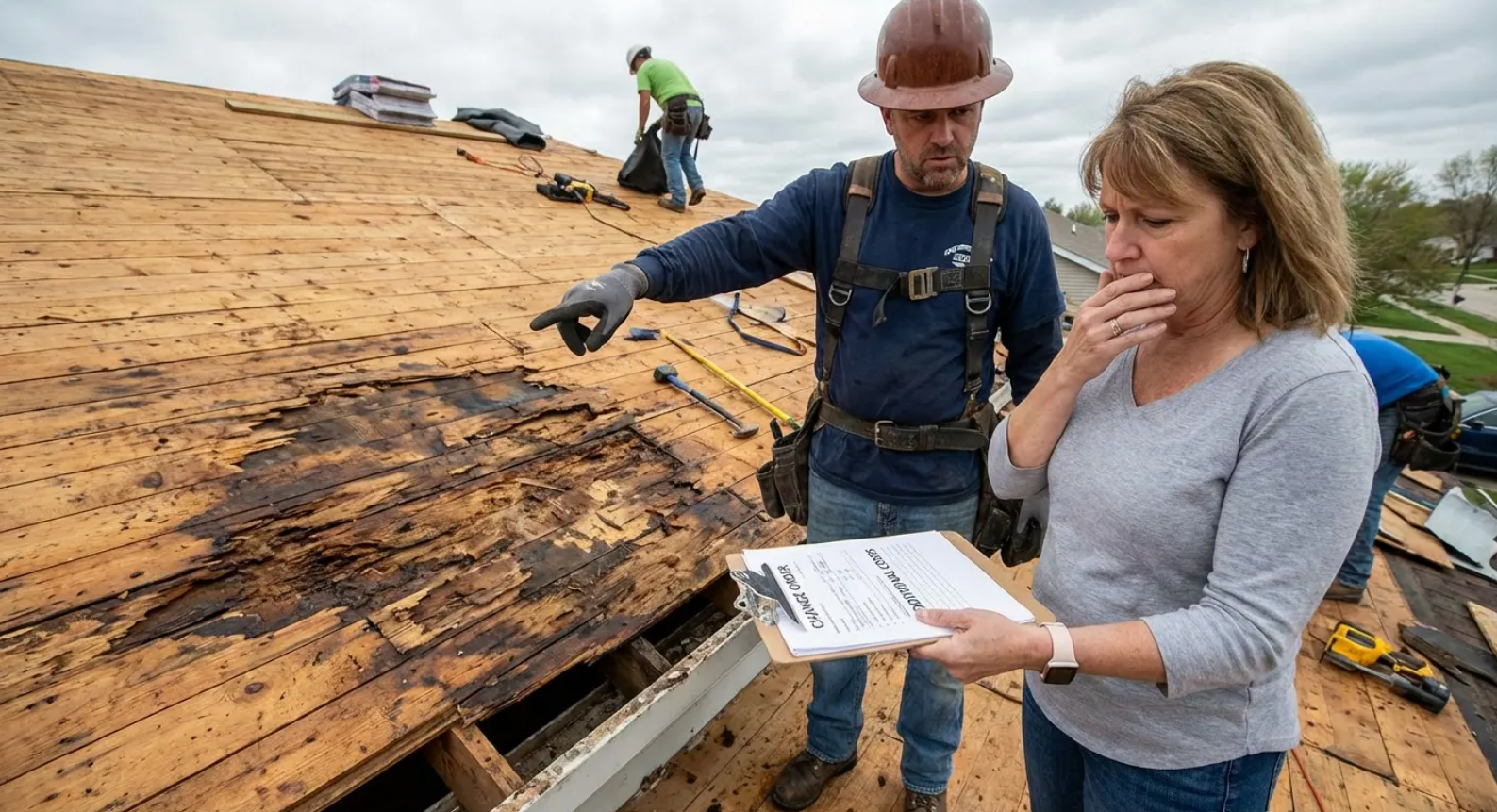
Installation quality is just as vital as material quality. Contractors vary, quotes differ, and lead times fluctuate. You have to navigate colors, permits, and insurance. It can feel overwhelming, but remember: exterior siding is an investment that protects your family. It’s worth getting right.
Pre-Installation Checklist:
- [ ] Structural Inspection: Check for rot in sheathing or framing before ordering materials.
- [ ] Moisture Barriers: Confirm the type of house wrap or rain screen system required by local code.
- [ ] Material Lead Times: Verify delivery dates (custom colors may take 6+ weeks).
- [ ] HOA/Historical Approval: Obtain written permission for specific colors and profiles.
- [ ] Waste Factor: Ensure the quote includes 5-10% extra material for cuts and waste.
- [ ] Flashing Audit: Identify all window, door, and roof-line flashing that needs replacement.
Many of these steps are where DIY attempts fail, leading to voided warranties. We highlight the risks of improper installation in our post on 10 common DIY mistakes when installing James Hardie siding, emphasizing why professional expertise is crucial for complex cladding systems.
Assessing Home Architecture
Not every siding type suits every home style. A Victorian home requires different profiles than a Mid-Century Modern ranch. You must analyze the structural bones of the house to ensure the new skin fits the skeleton.
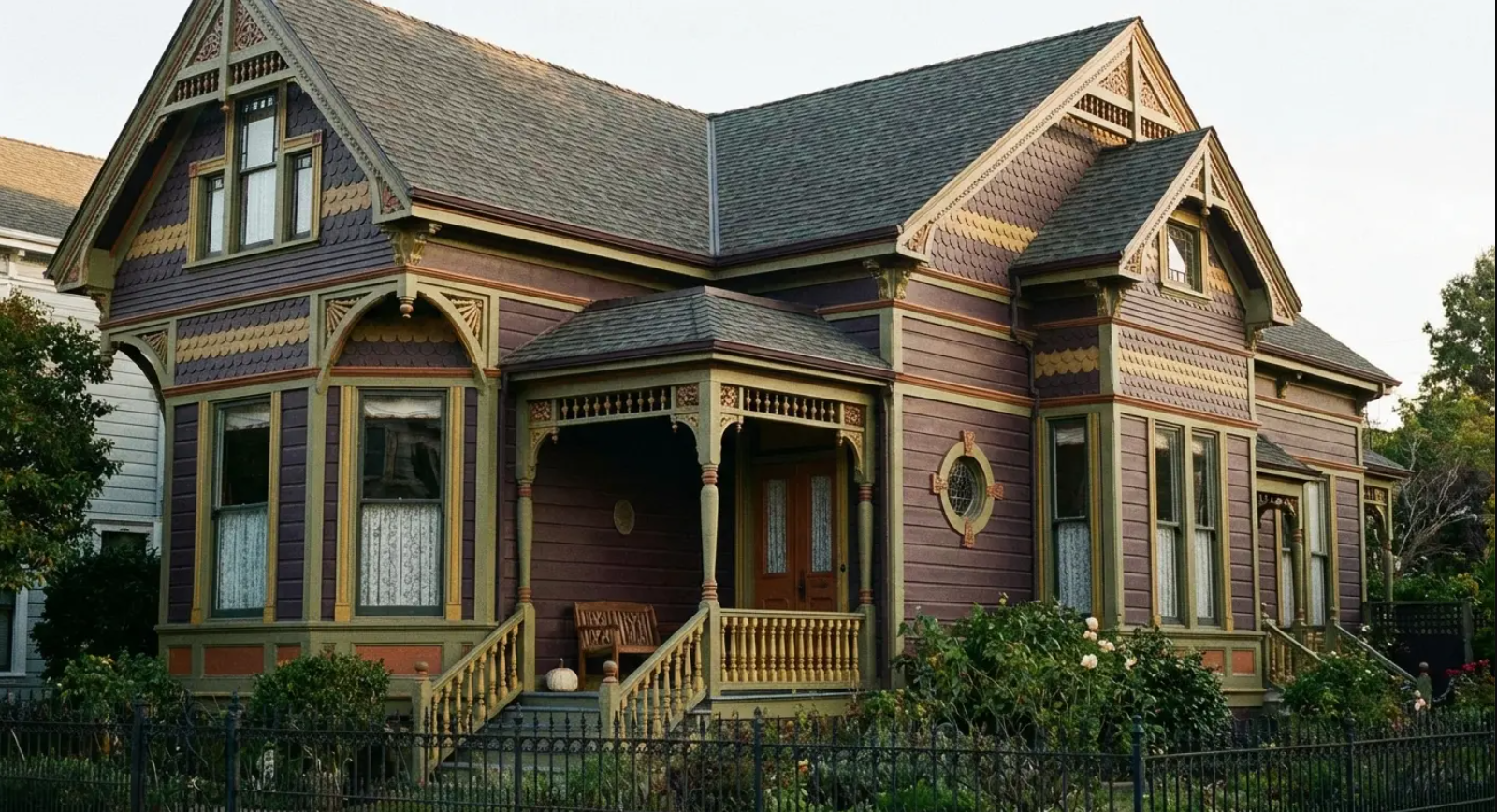
Historical Accuracy
Research the era your home was built. Historic properties often restrict you to specific reveals or materials. You need to maintain historical integrity and comply with local HOA or historical society rules.
Climate Specificity
Evaluate your local weather patterns. Regions with high wind and hail require impact-resistant engineered wood or steel. Damp, shaded areas require materials treated with specific fungicides to prevent moss or algae growth.
This planning is crucial as supply chains fluctuate. We saw production resumed in early 2022 after locked-down homeowners began taking on exterior remodeling projects (The Post and Courier), highlighting how sudden surges in demand can impact material availability for specific climate-resilient products.
The ROI and Cost Analysis
Siding is a significant capital improvement. You need to look beyond the initial quote to understand the long-term value the siding adds to the asset.
| Cost Factor | Vinyl Siding | Fiber Cement | Wood Siding |
|---|---|---|---|
| Initial Material Cost | $ | $$$ | $$$$ |
| Installation Labor | $ | $$$ | $$$$ |
| Painting Frequency | Never | Every 15 Years | Every 5-7 Years |
| Resale Value Recoup | High (~80%) | High (~75-85%) | Moderate |
| Energy Savings | Moderate (if insulated) | Low (unless backed) | Low |
Upfront vs. Lifecycle Costs
Calculate the true cost. Vinyl has the lowest upfront cost and lowest maintenance cost. Fiber cement has a moderate upfront cost but requires repainting every 15 years. Wood has a high upfront cost and high maintenance costs.
The 20-Year Wallet Impact: Consider two neighbors. Neighbor A installs standard vinyl for $15,000. Neighbor B installs cedar for $25,000. Over 20 years, Neighbor A spends $0 on maintenance. Neighbor B spends $5,000 every 5 years on staining ($20,000 total). The true cost of the wood siding becomes $45,000 versus $15,000 for vinyl, proving the importance of lifecycle math.
Resale Value Impact
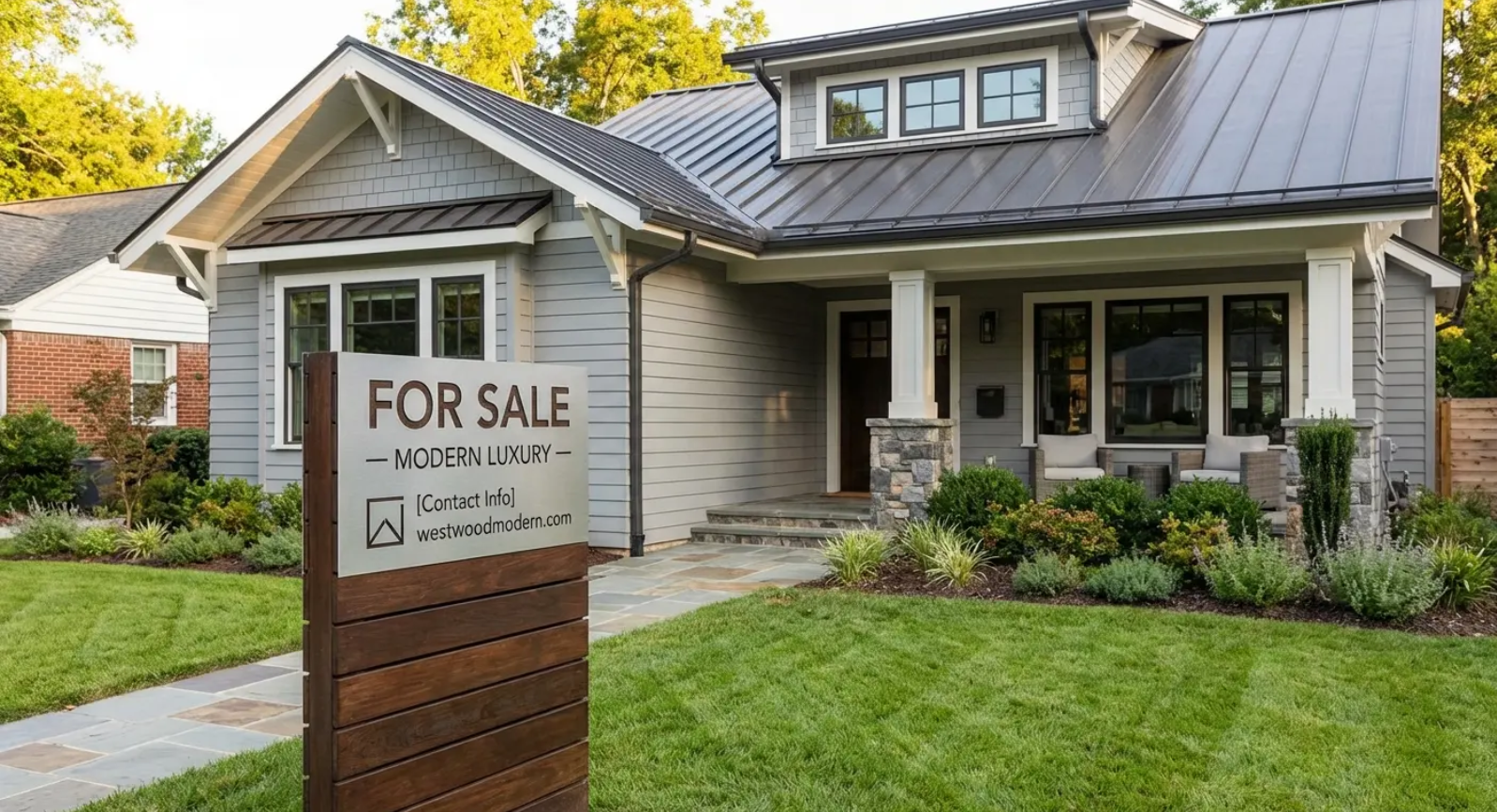
Consult local real estate trends. Replacing old, faded siding with new fiber cement or premium vinyl yields a high return on investment at resale in many markets. You can often recoup 70-80% of the project cost.
Warranty Nuances
Read the fine print. "Lifetime" warranties often have prorated terms. They may exclude labor costs after the first year. Understanding exactly what is covered prevents unpleasant surprises later.
Why We Care About Your Walls
We know that navigating R-values and moisture management systems is overwhelming. Your home’s exterior is a complex ecosystem where the roof and siding must work together. Joyland Roofing doesn't just nail panels to a wall; we secure your home's envelope. We guide you through the design choices and the ROI calculations. We combine high-quality materials with expert installation to ensure your new siding handles the weather and looks great doing it.
Ready to upgrade your home's exterior? Contact Joyland Roofing today for a consultation.
Wrapping It Up
Your siding choices define the longevity and look of your home. We hope this guide clarified the differences between modern vinyl, fiber cement, and metal options. Prioritize the science of the building envelope just as much as the color palette. A well-chosen, professionally installed siding system is both a shield and a style statement that protects your investment for decades.