
February 25, 2026
Sun Tunnels vs. Skylights: What to Know Before Cutting a Hole in Your Roof
Author
Let’s be real: deciding to cut a hole in your perfectly good roof takes a bit of nerve. You want natural light, but you definitely don't want leaks, excessive heat, or a project that drags on for weeks.
We’re going to cut through the jargon and break down the actual differences between skylights and sun tunnels. We’ll look at the view, the construction mess, the insulation factor, and—most importantly—the cost. By the end of this, you’ll know exactly which one belongs in your hallway and which one belongs in your kitchen.
Table of Contents
- The "Too Long; Didn't Read" Cheat Sheet
- How They Look and Feel
- Heat, Leaks, and Efficiency
- Chasing the Sun
- Installation and Budget
- Living With Them
- Joyland Roofing: Protecting Your Investment
- Final Thoughts
Before we dive in, keep this stat in mind: "Solar tubes provide the most light. You will get 99% of the light coming into the tube, compared to just 36% with a Skylight." If you strictly want brightness, the tube wins. If you want ambiance, keep reading.
The "Too Long; Didn't Read" Cheat Sheet
In a rush? Here is the honest, bottom-line advice if you need to make a decision right now.
- Skylights are for drama, views, and air. But be ready for a bigger construction project (drywall, framing, painting) and a higher price tag.
- Sun tunnels are purely for light. They fit between your rafters, install in an afternoon, and make almost no mess.
- Heat check: Skylights can get hot; sun tunnels insulate much better.
- Where to put them: Put skylights in living rooms and kitchens. Put sun tunnels in windowless bathrooms, hallways, and closets.
- The golden rule: No matter which you pick, the installer matters more than the brand. A bad install leaks; a good one doesn't.
| Feature | Skylight | Sun Tunnel (Solar Tube) |
|---|---|---|
| Main Job | View, Air & Light | Just Light (Lots of it) |
| Mess Factor | High (Drywall work needed) | Low (Fits in the attic) |
| Cost | Higher (Mostly labor) | Lower |
| Insulation | Can lose/gain heat | Excellent |
| Best Spot | Living Room, Master Bed | Hallway, Laundry, Closet |
| Look | Like a window on the roof | Like a recessed light |
How They Look and Feel
Choosing between these two isn't just about lumens; it's about how the room feels. Do you want to see the stars, or do you just want to stop tripping over shoes in a dark hallway? Before you settle the sun tunnel vs skylight debate, you need to visualize the end result.

Do You Want a View or Just Light?
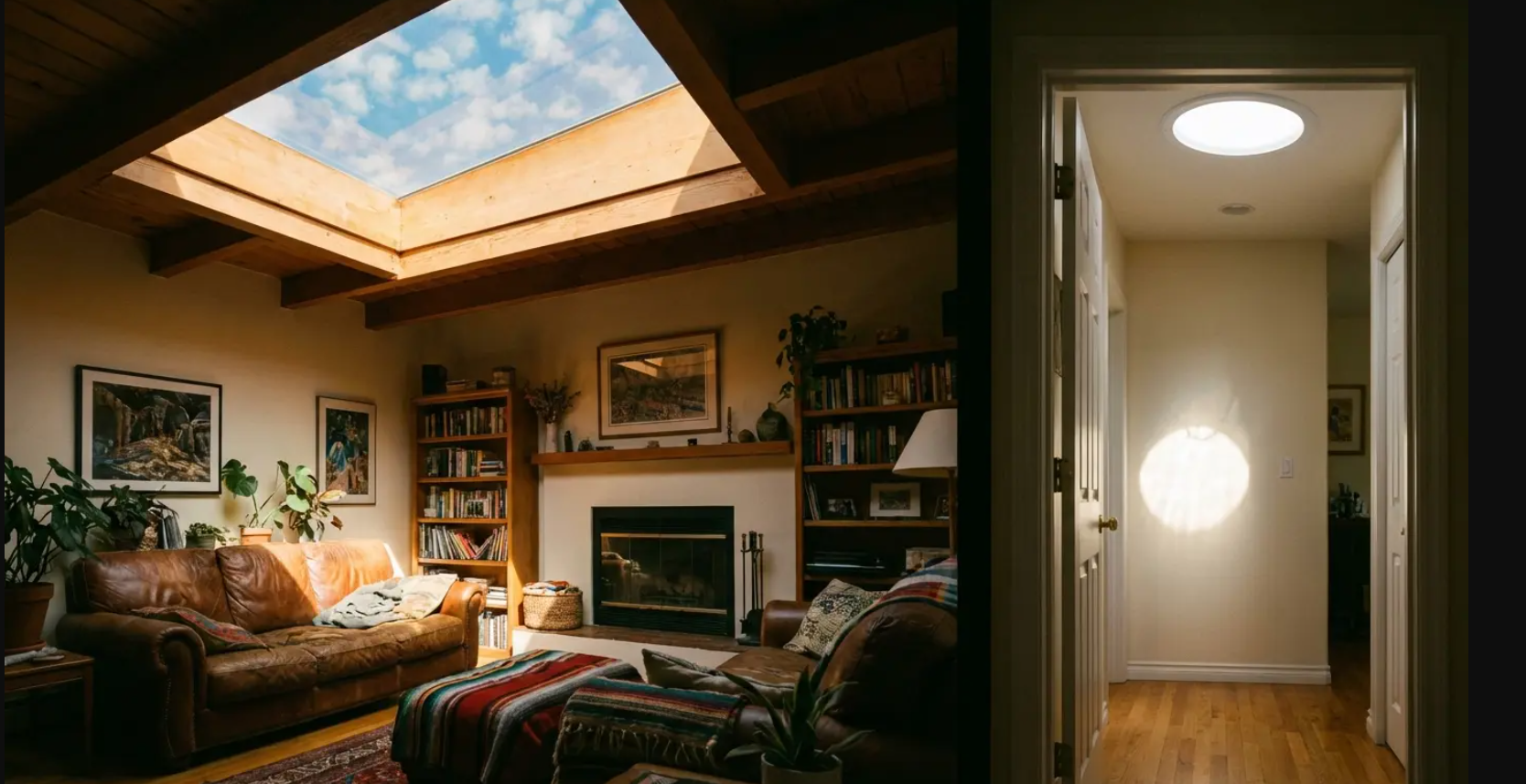
Here is the main difference: Skylights are windows. Sun tunnels are light fixtures powered by the sun.
The "Vibe" Factor
Skylights connect you to the outdoors. They make a small room feel massive because your eye can travel up and out.
Picture this: It’s a rainy Saturday. You’re in a reading nook under a skylight. You can watch the rain hit the glass and see the gray clouds rolling by. It’s cozy. Now, picture that same nook with a sun tunnel. The room just gets a little dimmer because of the clouds. You still have light to read, but you lose that connection to the storm. That’s the trade-off.
Dealing with Glare
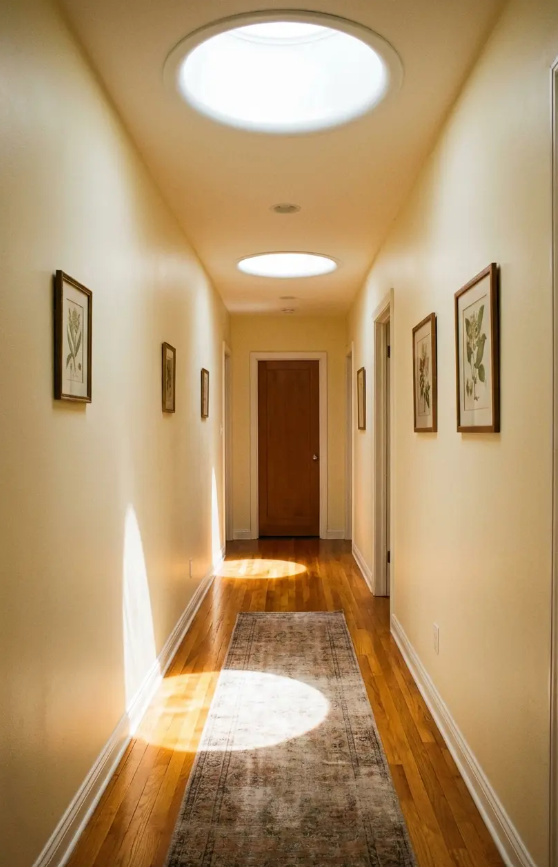
Skylights can throw beams of direct sun that heat up your carpet or create glare on your TV. Sun tunnels usually have a diffuser at the ceiling level. This scatters the light everywhere, so you don't get harsh shadows or faded furniture.
The Construction Reality
This is where the budget usually breaks. Skylights require "surgery" on your house; sun tunnels are more like "outpatient procedures."
Skylights: The "Chase" Headache
If you have an attic, you can't just cut a hole in the roof and be done. You have to build a "chase." This is a tunnel framed through your attic, drywalled, taped, mudded, painted, and insulated. It’s a mini-renovation that takes time and creates dust.
Sun Tunnels: The Easy Path
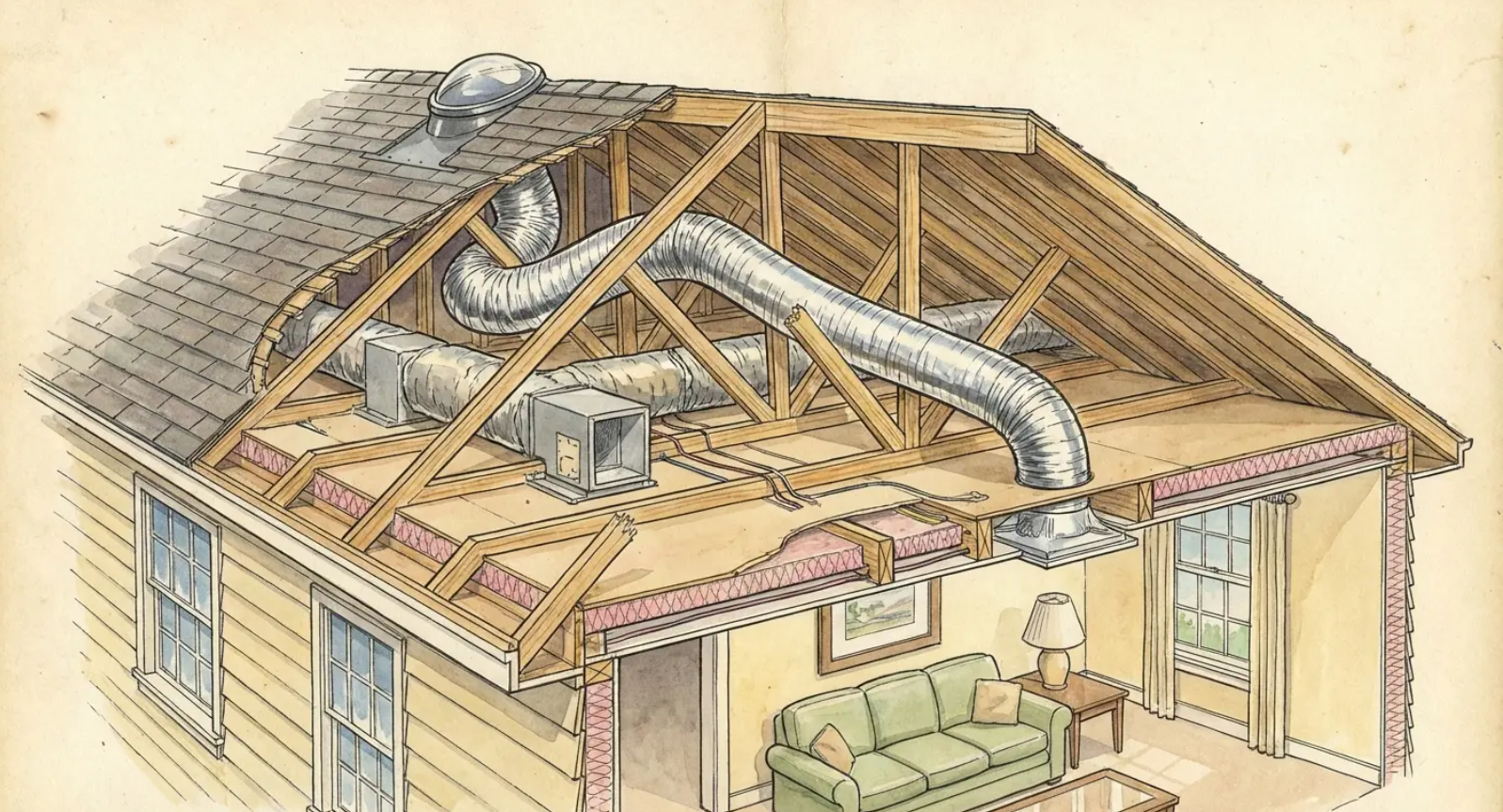
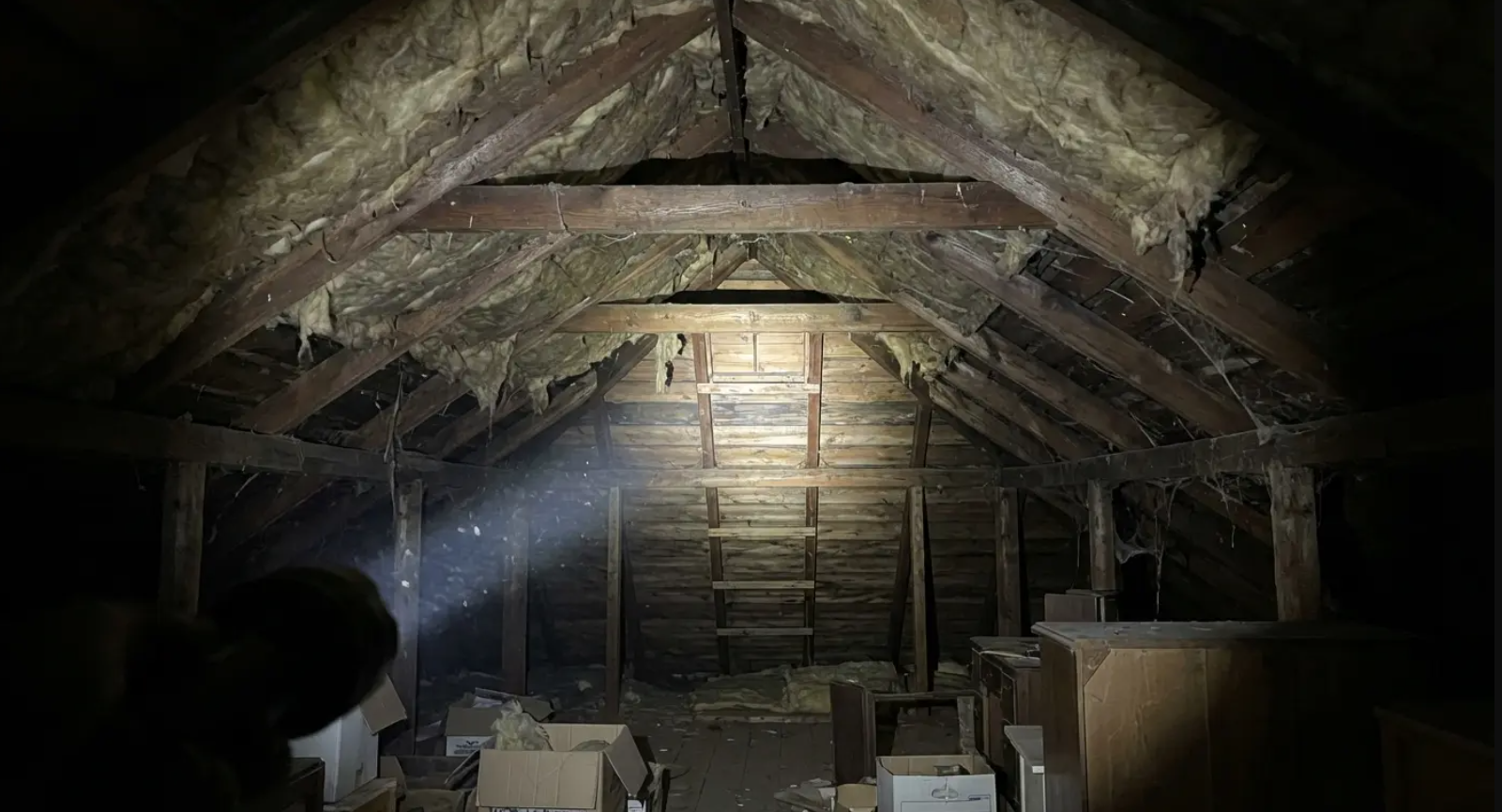
Solar tubes are flexible or rigid pipes that snake through your attic. They fit right between your existing rafters (the wooden beams holding your roof up). We rarely have to cut any structure, which makes them perfect for older homes where the attic is a cramped mess of wood and wires.

Curb Appeal
Skylights look like windows on your roof—flat and sleek. Sun tunnels have a small acrylic dome. While they've gotten lower profile over the years, some people still think they look a bit like a bubble on the roofline.
Velux Features: What You Actually Need
Velux is basically the Kleenex of the skylight world. When looking at the velux sun tunnel vs skylight options, there are a few specific things to watch for.
If you live in a wildfire zone, this is good news: "VELUX has created a new Sun Tunnel skylight series to meet expanded wildland-urban interface (WUI) zone requirements." Basically, you can have light without creating a fire hazard.
Rigid vs. Flexible Tubes
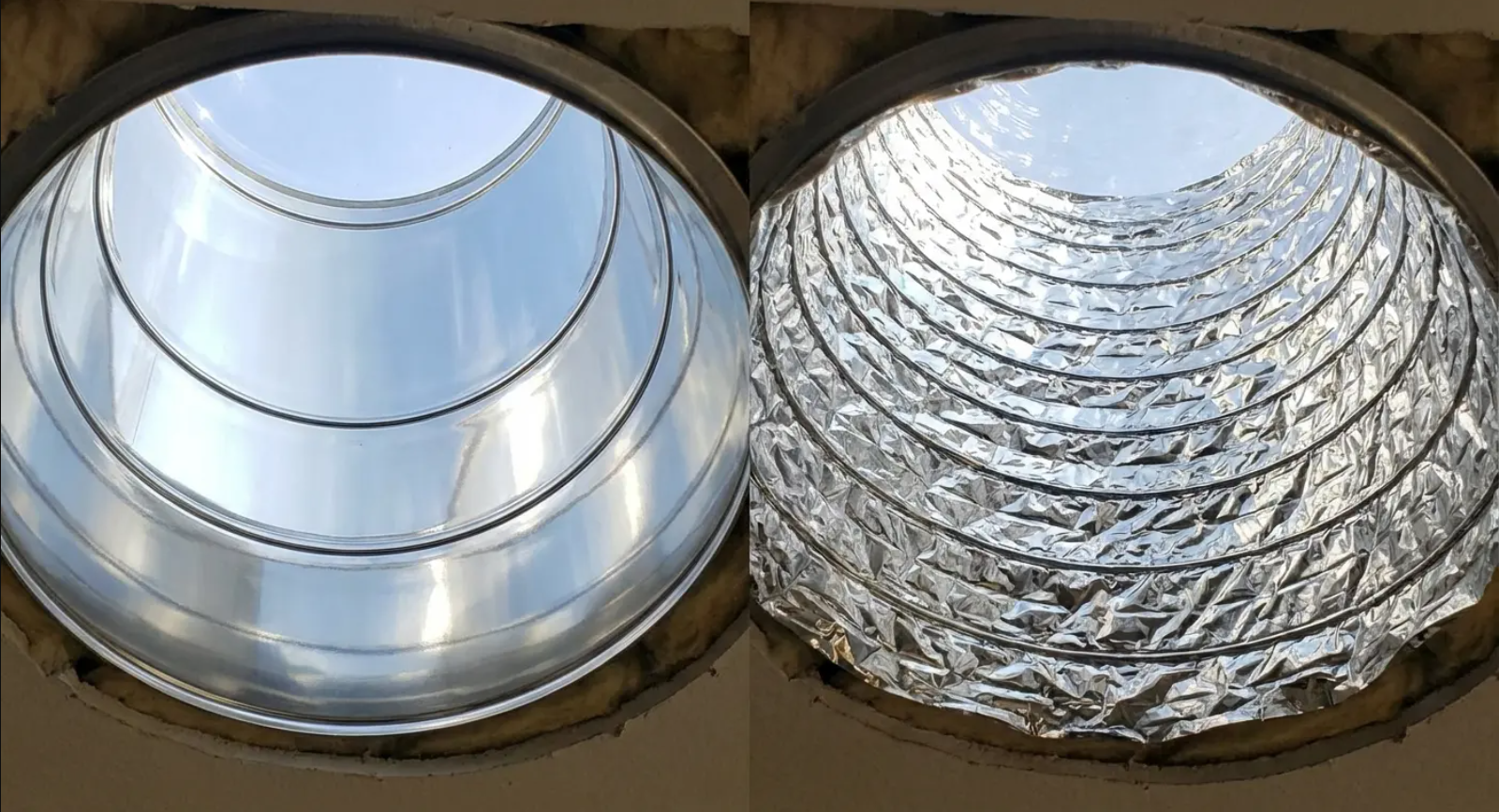
You’ll see two options for tunnels. Rigid is a shiny metal tube; it reflects about 98% of the light and is super bright. Flexible looks like a dryer vent; it’s easier to install around obstacles, but you lose some brightness as it bends.

Bells and Whistles
Modern skylights are fancy. They have rain sensors that auto-close if a storm rolls in, and solar-powered blinds you can control with your phone. Sun tunnels are simpler—mostly just light, though you can add a dimmer or a night-light kit.
Heat, Leaks, and Efficiency
Let's talk physics (briefly). Any time you punch a hole in your insulation, energy moves. Homeowners comparing sun tunnel vs skylight energy efficiency often find this is the deciding factor.
Insulation and Temperature Control
Skylights are big sheets of glass. Sun tunnels are small tubes with air gaps.
The Greenhouse Effect
Even with good glass, a skylight can act like a greenhouse in July. It traps heat. If you put a big skylight on a south-facing roof, your AC is going to work harder. You need to check the "SHGC" rating—the lower, the better.
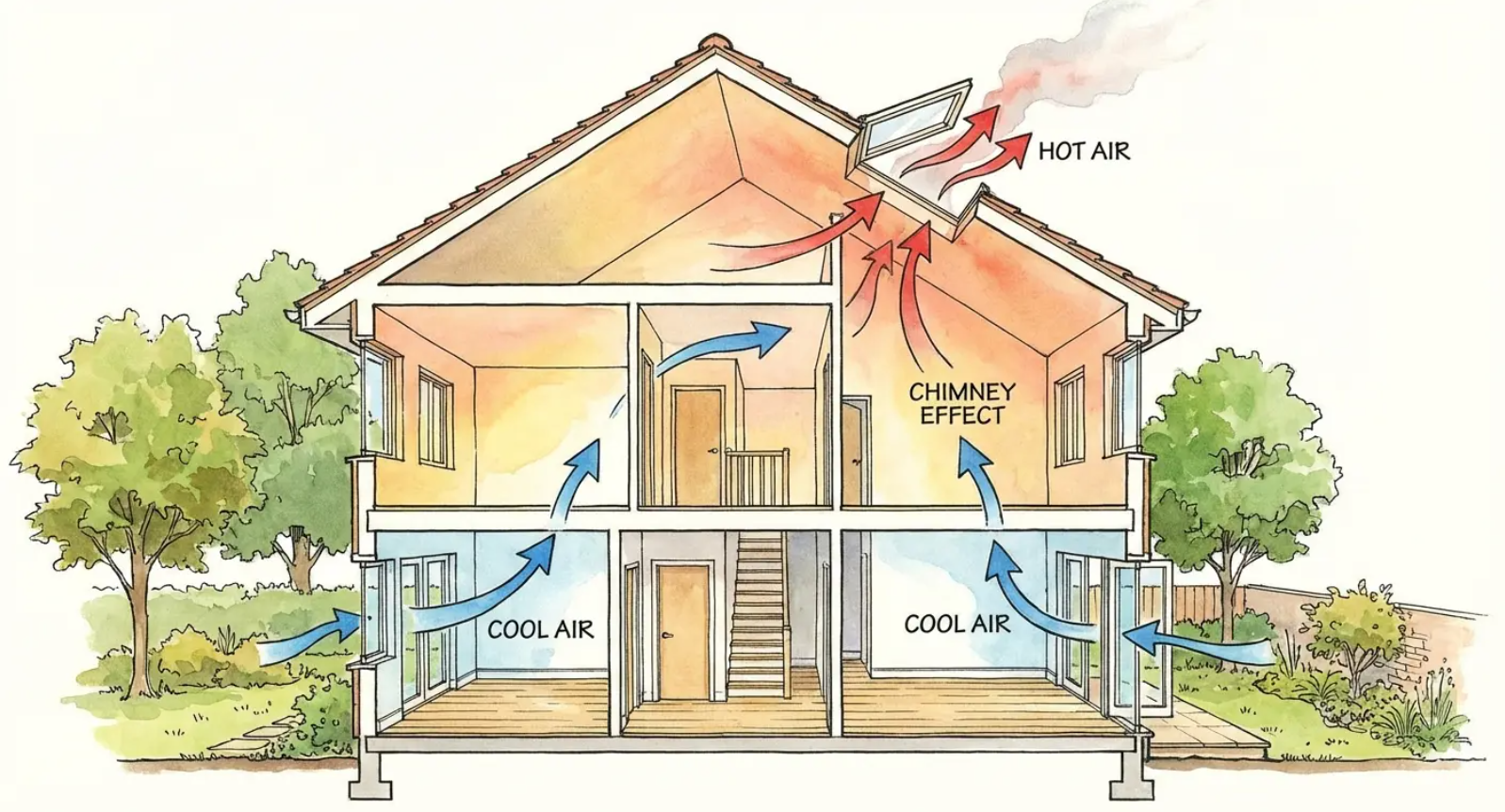
Venting the Heat
However, a
venting skylight is a secret weapon for cooling. It works like a chimney. Open a window downstairs, open the skylight, and the hot air rises and rushes out, pulling cool air in from below.

Sweating Glass
In humid areas (or bathrooms), skylights can "sweat" or condensate. Sun tunnels are sealed units with a dead-air space that acts as an insulator, so they rarely have condensation issues.
Chasing the Sun
Sun tunnels are surprisingly forgiving about where you put them; skylights are picky. This is another major factor in the sun tunnel vs skylight placement decision.
Morning vs. Afternoon Light
Sun tunnels often have a prism or "ray bender" in the dome. This grabs low-angle light in the early morning or late afternoon and shoots it down the tube. This means they work better on north-facing roofs than skylights do.
What About Trees?
If your house is under a heavy tree canopy, a skylight will just be a dark square on your ceiling. A sun tunnel, however, picks up the ambient light filtering through the leaves and amplifies it. It won't be blindingly bright, but it will still work.
The Leak Fear
When people search "skylights vs solar tubes," they are usually worried about water. Modern engineering has largely solved this, provided the installer knows what they are doing.
Flashing Matters
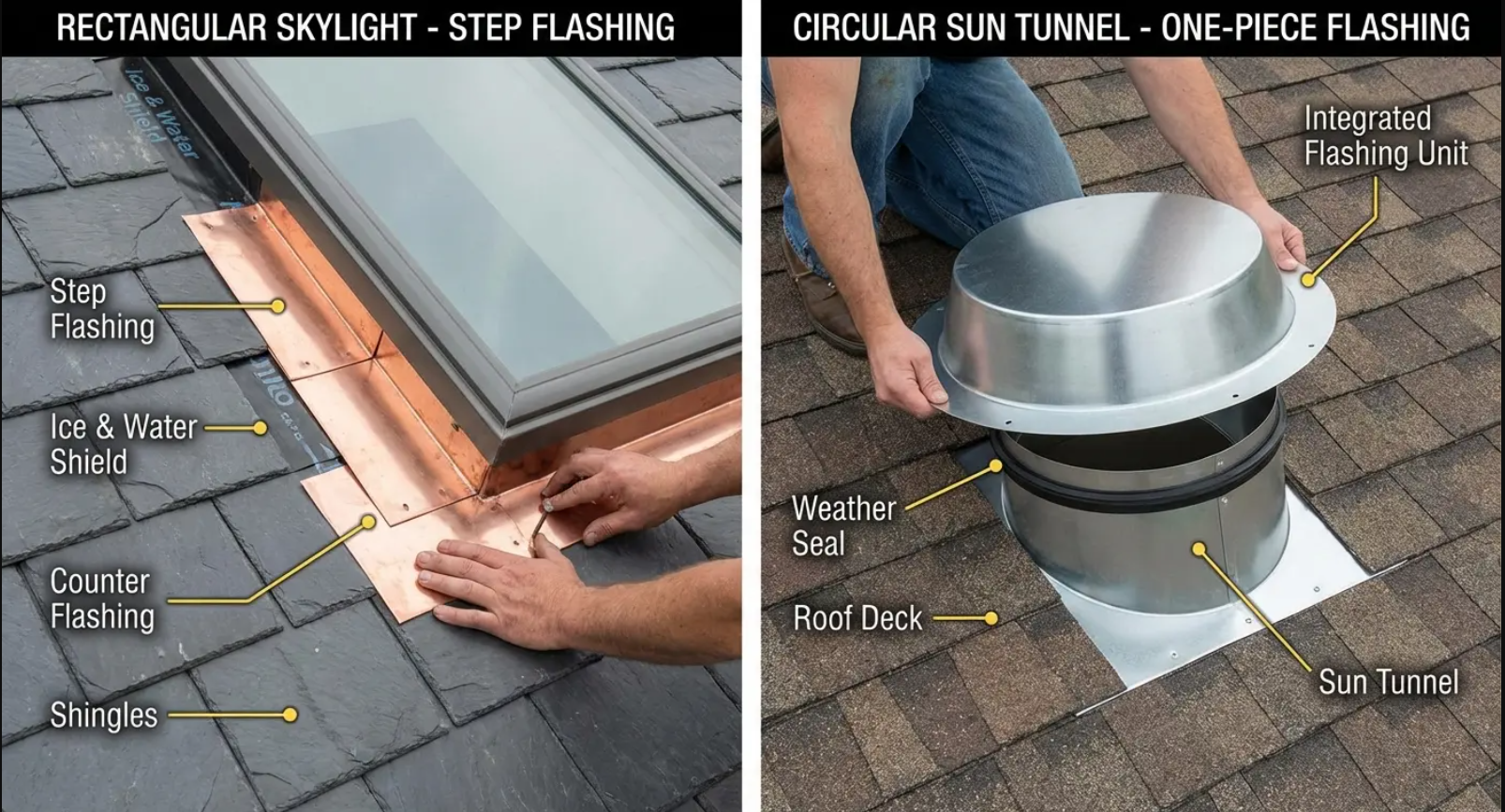
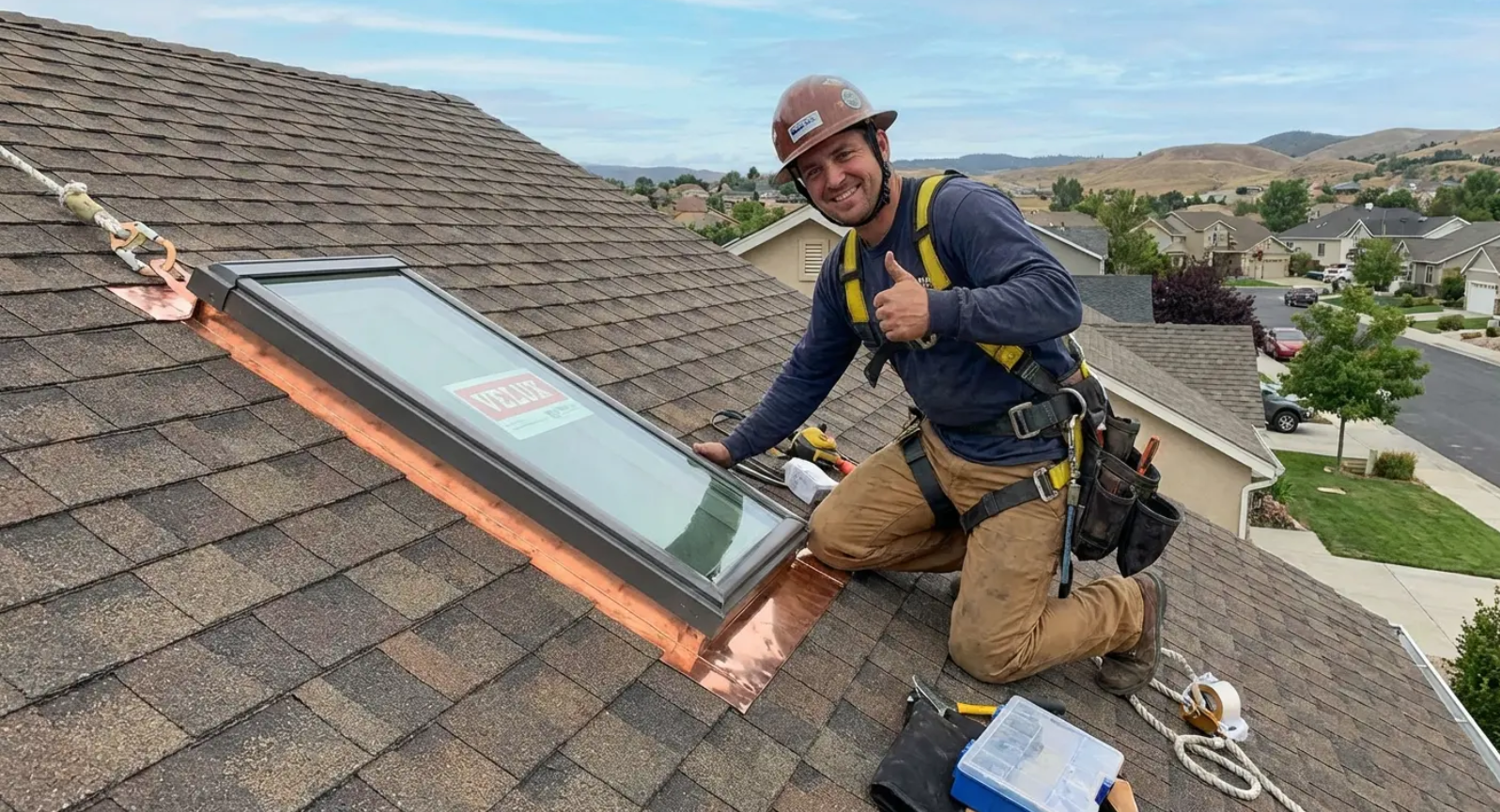
Skylights need complex "step flashing" interwoven with your shingles. If a roofer rushes this, it leaks. Sun tunnels use a round flashing boot, kind of like a plumbing vent. It’s easier to install correctly, which means less room for human error. Understanding roof flashing helps you realize why the simpler shape of a sun tunnel is often safer.

Debris Buildup
Leaves and pine needles love to get stuck behind the flat top of a skylight. Wet leaves can rot your flashing over time. The round shape of a sun tunnel lets debris slide right past.
Quality of Light
Soft Light vs. Beams
A 10-inch sun tunnel puts out the light of about three 100-watt bulbs. But it’s diffused light. It fills the room. A skylight gives you direct beams, which are dramatic but can be harsh.
Installation and Budget
Sun tunnels are usually the winner for retrofits. Skylights are often best saved for when you are re-roofing or building an addition.
Can Your House Handle It?
Before you fall in love with a picture on Pinterest, check your attic. If you want to dive deeper into the process, check out this guide on skylight replacement and installation.
The Feasibility Checklist:
- [ ] Attic Space: Do you have 2-3 feet of height for the tube?
- [ ] Roof Direction: Does the roof slope face South or West? (That's where the light is).
- [ ] Stuff in the Way: Look up. Are there HVAC ducts or wires right where you want the light?
- [ ] Ceiling Type: Flat is easy. Vaulted ceilings make skylight installation much harder (and pricier).
Attic Obstacle Courses
Pop your head in the attic. Locate where you want the light. Look up to the roof. Is there a clear path? If there is a maze of ductwork, a flexible sun tunnel is your best friend.

Rafters and Joists
Cutting a truss to fit a skylight is a big deal. You can't just saw through structural wood without reinforcing it. That means hiring a pro framer. Sun tunnels fit between the wood, saving you that expense.
The Money Talk
Here is the reality: The material cost isn't that different. The labor cost is huge.
Materials vs. Labor (The Big Difference)
A good sun tunnel is $200-$600. Installation takes a morning. Total: $600-$1,000. A skylight unit is $300-$1,500. But building the shaft, drywalling, and painting takes days. Total: $2,500+.
As Velux points out, "a typical VELUX Sun Tunnel skylight installation... takes only about 90 minutes." Compare that to a skylight, where "costs begin at around $1,500 and go up from there."
Tax Credits
Good news: Solar-powered skylights (and sun tunnels with solar night lights) often qualify for federal tax credits. That can knock 30% off the total cost, including installation.
Living With Them
What’s it like to live with these things five years down the road? When comparing the upkeep of skylights vs solar tubes, one is definitely more "set it and forget it."
Maintenance Realities
| Task | Skylight | Sun Tunnel |
|---|---|---|
| Cleaning Outside | Yes (Bird poop is visible) | Rarely (Dome sheds dirt) |
| Cleaning Inside | Dusting high cobwebs | Wiping the flat lens |
| Leak Checks | Watch for drywall stains | Check the ceiling ring |
Cleaning: Glass vs. Plastic
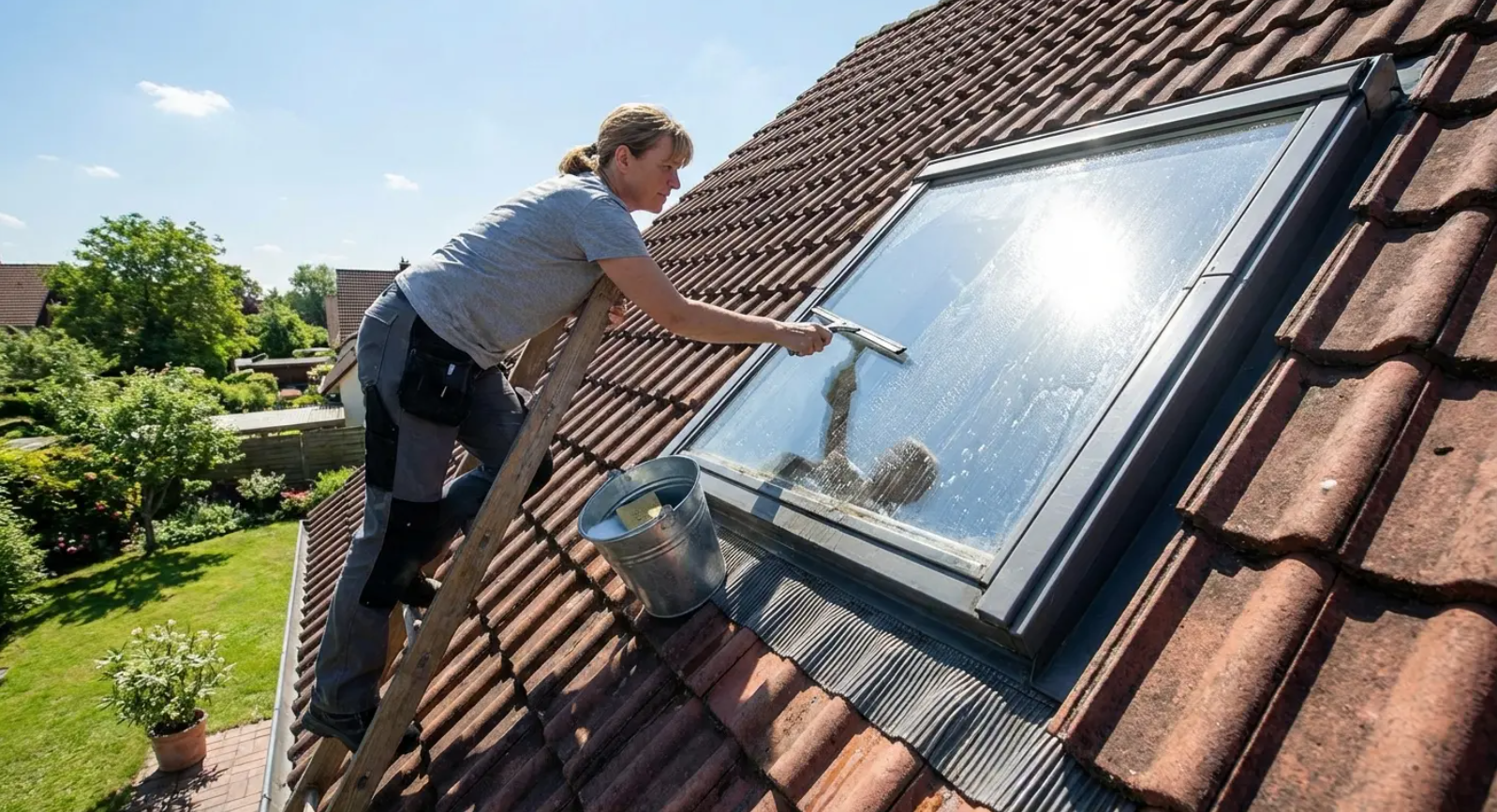
Skylights get dirty. Pollen, sap, and bird droppings will be visible from your couch. You’ll need to clean them. Sun tunnel domes are round, so rain washes most dirt off, and because the tube is reflective, you rarely see the dirt from inside.

Aging Materials
Skylight glass stays clear forever. Cheap solar tubes can yellow over time (think of old car headlights). Stick to high-quality brands like Velux that use UV-stabilized materials so your light doesn't turn yellow in 10 years.
Room-by-Room Guide
Don't put a skylight in a closet. Don't put a sun tunnel in a grand living room.
Hallways and Stairwells
These are dark spots where you just pass through. You don't need a view; you need to see the stairs. Sun tunnels are perfect here.

Bathrooms and Closets
Privacy is key. If you put a clear skylight in a bathroom, you might need blinds if the neighbors have a second story. Sun tunnels give you great makeup light without showcasing you to the neighborhood.
Social Spaces
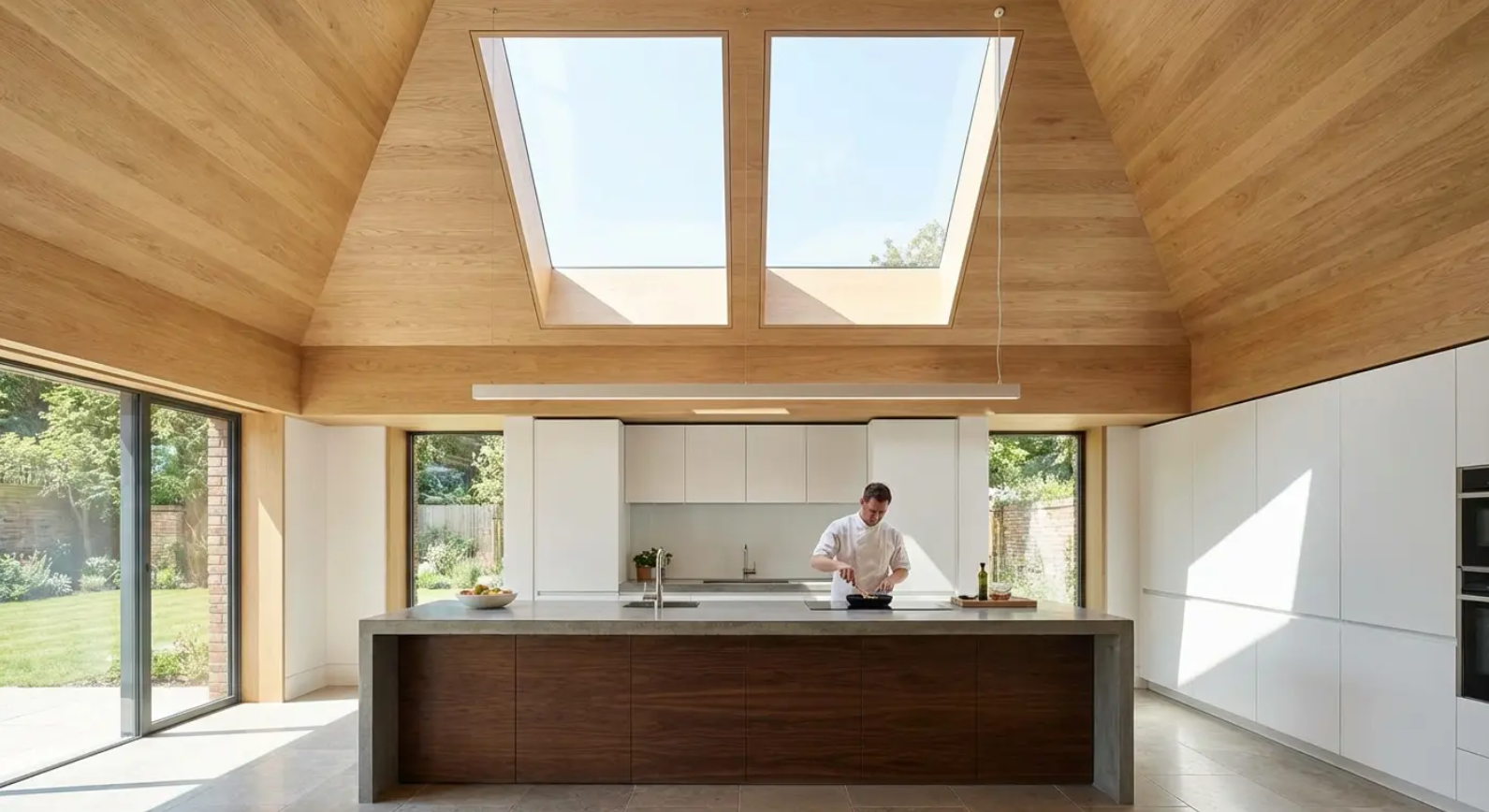
Kitchens and Great Rooms deserve the drama. A skylight here adds value, vents cooking smells, and looks amazing. A sun tunnel here can feel a bit underwhelming, like a utility light.

Resale Value
Buyers love skylights—they see them as a premium feature. Sun tunnels are seen as a nice functional upgrade, but they won't necessarily sell the house for you.
Joyland Roofing: Protecting Your Investment
Here is the truth: The biggest risk isn't the skylight; it's the hole in the roof. Whether you want the drama of a skylight or the efficiency of a sun tunnel, the success of the project comes down to the flashing.
Improper flashing is the #1 cause of leaks. At Joyland Roofing, we don't just install the unit; we integrate it into your roof system. We ensure the water flows around your new light, not into your living room.
We stay trained on this stuff because it changes. Velux recently announced expanded training for installers to help roofers integrate these systems perfectly. We take that seriously.
Final Thoughts
Choosing between a sun tunnel vs skylight comes down to your goals: drama or practicality, view or function, experience or efficiency. We look at the whole picture. If your roof is 20 years old, it might not make sense to cut a hole in it now—it might be better to wait until you replace the roof. We can help you decide if it’s the right time for skylights. We’d rather talk you out of a project today than have you angry about a leak tomorrow.