January 2, 2026

Flat Roof Maintenance: The Guide That Saves You Thousands

Author

John Esh

Share

Let’s be honest: your commercial roof is probably the last thing you want to think about. For most business owners, it’s "out of sight, out of mind"—until water starts dripping on a server rack or ruining inventory. By then, you aren't just paying for a repair; you're burning money on downtime and damages. That’s why flat roof maintenance matters—because the cheapest leak is the one you prevent.


The reality is that a reactive strategy—waiting for a leak to fix the roof—is the most expensive way to manage a building. Regular maintenance can actually extend your roof’s lifespan by 10 to 15 years. That isn't just a statistic; that’s a decade of not paying for a massive capital replacement project. We wrote this guide to show you how to get ahead of the problems so you stop paying for preventable disasters.


Table of Contents


We’ve broken this guide down into the stuff that actually matters. Whether you want to know what to look for during a walk-through or which materials you should absolutely never mix, you can jump right to it below.


  • TL;DR
  • The Inspection Routine
  • Cleaning and Upkeep
  • Repairs and Tech
  • Environment and Material Types
  • The Joyland Roofing Approach
  • Final Thoughts


TL;DR


We know you're busy running a business. If you just need the "cheat sheet" on maintenance, here are the absolute essentials.


  • Stick to the Schedule: Check the roof twice a year (spring and fall) and immediately after any storm with winds over 50 mph.
  • Know Your Material: Never patch TPO with asphalt or EPDM with generic tar. The chemicals react and eat a hole right through your roof.
  • Water is the Enemy: If water sits for more than 48 hours (ponding), it adds massive weight and rots the membrane. Clear your drains first.
  • The 25% Rule: If more than 25% of the insulation under the roof is wet, stop patching. It's time to replace or recover.
  • Safety First: Don't be a hero. If you don't have fall protection, stay at least 6 feet away from the edge.


The Inspection Routine


Effective maintenance is mostly just about showing up. Flat roofs (or low-slope roofs) don't shed water fast, so small pinholes turn into big leaks very quickly. You have to catch them while they are small.


To do that, you need to know where to look. It helps to review the most vulnerable parts of your commercial roof so you aren't just wandering around up there aimlessly.


When to Look (Seasons and Storms)


Think of roof maintenance like an oil change—it needs to be rhythmic. The changing seasons are actually what hurt the roof the most, expanding and contracting the seams. We help our clients build a calendar around these weather shifts.


Sticking to this rhythm is the biggest factor in how long a commercial flat roof will last. And it’s the foundation of smart flat roof maintenance.

Season/Event The Threat What to Check
Spring Freeze-Thaw Cycles Check seams and flashings—did the ice pop anything open?
Fall Leaves & Debris Clear the drains. If they clog now, you'll have ice dams all winter.
Summer UV Rays/Heat Look for blisters, cracking, or "sunburn" on the coating.
Winter Snow Load Keep an eye on weight limits and ice forming at the gutters.
Post-Storm Wind & Hail Look for punctures from flying junk and check that the metal edge is tight.

The Bi-Annual Standard


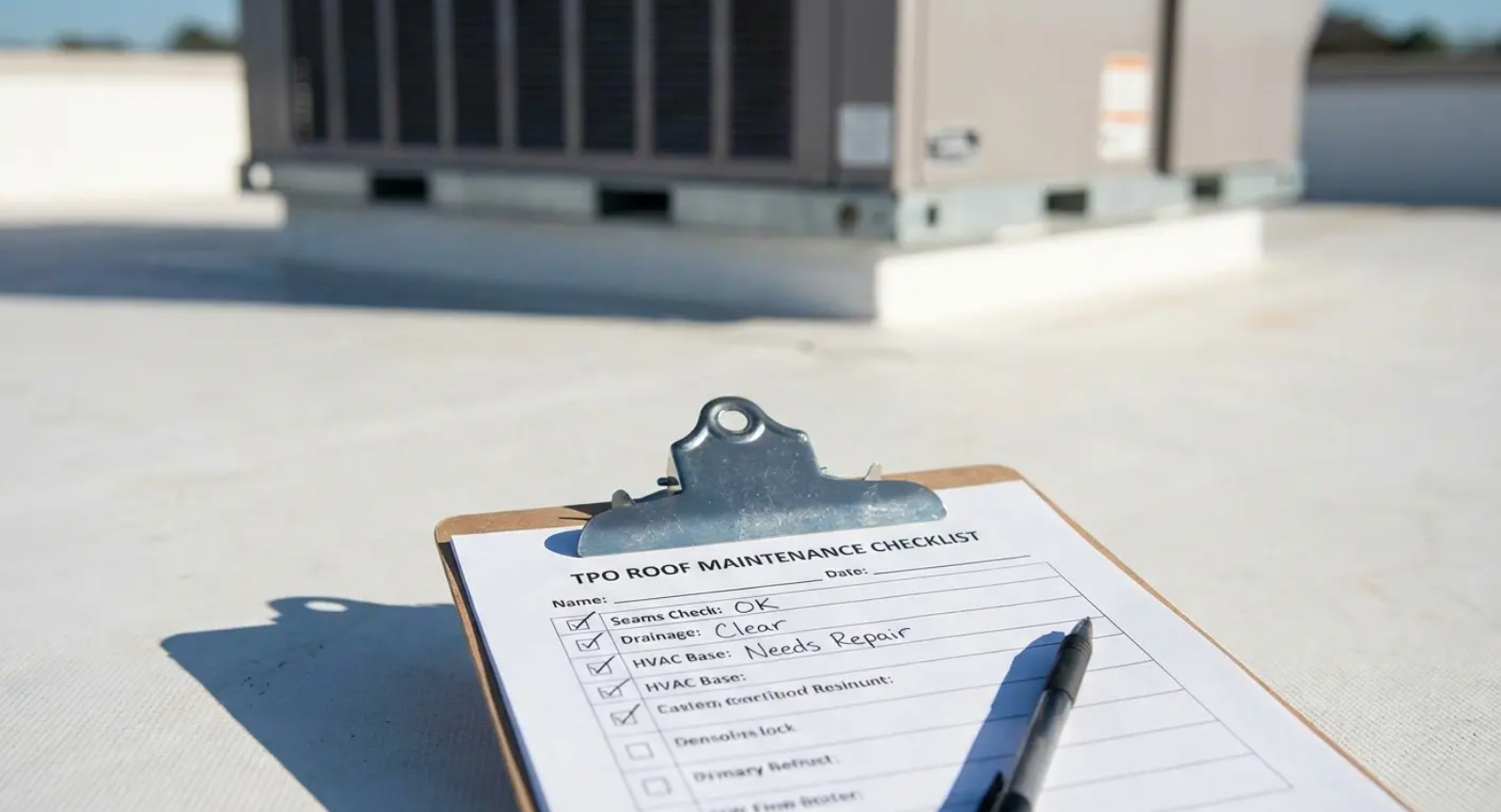
Industry standard is twice a year. Spring checks for winter damage; Fall prepares the drainage for the snow. It’s a simple rhythm that catches 90% of issues before they become leaks.

Clipboard with checklist and pen, set on a white rooftop in front of an AC unit.

Post-Storm Assessments


If you get winds over 50 mph or hail bigger than a quarter, go look at the roof. Wind likes to get under the metal edge (coping) and peel it back like a sardine can. Often, the damage is there, but it won't leak until the next rainstorm. Post-storm checks are one of the most overlooked parts of flat roof maintenance.


The "Clipboards Ready" Checklist


Keep this list handy for your facility manager. Start inside, then head up. And take photos—if you ever need to file an insurance claim, a timestamped photo log is your best friend.


  • Interior:
  • [ ] Check top-floor ceiling tiles for brown stains.
  • [ ] Look at the walls near the ceiling for peeling paint.
  • Perimeter:
  • [ ] Is the metal edge loose? Can you wiggle it by hand?
  • [ ] Check specifically for wind damage on the corners.
  • Field of Roof:
  • [ ] Look for punctures (often from dropped tools or branches).
  • [ ] Any bubbles (blisters) or ridges popping up?
  • [ ] On asphalt: does it look like alligator skin (cracked)?
  • Drainage:
  • [ ] Are the drains and scuppers 100% clear of gunk?
  • [ ] Is there water standing 48 hours after a rain?
  • Penetrations (AC units/Vents):
  • [ ] Check the "pitch pockets" (little pans of sealant)—are they shrunken or cracked?
  • [ ] Check the flashing around the HVAC units.


The "Red Flag" Areas


Flat roofs rarely leak in the middle of a wide-open space. They leak at the interruptions—pipes, walls, HVAC curbs—or the seams. If you focus on these spots, you solve half the problem.


Ponding Water


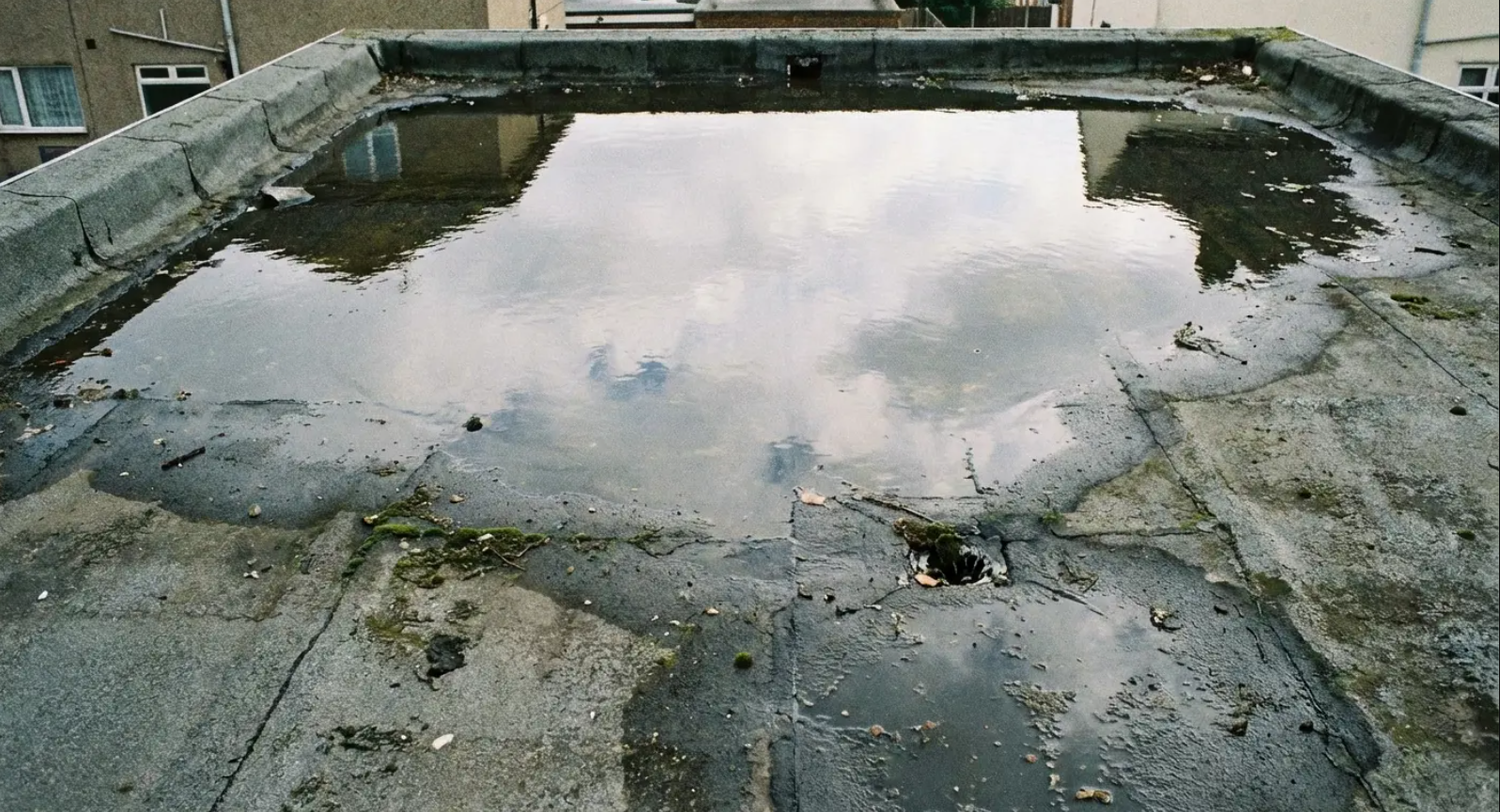
If you see a "lake" on your roof two days after it rains, you have a problem. This is called ponding. It adds massive weight to the structure and the standing water eventually breaks down the glues and membrane. Fixing ponding is one of the highest-ROI moves in flat roof maintenance.


True Story: We once visited a facility where the manager ignored a puddle near an AC unit because the main drain looked fine. Turns out, a bird had built a nest inside the elbow of the downspout where no one could see it. The water weight eventually made the deck sag so bad they needed structural steel repairs. A $200 drain cleaning turned into a massive construction project.

Flat rooftop with standing water reflecting the sky and nearby buildings.

Flashing Separation


Metal expands in the sun. The roofing membrane shrinks in the cold. Because they move at different rates, the sealants connecting them eventually tear. Check the base of every pipe and skylight.


Blisters and Alligatoring


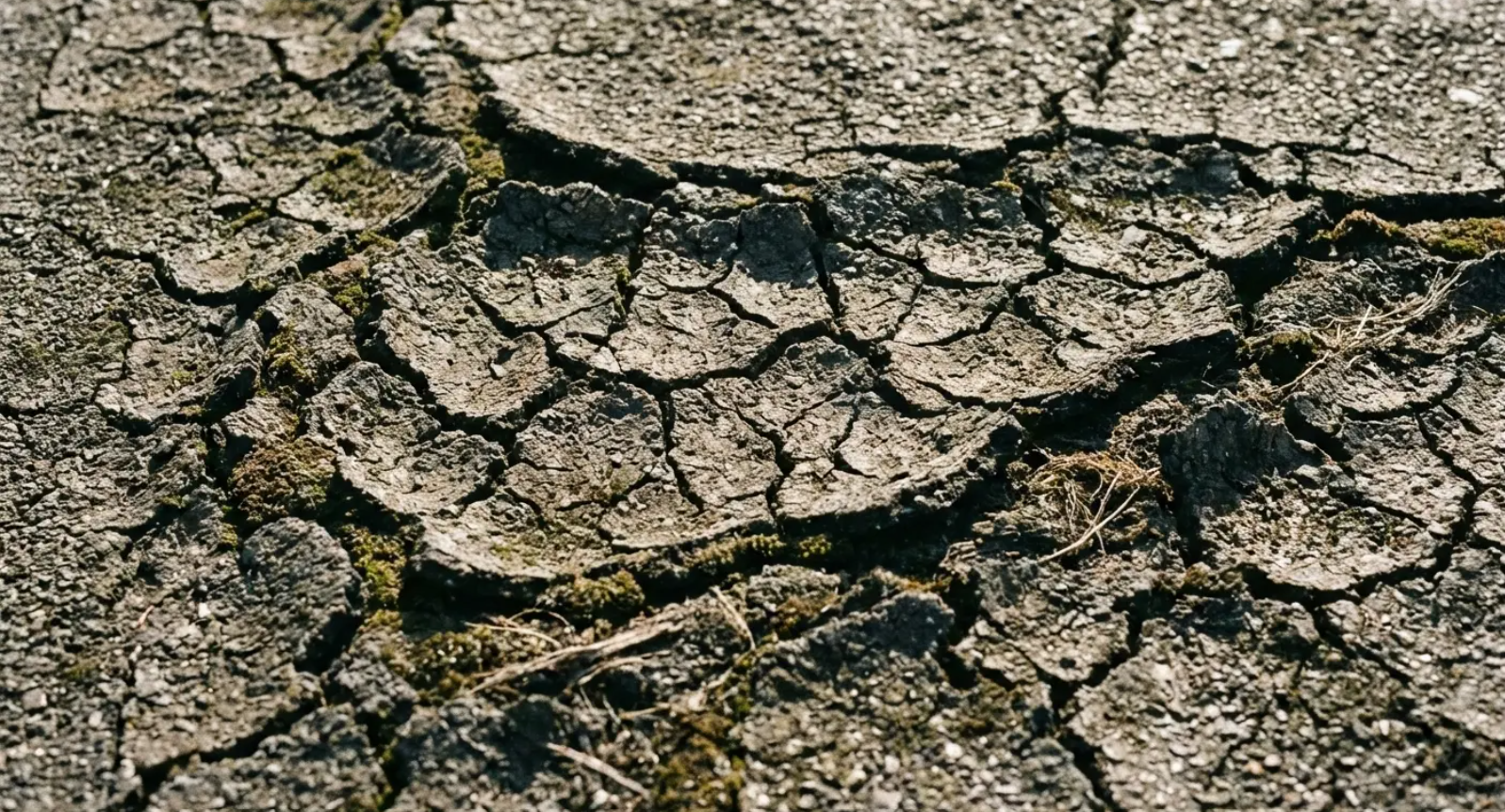
If you step on a "bubble," that’s trapped air or moisture. If your asphalt roof looks like the back of an alligator, the oils have dried out from the sun. Both are signs the roof is aging out.

Cracked, dry earth with deep fissures, some patches of green moss visible.

Plants Growing on the Roof


If you see a sapling growing in a dirt pile on your roof, pull it immediately. Roots are incredibly strong; they will drill right through your waterproofing and create a direct leak path.


Safety: DIY vs. Pro


You can do a visual check yourself, but please respect the height. We draw a hard line between inspection and dangerous repair work.


Some small stuff is manageable. For instance, fixing a skylight curb leak can be a DIY job if you’re handy, but safety gear is non-negotiable.


Don't Fall Off


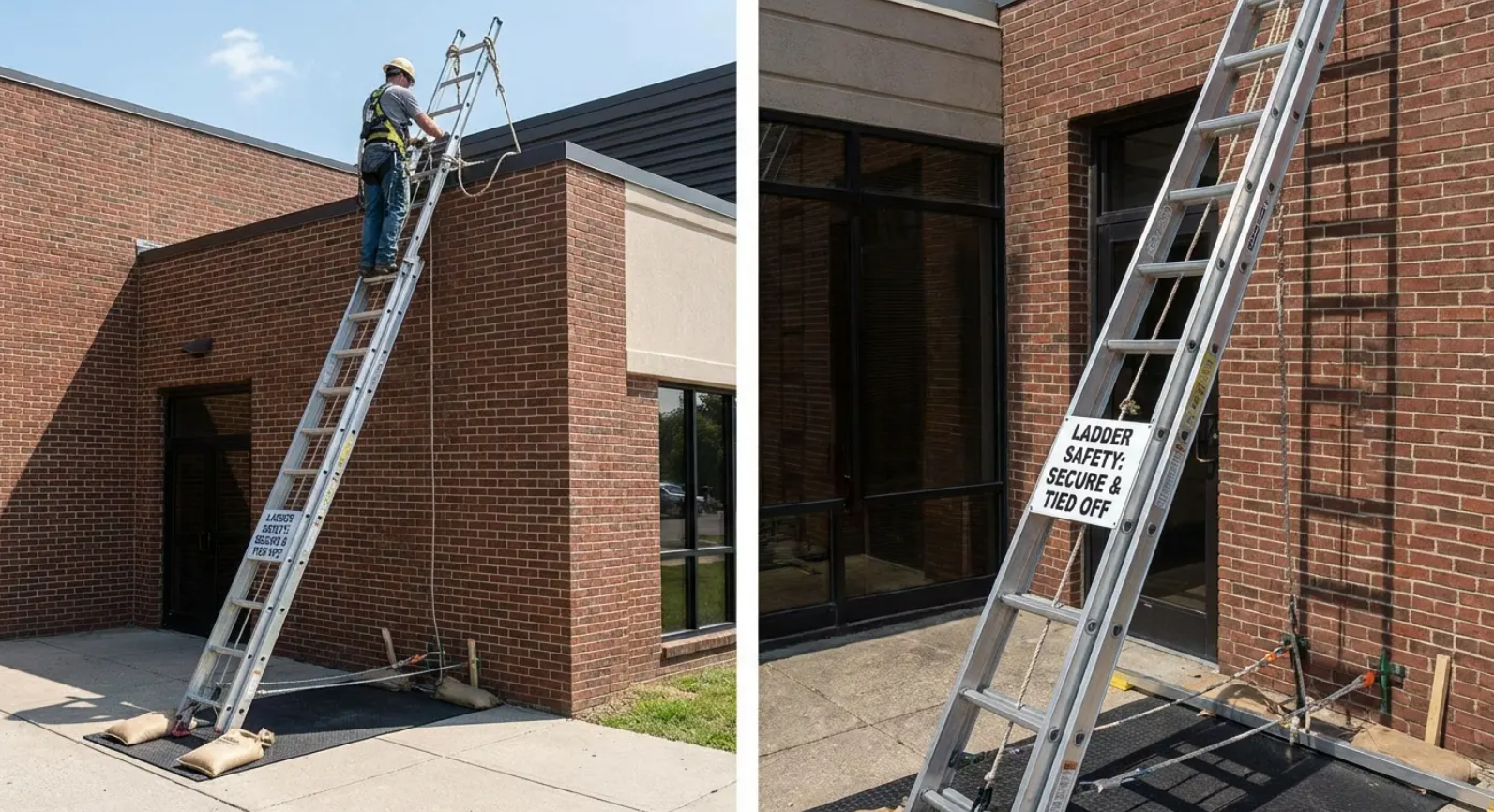
OSHA is strict for a reason. Never go within 6 feet of the edge without a warning line or fall protection harness. Also, make sure your ladder extends 3 feet past the roofline so you have something to grab when you transition on and off.

Our team uses a secured ladder and fall protection for safe flat roof maintenance on your building.

Seeing What You Can't See


Pros use infrared cameras and moisture meters. We do this because water can travel sideways under the membrane. Just because the leak is here inside the building doesn't mean the hole in the roof isn't 20 feet away.


Cleaning and Preventative Care


Keeping a roof clean isn't just about aesthetics; it's about longevity. Dirt holds moisture, and moisture grows moss.


Debris and Drainage


The golden rule of flat roofing: Get the water off the roof.


Taking a "whole roof" approach to care is the best way to improve the lifespan of your commercial roof.


Clear the Scuppers


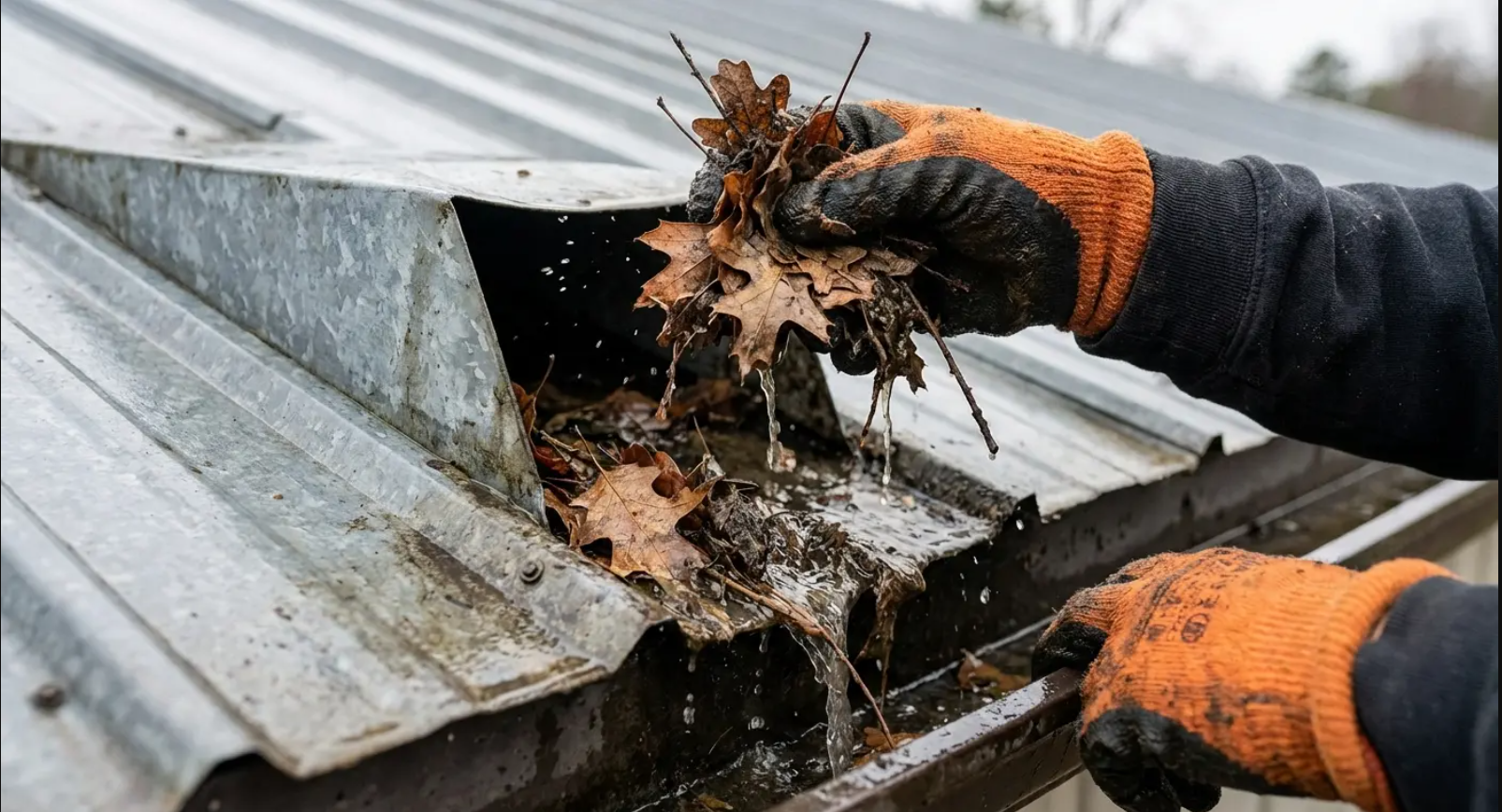
Scuppers (the holes in the wall that let water out) get clogged easily. If they block up, your roof turns into a swimming pool. During a heavy storm, that weight can collapse a building. Keep the strainers clear.

Gloved hands clearing wet, brown leaves from a metal rain gutter on a roof.

Trim the Trees


If branches hang over your roof, they are dropping leaves into your drains and rubbing against the membrane when the wind blows. Trim them back.


Winter Care


If you have to shovel snow off a roof, use a plastic shovel. Metal edges slice right through rubber roofs. Also, clear a path to the drains so melting snow has somewhere to go, otherwise, it refreezes into ice dams.


Washing the Roof


White roofs (TPO/PVC) reflect heat to save you energy. When they get dirty, they stop reflecting.


Soft Wash Only


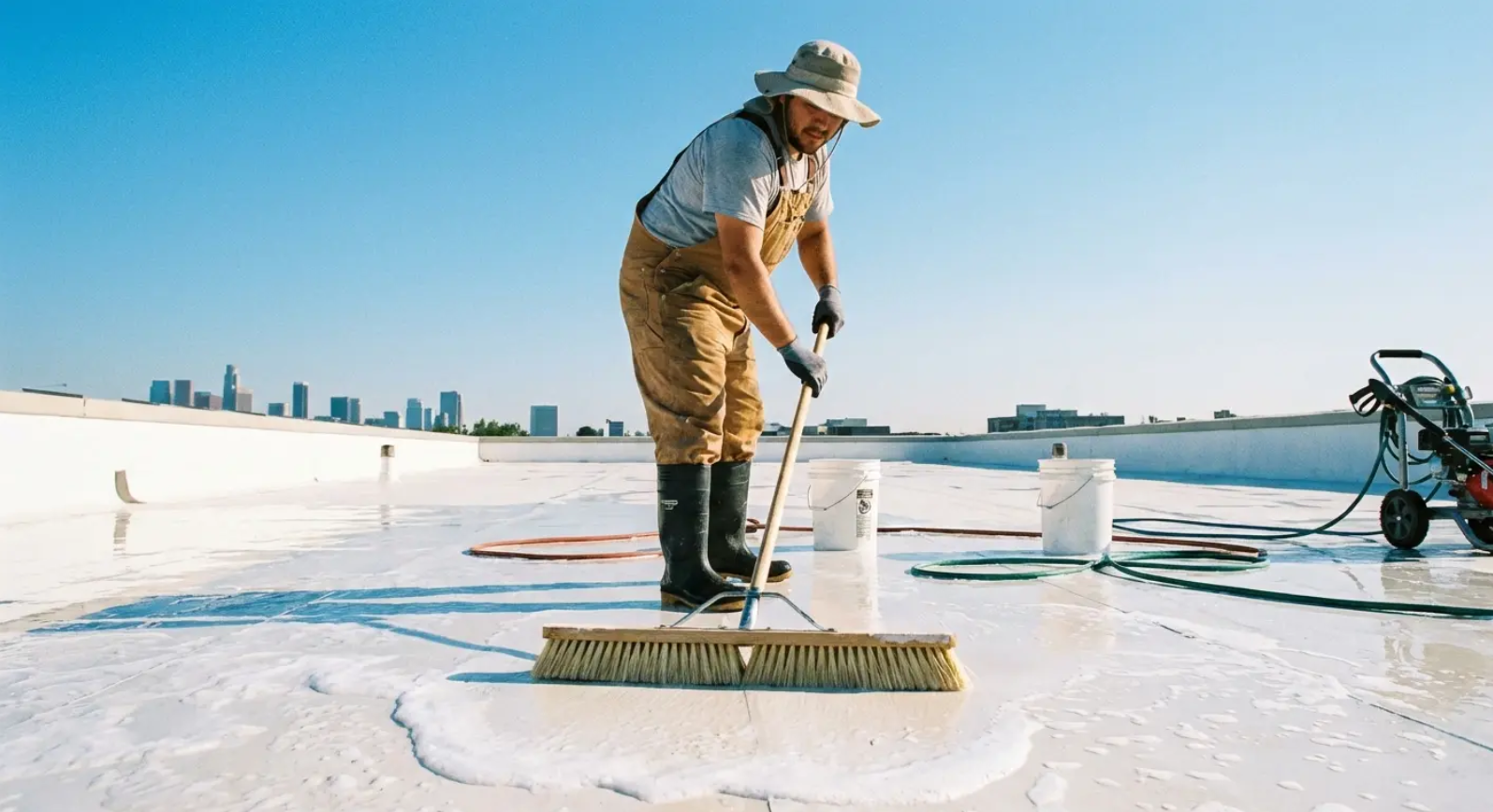
Do not take a high-pressure wand to your roof seams. You will inject water right under the membrane. Use a "soft wash" method—mild detergent and a soft-bristle broom. Scrub it gently like you're washing a classic car, not a concrete driveway.

Person on a rooftop, sweeping white cleaning solution. City skyline visible in background. Sunny day.

Keeping it white matters. The Department of Energy notes that a dirty, underperforming roof can waste up to 30% of a building’s energy.


Repairs and Tech


When you find a problem, you need to fix it right. The biggest mistake we see is people using the wrong patch material.


The "Tar Patch" Mistake


This is critical: You cannot just buy a bucket of black roof tar and slap it on a leak. If you put asphalt products on a plastic (PVC/TPO) roof, the solvents will eat the plastic. We've seen $200 patch jobs turn into $5,000 repairs because the wrong goop was used.

Roof System How to Fix It WARNING: Do Not Use
TPO / PVC Heat Welding (Hot Air) Asphalt, tar, or generic caulking.
EPDM (Rubber) Primer & Sticky Tape Asphalt cement or hot air welding.
Mod Bit / Asphalt Cold Adhesive or Torch Silicone (unless you prime it first).
Metal Butyl Tape or Polyether Sealant Acidic silicone (it rusts the metal).

TPO/PVC: You Need Heat


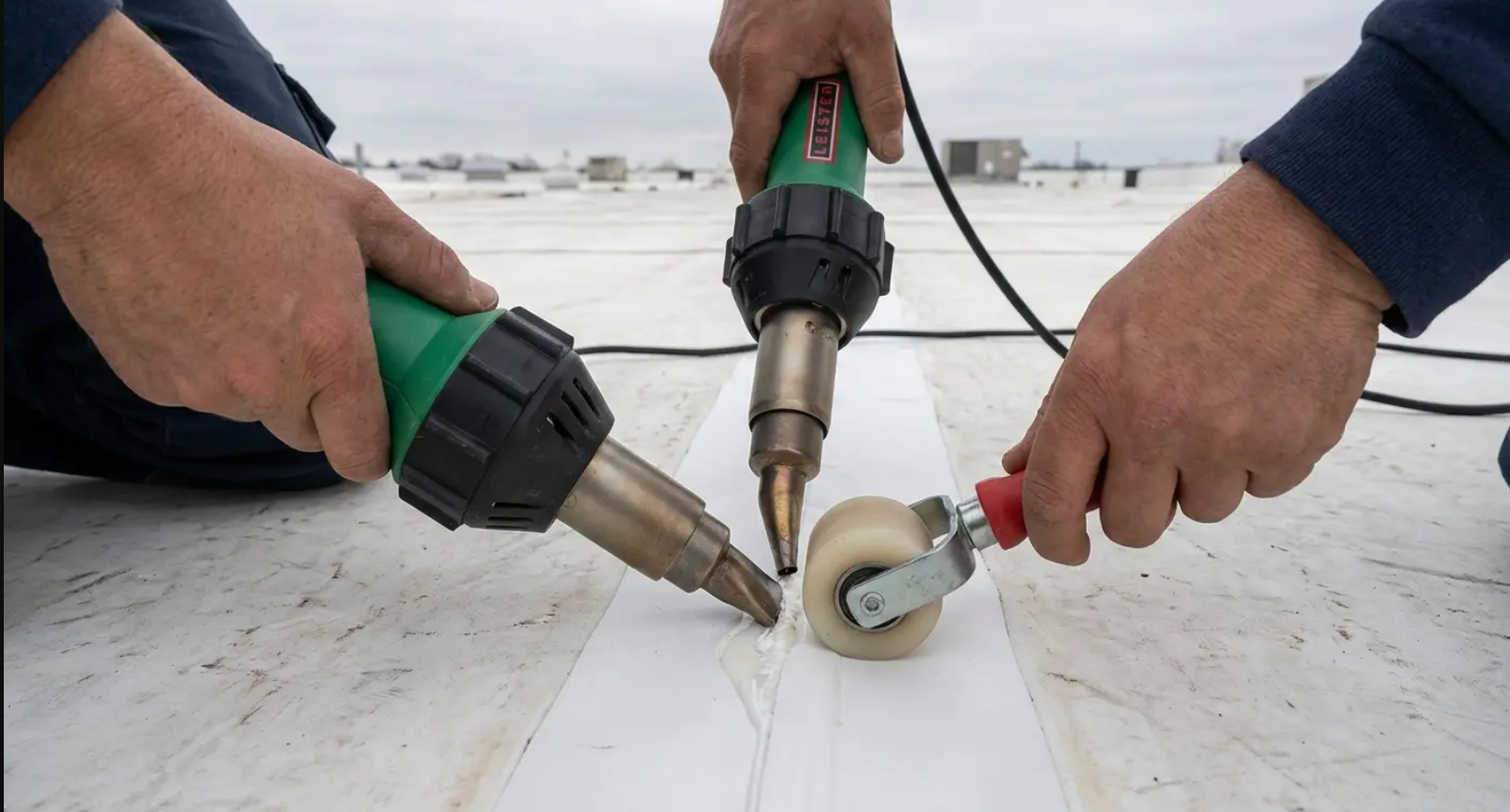
These roofs are welded, not glued. A pro uses a hot-air gun to melt the patch into the existing roof, fusing them into one piece.

Hands welding a white roof seam with heat guns and a roller on a flat roof.

EPDM: You Need Chemistry


Rubber patching is like fixing a bike tire but more intense. You have to scrub it with a primer until it's sticky, then apply a specialized uncured rubber tape.


Restoration Coatings


If your roof is leaking but the insulation is dry, you might not need a new roof. You might just need a silicone coating. This is a liquid layer rolled over the whole roof that creates a seamless shell. It can squeeze another 10-15 years out of the roof for half the cost of replacement.


High-Tech Diagnostics


We don't guess where the water is. We use technology to see it.

New tech is changing the game. Leak detection systems can now actively monitor membranes 24/7, alerting you to moisture before a drop even hits your ceiling tiles.


Infrared Scans


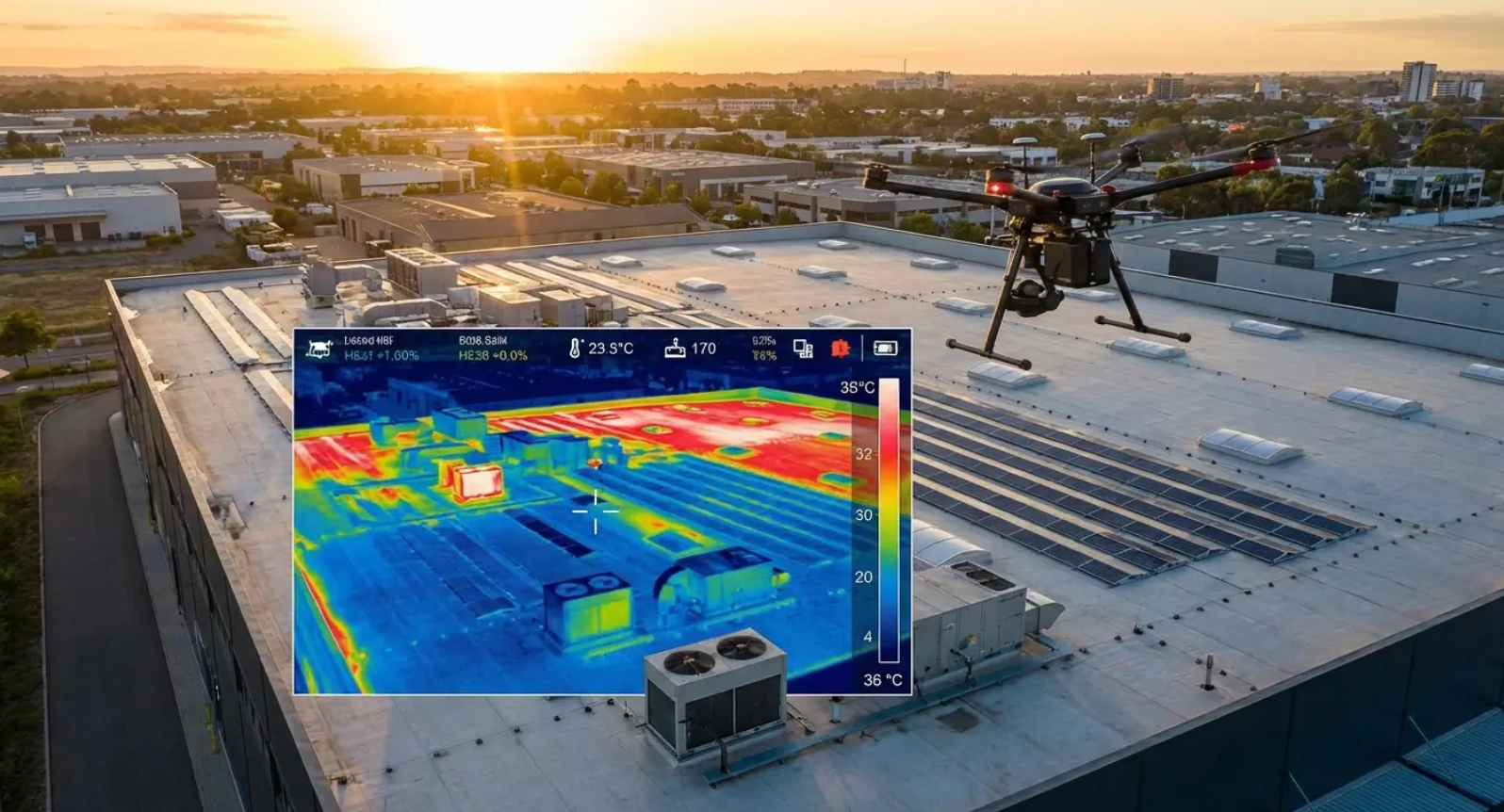
At sunset, roofs cool down, but wet insulation holds heat. An infrared drone scan lights up wet spots like a Christmas tree. This tells us exactly which parts of the roof need to be cut out and which can be saved.

Drone with thermal imaging camera inspecting a commercial building roof at sunset. The thermal image shows heat signatures.

The "Repair vs. Replace" Decision


When is it time to stop patching? We use the 25% Rule.

If your diagnostic scan shows that more than 25% of the insulation under the roof is saturated with water, spot repairs are a waste of money. The water is trapped, the deck will rot, and the mold will grow. At that point, you need a replacement or a major recover.

But if it's under 25%? Keep repairing.Professional repairs typically cost 40-60% less than a full replacement.


Environment and Material Types


A roof in Arizona ages differently than a roof in Pennsylvania. Your local weather dictates your maintenance. For a broader overview of these factors, you can read our generaltips for maintaining your flat roof.


Architecture is adapting to this, with modern designs aiming to withstand"heavy downpours, extremely cold seasons, and hot sunny days" equally well.


How Different Roofs Age


Knowing what material you have helps you spot the specific ways it fails.


EPDM (Rubber) Shrinks


Black rubber sheets want to shrink as they age. They tend to pull away from the walls (parapets). Check the edges—if the rubber looks like a tight drum skin pulling on the wall, it's under stress.


TPO/PVC Gets Brittle


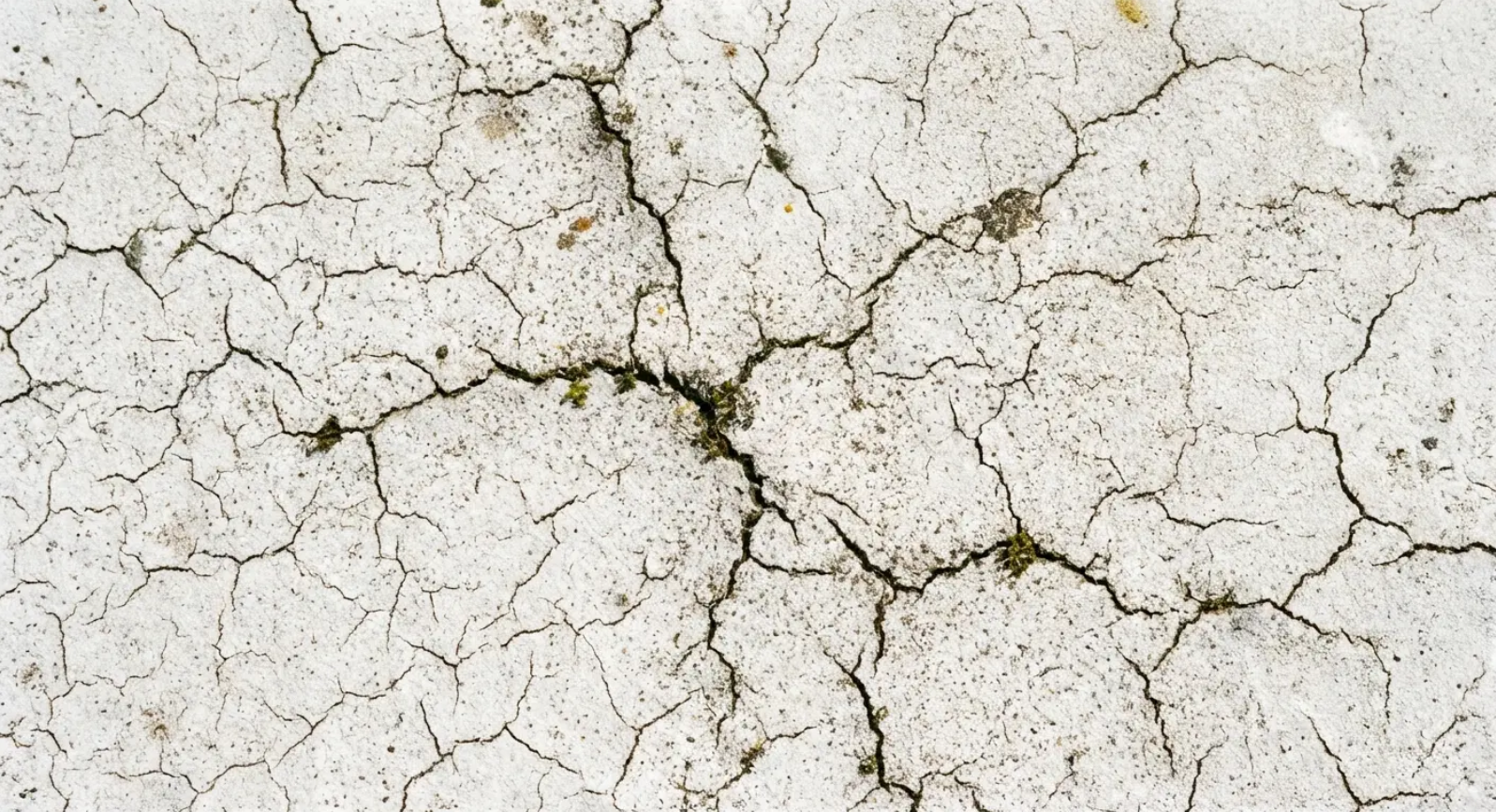
Plastic roofs lose their flexibility over time due to heat. Check for tiny "micro-cracks," especially on the south-facing side of AC units where the sun hits hardest.


Cracked white pavement with a network of black fissures and small patches of green.

Tar and Gravel (BUR)


The wind blows the gravel away, exposing the asphalt to the sun. If you see bald spots, rake the gravel back over them. The gravel is the roof's sunscreen.


Foot Traffic


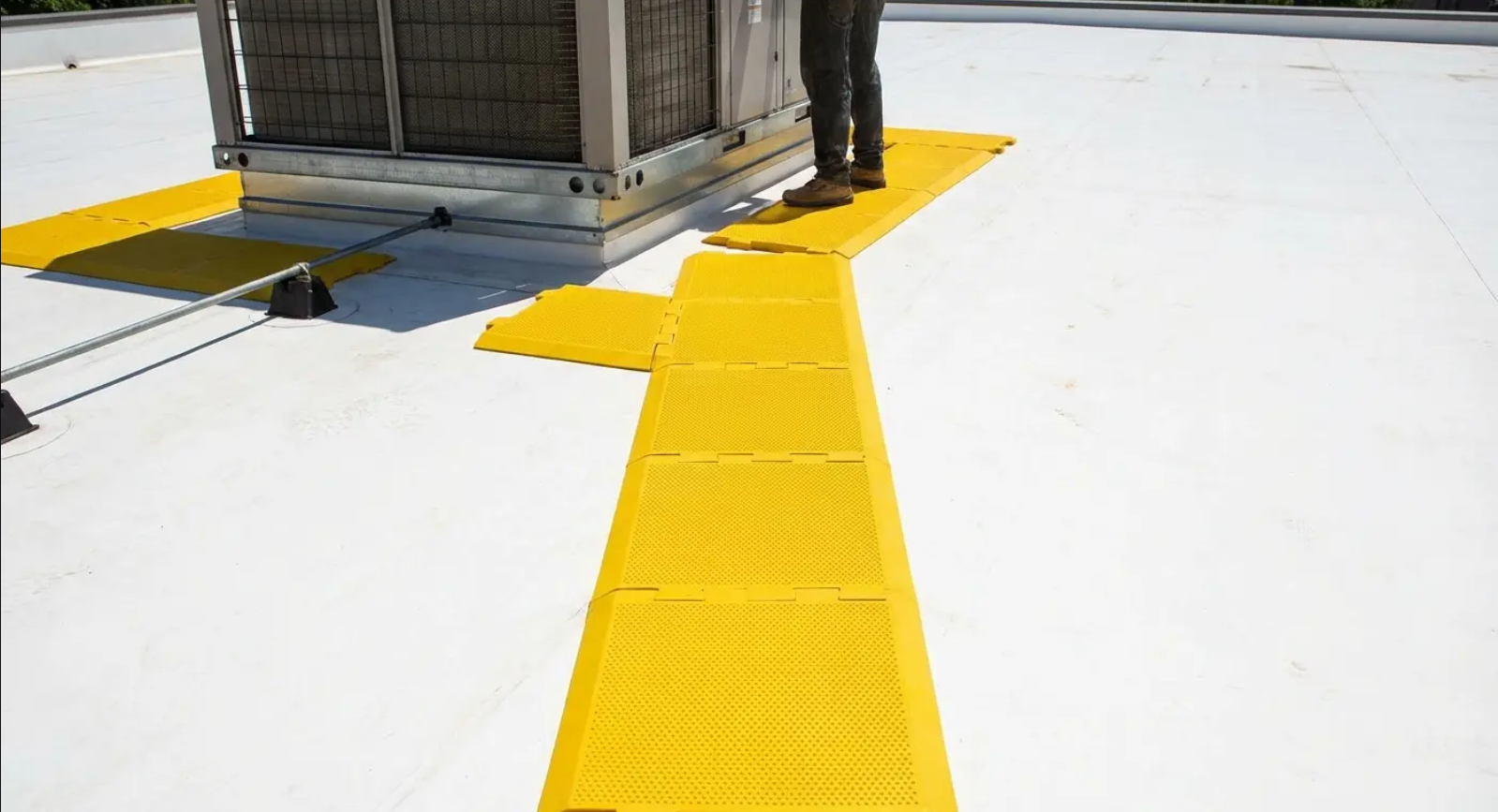
If you have HVAC guys up there changing filters, make sure they stay on the walkways. We've seen technicians drop wrenches and punch holes in roofs, then walk away without saying a word. Walk pads are cheap insurance.

Yellow rooftop walkway around HVAC unit. Person stands on walkway on white roof.

The Joyland Roofing Approach


Look, we know roofing is complicated. The difference between a $500 repair and a $50,000 structural failure usually comes down to catching things early and using the right materials. That’s the entire philosophy behind flat roof maintenance.


We aren't here to sell you a new roof if you don't need one. We focus on transparency. If we can save your roof with a patch or a coating, we'll tell you. If it's too far gone, we'll show you the infrared data so you know exactly why. We treat your building like it's our own.


Final Thoughts


Ignoring your flat roof doesn't make the problems disappear; it just makes the invoice bigger. You now have the blueprint to handle this proactively. Use the checklist. Watch out for the "tar patch" trap. And call in the pros when the job gets too dangerous or technical.Your roof protects your entire business—give it a little attention now, and flat roof maintenance will save you thousands over the long run.

A smiling man stands in front of a house roof while a worker repairs shingles; branding for Joyland and Servants appears.
By James Wesser April 9, 2026
See how roof leaks led to a full roof replacement for a Lancaster County homeowner through a community partnership with Joyland Roofing and Servants.

Joyland Roofing & Windows & Doors ad with bold text: “Why we don’t take a penny until you’re happy.”
By James Wesser May 14, 2026
Learn why Joyland does home improvement projects differently with clear communication, honest service, and competent work and roofing, siding, gutters and more.
Roofing ad with text “What are those black streaks on your roof?” over a house roof and sky
By James Wesser May 12, 2026
Black streaks on your roof are often algae, not dirt. Learn what roof algae means, when to worry, and learn why pressure washing can damage your shingles badly.
Home exterior with siding color samples and text about choosing siding colors
By John Esh May 11, 2026
Choosing siding colors? Learn how to match your roof, brick, trim, gutters, and windows so your Pennsylvania home looks finished, timeless, and not mismatched.
Collage of house exteriors with text “JOYLAND 5 YEAR TRANSFORMATION”
By John Esh May 4, 2026
See how one roof repair became a full exterior transformation with TPO roofing, GAF shingles, gutter protection, and James Hardie siding in Central PA today.
Two men on a roof with JOYLAND logo and checklist, text saying “AVOID THE MESS!”
By James Wesser May 1, 2026
Getting a new roof? Use this 5 step roof replacement checklist to prep your home, reduce stress, protect your property, and keep project day smoother.
By Moe Marketing Agency April 28, 2026
This is a subtitle for your new post
NDL warranty promo with van, warning text, and warranty certificate on a dark background
By John Esh April 28, 2026
What does a No Dollar Limit warranty cover on a commercial roof? Joyland Roofing explains NDL warranties for flat roofs in Lancaster County and Central PA.
Worker kneeling on a sloped shingle roof, repairing with tools beside a glass building.
By John Esh April 22, 2026
Joyland Roofing stands behind our roof leak repairs with a Fix It or It’s Free guarantee. Learn how it works and what it means for homeowners.
Man standing on a grassy field beside a thumbnail with text: “JOYLAND DRAINAGE ISSUES TRAVEL”
By James Wesser April 21, 2026
See how drainage issues move from roof to wall to foundation and why small water problems can lead to bigger home repairs across South Central Pennsylvania
A person wearing dark pants and light-colored sneakers stands on the top platform of an aluminum step ladder.
By James Wesser April 13, 2026
A quick ladder check can help prevent a dangerous fall. Learn the basics of ladder setup, footing, placement, and safe climbing