November 16, 2026
Testin g This | JoylandRoofing.com
Author
This is a subtitle for your new post

Table of Contents
- Why We're Talking About Overhead (Not Just Shingles)
- What Metal Shingles Actually Cost in 2025
- The Hidden Cost Structure Your Contractor Isn't Explaining
- How Installation Complexity Drives Your Final Bill
- Regional Price Variations That Nobody Warns You About
- When Cheap Metal Shingles Cost You More Long-Term
- The Real ROI Timeline for Metal Shingle Roofing
- Financing Options That Actually Make Sense
- Questions to Ask Before You Sign Anything
- Finding a Contractor Who Gets It
TL;DR
Metal shingle roof cost ranges from $8 to $16 per square foot installed, but your contractor's overhead structure often impacts your price more than material selection. Installation complexity (roof pitch, existing layers, accessibility) can add 30-60% to base material costs. Regional labor rates and permit requirements create price swings of $3-5 per square foot between markets. Cheap metal shingles often require replacement within 15-20 years, negating any upfront savings. True ROI on quality metal shingle roofing typically appears at the 12-15 year mark through energy savings and avoided maintenance. Financing terms matter more than monthly payment amounts when evaluating affordability.
Why We're Talking About Overhead (Not Just Shingles)
Stop Googling "metal shingle cost per square foot." Seriously. Stop.
I know you won't, but you should. Because those numbers? They're mostly bullshit. Not wrong, exactly. Just incomplete in a way that's going to screw you over.
The shingles themselves are maybe 40% of what you'll pay. The rest? That's where it gets interesting. And by interesting, I mean this is where contractors either protect you or screw you.
Metal roof labor costs run $300 to $500 per square (100 square feet) compared to $200-$300 per square for asphalt shingles, according to research on metal roofing installation costs. Why? Because metal roofing is harder. Period. Your contractor operates a business with insurance premiums, equipment loans, crew wages, licensing fees, and warranty obligations. All that overhead? Shows up in what they charge you. And it varies wildly between companies.
A contractor running three crews with $2 million in liability coverage and a fleet of specialized equipment can't match the pricing of a two-person operation working out of a pickup truck. You probably don't want them to, either.
We're focusing this entire discussion on overhead structures because they're the overlooked variable in metal shingle roof cost. Material prices are relatively standardized within quality tiers. Labor rates fluctuate by region but follow predictable patterns.
Overhead, however, reveals how a contractor operates and whether they'll deliver what they've promised.
Look, a contractor who carries proper insurance, invests in ongoing crew training, maintains equipment, and honors warranties has higher operating costs than one who skips these expenses. Those costs appear in your quote. The question isn't whether you'll pay for overhead (you will, regardless) but whether you're paying for overhead that protects your investment or subsidizing a business model built on cutting corners.
What Metal Shingles Actually Cost in 2025
According to State Farm's analysis of metal roofing benefits, metal roofs cost between $8 and $16 per square foot installed, and they can last between 40 to 80 years depending on the material. Way longer than the 20-year lifespan of typical asphalt shingle roofs. This completely flips the cost-per-year calculation that most homeowners overlook when comparing initial price tags.
Material Price Ranges by Metal Type
Steel metal shingles start around $2.50 to $4.00 per square foot for the material alone. You're looking at 26-gauge or 28-gauge steel with basic coating systems at this price point. Will these products work? Sure. Will they deliver the 50-year lifespan that premium options offer? Not a chance.
Aluminum shingles run $3.50 to $6.00 per square foot for materials. The price increase buys you better corrosion resistance (critical in coastal areas) and lighter weight that reduces structural load. Aluminum also holds paint finishes better than steel, which matters if you care about long-term appearance.
Copper and zinc represent the premium tier, ranging from $12 to $18 per square foot for materials. Most homeowners don't choose these options, but they're worth mentioning because they offer genuinely different performance characteristics. Copper turns this gorgeous green-brown over time. Some people love it. Some people hate it. There's no middle ground. Both metals can last 100+ years with minimal maintenance.
Why Premium Costs More (And When It's Worth It)
The price gap between entry-level and premium metal shingles comes down to three factors: coating systems, substrate thickness, and manufacturing precision.
Coating systems protect the metal from corrosion and UV damage. Entry-level products use basic polyester coatings that begin degrading after 15-20 years. Premium options feature Kynar 500 or similar fluoropolymer coatings that maintain color and protection for 40+ years. The coating upgrade adds $0.75 to $1.50 per square foot to material costs.
Substrate thickness directly impacts durability and noise reduction. A 26-gauge steel shingle flexes more than a 24-gauge product, which means more expansion/contraction cycles and faster fatigue. The thicker gauge adds about $0.50 per square foot but extends service life by 10-15 years.
Manufacturing precision affects how shingles interlock and shed water. Cheap metal shingles don't fit together right. The dimensions are sloppy. You'll see gaps or they'll require excessive adjustment during installation. Premium manufacturers maintain tighter tolerances, which speeds installation and improves weather resistance.
The Asphalt Comparison Everyone Makes
Metal shingles cost 2.5 to 3 times more than architectural asphalt shingles upfront. A typical asphalt roof runs $3.50 to $5.50 per square foot installed, while metal shingle roof cost lands between $8 and $16 per square foot installed.
That price gap scares people away from metal, which makes sense if you're only considering initial cost. But the math changes when you factor in that asphalt shingles last 20-25 years while quality metal shingles last 40-50 years. You'll replace an asphalt roof twice (possibly three times) during the service life of one metal roof.
Let's say you've got 2,000 square feet of roof. Asphalt runs you $10,000 today. In 22 years when you're replacing it again (and you will be), that same job costs around $17,100. Maybe more. Now you're at $27,100 over 44 years.
A metal shingle roof installed today at $12 per square foot costs $24,000 and lasts the entire 44-year period with minimal maintenance. The metal roof saves $3,100 over this timeline, and that's before factoring in energy savings or avoided maintenance costs.
Energy savings add another dimension. Metal shingles with reflective coatings can reduce cooling costs by 10-25% in hot climates. That's $200-600 annually for many homeowners, which compounds over decades.
The Hidden Cost Structure Your Contractor Isn't Explaining
Insurance and Bonding Requirements
Every legitimate roofing contractor carries general liability insurance and workers' compensation coverage. These policies aren't cheap. A roofing company with $2 million in liability coverage pays $15,000 to $40,000 annually in premiums, depending on their claims history and coverage limits.
Workers' compensation costs vary by state but run 15-25% of payroll for roofing work. That's $15,000 to $25,000 per year for every $100,000 in crew wages. Contractors don't break out these costs in quotes, but they're absolutely baked into your price.
You benefit from this overhead when something goes wrong. If a crew member falls and gets injured, workers' comp covers their medical bills and lost wages. If installation errors cause leaks that damage your interior, liability insurance pays for repairs. Contractors without proper coverage leave you exposed to these risks.
Some projects require payment and performance bonds, especially for larger homes or in certain municipalities. Bonds cost 1-3% of the project total and guarantee that the contractor will complete the work as specified. This cost appears in your quote as a line item or gets absorbed into the overall price.
Equipment Investment and Depreciation
Professional metal roofing installation requires specialized tools that most general contractors don't own. Pneumatic shears, metal brakes, seaming tools, and safety equipment represent serious capital investment.
A roofing company might have $50,000 to $150,000 tied up in equipment, vehicles, and tools. They're depreciating these assets over time and building replacement costs into their pricing structure. Your quote includes a portion of this overhead.
Cheap contractors often lack proper equipment, which forces them to improvise with inadequate tools. This slows installation, increases error rates, and produces subpar results. You're not saving money when you hire them. You're inheriting their equipment deficiencies as quality problems.
Permit Fees and Inspection Costs
Most jurisdictions require permits for roof replacement, with fees ranging from $150 to $800 depending on project size and local regulations. Contractors handle permit applications and include fees in their quotes.
Some areas require multiple inspections throughout the installation process. Each inspection might cost $75 to $200, and failed inspections require scheduling re-inspections at additional cost.
Experienced contractors know local building codes and pass inspections consistently, while less experienced crews often face delays and extra fees. These costs seem minor in the context of a $20,000+ project, but they represent pure overhead that doesn't improve your roof. They're simply the cost of legal compliance.
Disposal and Cleanup Expenses
Removing old roofing material and disposing of it properly costs money. Dumpster rental runs $300 to $800 for a typical residential project. Disposal fees at landfills or recycling centers add another $100 to $300.
Metal roofing generates less waste than asphalt tear-offs, but you're still looking at disposal costs if you're replacing an existing roof. Contractors build these expenses into quotes, sometimes as line items and sometimes absorbed into labor costs.
Thorough cleanup takes time and effort. Professional crews use magnetic sweeps to collect metal scraps and fasteners that could puncture tires or injure people. They protect landscaping with tarps and restore your property to pre-project condition. This work isn't free, even though it's rarely itemized in quotes.
Overhead Verification Checklist: What to Request from Every Contractor
Before signing any contract, verify these overhead components are legitimate and current:
- Certificate of general liability insurance with minimum $1 million coverage (verify directly with insurance company)
- Workers' compensation policy certificate (call to confirm active status)
- State contractor license number (verify with licensing board and check for complaints)
- Business registration and tax ID documentation
- List of specialized equipment owned (not rented) for metal roofing installation
- Proof of permit acquisition for your specific project
- Waste disposal plan and dumpster rental confirmation
- Written warranty terms including company contact information for claims
- References from metal roofing projects completed within the last 12 months
How Installation Complexity Drives Your Final Bill
Roof Pitch and Safety Requirements
Roof pitch dramatically affects installation costs. Contractors can work efficiently on roofs with 4/12 to 6/12 pitch (4 to 6 inches of rise per 12 inches of horizontal run). These slopes allow crews to move safely without extensive safety equipment.
Steeper pitches require additional safety measures. Roofs with 8/12 pitch or greater need scaffolding, safety harnesses, and toe boards that slow installation and increase labor costs by 20-40%. An 11/12 or 12/12 pitch might require specialized equipment and double the labor hours compared to a moderate slope.
Very low-slope roofs (2/12 or less) present different challenges. Metal shingles aren't ideal for these applications because water doesn't shed quickly enough. Contractors might recommend standing seam metal roofing instead, which costs more but performs better on low slopes.
Existing Layer Removal Complications
Some homes have multiple layers of old shingles that must be removed before metal installation. Building codes allow only two layers of asphalt shingles, but we've seen homes with three or even four layers from decades of roof-over installations.
Removing multiple layers increases labor costs by $1.50 to $3.00 per square foot. The work is physically demanding, generates massive amounts of waste, and reveals unexpected decking damage that requires repair.
Decking condition often remains unknown until old shingles come off. Rotten or damaged plywood needs replacement at $3 to $5 per square foot. A roof with 200 square feet of damaged decking adds $600 to $1,000 to your project cost.
Real talk: A homeowner in a 1970s ranch discovered their roof had three layers of asphalt shingles when they requested quotes for metal roofing. The original quote of $18,000 for a straightforward metal installation jumped to $24,500 once contractors factored in the removal of all three layers (adding $4,500 in labor and disposal) plus replacement of 180 square feet of water-damaged decking near the chimney (adding $2,000). The project timeline also extended from 4 days to 7 days due to the additional tear-off work.
Accessibility and Site Conditions
Contractors need to deliver materials and position equipment efficiently. Homes with difficult access face surcharges.
A house with narrow side yards, extensive landscaping, or no driveway access might require hand-carrying materials from street to roof. This can add 10-20% to labor costs on projects where crane or conveyor access isn't possible.
Multi-story homes require additional safety equipment and slow work pace. Third-story installations might cost 15-30% more than single-story projects of equivalent square footage.
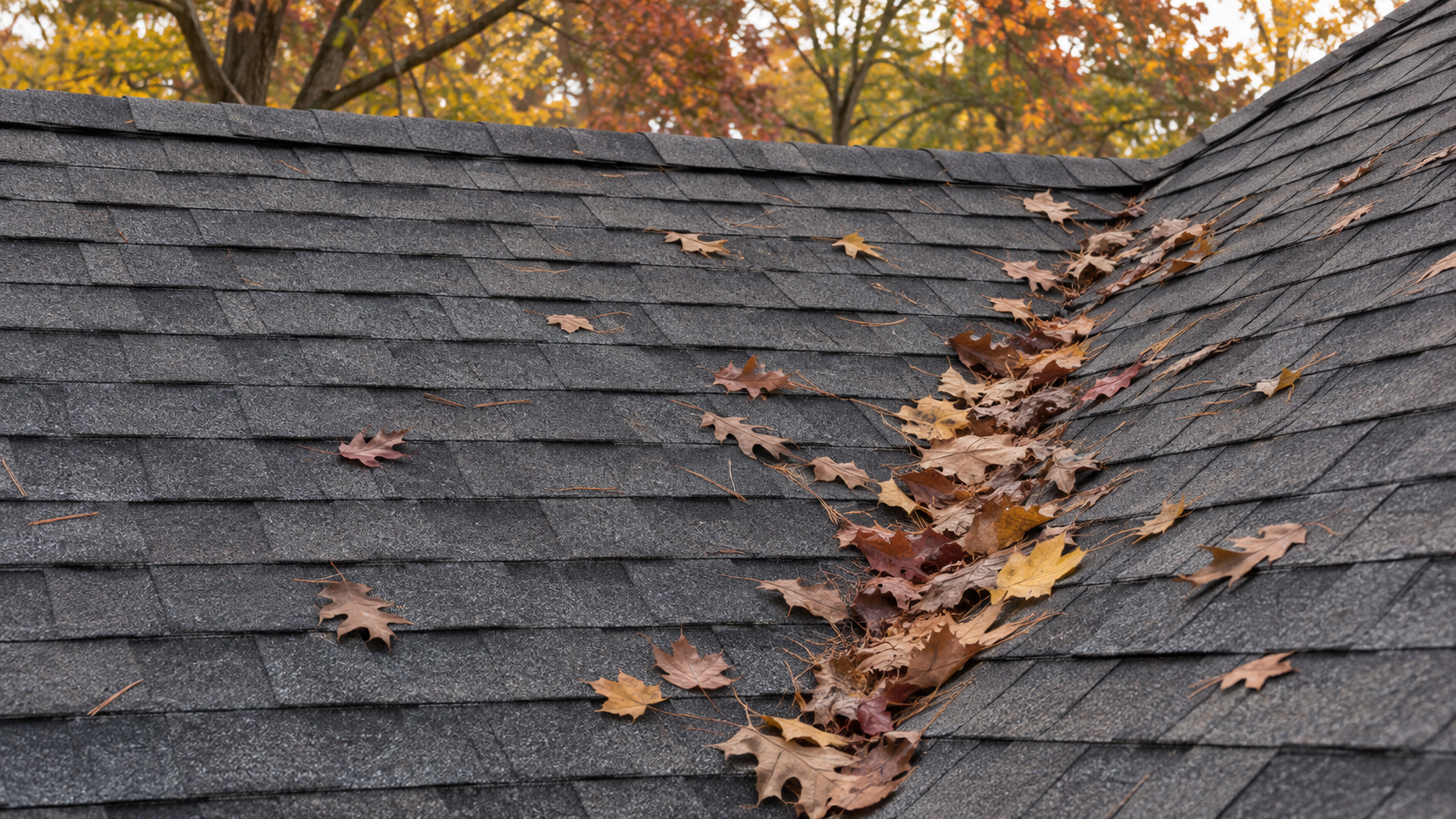
Tree coverage affects installation speed. Overhanging branches must be trimmed back before work begins, and falling leaves or needles during installation create cleanup challenges. Dense tree coverage can add 5-10% to project costs.
Architectural Complexity
Simple gable roofs install faster than complex designs with multiple valleys, dormers, and intersecting planes. Each valley requires careful flashing and waterproofing, adding 2-4 hours of labor per valley.
Dormers create similar challenges. Contractors must carefully flash the intersection between dormer and main roof, which requires precision cutting and fitting. Expect $200 to $500 in additional labor per dormer.
Chimneys, skylights, and vent pipes all require custom flashing. Each penetration adds 1-3 hours of labor, depending on size and complexity. A roof with six penetrations might add $600 to $1,200 to your project cost compared to a roof with no penetrations.
Regional Price Variations That Nobody Warns You About
Want to see how insane regional pricing gets? The Washougal School District in Washington got quotes for a metal roof replacement at Washougal High School. The range? $2.1 million to $4.3 million. Same building. Same specs. Estimates suggested a complete metal roof would have exceeded $6 million, according to the Camas Post-Record.
The district ended up going with composite shingles because metal was "unaffordable." For a public school. With voter-approved funding.
If a government entity with professional procurement people can't navigate metal roof pricing, what chance do you have?
Labor Rate Disparities Across Markets
Roofing labor costs vary by region. Urban markets on the coasts see installed costs of $11 to $16 per square foot for metal shingles, while rural Midwest and Southern markets might range from $8 to $12 per square foot for identical materials.
These differences reflect local wage rates, cost of living, and contractor competition. A roofing crew in San Francisco or New York costs way more to employ than a crew in rural Oklahoma or Mississippi. The quality of work isn't necessarily different. The economic context is.
You can't easily arbitrage these differences. Hiring a contractor from a low-cost region to work in a high-cost area doesn't save money once you factor in travel expenses, lodging, and the logistical challenges of managing a project from hundreds of miles away.
Building Code and Permit Variations
Some jurisdictions have stringent building codes that require additional engineering, specific installation methods, or upgraded materials. Coastal areas with hurricane risk often mandate enhanced fastening schedules and wind-rated products.
Florida's building code requires roofing products to meet specific wind resistance ratings. Meeting these requirements adds $1 to $2 per square foot to material and installation costs compared to areas with less demanding codes.
California's Title 24 energy code encourages cool roof products with high solar reflectance. While metal shingles often meet these requirements naturally, contractors must document compliance, which adds administrative costs.
Permit fees vary dramatically. Some small towns charge $200 for a roofing permit, while large cities might charge $600-800 for the same project. Processing times also differ, from same-day permits in some areas to 2-3 week waits in others.
Seasonal Demand and Weather Impacts
Roofing contractors in areas with harsh winters often compress their work season into 6-8 months. This creates intense demand during peak season (usually May through October) and drives prices up by 10-20% compared to shoulder season rates.
Southern states with year-round installation seasons see more stable pricing, though summer heat can slow work pace and increase labor costs slightly.
Storm damage creates sudden demand spikes that inflate prices temporarily. After a major hail event or hurricane, contractors in affected areas can charge premium rates because demand far exceeds supply. After Hurricane Ian in 2022, contractors in Florida were charging double. Some even tripled their rates. Supply and demand, baby. These price increases last 6-18 months until contractor supply normalizes.
When Cheap Metal Shingles Cost You More Long-Term
Coating Failure and Premature Rust
I'm just going to say it: cheap metal shingles are a scam.
Not illegal. Not fraudulent. Just... a scam. You're buying something that looks like a 50-year roof but performs like a 20-year roof.
Entry-level metal shingles with basic polyester coatings start showing degradation within 10-15 years in harsh climates. You'll notice chalking (a powdery residue on the surface), color fading, and eventually rust spots where the coating has failed completely.
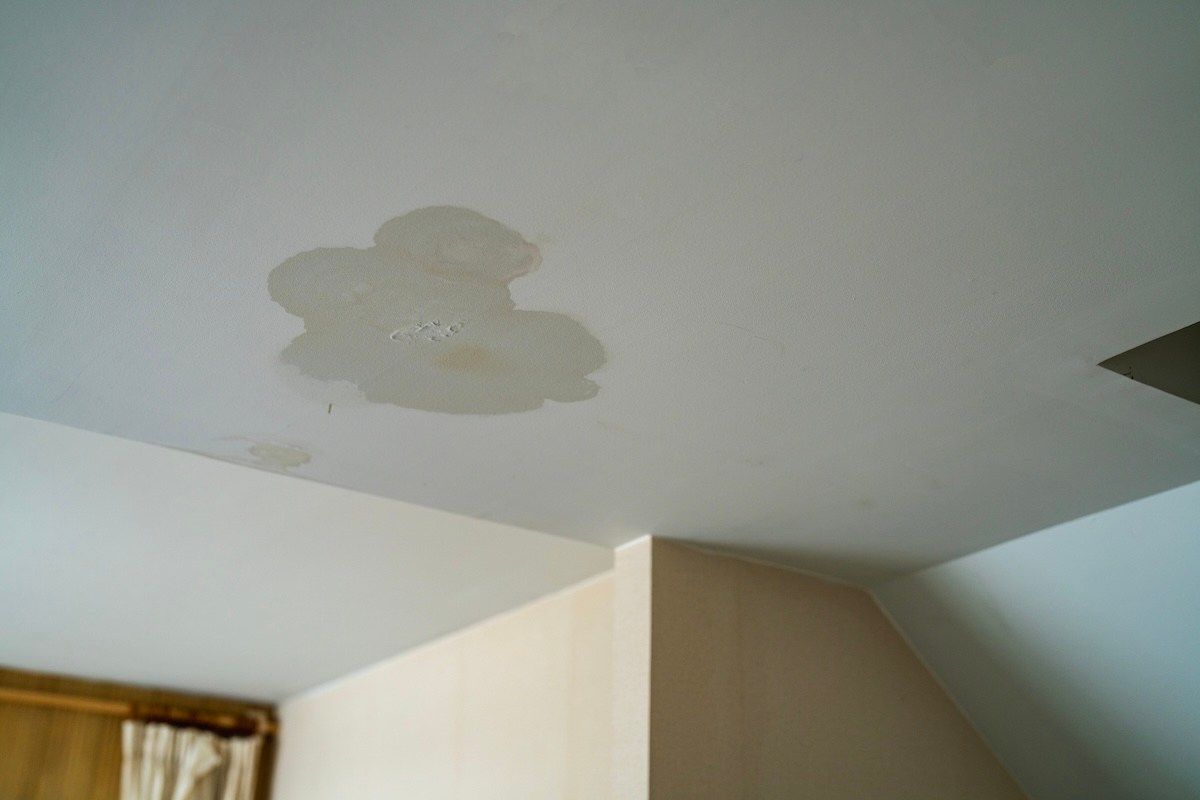
Rust doesn't just look bad. Once it starts, it accelerates. A small rust spot becomes a hole within 2-3 years, allowing water infiltration that damages decking and interior spaces. Repairing rust damage costs $500-1,500 per affected area, and widespread coating failure often makes full replacement more economical than patchwork repairs.
Premium coatings cost an extra $1.50-2.00 per square foot upfront but prevent this degradation for 40+ years. The math is straightforward: spending an additional $3,000 on better coatings for a 2,000 square foot roof saves you from a $15,000-20,000 premature replacement.
Fastener and Attachment Problems
Cheap metal roofing projects often cut costs on fasteners and installation techniques. Contractors might use standard screws instead of specialized metal roofing fasteners with EPDM washers designed for thermal expansion and contraction.
Improper fasteners fail within 5-10 years. The washers deteriorate, allowing water to seep around screws. Panels work loose during wind events. You'll hear it at night. Pop. Pop-pop. Crack. It's the metal expanding and contracting. Drives some people insane. If your fasteners are wrong, it never stops.
Fixing fastener failure requires removing and reinstalling affected panels with proper hardware. This costs $4-7 per square foot for labor alone, plus materials. On a 2,000 square foot roof, you're looking at $8,000-14,000 to correct what should have been done right initially.
Warranty Gaps That Leave You Exposed
Cheap metal shingles often come with impressive-sounding warranties that don't protect you when problems arise. A "50-year warranty" might only cover manufacturing defects (extremely rare) while excluding coating failure, color fading, and corrosion. You know, the problems you'll actually encounter.
Many budget product warranties are prorated heavily. After 10 years, the manufacturer might only cover 40% of replacement costs. After 20 years, coverage drops to 20%. You're essentially self-insuring for most of the product's supposed lifespan.
Warranty claims also require proof of proper installation, regular maintenance, and sometimes professional inspections at your expense. Manufacturers will fight you on every claim. They'll find any excuse. "Oh, you didn't submit the inspection form within 30 days of installation? Claim denied." It's infuriating.
Installation Warranty Matters More
Your contractor's installation warranty often protects you better than the manufacturer's product warranty. Reputable contractors offer 10-25 year workmanship warranties covering leaks, fastener failure, and installation defects.
Contractors offering only 1-2 year warranties signal their lack of confidence in their work. They're planning to be unavailable when problems emerge. The money you save hiring them disappears the first time you need leak repairs.
A homeowner in suburban Atlanta chose the lowest bid of $16,000 for their metal shingle roof over quotes of $21,000 and $23,500 from more established contractors. Within 8 years, they noticed serious color fading and chalking. By year 12, rust spots appeared around fasteners.
The contractor who installed it had gone out of business. When they sought repair quotes, contractors explained the coating had failed and fasteners were improperly installed. Full roof replacement quotes came in at $28,000-32,000 (reflecting inflation and current market rates). Had they chosen the $23,500 option with premium coatings and proper installation, they would have saved around $20,000 over this timeline and still had 30+ years of roof life remaining.
The Real ROI Timeline for Metal Shingle Roofing
Research on energy performance shows that reflective metal roofs can reduce cooling expenses by 10-40 percent, with a 1,770 square foot home saving a homeowner up to $128 per year, which translates to $6,400 in savings over 50 years before accounting for energy cost inflation that would make savings way higher.
Energy Savings by Climate Zone
Metal shingles with reflective coatings reduce cooling costs in hot climates by reflecting solar radiation rather than absorbing it. Homeowners in the South and Southwest save $250-600 annually on air conditioning.
These savings accumulate over time. At $400 annually, you'll save $6,000 over 15 years and $12,000 over 30 years. This offsets 30-40% of the price premium compared to asphalt shingles for many homeowners.
Cold climate benefits are less dramatic but still meaningful. Metal roofs cost less to maintain in winter because they shed snow efficiently, reducing ice dam formation that can cause expensive water damage. Avoiding even one major ice dam incident (which can cost $3,000-8,000 to repair) justifies a big portion of the metal roofing premium.
Avoided Replacement Costs
Asphalt shingles last 20-25 years in most climates. You'll need at least one full replacement during a 50-year period, possibly two.
Roof replacement costs increase over time due to inflation in material and labor costs. A roof that costs $12,000 to replace today will likely cost $18,000-22,000 in 25 years, assuming 2-3% annual inflation.
Quality metal shingles lasting 45-50 years eliminate these replacement costs entirely during the same period. The upfront premium of $8,000-12,000 for metal versus asphalt looks way different when you factor in the $18,000-22,000 replacement you'll avoid.
Maintenance Cost Differences
Asphalt roofs require periodic maintenance including moss removal, shingle replacement after storms, and flashing repairs. Budget $300-800 annually for maintenance on an asphalt roof, or $7,500-20,000 over 25 years.
Metal roofs cost less to maintain over their lifespan. You might spend $100-200 every few years for inspections and minor touch-ups, totaling $1,000-2,000 over 25 years. The maintenance savings of $6,500- 18,000 represent another big component of metal roofing ROI.
Insurance Premium Reductions
Some insurance companies offer 5-15% premium reductions for homes with metal roofing because these roofs resist fire, wind, and hail damage better than asphalt.
A homeowner paying $2,000 annually for insurance might save $100-300 per year with a metal roof. Over 30 years, this adds up to $3,000-9,000 in savings.
Not all insurers offer these discounts, and availability varies by state. You'll need to check with your specific insurance company, but the potential savings are worth investigating.
Resale Value Impact
Metal roofing adds 1-6% to home resale value, depending on local market preferences and the home's overall value. A $400,000 home might see a $4,000-24,000 value increase with a quality metal roof.
This value increase is less certain than energy or maintenance savings because it depends on buyer preferences and market conditions. Some buyers specifically seek metal roofing, while others are indifferent.
Real estate agents report that homes with newer metal roofs sell faster than comparable homes with asphalt roofs, even if the price premium isn't fully captured in the sale price. Faster sales have value beyond the dollar amount.
Break-Even Timeline
Most homeowners reach break-even on metal shingle investment within 12-18 years when factoring in energy savings, avoided maintenance, and insurance reductions.
This timeline assumes you stay in the home long enough to realize these benefits. If you plan to move within 5-7 years, the financial case for metal shingles weakens considerably unless local market conditions favor metal roofing strongly.
Homeowners planning to stay 15+ years almost always come out ahead financially with quality metal shingles compared to asphalt, assuming proper installation and reasonable material selection.
ROI Calculation Worksheet for Your Specific Situation
Use this template to calculate your personalized metal roofing ROI:
Initial Cost Difference:
- Metal shingle quote: $__________
- Asphalt shingle quote: $__________
- Premium paid for metal: $__________
Annual Savings:
- Energy cost reduction (estimate based on climate zone): $__________
- Insurance premium reduction (verify with insurer): $__________
- Avoided maintenance (asphalt avg $300-800/year): $__________
- Total annual savings: $__________
Long-Term Avoided Costs:
- Asphalt replacement in 20-25 years (today's cost × 1.6 for inflation): $__________
- Potential second replacement in 45-50 years (today's cost × 2.5): $__________
- Total avoided replacement costs: $__________
Break-Even Calculation:
- Premium paid for metal ÷ Total annual savings = __________ years to break-even
- Total savings over 50 years (annual savings × 50 + avoided replacements): $__________
- Net benefit of metal over asphalt (total savings - premium paid): $__________
Decision Point:
- Planning to stay in home __________ years
- Break-even occurs at __________ years
- Metal roofing makes financial sense: YES / NO
Financing Options That Actually Make Sense
Home Equity Options
Home equity loans offer fixed rates ranging from 6% to 10% currently, depending on credit score and loan-to-value ratio. Borrowing $20,000 at 7.5% over 10 years costs around $4,800 in interest, bringing total repayment to $24,800.
These loans make sense if you have substantial equity and plan to stay in the home long-term. The interest is often tax-deductible if you itemize deductions, which reduces the effective cost.
Home equity lines of credit (HELOCs) offer flexibility to borrow only what you need, when you need it. Rates are variable, starting around 7-9% but potentially increasing over time. HELOCs work well if you're managing multiple home improvement projects and want to draw funds as needed.
The risk with both options is that your home secures the loan. Defaulting could lead to foreclosure, which makes these options inappropriate if your income is unstable or you're already carrying serious debt.
Contractor Financing Programs
Many roofing contractors partner with financing companies to offer payment plans. These programs advertise low monthly payments and sometimes promotional periods with 0% interest.
Read the terms carefully. Promotional 0% periods last 6-18 months, after which deferred interest applies retroactively if you haven't paid the balance in full. The deferred interest rate often exceeds 20%, turning a $20,000 project into a $24,000-26,000 obligation if you miss the payoff deadline.
Contractor financing also includes origination fees of 2-6%, which get added to your loan balance. A $20,000 project with a 4% origination fee becomes a $20,800 loan before you pay a dollar of interest.
These programs serve a purpose if you can definitely pay the balance during the promotional period. They're dangerous if you're hoping to make minimum payments over several years.
Personal Loans and Credit Cards
Personal loans from banks or credit unions carry rates of 8-15% for borrowers with good credit. A $20,000 loan at 10% over 5 years costs around $5,500 in interest.
Personal loans don't put your home at risk, which provides peace of mind. The higher interest rate compared to home equity options is the tradeoff for this security.
Credit cards should be your last resort. Even with a 0% promotional rate, you're unlikely to pay off $20,000 before the promotional period ends. Standard credit card rates of 18-25% make this an expensive way to finance a roof.
When to Wait and Save Instead
Financing makes sense when your current roof is failing and waiting isn't an option. It also works if you're confident the monthly payment fits comfortably in your budget and won't create financial stress.
Financing doesn't make sense if you're stretching to afford payments, already carrying big debt, or facing income uncertainty. Delaying a project by 12-24 months to save cash eliminates interest costs entirely and gives you more negotiating leverage with contractors.
You might also consider a hybrid approach: save for several months to build a substantial down payment, then finance the remainder. This reduces the financed amount and total interest paid.
Questions to Ask Before You Sign Anything
Licensing and Insurance Verification
"Can you provide your current license number and proof of insurance?"
Legitimate contractors provide this information immediately. Hesitation or excuses signal problems.
Call your state licensing board to verify the license is current and check for complaints or disciplinary actions. It takes 10 minutes and could save you from hiring a contractor with a history of problems.
"What's your workers' compensation policy number?" Then verify coverage directly with the insurance company. Contractors sometimes let policies lapse but continue working, which exposes you to liability if someone gets injured on your property.
Warranty and Coverage Details
"What exactly does your workmanship warranty cover, and what's excluded?"
Get this in writing. Verbal promises about warranty coverage are worthless when you're trying to get a leak fixed three years later.
"How do I file a warranty claim, and what's your typical response time?" The process should be straightforward. Contractors who make warranty claims difficult are telling you they don't stand behind their work.
"What happens if your company goes out of business during the warranty period?" This question makes contractors uncomfortable, but it's legitimate. Some offer third-party warranty backing that protects you even if they close.
| Number | First Name | Last Name | Email Address |
|---|---|---|---|
| 1 | Anne | Evans | anne.evans@mail.com |
| 2 | Bill | Fernandez | bill.fernandez@mail.com |
| 3 | Candice | Gates | candice.gates@mail.com |
| 4 | Dave | Hill | dave.hill@mail.com |
Installation Process and Timeline
"Who will be installing my roof?" You want to know if the company's own crews are doing the work or if they're subcontracting to another company. Subcontracted work creates communication problems and dilutes accountability.
"What's your projected timeline, and what could cause delays?" Weather is an acceptable reason for delays. Material shortages or crew availability issues might signal organizational problems.
"How do you protect my property during installation?" You should hear about tarps for landscaping, magnetic sweeps for metal debris, and daily cleanup procedures.
Material Specifications
"What specific product are you proposing, including manufacturer, model, gauge, and coating type?"
Generic descriptions aren't acceptable. You need exact specifications to compare quotes accurately.
"Why are you recommending this product for my home?" The answer should reference your specific situation (climate, roof pitch, aesthetic preferences), not just default to whatever product the contractor installs most often.
"Where do you source materials, and what's your relationship with suppliers?" Contractors with established supplier relationships get better pricing and priority service. New contractors or those constantly switching suppliers might struggle with material availability.
Payment Terms and Contract Structure
"What's your payment schedule?" Reasonable schedules include a deposit (usually 10-30%), a payment at project midpoint, and final payment upon completion. Contractors demanding 50%+ upfront are either desperate for cash flow or planning to disappear.
"What happens if I'm not satisfied with the work?" The contract should outline a clear process for addressing concerns, including inspection procedures and dispute resolution.
"Are there any circumstances where the price could increase?" Change orders for unexpected decking damage or structural issues are reasonable. Vague clauses allowing price increases for "unforeseen circumstances" give contractors too much latitude to inflate costs.
References and Past Work
"Can you provide references from projects completed in the last 12 months?" Recent references matter more than projects from five years ago. Companies change over time.
Call the references. Ask about communication, timeliness, cleanliness, and whether they'd hire the contractor again. Most people are honest when you ask directly.
"Can I see examples of your work on homes similar to mine?" Photos are helpful, but visiting job sites (with the homeowner's permission) reveals quality details that don't show up in pictures.
Finding a Contractor Who Gets It
Growing homeowner demand for metal roofing alternatives is creating market pressure for regulatory changes, as evidenced by residents of The Villages in Florida celebrating potential rule changes that would allow metal roofs in their community. According to Villages News, homeowners cited the "roofing ripoff" of 25-30 year asphalt roofs that insurance companies force replacement on earlier than expected, with one resident noting that "metal roofs are more durable and can be a once-in-a-lifetime bill."
You've done the research, run the numbers, and decided metal shingles make sense for your home. Now comes the hard part: finding a contractor who treats your project as an investment rather than a transaction.
The roofing industry has a reputation problem, and it's earned. Too many contractors prioritize closing deals over delivering quality. They obscure costs, make promises they can't keep, and disappear when warranty issues arise.
Look, I should probably mention I run Joyland Roofing. So yeah, this whole article is basically me trying to get you to call us. I'm not going to pretend otherwise.
But here's the thing. Everything I've told you? Still true. The overhead matters. The installation quality matters. Cheap metal roofs are still a trap whether you hire us or someone else.
We just happen to be the guys who'll show you exactly where your money goes. Material costs, labor, overhead. All of it. We break it down because we're not trying to hide anything.
Our quotes break down material costs, labor expenses, and overhead clearly so you can make informed decisions. We explain how your roof's specific characteristics (pitch, complexity, existing condition) impact pricing instead of just handing you a number and hoping you don't ask questions.
This transparency extends through the entire project. You'll know who's installing your roof, what materials we're using, and what to expect each day. We don't subcontract to unknown crews or substitute materials without discussion.
Our workmanship warranty covers installation defects for 25 years because we're confident in our crews and our processes. We're not going anywhere, and we want you to have peace of mind that someone will answer the phone if you need us five years from now.
Does this approach cost slightly more than the lowest bidder? Yeah, sometimes. You're paying for crews who've installed hundreds of metal roofs, equipment that produces clean cuts and proper seams, and a business structure that'll still exist when you need warranty service. That's overhead worth paying for.
Final Thoughts
Metal shingle roof cost isn't a simple number you can pull from a pricing guide and apply to your home. It's a complex calculation involving material quality, installation expertise, contractor overhead, regional factors, and your home's specific characteristics.
The $8 to $16 per square foot range you'll encounter in quotes represents vastly different value propositions. A $9 quote using entry-level materials and questionable installation practices will cost you more over 20 years than a $14 quote using premium materials and expert installation. The math isn't complicated once you factor in replacement costs, maintenance expenses, and energy savings.
Contractor overhead deserves more attention than most homeowners give it. You're not just buying shingles and labor hours. You're buying insurance protection, warranty backing, equipment capability, and business stability. These intangibles determine whether your metal roof delivers the 40-50 year lifespan you're expecting or fails prematurely, leaving you with expensive repairs and disappointment.