


January 4, 2026

How Often Should You Actually Clean Your Gutters? (A Realistic Schedule)

Author

John Esh

Share

Let’s be honest: nobody wakes up on a Saturday morning excited to clean their gutters. It’s messy, the ladder is always heavier than you remember, and you never know what kind of wet, decomposing sludge (or spiders) you’re going to find up there.


But we also know that ignoring it isn't an option. The moment you stop thinking about your gutters is usually the moment they start failing.


So, what’s the sweet spot? How often do you really need to get up there to keep your home safe without wasting your weekends? The short answer is usually twice a year, but as with most things in home ownership, the real answer is: "It depends on your yard."


The General Rule: Twice a Year


If you own a standard home in a temperate climate with a few trees around, the twice-a-year rule is your baseline. You want to hit the gutters right after the two biggest "shedding" seasons.


Rainfall varies wildly across the country, which dictates your schedule.Leafguard highlights this disparity, noting that "Mississippi recorded 59.44 inches of precipitation in 2022, whereas Nevada was the driest state, with only 8.46 inches." If you live in a wetter zone, your system has to work harder, and the margin for error is smaller.


1. Late Spring (The "Helicopter" Season)


Most people think of leaves in the fall, but late spring (typically around June) is actually a major danger zone. This is when trees drop seeds, oak tassels, and those spinning "helicopter" pods.


These things look innocent enough, but when they get wet, they turn into a paper-mache-like pulp that mats down over your downspouts. If you skip this cleaning, the summer thunderstorms won't drain, and you’ll have a waterfall over your front porch by July.


2. Late Autumn (The Leaf Drop)


This is the big one. You have to wait until the leaves have mostly fallen, but—and this is crucial—you need to get it done before the first snow or hard freeze.


If you leave a pile of wet leaves in your gutter over the winter, it turns into a solid brick of ice. This pulls the gutters away from your house and can cause massive ice dams. If you’re tackling this yourself, check out our guide onstep-by-step how to clean your gutters so you don't end up hurting yourself or your roof.


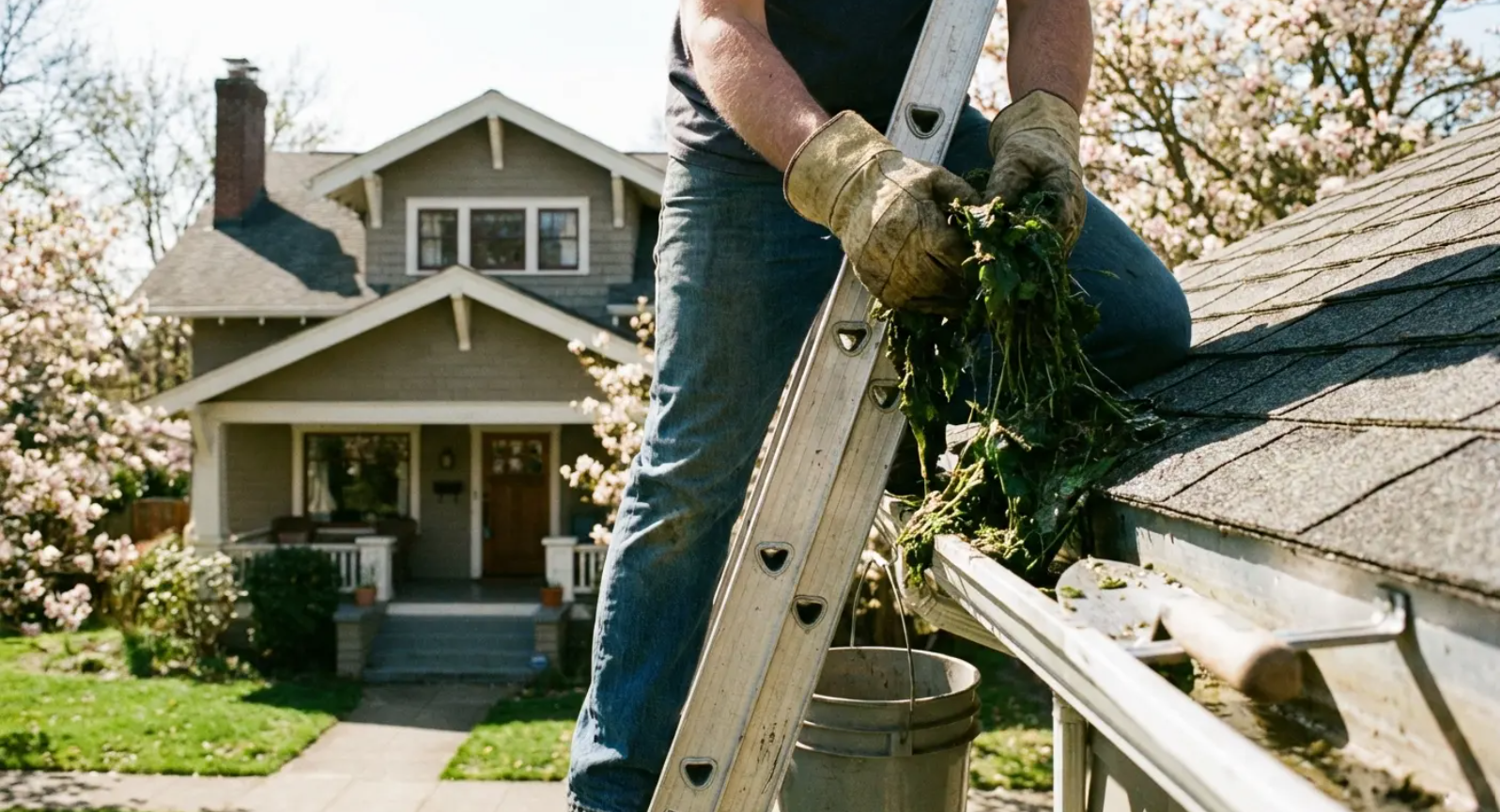
Clearing leaves from gutters to prevent winter clogs and protect your home from damage.

When "Twice a Year" Isn't Enough


The semi-annual schedule works for many, but your specific environment might demand more. We shift maintenance priorities from simple water management to safety and fire prevention depending on where your home sits on the map.


Freeze/Thaw Zones


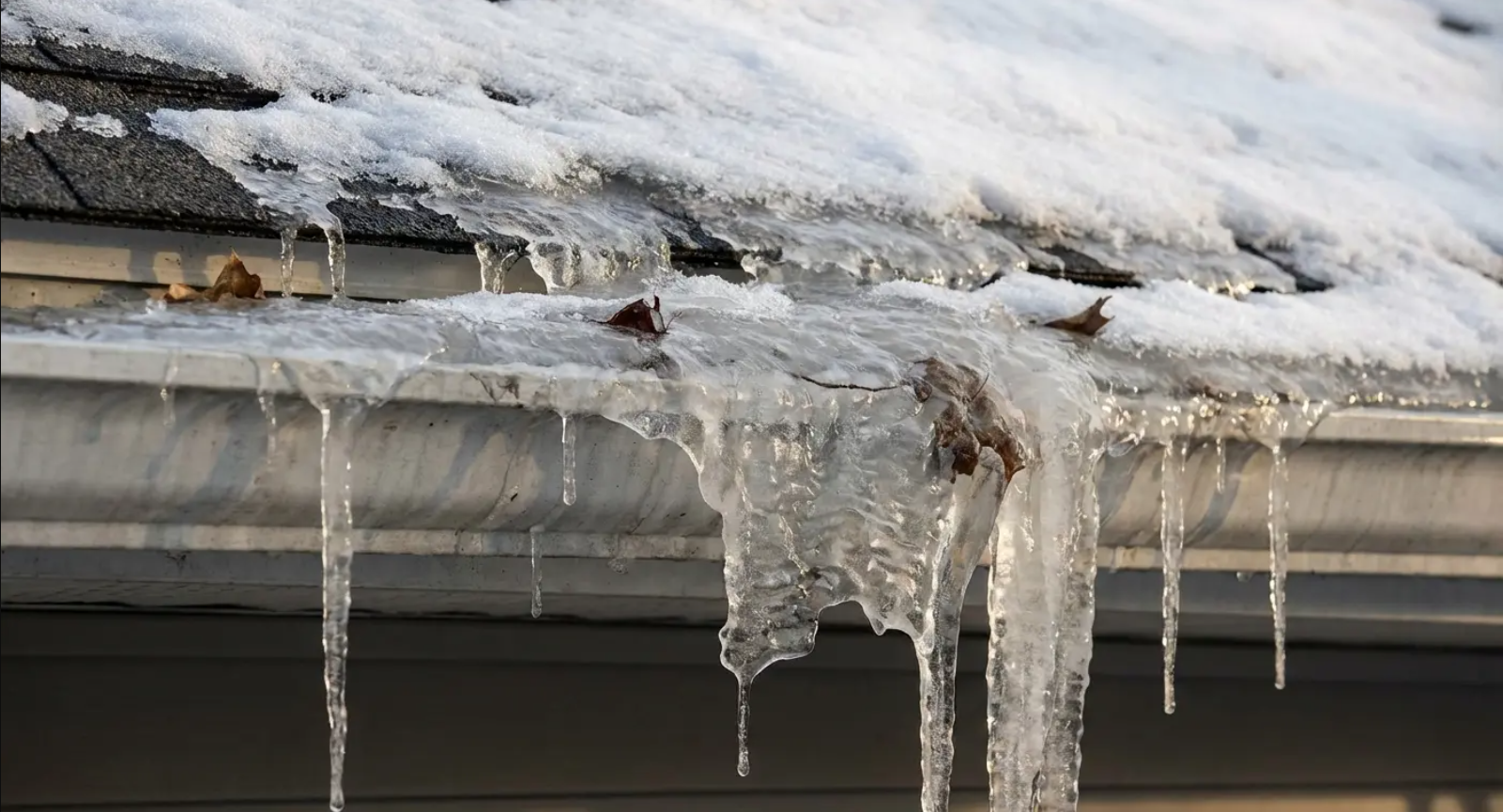
If you live up north where it freezes hard, that late-fall cleaning is non-negotiable. Even a little debris can trap water, freeze, and push up under your shingles. Understanding the difference between heat cables vs ice dams helps you decide if you need additional protection, but nothing beats a clean gutter.

Snow and ice build-up on a roof's edge, with icicles hanging from the gutter.

Wildfire Prone Areas


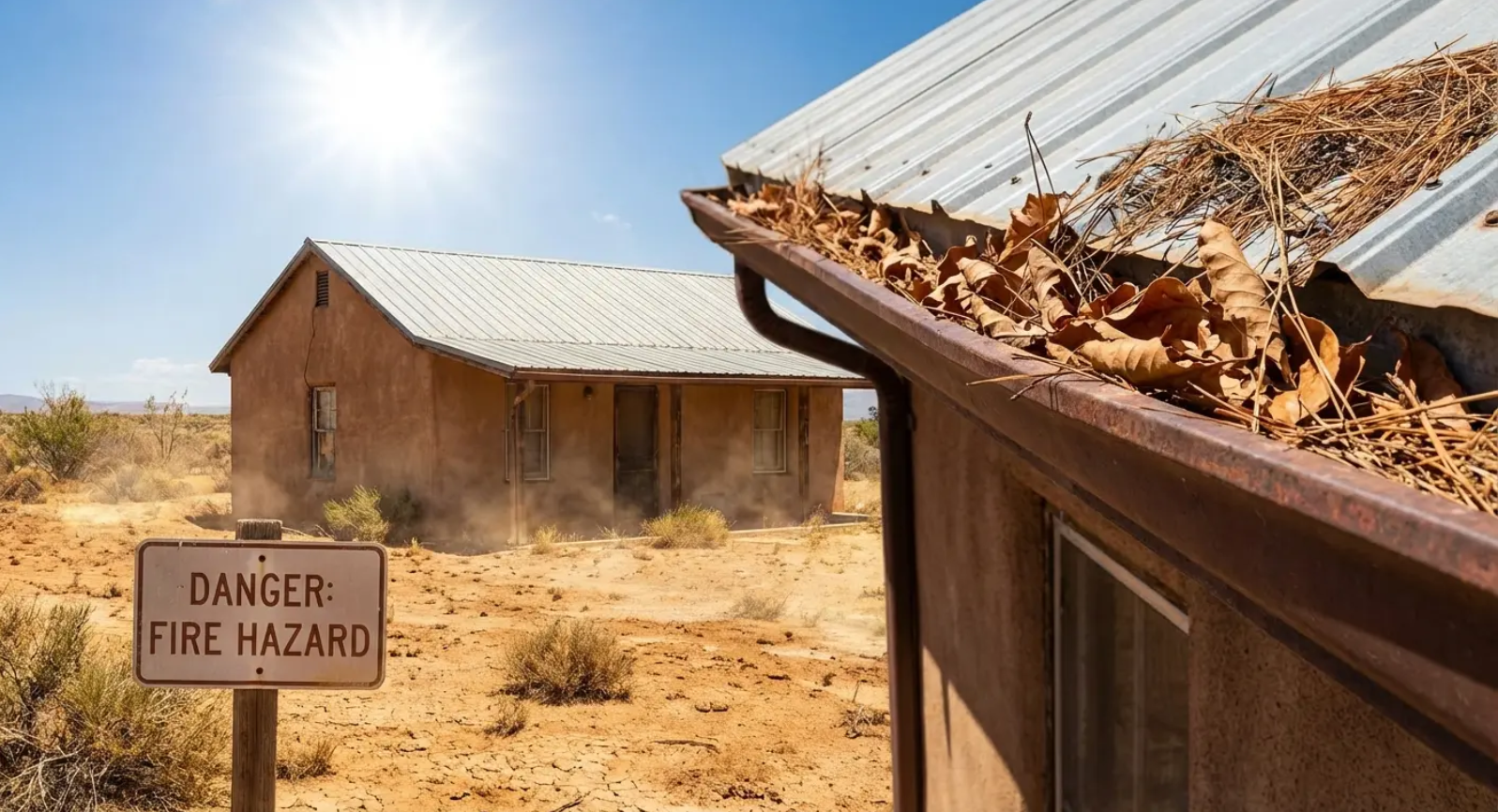
In dry areas, this isn't about water drainage; it's about fire safety. Dry leaves and needles in a gutter are essentially kindling attached to your roof edge. In these zones, you should clean them whenever debris is visible to prevent embers from igniting the home.

A dry desert landscape with a house, a sign that reads

Tropical and Storm Belts


If you are in an area with heavy monsoons or hurricane seasons, you need quarterly checks. As noted by House Digest, "During large storms, lots of heavy rainfall can flush your gutter system with debris quickly, causing clogs or backups... Checking on your gutters within a few days after a big storm and clearing away any fallen leaves are crucial steps in preventing clogs."


The Pine Needle Factor


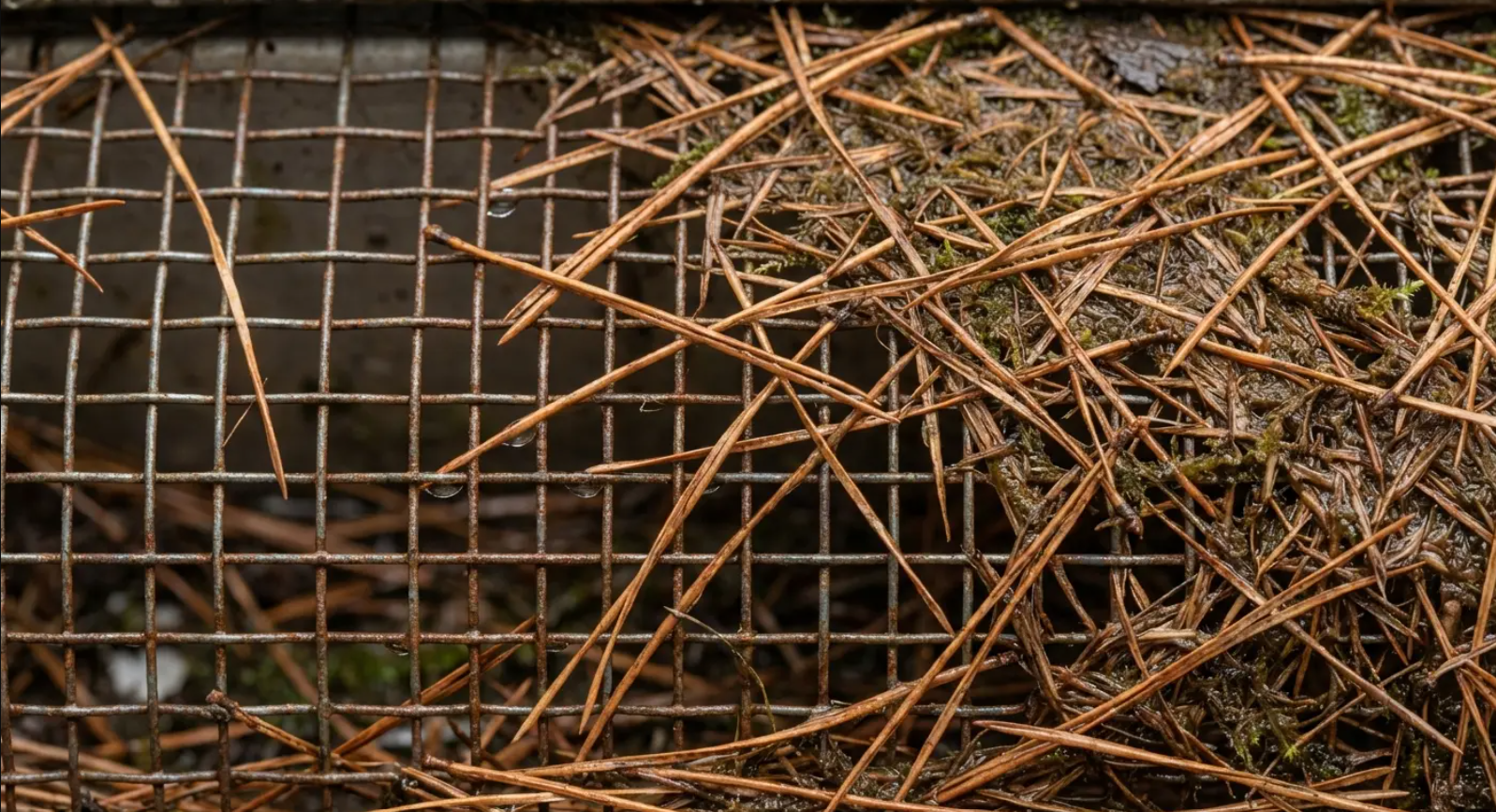
If you have pine trees, I’m sorry. Pine needles are the nemesis of gutters. They shed year-round and bind together inside the trough. If you have pines overhanging your roof, you’re looking at a cleaning every 3 months. According to Prime Time Window Cleaning, "debris can clog water pathways, prompting the need for more frequent cleaning—typically every three to four months during peak shedding seasons."

Close-up of a metal grate covered in dried pine needles and small bits of moss.

Your Roof Design Matters, Too


It’s not just about the trees; it’s about the house itself. The steepness of the roof and the materials used can contribute to the mess.


Asphalt Shingle "Sludge"


If you have an older asphalt roof, you’ve probably seen those little granules in the gutter. They look like black sand. Over time, these accumulate into a heavy sludge at the bottom of the gutter that water can't wash away easily. You need to scoop this out manually, or the weight can eventually sag the gutters.

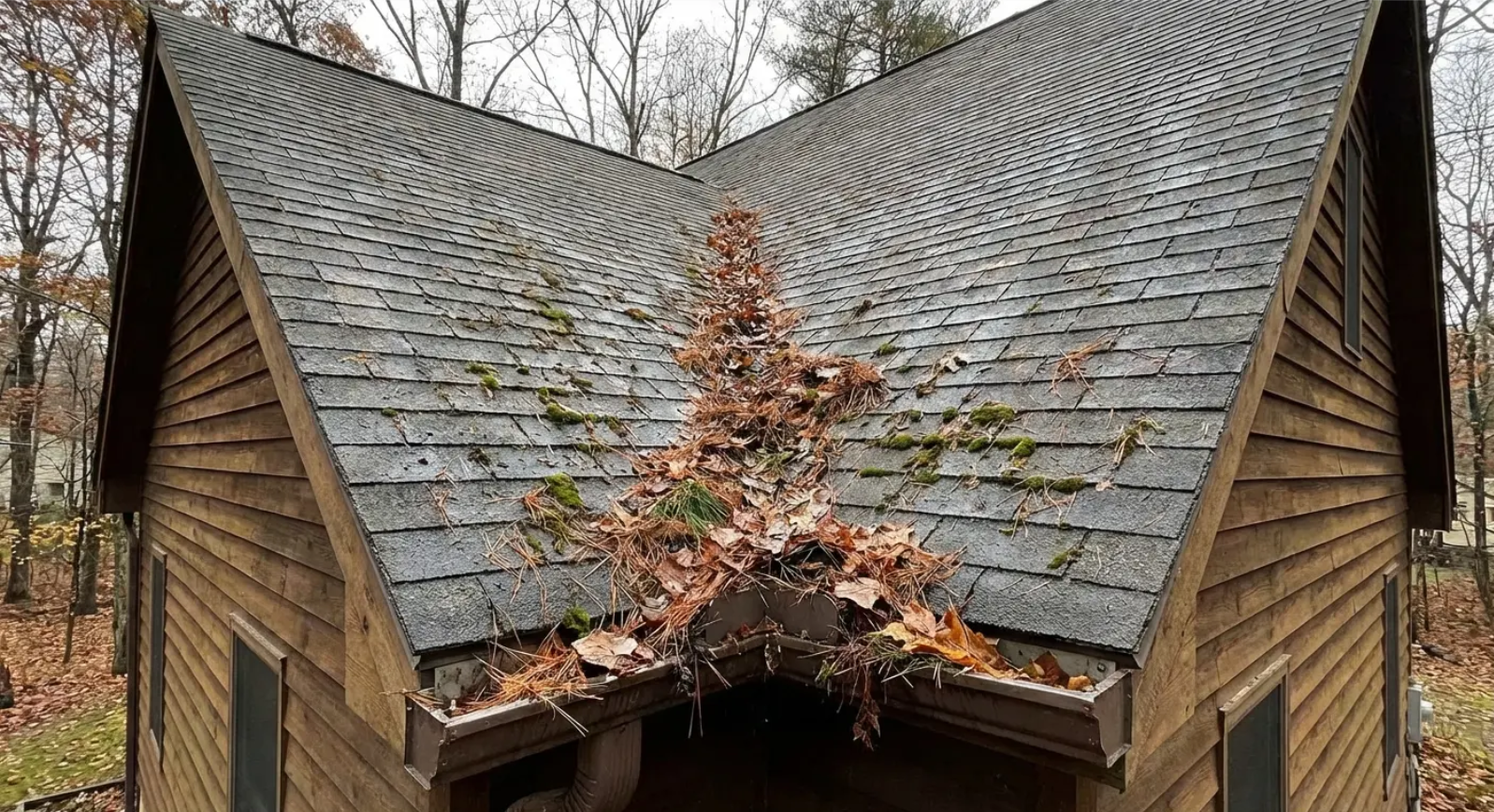
Brown house with a roof covered in leaves, with a gutter overflowing with debris.

Valley Concentration


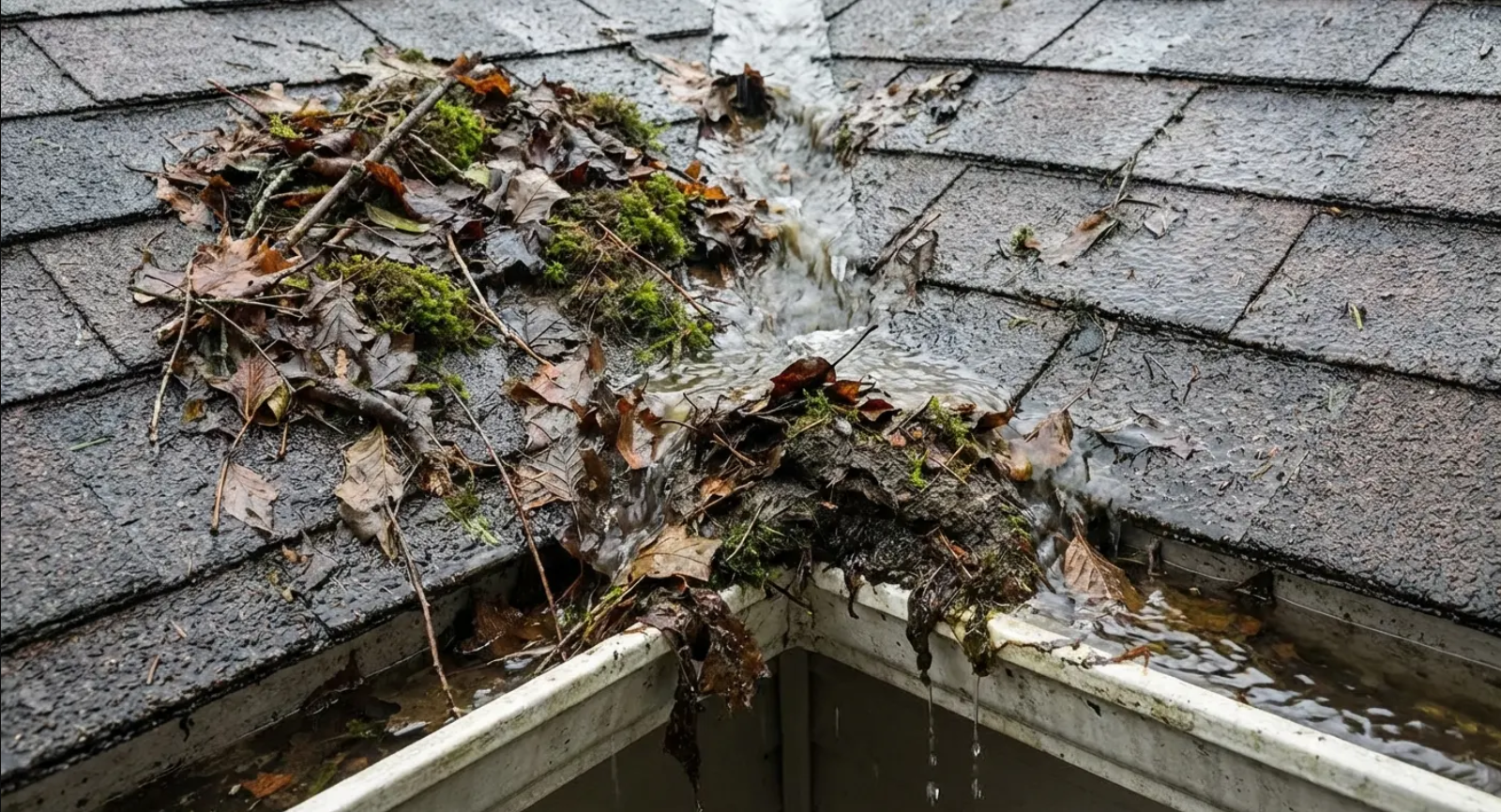
Homes with complex rooflines have "valleys" that funnel large amounts of water and debris into specific spots. These high-traffic areas might need cleaning 3-4 times a year, even if the straight runs on the rest of the house are fine. You have to treat different sections of the roof differently.

Gutter overflowing with wet leaves and debris on a shingle roof.

The Truth About Gutter Guards


There is a massive myth that gutter guards mean zero maintenance. This is false.


Guards keep the big stuff out, but they still need attention. Pollen and algae can form a film over the mesh, or wet leaves can sit on top of the guard, causing water to sheet right over the edge like a water slide. If you have guards, you still need to brush off the tops and scrub the mesh once a year. If you're on the fence about buying them, read our take on should I install gutter guards.


What Happens If You Just... Don't?


We get it. Life gets busy. But skipping this chore has some pretty expensive consequences beyond just looking messy.


Water Intrusion and Rot


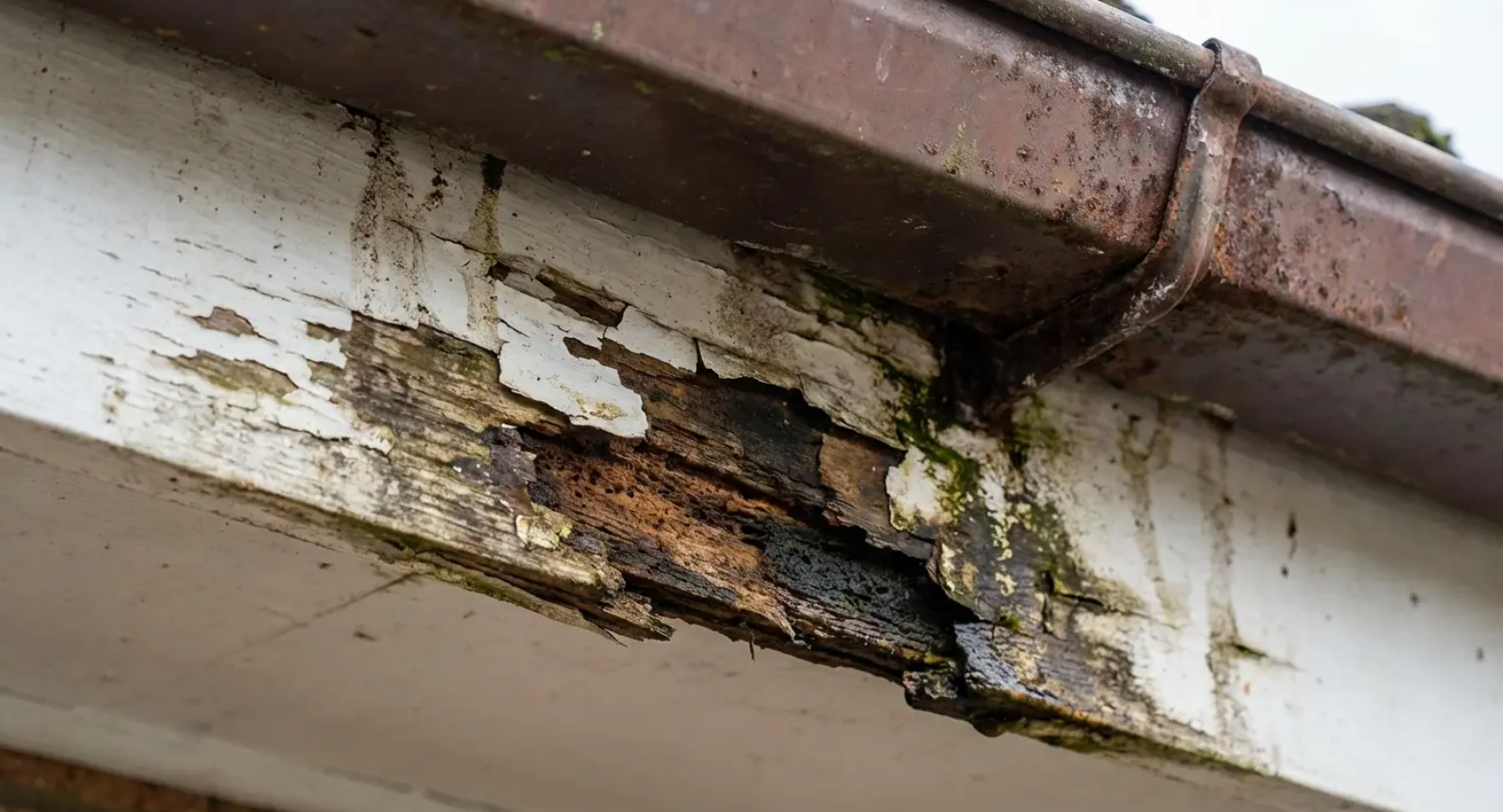
When gutters overflow, water backs up into the fascia board (the wood behind the gutter) or pours down the siding. Once that wood rots, water can migrate into your walls. If the wood up there looks soft or discolored, you might need to ask when do I know it's time to replace my gutters.

Severely rotted fascia showing damage caused by overflowing gutters.

Pests and Critters


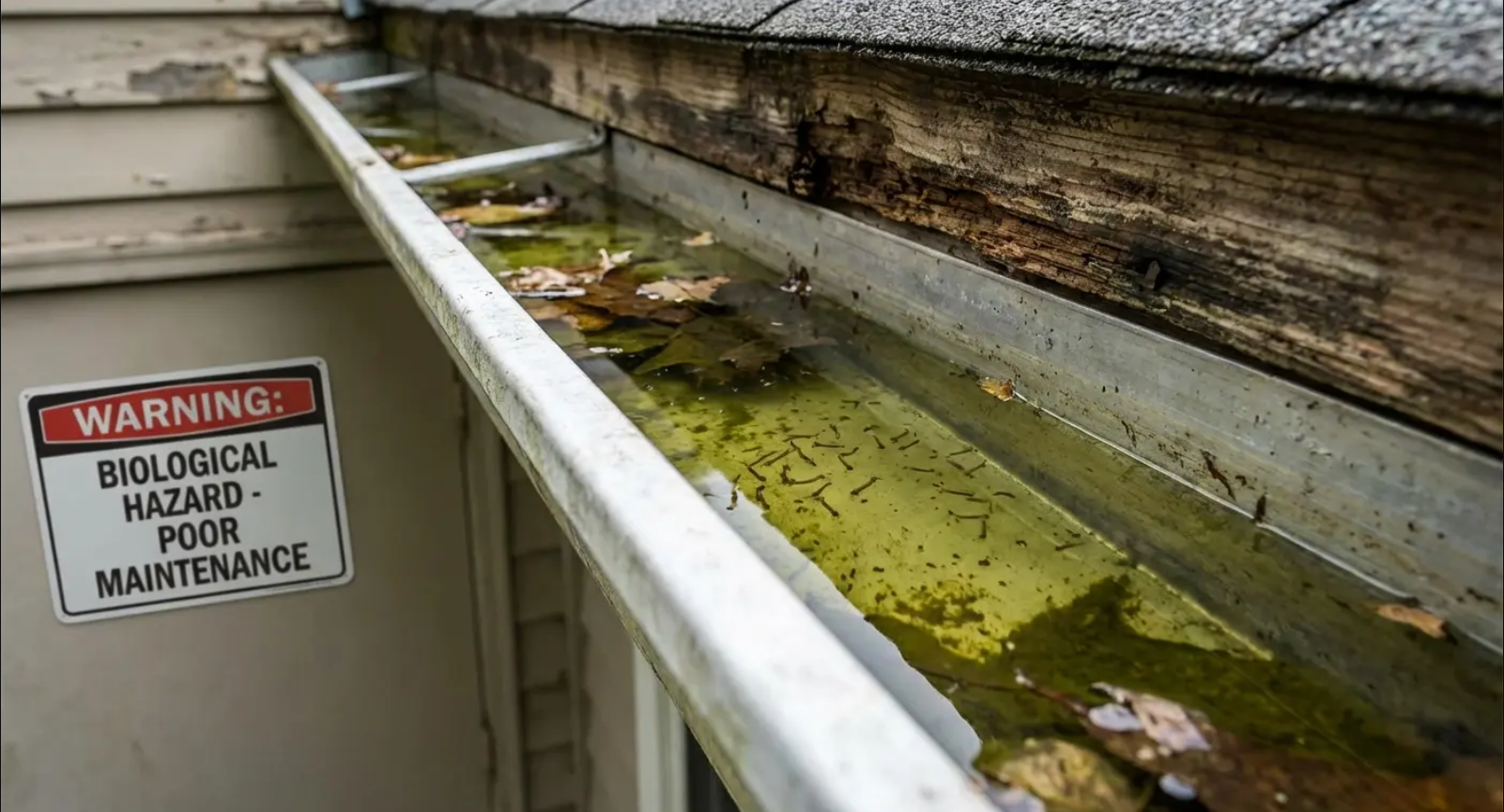
Decomposing leaves are a buffet for pests. Stagnant water breeds mosquitoes, while damp, rotting leaves attract carpenter ants and termites. Birds and squirrels also view packed gutters as stable nesting locations. You don't want any of them setting up shop on your roofline.

Gutter filled with stagnant water, leaves, and a

Foundation Issues


Gutters exist to move water away from your foundation. If they overflow, that water dumps right next to your house, saturating the soil and increasing pressure on your basement walls. This eventually leads to cracks and leaks in the foundation.


DIY vs. Hiring a Pro


Should you do this yourself? If you have a single-story ranch on flat ground, absolutely. Grab a ladder, a bucket, and some gloves. It’ll take you an hour.


However, if you have a two-story home, a steep roof, or uneven ground, please hire a professional. The cost of a cleaning is significantly cheaper than a trip to the ER. Pros also have the equipment to blow out downspouts and spot roof issues you might miss.


The Inspection Checklist


Whether you do it or you hire someone, the job isn't done until you've checked a few key things. Cleaning is a diagnostic opportunity.


  • The Flow Test: Run a hose into the gutter. Does the water drain, or does it pool in the middle? If it pools, your pitch is wrong. You can review our gutter drainage tips for your house to troubleshoot this.
  • The Downspouts: Make sure water is actually coming out of the bottom with good pressure. If not, you have a clog inside the pipe.
  • The Hangers: Are the spikes tight against the house? If you can see the nail shank, tap it back in.


Need a Hand?


Cleaning gutters is part of the gig when you own a home, but it’s also one of the best ways to protect your investment. A clean gutter means a dry basement and a longer-lasting roof.


However, if you’re looking at your roof and seeing sagging gutters, rotting wood, or if you just don't feel safe climbing that ladder, Joyland Roofing can help. We understand that your gutters are just one part of a healthy roof system.


Proper maintenance is crucial, especially for specific tree types. As Window Hero points out, "if you have pine or eucalyptus trees in your yard... you'll likely need to have your gutters cleaned out about once every three months."


We can assess the roofline, check for rot caused by previous overflows, and ensure your home is ready for whatever weather is coming next. Don't wait until you see a waterfall pouring over your front door. Mark your calendar for June and November, keep an eye on those pine trees, and reach out if you need backup.

Cozy Craftsman home at dusk, green siding, warm interior lights, landscaped yard, and a driveway.
Gray wood-look siding with textured grain, featuring a knot and grooves, possibly outdoors.
By John Esh February 25, 2026
Upgrade your home’s exterior with modern siding. Vinyl, fiber cement, and metal options boost curb appeal, improve durability, and add long-term value.
By John Esh February 7, 2026
Choosing the right siding material for your home is a crucial decision that affects not only the aesthetics of your house but also its durability and maintenance requirements. Here are some insights to help you make an informed choice: Wood Siding: Wood siding, including pine and cedar, is a traditional choice known for its natural, warm appearance. Cedar is particularly noted for its resistance to rot and insects and its dimensional stability, while pine is more affordable. However, wood siding requires regular maintenance such as painting or staining to protect it from weather and UV damage​​.
Logo for Joyland Roofing: red and black roof icon with company name in red and black text.
By John Esh January 4, 2026
2. Incorrect Measurement and Cutting: Precision in measurement and cutting is crucial. Errors here can lead to gaps, overlaps, or weakened structural stability due to jagged edges or cracks​​. 3. Improper Nailing Techniques: Nailing technique is vital for the stability of the siding. Mistakes in nailing can lead to immediate damage or a gradual decline in siding stability, increasing the risk of damage from environmental factors​​​​. 4. Poorly Executed Flashing and Caulking: Adequate flashing and caulking are key for moisture management. Errors in these areas can lead to water damage and undermine the insulation properties of the walls​​.

Two men on a roof with JOYLAND logo and checklist, text saying “AVOID THE MESS!”
By James Wesser May 1, 2026
Getting a new roof? Use this 5 step roof replacement checklist to prep your home, reduce stress, protect your property, and keep project day smoother.
By Moe Marketing Agency April 28, 2026
This is a subtitle for your new post
NDL warranty promo with van, warning text, and warranty certificate on a dark background
By John Esh April 28, 2026
What does a No Dollar Limit warranty cover on a commercial roof? Joyland Roofing explains NDL warranties for flat roofs in Lancaster County and Central PA.
Worker kneeling on a sloped shingle roof, repairing with tools beside a glass building.
By John Esh April 22, 2026
Joyland Roofing stands behind our roof leak repairs with a Fix It or It’s Free guarantee. Learn how it works and what it means for homeowners.
Man standing on a grassy field beside a thumbnail with text: “JOYLAND DRAINAGE ISSUES TRAVEL”
By James Wesser April 21, 2026
See how drainage issues move from roof to wall to foundation and why small water problems can lead to bigger home repairs across South Central Pennsylvania
A person wearing dark pants and light-colored sneakers stands on the top platform of an aluminum step ladder.
By James Wesser April 13, 2026
A quick ladder check can help prevent a dangerous fall. Learn the basics of ladder setup, footing, placement, and safe climbing
A smiling man stands in front of a house roof while a worker repairs shingles; branding for Joyland and Servants appears.
By James Wesser April 9, 2026
See how roof leaks led to a full roof replacement for a Lancaster County homeowner through a community partnership with Joyland Roofing and Servants.
A person gestures toward a gap between brick and siding on a house exterior under the text
By James Wesser April 3, 2026
Winter can leave behind hidden damage. Learn what to check on your roof, gutters, windows, doors, and siding this spring before small issues get worse fast.
Stressed homeowner facing roofing costs, reflecting financial concerns in Roof Maxx reviews.
By John Esh April 1, 2026
Most Roof Maxx reviews miss the real question. Does it actually save you money? Here’s when it works, when it doesn’t, and what to do instead.
Contractor pointing out roof damage during an inspection, exposing issues a quick quote may overlook
By John Esh March 31, 2026
Instant roof quote tools are fast but often miss roof pitch, ventilation, and hidden damage that can significantly change the true cost of roof replacement.