
A lot can happen to your home over the winter, and spring is usually when the signs start showing up.
A lot can happen to your home over the winter, and spring is usually when the signs start showing up.
Freeze-thaw cycles, wind, ice, snow, and months of moisture can all take a toll on different parts of your home’s exterior. The tricky part is that many of those issues are easy to miss at first. They do not always look dramatic right away. Sometimes they show up as a loose shingle, a cracked pipe boot, a sagging gutter, or trim that has started to fail. If ice was a problem around your roofline this winter, it is also worth understanding how ice dams can contribute to hidden trouble that does not fully show up until the weather warms up.
At Joyland Roofing, this is exactly the kind of stuff we are looking for when we come out for an inspection. In this article, we will walk through the same areas John covered in the video so you know what to look for on your own home this spring.
Start With the Gutters
One of the first things we check is the gutter system.
Winter can loosen gutters, pack them with debris, and affect how water drains off the roof. If you notice water spilling over the front or back of the gutter during a rain, that is a sign that something is not working the way it should. A gutter that is clogged, sagging, or pulling away from the house can let water go places it was never meant to go. If you are not sure how often this kind of maintenance should be happening, we put together a full guide on how often to clean your gutters and what to watch for between cleanings.
If you are taking a look at your own home, here are a few things worth paying attention to:
- Gutters that look bowed, sagging, or loose
- Overflow streaks on the front of the gutter
- Debris packed inside the trough
- Fasteners that have loosened over time
- Granules collecting in the gutter or at the downspouts
Granules are especially worth noting. A small amount is normal over time, but if you are seeing a heavier buildup, that can be a sign the roof is aging and losing protective material.
Look for Roof Issues That Need Attention Soon
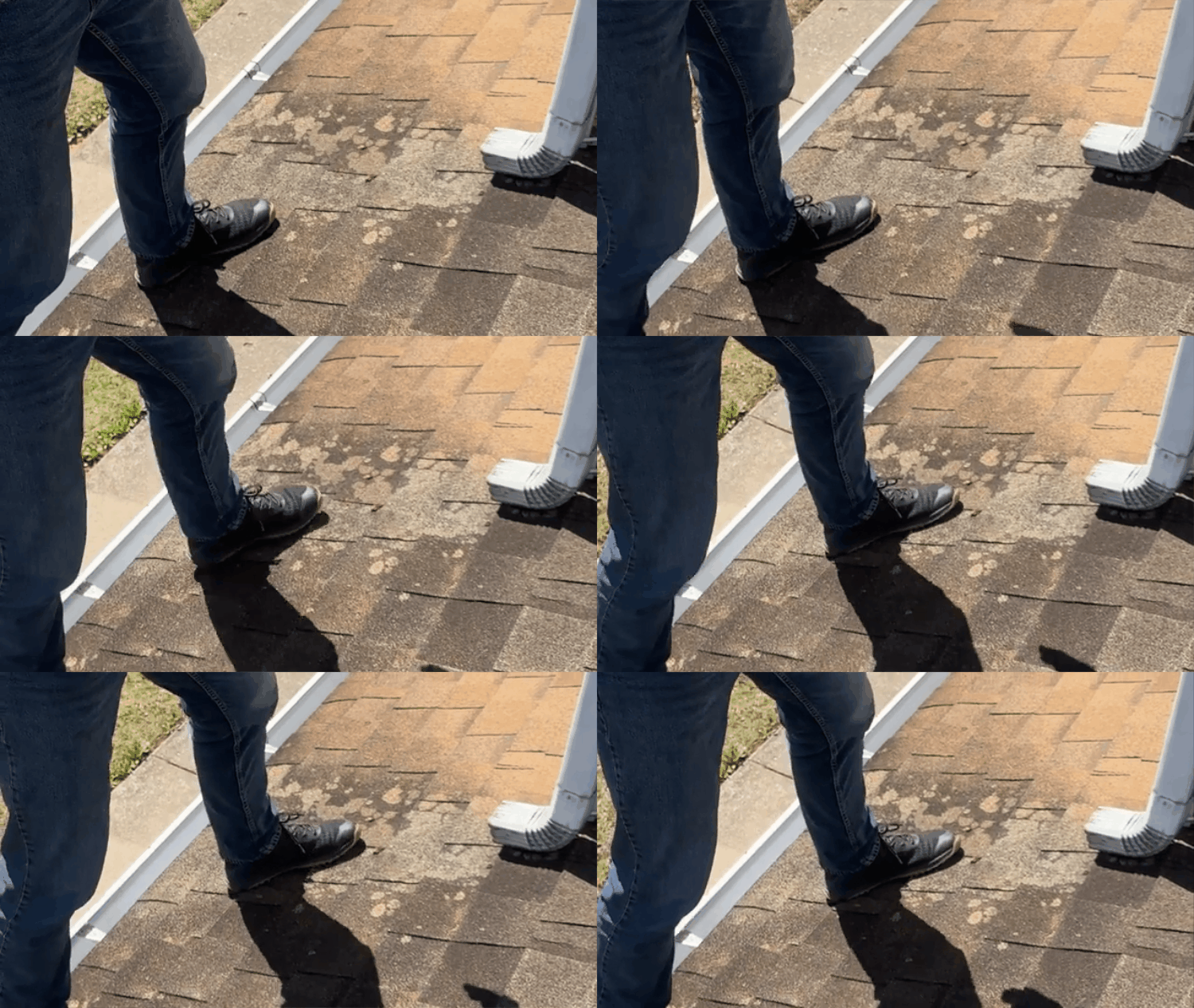
Pay Attention to Low Roof Areas Below Downspouts
Some of the most important problem areas are also the easiest to overlook.
If a downspout discharges onto a lower section of the roof, that area can be vulnerable to repeated water exposure. Over time, water can work its way behind the shingles and start damaging the wood underneath. A section like this may look fine from a distance, but the roof deck below can already be soft or rotting. That is one reason real inspections matter. Not every problem is obvious from the ground.
And even if the shingles themselves still look okay, poor drainage can keep sending too much water to the same area over and over again. If that is something you are dealing with, our guide on
gutter drainage tips for your house can help you understand what should happen to that runoff once it leaves the upper roofline.
Check Where Water Is Draining Around Your Home
Gutters are only part of the equation. It is just as important to pay attention to where that water goes once it leaves the roof.
Water that is not directed away properly can collect near the foundation, work its way into the basement, or saturate the soil around the home. Over time, that can lead to much bigger and much more expensive repairs that may go beyond your home’s exterior. This is one of those issues that often gets overlooked because the gutter itself may seem fine. But if the downspout is too short, disconnected, or sending water into the wrong area, the drainage system is still not doing its job.
A few things worth checking include:
• Downspouts that discharge right next to the foundation
• Water pooling near the house after rain
• Splash blocks that are missing, out of place, or not helping
• Erosion or washout near the base of the home
• Areas that stay wet longer than they should
The goal is simple. Water should move away from your house, not collect around it.
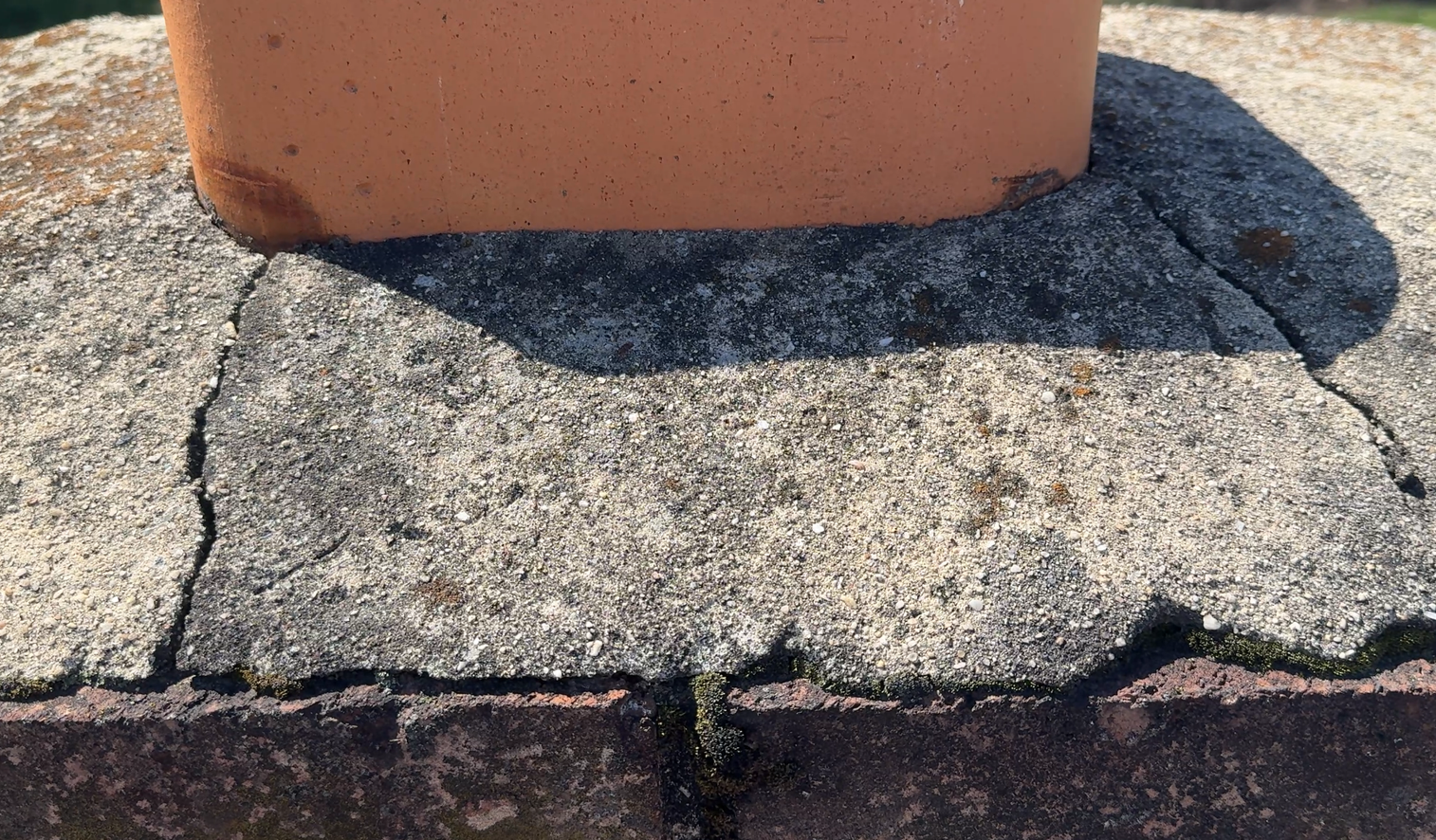
Check Chimneys for Cracks and Flashing Problems
Chimneys are another common place for winter damage to show up.
The flashing where the chimney meets the roof should be secure and properly sealed. Step flashing should be in place, and counter flashing should be protecting that transition from water intrusion. If flashing is loose, separated, or not sealed well, leaks can begin there. If you want to better understand what that repair area actually looks like, we also put together a guide on how to recaulk chimney flashing.
The chimney crown should also be checked. Cracks in the crown allow water in. Once winter temperatures drop, that trapped water freezes, expands, and starts breaking apart the mortar and chimney materials. Over time, that can lead to leaks into the attic, chimney structure, or living space below.
This is one of those issues that often becomes more obvious in spring after a full season of freezing and thawing.
Do Not Ignore Pipe Boots and Roof Penetrations
Any penetration coming through the roof deserves attention. That includes pipe boots, skylights, and vents. These spots are common leak areas because they rely on seals, collars, and flashing to stay watertight. Once those materials start cracking or separating, water can get through.
A cracked pipe boot collar may not be leaking today, but it is the kind of issue that often turns into a leak if it sits too long. Some problems are not emergencies yet, but they are still worth fixing before they become one.
Check Exterior Doors for Looseness, Gaps, and Wear
Spring exterior checks should not stop at the roof.
Exterior-facing doors should feel secure and close snugly. If a door feels loose, shifts in the frame, rattles, or does not seal tightly when shut, that extra movement can be a sign that something is off. In simple terms, that is what contractors mean by “play” in a door. Too much movement can let air and water get where they should not, and it can also point to worn weatherstripping, loose hardware, or a door that is no longer fitting the opening the way it should.
One simple check is to look for light around the edges or the bottom of the door from inside the house. If light is getting through where it should not, there may be a gap that needs attention.
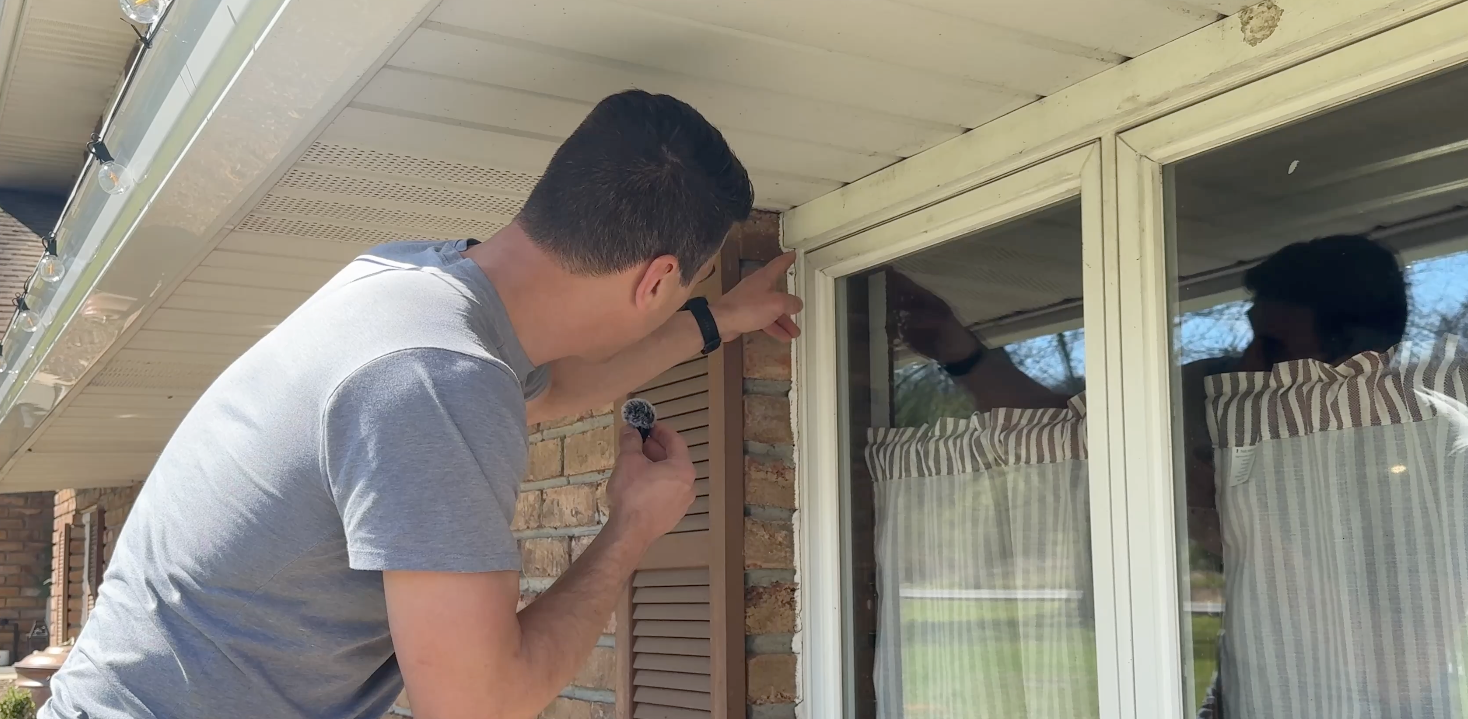
Look Closely at Your Windows
From the outside, one of the biggest things to watch for is cracking around the window, especially in caulk lines or trim. If those areas are opening up, water can get in behind them. From the inside, it is worth checking whether the windows open and close smoothly. If they stick, shift, or no longer operate correctly, that can point to a sash issue, a frame problem, or a window that is starting to fail. We go into more detail on window performance issues in our article on replacement windows and what homeowners often miss.
Things worth checking include:
• Cracked or separated caulk
• Trim that looks split, worn, or soft
• Windows that stick or do not lock properly
• Light showing through where it should not
• Signs the window is no longer sealing well
Not every one of these signs means full replacement is needed, but they all deserve a closer look.
Double-check your Siding
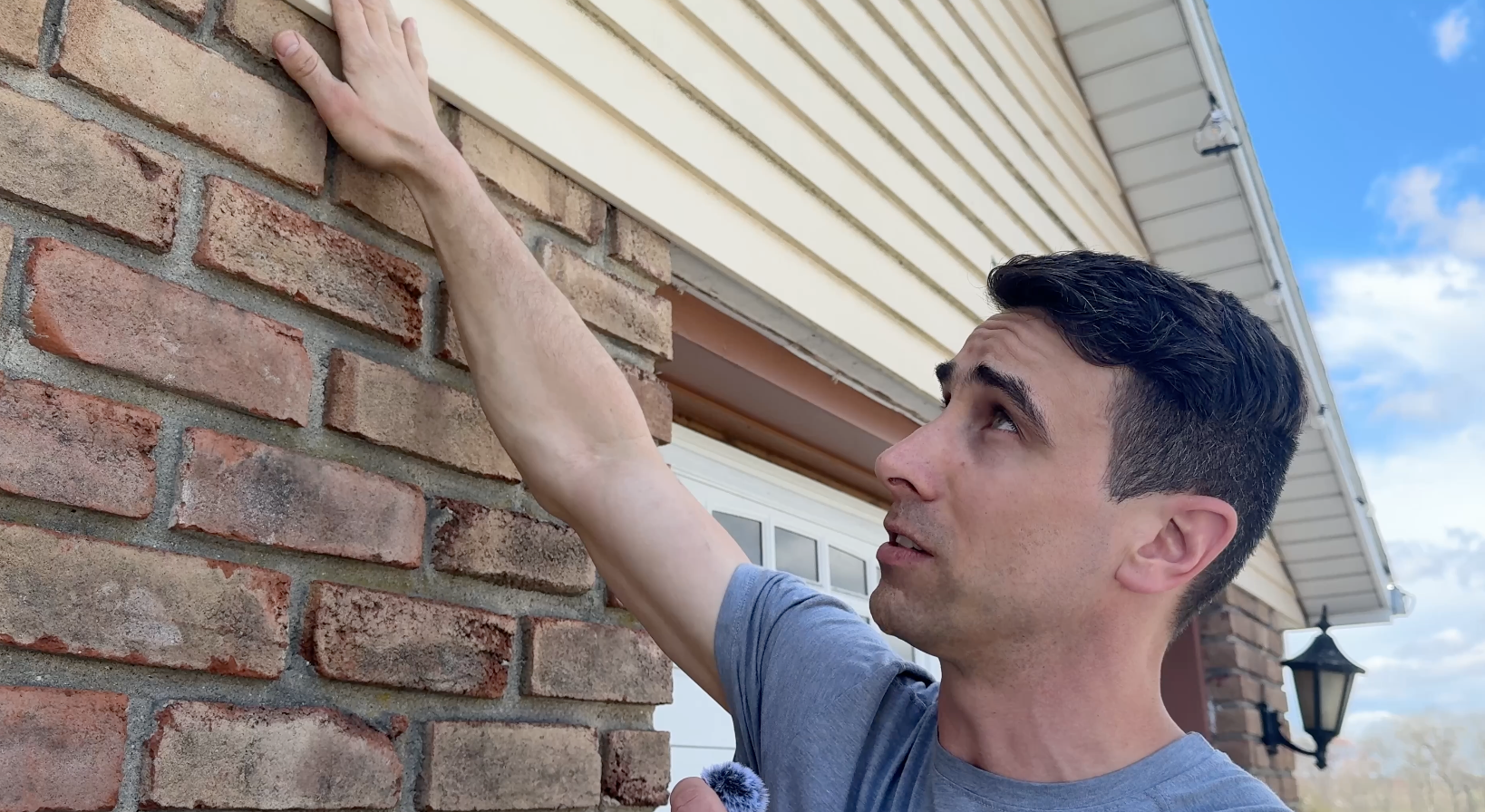
Siding can easily show what winter has done to it.
The main culprit is freeze-thaw cycles. These can loosen siding pieces, open seams, and create gaps that allow water behind the wall. This can cause long-term issues inside the walls of your home if not checked.
If siding runs close to the ground, the bottom edge should still be fastened properly and lying flat.
Seams should be tight. Loose sections, gaps, and panels that have pulled away from the wall should be repaired before water gets behind them.
It is also smart to check any wall penetrations, including places where wires, pipes, or other elements come through the siding. Small gaps around those openings can become water entry points.
Why Spring Is the Right Time to Catch These Problems
The big picture is simple. Winter causes the damage. Spring is when it often becomes visible.
That is what makes this season such a good time for an exterior inspection. Problems that were hidden during colder months start showing up more clearly, and catching them early can make a big difference in the scope and cost of repairs.
A loose shingle, cracked pipe boot, failing gutter, or unsealed gap may not look dramatic today, but those are exactly the kinds of issues that can grow into leaks, rot, and much larger repairs if they are ignored.
Need a Real Exterior Inspection?
If you have noticed sagging gutters, loose shingles, cracked chimney areas, failing caulk, siding gaps, or other signs of wear on your home this spring, it is worth having them checked.
At Joyland Roofing, this is the kind of stuff we look for every day. A real inspection helps sort out what needs attention now, what can wait, and what is still in good shape.
Catching it early is usually the difference between a quick fix and a much bigger repair later. Click the button below to get in touch with us. We'd be more than happy to help you with any of your home exterior needs.
Frequently Asked Questions
What kinds of winter damage start showing up in spring?
Spring is often when homeowners start noticing issues that developed over the winter, including loose or missing shingles, sagging gutters, cracked chimney crowns, worn pipe boots, siding gaps, failing caulk around windows, and loose or poorly sealed exterior doors.
How do I know if my gutters need attention?
A few common signs include water overflowing during rain, sagging sections, loose fasteners, debris buildup, or gutters pulling away from the house. If water is not draining the way it should, it is worth getting them checked.
Is a loose or lifted shingle a big deal?
It can be. A loose or lifted shingle creates an opening where water can start getting in. It may not look like much from the ground, but it is the kind of issue that can turn into a leak if it is ignored.
Why should I check my chimney in the spring?
Winter freeze and thaw cycles can cause chimney crowns to crack and mortar joints to break down. Spring is a good time to look for signs of wear before those issues lead to leaks or interior water damage.
What should I look for around my windows and doors?
Check for cracked or separated caulk, soft or damaged trim, light coming through around the edges, windows that do not open or close smoothly, and exterior doors that feel loose or do not seal tightly.
Why is siding worth checking after winter?
Winter weather can loosen siding, open seams, and create small gaps that let water get behind the wall. What looks minor on the surface can lead to bigger repair needs if moisture keeps getting in.
How important is drainage around the house?
It matters more than a lot of homeowners realize. If downspouts are dumping water too close to the house or water is pooling near the foundation, that can lead to basement moisture, erosion, or even foundation issues over time.
When should I schedule an exterior inspection?
Spring is one of the best times to do it. If you notice anything that looks loose, cracked, soft, sagging, or out of place after winter, it is smart to have it looked at before a small issue becomes a bigger repair.
John Esh | CEO & Master Installer
- 25+ Years Experience: From ground crew to Master Certified Installer.
- Local Roots: Serving Lancaster, Harrisburg, and SEPA since 1991.
- Credentials: GAF Master Certified (ME27586); Licensed in PA (PA124258) & MD (#137952).
- The "Why":
Obsessed with "radical transparency" to remove the fear factor from home improvements.
James Wesser | Content Producer
- Background: Former local news digital producer and journalist.
- The Mission: Turning complex roofing jargon into clear, "fluff-free" answers for homeowners.
- Local Tie: When not filming on-site, he’s likely roaming Hersheypark or building digital worlds.