
What Is a No Dollar Limit Warranty on a Commercial Roof?
John Esh
April 28, 2026

Lorem ipsum dolor sit amet

Lorem ipsum dolor sit amet, consectetur adipiscing elit. Sed do eiusmod tempor incididunt ut labore et dolore magna aliqua. 

Commercial roof warranties can sound impressive on paper. Then a leak happens.


Suddenly, all the fine print matters.


That is why it is important to understand what your roof warranty actually covers before you need it. One warranty term that often comes up in commercial flat roofing systems is a No-Dollar-Limit (NDL) warranty. It sounds fancy, but the basic idea is simple: if a covered leak happens, there is no set dollar cap on the covered repair.

That is a big deal.


But like most commercial roofing warranties, there are rules, exclusions, and responsibilities that building owners need to understand. An NDL warranty isn't a magic roof coupon. It is more like a very serious handshake with paperwork.

What Is a No Dollar Limit Warranty?

If the manufacturer determines that a leak is not excluded under the warranty terms, the owner’s remedy is limited to repair of the leak, and “there is no dollar limit placed on warranted leak repairs” as long as the warranty covers those repairs.


In simpler terms, that means if a covered leak repair costs $500 or significantly more, the warranty does not have a built-in spending cap for that warranted leak repair.


That is different from some warranties that may prorate, lose value over time, or only cover certain portions of the system. With an NDL warranty, there is not a direct linear drop in warranty value just because the roof gets older.


The Building Owner Has Responsibilities Too

The warranty can cover labor and material to repair leaks in the GenFlex Roofing System caused by specific issues during the warranty period.


Those can include:

  • Deterioration in GenFlex brand materials due to normal weathering 
  • Manufacturing defects
  • Workmanship defects within the covered system

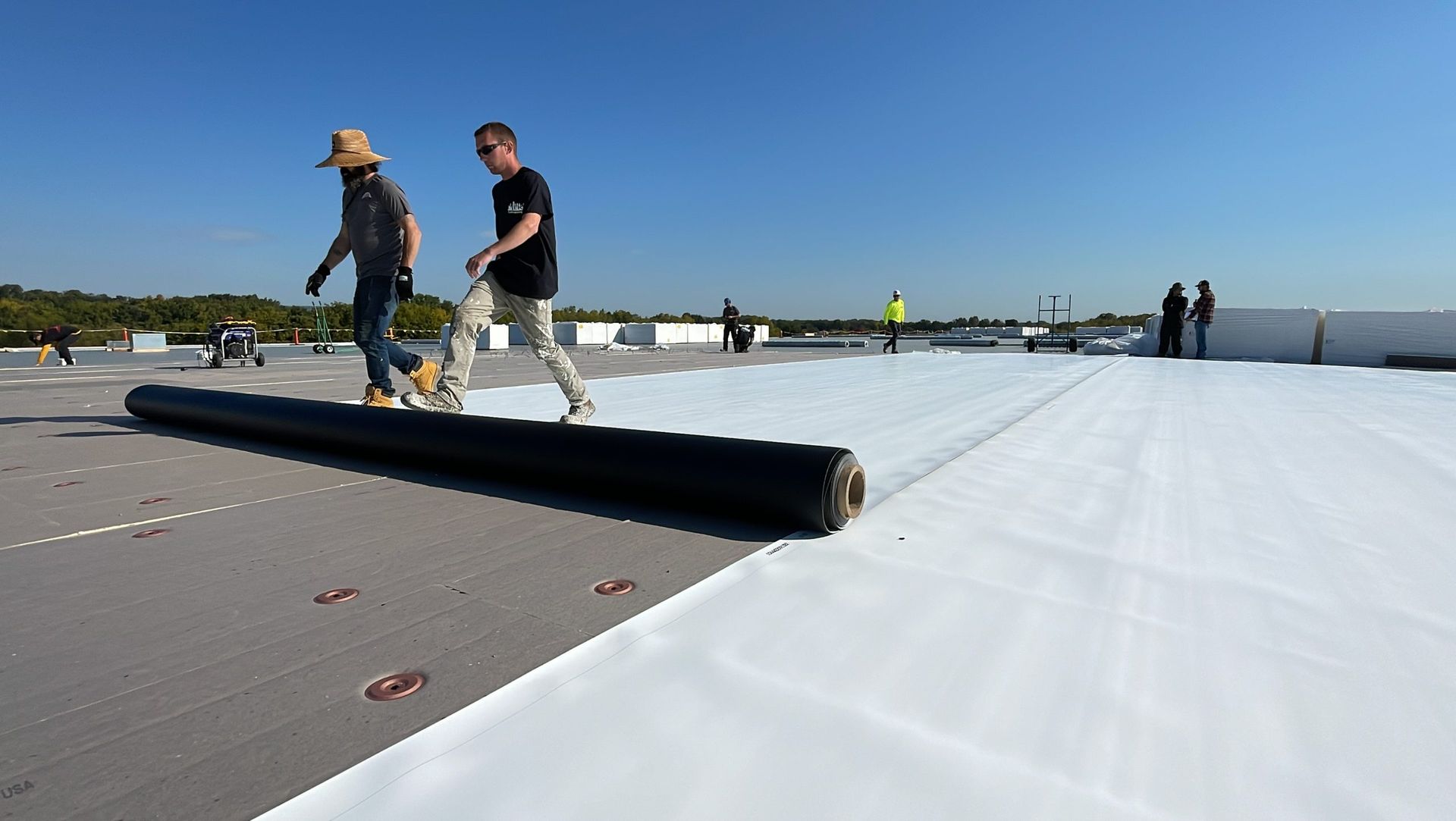
That is one of the key benefits. The warranty is not just about the roll of roofing membrane sitting on the roof. It can also include workmanship issues within the warranted system, when the roof is installed according to the manufacturer’s requirements by a licensed GenFlex applicator.


In other words, the materials and the installation details matter.


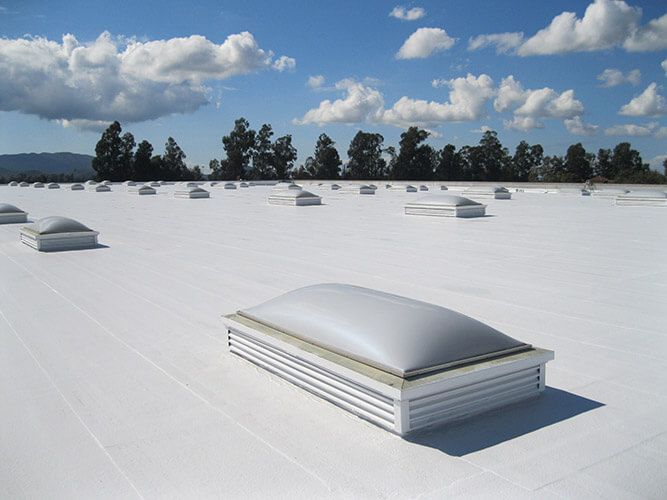
A commercial roof is not just one giant sheet of rubber or TPO thrown on top of a building and wished into service. It is a system. Membrane, insulation, accessories, flashing details, seams, penetrations, edges, drainage, and installation methods all have to work together.


That is why manufacturer requirements matter so much.
What Does “No Dollar Limit” Not Mean?

Here is where people can get tripped up. “No Dollar Limit” does not mean “anything that ever happens to the roof is covered forever.”


  • It does not mean storm damage is automatically covered.
  • It does not mean punctures are automatically covered.
  • It does not mean neglect is covered.


It definitely does not mean your cousin’s buddy can patch the roof with mystery goo from aisle seven, and the warranty will just smile politely. The manufacturer's warranty includes exclusions for things like hail, high wind conditions at or above the listed threshold, improper roof traffic, storage of materials or equipment on the roof, certain flood or wind-related building envelope failures, and failure to give proper notice.


The general terms also exclude issues caused by natural forces, vandalism, lack of reasonable maintenance, building component failures, moisture from surrounding building elements, harmful chemicals, unauthorized alterations or repairs, and other conditions outside the covered roofing system.

So yes, an NDL warranty can be valuable.


But it still has boundaries.

The Building Owner Has Responsibilities Too

The warranty can cover labor and material to repair leaks in the GenFlex Roofing System caused by specific issues during the warranty period.


Those can include:

  • Deterioration in GenFlex brand materials due to normal weathering 
  • Manufacturing defects
  • Workmanship defects within the covered system

That is one of the key benefits. The warranty is not just about the roll of roofing membrane sitting on the roof. It can also include workmanship issues within the warranted system, when the roof is installed according to the manufacturer’s requirements by a licensed GenFlex applicator.


In other words, the materials and the installation details matter.


A commercial roof is not just one giant sheet of rubber or TPO thrown on top of a building and wished into service. It is a system. Membrane, insulation, accessories, flashing details, seams, penetrations, edges, drainage, and installation methods all have to work together.


That is why manufacturer requirements matter so much.
Do Not Let Random People Mess With the Roof

This might be the most practical warranty advice in this entire blog post


Do not let random people work on the roof.


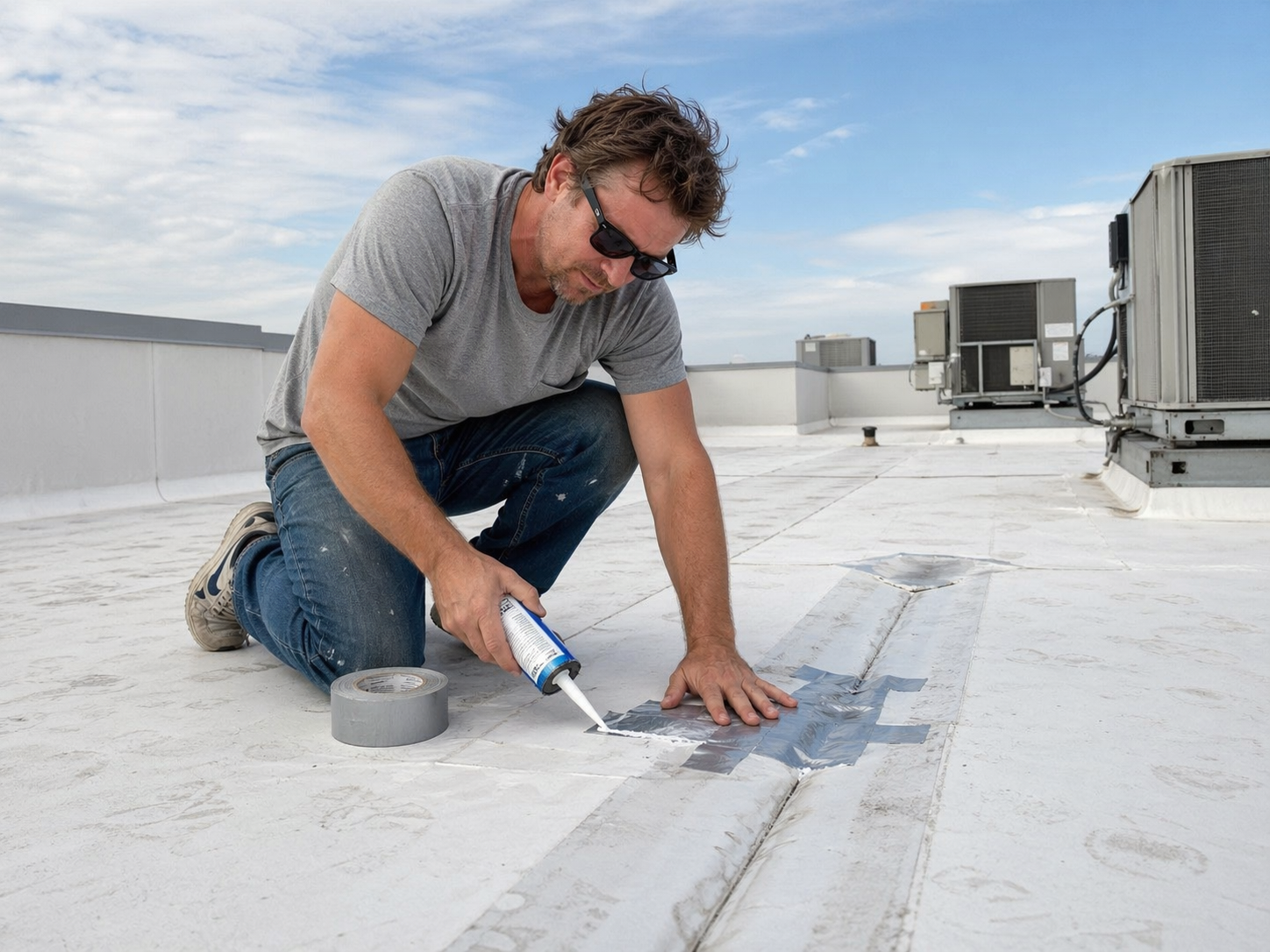
The manufacturer states that alterations or repairs not completed according to Holcim’s published specifications, not completed by a licensed GenFlex applicator, or completed without proper notice to Holcim can create warranty issues. It also says the owner must obtain Holcim’s written approval before making alterations to the roof system or installing structures, fixtures, or utilities on or through the roof.


That means things like:

  • HVAC work
  • Solar panel installations
  • Adding roof-mounted equipment
  • Installing platforms or supports
  • Cutting into the roof
  • Making “quick” patches

These may all affect the warranty if they are not handled correctly.


And yes, this is where “some guy with a ladder” can become a very expensive character in the story.


Commercial roofs are not the place for guesswork. One bad patch, one careless puncture, or one unauthorized modification can turn a covered warranty situation into a much messier conversation.

What Happens If There Is a Leak?

If a leak happens, the first step is to report it according to the warranty requirements.

From there, the manufacturer may investigate the cause of the leak. If the investigation finds that the leak is covered, the warranty can provide labor and material to repair the warranted leak. If the leak is excluded, the building owner may be responsible for investigation costs and for completing the non-covered repairs properly.

That is why documentation matters.


A good commercial roofing contractor should help you understand what system was installed, what warranty applies, what maintenance is expected, and who should be contacted if something happens.


The last thing you want during a roof leak is to start digging through old folders, wondering who installed what, who is allowed to touch it, and whether the warranty is still valid.


That is not a fun afternoon. That is a paperwork-themed horror movie.

A Warranty Is Helpful, But Installation Still Comes First

A strong warranty is valuable, but it should never be the main strategy. The best commercial roofing outcome is not “good thing the warranty saved us.”

The best outcome is, “the roof was installed correctly, maintained properly, and never became a recurring problem in the first place.”


At Joyland Roofing, our skill is not in crossing our fingers and hoping the warranty saves the day. It is in doing the work right up front, so you hopefully do not have to call the manufacturer with issues in the years ahead. That kind of craftsmanship and accountability is not just something we talk about. It is something our team has been recognized for.


That means paying attention to the details that actually protect a commercial building:

  • Proper system selection
  • Manufacturer-approved installation methods
  • Correct flashing details
  • Clean seams
  • Proper drainage planning
  • Documentation
  • Clear communication with the building owner


A warranty can protect you when something covered goes wrong.

Good workmanship helps reduce the chances of something going wrong in the first place.


Need Help Understanding Your Commercial Roof Warranty?

If you are looking at a commercial roof replacement or trying to understand what kind of warranty makes sense for your building, Joyland Roofing can help.

We will walk you through the system, the warranty options, and the fine print without turning it into a legal nap session.


You get straight answers, clear documentation, and a roof installed with the goal of not needing the warranty in the first place. Just click the button below to get started with us!


John Esh | CEO & Master Installer

  • 25+ Years Experience: From ground crew to Master Certified Installer.
  • Local Roots: Serving Lancaster, Harrisburg, and SEPA since 1991.
  • Credentials: GAF Master Certified (ME27586); Licensed in PA (PA124258) & MD (#137952).
  • The "Why": Obsessed with "radical transparency" to remove the fear factor from home improvements.

James Wesser | Content Producer

  • Background: Former local news digital producer and journalist.
  • The Mission: Turning complex roofing jargon into clear, "fluff-free" answers for homeowners.
  • Local Tie: When not filming on-site, he’s likely roaming Hersheypark or building digital worlds.

Meet The Experts