April 1, 2026
Roof Maxx Reviews: Does It Work? Yes. Should You Buy It? Maybe Not.
Author
If you’ve been digging through roof Maxx reviews, you’ve probably noticed a pattern—everyone’s asking the same surface-level question: does it work?
Yeah, it works. That’s not the hard part.
The real question—the one most blogs conveniently skip—is whether it actually makes financial sense for your roof, your timeline, and your budget. Because a product can do exactly what it promises and still be the wrong move.
That’s the gap this blog is built to fill.
We’re not here to sell you on quick fixes or scare you into replacements. We break down the trade-offs most homeowners don’t think about—like opportunity cost, long-term spending, and what you’re really getting for your money. Whether you’re considering Roof Maxx or weighing a full replacement, you deserve more than recycled talking points.
If you want to understand how roofing decisions actually work (beyond the marketing), start here.
Table of Contents
- TL;DR
- How Roof Maxx Gets Reviewed (And Why That's a Problem)
- What It Actually Does
- What You Should Actually Be Asking (But Probably Aren't)
- When This Makes Sense and When You're Wasting Money
- The Costs Nobody Mentions
- Year Three and Beyond
- Figuring Out If Your Roof Qualifies
- Why Most Homeowners Get This Wrong
- Bottom Line
TL;DR
Roof Maxx works. That's not the question.
The question is whether it makes financial sense for YOUR roof, and most reviews completely ignore this part.
It's a soy-based treatment that restores flexibility to asphalt shingles. Can add 5 years of life per application. The science is legit. The product does what it claims. But that doesn't mean it's the right move for your roof.
Works best on roofs that are 6-10 years old with minimal granule loss and no structural damage. Outside that window you're basically gambling, and not with good odds, because that money could've gone toward something that actually lasts.
You'll need reapplication every 5 years. The total cost compounds over time. We've had homeowners spend nearly as much on multiple treatments as they would have on a budget-friendly replacement.
It doesn't fix leaks, structural issues, or severe weathering. Only delays replacement on eligible roofs. If you've got active problems, this isn't the solution.
Your home's sale timeline, roof age, and local climate completely change the math. A homeowner selling in three years has different priorities than someone staying for fifteen.
Most reviews don't talk about opportunity cost or what you're giving up by delaying replacement. That's what this is about.
How Roof Maxx Gets Reviewed (And Why That's a Problem)
Every Roof Maxx review I've read focuses on the same question: does it work?
And yeah, it works. We've seen it work. But that's like asking if a bandaid sticks to skin. Sure it does, but that doesn't tell you whether you need a bandaid or stitches.
Homeowners compare before-and-after photos, read testimonials, check if the science holds up. That's all fine, but it sidesteps the question that matters: Is this the right financial move for your roof, your budget, and your timeline?
Most Roof Maxx reviews treat the product as a yes-or-no proposition. Either it's a miracle product or it's overpriced hype. Reality is more complicated, and it depends entirely on variables most reviewers never mention.
We're roofing contractors. I've been doing this long enough to see the same houses twice... once when they're debating Roof Maxx, and again three years later when they're calling us because it wore off faster than promised and now they're pissed.
What we've learned is that the product's effectiveness isn't the issue. The issue is whether delaying replacement serves your interests or just kicks an expensive problem down a short road.
Does Roof Maxx work? Sure, for the right roof. But you're not wondering if it works. You're wondering if spending $600-$700 now saves you money in the long run or just postpones a bigger bill.
We're here to help you figure that out.
What It Actually Does
The Science (Sort Of)
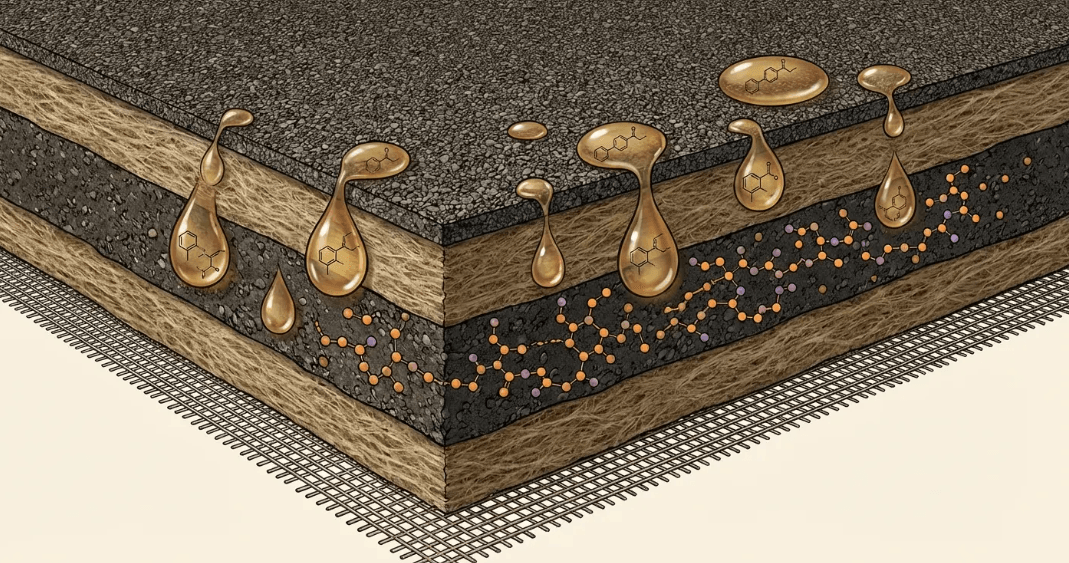
Roof Maxx is basically soybean oil that you spray on old asphalt shingles. Asphalt shingles contain oils that keep them flexible, and over time those oils dry out due to heat and sun exposure. The treatment replaces some of that lost flexibility.
That’s it.
It doesn’t create new shingles, repair granule loss, or fix leaks and structural issues. Think of it as a rejuvenation treatment, not a repair.
Had this guy in Worthington last spring. Roof was maybe 9 years old, barely any granule loss, and he was planning to sell in two years to move closer to his daughter in Portland. Roof Maxx made perfect sense. Spent $650, sold the house 18 months later, and the buyer's inspector didn't even flag the roof.
That's a win.
Compare that to his neighbor with a 16-year-old roof that was already curling and had lost maybe 40% of its granules. Same treatment does almost nothing because the underlying structure is too degraded. The oil can't reverse physical deformation or restore protective granules that are already gone. That homeowner just spent $650 on a roof that still needed replacement within eighteen months.
What Disqualifies a Roof
You can't Roof Maxx your way out of serious problems.
Active leaks? Missing shingles? Significant granule loss (more than 30% by most estimates)? Structural issues with the decking? This product won't help you.
It also doesn't work on metal, tile, or flat roofs. This is exclusively for asphalt shingles in decent shape.
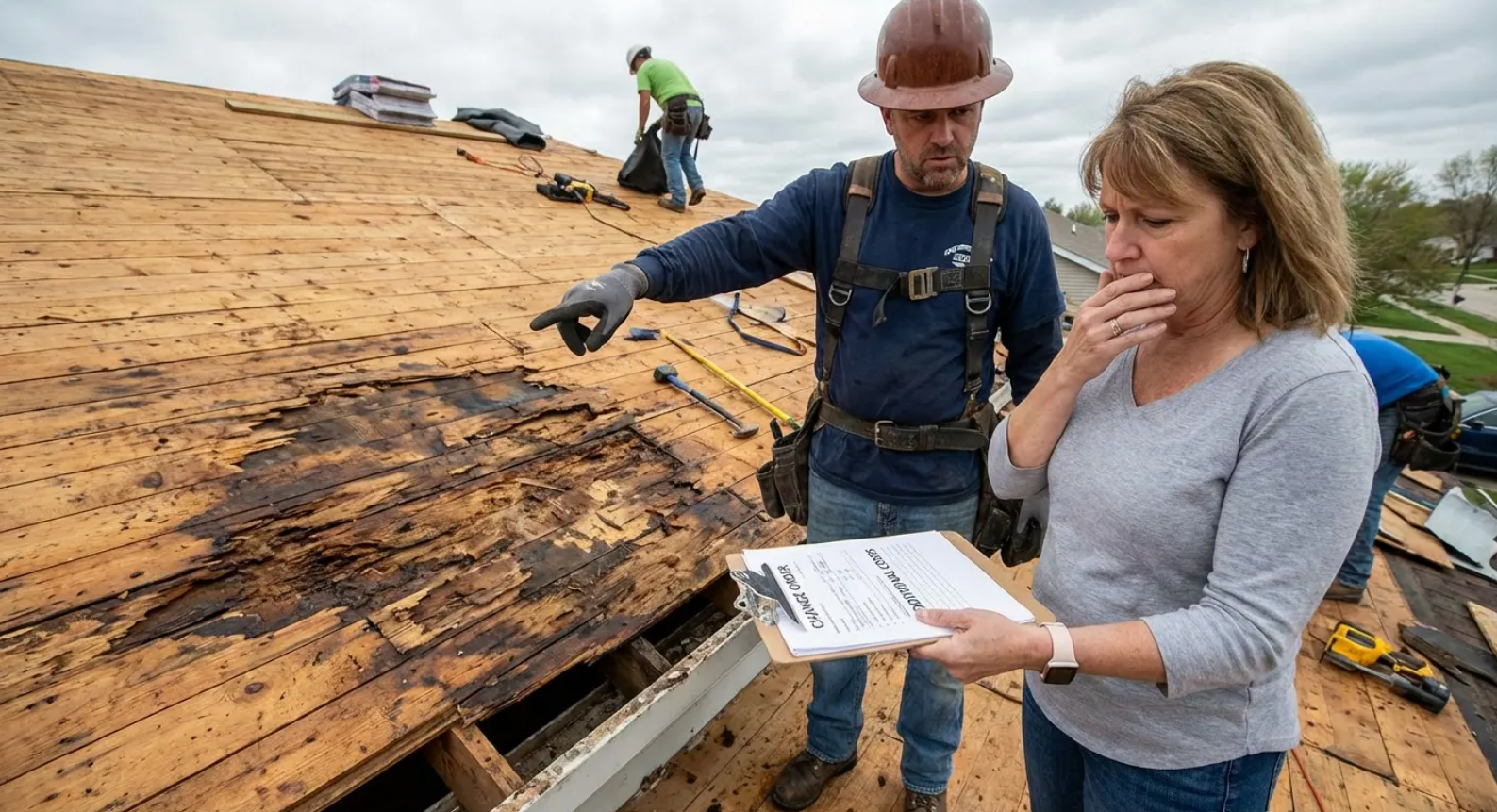
Most application companies will inspect your roof first, but not all of them are equally honest about whether you're a good candidate. We've seen homeowners spend $500-$700 on a treatment for a roof that needed replacement within 18 months anyway. You know what pisses me off? When homeowners call us AFTER they've spent $700 on Roof Maxx for a roof that needed replacement, and now they're short $700 on the replacement budget. That $700 could've gone toward upgraded shingles or better ventilation. Instead it went to a treatment that bought them 14 months.
| Roof Condition | Roof Maxx Viable? | Why or Why Not |
|---|---|---|
| 6-10 years old, minimal granule loss, no damage | Yes | Ideal candidate. Shingles still structurally sound but aging |
| 10-15 years old, slight curling, minor brittleness | Maybe | Depends on granule retention and overall condition |
| 15+ years old, widespread curling, 30%+ granule loss | No | Too far degraded. Treatment won't reverse physical damage. If you're checking this box you already know the answer is replacement, you're just hoping we'll tell you different |
| Active leaks or water damage in attic | No | Structural issues require repair, not rejuvenation |
| Metal, tile, or flat roof | No | Product only works on asphalt shingles |
| Missing shingles or significant storm damage | No | Needs repair or replacement, not treatment |
The complaints we hear most often? They come from homeowners whose roofs never qualified in the first place. Someone promised them five years and they got eighteen months. That's not a product failure. That's a qualification failure, and it happens way too often.
What You Should Actually Be Asking (But Probably Aren't)
Does Roof Maxx work? Sure. But the better question is: what’s the total cost of delaying replacement?
Every dollar you spend on Roof Maxx is a dollar you're not putting toward a new roof. If you apply it twice over ten years, you're spending $1,200–$1,400 while still committing to a roof that will need replacement anyway.
Meanwhile, roofing materials have improved significantly. Better durability, longer warranties, and energy efficiency are all benefits you only get when you move forward with a new roof.
The Home Sale Timeline Factor
If you’re selling within five years, Roof Maxx might make sense. If you’re staying for 15 years, the math gets more complicated.
You'll need multiple applications, and you'll still face full replacement eventually. In many cases, homeowners end up spending close to what replacement would have cost upfront.
If cost is the main concern, it's worth exploring roof financing options before making a decision.
Climate and Weather Patterns
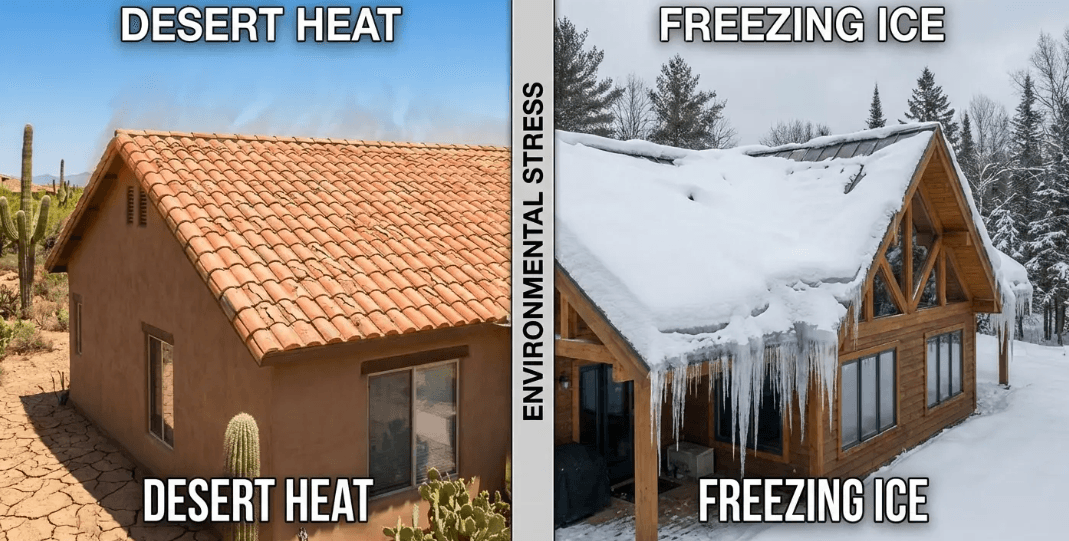
Roof Maxx performs differently depending on where you live. Intense sun exposure, frequent freeze-thaw cycles, and severe weather all accelerate shingle aging. If you're in an area with harsh conditions, the treatment might only buy you three years instead of five. That changes the cost-per-year equation significantly.
We've also noticed that homeowners in hail-prone areas sometimes use Roof Maxx to delay replacement, only to have a storm damage the roof a year later. Insurance covers the replacement, and the Roof Maxx investment becomes a sunk cost. Look, we don't have a crystal ball. We can't tell you exactly how long your specific roof will last with or without treatment. Too many variables... your trees, your attic ventilation, whether you get ice dams, how much direct sun exposure you get. Anyone who gives you exact timelines is guessing.
How long does Roof Maxx last in your specific climate? That's a question worth asking before you commit.
When This Makes Sense and When You're Wasting Money
Good Candidates for Roof Maxx
Roof Maxx makes sense if your roof is relatively new (6–10 years old), in good condition, and you’re trying to delay replacement short term.
It doesn’t make sense if your roof is 15+ years old, leaking, or showing major wear. In those cases, you're dealing with a repair or replacement situation, not a treatment one.
Roof Maxx Candidate Self-Assessment:
- [ ] My roof is between 6-15 years old
- [ ] I plan to sell my home within 3-5 years OR I need to delay a major expense for budget reasons
- [ ] My roof has no active leaks or water stains in the attic
- [ ] Granule loss is minimal (small amounts in gutters, not bald spots on shingles)
- [ ] Shingles are not cracked, missing, or severely curled
- [ ] I have asphalt shingles (not metal, tile, or flat roof)
- [ ] I understand this is temporary and I'll still need replacement eventually
- [ ] I've gotten a professional inspection from someone who doesn't sell Roof Maxx (this one's important)
If you checked 6 or more boxes, Roof Maxx might be worth exploring. If you checked fewer than 5, replacement is likely the better investment.
Real talk: if you
Real talk: if you're checking these boxes while water is literally dripping through your ceiling, close this tab and call someone NOW.
When You're Wasting Your Money
Your roof is 15+ years old.
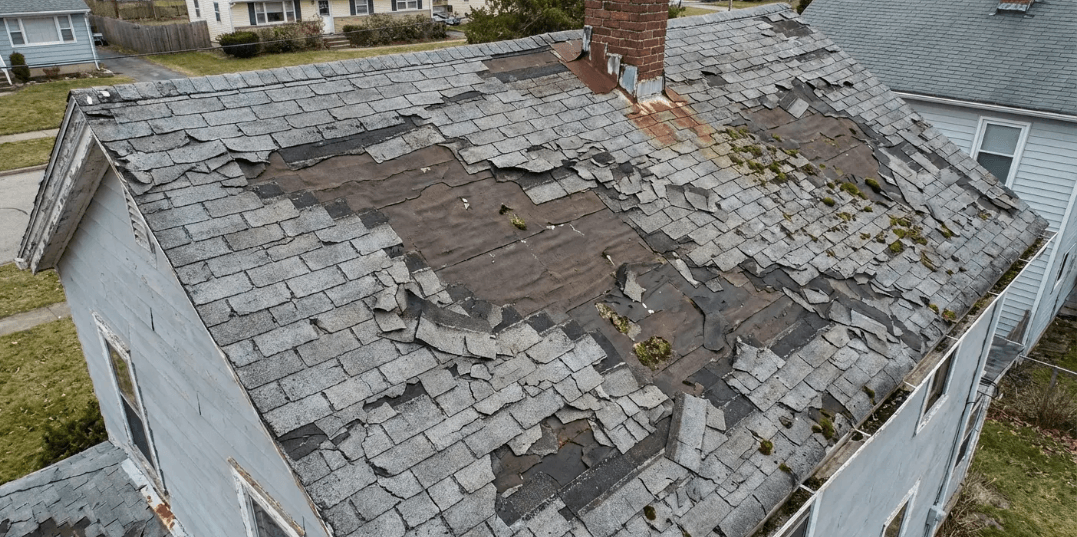
You've got active leaks or water damage in your attic. More than a third of your shingles have lost their granules. You're seeing widespread curling, cracking, or missing shingles.
Your roof has already been patched multiple times. You're planning to stay in your home for another 10-15 years.
In these scenarios, Roof Maxx is a bandaid on a wound that needs stitches. You'll spend money now and still face replacement soon, often within 1-3 years. The treatment can't reverse severe aging or structural failure.
We've turned down Roof Maxx inquiries from homeowners whose roofs were too far gone. Not easy when someone's hoping for a cheaper solution, but it's honest. Spending $650 on a treatment that buys you twelve months isn't a win. It's just delaying the inevitable while throwing away money you could be putting toward the real solution.
We had a customer argue with us for 20 minutes because we told him his roof didn't qualify. He'd already gotten a quote from a Roof Maxx dealer who said it was perfect. Finally I just said, "Look, I can take your money if you want, but in a year you're going to call me pissed off, and I'd rather not have that conversation." He got the replacement. Called us six months later to thank us.
The Costs Nobody Mentions
Reapplication Isn't Optional
Roof Maxx claims to add five years of life per application. That's not five years and you're done. That's five years until you need to apply it again if you want to keep delaying replacement.
Most homeowners don't factor this into their initial decision. They think of Roof Maxx as a one-time fix rather than an ongoing maintenance commitment.
If you're treating a roof at year 8 and you stay in your home, you're looking at applications at year 8, year 13, and year 18 (roughly). That's three treatments before you finally replace. Add it up and you're getting close to what a basic replacement would've cost, maybe even more depending on how prices have gone up
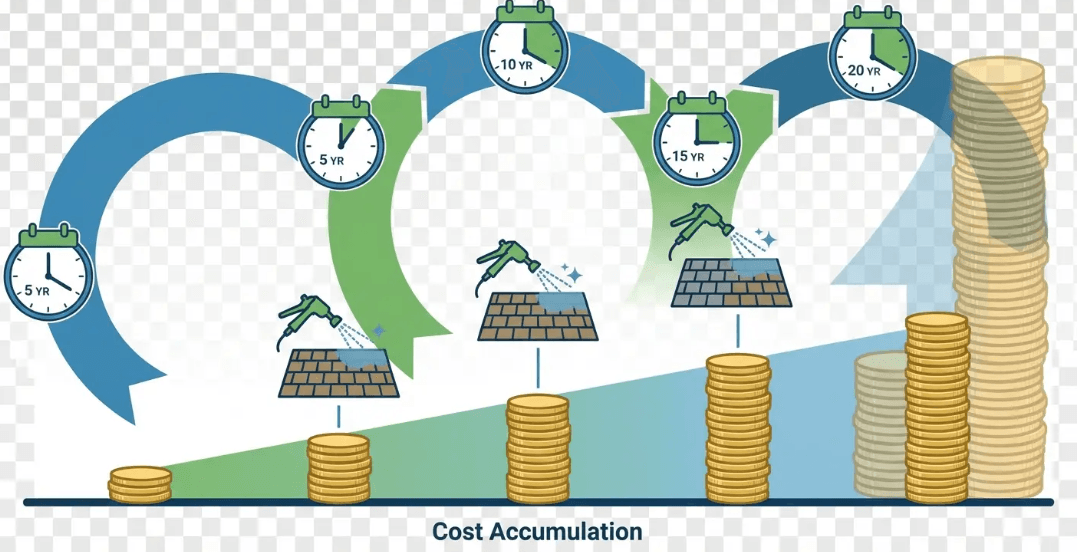
The first application might seem reasonable at $600-$700, but multiply that by three over fifteen years and you're looking at $1,800-$2,100. Add in inflation and potential price increases, and you're approaching half the cost of a new roof while still needing that new roof eventually.
Not All Applicators Are Created Equal
Roof Maxx is a licensed product, but application quality varies. Some contractors rush the process, under-apply the product, or don't properly assess whether your roof qualifies. We've seen homeowners pay for treatments that didn't penetrate evenly, leaving sections of the roof untreated and vulnerable.
You're also trusting the applicator's inspection. If they're motivated to make a sale, they might downplay disqualifying damage. Always get a second opinion from a roofing contractor who doesn't sell Roof Maxx.
I'm not saying every Roof Maxx dealer does this, but when someone's livelihood depends on you choosing treatment over replacement, their assessment might not be entirely objective.
Get independent quotes before making a decision.
Insurance and Resale Implications
Some insurance companies view Roof Maxx favorably as proactive maintenance. Others don't factor it in at all when assessing your roof's condition for coverage purposes.
If you file a claim for storm damage after treatment, the adjuster will evaluate your roof's age and condition based on the original installation date, not the treatment date. We've had homeowners surprised by this. They assumed the treatment would reset the clock for insurance purposes.
It doesn't.
On the resale side, Roof Maxx can be a selling point if you're disclosing recent maintenance, but it doesn't carry the same weight as a new roof. Buyers and their inspectors will still note the roof's age and may request concessions or negotiate price accordingly.
Year Three and Beyond
Roof Maxx doesn't freeze your roof in time. It slows aging, but aging still happens.
By year three post-treatment, you'll start to see some of the same signs that prompted the treatment in the first place. Shingles getting brittle again, slight curling returning, flexibility decreasing. This is normal. The treatment is designed to last about five years, which means it's gradually wearing off throughout that period.
What you need to watch for is whether the degradation is progressing faster than expected, which could indicate that your roof wasn't a great candidate to begin with or that environmental factors are accelerating wear.
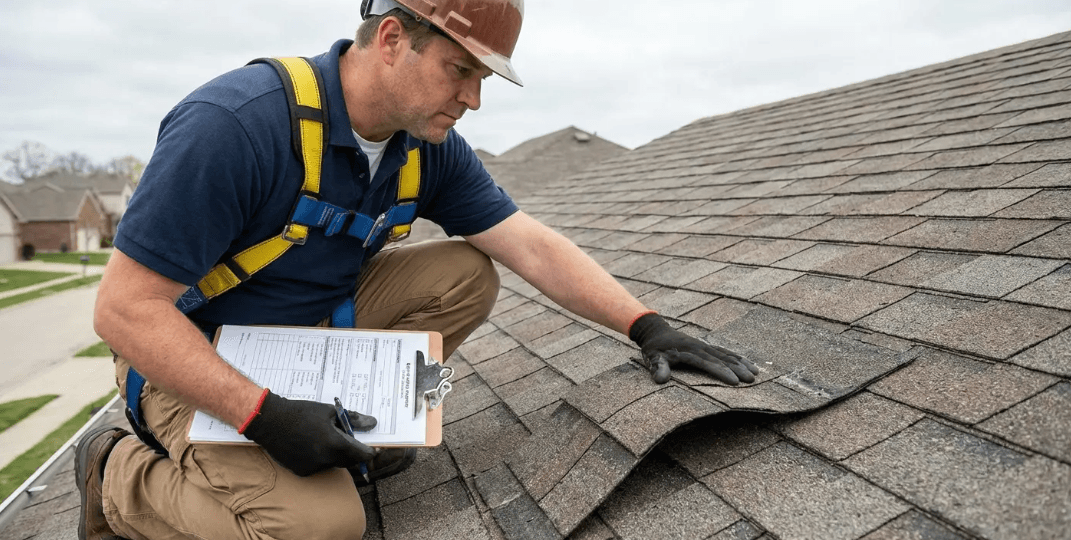
Signs the Treatment Is Wearing Off Early
Watch for shingles cracking faster than they should.
Granule loss continuing at a noticeable rate. Check your gutters for accumulation. Leaks or water stains appearing in your attic. Shingles that feel brittle to the touch if you can safely access your roof for inspection.
If you're seeing these signs within two years of treatment, something's wrong. Either the application was inadequate, your roof had underlying issues that disqualified it, or your local climate is harsher than the treatment can handle.
The product works, but it can't overcome poor application or inappropriate use cases. I know I keep hammering this, but the qualification process is everything.
| Timeline After Treatment | What to Expect | Red Flags |
|---|---|---|
| 0-12 months | Shingles remain flexible, no visible degradation | Continued curling, new cracks appearing, leaks developing |
| 12-24 months | Shingles still performing well, minimal changes | Rapid granule loss, shingles becoming brittle again |
| 24-36 months | Early signs of aging may return (slight brittleness) | Widespread curling, significant granule accumulation in gutters |
| 36-48 months | Gradual return to pre-treatment condition | Leaks, missing shingles, visible structural damage |
| 48-60 months | Time to consider reapplication or replacement | Any of the above means treatment failed prematurely |
We recommend annual inspections after treatment, especially as you approach the three-year mark. Catching early degradation gives you time to plan your next move rather than scrambling when a leak appears.
Figuring Out If Your Roof Qualifies
DIY Assessment (From the Ground)
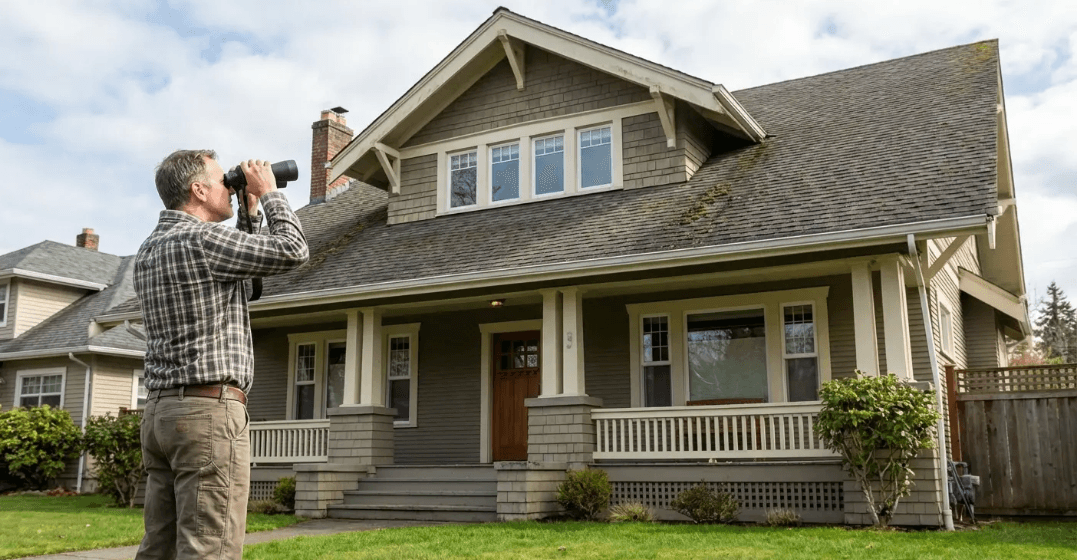
You don't need to climb on your roof to get a sense of its condition. Use binoculars to inspect from the ground.
Look for widespread curling (edges of shingles lifting). Dark streaks or discoloration... often algae, but also a sign of aging. Missing or damaged shingles. Areas where the roof looks uneven or sagging.
Check your gutters and downspouts for granule accumulation. A little bit is normal. A lot (think enough to create a noticeable layer in your gutters) suggests your shingles are past the point where Roof Maxx will help.
Pre-Inspection Roof Assessment Template:
Roof Age: __________ years old (if unknown, check home purchase documents or county records)
Visual Inspection from Ground (use binoculars):
- Curling shingles: None / Minimal (few spots) / Moderate (multiple areas) / Severe (widespread)
- Missing shingles: None / 1-3 / 4-10 / More than 10
- Discoloration/streaking: None / Light / Moderate / Heavy
- Sagging areas: None / Yes (location: __________)
Gutter Check:
- Granule accumulation: None / Light dusting / Moderate layer / Heavy accumulation
Attic Inspection:
- Water stains on decking: Yes / No
- Daylight visible through roof: Yes / No
- Moisture or mold present: Yes / No
Recent Issues:
- Active leaks: Yes / No
- Storm damage in past 2 years: Yes / No
- Previous repairs: Yes / No (how many: _____)
Preliminary Assessment:
- If mostly "None/Minimal" answers and roof is 6-15 years old: Potentially good candidate
- If multiple "Moderate/Severe" answers or roof is 15+ years old: Likely not a good candidate
This self-assessment won't replace a professional inspection, but it'll tell you whether it's worth scheduling one. If you're checking "Severe" and "Heavy" across the board, save yourself the inspection fee and start getting replacement quotes instead.
What a Professional Inspection Should Include
A legitimate Roof Maxx inspection should involve attic access to check for leaks and decking condition. A granule loss assessment (they should give you a percentage). A flexibility test, checking whether shingles are brittle. A clear explanation of whether your roof qualifies and why.
If the inspector skips the attic or doesn't mention granule loss, that's a red flag. You want someone who's willing to tell you "no, your roof isn't a good candidate" if that's the truth.
Here's what drives me crazy about some of these Roof Maxx dealers, and look, not all of them, but enough that it's a pattern. They'll come out, spend maybe ten minutes walking around on your roof, and declare it perfect for treatment without ever checking the attic or really assessing granule loss. Then they quote you $650-$700, tell you it'll last five years, and disappear. Fast forward 18 months and the homeowner is calling us because the roof is leaking and they're confused because they thought they had five years. We look at it and immediately see that it was never a good candidate. Too much granule loss, shingles already too far gone, maybe some flashing issues that were ignored. That homeowner just wasted $650 and now they're behind the eight ball on replacement. It's frustrating because it gives the whole concept a bad name when the real issue is just shitty qualification standards.
Why Most Homeowners Get This Wrong
You want to know if Roof Maxx works because you're trying to avoid spending $8,000-$15,000 on a new roof.
Completely understandable. Roof replacement is expensive, disruptive, and feels like throwing money at something you can't even see most of the time.
But your roof is one of the most important systems in your home. It protects everything inside. It affects your energy costs. It impacts your home's value.
Treating it purely as an expense to delay can backfire if you're not thinking about timing, total cost, and what you're getting for your money.
Roof Maxx works for some homeowners in some situations. For others, it's a $600 delay on an inevitable $10,000 expense, and that delay might cost you more in the long run, especially if your roof deteriorates faster than expected or if replacement costs increase.
We had a homeowner in a coastal area with intense UV exposure and salt air apply Roof Maxx to a 12-year-old roof, expecting five years of extended life. Due to the harsh environment, the treatment only provided three years of benefit before the shingles became brittle again.
Meanwhile, a new roof with impact-resistant, UV-protective shingles would have provided 25-30 years of protection, potential insurance discounts, and better hurricane resistance. All critical factors in a coastal climate that the treatment couldn't address. That homeowner saved $600 upfront but gave up decades of superior protection and potential insurance savings.
The Question You Should Be Asking Instead
What's the smartest financial path for my specific roof, timeline, and goals?
That might be Roof Maxx. It might be budgeting for replacement in two years. It might be exploring financing options for a new roof now so you can access better materials and warranties. It might be getting multiple opinions from contractors who don't have a vested interest in selling you one specific solution.
We've seen people make this decision every possible way. The ones who don't regret it? They actually thought it through instead of just grabbing at the cheapest option because they're panicking about the cost.
Where Joyland Roofing Comes In
If you're trying to figure out whether Roof Maxx makes sense for your situation, the best move is getting an honest assessment.
We don’t sell treatments. We inspect roofs and help you understand whether you need repair, replacement, or more time.
You can schedule a free inspection and get a clear answer without pressure.

Bottom Line
Roof Maxx isn't a scam, but it's not magic either. It's a tool that works great in specific situations and wastes money in others.
Your job is figuring out which situation you're in BEFORE you spend $600-700.
If you're not sure, call us. We'll look at your roof and tell you honestly whether treatment makes sense or whether you're just delaying the inevitable. No charge for the inspection, no pressure to use us for anything. We've just seen too many homeowners make expensive mistakes because they asked the wrong questions.
Give us a call and we'll come take a look. No charge, no obligation, and we'll tell you straight whether Roof Maxx makes sense or you're wasting your money.