
January 3, 2026
The Real Deal on Metal Roofs: Why They’re Everywhere and What They Actually Cost
Author
You’ve probably noticed the shift while driving through your neighborhood. Metal roofing isn't just for barns, warehouses, or Pizza Huts anymore. These days, you see it on high-end custom builds and suburban family homes alike. Homeowners are getting tired of the temporary nature of asphalt shingles and are trading up for something permanent.
But this transition is about more than just picking a cool color. To make the right call for your home, you need to understand a little bit about the engineering and the economics behind the metal. The numbers back up what we see on the ground—people want longevity. In fact, the share of residential metal roofing is expected to continue to rise according to Malco Tools. But before you sign a contract, you need to know exactly what you’re buying. A metal roof is a complete system, not just a product, and we want to help you understand how that system works so you aren't caught off guard.
Table of Contents
- The Quick version (TL;Dr)
- The Material Breakdown
- Understanding the Price Tag
- Performance and The Environment
- How to Buy and Install Correctly
- The Joyland Standard
- Final Thoughts
The Quick Version (TL;DR)
- Material Matters: Steel is standard, but "Galvalume" beats galvanized for most homes. If you live near the ocean, you must use aluminum to stop rust. Copper and zinc are beautiful but pricey options that change color over time.
- Style Options: "Standing seam" is that sleek look with hidden fasteners (better weatherproofing). Stamped shingles give you the look of slate or wood but with the strength of steel.
- The Cost Reality: You will pay significantly more upfront for metal than asphalt. This cost comes from skilled labor and complex trim work, not just the panels themselves.
- Long-Term Value: A metal roof can last 50 to 70 years. You might buy three asphalt roofs in that same period. Plus, you save on cooling bills.
- Myth Busting: Metal roofs aren't noisier than shingles if your attic is insulated. They don't attract lightning. They do shed snow quickly, so you might need snow guards.
- Installation is Key: Ventilation is mandatory to prevent rot. You need high-temp underlayment. Watch out for "oil canning" (wavy aesthetic issues) and ask your roofer how to minimize it.
The Metal Material Breakdown
To understand where metal roofing is today, you have to look past the rusted corrugated sheets on old tractor sheds. Today's residential options are a sophisticated blend of metallurgy and engineering. A metal roof succeeds or fails based on the specific alloy you choose for your environment.
We see a lot of homeowners who assume "metal is metal." That assumption usually leads to disappointment. The metal sheets used on a shed are chemically different from the panels used on a custom home. A residential roof requires specific coatings to handle UV rays and moisture without fading or peeling. When you pick a roof, you're picking a specific defense strategy against the elements.
Not All Metal Is The Same
While steel is the most common choice, understanding the hierarchy of materials is the first step. We always check the location first. A roof near the ocean needs a totally different composition than one in the mountains. The wrong choice here voids warranties and leads to early rust. This is a big investment, so getting the base material right is non-negotiable.
| Material Type | What is it? | Best Environment | Expected Lifespan | Cost |
|---|---|---|---|---|
| Galvalume | Steel with Aluminum/Zinc coating | Inland, Suburban, Rural | 40-60 Years | $ |
| Aluminum | 100% Aluminum Alloy | Coastal (Saltwater exposure) | 50+ Years | $$$ |
| Copper/Zinc | Pure Metal | Historic, Luxury Custom | 80-100+ Years | $$$$ |
Galvalume vs. Galvanized Steel
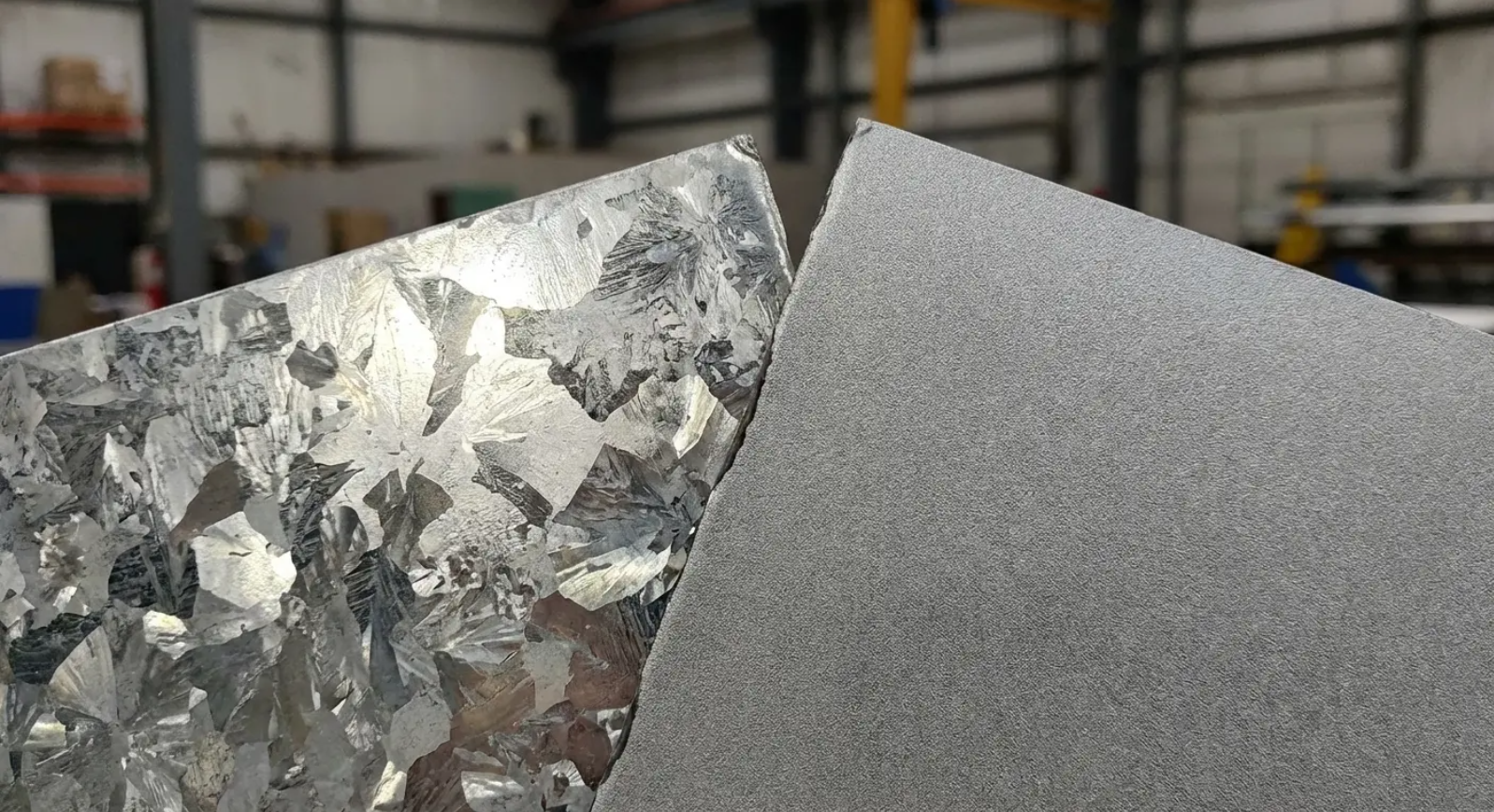
The industry standard for a durable metal roof is steel coated for protection. Galvanized steel uses a zinc coating. Galvalume uses a blend of aluminum and zinc. Generally speaking, Galvalume offers superior corrosion resistance. For most residential homes, Galvalume is the winner.

Aluminum and Coastal Resilience
If your home is within a few miles of the ocean, steel is a risk due to salt spray. Aluminum is the solution here. While it is softer and more expensive, it doesn't rust—it oxidizes. This creates a protective layer that preserves the roof in coastal zones.
The Coastal Paradox: Imagine a homeowner in Cape May, NJ. They install a premium steel roof to save 15% on materials compared to aluminum. Within five years, the salt air causes the cut edges of the steel panels to rust, voiding the warranty. Had they chosen aluminum, the roof would have oxidized naturally, protecting the home for 50 years.
Premium Exotics: Copper and Zinc
For those seeking a "forever" roof with a living finish, copper and zinc are the pinnacle. These materials aren't painted; they patina over time. They heal their own scratches and change color from bronze or grey to distinct greens and blues. They offer a lifespan that can exceed a century.
Structural Profiles and Systems
The shape of the metal dictates how it sheds water and how it looks. You’ll hear terms like "standing seam" and "exposed fastener." These are two vastly different approaches. To choose the right system, you should weigh the pros and cons of standing seam vs. corrugated to understand the difference.
A roof with exposed screws behaves differently than one with hidden clips. The maintenance requirements change drastically between the two. If you want a roof that requires minimal intervention over the next few decades, the profile matters just as much as the material.
Standing Seam Systems
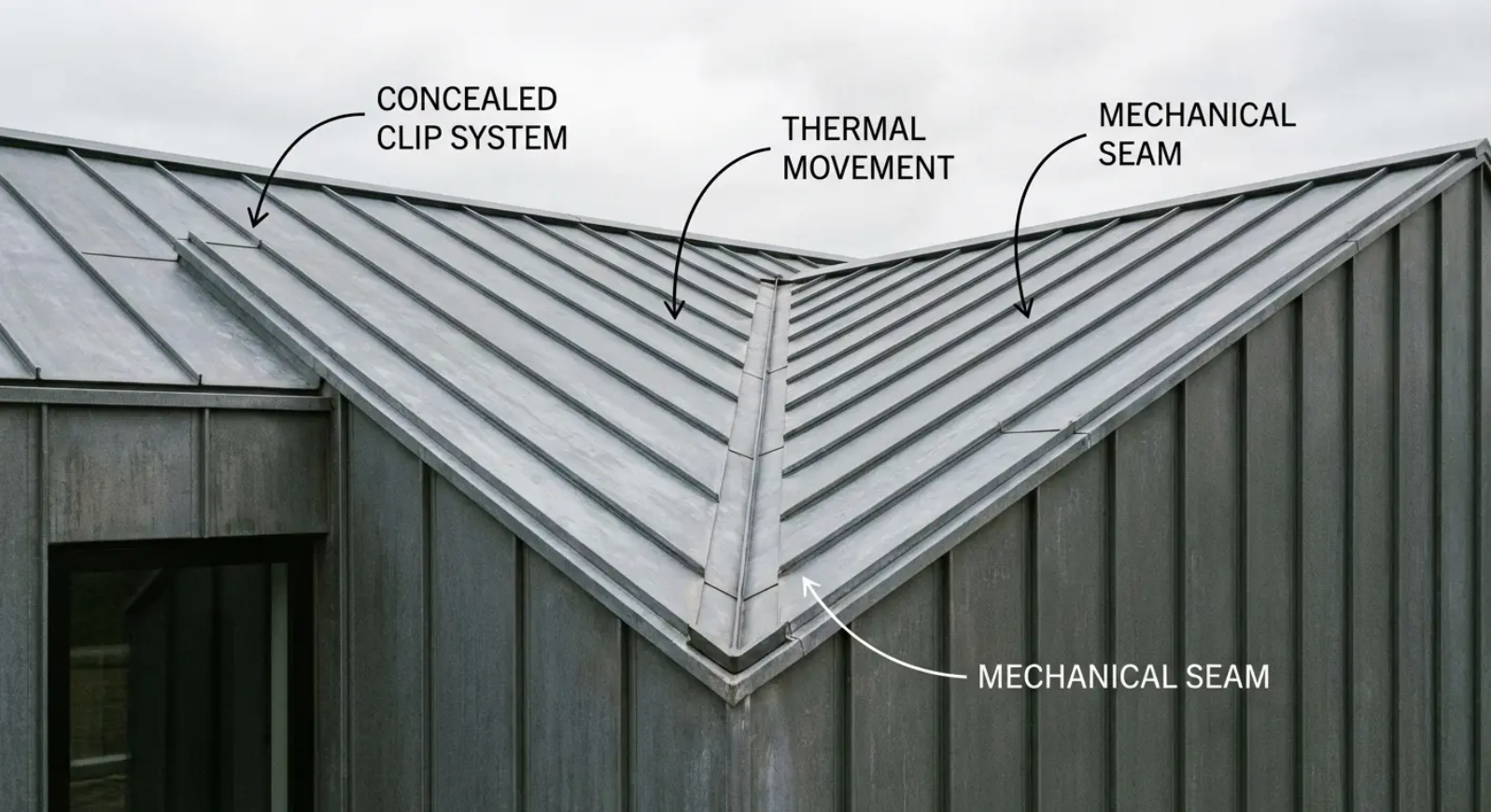
This is the gold standard for modern homes. The fasteners are concealed beneath the standing ribs, which protects the washers from UV exposure and weather. This system allows the metal to expand and contract with the heat without loosening the screws—critical for keeping things watertight.

Stamped Metal Shingles
If you dislike the "commercial" look of vertical panels, stamped metal shingles mimic the look of slate, wood shake, or tile. These provide the durability of metal with a traditional aesthetic.
Aesthetic Finishes and Technology
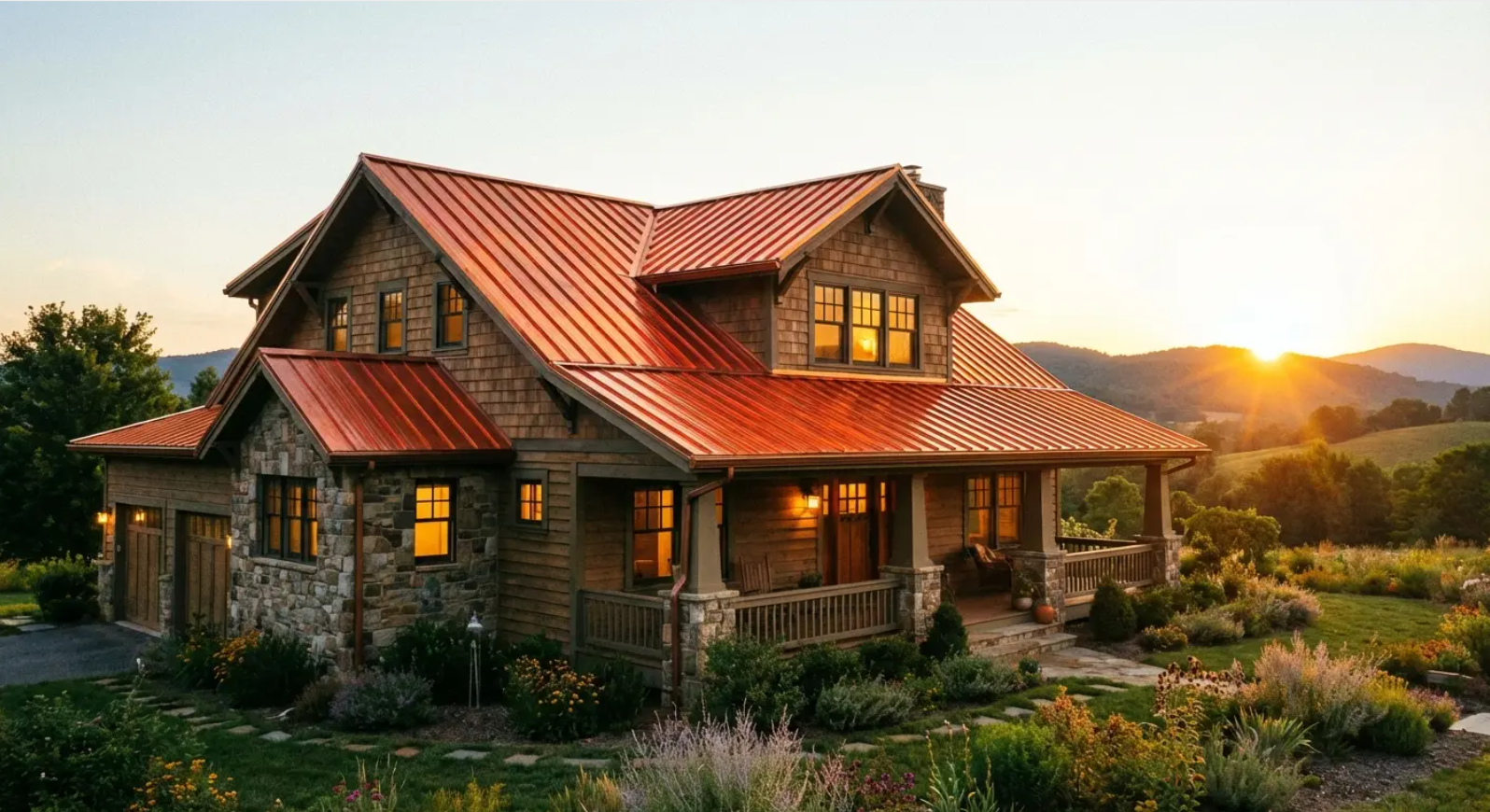
It’s no longer just about color. It is about texture, depth, and energy performance. Modern metal roofing technology allows us to manipulate how the surface interacts with light. A metal roof can now look matte, textured, or even like aged wood, all while reflecting heat.
PVDF (Kynar 500) Coatings
The resin in the paint matters. PVDF coatings (often branded as Kynar 500) are the industry benchmark. They resist chalking and fading better than standard paints, ensuring the roof looks new for decades.
Matte and Textured Finishes
Glossy metal can look industrial and show "oil canning" (wavy ripples) more easily. The latest trend is matte finishes and "crinkle" textures. These diffuse light, hiding minor imperfections in the steel and providing a deeper, more refined color.
Cool Roof Technology
Modern pigments are designed to reflect infrared light even in dark colors. This "cool roof" technology reduces heat transfer into the attic. You lower cooling loads without forcing yourself to choose a white or light-colored roof.
Natural Material Emulation
Advanced printing technology can now apply patterns to steel coils. These look remarkably like distressed wood or aged copper. You get the aesthetic warmth of natural materials without the fire risk or rot potential.
Understanding the Price Tag
Price is usually the biggest friction point. When you ask how much a metal roof costs, the answer is complex. Metal is an investment product, not a consumption product. If you are still weighing your options, exploring the factors involved when thinking about installing a metal roof can help clarify if the upfront cost makes sense for you.
We’ll be transparent: the upfront cost is higher. But looking at the sticker price alone ignores the reality of roofing economics. A metal roof changes your replacement cycle entirely. You stop "renting" your roof every 15 years and start owning a permanent solution. When you calculate the cost per year of service, metal often beats asphalt.
Analyzing the Initial Investment
Why is the price tag higher? It comes down to labor and details.
Material vs. Labor Ratios
Unlike asphalt, where the cost is heavily weighted toward the material, metal requires skilled craftsmanship. The labor cost is higher because bending trim, hemming panels, and detailing flashings requires specialized tools and trained mechanics. It’s not a job for general laborers.

The Hidden Costs of Trim
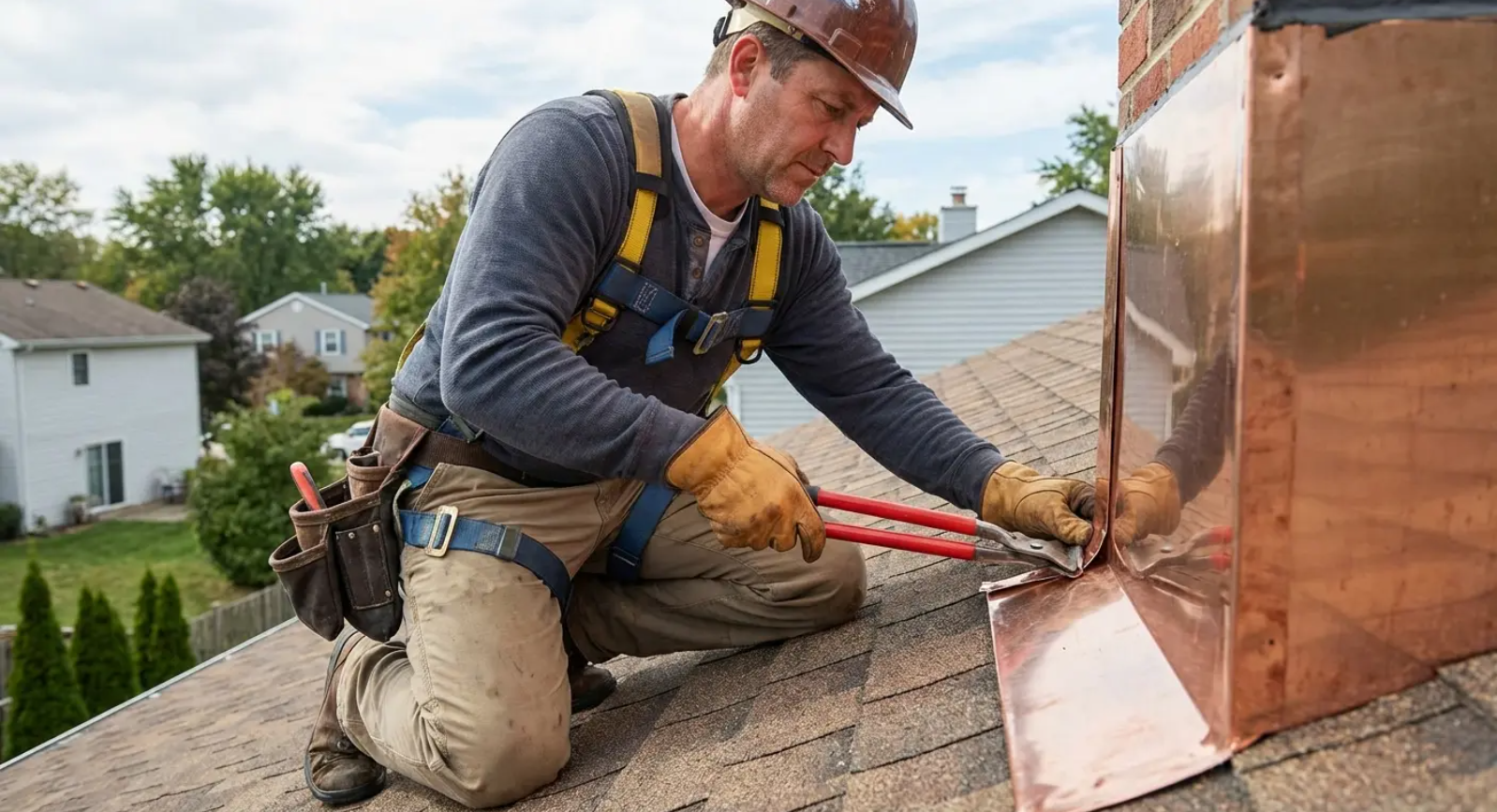
A huge portion of the cost lies in the perimeter. Ridge caps, valleys, rake edges, and sidewall flashings must be fabricated from matching metal. A complex roof with many hips and valleys will see a sharp price increase compared to a simple gable roof.
Tear-Off and Disposal Considerations
While some local codes allow metal to be installed over one layer of shingles, the best practice is a full tear-off. This ensures the deck is inspectable and allows for the installation of high-temp underlayment, which is critical for metal systems.
Long-Term Financial Implications
To accurately assess value, you have to look at the Total Cost of Ownership. We see metal roofs installed decades ago that still perform perfectly, while neighbors have replaced their shingles twice.
Lifespan and Replacement Cycles
An asphalt roof may last 15 to 20 years. A quality metal roof can last 50 to 70 years. Over a 60-year period, you might pay for three asphalt roofs (plus inflation) versus one metal roof.
The 60-Year Math:
- Scenario A (Asphalt): $15,000 initial roof + $22,000 replacement (Year 20) + $30,000 replacement (Year 40) = $67,000 Total Spend.
- Scenario B (Metal): $35,000 initial roof + $0 replacement (Year 20) + $0 replacement (Year 40) = $35,000 Total Spend.
- Result: The metal roof saves $32,000 over the lifetime of the home.
Energy Bills and Insurance Discounts
Due to the reflective properties mentioned earlier, you often see a reduction in cooling costs—sometimes up to 25%. According to State Farm Insurance, metal roofs can provide a 10-25 percent reduction in cooling costs due to their ability to reflect the sun and infrared light rays (Malco Tools). Additionally, many insurance companies offer discounts for Class 4 Impact Resistant metal roofs because they can withstand hail that would destroy shingles.
Performance Physics and Environmental Impact
Beyond the look and the cost, a roof has to work. Metal roofs interact with the environment differently than other materials. When a storm hits, metal roofs rely on mechanical strength rather than gravity and adhesive.
Weathering the Elements
Metal is engineered to handle extreme weather, which is becoming more frequent. The mechanical attachment of metal provides distinct advantages.

Wind Uplift
Unlike shingles that rely on adhesive strips that can dry out, metal panels are screwed or clipped to the deck. They are often rated for hurricane-force winds.
Fire Resistance
Metal is non-combustible. In areas prone to wildfires, a metal roof prevents wind-blown embers from igniting the home. This safety feature is becoming a requirement in certain zones.
Addressing Common Concerns
We hear concerns about noise and lightning constantly. A modern metal roof on a residential home behaves very differently than the old barn roofs that spawned these myths.
The Acoustics of Rain
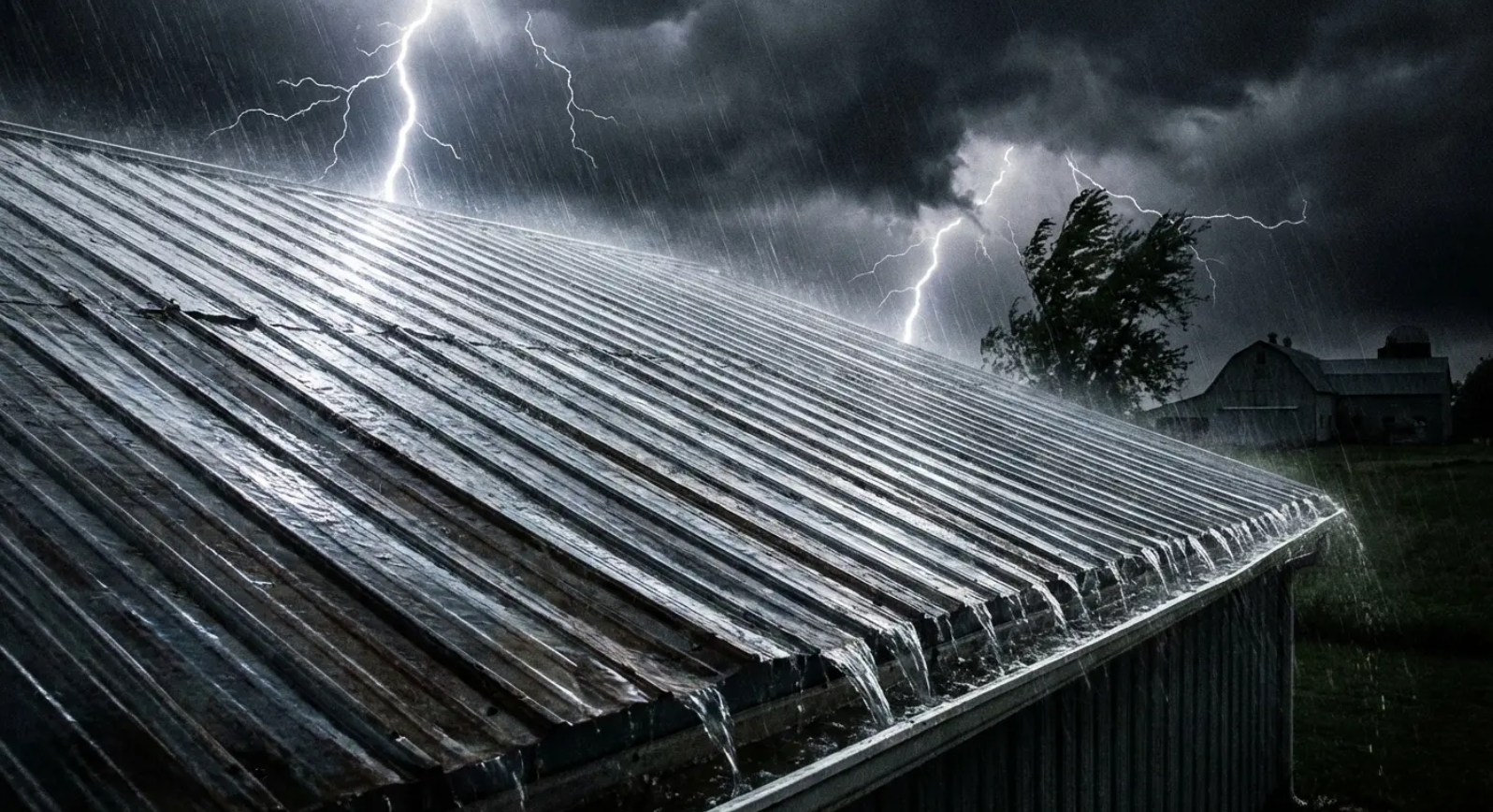
The idea that a metal roof is noisy is largely a myth applicable to open-frame barns. On a residential home, the solid deck, underlayment, and attic insulation dampen the sound. Most homeowners find the noise level comparable to asphalt shingles.
Lightning Attraction
Metal conducts electricity, but it does not attract it. Lightning seeks the highest point and the path of least resistance to the ground. A metal roof is no more likely to be struck than any other roof. For a deeper dive, read the shocking truth about roofs and lightning rods to put your mind at ease.
Snow Shedding
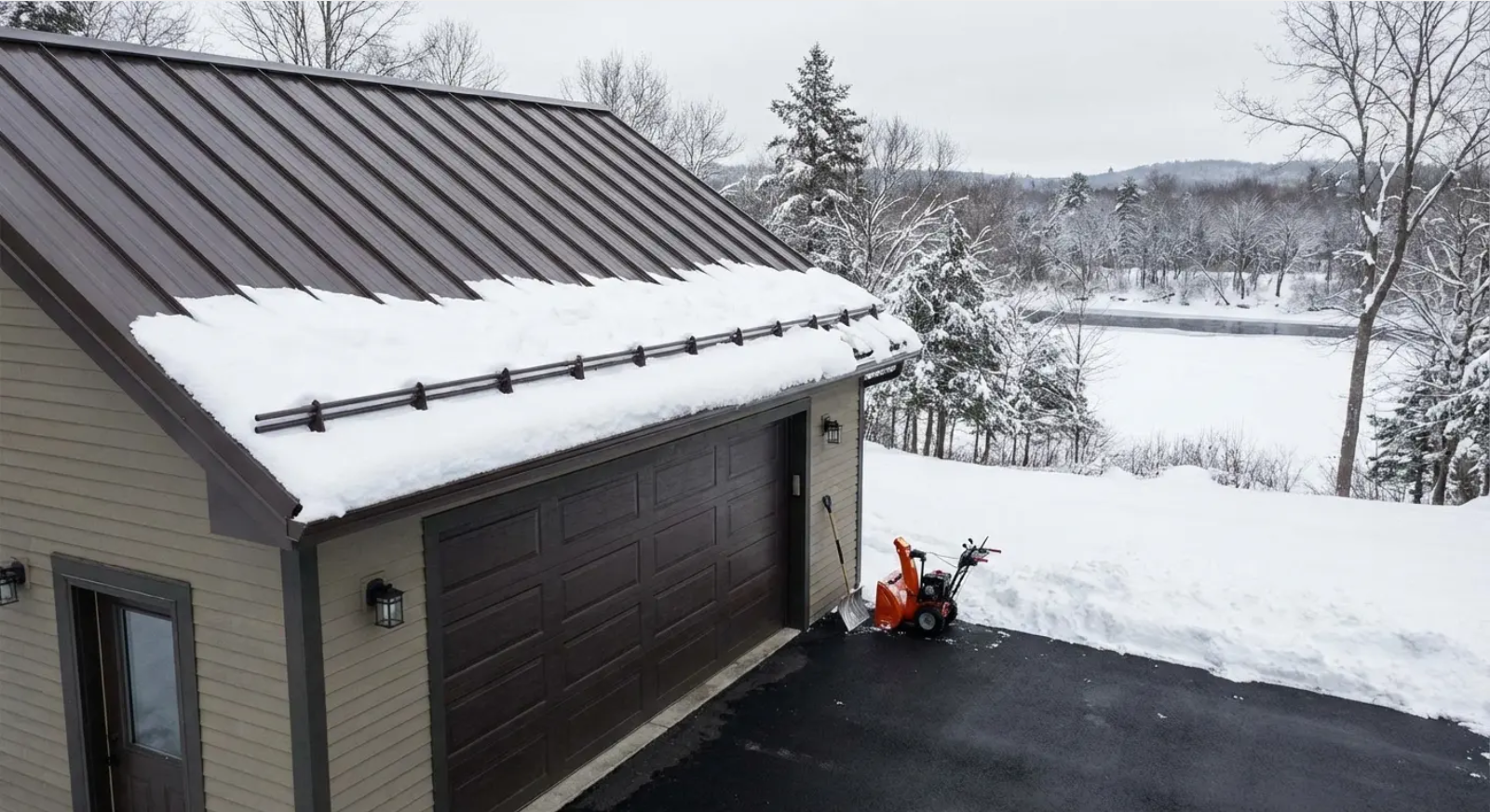
Metal is slippery. Snow will slide off. This prevents heavy loads from collapsing the roof structure. However, this often requires the installation of snow guards to prevent "roof avalanches" from damaging gutters or landscaping below. It is critical to learn
all about snow guards if you live in a northern climate.

Sustainability Profile
In an era of green building, metal stands out. It is one of the few roofing materials that is both recycled and recyclable. We see architects utilizing this globally. For instance, Dezeen recently highlighted the Amami House in Japan, where a large corrugated metal roof shelters the timber-lined interiors of an off-grid home. This versatility makes metal roofing a favorite for sustainable design.
End of Life
Asphalt shingles generate millions of tons of landfill waste annually. Metal roofing is 100% recyclable at the end of its life, contributing to a circular economy rather than a landfill.
Recycled Content
Most steel and aluminum roofing contains a high percentage of recycled post-consumer content (often 30–60%), reducing the energy impact required to mine and process virgin ore. In fact, the MCA website cites that metal roofs are made from 30-60 percent recycled material and can be recycled at the end of their lifespan (Malco Tools).
The Buyer's Guide to Execution
Deciding on metal is only half the battle. Executing the project requires due diligence. A metal roof is unforgiving of bad installation practices. You need to verify the details before the first panel arrives.
If you skip the prep work, you risk buying a roof that leaks or annoys your neighbors. We want you to love the result, so we insist on checking these boxes first.
Pre-Purchase Considerations
Readiness Checklist:
- [ ] Pitch Check: Is your roof slope at least 3:12? (If lower, you need specific mechanical seaming).
- [ ] HOA Review: Have you obtained written approval from your Homeowner's Association?
- [ ] Penetration Map: Do you have skylights or chimneys that require complex flashing?
- [ ] Snow Plan: Have you budgeted for snow guards over doorways and parking areas?
Oil Canning Potential
"Oil canning" is visible waviness in the flat areas of metal panels. It is an aesthetic issue, not a structural one. You should discuss using "striations" (subtle raised lines) or heavier gauge metal to minimize this effect.
The Installation Ecosystem
The system is only as good as the installer. We emphasize ventilation and underlayment because they are the invisible heroes of the system. If your roof sweats from the underside, it will fail regardless of the paint quality.
Ventilation is Non-Negotiable
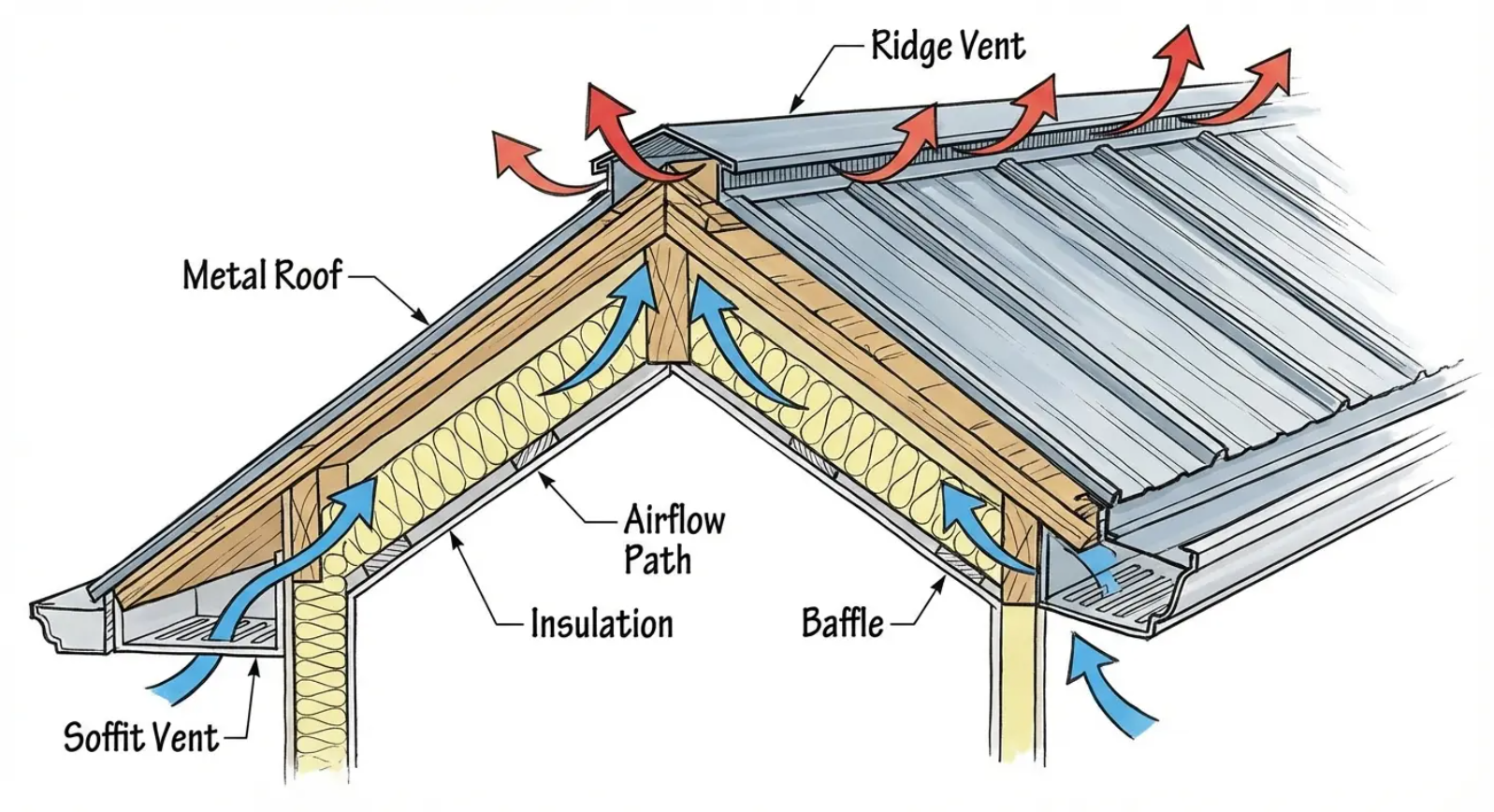
Metal roofs can trap heat if not ventilated. You must ensure the contractor plans for ridge vents and intake vents. Improper ventilation can lead to condensation under the metal, causing the deck to rot from the inside out.

Underlayment Selection
Standard felt paper is abrasive and can scratch the underside of metal panels as they expand and contract. High-temperature, synthetic underlayment with a slip sheet is required. This protects the metal and handles the high heat generated under the panels.
Maintenance and Care
While often sold as "maintenance-free," metal roofs do require periodic inspections. To keep your investment in top shape, reviewing your metal roof maintenance guide annually will help you spot potential issues.
- Fastener Inspection: If you choose an exposed fastener system, the rubber washers on the screws will degrade over 15 to 20 years and may need tightening or replacement. Innovations continue to improve how we attach things to these roofs. For example, Solar Power World reports on new non-penetrating clamps designed specifically for solar PV and lighter-duty attachments.
- Cleaning: Leaves and pine needles trapped in valleys can hold moisture against the paint. Annual cleaning keeps the water flowing freely.
- Paint Touch-Ups: If a branch scratches the roof, use manufacturer-approved touch-up paint pens. Never use spray paint, as the overspray fades differently than the factory coating.
The Joyland Roofing Approach
The transition to a metal roof is a significant upgrade that requires more than just purchasing materials. It requires a partner who understands the nuances of longevity and aesthetics. At Joyland Roofing, we treat every installation as a custom project.
We help you navigate the cost by providing transparent breakdowns between economy exposed-fastener options and premium standing seam systems. We ensure you find the ROI that fits your financial goals. Our craftsmanship focuses on the details others miss—from proper deck preparation and specific clips to using striations to minimize oil canning. We don't just cover your house; we engineer a breathing system. We ensure your new roof is properly ventilated to prevent moisture buildup, protecting your home’s structure for the long haul.
When you choose a metal roof from us, you are choosing peace of mind. We want this to be the last roof you ever buy.

Final Thoughts
You have the facts now. Metal roofing offers a blend of durability, style, and efficiency that other materials struggle to match. It requires a higher initial investment and a skilled installer, but the payoff is a home protected for generations. Take your time, choose the right profile, and ensure the installation details are perfect. Your home deserves the best protection available.