
If you’ve been researching standing seam vs corrugated metal roof options, you’ve probably seen the usual comparisons: concealed fasteners vs exposed fasteners, sleek appearance vs lower cost, premium system vs budget-friendly alternative. Those comparisons miss the most important factor. The installation method often matters more than the panel style itself.
A perfectly engineered metal roof can fail early if it’s installed incorrectly. On the flip side, a simpler corrugated system can last decades when fasteners are placed correctly and panels are installed with proper spacing for expansion and contraction. In real-world roofing projects, the skill of the installer and the installation process often determine performance far more than the panel profile you choose.
That’s why it’s critical to look beyond product brochures and focus on how the roof will actually be installed—including contractor experience, equipment requirements, roof geometry, and long-term maintenance considerations.
If you're still exploring whether metal roofing is the right fit for your home, our guide onconsidering a metal roof for your home breaks down the key benefits, tradeoffs, and factors homeowners should evaluate before committing.
Table of Contents
- TL; DR
- The Installation Method Blind Spot
- What Most Comparisons Get Wrong About Panel Performance
- Standing Seam Roofing: The Hidden Labor Cost Nobody Mentions
- Corrugated Metal: Why "Cheaper" Doesn't Mean What You Think
- The Fastener Exposure Problem (And Why It's Not Always a Problem)
- Expansion and Contraction: Where Theory Meets Your Actual Climate
- When Roof Pitch Makes Your Panel Choice for You
- The Retrofit Reality: What Your Existing Structure Demands
- Maintenance Timelines Nobody Talks About
- Making the Decision Based on Your Installer's Skill Set
TL;DR
- Installation quality beats panel choice every time, but most comparisons ignore this completely
- Standing seam costs more upfront. That's obvious. The hidden costs? Specialized labor and limited contractor options
- Exposed fasteners fail when installed wrong, not because they're exposed
- Your climate matters for expansion cycles, but probably not as much as you think
- Got a roof pitch under 3:12? Corrugated's off the table. Done
- Your existing roof structure might make this decision for you before you even start comparing
- Maintenance schedules differ by decades, not years, when installation is done right
The Installation Method Blind Spot
You've compared panel profiles until your eyes crossed. You've calculated cost per square foot. You know the difference between concealed and exposed fasteners. But I'm guessing nobody's asked you this: who's actually available to install this roof?
Standing seam metal roofing requires specialized equipment that most roofing crews don't own. We're talking about seaming tools, panel benders, and the training to use them without creating weak points in your roof system. Your area might have fifty contractors advertising metal roofing services, but only three who can properly install a standing seam system.
Look, I'm not being elitist about installation crews. I'm just acknowledging reality. A perfectly engineered roofing system fails when the installation introduces problems that shouldn't exist. The concealed fastener advantage of standing seam becomes irrelevant if your installer creates gaps in the seam or doesn't account for thermal movement correctly.
Corrugated metal roofing seems simpler (and it is, comparatively), but that perceived simplicity leads to complacency. Contractors assume anyone with a drill can install exposed fasteners properly.
They can't.
Fastener placement, torque specifications, and washer compression require precision that separates a 20-year roof from a 50-year roof. The difference between overtightening and undertightening a fastener is maybe a quarter turn on the drill. That's the margin we're working with.
Your decision needs to account for who's doing the work, not just which system wins in a controlled comparison. And honestly? That's the part most people get backwards.
What Most Comparisons Get Wrong About Panel Performance
Every comparison chart you've seen lists standing seam advantages: no exposed fasteners, better thermal movement accommodation, cleaner aesthetic lines. Corrugated gets tagged with lower cost, easier installation, and adequate performance.
These comparisons assume both systems are installed by equally skilled contractors using proper techniques.
That assumption falls apart the second you call contractors for quotes.
| Performance Factor | Standing Seam (Perfect Install) | Standing Seam (Poor Install) | Corrugated (Perfect Install) | Corrugated (Poor Install) |
|---|---|---|---|---|
| Water Infiltration Risk | Minimal | Moderate to High | Low | High |
| Fastener Longevity | N/A (concealed) | N/A (concealed) | 40+ years | 10-15 years |
| Thermal Movement | Fully Accommodated | Stress Points Develop | Adequate | Panel Distortion Risk |
| Warranty Validity | Full Coverage | Often Voided | Full Coverage | Often Voided |
| Expected Lifespan | 40-70 years | 20-30 years | 25-45 years | 15-25 years |
Standing seam's concealed fastener system prevents water penetration at fastener points, but only if the seaming process doesn't create micro-gaps where panels connect. I've seen standing seam roofs leak at seams because the contractor's equipment wasn't calibrated correctly or they rushed the seaming process. The theoretical advantage disappeared because installation quality wasn't there.
Corrugated metal's exposed fasteners are listed as a weakness in every comparison. The reality? Properly installed fasteners with the correct washer compression and placement rarely fail within the roof's expected lifespan.
The failures happen when contractors overtighten (crushing the washer and creating future leak points) or undertighten (allowing movement that works the fastener loose over time). It's that simple and that complicated.
You need to evaluate these systems based on how they perform when installed by the contractors available to you, not how they perform in ideal conditions that may not exist in your market.
Panel performance also varies based on your specific building. A commercial structure with minimal roof penetrations and long panel runs favors standing seam. A residential roof with multiple valleys, dormers, and complexity? Corrugated becomes more practical because each cut and custom fit on standing seam introduces potential failure points.
I know a guy in the Denver suburbs who chose standing seam for this old Victorian with about a million dormers and turrets and all that. Beautiful house. The contractor did commercial work mostly, big simple roofs. They had no business taking this job. Leaks within a year at three different dormer valleys. Last I heard he was suing them, but I don't know how that turned out. Point is, corrugated would've been easier for that complexity. Sometimes the simpler system is actually the smarter choice.
Standing Seam Roofing: Labor Costs That'll Surprise You
The material cost difference between standing seam and corrugated metal is usually 30-50% higher for standing seam. You've probably seen that number already. But nobody's telling you about the labor cost differential. It often exceeds the material cost difference.
Standing seam installation takes longer, requires specialized crews, and involves equipment that contractors need to factor into their pricing. Panel seaming can't be rushed. Each seam requires proper engagement and compression, which means your installation timeline extends compared to corrugated. For contractors, longer installation times mean higher labor costs, more days of crew scheduling, and increased risk of weather delays affecting the project.
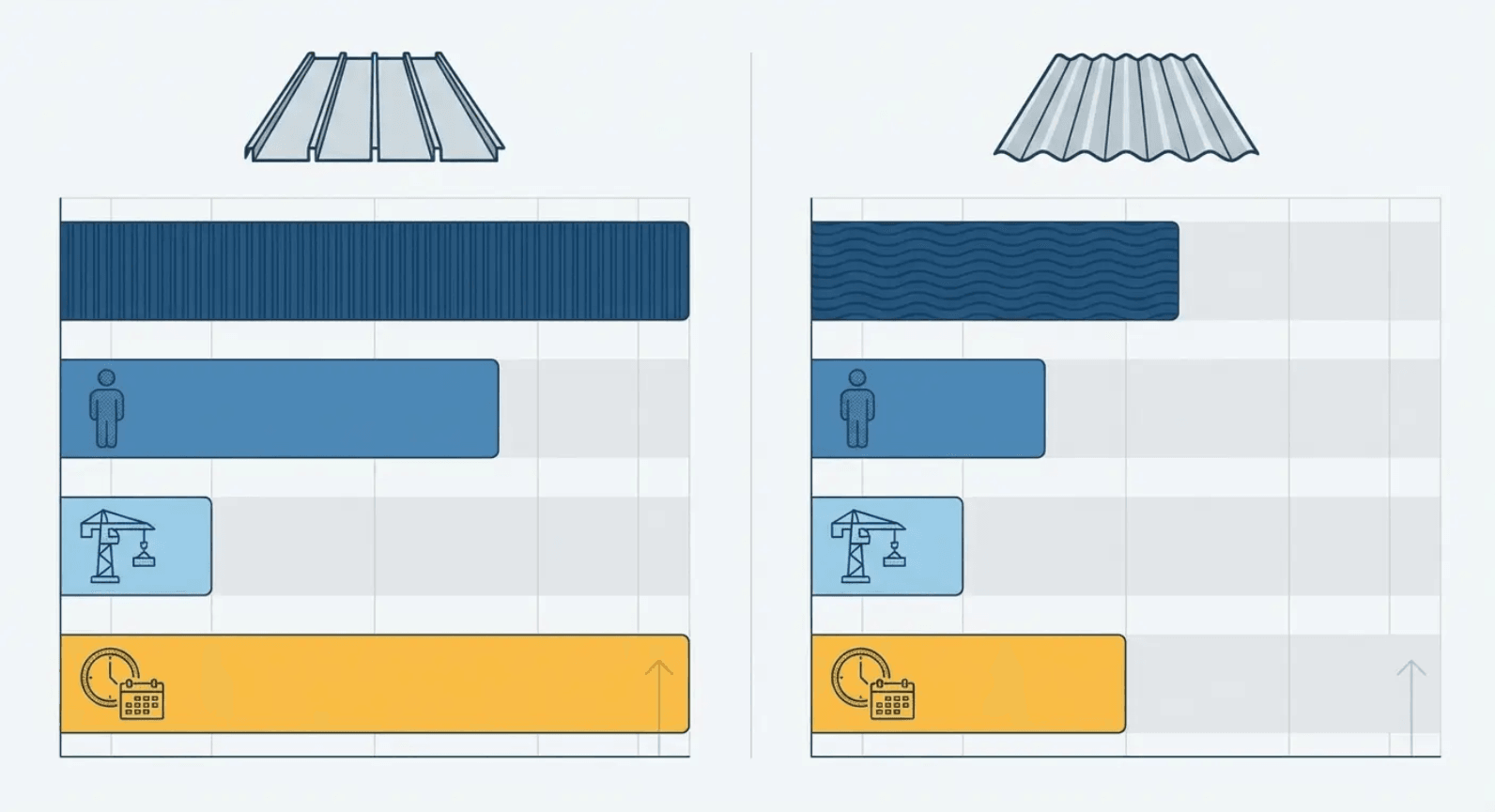
The specialized equipment requirement creates another cost layer. Contractors either own seaming equipment (which they amortize across jobs) or rent it (which gets passed to you). Either way, you're paying for equipment that corrugated installation doesn't require.
Roof geometry affects standing seam labor costs disproportionately. Each valley, dormer, or roof plane change requires custom flashing and careful seam termination. Corrugated panels can be cut and fitted more quickly, though the fastener placement still requires care. A roof with significant complexity might see standing seam labor costs double compared to a simple gable roof, while corrugated labor costs increase by maybe 30-40%.
The contractor availability problem compounds these costs. When only a few contractors in your area can properly install standing seam, you're not getting competitive bidding. You're getting the price that reflects limited supply and steady demand. Basic economics.
This doesn't make standing seam a bad choice. It makes it a choice that requires honest budgeting beyond the material cost differential you've seen in your initial research. Add another 20-30% to whatever number you're thinking, and you'll be closer to reality.
Corrugated Metal: The "Cheaper" Label Is Misleading
Corrugated metal roofing costs less to install. That statement is accurate. It's also incomplete.
The upfront cost savings are real and significant, often $4,000-$8,000 on an average residential roof compared to standing seam. That's money you can allocate to other projects, investments, or simply keep in your account. But the "cheaper" label ignores the maintenance timeline difference.
Corrugated roofs with exposed fasteners need fastener inspection and potential replacement around the 15-20 year mark. You're not replacing the entire roof, but you are paying for a contractor to assess fastener condition and replace any that show wear. Standing seam systems don't have this maintenance requirement because the fasteners are concealed and protected from UV exposure and weather.
This maintenance cost might run $1,500-$3,000 depending on your roof size and accessibility. Factor that into your long-term cost comparison, and the gap narrows (though standing seam still costs more overall in most scenarios).
| Cost Factor | Corrugated (20-Year Timeline) | Standing Seam (20-Year Timeline) |
|---|---|---|
| Initial Installation | $8,000-$12,000 | $16,000-$24,000 |
| Year 15-20 Fastener Service | $1,500-$3,000 | $0 |
| Annual Inspection | $200/year ($4,000 total) | $200/year ($4,000 total) |
| Minor Repairs (avg) | $800 | $400 |
| Total 20-Year Cost | $14,300-$19,800 | $20,400-$28,400 |
| Cost Per Year | $715-$990 | $1,020-$1,420 |
The quality spectrum within corrugated roofing also affects the cost conversation. Entry-level corrugated with minimal coating and thinner gauge metal is genuinely cheap and will perform accordingly. Premium corrugated with heavy-gauge steel and quality coating systems performs much closer to standing seam in longevity, but costs more than basic corrugated. You need to compare similar quality levels, not base-model corrugated against premium standing seam.
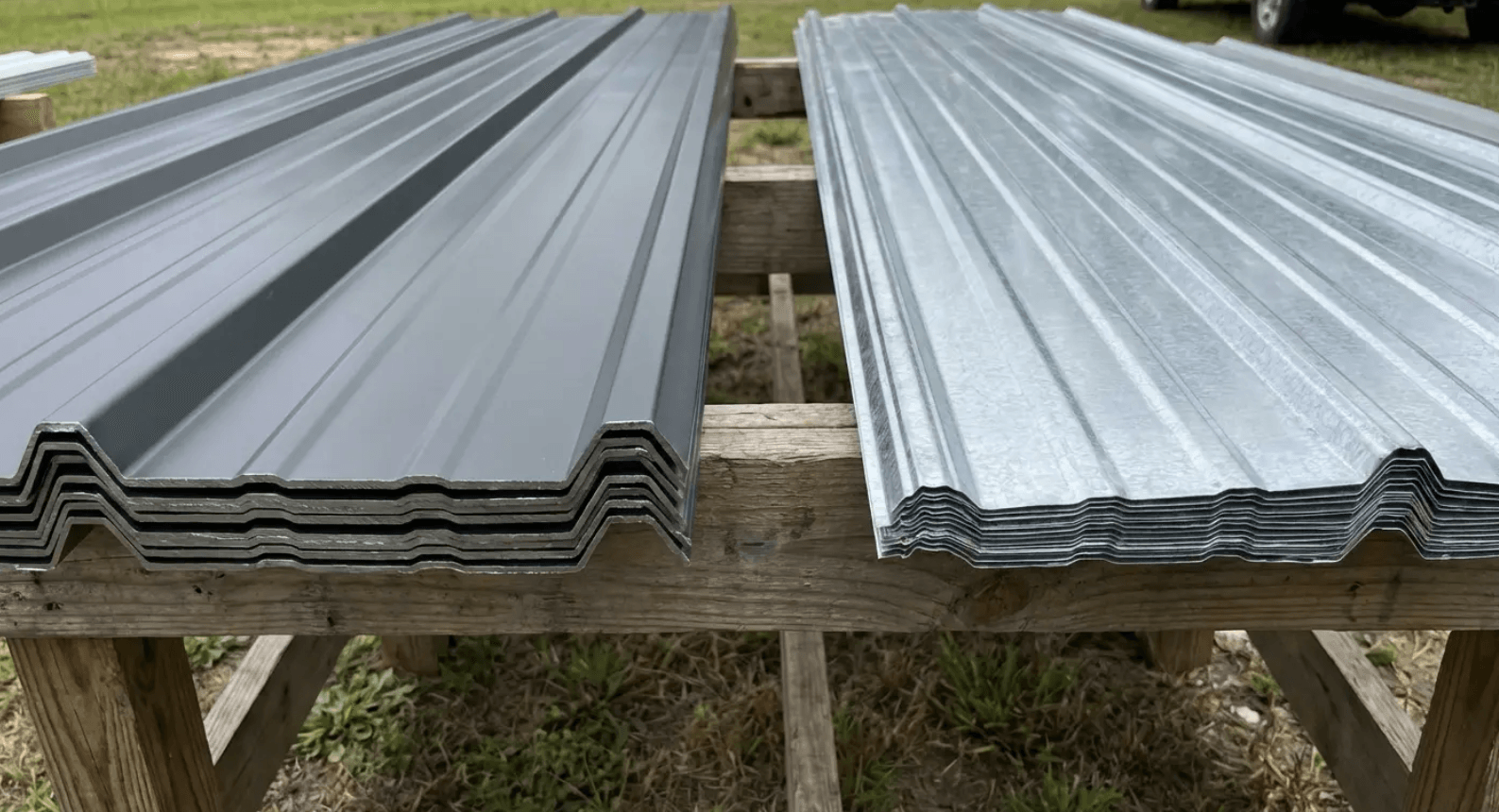
Some homeowners prioritize upfront cost because their financial situation demands it, or because they're not planning to stay in the home for 30+ years. That's a valid decision framework. The "cheaper" option serves your needs better when your timeline or budget doesn't align with standing seam's premium positioning.
The question isn't whether corrugated is cheaper (it is), but whether the savings align with your specific situation and maintenance willingness. If you're planning to sell in ten years, saving eight grand upfront makes perfect sense. If this is your forever home, the math changes.
The Fastener Problem Is Overblown
Exposed fasteners are the primary argument against corrugated metal roofing. Every article mentions them, every comparison chart lists them as a weakness, and every standing seam advocate points to them as the reason to upgrade.
They're a legitimate concern, but not for the reasons most sources suggest.
Fasteners don't fail because they're exposed. They fail because they're installed incorrectly or because the washer material degrades faster than the metal panel. An overtightened fastener crushes the washer, creating a future leak path. An undertightened fastener allows movement that works it loose over years of thermal expansion and contraction. A fastener placed in the flat of the panel instead of the raised rib creates a water pooling point.
Here's what proper corrugated fastener installation looks like. Before you start, confirm fastener type matches panel gauge and material. Verify washer material is EPDM or neoprene rated for UV exposure. Check drill bit size matches fastener manufacturer specifications.
During installation, place all fasteners in panel ribs, never in flat sections. Use torque-limiting drill settings (typically 15-20 ft-lbs for metal roofing). Compress the washer until it contacts the panel without crushing. Maintain consistent fastener spacing per wind zone requirements. Verify perpendicular fastener angle to prevent side-loading.
After installation, check that no washers show compression cracking. Verify all fasteners are flush with panel surface. Confirm proper sealant application around penetrations. Document fastener locations for future maintenance reference.
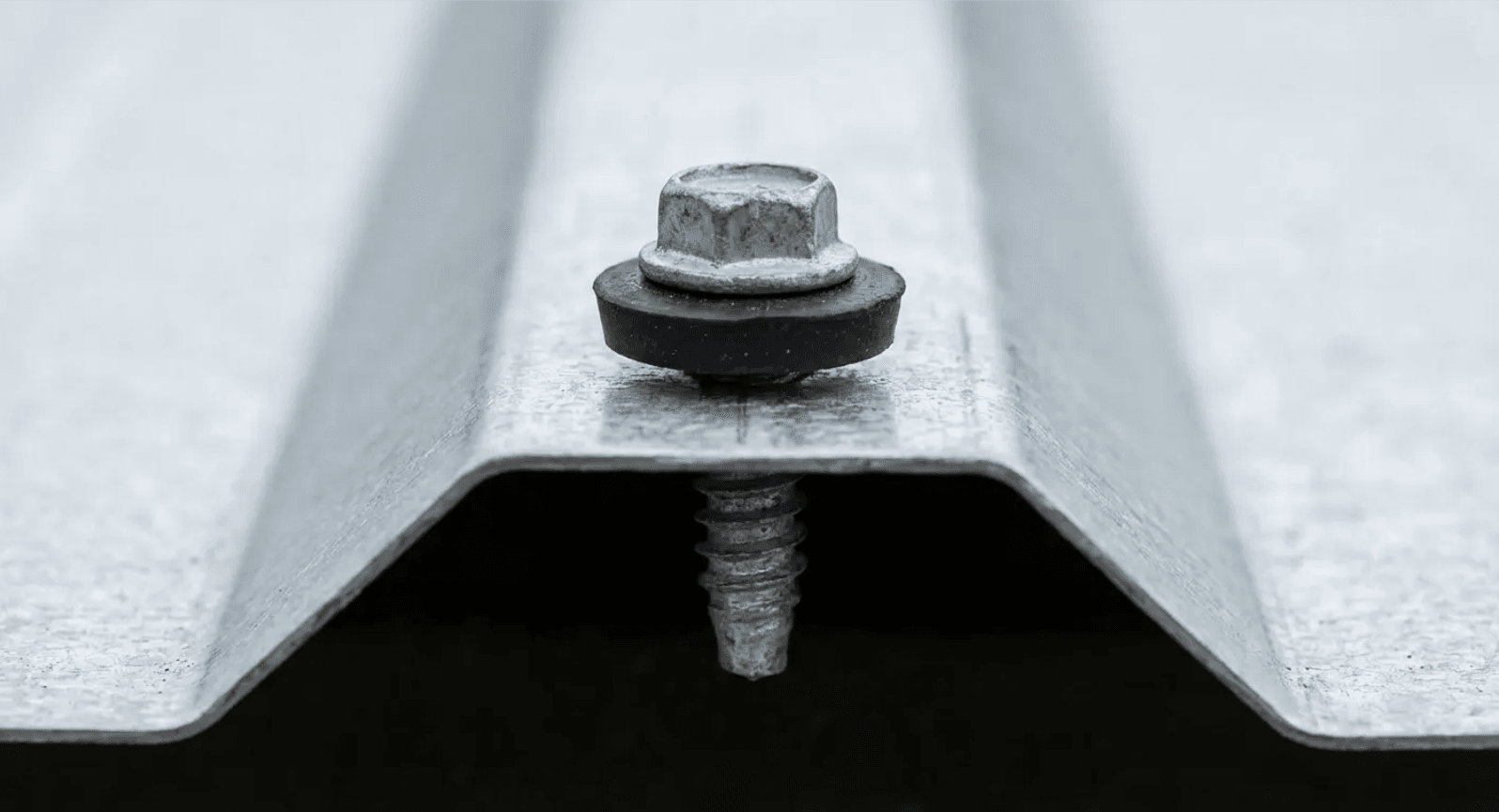
When contractors follow these guidelines and use quality fasteners with EPDM or neoprene washers, the fasteners typically outlast the marketing claims against them.
UV exposure does degrade washers over time, which is why fastener inspection becomes necessary 15-20 years into your roof's life. This is a maintenance requirement that standing seam doesn't have, which is a legitimate advantage for concealed fastener systems. I'm not gonna pretend otherwise.
The fastener exposure "problem" is really an installation quality problem that becomes a maintenance consideration later. If you're in an area where contractors consistently install corrugated roofing properly, the exposed fasteners perform adequately. If your area has a lot of rushed installations by contractors who treat metal roofing as a side service, the fastener problems become real and frequent.
You can't eliminate the fastener exposure factor with corrugated, but you can dramatically reduce its impact by choosing a contractor who understands proper installation techniques. That might mean paying more for installation than the lowest bid, which narrows the cost advantage of corrugated but still keeps it below standing seam pricing.
There's a warehouse in Phoenix that's been there since 2003 with corrugated metal. Owner had it inspected a couple years back, and most of the fasteners were fine. Some needed replacing, cost him under a grand. Twenty years in, and the roof's still good. Could probably go another fifteen if he keeps up with it. Compare that to what standing seam would've cost upfront (we're talking thousands more) and corrugated made total sense for him.
Expansion and Contraction: Where Theory Meets Your Actual Climate
Metal expands when it heats up and contracts when it cools down. You already know this, and you've probably read that standing seam handles this movement better than corrugated.
That's technically accurate but practically less important than most sources suggest, depending on where you live.
Standing seam systems use clips that allow panels to move independently as they expand and contract. The panel slides within the clip, which means thermal movement doesn't stress the fasteners or create tension in the metal. This is a genuine engineering advantage.
Corrugated metal uses fixed fasteners, which means the panel can't move freely. In theory, this creates stress points at fasteners and can lead to fastener failure or panel distortion over time. In practice, this matters significantly in some climates and barely registers in others.
You live in a climate with large daily temperature swings (desert regions, high altitude areas, or continental climates with hot days and cool nights)? The expansion and contraction cycles are frequent and significant. Corrugated roofing in these conditions experiences more stress at fastener points, which can accelerate fastener wear. Standing seam's movement accommodation provides real performance benefits here.
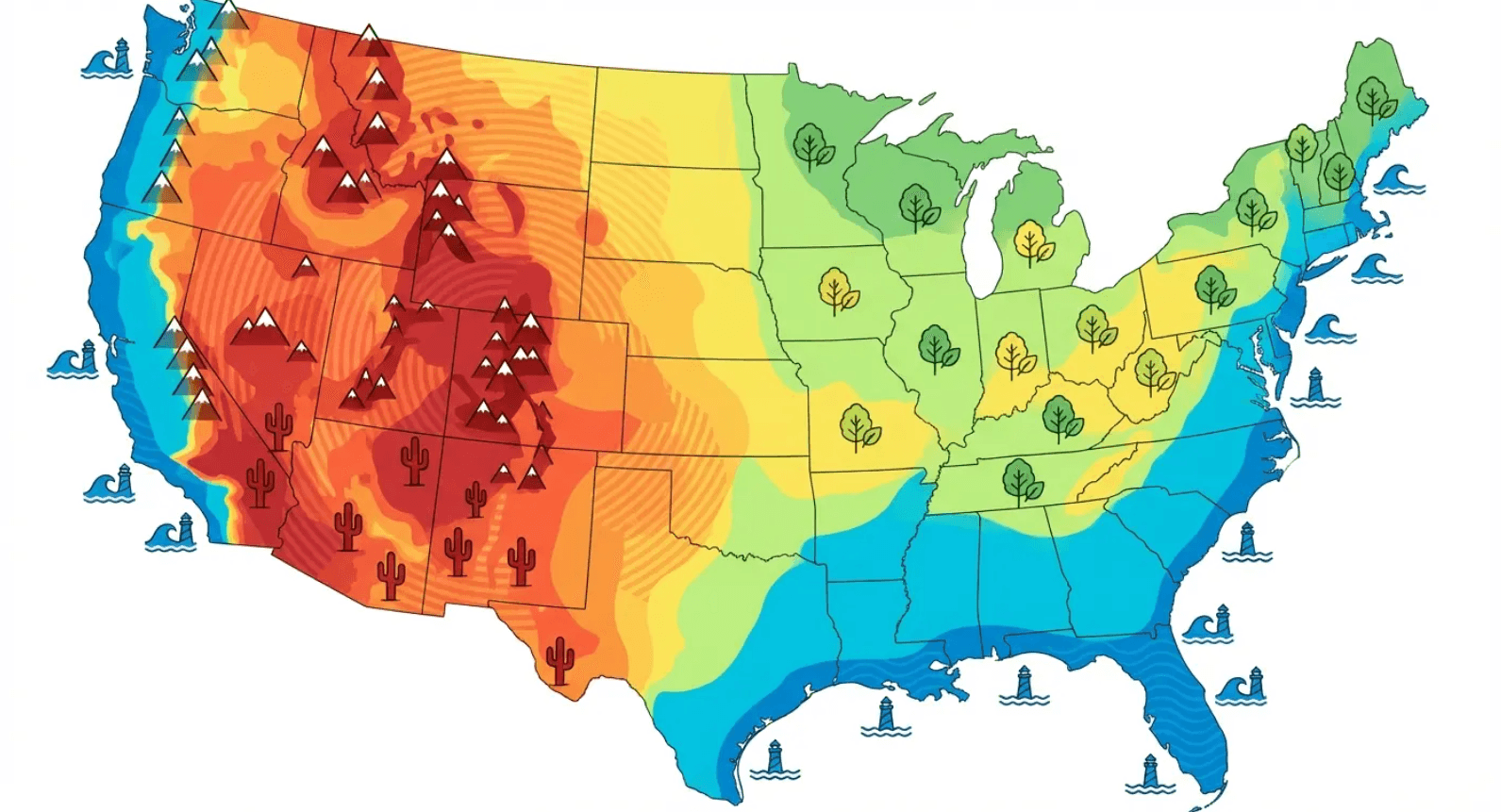
Your climate has moderate temperatures without extreme swings (coastal areas, temperate zones, or regions with consistent seasonal temperatures)? The thermal movement is less dramatic, and corrugated roofing handles it without significant issues. The standing seam advantage still exists but doesn't translate to noticeably different real-world performance.
Roof color affects expansion rates more than most homeowners realize. Dark-colored metal roofing absorbs more heat and experiences greater expansion than light-colored roofing. If you're set on a dark corrugated roof in a hot climate, you're amplifying the thermal movement challenge. A light-colored corrugated roof in the same climate experiences less movement and performs closer to standing seam in thermal stress management.
Panel length also matters. Longer panels experience more total expansion (a 30-foot panel expands more than a 10-foot panel with the same temperature change). Residential roofs typically use shorter panel runs than commercial buildings, which reduces the expansion differential between standing seam and corrugated.
Evaluate this factor based on your specific climate conditions and roof characteristics, not on generic advice that treats all installations the same. If you're in Seattle, this barely matters. If you're in Phoenix, it matters a lot.
The architectural community has recently embraced corrugated metal roofing in temperature-variable climates. According to Dezeen's 2025 roundup, corrugated metal roofs have "recently proven popular among both architects and Dezeen readers" across diverse climate zones from Ireland to Scotland to Norway, demonstrating that when properly specified and installed, corrugated systems perform reliably even in regions with significant seasonal temperature variations and challenging weather conditions.
When Roof Pitch Makes Your Panel Choice for You
Your roof pitch might eliminate corrugated metal as an option before you even compare costs or features.
Corrugated metal roofing requires a minimum pitch of 3:12 (three inches of vertical rise for every twelve inches of horizontal run) for most manufacturers and building codes. Some manufacturers allow 2:12 with specific underlayment requirements, but many contractors won't install corrugated below 3:12 regardless of what the manufacturer permits.
Water drainage becomes problematic on low-slope roofs. Corrugated panels rely on gravity and pitch to move water off the roof quickly. On low slopes, water moves slowly and can potentially work its way under panel overlaps or around fasteners through capillary action. The exposed fasteners become more vulnerable to water infiltration when water isn't draining quickly.
Standing seam metal roofing can be installed on pitches as low as 1:12 (and sometimes even lower with specific systems designed for low-slope applications). The concealed fastener system and taller panel ribs create better water resistance on low slopes. This doesn't mean standing seam is ideal on very low pitches, but it remains functional where corrugated isn't suitable.
If your roof pitch is below 3:12, you're not choosing between standing seam and corrugated. You're either installing standing seam or considering different roofing materials entirely. End of discussion.
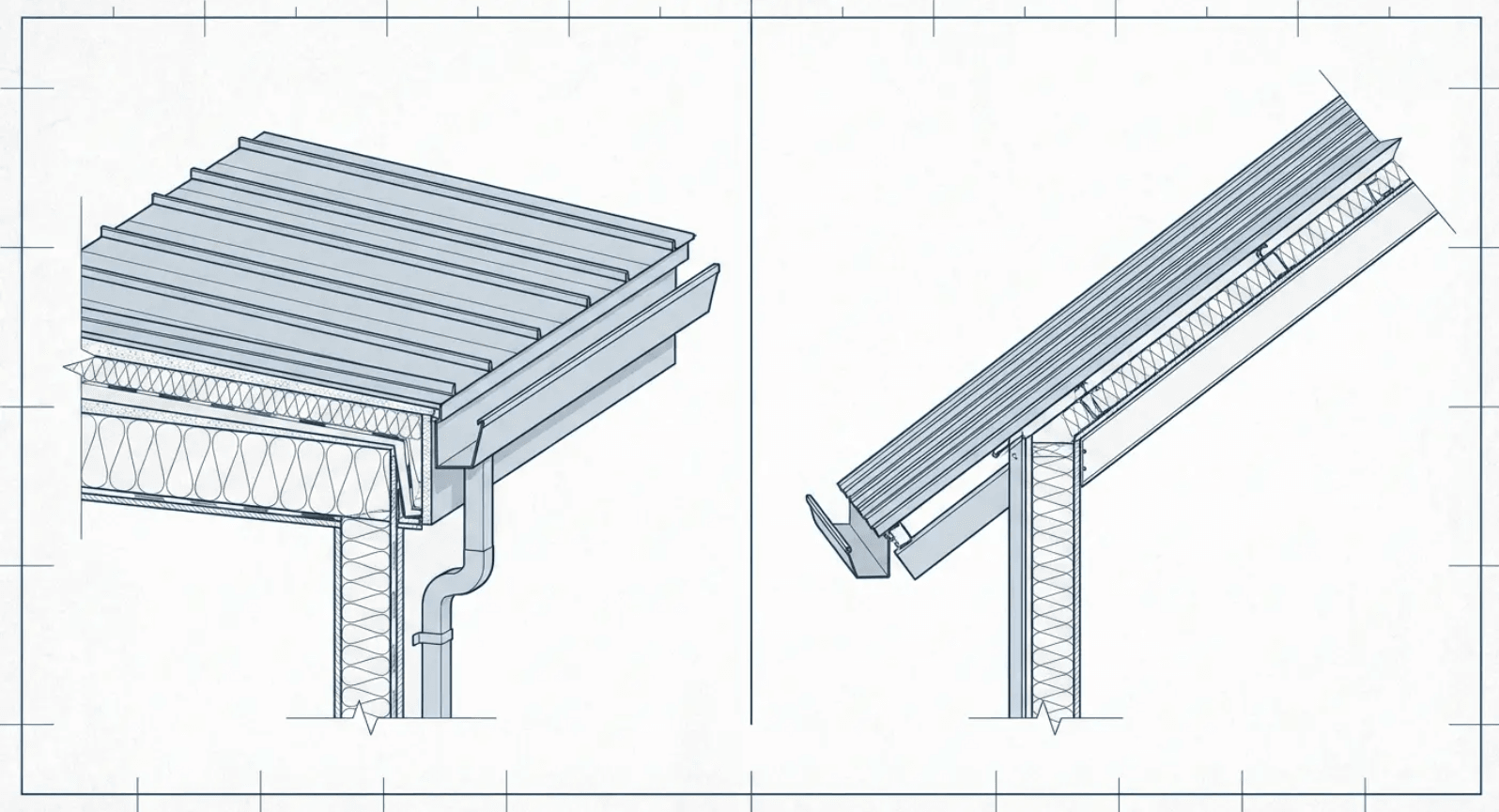
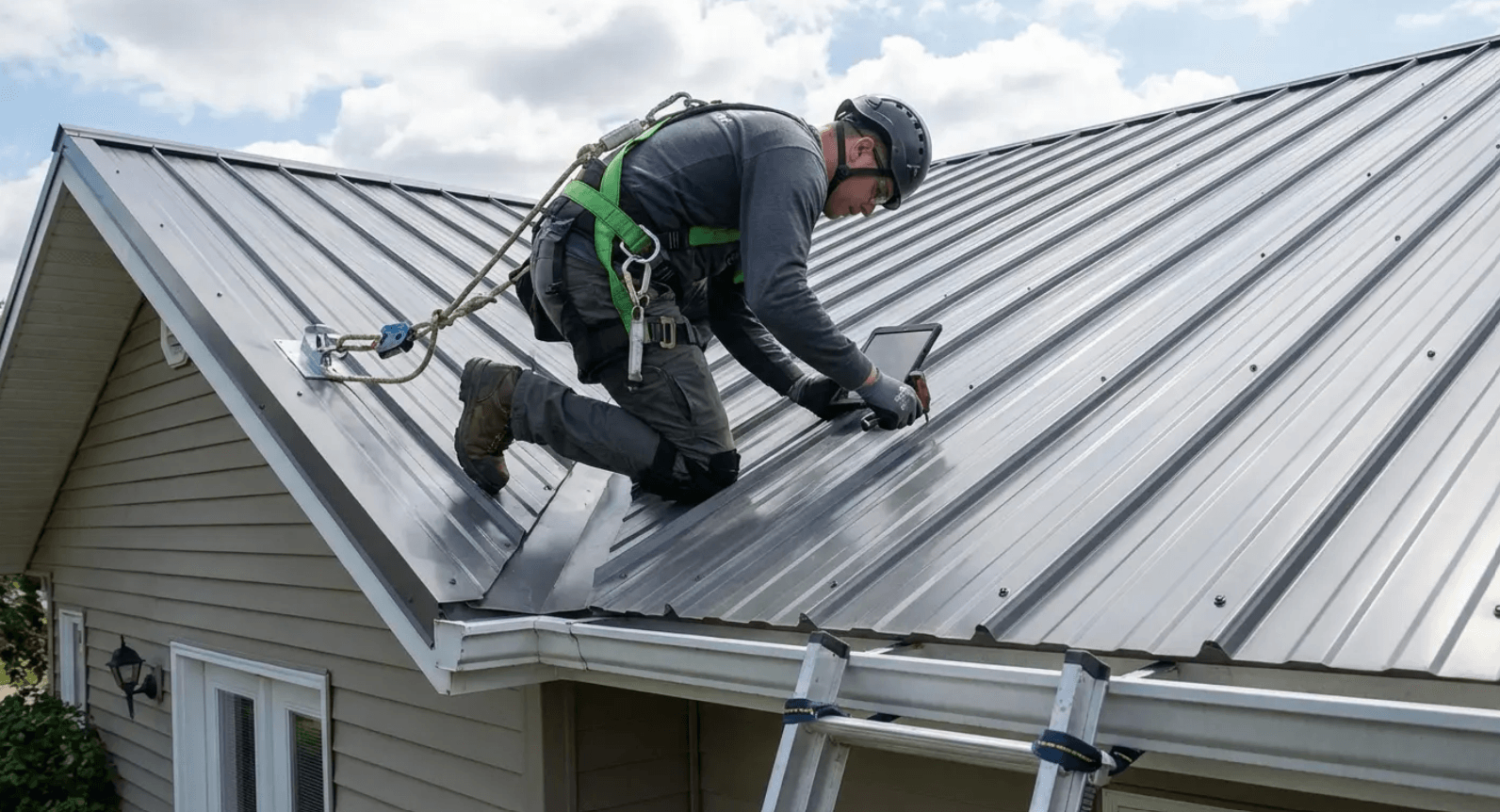
Roof pitch also affects installation difficulty and cost for both systems. Steeper roofs (8:12 and above) require additional safety equipment, slower work pace, and more careful material handling. This increases labor costs for both standing seam and corrugated, but the percentage increase is similar for both systems. The pitch-related cost increase doesn't typically change which system makes more financial sense for your situation.
Contractors sometimes refuse corrugated installations on roofs that technically meet the minimum pitch requirements. A 3:12 pitch might be acceptable per manufacturer specs, but a contractor who's seen water issues on borderline installations may decline the work or strongly recommend standing seam instead. They're not being difficult. They're avoiding a warranty claim situation where the installation was technically correct but still developed problems.
Measure your roof pitch before you get too invested in comparing panel styles. You might not have a choice to make.
The Retrofit Reality: What Your Existing Structure Demands
Your existing roof structure might be making this decision for you, even if your pitch is adequate for both systems.
Standing seam installation typically requires solid decking or closely spaced purlins to support the clips and panels properly. If your existing structure has wide purlin spacing designed for a different roofing material, you're either installing new decking (adding significant cost) or choosing corrugated instead.
Corrugated metal can span wider distances between supports because the corrugations themselves add structural rigidity to the panel. This makes corrugated more adaptable to existing structures that weren't designed for metal roofing. You might still need to add some structural support, but the requirements are less stringent than standing seam.
Before you commit to either system, you need to assess your building. What year was it built? What's the current roofing material? When was the last roof replacement? Are there known structural issues?
Measure your purlin or rafter spacing. Check your decking type (plywood, OSB, skip sheathing, or none). Measure decking thickness. Assess decking condition honestly (excellent, good, fair, poor, or requires replacement).
Calculate whether your existing dead load capacity can handle the proposed metal roof weight. Determine if additional support is required. Figure out if you need an engineer consultation.
Consider retrofit specifics. Is tear-off required? Is ventilation adequate? Are moisture barriers present? What code compliance issues might you face?
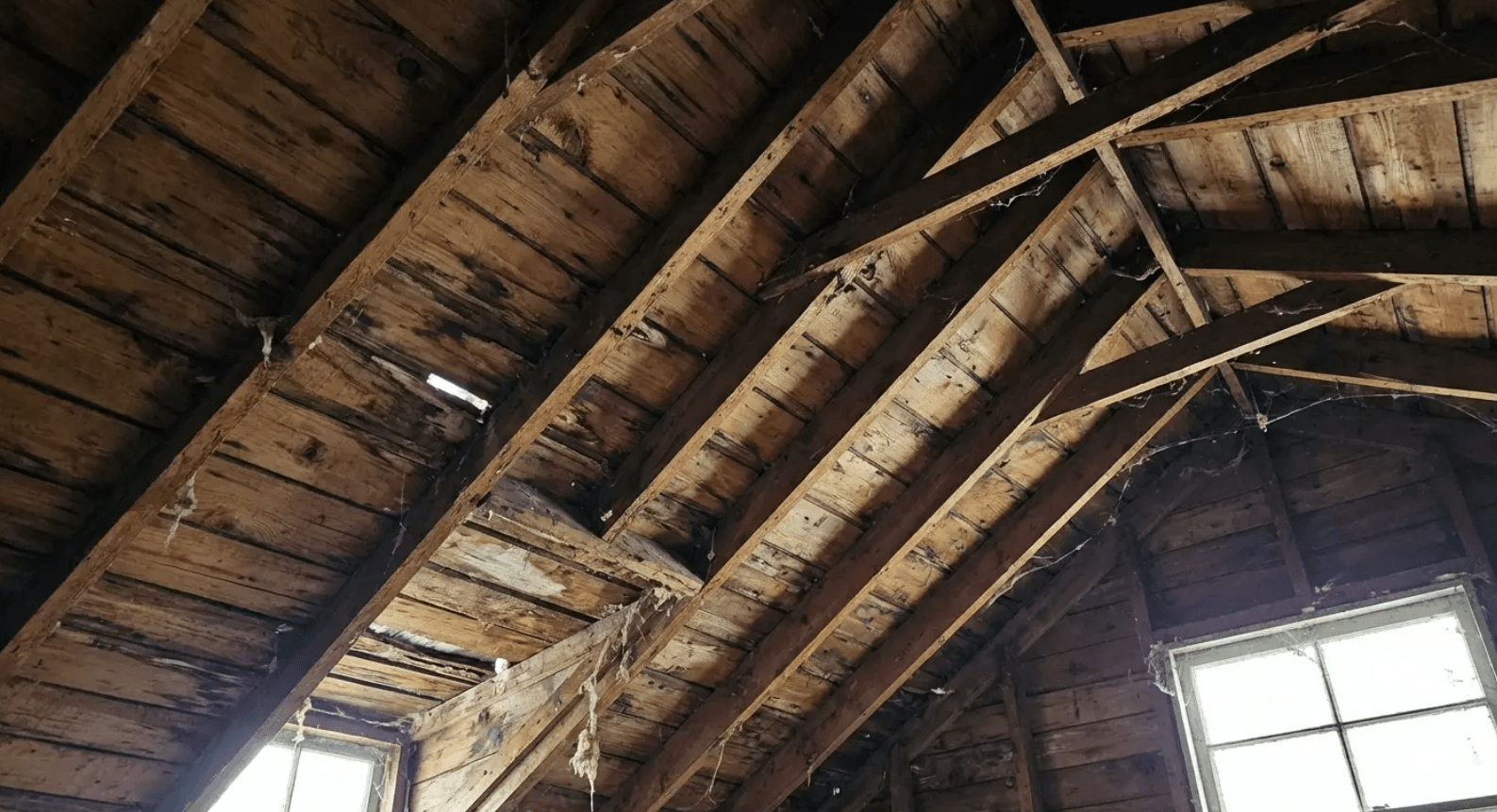
Retrofit installations over existing shingle roofs present different considerations. Some contractors will install corrugated metal over existing shingles (with proper ventilation considerations), which saves the tear-off cost. Standing seam installations almost always require complete tear-off to existing decking because the clip system needs solid, even attachment points. That tear-off and disposal adds $2,000-$4,000 to your project cost.
Building age affects this decision too. Older structures might have decking that's deteriorated in spots or isn't consistently level. Standing seam's installation requirements are less forgiving of decking imperfections. Corrugated installation can work around minor decking issues more easily, though significant problems still need addressing regardless of which system you choose.
Weight considerations matter for some structures. Standing seam systems are generally lighter than corrugated (depending on gauge), but both are significantly lighter than asphalt shingles or tile. If your structure has weight limitations, you're probably fine with either metal system, but it's worth having an engineer verify if your building is older or has known structural concerns.
Local building codes sometimes specify requirements that favor one system over the other. Coastal areas with high wind requirements might have specific fastener schedules that make corrugated installation more complex and expensive, narrowing the cost gap with standing seam. Fire-rated requirements in wildfire zones might affect which coatings and installation methods are permitted.
Walk your attic or look at your existing roof structure before you commit to a panel style. What's underneath might be more important than what goes on top.
Metal roof retrofits are expanding across diverse markets. J&E Roofing Solutions recently announced expansion (Providence Journal, 2025) of metal roofing services in Shell Knob, Missouri, specifically highlighting how "proper ventilation assessment, substrate preparation, and precise fastening techniques critical for metal roof performance" differ based on existing structure conditions, with the company noting that retrofit projects often require customized approaches depending on what substrate and support systems are already in place.
Maintenance Timelines Nobody Talks About
Both systems need maintenance. The question is when, how much, and whether you can do it yourself.
Standing seam roofing requires minimal maintenance for the first 20-25 years in most installations. You're looking at periodic inspections (which you should do for any roof), gutter cleaning, and checking that no debris has accumulated in valleys or behind penetrations. The concealed fasteners don't need replacement, and the panels themselves don't require intervention unless they're damaged by falling branches or other external impacts.
Around the 25-30 year mark, you might need to address coating degradation depending on your climate and the coating system used. This isn't a full roof replacement, but it is a maintenance expense. Some standing seam roofs go 40+ years before needing coating attention, particularly in moderate climates without extreme UV exposure.
Corrugated metal roofing needs fastener inspection around the year 15-20. This involves checking that washers haven't degraded, fasteners haven't worked loose, and no leaks have developed at fastener points. Some fasteners will likely need replacement, though rarely all of them. You're paying for contractor time to inspect and replace fasteners, which runs $1,500-$3,000 for an average residential roof.
Can you do this fastener inspection yourself? Technically yes, if you're comfortable on your roof and know what to look for. Realistically, most homeowners hire it out because identifying which fasteners need replacement requires experience, and you're already paying for someone to be on the roof, so you might as well have them replace questionable fasteners while they're there.
Panel cleaning applies to both systems. Metal roofing in humid climates or areas with significant tree cover can develop algae, moss, or staining. This doesn't affect performance but does affect appearance. Cleaning frequency depends entirely on your environment and aesthetic standards. Some homeowners never clean their metal roof. Others do it every few years. The process is similar for both standing seam and corrugated.
Sealant maintenance around penetrations (vents, chimneys, skylights) applies to both systems equally. Sealants degrade over time regardless of your panel style. Expect to address sealant every 10-15 years, though quality sealants in moderate climates can last longer.
The maintenance timeline difference is real but not as dramatic as marketing materials suggest. Standing seam reduces one specific maintenance task (fastener replacement) but doesn't eliminate roof maintenance entirely. Corrugated adds that fastener maintenance window but doesn't require constant attention between installation and that inspection point.
Factor the fastener inspection cost into your long-term budget if you choose corrugated, but don't assume standing seam is maintenance-free. Neither system is.
A homeowner on the North Carolina coast installed corrugated metal roofing on their beach house in 2005.
They did annual visual inspections themselves, checking for loose fasteners and obvious wear. At year 18, they hired a metal roofing contractor for a comprehensive fastener assessment. The contractor found that about 12% of fasteners showed washer degradation from salt air and UV damage. Replacement cost was $2,100. The homeowner calculated that even with this maintenance expense, their total cost of ownership remained $8,000 less than a standing seam installation would have cost upfront, and the roof still had an estimated 15+ years of life left.
Making the Decision Based on Your Installer's Skill Set
You've researched the systems. Now research who's actually gonna install them.
The contractor vetting process should include specific questions about their experience with the system you're considering. How many standing seam roofs has this crew installed in the past year? Do they own their seaming equipment or rent it? Can they provide references for similar roof complexity to yours?
For corrugated installations, ask about their fastener installation process. Do they use torque-limiting drill settings? What fastener brand and washer type do they prefer, and why? How do they handle fastener placement on complex roof sections?
A contractor who's installed fifty corrugated roofs and three standing seam roofs will likely give you a better corrugated installation than standing seam, even though standing seam might be the "better" system technically. Their expertise, efficiency, and problem-solving ability will be stronger on the system they know well.
You can identify contractor expertise level by their answers to technical questions. A skilled standing seam installer will talk about thermal movement accommodation, proper clip spacing for your climate, and how they handle panel termination at complex roof features. They won't just say "we install it according to manufacturer specs" (though that's important too). They'll have specific opinions based on experience.

A skilled corrugated installer will discuss fastener torque, washer compression, and how they adjust installation technique based on panel gauge and roof pitch. They'll have opinions about fastener brands based on performance, not just price. If they can't articulate why they prefer one fastener over another, that's a red flag.
The contractor's warranty matters more than the manufacturer's warranty in many cases. Manufacturer warranties cover material defects, which are relatively rare with quality metal roofing. Installation defects cause most metal roofing problems. A contractor who offers a comprehensive workmanship warranty (10+ years) is confident in their installation quality. A contractor offering minimal workmanship coverage might be pricing aggressively but leaving you exposed to installation-related problems.
Get multiple quotes, but don't choose based solely on price. The lowest bid often comes from the contractor with the least metal roofing experience, which means you're saving money upfront and gambling on installation quality. The highest bid might include unnecessary extras or reflect a contractor who's not competitive in the market. Middle-range bids from contractors with strong references and clear expertise usually provide the best value.
If you're torn between systems and your top contractor clearly excels at one over the other, that should influence your decision. A perfectly installed corrugated roof will outperform a mediocre standing seam installation, despite standing seam's technical advantages. I've seen this play out too many times.
Your research into panel types matters, but your research into installers matters more. Find someone who knows what they're doing first, then let them guide you on which system makes sense for your specific roof.
Final Thoughts
Look, both systems work. I've seen 40-year-old corrugated roofs that look great and 10-year-old standing seam roofs with leaks. The difference? Installation quality.
When you're deciding between standing seam vs corrugated metal roof systems, standing seam offers genuine advantages in thermal movement accommodation, fastener protection, and reduced maintenance requirements. Corrugated provides real value in lower upfront costs, wider contractor availability, and adequate performance for many applications.
Neither system is universally better. Your roof pitch, existing structure, climate, budget, and available contractors all influence which system performs better in your specific situation.
Stop comparing panel specs and start comparing contractors. The best roofing system is the one installed by someone who knows what the hell they're doing. Find that person first, then let them tell you which system makes sense for your roof.
And if they're pushing one system super hard? Ask why. Good contractors can do both and will be honest about which one fits your situation. The sketchy ones only know one system and will convince you it's perfect for everything.
Don't be that customer.
Whether you choose standing seam vs corrugated metal roof systems, your long-term satisfaction depends more on installation excellence than panel profile selection. The comparison charts and technical specifications matter, but they assume perfect installation conditions that don't always exist. You're not choosing between theoretical systems. You're choosing between real installations done by contractors working on your particular building.
Prioritize finding a skilled installer who excels at the system you're considering. Ask technical questions, check references, and verify their experience level with your chosen panel style. The quality of installation will affect your roof's performance more than the inherent differences between standing seam and corrugated panels.

John Esh | CEO & Master Installer
- 25+ Years Experience: From ground crew to Master Certified Installer.
- Local Roots: Serving Lancaster, Harrisburg, and SEPA since 1991.
- Credentials: GAF Master Certified (ME27586); Licensed in PA (PA124258) & MD (#137952).
- The "Why":
Obsessed with "radical transparency" to remove the fear factor from home improvements.
James Wesser | Content Producer
- Background: Former local news digital producer and journalist.
- The Mission: Turning complex roofing jargon into clear, "fluff-free" answers for homeowners.
- Local Tie: When not filming on-site, he’s likely roaming Hersheypark or building digital worlds.