
What Are Those Black Streaks On Your Roof?
James Wesser
May 12, 2026

Lorem ipsum dolor sit amet

Lorem ipsum dolor sit amet, consectetur adipiscing elit. Sed do eiusmod tempor incididunt ut labore et dolore magna aliqua. 

If you have ever looked up at your roof and thought, “What are those black streaks running down my shingles?” you are not alone.


Around Lancaster, Harrisburg, York, Lebanon, and other parts of Central Pennsylvania, we see this all the time. A roof can still have life left in it, but those dark stains make it look older, dirtier, and a little like it joined the dark side.


Good news: black streaks on shingles are usually not a roof emergency.


The scientific name is
Gloeocapsa magma, which sounds like something that should be locked in a lab, but it is actually a common cause of roof staining. GAF describes these dark roof stains as tiny cyanobacteria, commonly known as blue-green algae, that can leave noticeable discoloration on shingles. 

What Causes Black Streaks On Roof Shingles?

Black streaks on roof shingles are usually caused by algae growth. This algae travels through the air, lands on the roof, and grows when the conditions are right.


And what conditions do algae like?

Moisture, shade, and time.


That is why you often see black streaks on:

  • North-facing roof slopes
  • Shaded areas under trees
  • Sections of the roof that stay damp longer
  • Homes with lots of tree coverage
  • Roof areas that do not get much direct sunlight


Here in Pennsylvania, we have plenty of damp mornings, humid summers, tree-covered neighborhoods, and shaded rooflines.  The dark color you see is not just “dirt.” CertainTeed explains that although the streaking is caused by blue-green algae, the streaks look black because the algae creates a dark protective sheath to help shield itself from the sun.


So yes, it is alive.


Cute? No.

Worth panicking over? Usually also no.

Is Roof Algae Bad For Your Roof?

In most cases, black streaks from roof algae are more of a curb appeal issue than an immediate roof damage issue.


That does not mean you should completely ignore it, but it also does not mean your shingles are being devoured overnight like some kind of roofing horror movie.


Blue-green algae can make your roof look older than it actually is. It can create dark stains, streaks, and blotches that stand out from the road. That can matter if you care about curb appeal, plan to sell your home, or simply do not enjoy your roof looking like it has been through a villain origin story.


But algae is different from moss and lichen. And that's important to know.


Is Roof Algae Bad For Your Roof?

Not everything growing on your roof is the same.


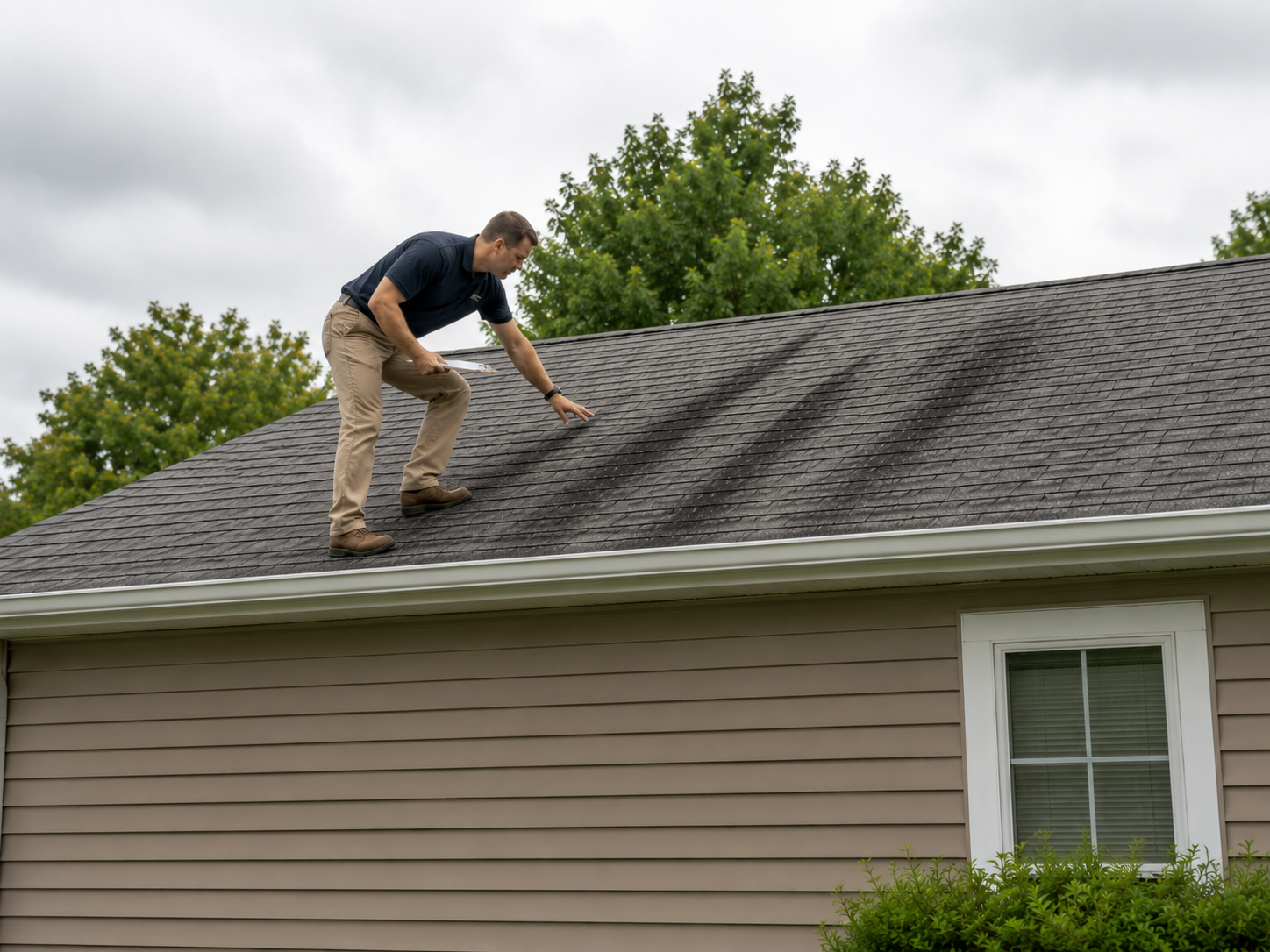
Roof algae usually shows up as flat black or dark brown streaks. It often runs down the roof in vertical staining patterns.


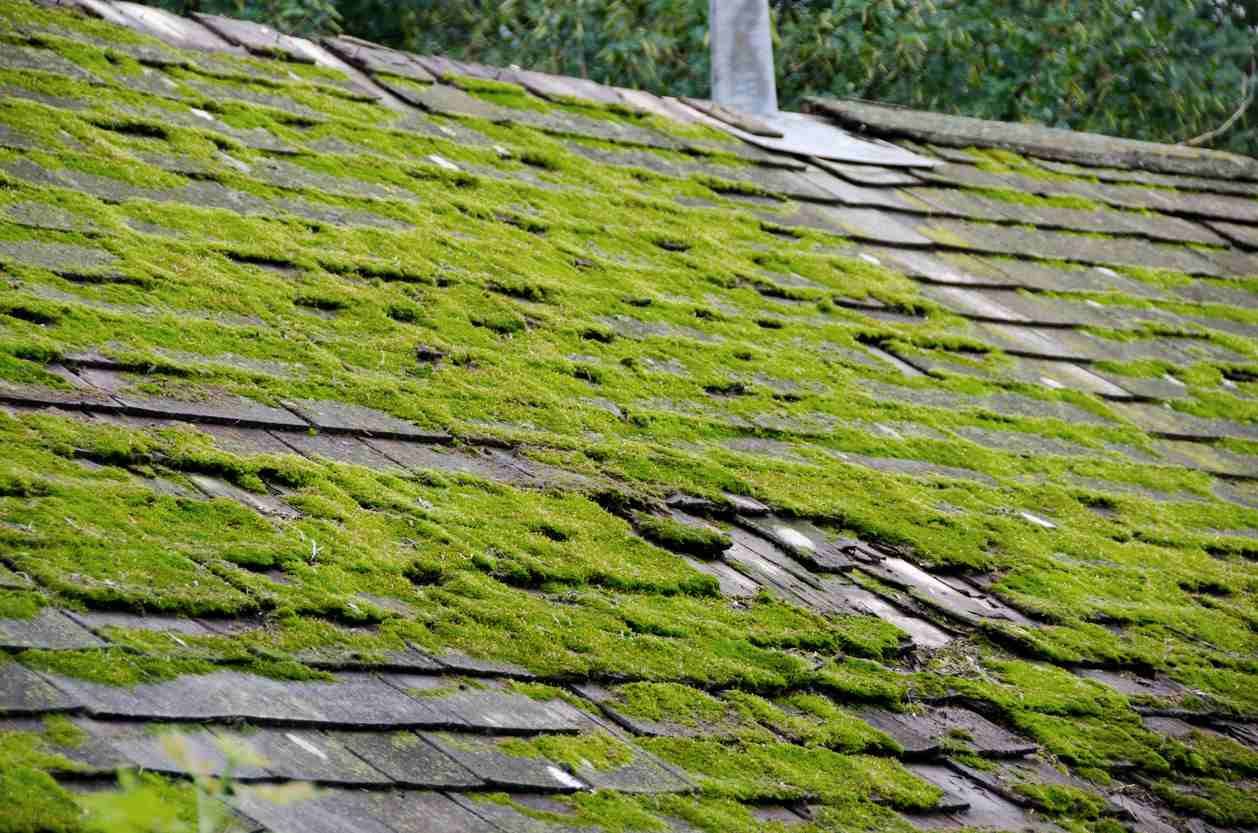
Moss usually looks thicker, greener, and raised. It can hold moisture against the shingles and grow between shingle edges.


Lichen often looks crusty, patchy, or almost glued to the roof surface.


Algae is usually more cosmetic. Moss and lichen can be more concerning because they may hold moisture, interfere with water flow, and make it harder for shingles to dry properly. House Beautiful recently noted that moss can grow in small roof crevices, push shingles apart, and trap moisture and debris under the roofing surface.


So if you are looking at flat black streaks, that may be algae.


If you are seeing thick green growth or crusty patches, that deserves a closer look.


And if you are not sure which one you have, do not guess from the driveway. Roof problems rarely come with name tags, which is rude but apparently standard.
Why Does Roof Algae Grow More On Some Homes Than Others?

Some homes are more likely to develop black roof streaks because of their surroundings.


A home in a shaded Lancaster neighborhood with mature trees may see roof algae faster than a wide-open home with full sun exposure. A north-facing roof slope in Harrisburg or York may show staining sooner than a south-facing slope because it dries more slowly after rain or morning dew.


Common causes of roof algae growth include:

  • Heavy tree coverage
  • Poor sunlight exposure
  • High humidity
  • Roof slopes that stay damp
  • Organic debris sitting on the shingles
  • Nearby homes with algae growth


Algae spores can travel through the air, so if several roofs in your neighborhood have black streaks, yours may eventually get them too. Unfortunately, algae does not respect property lines. Very inconsiderate.


Should You Pressure Wash Black Streaks Off Your Roof?

Please do not pressure wash asphalt shingles. This is one of the biggest mistakes homeowners make when trying to remove black streaks from a roof.


Pressure washing may remove the stains quickly, but it can also damage the shingles. Asphalt shingles are covered in protective granules. Those granules help protect the shingle from sunlight, weather, and wear. When high pressure water blasts across the roof, it can knock those granules loose. Once the granules are gone, the shingle surface is more exposed and may age faster.


The Asphalt Roofing Manufacturers Association specifically warns not to use a power washer, brush, or broom to clean algae from asphalt roofing because high-pressure washing can damage the roof surface.


Translation: the algae might be ugly, but pressure washing can be uglier.

Your roof is not a driveway. Do not clean it like one.


What Is The Right Way To Remove Roof Algae?

Roof algae should be treated gently with the right cleaning method, not blasted off with high pressure.


The Asphalt Roofing Manufacturers Association says algae discoloration can be lightened using an appropriate cleaning solution, and it also stresses that cleaning instructions can vary depending on the shingle manufacturer.


That last part is important.


Different shingles may have different cleaning guidelines. If your roof is still under warranty, you want to be careful about what gets sprayed on it and how it is applied.


A professional roof cleaner or roofer should use a low-pressure approach. The goal is to treat the organic growth without stripping granules, damaging shingles, or turning your roof into a slip-and-slide for adults making poor decisions.

How To Help Prevent Black Streaks On Your Roof

You cannot fully stop algae spores from floating through the air. If we could, we would also do something about spring pollen, but apparently, we are all just supposed to suffer. What you can do is reduce the damp, shaded conditions that help roof algae grow.


Trim Back Overhanging Trees

Roof algae loves shade and moisture. If branches are hanging over your roof, they can block sunlight, drop leaves, and keep shingles damp longer. You do not need to remove every tree near your home. Just keep branches from sitting on the roof or trapping moisture in the same areas year after year.


Keep Gutters And Roof Valleys Clear

Clogged gutters and debris-filled roof valleys can hold water where it does not belong. Leaves, sticks, and shingle grit can slow drainage and create damp areas that encourage algae, moss, and lichen. Clean gutters and clear valleys help your roof dry faster and shed water the way it should.


Watch The Shaded Side Of Your Roof

Black streaks often show up first on north-facing roof slopes or areas under heavy tree cover. Those sections usually get less direct sunlight and stay damp longer.

Take a quick look from the yard a few times a year. If flat black streaks start turning into thick green growth, crusty patches, or anything raised, it is time to have someone take a closer look.


Ask About Algae-Resistant Shingles

If you are already planning a roof replacement, ask about algae-resistant shingles. Many modern shingles are made with algae-fighting technology that helps reduce black staining over time. They will not make your roof invincible. This is roofing, not superhero armor. But they can help, especially on homes in shaded or moisture-prone areas of Central Pennsylvania.

When Should You Call A Roofer?

You should call a roofer if you are not sure what is growing on your roof.


That is the simplest answer.


Black streaks may be algae. Green growth may be moss. Crusty patches may be lichen. Dark staining may also be mixed with dirt, debris, or other roof issues.


You should especially schedule a roof inspection if:

  • The staining is spreading quickly
  • You see moss or lichen, not just flat streaks
  • You notice missing, curling, or lifted shingles
  • You see a lot of granules in your gutters
  • You have roof staining and an active leak
  • You are thinking about cleaning the roof
  • You are selling your home, and the roof looks older than it is

A good roofer should not just glance from the driveway and guess. They should look at the condition of the shingles, check for other signs of wear, and help you understand whether the issue is cosmetic or something that needs attention.

The Bottom Line: What Do Black Streaks On Your Roof Mean?

Black streaks on your roof are usually caused by blue green algae growing on asphalt shingles.


Most of the time, roof algae is more of an appearance issue than an emergency. It can make your roof look older, hurt curb appeal, and raise questions when you are trying to figure out whether your roof is healthy. But algae is not the same as moss or lichen. If the growth is thick, raised, green, crusty, or holding moisture against the shingles, it should be inspected.


The biggest thing to remember is this: Do not pressure wash asphalt shingles.

High-pressure water can remove protective granules and damage the roof surface. If you want black streaks cleaned, use a safe, manufacturer-appropriate, low-pressure method or talk to a professional.


Joyland Roofing can take a real look and give you a straight answer. If you see algae, moss, or anything else on your roof, click the button below to get in touch with our roofing experts.

FAQ: Black Streaks On Roof Shingles

  • What are the black streaks on my roof?

    Black streaks on asphalt shingles are usually caused by blue green algae, also known as Gloeocapsa magma. It often grows on shaded, damp areas of the roof and leaves dark streaks as it spreads.

  • Are black streaks on shingles bad?

    Most black streaks are more of a curb appeal issue than an immediate roof emergency. However, if the growth is thick, raised, green, or crusty, it may be moss or lichen instead of algae, and that should be inspected.

  • Can I pressure wash black streaks off my roof?

    No. Pressure washing asphalt shingles can knock loose the protective granules and shorten the life of the roof. A low-pressure, manufacturer-approved cleaning method is much safer.

  • Why does only one side of my roof have black streaks?

    One side of your roof may get less sunlight, especially if it faces north or sits under heavy tree cover. Those areas stay damp longer, which makes them more likely to grow algae.

  • How can I help prevent black streaks on my roof?

    You can help by trimming back overhanging trees, keeping gutters clear, removing debris from roof valleys, and asking about algae-resistant shingles when it is time for a roof replacement. These steps reduce the damp, shaded conditions algae loves.

John Esh | CEO & Master Installer

  • 25+ Years Experience: From ground crew to Master Certified Installer.
  • Local Roots: Serving Lancaster, Harrisburg, and SEPA since 1991.
  • Credentials: GAF Master Certified (ME27586); Licensed in PA (PA124258) & MD (#137952).
  • The "Why": Obsessed with "radical transparency" to remove the fear factor from home improvements.

James Wesser | Content Producer

  • Background: Former local news digital producer and journalist.
  • The Mission: Turning complex roofing jargon into clear, "fluff-free" answers for homeowners.
  • Local Tie: When not filming on-site, he’s likely roaming Hersheypark or building digital worlds.

Meet The Experts