
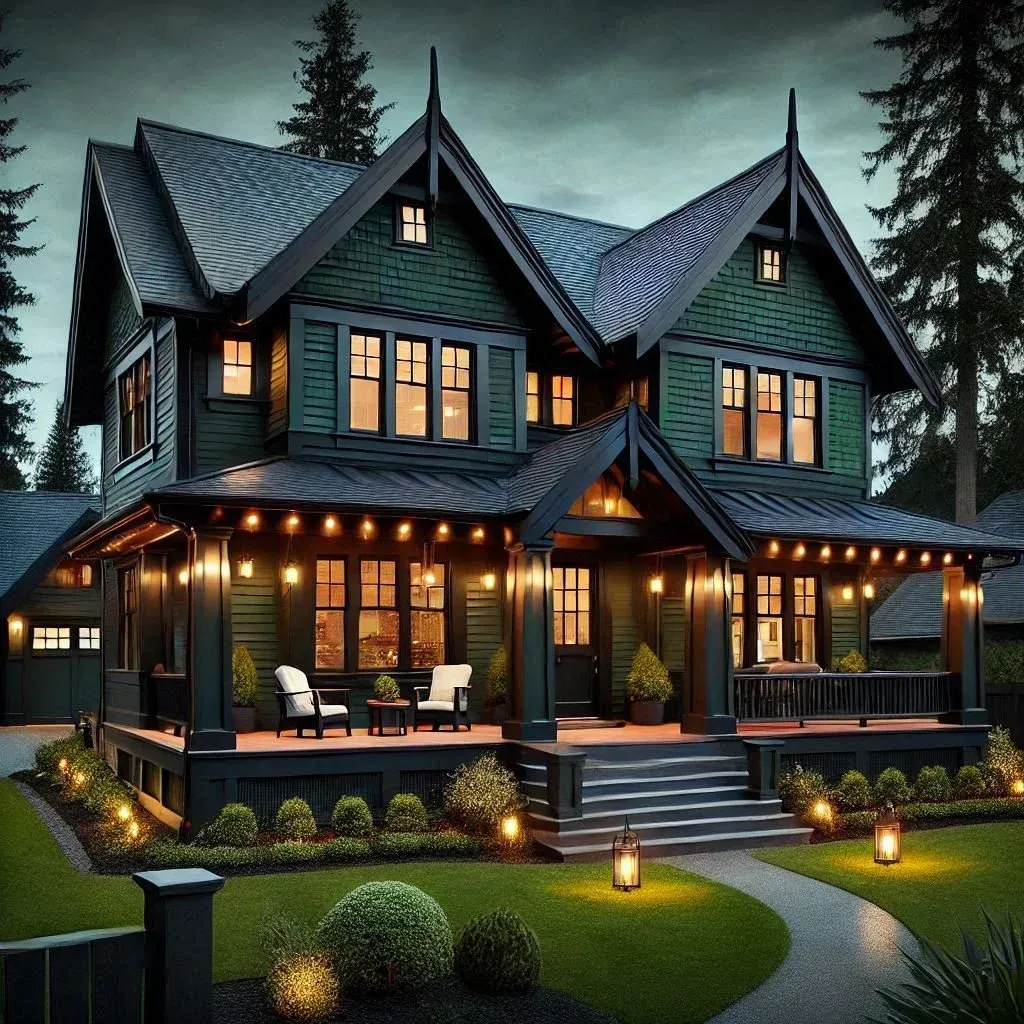
The Biggest Mistake Homeowners Make When Choosing Siding Colors
John Esh
May 11, 2026

Lorem ipsum dolor sit amet

Lorem ipsum dolor sit amet, consectetur adipiscing elit. Sed do eiusmod tempor incididunt ut labore et dolore magna aliqua. 

Before you pick a siding color because it looked good in one photo online, pause for just a second.

Choosing siding is not like painting a bedroom. You are choosing the color your house is going to wear beside the roof, around the windows, under the gutters, next to the landscaping, and in every family photo for the next couple of decades.


No pressure, right?


At Joyland Roofing, we help homeowners across Lancaster County, York County, Dauphin County, and other counties in South Central Pennsylvania think through exterior projects every day. And when it comes to siding colors, the biggest mistake I see is this:


Homeowners pick the siding color by itself. Joyland’s service area covers a wide stretch of southeastern and south-central Pennsylvania, including those counties.


That is where things can go sideways.


Your siding color should not be chosen in isolation. It needs to work with the whole exterior palette. That means the roof, trim, shutters, gutters, windows, doors, brick, stone, and even landscaping should all be part of the conversation.


Because the goal is not just to pick a color you like. The goal is to pick a color that actually works with your home.


Start With What Is Already On The House

The biggest mistake I see is picking the siding color first.


That sounds backwards, but your house already has a color palette before new siding ever shows up. Your roof has a color. Your brick or stone has undertones. Your windows, trim, garage door, shutters, gutters, soffit, fascia, and landscaping all have a say.


So instead of asking, “What siding color do I like?” start by asking, “What colors are already here?”


That one question can save you from a lot of regret.


Here is the practical version.

If your roof is brown, tan, weathered wood, rusty, or warm gray, warmer siding colors usually feel more natural. Think cream, taupe, beige, clay, warm white, greige, or earthy green.


If your roof is black, charcoal, slate, blue gray, or cool gray, cooler siding colors usually make more sense. Think soft gray, crisp white, deep blue, charcoal, or cooler greens.


LP SmartSide gives similar guidance when talking about beige and gray undertones. Beige is generally a warmer neutral and tends to pair better with brown or black roofs, brick, or warm stone. Gray is cooler and often works better with gray or black roofing.


That does not mean you cannot be creative. It just means the house is giving you clues. Do not ignore the clues.


The house is trying to help, which normally doesn't happen.


Use Contrast Without Starting A Color Fight

If everything is the same color, the house can look flat. If everything is fighting for attention, it can look like the house got dressed in the dark.


So let one color lead, and let the other colors support it. A simple way to think about this is the 60-30-10 rule.


CertainTeed’s ColorCoach explains this as a three-color balance where the dominant color, secondary color, and accent color each have a role. For a home exterior, that usually means siding, roofing, trim, and accents all need to work together instead of being picked randomly.


Here’s how I’d break it down:


  • Light siding with darker shutters can add definition.
  • Dark siding with lighter trim can keep the home from feeling too heavy.
  • Neutral siding with a bolder front door can add personality without making the entire exterior feel risky.
  • If the brick or stone is already bold, keep the siding calmer. Let the brick or stone be the feature instead of making the siding wrestle with it in the front yard.
  • A few combinations that usually make sense are:
  • Black roof, soft gray siding, white trim, and black shutters.
  • Brown roof, taupe siding, cream trim, and bronze or black accents.
  • Red brick, warm beige siding, off-white trim, and darker shutters.
  • Stone accents, neutral siding, simple trim, and a front door color that does not try to steal the whole show.


The danger zone is too many strong colors at once


Red brick, blue siding, green shutters, bright white trim, and a yellow door might all be nice colors by themselves. Together, they can feel busy fast.


And yes, gutters matter too.


Most of the time, gutters should blend with the trim or quietly follow the roofline. They do not need to become the main character.

Nobody has ever said, “You know what sold me on that house? The downspouts.”


Think About Pennsylvania Weather, Sun, And Fading

There are practical differences between light and dark siding.

Lighter colors reflect more sunlight. Darker colors absorb more light and heat.


The U.S. Department of Energy explains this same basic idea with roofing: reflective surfaces absorb less solar energy, while darker conventional surfaces can get much hotter in direct sun.


Now, I would not choose a siding color only because of energy efficiency. Insulation, windows, air sealing, roof ventilation, and the wall assembly all matter too. But color still plays a role, especially on walls that get strong afternoon sun day after day.


That matters here in Pennsylvania because our weather is not exactly gentle and predictable.


Translation: your siding has to deal with hot sun, humidity, wind, rain, freeze-thaw cycles, and whatever weird weather shows up on a Tuesday because Pennsylvania felt like freelancing.


Darker colors can also make fading more noticeable over time. That does not mean you cannot choose a dark siding color. Modern siding products have improved a lot, and some product lines are specifically designed to handle darker colors better. The Vinyl Siding Institute notes that certified vinyl siding is tested for color retention, with outdoor exposure testing used to verify durability.


So if you love a dark color, do not just ask, “Can I get this color?”

Ask better questions:


  • Is this product line made for darker colors?
  • What does the warranty say about fading?
  • Is this a standard color or an upgraded finish?
  • How does this color handle sun exposure?
  • Is this a good choice for the side of the house that gets blasted by afternoon sun?


The color matters.

The product behind the color matters too.

Be Careful With Trends

Trends are not bad. They can be useful. But siding is a big commitment.


Right now, a lot of homeowners are drawn to deeper greens, rich blues, warm grays, black windows, black accents, and darker siding colors. Some of those can look incredible on the right house.


The key phrase there is “on the right house.”


The question is not, “Is this popular right now?”


The better question is, “Does this fit my actual house?”


A deep green can look sharp with natural stone, black accents, or warm wood tones. A dark blue can look great with white trim and a black or charcoal roof. Black windows and a black roof can look clean and modern when the siding balances them out.


For example, on my own house, I have black windows and a black roof with off-white siding. That works because the black adds contrast, but the lighter siding keeps the whole house from feeling too dark or heavy.


That is the kind of balance you want. The best exterior colors have personality, but they still show restraint. A little flavor is great. Dumping the whole spice cabinet on the house is where things get dangerous.


Check The Product And Warranty Before You Fall In Love

Some siding colors and finishes come with different warranty terms.


That is worth knowing before you get emotionally attached to a color sample.

CertainTeed recommends looking at what a siding warranty actually covers, including manufacturing defects, color fading, hail damage, transferability, and installation requirements.


That matters because a pretty siding color is great.

A pretty siding color with the wrong product, wrong finish, wrong warranty, or wrong expectations is less great.


James Hardie says its ColorPlus Technology finishes come with a 15-year prorated limited warranty that covers paint and labor against peeling, cracking, and chipping. Their fiber cement products are also backed by a 30-year non-prorated limited substrate warranty.


The point is not that every homeowner needs the same brand or product.

The point is that the finish, warranty, and product line matter.


At Joyland, this is why we want homeowners to look beyond the little color square. The sample matters, but so does the material, the installation, the warranty, and how that product will hold up on your actual home.


Because nobody wants to find their dream siding color and then discover it brought a surprise bill as its plus one.

Look At The Sample The Right Way

Do not pick the final siding color from a tiny sample under showroom lighting if you can avoid it.


Take the sample outside.

Look at it in the morning.

Look at it in the afternoon.

Look at it in the shade.

Hold it beside the roof, brick, stone, trim, windows, and gutters.


A color that looks calm inside can look much brighter outside. A dark color that looks rich on a small board can feel much heavier once it covers the whole wall.

This is especially important in Pennsylvania neighborhoods where homes often have a mix of materials. You may have a black roof, cream trim, red brick, stone around the foundation, white windows, dark shutters, and landscaping that changes color throughout the year.


That is not a color palette.

That is a committee.


So your siding sample needs to stand in front of the committee before you approve it.


If you are stuck between two colors, put both samples against the house and take a few photos from the street.

Your eye will usually spot the better fit once you see the whole picture. And if you are choosing between a safer neutral and a bolder color, this step matters even more. The sample needs to work on your actual house, in your actual light, next to your actual roof and trim. Not just under store lights, where everything is weirdly flattering.

Ask About Upcharges Before You Commit

Some siding colors can cost more. Premium colors, darker colors, specialty colors, special order colors, and upgraded finishes can affect price. They can also affect lead time.


So before you fall in love with the fancy color sample, ask:


Is this a standard color or a premium color?

Is it a special order?

Does it require a different product line?

Does it affect the warranty?

Does it change the project timeline?

Does it change the final price?


Again, this is not about scaring you away from the color you want. It is about helping you make the decision with your eyes open.


Surprises are great for birthdays.


Not siding estimates.

Final Takeaway

If you are replacing siding, here are a few things you should take into consideration:


  • Do not pick the color in isolation.
  • Bring the roof, trim, shutters, gutters, windows, doors, brick, stone, and landscaping into the conversation.
  • Match the undertones of the existing colors first.
  • Choose the contrast second.
  • Then make sure the product, warranty, timeline, and price all make sense for what you are looking for.


That is how you choose a siding color that looks good now and still makes sense years down the road.

Because new siding should make your home look better. Not like it lost a bet with a color wheel.

Need Help Choosing Siding For Your Pennsylvania Home?

If you are thinking about replacing your siding, Joyland Roofing can help you look at the whole exterior, not just one tiny color sample.


We install fiber cement and vinyl siding for homeowners across south central Pennsylvania, from Lancaster and Lebanon to York, Harrisburg, and nearby communities.


We will help you think through the roof, trim, windows, gutters, brick, stone, color options, product choices, warranty details, and the overall look of your home.

Not “close enough.”

Not “Pinterest made me do it.”

Finished.


Click the button below to get started.


Frequently Asked Questions

  • What is the biggest mistake homeowners make when choosing siding colors?

    The biggest mistake is picking the siding color by itself. Your siding needs to work with the roof, trim, windows, shutters, gutters, brick, stone, and landscaping. A color can look great on a sample board and still look off once it is on the whole house.

  • Should my siding color match my roof?

    It does not need to match exactly, but it should coordinate with the roof’s undertone. Brown, tan, weathered wood, or warm gray roofs usually work better with warmer siding colors like cream, taupe, beige, clay, or greige. Black, charcoal, slate, or blue gray roofs usually work better with cooler siding colors like soft gray, white, deep blue, charcoal, or cooler greens.

  • What siding colors work best with red brick?

    Red brick usually works best with warmer, softer siding colors. Beige, cream, taupe, greige, warm white, and some earthy greens can work well. Very cool grays or stark whites can sometimes make red brick look more orange, so it is best to compare samples directly beside the brick before deciding

  • Are dark siding colors a bad idea?

    Not always. Dark siding can look sharp, especially with the right roof, trim, and windows. The practical thing to remember is that darker colors absorb more heat and can make fading more noticeable over time. If you love a dark color, ask whether the product line is designed for darker finishes and what the warranty says about fading.

  • How should I test siding colors before choosing one?

    Do not choose from a tiny sample under showroom lighting. Take the sample outside and look at it in the morning, afternoon, and shade. Hold it beside your roof, brick, stone, trim, windows, and gutters. A color that looks calm indoors can look much brighter once it is outside on the whole house.

John Esh | CEO & Master Installer

  • 25+ Years Experience: From ground crew to Master Certified Installer.
  • Local Roots: Serving Lancaster, Harrisburg, and SEPA since 1991.
  • Credentials: GAF Master Certified (ME27586); Licensed in PA (PA124258) & MD (#137952).
  • The "Why": Obsessed with "radical transparency" to remove the fear factor from home improvements.

James Wesser | Content Producer

  • Background: Former local news digital producer and journalist.
  • The Mission: Turning complex roofing jargon into clear, "fluff-free" answers for homeowners.
  • Local Tie: When not filming on-site, he’s likely roaming Hersheypark or building digital worlds.

Meet The Experts