
Roof flashing is the material that seals the joints between your roofing materials (shingles, slate, cedar shakes, etc.) and any walls, penetrations, and edges.
Roof flashing is a part of every roof system that protects the home from water penetration. On all sloped roofs, the roof flashing is most commonly made of metal, specifically aluminum, steel, and copper. On flat roofs with a membrane system such as rubber (EPDM), the flashing is made of pliable EPDM flashing, known as roof flashing tape.
While it’s best practice to install flashing with every roof system, this wasn’t always the case. Some homes with older roofs may have incorrectly installed flashing or may not have any flashing at all.
Where Is Flashing on a Roof?
Roof Flashing is placed on the most vulnerable areas of your roof that are subject to leaking. These areas include shingles going up against a:
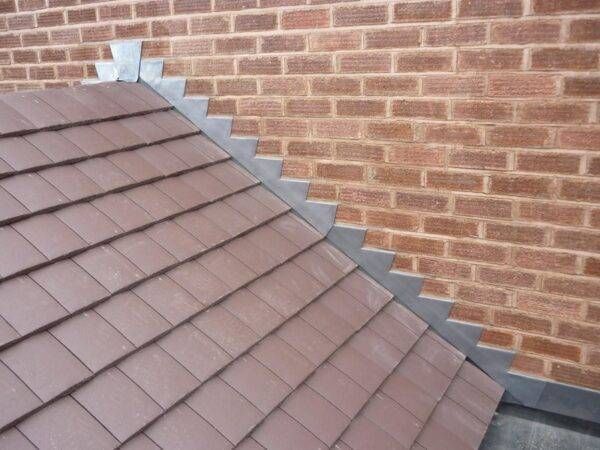
- Wall
- Chimneys
- Open Valley
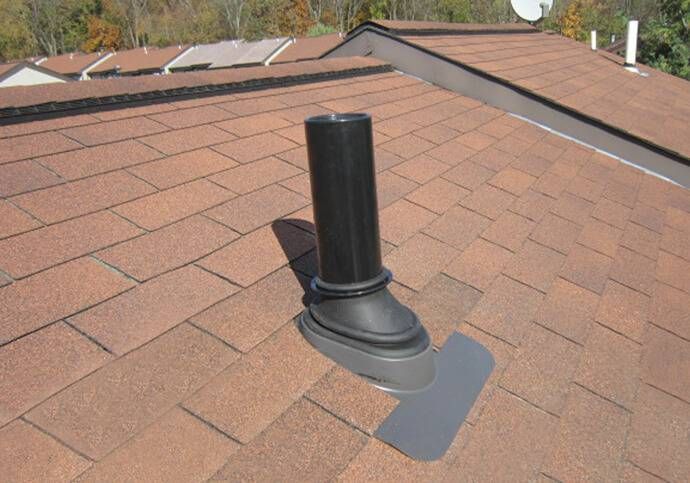
- Pipe Boots
When Do I Need to Replace My Flashing?
It’s too common for many roofing companies to not replace the roof flashing when they replace the shingles on your home, and that is totally okay
What is most important is that during the roof inspection, they determine the remaining life span of the flashing and replace as needed, like Joyland Roofing does.
Replacing your roof does not necessarily mean that the roof flashing will also be replaced. The most common flashing material on a steep roof is aluminum. Since aluminum does not rust/corrode, the wall flashing can usually be reused.
Because of how wall flashing is often installed behind siding, it’s not always possible to replace it without also replacing the siding.
Regardless of the difficulty, we always inspect the flashing carefully, looking for torn and damaged pieces. These pieces get replaced so we’re sure the roof system is 100% watertight. If the flashing is rusted (steel), it should be replaced.
The Types of Flashing That Should Always Be Replaced with the Roof
- Skylights – we recommend replacing the entire skylight with the roof (see skylight post), but at a minimum, the flashing around the skylight must be replaced.
- Pipes – Standard pipe flashing, or pipe boots, usually don’t last much beyond 20 years and so must be replaced with the roof. At Joyland we offer the Ultimate Pipe Boot, which is a lifetime product that doesn’t deteriorate like other pipe boots.
- Chimneys – Chimney flashing is critical and should be replaced.
- Valleys – Valley flashing will be damaged while the old roof is being removed, so this should always be replaced.
How Do I Know If My Flashing Needs Replaced?
You’ll want to identify any signs of aging. These vulnerabilities can lead to larger and more complicated problems in the future. Some clear indicators that you’ll need to install new flashing with your roof replacement:
- Rust
- Holes or indentions
- Surrounding shingles are lifted
Talk to Joyland Roofing
Flashing installation is included in our roof replacement quotes! Our expert inspectors confirm the best roofing solution for your home or business.
👉 Ready to talk to a sales consultant? Fill out the contact form here.

John Esh | CEO & Master Installer
- 25+ Years Experience: From ground crew to Master Certified Installer.
- Local Roots: Serving Lancaster, Harrisburg, and SEPA since 1991.
- Credentials: GAF Master Certified (ME27586); Licensed in PA (PA124258) & MD (#137952).
- The "Why":
Obsessed with "radical transparency" to remove the fear factor from home improvements.
James Wesser | Content Producer
- Background: Former local news digital producer and journalist.
- The Mission: Turning complex roofing jargon into clear, "fluff-free" answers for homeowners.
- Local Tie: When not filming on-site, he’s likely roaming Hersheypark or building digital worlds.