March 30, 2026
Roof Inspection Cost: What Your Quote Isn't Telling You (And Why That Matters)
Author
Most homeowners start researching roof inspection cost expecting a simple number. But here’s the truth: the price alone tells you almost nothing about what you’re actually getting - or what it could end up costing you later.
Because just like with different types of houses, not all roofs (or inspections) are created equal. A flat roof on a modern build, for example, demands a completely different inspection approach than a steep residential system. And those differences directly impact not just the cost - but the accuracy, documentation, and long-term value of the inspection itself.
What most people don’t realize is that you’re not paying someone to “take a look.” You’re paying for expertise, liability, and the quality of information you’ll use to make expensive decisions later. In fact, the real cost isn’t the inspection - it’s what happens if the inspection misses something critical or fails to give you clear next steps .
If you want a deeper breakdown of what goes into pricing (and why cheaper isn’t always better), check this out guide.
Because when it comes to roof inspection cost, the smartest move isn’t finding the lowest quote - it’s understanding exactly what that quote is (and isn’t) buying you.
Table of Contents
- TL;DR
- The Hidden Economics Behind Every Roof Inspection Quote
- Why Most Homeowners Are Asking the Wrong Question About Price
- What You're Actually Paying For (Beyond the Guy on Your Roof)
- The Inspection Methods That Justify Different Price Points
- When a "Free" Inspection Costs You More in the Long Run
- How Your Roof's Characteristics Change What You'll Pay
- The Regional Price Variables No One Talks About
- What Happens After the Inspection (And Why That's the Real Cost)
- Making Your Inspection Investment Work Harder for You
TL;DR
- Inspection costs reflect liability transfer, not just labor. You're paying for professional accountability and insurance protection
- Free inspections come with strings attached that limit your options and inflate repair costs
- Your roof's accessibility, pitch, and material type impact pricing more than square footage alone
- The inspection method matters. Visual-only assessments miss critical issues that infrared or moisture detection would catch
- Regional licensing requirements, insurance mandates, and weather patterns create legitimate price variations across markets
- The real cost isn't the inspection itself but the decision-making framework it provides (or fails to provide)
- Documentation quality determines whether your inspection becomes a negotiating asset or a forgotten PDF
The Hidden Economics Behind Every Roof Inspection Quote
That $275 quote you got for a roof inspection? It seems random, right? Like the contractor just threw a dart at a board.
But here's what nobody tells you: they're not charging you to climb on your roof. They're charging you to take legal responsibility for what they might miss.
Big difference.
According to data from Recon Roof, roof inspection costs are projected to rise in 2026 due to increases in labor, technology, and material costs, making it even more important to understand what you're paying for today. The number you see on that estimate isn't arbitrary. It's built on specific economic factors that most contractors won't explain (and some don't fully understand themselves).
So what are you actually paying for? Professional liability insurance, licensing fees, equipment depreciation, and the contractor's assumption of risk all factor into that final number. The cheapest option signals corners being cut in areas you can't see. Areas that matter when something goes wrong.
Look, what separates a $150 inspection from a $500 one? Sometimes it's greed or inflated marketing budgets. But more often, it's legitimate differences in what you're receiving and who's protecting you if the assessment proves wrong.
The Insurance Factor You're Subsidizing (Whether You Know It or Not)
Every roofing professional who steps onto your property carries liability insurance that costs thousands annually. That premium gets calculated into every service they offer.
When a roofer falls through a weak spot they should've identified, or when their assessment misses damage that leads to interior water intrusion, their insurance covers the fallout. You're paying for that protection. The inspection fee includes a portion of their annual insurance cost, prorated across every job they complete.
Companies with higher coverage limits (which means better protection for you if something goes wrong) pay steeper premiums. And yes, that shows up in their pricing.
Here's the real money: A roofing contractor carrying $2 million in general liability plus professional liability coverage might pay $8,000 to $15,000 annually depending on their claims history and service area. That cost gets divided across every inspection, every repair, every replacement they complete. If they're running 200 inspections per year, each one carries $40 to $75 of their insurance expense before they've even covered labor or overhead.
The Licensing and Certification Costs Built Into Your Bill
States with rigorous licensing requirements create higher baseline costs. A contractor who's invested in HAAG certification for insurance inspection work, or who maintains multiple state licenses to serve border regions, has sunk significant money into credentials.
Those aren't one-time expenses either.
Renewals, continuing education, and updated certifications add up annually. HAAG certification alone costs around $1,500 for the initial training and exam, plus recertification every few years. State contractor licenses range from a few hundred dollars to several thousand depending on the jurisdiction, and they all require continuing education credits that cost both money and time.
I'm not suggesting you should pay extra just because someone has paperwork. But knowing that legitimate credentials cost money helps explain why the handyman offering $75 inspections probably isn't operating with the same professional framework as established roofing companies. When your inspection price seems high, you're paying for someone who has skin in the game. Credentials they could lose if they provide shoddy work.
Equipment Depreciation and Technology Investments
Thermal imaging cameras cost $3,000 to $15,000. Moisture meters, drone equipment, safety gear that meets OSHA standards, and documentation software all represent capital investments that get amortized across services.
Companies using advanced diagnostic tools charge more because they're offering more than visual assessment.
Your quote might look higher, but you're getting data that a clipboard-and-eyeball inspection simply cannot provide. The infrared inspection premium you're seeing reflects real equipment that detects problems invisible to the naked eye. A contractor who's invested $20,000 in diagnostic technology needs to recover that investment over thousands of inspections while also accounting for equipment maintenance, calibration, and eventual replacement.
Safety equipment alone represents substantial ongoing costs. Harnesses, anchors, fall protection systems, and specialized footwear for different roof materials all need regular inspection and replacement. OSHA violations carry hefty fines, so contractors who take safety seriously invest in proper equipment and training.
Those costs show up in your inspection price. But they also mean the person on your roof is less likely to get hurt or damage your property.
Why Most Homeowners Are Asking the Wrong Question About Price
"How much does a roof inspection cost?" is the question everyone asks.
It's also the least useful question you could start with.
Price tells you what you'll pay, but it reveals nothing about what you'll receive. Two inspections priced identically can deliver vastly different value. One might provide detailed documentation you'll reference for years. The other might give you a verbal summary you'll forget by next week.
I've watched homeowners save $100 on an inspection only to spend $5,000 more on unnecessary repairs because they lacked the information to make good decisions. I've also seen homeowners pay premium prices for inspections that delivered nothing but glossy marketing materials and pressure tactics.
The better question is: "What will this inspection tell me that I can act on?"
That question leads to conversations about methodology, deliverables, and outcomes. It separates inspectors who provide valuable services from those who are just going through motions.
The Outcome-Based Framework for Evaluating Inspection Value
You don't need an inspection. You need answers to specific questions.
Is my roof damaged? Can I file an insurance claim? How much longer will this roof last? What repairs are urgent versus cosmetic?
Some inspections answer these questions with precision and documentation that holds up under scrutiny. Others give you a verbal "looks fine" or a vague estimate that doesn't help you make decisions. The cost difference between these two experiences might be $100, but the value gap is enormous.
Think about what happens after you receive the inspection report. If it's detailed enough to get competitive bids from multiple contractors, thorough enough to support an insurance claim, and clear enough to help you prioritize spending, you've received value.
If it leaves you confused about what to do next? You've wasted money regardless of the average inspection cost in your market.
Questions to Ask Before Hiring an Inspector:
- What specific deliverables are included in your inspection report?
- Will you provide photos of every roof plane and all damaged areas?
- Do you include measurements of damaged areas in your documentation?
- Will you provide material condition ratings and estimated remaining lifespan?
- What is your inspection methodology? Do you walk the entire roof or just visible sections?
- Will you check attic ventilation and interior signs of leakage?
- What equipment do you use (thermal imaging, moisture meters, drones)?
- Are you certified (HAAG, NRCIA, or other recognized credentials)?
- How long will the inspection take for a roof of my size and complexity?
- When will I receive the final report, and in what format?
These questions reveal more about value than any price quote. An inspector who can't answer them clearly probably can't deliver results that justify any inspection cost.
How Documentation Quality Affects Long-Term Value
A thorough inspection report becomes a reference document you'll use for years. It establishes baseline conditions, provides before-and-after comparison points for future assessments, and creates evidence for insurance claims or real estate transactions.
Poor documentation (or none at all) means you're starting from scratch every time you need information about your roof.
You'll pay for redundant inspections because previous assessments didn't capture enough detail to be useful.
Consider a homeowner who paid $175 for a basic visual inspection that produced a one-page report with no photos. Two years later, when filing an insurance claim after a hailstorm, the adjuster rejected the claim because there was no baseline documentation proving the damage was new. The homeowner had to pay $4,200 out of pocket for repairs.
A detailed $350 inspection with photo documentation would have provided the evidence needed to support a successful claim, saving thousands in the long run.
That $200 you saved on a cheap inspection costs you $600 in repeated assessments down the line. The inspection price that seems reasonable today becomes expensive when you realize the documentation is useless for the purposes you actually need it.
What You're Actually Paying For (Beyond the Guy on Your Roof)
The guy on your roof? That's maybe 30% of what you're paying for.
The rest happens before and after that site visit.
Quality inspections involve substantial work you never see. Pre-visit research establishes context that makes on-site observations more accurate. Post-inspection analysis transforms raw data into actionable insights. Report compilation creates documentation you can use across multiple scenarios for years.
Here's the deal: when an inspector spends 45 minutes on your roof but bills for three hours of service, that's not necessarily padding. It might reflect the complete workflow required to deliver a useful product.
Your inspector spends 45 minutes on your roof, then bills you for three hours. Scam? Not necessarily.
Here's where that time goes: 30 to 45 minutes before they even show up, pulling property records and checking if your neighborhood got hammered by that hailstorm last spring. Another hour after they leave, organizing 60+ photos and cross-referencing what they found against manufacturer specs. Then another hour writing it all up so you actually understand what they're telling you.
That $300 fee starts making more sense when you realize the roof walk is the shortest part of the job.
This breakdown shows why inspection costs can't be calculated based solely on time spent physically on your roof. The complete service requires 3 to 5 hours of professional time even when the site visit takes less than an hour.
The Pre-Inspection Research That Sets Quality Assessments Apart
Good inspectors don't show up cold.
They've pulled your property records, checked for previous insurance claims (when accessible), reviewed local weather event history, and noted your roof's age based on permit data.
This homework makes their roof walk way more useful. An inspector who knows your roof was installed 15 years ago looks for different things than one who assumes it's newer. Someone aware of the hailstorm that hit your area last spring pays special attention to impact damage patterns.
You're paying for this background work whether it's itemized or not. The question is whether your inspector does it.
Contractors who skip research might charge less, but they're also more likely to miss problems or misdiagnose issues because they lack context.
Post-Inspection Analysis and Report Compilation
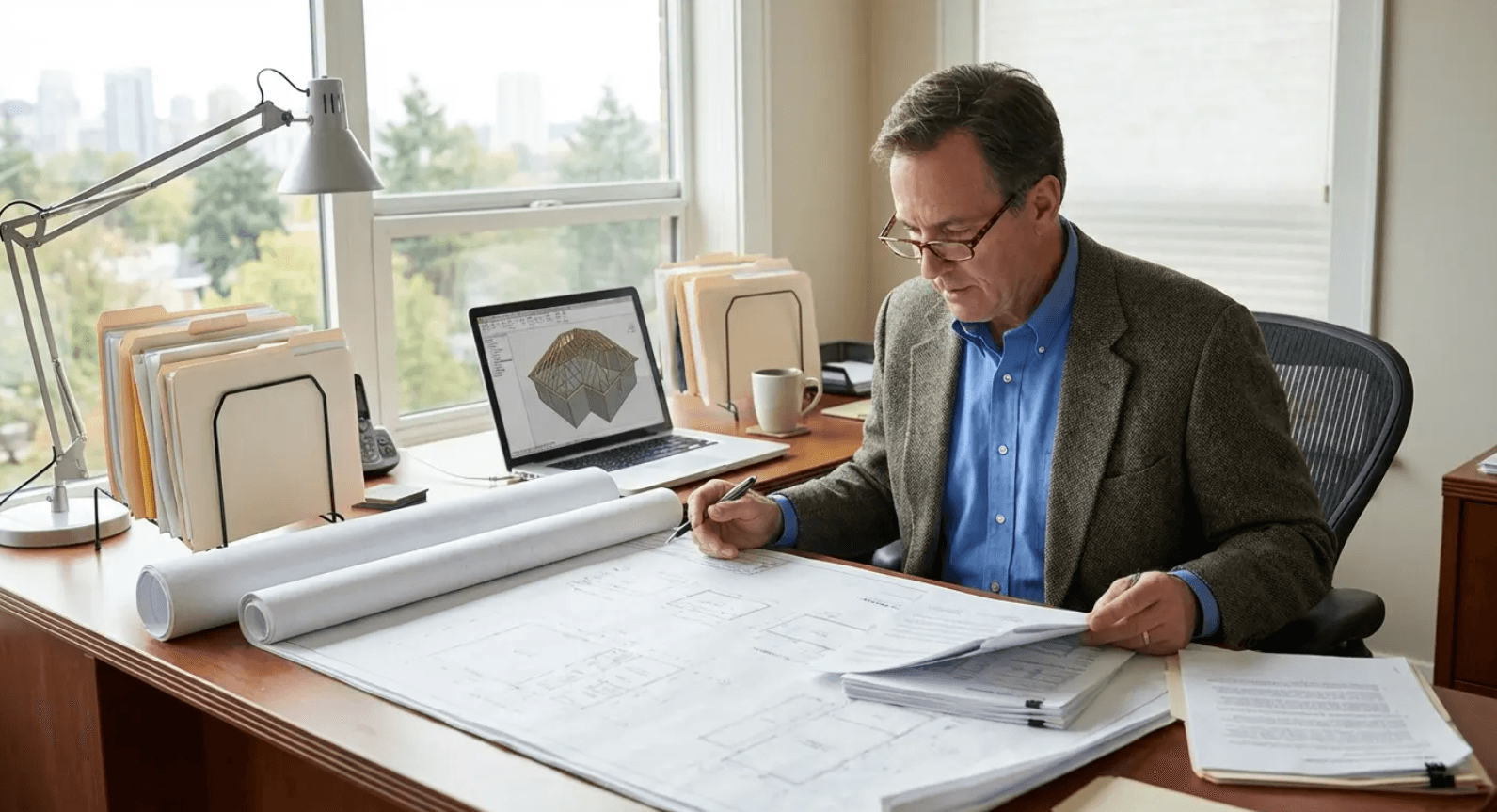
The guy on your roof takes photos and notes. Someone (sometimes the same person, sometimes a dedicated analyst) then spends hours organizing that data into a coherent assessment.
They're cross-referencing observations with manufacturer specifications, calculating remaining lifespan based on current condition, and determining whether damage patterns suggest specific causes.
A cluster of damaged shingles might indicate hail impact, wind uplift, or installation defects. The analysis phase is where expertise transforms observations into diagnosis.
Quality reports don't write themselves. The time investment in documentation is substantial, and it's where cheaper services cut corners most aggressively. You'll get photos dumped into a PDF with minimal explanation, or worse, a verbal summary with no documentation at all.
When evaluating inspection costs, ask what the final deliverable includes. If the inspector can't show you sample reports or explain their documentation process, you're buying a service that ends when they climb down from your roof.
Everything after that is an afterthought, and it shows in the useless reports you receive.
The Inspection Methods That Justify Different Price Points
Not all roof inspections use the same approach. The methodology directly impacts both cost and diagnostic accuracy.
Ground-level visual assessments cost less because they require minimal equipment and time. Walk-the-roof physical inspections provide more detail but still miss hidden problems. Infrared thermography, moisture detection, and drone-assisted inspections add capability but also expense.
You don't always need the most expensive option, but you need to know what you're giving up when you choose cheaper alternatives.
| Inspection Method | Typical Cost Range | What It Detects | What It Misses | Best For |
|---|---|---|---|---|
| Ground-Level Visual | $150–$200 | Missing shingles, obvious sagging, clear deterioration, visible damage | Moisture under shingles, early-stage hail damage, inadequate ventilation, subtle structural issues | Quick damage checks after obvious events |
| Walk-the-Roof Physical | $200–$300 | Surface damage, worn seals, flashing issues, material condition, granule loss | Hidden moisture, insulation problems, temperature differentials | Standard annual inspections on accessible roofs |
| Infrared Thermography | $350–$500 | Moisture intrusion, missing insulation, ventilation problems, temperature differentials | Surface-level cosmetic issues (focuses on hidden problems) | Unexplained energy bills, ice damming, aging roofs |
| Moisture Detection | $300–$450 | Water penetration, trapped moisture, early leak detection | Structural issues, surface damage assessment | Suspected leaks without visible interior damage |
| Drone-Assisted | $300–$500 | Detailed visual assessment of difficult areas, high-resolution imagery | Cannot physically test materials or measure moisture | Steep pitches, excessive height, fragile materials |
This table shows why asking "how much does a roof inspection cost" without specifying methodology is meaningless. You're comparing different services that deliver different results.
Visual-Only Inspections and Their Limitations
Ground-level or basic walk-through inspections cost less ($150 to $250 typically) because they require minimal time and equipment. An inspector looks for obvious damage: missing shingles, visible sagging, clear deterioration.
These catch catastrophic problems but miss everything subtle.
Moisture trapped under shingles, early-stage hail damage that hasn't fully manifested, inadequate ventilation causing premature aging... none of this shows up in a visual scan.
Visual inspections work well for specific purposes. After a severe storm, you want to know if there's obvious damage worth investigating further. For routine checks on newer roofs in good condition, visual assessment might suffice.
But if you're trying to determine whether your aging roof needs replacement, or if you suspect hidden damage, visual-only methods leave too many questions unanswered.
The low cost of visual methods is appealing, but you're getting surface-level information that might miss the problems costing you money right now.
Infrared Thermography and Moisture Detection
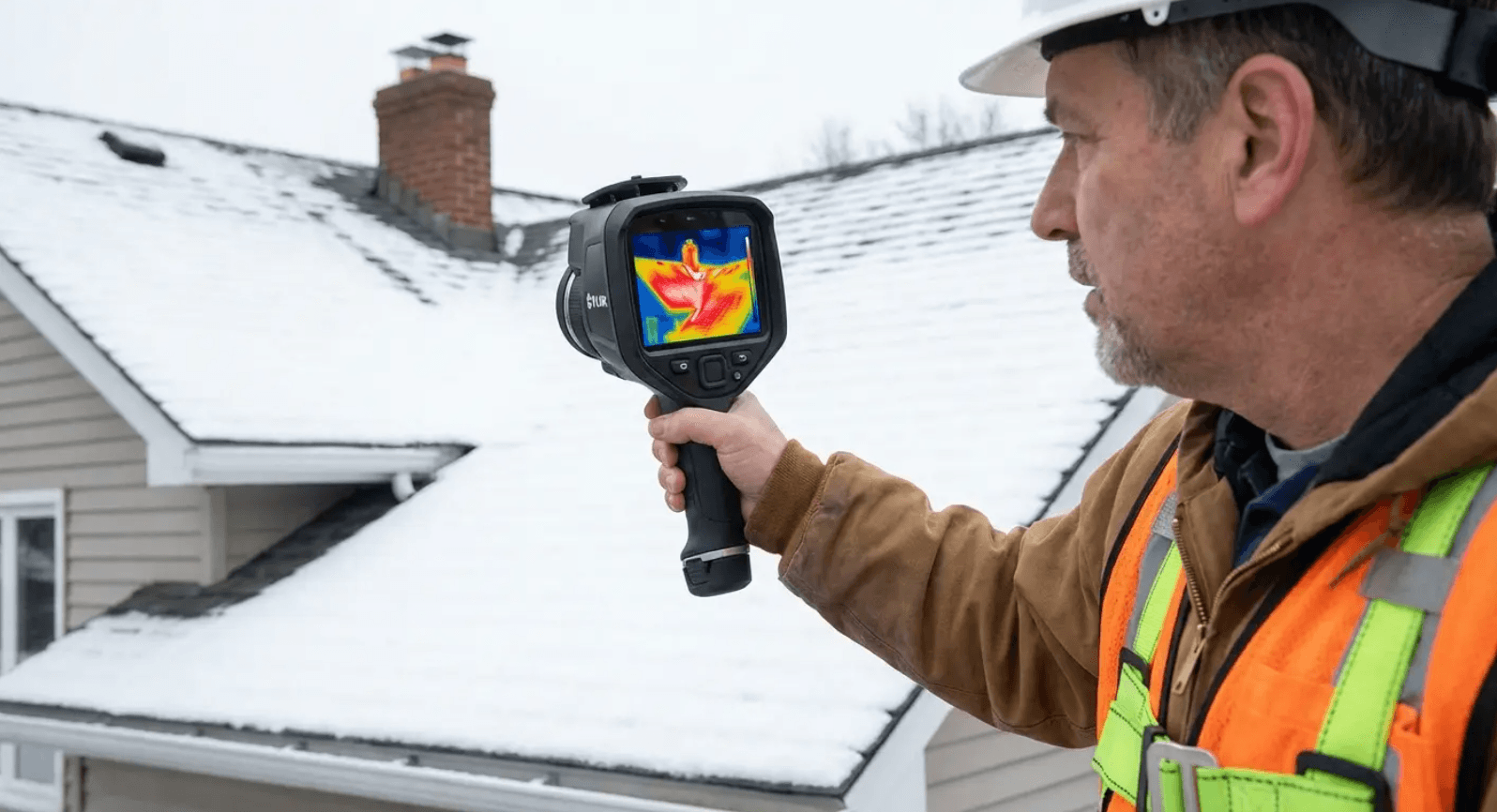
Thermal cameras reveal temperature differentials that indicate moisture intrusion, missing insulation, or ventilation problems.
This technology adds $200 to $400 to inspection costs but detects issues that would otherwise remain hidden until they cause visible interior damage.
Is it always necessary? No. But if you're dealing with unexplained energy bills, have noticed ice damming, or are assessing a roof that's approaching the end of its expected lifespan, thermal imaging provides data that visual inspection cannot.
Moisture meters work differently but serve similar diagnostic purposes. They detect water content in roofing materials and substrates, identifying leaks in their early stages before you see ceiling stains or mold growth.
This early detection prevents minor moisture issues from becoming major structural problems.
The infrared inspection premium makes sense when you consider what you're preventing. Finding a small leak before it rots your decking saves thousands in structural repairs. Identifying ventilation problems before they shorten your roof's lifespan by five years justifies the extra $300 you spent on thermal imaging.
I recommend thermal or moisture inspection when you're experiencing symptoms without obvious causes: higher utility bills, ice dams in winter, musty attic smells, or unexplained interior humidity. These tools find the problems causing those symptoms instead of just documenting what you already know is wrong.
Drone-Assisted Inspections for Difficult-Access Roofs
Steep pitches, excessive height, or fragile materials sometimes make physical roof access risky or impractical. Drones equipped with high-resolution cameras provide detailed visual assessment without the safety risks or potential damage from foot traffic.
Expect to pay $300 to $500 for drone inspections. You're covering equipment costs, pilot certification (yes, commercial drone operation requires FAA licensing), and specialized insurance. The premium makes sense when the alternative is either not inspecting certain areas or risking damage to an already compromised roof.
Tile and slate roofs particularly benefit from drone assessment. Walking these materials requires specific training and technique to avoid breakage. A drone captures high-resolution imagery of every section without any risk of cracking tiles or displacing slate.
Three-story homes, buildings with complex roof geometries, or properties with landscaping that makes ladder placement difficult also justify drone costs. The technology isn't a gimmick. It's solving real access problems that would otherwise make thorough inspection impossible or prohibitively expensive.
When a "Free" Inspection Costs You More in the Long Run
Storm chasers and aggressive contractors offer free inspections constantly.
There's always a catch.
Free inspections aren't charity. Contractors offering them have business models designed to recoup those costs through other means, usually by inflating repair bids, steering you toward insurance claims they'll profit from, or pressuring you into unnecessary work.
The inspection cost you avoid upfront frequently shows up multiplied in the repair estimate you receive afterward.
The Repair-Contingent Inspection Model
Contractors offering free inspections plan to make money on the repair work they'll recommend.
There's nothing inherently wrong with this model, but it creates obvious incentive problems.
Will they find damage that doesn't exist? Not necessarily. Will they recommend more extensive repairs than an independent inspector might suggest? Often.
You're not getting a free service. You're getting a sales consultation disguised as an assessment. The inspector's job is to generate work for their company, and their recommendations reflect that priority whether they consciously bias their findings or not.
Last year I inspected a roof that two other contractors had already looked at. First guy wanted $18K for full replacement. Second guy found $12K in "hail damage." I found $800 in flashing repairs. Same roof, same day, three wildly different answers.
That's the risk with repair-contingent models. You might receive honest assessment, or you might receive a sales pitch calibrated to maximize the inspector's revenue. Without paying for independence, you can't be sure which you're getting.
Insurance Claim Steering and Commission Structures
Some roofing companies offer free inspections because they specialize in insurance work and take a percentage of claim payouts. They're motivated to find claimable damage (good for you) but also to inflate claim values (potentially problematic if it triggers fraud concerns or rate increases).
The inspection itself might be competent, but you've lost independence in the process. Your inspector is now your contractor, and separating honest assessment from sales pitch becomes difficult.
Insurance claim specialists serve a purpose. If you've experienced obvious storm damage and need help navigating the claims process, a contractor experienced in insurance work can be valuable.
But using them for initial assessment, before you know whether you have claimable damage, puts the cart before the horse.
Get an independent inspection first. Then, if you have legitimate damage and decide to file a claim, you can choose whether to work with an insurance specialist or handle the claim yourself with your documentation in hand.
When Free Inspections Make Sense
Do free inspections ever make sense? Barely.
If you've already decided to use a specific contractor and you're confident in their reputation, their free inspection is essentially a courtesy estimate. You're not paying separately for assessment because it's rolled into their project pricing model.
This works fine when you've done your homework on the contractor. It's problematic when you're using the free inspection to decide whether you need work at all, because you're asking someone with a financial interest in finding problems to tell you if problems exist.
Free inspections also make sense immediately after obvious damage events when you know something is wrong and just need documentation for insurance purposes. You're not trying to determine if damage exists. You're documenting damage you've already observed.
The inspection cost you save on free assessment is worth it when you're certain about what you need. It's expensive when you're using free inspection as a decision-making tool and end up making decisions based on biased information.
How Your Roof's Characteristics Change What You'll Pay
Two identical houses on the same street might get quoted different inspection prices. Your roof's specific features drive cost variations.
Pitch, square footage, height, material type, accessibility, and complexity all impact how long inspection takes and what equipment is required.
Pitch and Accessibility Premiums
Roofs steeper than 6/12 pitch require additional safety equipment and take longer to inspect safely. Expect $50 to $150 added to base pricing for steep-slope roofs. Three-story homes add another premium because equipment setup is more complex and risk increases.
These aren't arbitrary upcharges. They reflect real differences in time, equipment, and insurance risk.
Walking a 4/12 pitch roof takes minimal safety gear and presents low fall risk. Walking a 10/12 pitch requires harnesses, anchors, and careful movement that slows the inspection process.
Height matters beyond pitch. A single-story home with a steep roof might be easier to inspect than a three-story home with moderate pitch because ladder setup and safety protocols for working at height add time and complexity.
Accessibility issues beyond pitch and height also affect pricing. Homes surrounded by landscaping that prevents ladder placement, properties with limited access to certain roof sections, or roofs with obstacles (solar panels, HVAC equipment, satellite dishes) that complicate movement all increase inspection time.
Material-Specific Inspection Requirements
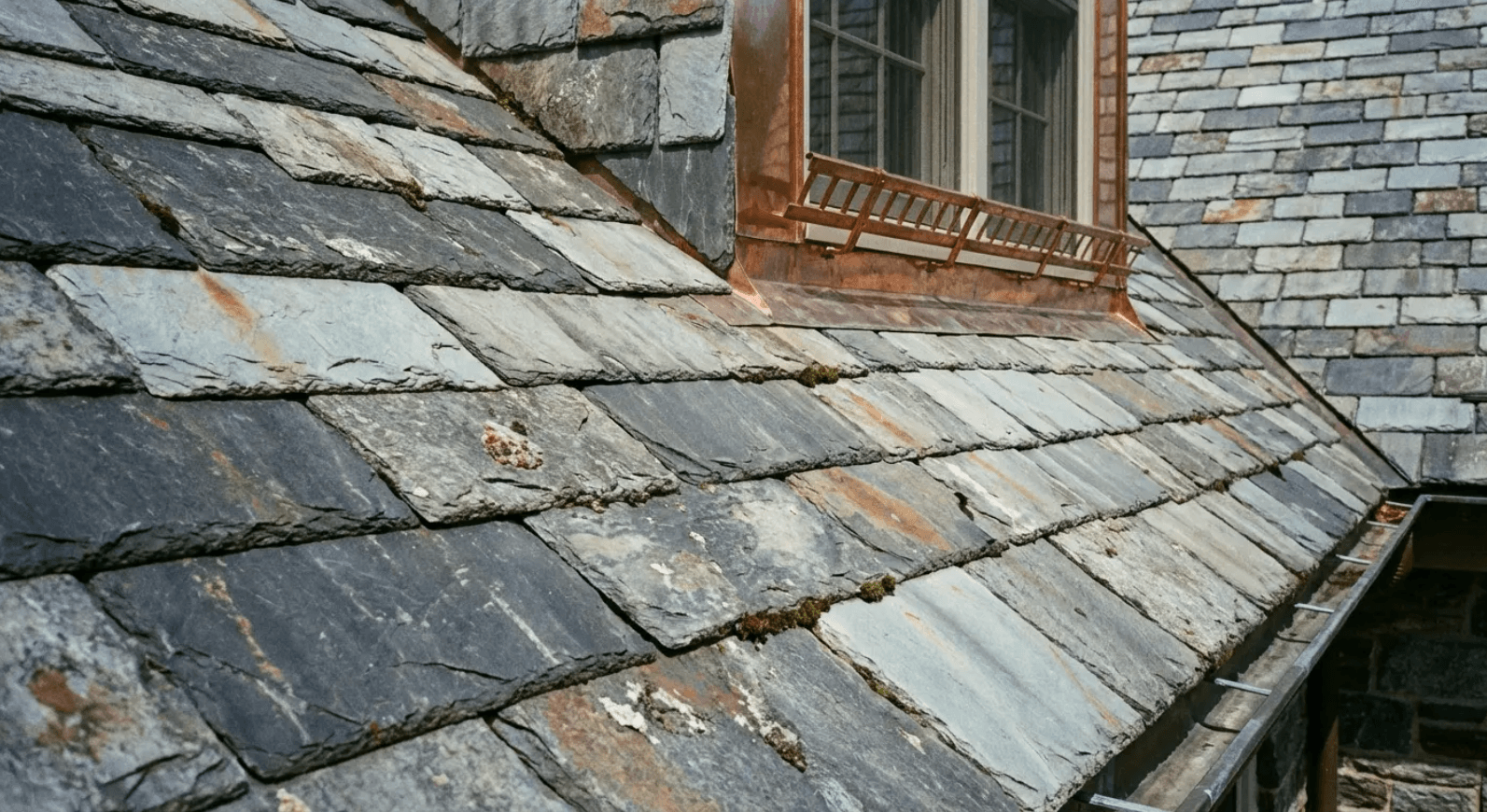
Tile and slate roofs require different inspection protocols than asphalt shingles. Inspectors need to know proper walking techniques to avoid damage, understand material-specific failure modes, and recognize repair versus replacement indicators unique to each material type.
Specialty materials add $100 to $200 to inspection costs because they require specific expertise. You're paying for knowledge that prevents your inspector from causing damage while assessing your roof.
Cedar shake, metal roofing, TPO or EPDM on low-slope sections, and built-up roofing all have unique inspection requirements. An inspector experienced with asphalt shingles might not recognize early failure signs in metal roofing or know how to assess TPO seam integrity without specialized training.
When you receive quotes for material-specific inspections, verify that the inspector has relevant experience. The inspection premium for specialty materials is worthless if you're paying extra for someone who's learning on your roof.
Complexity Factors That Extend Inspection Time
Multiple roof planes, numerous penetrations (chimneys, skylights, vents), complex valley systems, and architectural details all increase inspection time.
A straightforward gable roof might take 45 minutes to assess thoroughly. A complex hip-and-valley system with multiple dormers could require two hours.
More time equals higher cost. The question is whether your quote reflects actual complexity or if you're being overcharged for a standard roof.
Square footage matters less than you might think. A 2,000-square-foot simple gable roof takes less time to inspect than a 1,500-square-foot roof with eight different planes, three chimneys, four skylights, and complicated flashing details. Inspectors need to examine every transition, penetration, and valley carefully because those are where problems develop.
If you have a straightforward roof and receive quotes suggesting extensive inspection time, question why. If you have a complex roof and receive lowball quotes, the inspector probably isn't planning to examine everything thoroughly.
The Regional Price Variables No One Talks About
Roof inspection costs vary by hundreds of dollars depending on where you live. Some of this is legitimate market variation. Some of it is contractors testing what they can get away with.
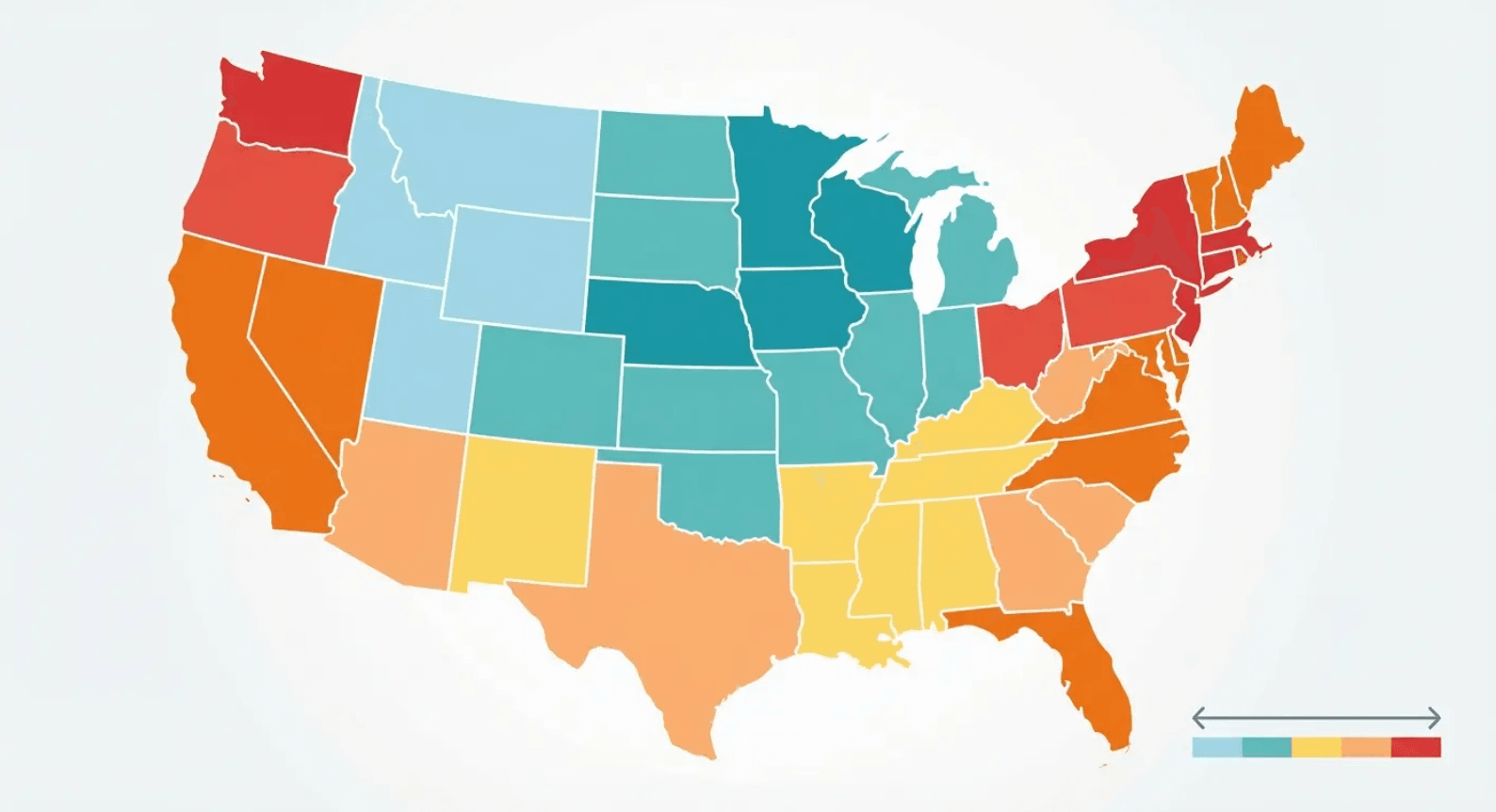
According to industry data from the National Roof Certification and Inspection Association, a standard roof inspection in the U.S. typically costs between $120 and $600, with most falling in the $250 to $300 range, though regional factors like climate, building codes, and local weather patterns create significant variation.
Geographic cost drivers include regional licensing requirements, insurance rate variations, cost of living differences, weather-related demand fluctuations, and competitive market density.
Licensing Requirements and Insurance Mandates by State
Florida requires roofing contractors to carry substantially higher insurance coverage than many other states. This directly impacts service costs. States with rigorous licensing exams and continuing education requirements create higher baseline costs than states with minimal contractor oversight.
You might pay $400 for an inspection in Miami that would cost $250 in a less-regulated market. The difference isn't arbitrary. It reflects actual compliance costs.
Florida homeowners are particularly affected by insurance-driven inspection requirements. According to ABC Action News Tampa Bay, proper roof inspections can dramatically reduce insurance premiums. One Tampa homeowner reduced his annual premium from $7,800 to $3,200 after replacing his roof and getting proper inspection documentation, saving $4,600 annually. The Insurance Information Institute notes that 4-point inspections are only valid for one year, while wind mitigation inspections remain valid for five years, making regular inspections a strategic tool for managing insurance costs in high-premium markets.
This context explains why inspection costs in Florida differ significantly from pricing in states with less stringent insurance requirements. You're not just paying for the inspection. You're paying for documentation that affects your insurance costs for years.
Weather Event Demand Surges
After major storms, inspection demand spikes and prices follow. This isn't price gouging (usually). It's supply and demand combined with contractors traveling from other regions who need to cover their mobilization costs.
The same inspection that costs $500 immediately after a hurricane might cost $300 three months later when demand normalizes.
I'm not suggesting you should delay inspection after storm damage. You need to document damage promptly for insurance purposes. But for routine maintenance inspections or pre-purchase assessments, avoiding peak demand periods saves money without sacrificing quality.
Regional weather patterns also affect baseline pricing. Areas with frequent hail, high winds, or extreme temperature swings require more frequent inspections and generate more work for roofing contractors. This higher volume can actually reduce per-inspection costs in some markets because contractors achieve economies of scale. In other markets, the constant demand allows contractors to maintain premium pricing because homeowners have limited alternatives.
What Happens After the Inspection (And Why That's the Real Cost)
The inspection report lands in your inbox. Now what?
The value of your inspection is determined entirely by how actionable the information is and how well it serves your decision-making needs.
Post-inspection outcomes include repair prioritization, insurance claim filing, contractor selection, and long-term maintenance planning. How inspection quality affects each of these downstream processes determines whether you've invested wisely or wasted money.
Using Inspection Data for Repair Prioritization
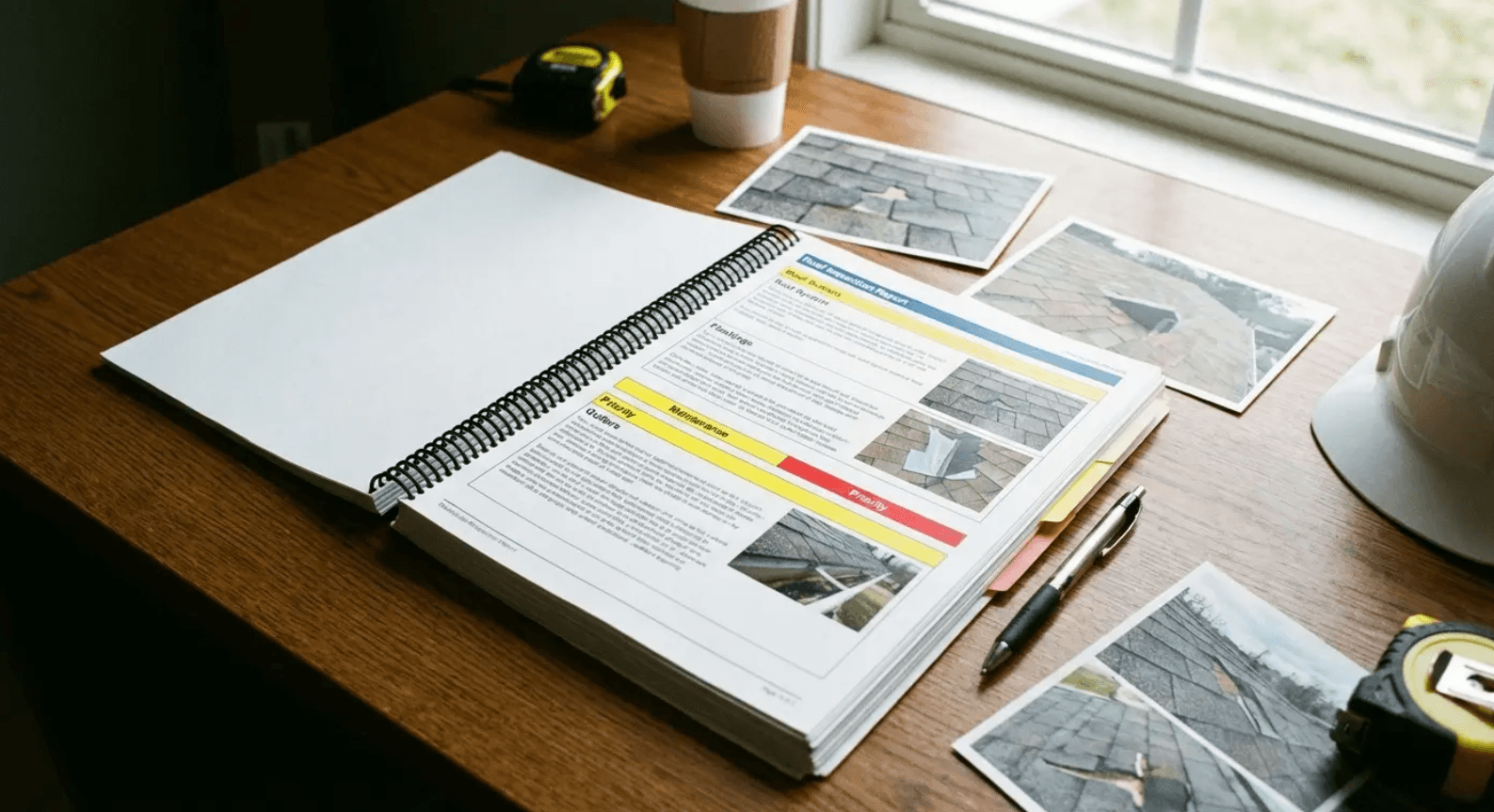
A good inspection report categorizes findings by urgency: immediate safety concerns, repairs needed within six months, items to monitor, and cosmetic issues. This framework helps you budget and sequence work logically.
Poor inspections dump all observations into an undifferentiated list, leaving you to guess what's urgent.
You'll either overspend addressing everything immediately or underspend and miss critical repairs. Both mistakes cost more than the price difference between a mediocre and excellent inspection.
A property manager I know received an inspection report that simply listed fifteen issues without prioritization. Not knowing what was urgent, she scheduled all repairs immediately at a cost of $8,500. A second property in her portfolio received a detailed inspection that categorized issues into "immediate" (one flashing repair, $400), "within 6 months" (gutter replacement, $1,200), and "monitor annually" (minor granule loss). This allowed her to budget repairs across two fiscal years, avoid unnecessary emergency rates, and ultimately spend $6,200 less by addressing issues at the appropriate time rather than all at once.
That's the downstream cost impact of inspection quality. The inspection price difference between these two assessments was maybe $75, but the decision-making value differed by thousands.
Insurance Claim Documentation Standards
If you're filing an insurance claim, your inspection report becomes evidence. Adjusters scrutinize these documents for completeness, accuracy, and professionalism. Reports lacking detailed measurements, clear photos, or proper damage documentation get challenged or denied.
Paying for an inspection that meets insurance industry standards isn't optional if you're claiming storm damage. The $150 you saved on a budget inspection costs you thousands in denied claim value.
Insurance adjusters look for specific elements: photos showing damage from multiple angles, measurements of affected areas, documentation of pre-existing conditions versus new damage, and professional assessment of causation. Inspection reports missing these elements don't support claims effectively, regardless of whether the damage is legitimate.
HAAG-certified inspectors understand insurance documentation requirements because they're trained specifically in insurance claim assessment. The certification costs inspectors money and time to obtain, which is why HAAG-certified inspections cost more. But if you're filing a claim, that certification can mean the difference between approval and denial.
Creating a Maintenance Roadmap
The best inspections don't just identify current problems. They project future maintenance needs and help you plan for eventual replacement.
You'll learn that your roof has 5 to 7 years remaining, that certain sections will need attention before others, and what warning signs to watch for. This planning value is where inspection costs pay for themselves.
You avoid emergency repairs (which cost 40% to 60% more than planned work) and budget accurately for replacement instead of being blindsided by sudden failure.
Maintenance roadmaps also help you evaluate whether repairs make sense or if you're better off replacing. If your roof has three years of life left and needs $3,000 in repairs, maybe you should start planning for replacement instead of investing in a dying system. Without that lifespan projection, you make repair decisions in a vacuum.
The inspection that includes future planning delivers value for years. The inspection that only addresses current conditions leaves you guessing about everything that happens next.
Making Your Inspection Investment Work Harder for You
You're spending money on an inspection regardless. A few strategic choices maximize the return on that investment.
Timing considerations, property preparation, inspector selection, and leveraging inspection data for multiple purposes all affect how much value you extract from the money you spend.
Timing Your Inspection for Maximum Strategic Value
Don't wait until you suspect damage.
Baseline inspections when your roof is in good condition create reference points for future assessments. You'll have documented proof of pre-storm condition if you need to file claims later.
Annual or biennial inspections catch small problems before they become expensive emergencies. The cost of regular inspections is a fraction of what you'll save by addressing minor issues before they cascade.
I recommend scheduling inspections in spring or fall when weather is moderate and contractors aren't slammed with emergency calls. You'll get better scheduling flexibility, more thorough attention, and sometimes better pricing during slower seasons.
Timing also matters relative to insurance requirements and real estate transactions. If you're selling a home, getting an inspection 6 to 12 months before listing gives you time to address issues proactively rather than negotiating from weakness after a buyer's inspector finds problems. If your insurance company requires periodic inspections, scheduling them before the deadline prevents coverage lapses.
Pre-Inspection Preparation Checklist:
- Clear debris from gutters and downspouts so the inspector can assess their actual condition
- Trim back tree branches that overhang or touch the roof
- Secure any loose flashing or materials you've noticed to prevent further damage
- Document any interior water stains or ceiling damage with photos and dates
- Gather previous inspection reports, roof warranty documents, and installation records
- Note the dates of any recent storms or weather events in your area
- List any specific concerns or areas you want the inspector to examine closely
- Ensure attic access is clear and accessible
- Provide the inspector with your roof's age and material type if known
- Prepare questions about maintenance recommendations and expected lifespan
These preparation steps help inspectors work more efficiently and ensure they have context for their assessment. A well-prepared inspection site can reduce inspection time (potentially lowering costs) while improving thoroughness.

Questions That Separate Qualified Inspectors from Pretenders
Before you hire anyone, ask what their report includes. Will you get photos of every roof plane? Measurements of damaged areas? Material condition ratings? Estimated remaining lifespan?
If they can't specify what their deliverable includes, you're buying a mystery product.
Ask about their inspection methodology. Do they walk the entire roof or just visible sections? Will they check attic ventilation and interior signs of leakage? What equipment do they use?
Vague answers suggest a vague process that produces vague results.
Credentials matter, but only if you verify them. Anyone can claim to be certified. Ask for certification numbers you can verify independently. Check their insurance coverage and confirm it's current. Request references from recent clients and follow up on them.
Focus first on qualification, then on price. The cheapest qualified inspector might be a great value. The cheapest inspector period is probably cutting corners somewhere.
Leveraging One Inspection for Multiple Purposes
A detailed inspection serves several functions simultaneously. It's your insurance documentation, your maintenance planning tool, your contractor selection basis, and your real estate disclosure if you sell.
One $400 inspection that serves all these purposes costs less than multiple $200 inspections that each serve one purpose poorly.
Think about your next three years. Will you need to file claims? Sell the house? Budget for major repairs? Choose an inspection that provides data for all these scenarios.
Request digital copies of all documentation in formats you can easily share. PDFs work for most purposes, but also ask for raw photo files if you might need them for insurance claims or legal purposes. Good inspectors provide organized digital packages you can access years later.
Keep inspection reports in a dedicated file (physical or digital) along with repair receipts, warranty documents, and installation records. This creates a complete roof history that increases in value over time. When you eventually sell your home, this documentation demonstrates responsible ownership and can justify premium pricing.
When You're Stuck Between Conflicting Assessments
You've gotten two inspections that contradict each other. One says you need a full replacement. The other says minor repairs will suffice.
This happens more often than it should, and it's infuriating.
I see this frustration constantly at Joyland Roofing. Homeowners come to us after receiving wildly different assessments, unsure who to trust and worried they're being taken advantage of. We offer detailed inspections that include photo documentation of every finding, clear explanations of what we're seeing and why it matters, and honest assessments even when they don't lead to immediate work for us. Our goal is to give you information you can use to make confident decisions, not to generate sales through fear or confusion. If you're dealing with conflicting reports and need a third opinion grounded in transparency, we'd be glad to help you sort through the noise.
When evaluations conflict significantly, get a third opinion from an inspector with no repair business. Someone who only does assessments. Yes, you'll pay for another inspection, but spending an additional $300 to resolve a $15,000 question about whether you need replacement makes financial sense.
Review all reports carefully for specific details. Vague language ("roof is worn," "needs attention soon") suggests the inspector isn't confident in their assessment. Specific observations with measurements and photos indicate thorough evaluation.
Trust the report with better documentation.
Final Thoughts
Roof inspection costs range from free to $600+, but price alone tells you almost nothing about value.
You're not buying a commodity service where all providers deliver identical results at different price points. You're buying expertise, liability protection, documentation quality, and decision-making support.
The cheapest option almost always costs more in the long run through missed damage, poor documentation, or repair recommendations that serve the inspector's interests rather than yours. The most expensive option isn't automatically the best either. Some contractors charge premium prices for standard services based solely on marketing polish.
Your goal should be matching inspection type and provider to your specific situation. If you need insurance claim documentation, pay for an inspector with HAAG certification and experience working with adjusters. If you're assessing a complex tile roof, hire someone with material-specific expertise even if they cost more. If you're doing routine maintenance checks on a straightforward asphalt shingle roof, a mid-range inspection from a reputable local company probably serves you fine.
Stop asking "How much does a roof inspection cost?"
Start asking "What will this inspection tell me, how will that information be documented, and how can I use it to make better decisions about my roof?"
The answers to those questions determine whether you're spending money wisely or just spending money.
Your roof represents a significant portion of your home's value and protection. The inspection that helps you maintain it properly, time repairs strategically, and avoid catastrophic failures is worth every dollar. The inspection that leaves you confused, underinformed, or manipulated into unnecessary work is overpriced at any cost.
Choose based on outcomes, not price tags.
Your roof (and your budget) will thank you.