
Spring in Pennsylvania does not mess around
We get the full package. Heavy rain, strong winds, hail, and every once in a while… something that makes you question your life choices as a homeowner.
So when the storm rolls through, and you step outside to see branches down, your first thought is usually:
“Great… what did that just do to my roof?”
Take a breath.
Here’s exactly what to do next, step by step, without turning a bad situation into a worse one. If a bad storm where to roll through, you can always le t
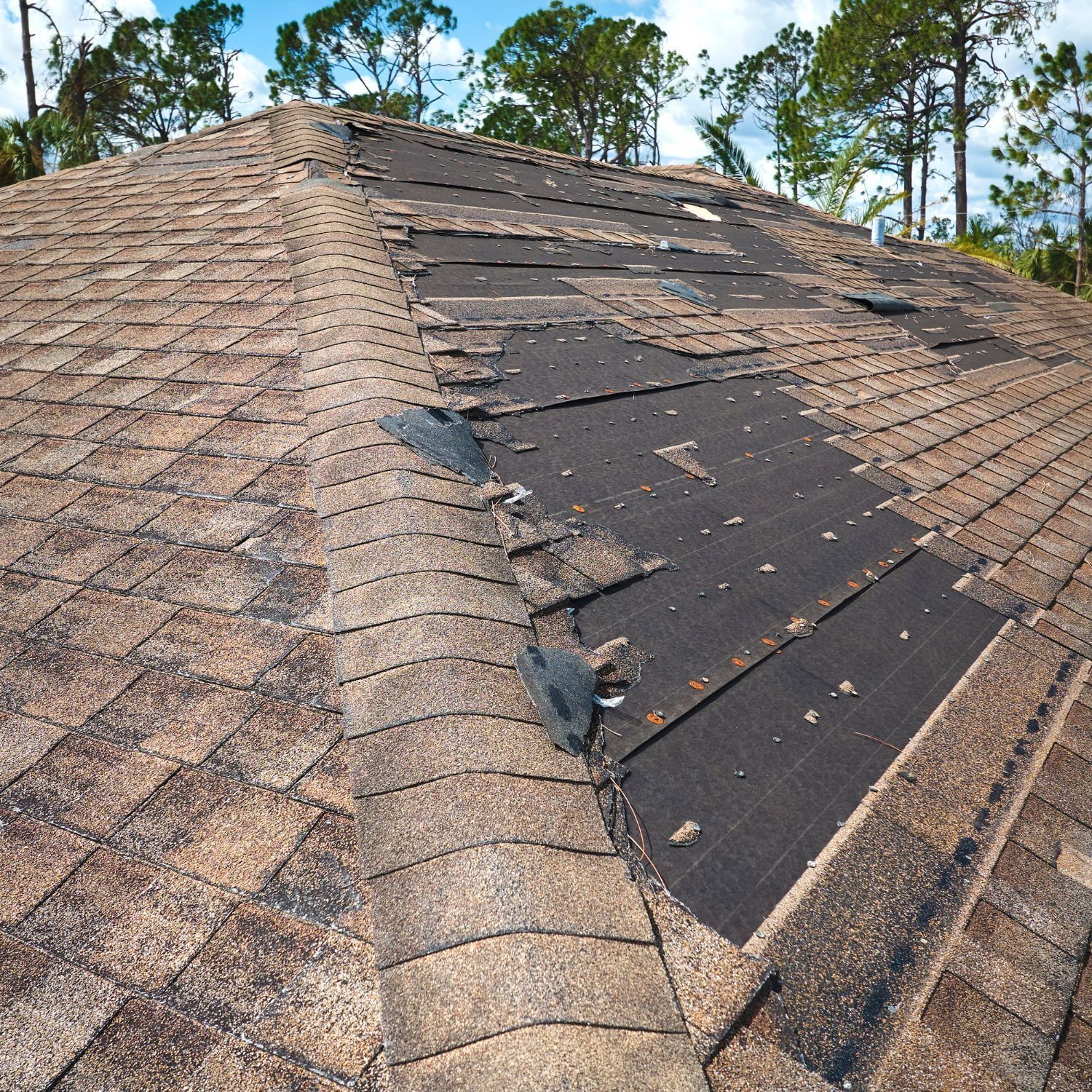
Step 1: Stay Off Your Roof
We’re going to start with the big one.
Do not climb up there.
Even if everything looks minor from the ground, your roof could be slick, unstable, or damaged in ways you can’t see. Wet shingles, loose flashing, soft spots, and hidden structural issues are all common after a storm. One wrong step and now you’ve got two problems instead of one. This is not the time to play part-time roofer.
You can usually spot major damage from the ground anyway, which brings us to the next step.
Step 2: Look for Damage from the Ground
Walk around your home and actually look at your roof. You’re not trying to diagnose everything. You’re just looking for signs that something isn’t right.
Here’s what to watch for:
- Bent or detached gutters
- Lifted fascia or trim
- Shingles on the ground
- Debris or tree limbs on the roof
- Dented metal or flashing
- Pieces of your roof in your yard (never a good sign)
If something looks off, it probably is.
Use your phone camera or even binoculars to get a closer look if needed. No ladder required.
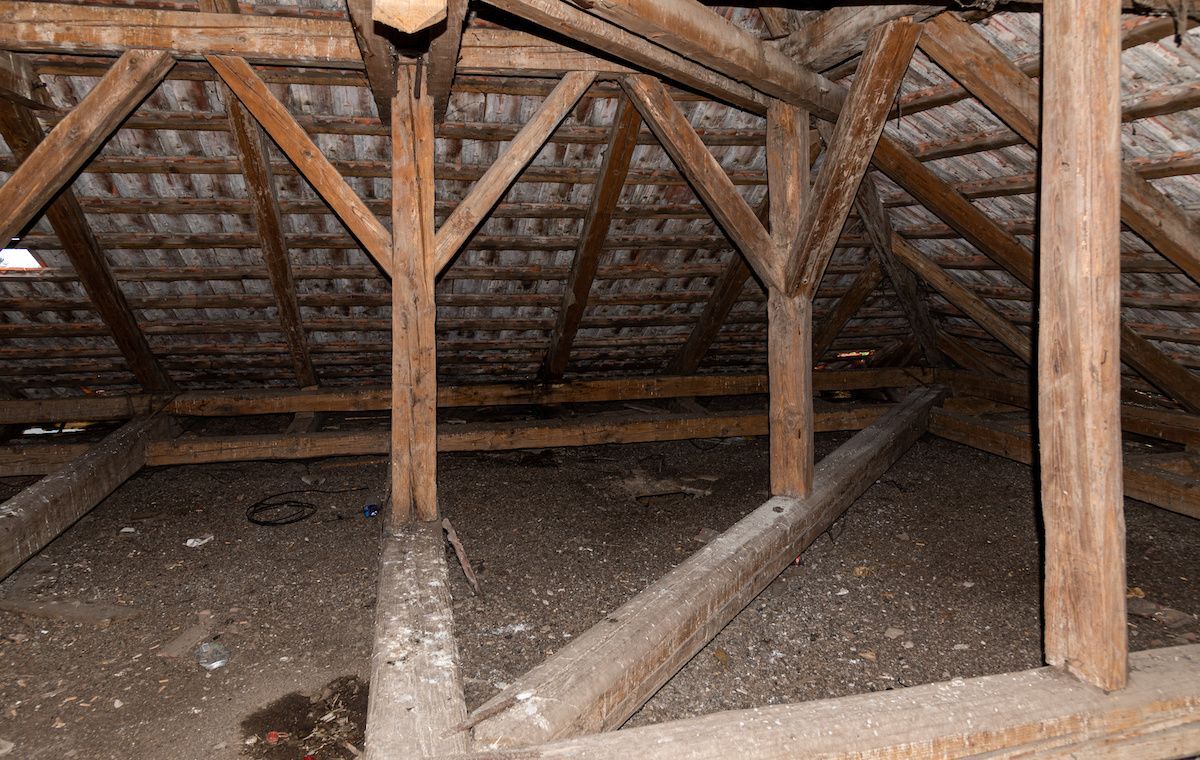
Step 3: Check the Attic
In most cases, your attic will tell you more about your roof than your roof would. So it is important to check your attic first before your actual roof.
If you can safely get into your attic, look for:
- Water stains
- Damp insulation
- Dripping or moisture
- Dark spots on wood
- Sunlight coming through where it shouldn’t be
Many people don't realize that your roof can look fine from the outside but still be leaking.
Step 4: Take Pictures
Document everything. And we mean everything.
Take photos of:
- Missing or damaged shingles
- Debris and fallen branches
- Dents in metal or vents
- Gutter damage
- Ceiling stains
- Attic moisture or leaks
Get wide shots and close-ups. This helps if repairs are needed, and it becomes extremely important if insurance gets involved.
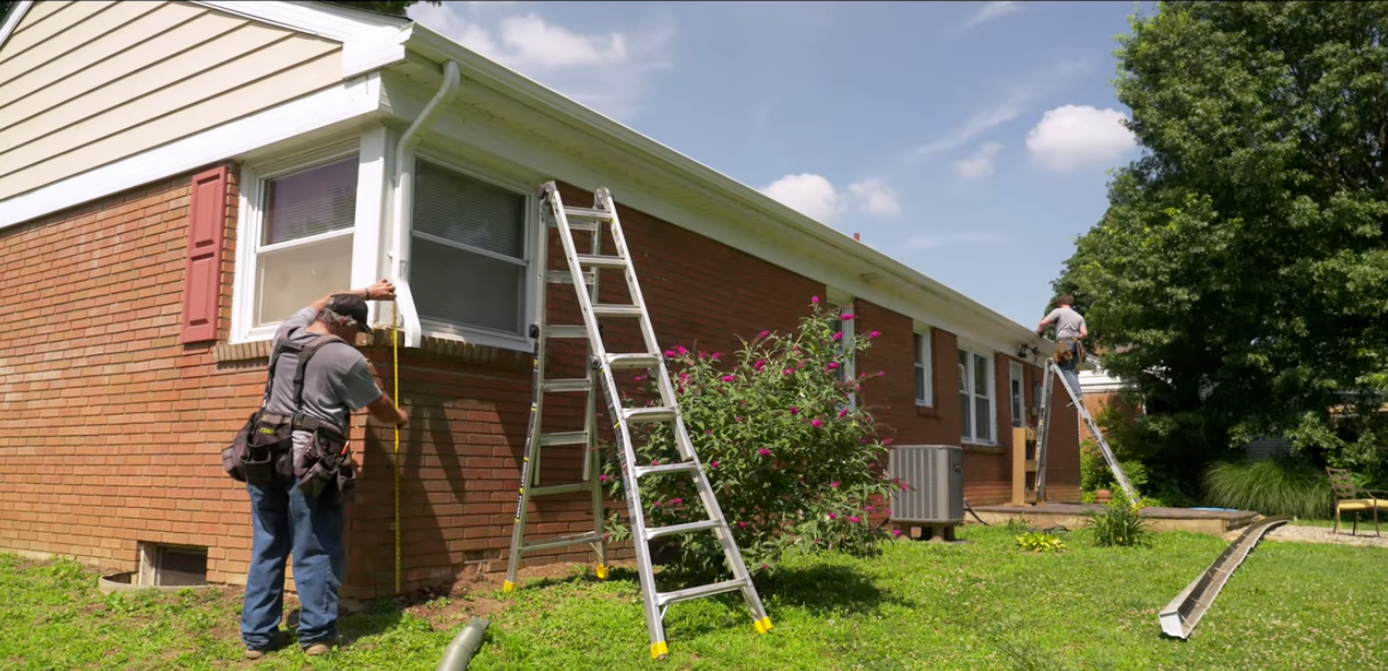
Step 5: Contact a Trusted Roofer
Once you’ve checked things out safely, it’s time to bring in a pro. A good roofer is not just looking for obvious damage. They’re checking for the stuff most homeowners would never catch from the ground.
This is especially important after:
- High winds
- Hail
- Heavy rain
Because storm damage is not always dramatic. Sometimes it’s subtle. And subtle roof issues have a nasty habit of turning into very expensive problems later.
Step 6: Decide If an Insurance Claim Makes Sense
Not every storm means you should file a claim. Sometimes the damage is minor, and a simple repair is the smarter move. Other times, there’s enough storm-related damage that insurance should absolutely be part of the conversation.
A reputable roofer will help you understand:
- What they’re seeing
- How severe the damage is
- Whether it looks claim-worthy
The goal is not to force a claim. The goal is to make a smart decision based on real damage, not panic.
The Bottom Line
If a storm hits your roof, here’s the game plan:
- Stay off the roof
- Inspect from the ground
- Check the attic
- Take pictures
- Call a trusted roofer
- Then decide if insurance makes sense
The faster you catch damage, the better your chances of avoiding bigger issues down the road. And if you’re standing in your yard after the next storm thinking, “Now what?”… you don’t have to guess.
We’ll take a real look and give you a straight answer.
Schedule your roof inspection today with a trusted Lancaster, PA roofing company and get clear answers before small damage turns into a bigger problem.
Frequently Asked Questions
What should I do right after a storm damages my roof?
Start by staying off your roof for safety, then inspect from the ground, check your attic for leaks, document any damage, and call a trusted roofer for a professional inspection.
How can I tell if my roof has storm damage without climbing up?
Look for signs like missing shingles, bent gutters, fallen debris, dented metal, or pieces of roofing material in your yard. You can also use your phone camera or binoculars for a closer look.
Why should I check my attic after a storm?
Your attic often shows signs of roof damage before the exterior does. Look for water stains, damp insulation, dripping, or sunlight coming through the roof boards.
Do I need to file an insurance claim for storm damage to my roof?
Not always. Minor damage may only require a simple repair, while more severe storm damage could justify a claim. A professional roofer can help you determine the best course of action.
When should I call a roofing company after a storm?
If you notice any signs of damage or are unsure about your roof’s condition, it’s best to call a roofing professional as soon as possible to prevent small issues from becoming major problems.
John Esh | CEO & Master Installer
- 25+ Years Experience: From ground crew to Master Certified Installer.
- Local Roots: Serving Lancaster, Harrisburg, and SEPA since 1991.
- Credentials: GAF Master Certified (ME27586); Licensed in PA (PA124258) & MD (#137952).
- The "Why":
Obsessed with "radical transparency" to remove the fear factor from home improvements.
James Wesser | Content Producer
- Background: Former local news digital producer and journalist.
- The Mission: Turning complex roofing jargon into clear, "fluff-free" answers for homeowners.
- Local Tie: When not filming on-site, he’s likely roaming Hersheypark or building digital worlds.