

December 31, 2025
Commercial Roof Maintenance: Why Ignoring Your Roof Is Costing You a Fortune
Author
Commercial roof maintenance isn’t optional—it’s the difference between steady operating costs and unexpected five-figure repairs. Ignoring your roof accelerates wear, voids warranties, and forces premature replacements, all while hidden issues drain your budget. A proactive maintenance program flips the script by extending roof life, preventing leaks before they start, and keeping your facility running without disruption.
This guide breaks down the true cost of neglect, the inspections you need, the contract details that protect you, and the tech that catches problems early—everything you need to get commercial roof maintenance right and stop paying for avoidable emergencies.
Table of Contents
- TL;DR
- Stop Waiting for Leaks: The Shift to Prevention
- Structuring a Professional Maintenance Program
- Advanced Diagnostics and Data Integration
- Executing the Plan: A Seasonal Approach
- Final Thoughts
TL;DR
Look, we know you're busy running a facility, so here is the short version. Waiting until your roof leaks to fix it costs about three times more than just maintaining it. Proactive care can actually extend your roof's life by 25% or more. You need to keep an eye on your flashings (that’s where 90% of leaks start), keep a paper trail for insurance, and make sure you have a certified partner so you don't accidentally void your warranty. This guide covers the nuts and bolts of commercial roof maintenance so you can stop bleeding money on emergency fixes.
- Proactive pays off: Maintenance extends roof life by 25% and saves you from paying "emergency" premiums.
- Know the trouble spots: 90% of leaks happen at penetrations and flashings.
- Contracts matter: Make sure your agreement covers debris removal, minor repairs, and liability.
- Tech is your friend: Thermal imaging and moisture sensors catch problems the naked eye misses.
- Seasonality is key: Inspect in the Fall to prepare for winter and in the Spring to see what the thaw did.
Stop Waiting for Leaks: The Shift to Prevention
It’s time to ditch the "if it ain't broke, don't fix it" mentality. When it comes to roofing, waiting for water to drip onto your warehouse floor is a failure of management, not just a roofing issue. Preventative roof maintenance protects the building's bones and keeps your business running without interruption. As the folks at GSM Roofing put it, "A well-maintained roof can last up to twice as long as a neglected one." That initial investment in a program pays massive dividends in longevity.
To really get a handle on how proactive care protects your asset, check out this guide on how to improve the lifespan of your commercial roof. It's the best way to delay those eye-watering commercial roof repair costs. A consistent schedule is really the only way to secure your investment.
The Real Cost of Neglect
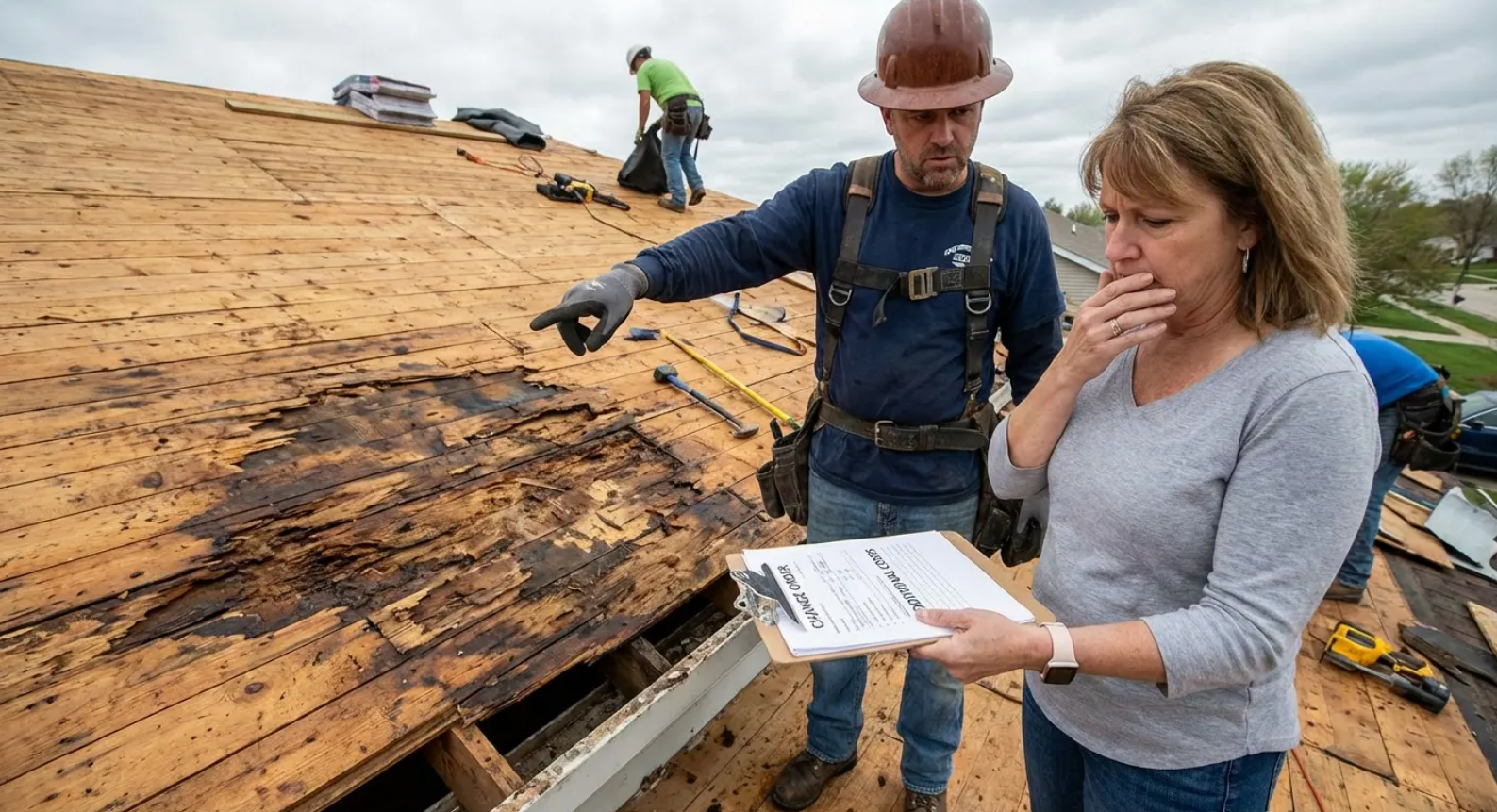
Skipping commercial roof repair and maintenance doesn't save you money; it just kicks the can down the road and adds interest. A strategic approach helps you spread costs out over time rather than getting hit with a massive bill all at once. We see this all the time—owners ignore small signs of wear until they turn into structural disasters. Think of commercial roof maintenance as a financial tool, not just a construction task. It keeps your cash flow boring and predictable—which is exactly what you want.
Calculating Lifecycle Costs
Let's look at the numbers. Compare the price of a semi-annual maintenance checkup against the massive capital expenditure (CapEx) of replacing a roof five years early. Proactive maintenance can add years to your asset, drastically lowering the annual cost of ownership. When analyzing your budget, it helps to know how long a commercial flat roof should last under ideal conditions versus neglected ones. Flat roof maintenance is particularly critical here, as ponding water can degrade materials faster than on pitched slopes.
RoofCorp notes that "Generally, most commercial roofs will last between 15 and 30 years with proper maintenance and care." That gap between 15 and 30 years? That depends entirely on how you treat the roof today.
| Cost Factor | Reactive Maintenance (Run-to-Failure) | Proactive Maintenance (Planned) |
|---|---|---|
| Emergency Repair Costs | High (Premium rates for 24/7 service) | Low (Issues caught during scheduled visits) |
| Lifespan of Asset | 15–20 Years | 25–30+ Years |
| Energy Efficiency | Degrades over time (wet insulation) | Maintained (clean surface, dry insulation) |
| Budget Predictability | Volatile (Unexpected CapEx spikes) | Stable (Predictable OpEx annual fees) |
Budgeting: OpEx vs. CapEx
Understanding the difference between predictable Operating Expenditures (OpEx) and unpredictable Capital Expenditures (CapEx) is vital for your bottom line. Emergency repairs often cost three times more per square foot simply due to the urgency and the collateral damage inside the building. You want your roof spend to be a boring line item, not a surprise that ruins your quarterly budget.

Routine Inspection Protocols
You need a rigorous system to catch issues early. This isn't about a casual glance; it is about the "who, when, and how" of keeping eyes on your roof. Consistency is the only way to stay ahead of degradation. Without a set schedule, you're just guessing.
Building Your Checklist
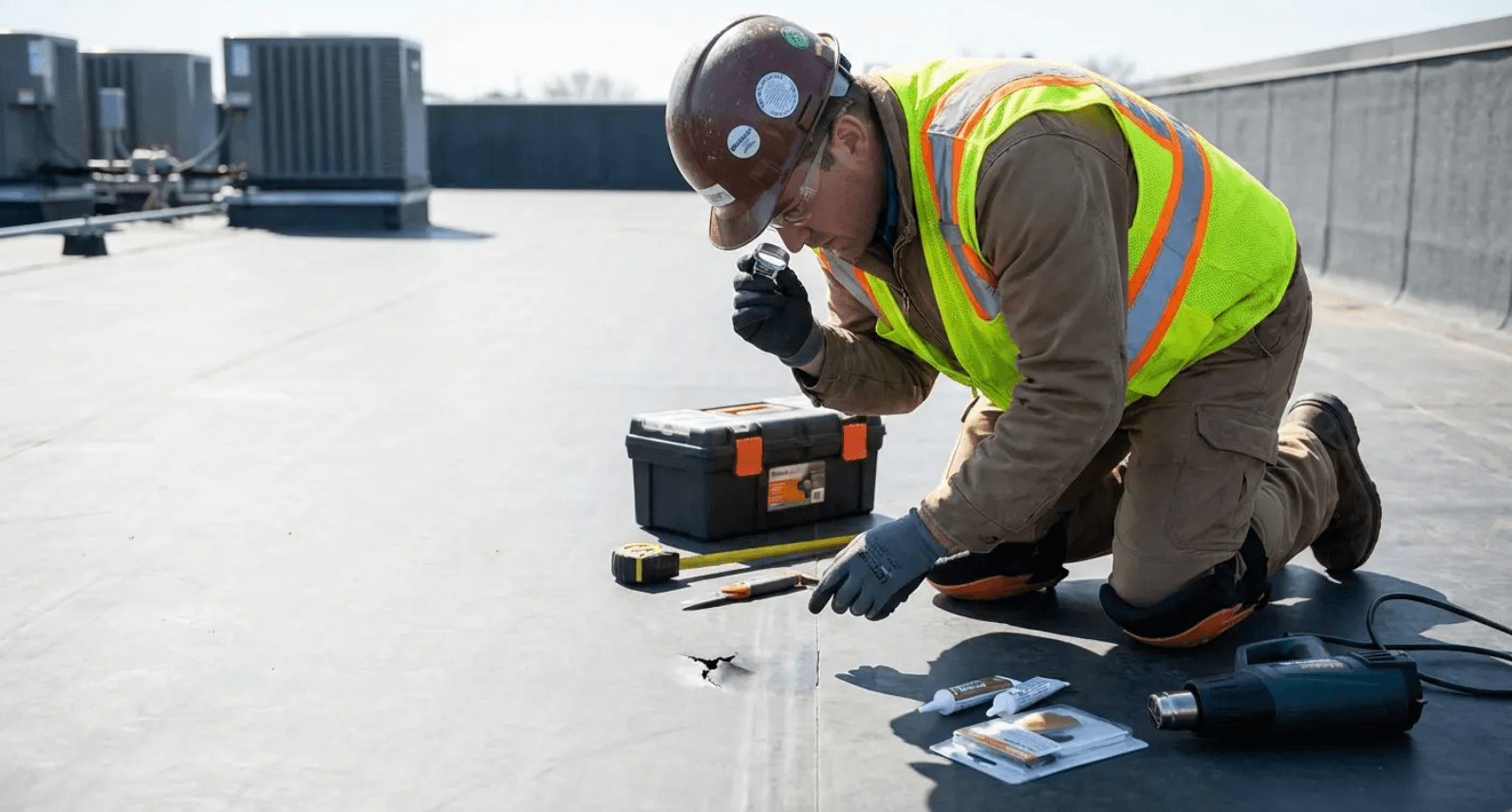
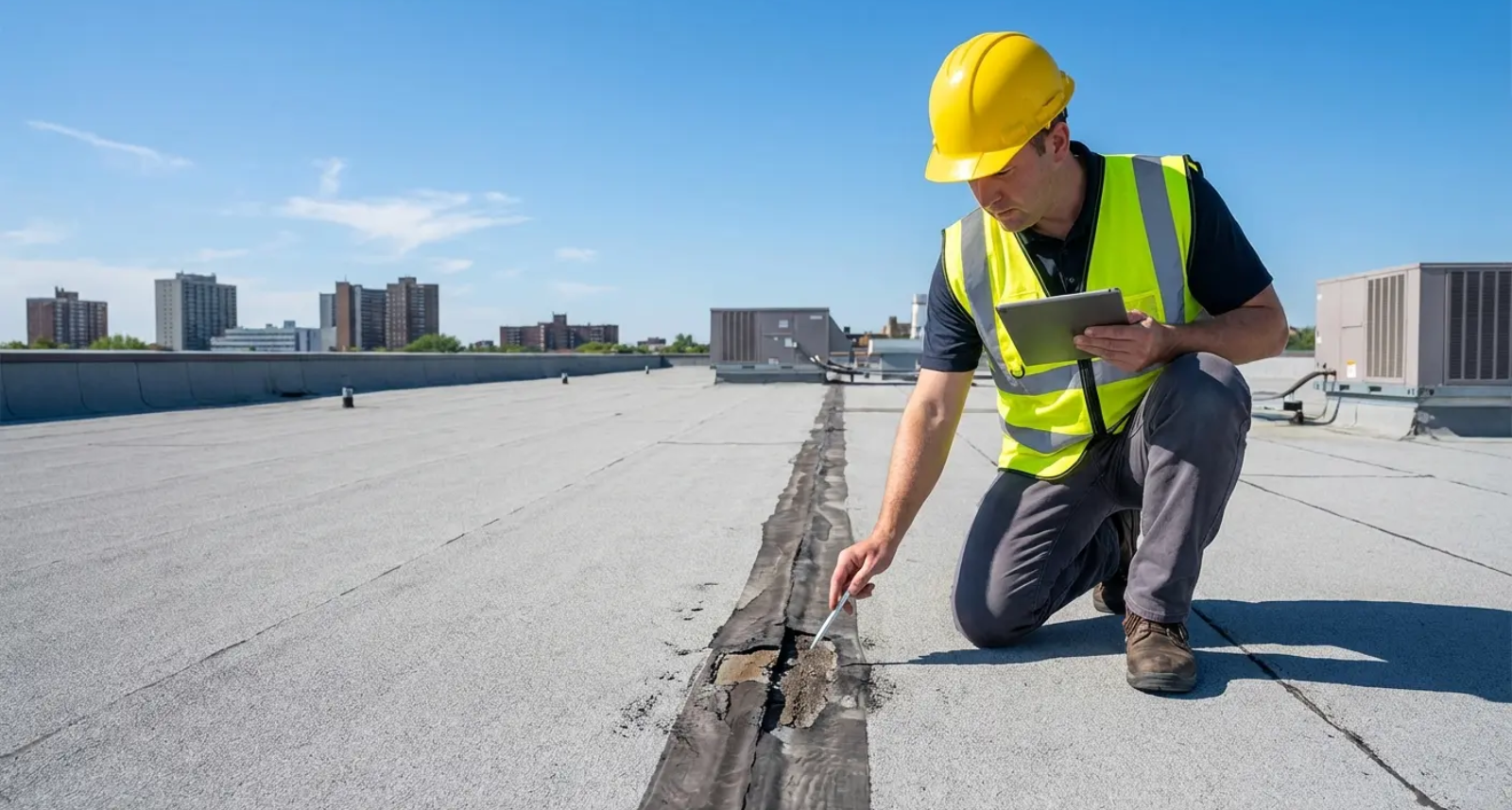
Think of inspections as a data collection exercise. You're looking for blistering, ponding water, open seams, and flashing separation. For a deeper dive into what your facility manager should look for, review these specific commercial roof maintenance tips to flesh out your internal checklist.
Basic Commercial Roof Inspection Checklist
- Surface Condition:
- [ ] Check for blisters, ridges, or splits in the membrane.
- [ ] Identify areas of standing water (ponding) that stick around for more than 48 hours.
- [ ] Look for exposed fasteners or loose gravel/ballast.
- Drainage Systems:
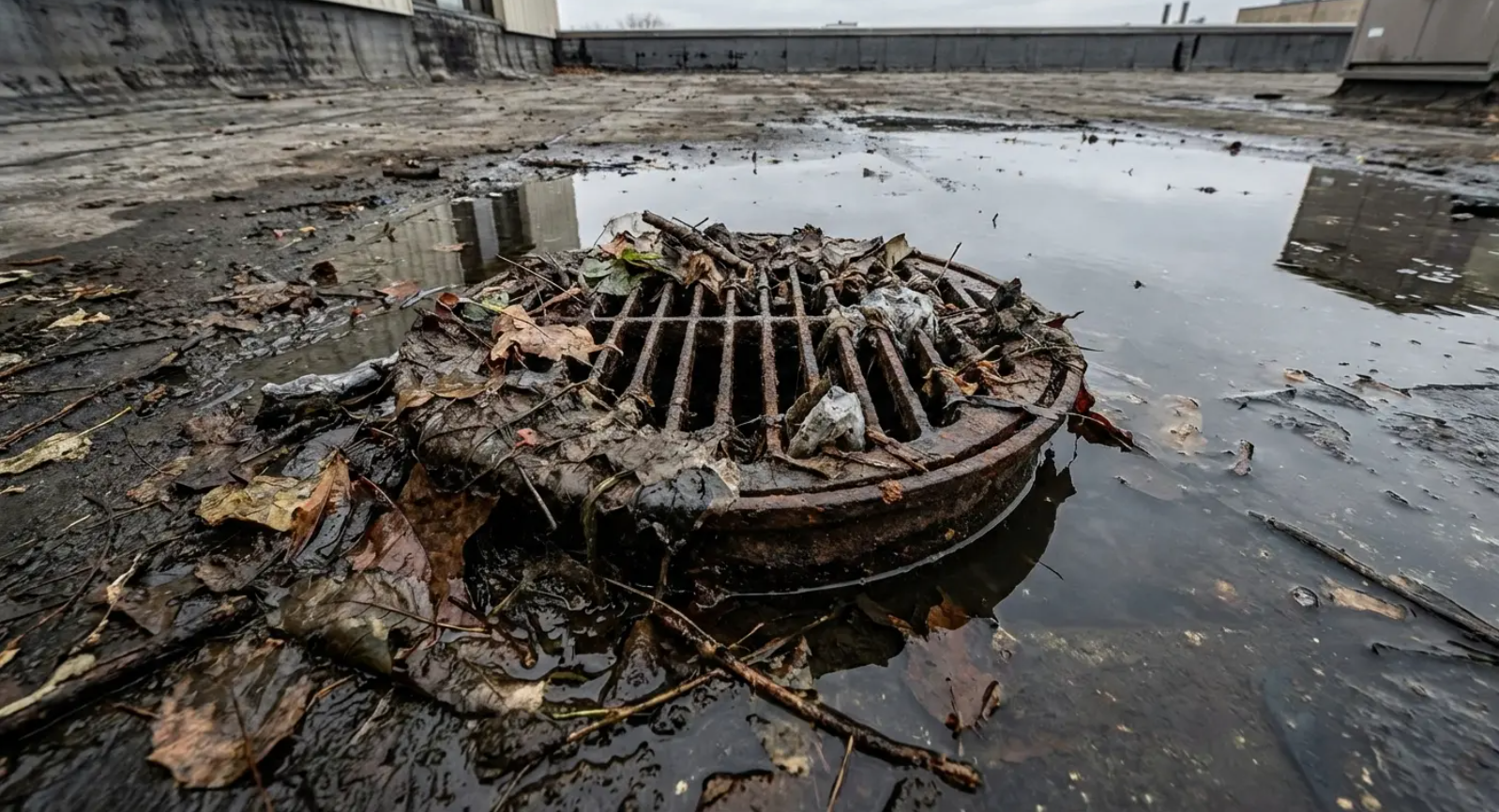
- [ ] Ensure drains, scuppers, and gutters are free of debris.
- [ ] Check strainer baskets for damage or blockage.
- Flashings & Penetrations:
- [ ] Inspect curb flashings around HVAC units for separation.
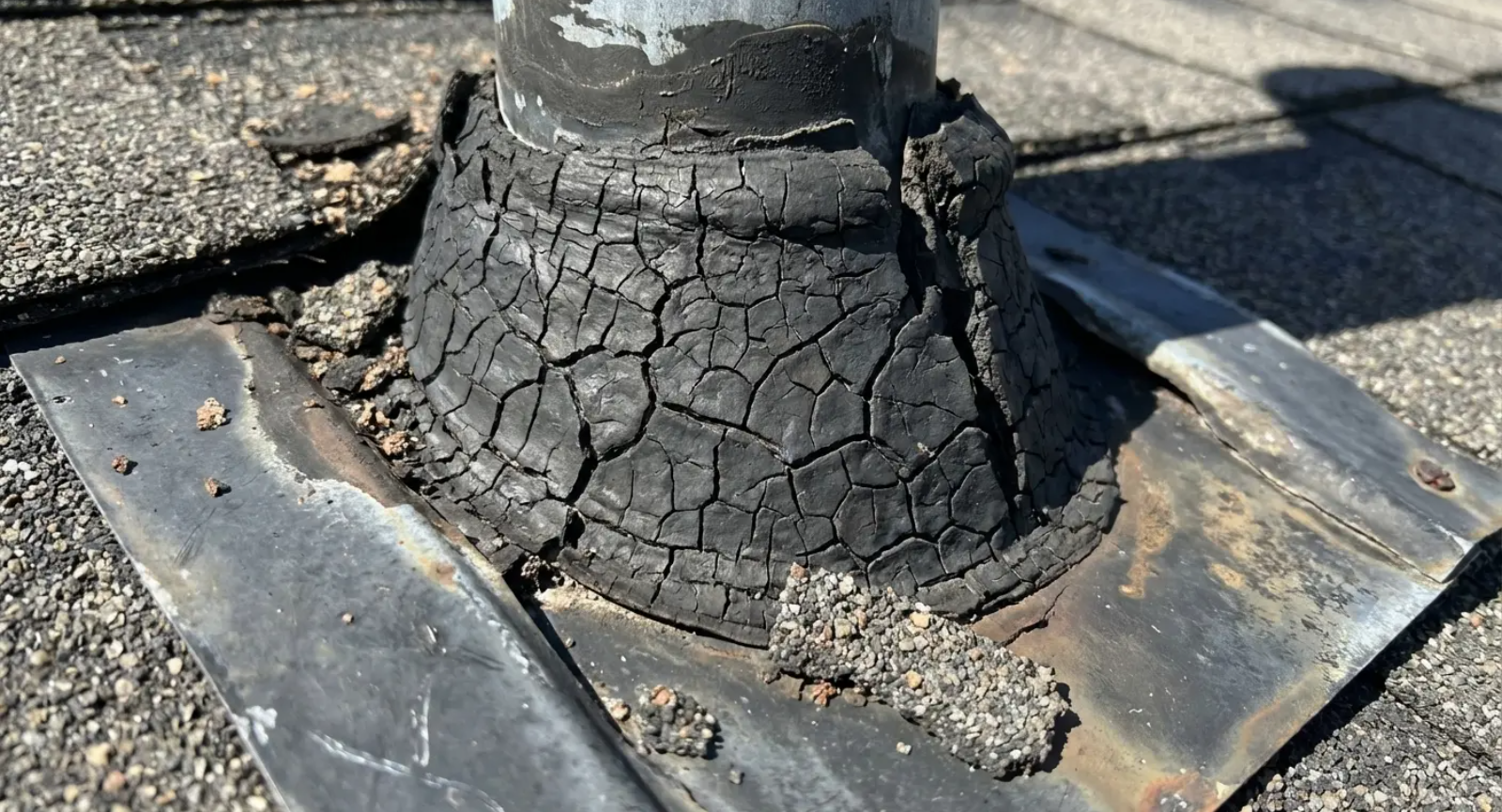
- [ ] Check pitch pockets (sealant pans) for shrinkage or cracking.
- [ ] Verify termination bars are caulked and secure.
- Perimeter Edge:
- [ ] Inspect metal coping caps for wind damage or loose joints.
Timing Is Everything
Standard protocol calls for inspections at least twice a year—specifically spring and fall—and immediately after any major weather events like hail or high winds. WT Anderson notes that while most commercial roofs last 20–30 years, signs like persistent leaks, sagging, and flashing failure can pop up much sooner. Catching these signs early depends entirely on your timing.
In-House vs. Pro Teams
While your facility manager can clear debris, checking membrane integrity and thermal bridging requires a pro to ensure you don't accidentally void a warranty. We draw a hard line here: Your team handles the basics; professional commercial roofing contractors handle the diagnostics.

Where Roofs Fail First
Roofs rarely fail in the middle of a wide-open section; they fail at the complicated details. We help you target your efforts on the high-risk areas that demand the most attention.
Flashings and Penetrations
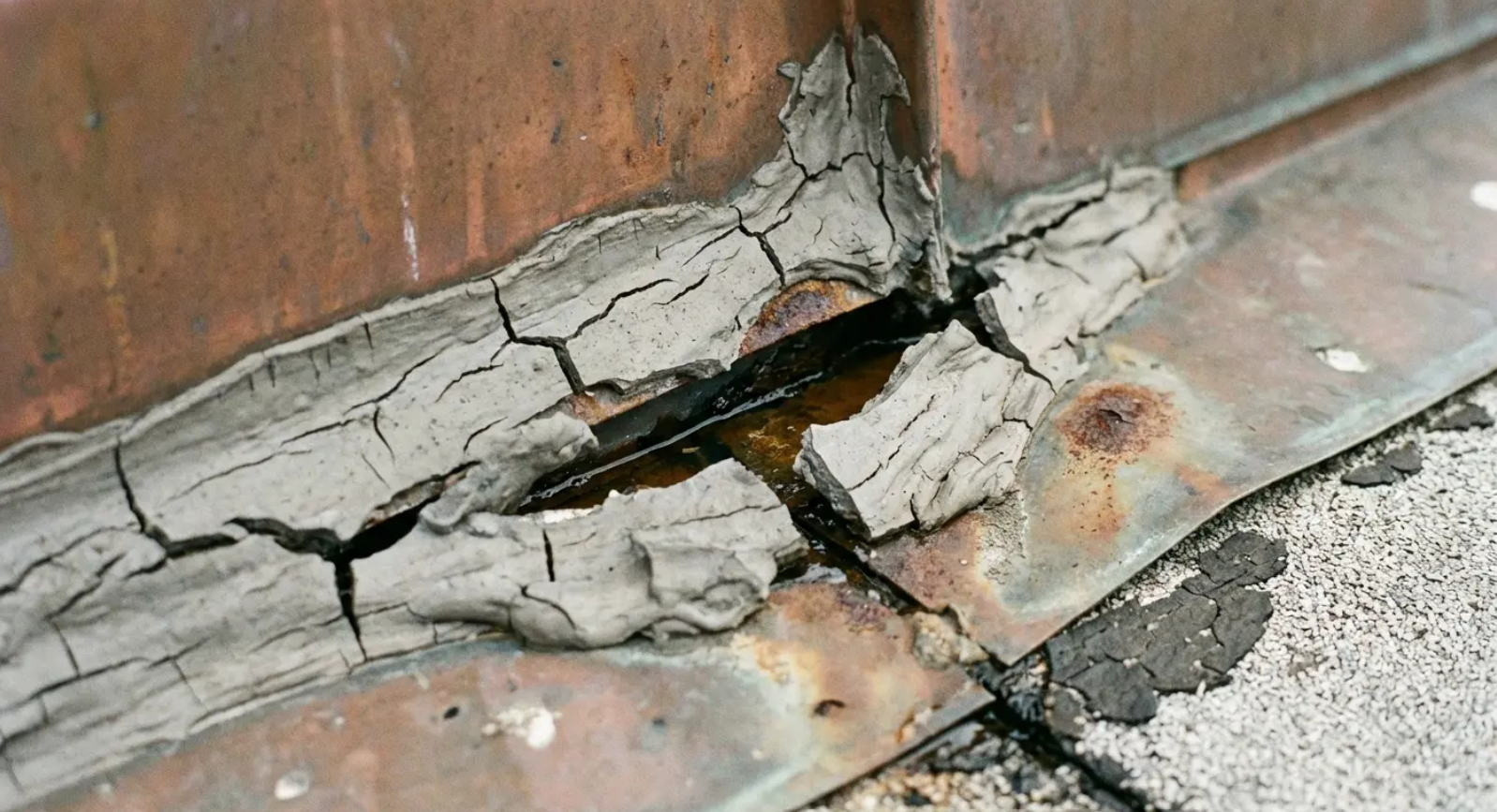
Here's a stat for you: 90% of leaks happen here. You have to maintain HVAC units, vents, and skylights, including checking pitch pans for shrinkage and ensuring termination bars are sealed tight. Because these areas are so critical, it’s worth understanding the most vulnerable parts of your commercial roof so you can prioritize them during inspections.

Structuring a Professional Maintenance Program
For most of you, hiring dedicated commercial roofing contractors is the most efficient route. But you need to know how to build a formal program and what specific elements to look for in a contract to ensure you aren't just paying for a truck to park in your lot. Commercial roof maintenance is evolving.
The market is shifting heavily toward service-based models. As Tracey Donels from Roofing Contractor points out, crews are turning to maintenance and repairs, transforming installers into diagnostic specialists. This benefits you because the technician on your roof knows why the leak happened, not just how to patch it.
Defining the Scope of Work
A contract is only as good as its scope. We define exactly what the contractor must do to ensure there is no ambiguity between "maintenance" and commercial roof repair.
Debris and Vegetation
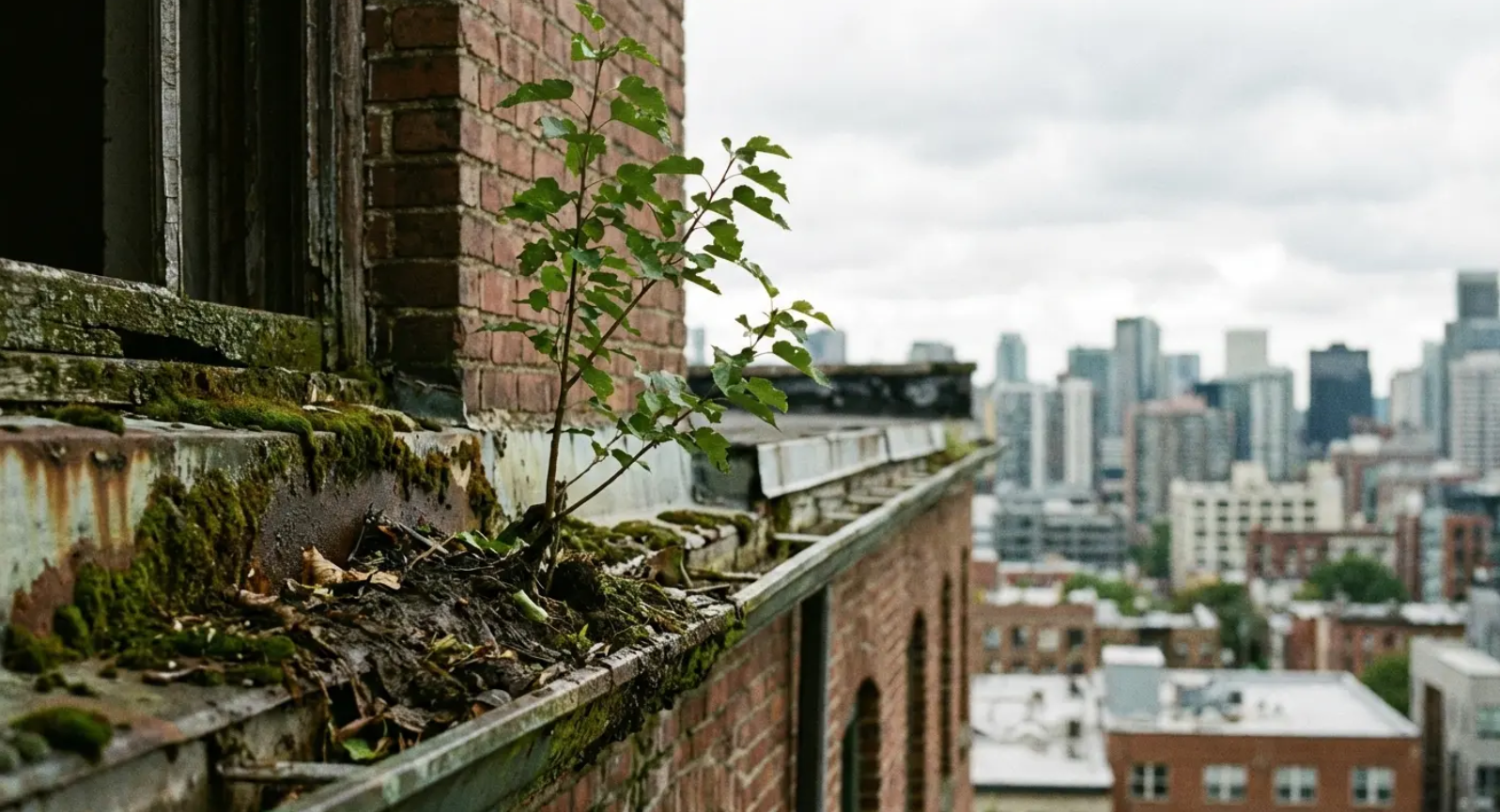
The contract has to include removing leaves, dirt, and organic growth. These block drains and cause ponding water, which accelerates rot. If your contractor isn't cleaning the drains, they aren't doing maintenance.

Defining "Minor" Repairs
We advocate for including "incidental" repairs in the base price. Resealing a specific linear footage of seams or topping off pitch pans should be covered. You shouldn't be getting billed for every single tube of caulk.
The "Nickel and Dime" Scenario: We saw a facility manager once who signed a low-cost contract that didn't define "minor repairs." During the first inspection, the contractor found 15 pitch pockets that needed topping off—a standard task. Because the contract only covered "inspection and reporting," the manager got a separate invoice for $1,200 just for labor and materials. A properly structured contract would have included those incidental repairs in the annual fee.
Proof of Work
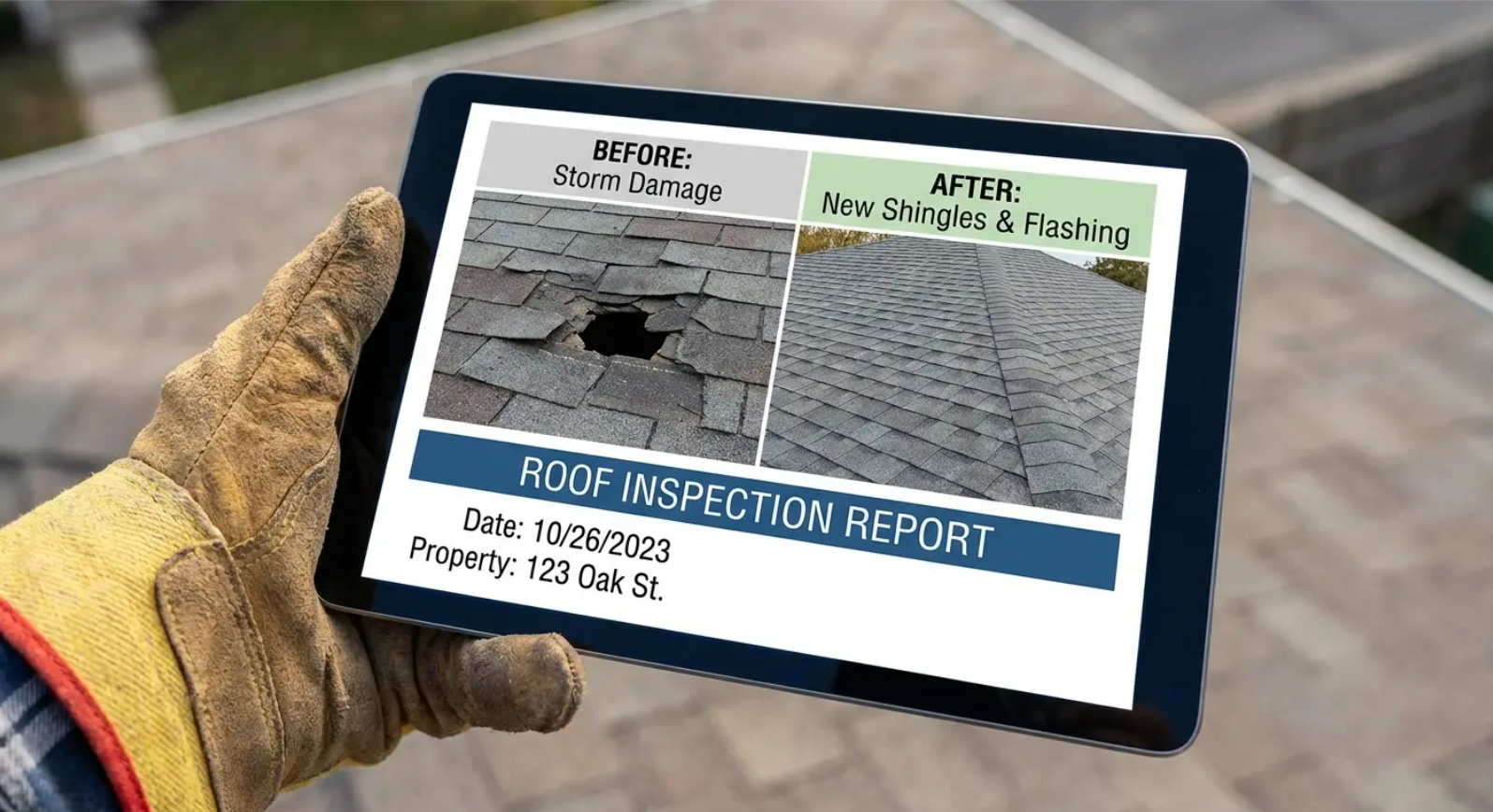
Demand accountability. The provider must supply a photo-documented report after every visit. This paper trail is vital for future insurance claims and proving you adhered to warranty requirements.

Navigating the Contract
Let's talk legal. This section breaks down the clauses that protect you as the building owner. You need to distinguish between a high-quality partner and a liability risk when signing a maintenance contract.
Protecting Your Warranty
Ensure the contractor is certified by the manufacturer of your specific roof system (like Firestone or Carlisle). Using uncertified contractors is a gamble you will lose.
Here is a real-world example of a voided warranty: A building owner hired a general handyman to install a new HVAC unit on a roof under a 20-year warranty. The handyman used a generic asphalt cement to flash the unit curb, which chemically ate through the existing TPO membrane. When it leaked, the manufacturer voided the warranty for that section because an unauthorized contractor used the wrong materials.
Liability and Safety
The contract must state that the provider assumes liability for their workers and adheres to OSHA standards. This protects you from lawsuits if an accident happens on your property.
The Service Level Agreement (SLA)
Negotiate a guarantee—such as a 4-hour window—for emergency leak calls as part of your retainer. You don't want to be stuck leaving voicemails while water pours into your conference room.

Reading the Fine Print
Damage from other trades or Acts of God usually isn't covered, but you should know the hourly rate for fixing these issues upfront so there are no surprises later.
Advanced Diagnostics and Data Integration
Technology is changing the game. Modern tools and sustainability trends help us analyze roof health with more precision than ever before.
High-Tech Inspections
The human eye has limitations. Modern maintenance uses tech to see beneath the surface and assess large areas without tearing anything up.
Thermal Imaging and Drones
Drones with infrared cameras can detect wet insulation under the membrane at dusk. This pinpoints leaks that haven't even entered the building yet.
Take the case of the invisible leak: A warehouse manager noticed high humidity but saw no dripping water. The roof looked perfect. However, a drone thermal scan at dusk revealed a large, blue "cool" patch under the insulation near a parapet wall. The scan showed water trapped beneath the membrane, saturating the insulation. This allowed for a targeted patch repair rather than a full tear-off.

Smart Sensors
Smart roofs are the future. Sensors installed in the insulation layer send real-time alerts to a dashboard if moisture gets in, allowing for immediate, localized repairs.
Digital Asset Management
It's time to move away from filing cabinets. Digital tracking for the roof's history and capital planning is the only way to manage a portfolio effectively.
The End of Paper Files
Cloud-based portals where inspection reports, invoices, and warranty docs live are essential. This data visualization helps you predict the exact year you will need a replacement.
Sustainability and Coatings
Maintenance isn't just about keeping water out; it is about keeping energy costs down.
Restoration Over Replacement
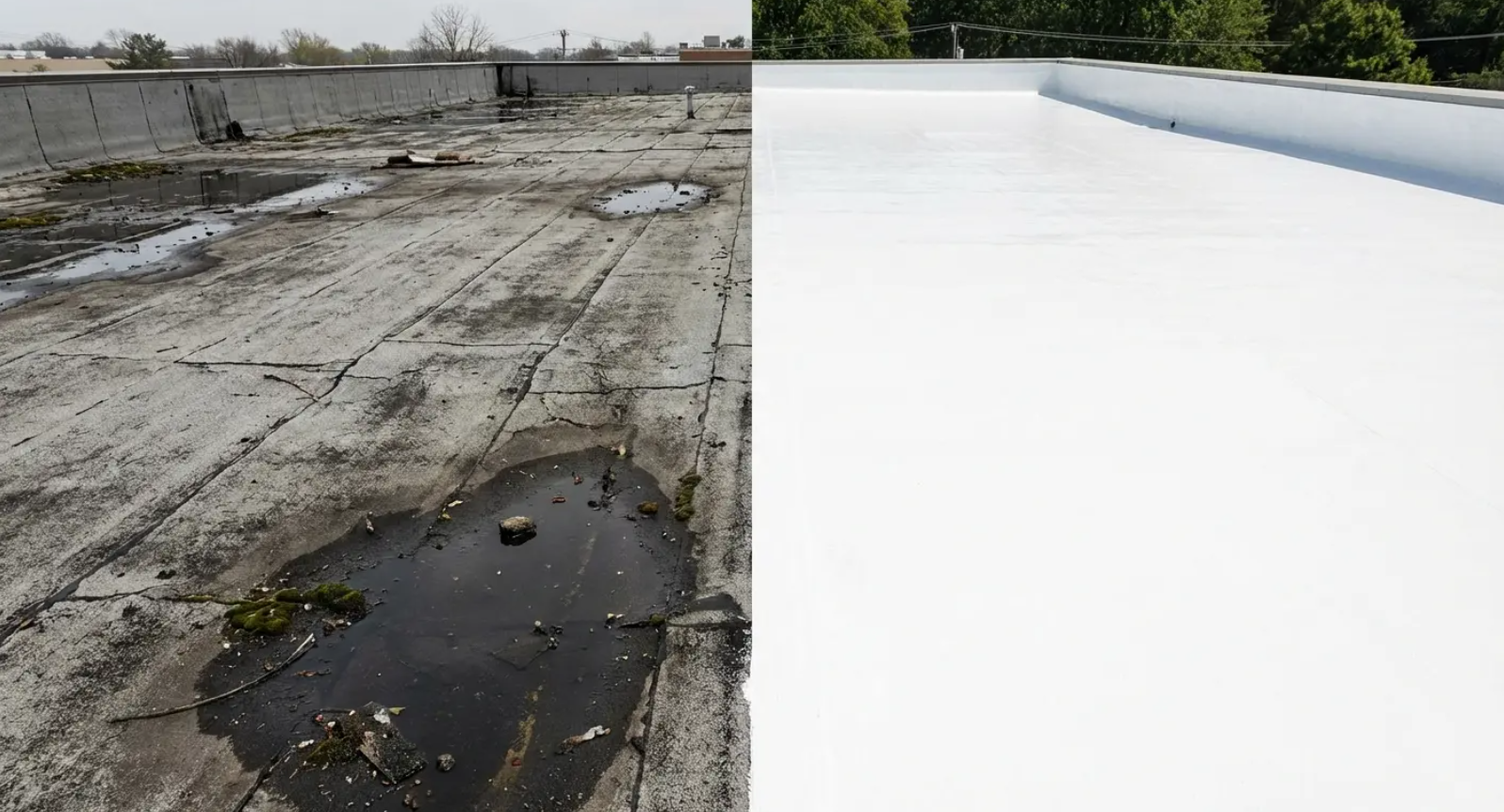
Extending roof life through silicone or acrylic coatings is a smart play. Maintaining these coatings involves annual cleaning to keep them reflective and effective. If you have a flat system, regular cleaning is essential; check out our tips for maintaining your flat roof to ensure your coating performs as intended.

Reflectivity Matters
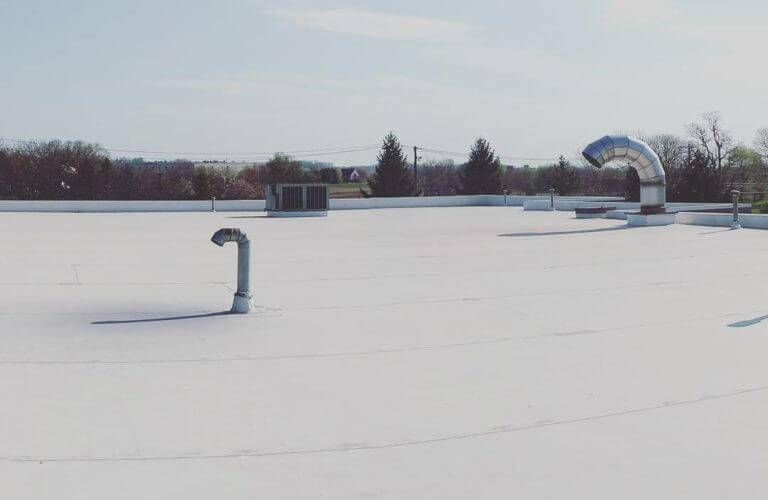
Dirty white membranes lose reflectivity, which increases your facility's cooling costs. Keeping them clean is actually an energy-saving measure.
Green Roof Care
Maintenance here involves horticulture—weeding, fertilizing, and checking irrigation—because the plants are your primary waterproofing protection.
Safety and Compliance
Maintenance involves checking the safety equipment itself to ensure your roof is safe to access.
OSHA Standards
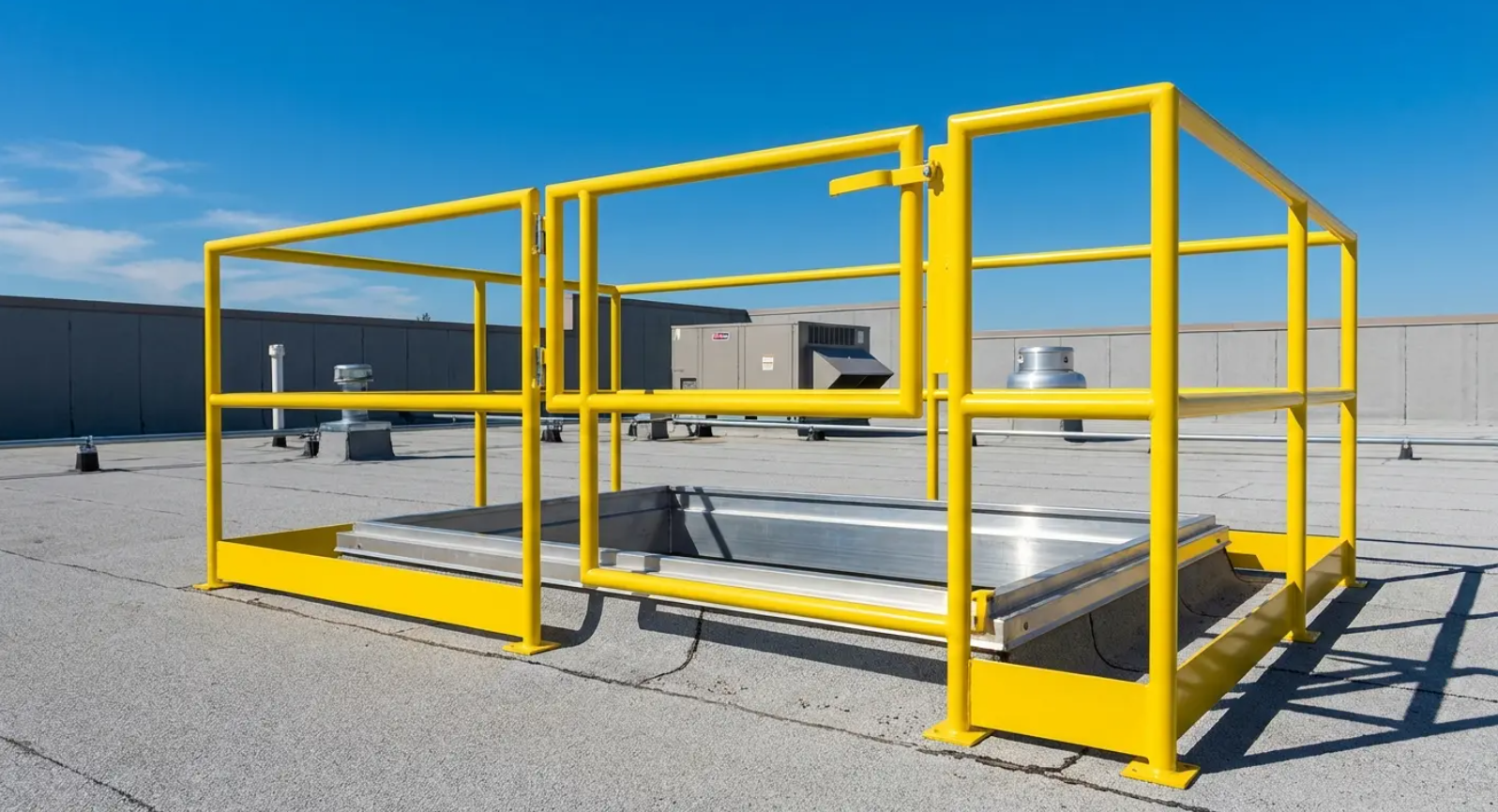
We inspect rails, hatch guards, and tie-off points during every visit to ensure they haven't corroded or loosened.

Walkway Integrity
Walkway pads are sacrificial layers protecting the membrane; if they are worn, we replace them to prevent punctures from foot traffic.
Executing the Plan: A Seasonal Approach
You need a practical timeline. We ensure you apply these concepts in a logical flow dictated by the weather. Following these tips ensures nothing slips through the cracks.
The Seasonal Calendar
Weather patterns dictate specific stresses on the roof. We break down actions by season to help you prepare.
| Season | Primary Risk Factor | Key Maintenance Action |
|---|---|---|
| Fall | Clogged Drains / Leaf Debris | Clean & Clear: Remove all organic debris to prevent ice dams. |
| Winter | Snow Load / Ice Dams | Monitor: Check for excessive snow accumulation and clear drains. |
| Spring | Freeze-Thaw Expansion | Inspect: Check flashings and seams for separation caused by thermal shock. |
| Summer | UV Radiation / Heat | Repair: Top off pitch pans and sealants that may dry out and crack. |
Fall Prep
This is the big one. You must clear drains of leaves to prevent ice dams and probe seams that might crack during freeze-thaw cycles. As Commercial Roofing Expert Eric Schultz points out, identifying weak points early reduces sudden winter leaks, because "trapped water often forces its way under the membrane." Addressing drainage issues before the temperature drops is the only way to prevent ice damming.
Spring Assessment
We focus on the thaw. Inspect for damage caused by ice expansion or snow removal crews and check metal copings that may have shifted due to thermal movement.
Summer Defense
We look at UV and heat. Check sealants and pitch pockets, as summer heat causes them to dry out and shrink, creating potential entry points for water.

Final Thoughts
Commercial roof maintenance is a complex discipline involving legal, financial, and technical expertise. The difference between a 15-year roof and a 25-year roof is a structured program. Joyland Roofing is your partner in this process. We handle the infrared detection, the warranty legalese, and the seasonal checklists so you don't have to. We position ourselves as stewards of your asset, helping you eliminate surprise costs and maintain compliance. If you are ready to move from emergency spending to planned budgeting, contact us to set up a consultation.
Implementing a solid maintenance program is the smartest financial decision you can make for your building. A clear contract and a comprehensive plan ensure you are covered. Trust us for your commercial roof maintenance and repair needs.