January 1, 2026
Roof Leak Repair: The Detective Work You Didn't Know You Needed
Author
There is nothing quite like the sinking feeling of looking up at your ceiling and seeing a dark, spreading stain. Water intrusion isn't just a nuisance; it’s a genuine threat to your home’s bones. In fact, leaks are the most common roofing headache out there, "affecting nearly 6 million homes nationwide". That’s a huge number, which is exactly why understanding how a leak actually works is so important for homeowners.
We see it every day: a spot appears, and the panic sets in. You know you need roof leak repair right now, but you aren't sure where to start. The reality is that fixing a leak is about more than just slapping a patch on a hole; it’s about investigating the source, seeing how bad the damage is, and making sure the fix actually holds. We wrote this guide to walk you through the exact steps we take when we show up at your house, so you can tell the difference between a quick Band-Aid and a real solution for your roof leak repair.
Table of Contents
- TL;DR
- Stop Guessing: Advanced Diagnostics & Leak Detection
- It’s Found, Now What? Material-Specific Repair Strategies
- To Patch or To Pitch? The "Repair vs. Replace" Calculus
- Don't Walk Away Yet: Post-Repair Integrity
TL;DR
If you just want the bottom line without the deep dive, here are the big takeaways regarding roof leak repair:
- Water is tricky: That stain on your ceiling? It almost never lines up perfectly with the hole in the roof. Water travels.
- Tech helps: We use infrared cameras and drones to spot leaks that human eyes just can't see.
- Skip the pressure washer: We use garden hoses to mimic rain; pressure washers force water into places it shouldn't go.
- Caulk isn't a cure-all: A real repair usually needs flashing tape or new metal, not just a squeeze of sealant.
- The 50% Rule: If fixing the roof costs half as much as a new one, replacement is usually the smarter move for your wallet.
Stop Guessing: Advanced Diagnostics & Leak Detection
Honestly, swinging a hammer is the easy part. Finding the actual entry point? That’s where the real work happens. Water follows the path of least resistance, which means we have to play detective and trace the leak from the wet spot on your ceiling back to the hidden source on the roof. This investigation is the most important part of roof leak repair.
Before we get into the complex stuff, you need to know how to stop the bleeding. We recommend checking out these 6 steps to take when your roof starts leaking to keep things safe and contained while you wait for help.
The "Ghost" Leak: Imagine you see water dripping from a kitchen light fixture. Instinct says to patch the roof right above the kitchen. But if you do that, the leak usually keeps going. Why? Because the water was actually coming in through a pipe vent ten feet up the roof, running down a wooden rafter, and only dripping once it hit the electrical box. This is exactly why we stop guessing and start tracing.
Getting Hands-On: Visual & Physical Inspection Protocols
Our first move is a full forensic look at the system. We don't just glance at the shingles; we look for the weird stuff—mechanical damage or material failures that are easy to miss if you aren't looking for them.

Inside the Attic
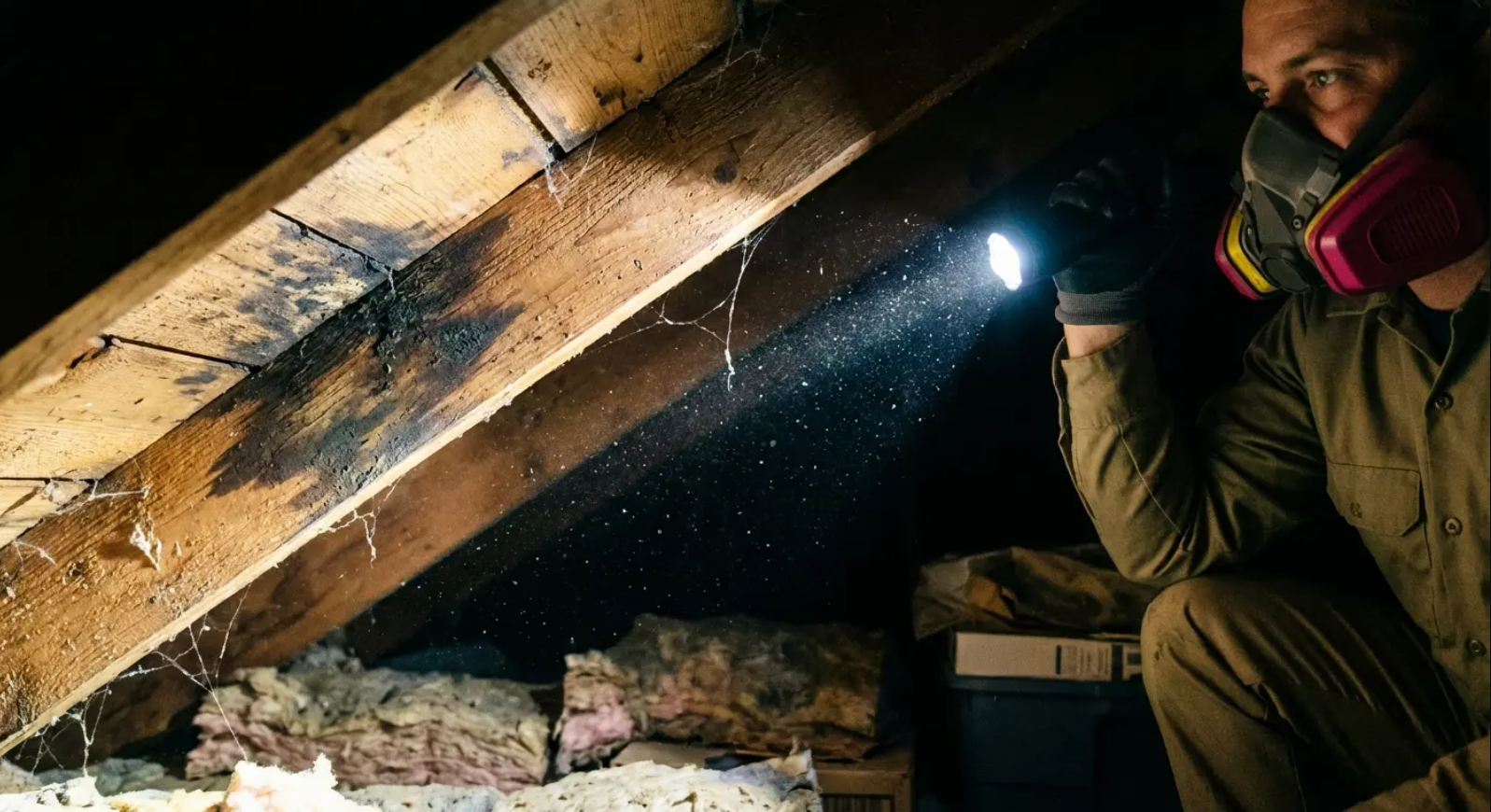
We headed into the attic with a high-powered flashlight to look for "shiners"—nails that missed the framing and started rusting. We also check for insulation that looks matted down (a sign of old drips) or black mold on the wood. Tracing those water trails up the rafters helps us find the highest point where the water is getting in for the leaking roof.
DIY Attic Inspection Checklist:
- [ ] Turn off the attic lights and look for any daylight poking through the roof deck.
- [ ] Check the insulation for flat, crunchy, or stained spots.
- [ ] Look at the underside of the wood sheathing for dark rings or mold.
- [ ] Keep an eye out for rusty nails (shiners) that might be dripping.
- [ ] Check bathroom and kitchen vent pipes for condensation or leaks.
Walking the Roof
Safety is everything when we get up on the roof. We start by checking the soft metals like vents and flashing, because that's usually where things fail. We also look for hail dings, punctures from tree limbs, or "fish-mouthing" on older shingles—that's when they curl up and let wind-driven rain slide right underneath.
Using Moisture Meters
We use non-invasive moisture meters on your drywall and insulation. It’s a great way to put a number on how wet things actually are, helping us figure out if a leak is active or just an old scar, and seeing how far the moisture has spread behind your paint.
When Eyes Aren't Enough: High-Tech Detection
Sometimes, even the best visual inspection can't find a stealthy leak. That’s where modern tech comes in. It lets us look "under the hood" without tearing anything apart, making
roof leak repair way more precise.

Thermal Imaging
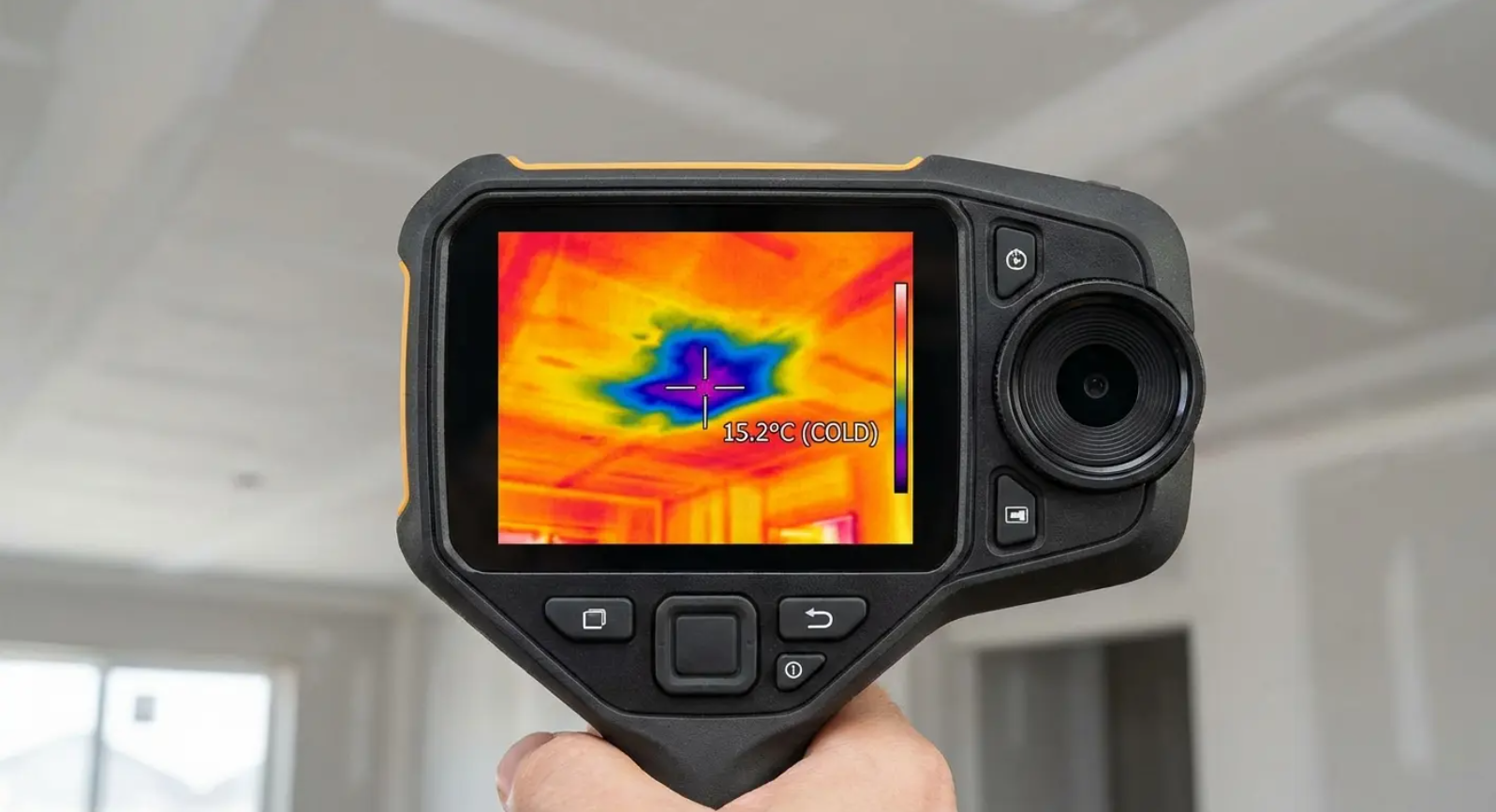
Infrared cameras allow us to see what’s happening beneath the surface. We wait for the roof to heat up in the sun and then scan it. Since wet insulation holds onto heat differently than dry insulation, the camera shows us exactly where moisture is trapped under the membrane.
Drone Reconnaissance
For steep, dangerous roofs—like slate or clay tile—we send up drones with 4K cameras. This lets us get a close-up look at chimney caps and ridge vents without risking damage to the roof (or our team) by walking on it.
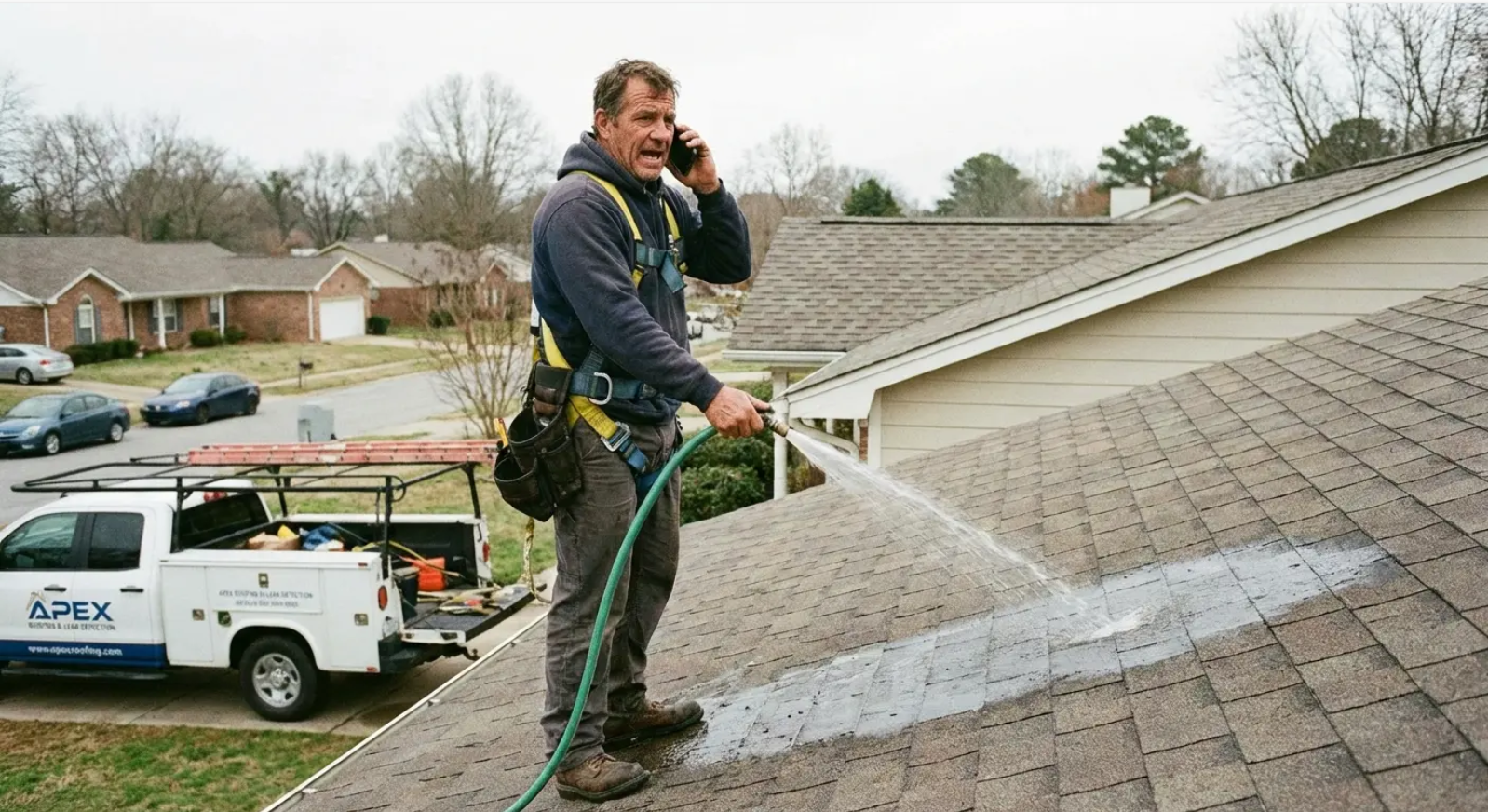
The Water Test: Recreating the Rain
The "gold standard" for being 100% sure is a two-person team and a garden hose. We basically recreate the leak in a controlled way to make sure we are solving the right problem before we start the
roof leak repair.

Isolating Zones
We never just spray the whole roof at once. We break it down into zones, starting at the bottom and watering for about 15 minutes before moving up. This helps us isolate the exact row of shingles or piece of flashing causing the headache.
Communication is Key
The person inside the house is just as important as the one on the roof. They stay on the phone and yell "stop" the second a drip appears. That confirms exactly which zone is the culprit.
Hose Technique
We tell everyone: don't use pressure washers. We use a garden hose set to "shower" mode. We want to simulate a heavy rainstorm, not blast water into places it naturally wouldn't go.
Safety and Tarping
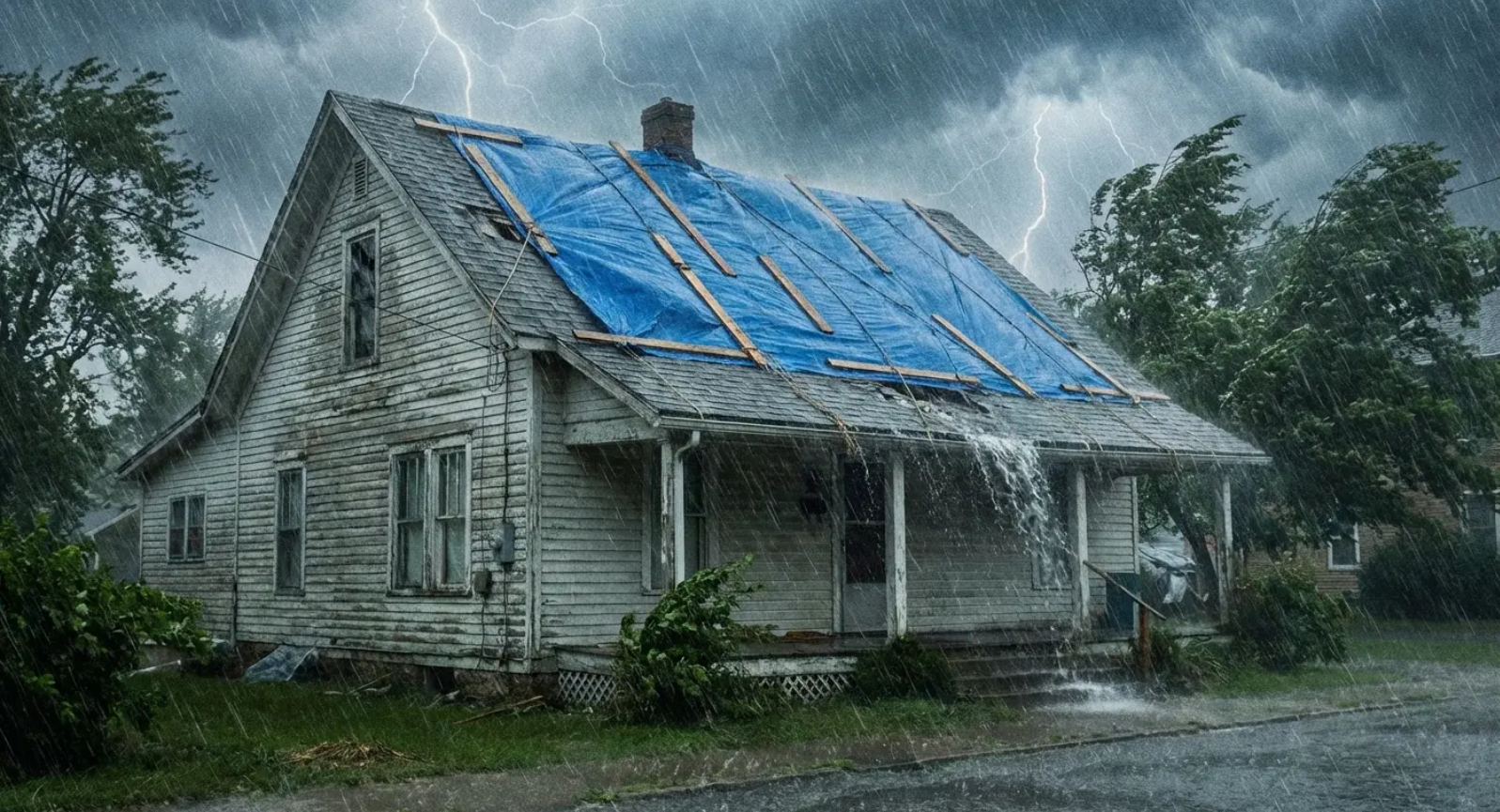
Once we reproduce the leak, we lock it down. We make sure ladders are tied off and we're wearing non-slip shoes. We keep a tarp ready to cover the area instantly so we don't cause any more interior damage while we prep for the real fix.
It’s Found, Now What? Material-Specific Repair Strategies
You can't fix an asphalt roof the way you fix a rubber one. The technique depends entirely on what your roof is made of. Here is how we handle the most common scenarios so you understand the complexity of your
roof leak repair.
| Roofing Material | Common Failure Point | Repair Complexity | Estimated Lifespan of Material |
|---|---|---|---|
| Asphalt Shingles | Nail pops, missing tabs | Low to Moderate | 15–30 Years |
| Metal Roofing | Washer failure on screws | Moderate | 40–70 Years |
| Slate/Tile | Cracked tiles, slipping | High (Requires Specialist) | 75–100+ Years |
| Rubber (EPDM) | Seam separation | Moderate | 20–30 Years |
Handling Asphalt Shingles
Since asphalt is what most people have, repairs usually involve carefully breaking the seal of the surrounding shingles to slide new ones in without wrecking the rest of the roof. It's standard procedure in
roof leak repair, but it takes a gentle touch.

The Flat Bar Swap
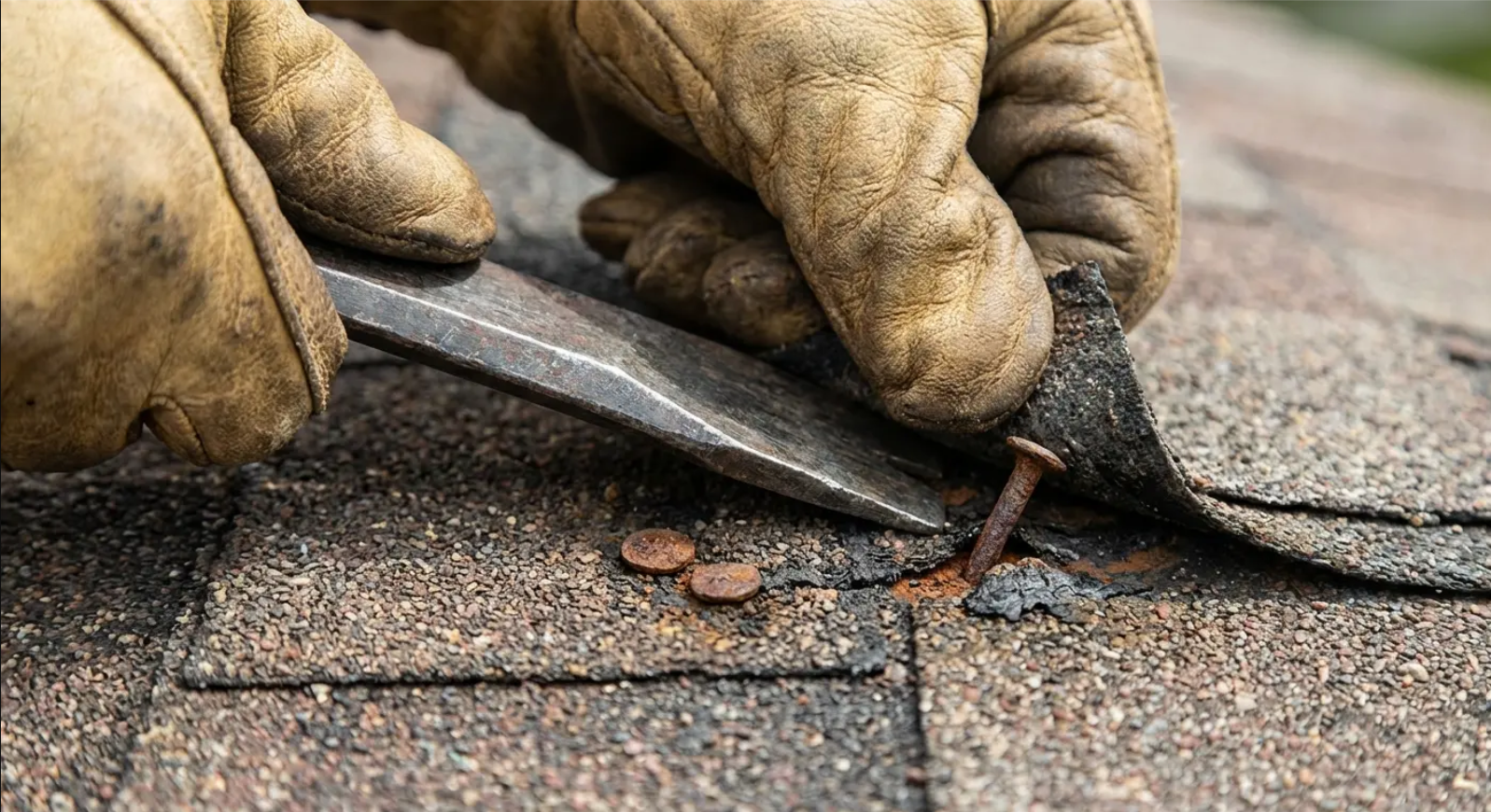
We use a flat pry bar to carefully break the tar seal. We pull the nails from the damaged shingle and the one right above it, slide the old unit out, slip the new one in, and nail it down tight.
Fixing Nail Pops
If a nail pops up, hammering it back down is a mistake—it’ll just pop again. The right way is to pull the nail out, fill the hole with roofing cement, drive a new nail two inches away, and seal the shingle tab back down.
Ice Dam Solutions
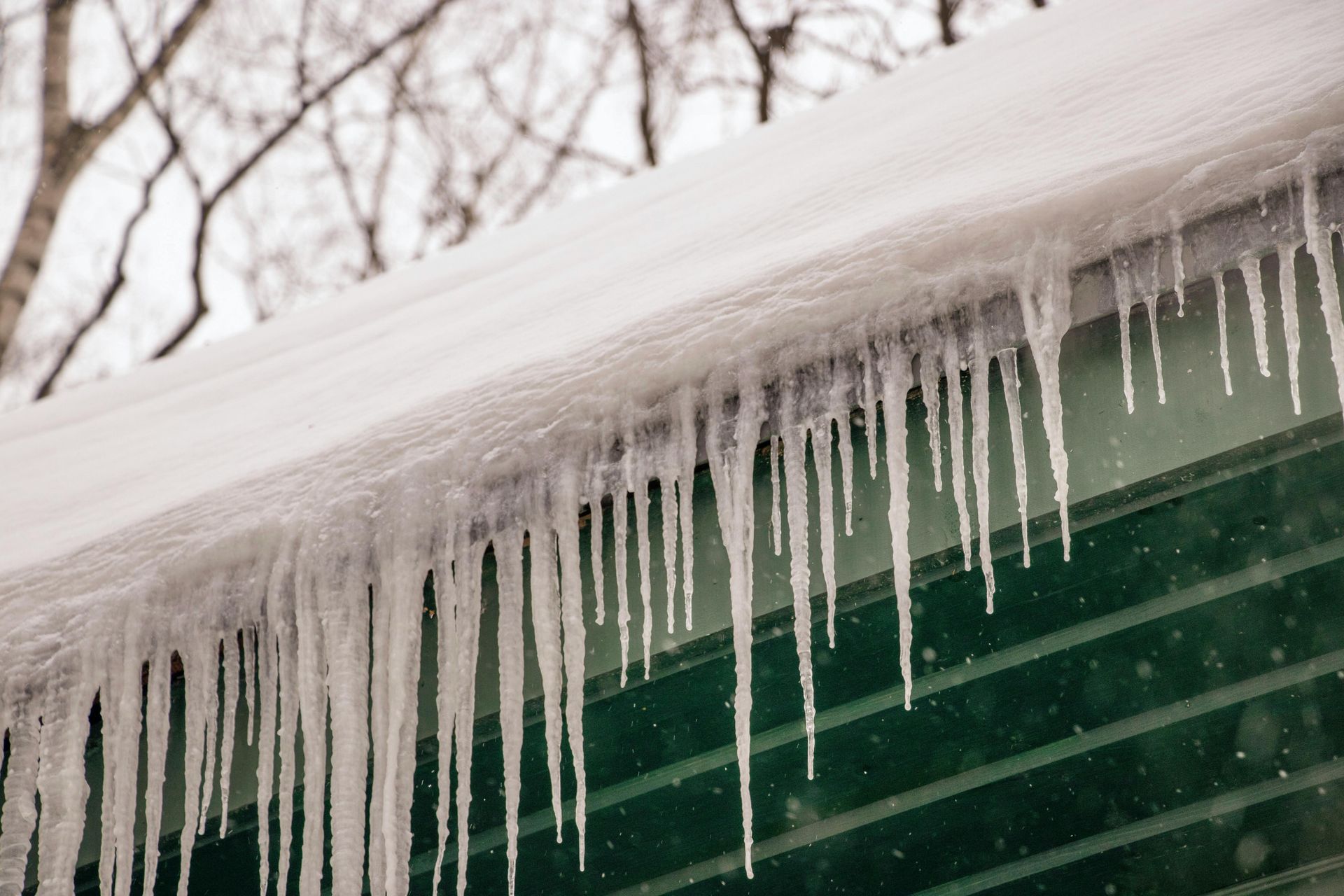
Leaks at the eaves caused by ice dams need a specific fix. We usually have to remove the bottom three feet of shingles, put down a self-adhering ice and water shield right on the deck, and re-shingle. It stops the backup cold.
Winter weather is no joke. As seen recently, "Gov. Dan McKee urged drivers to stay off the roads Sunday as a winter storm bears down on Rhode Island". Storms like that are ice dam factories, so prepping your eaves before the snow flies is the best way to avoid water backing up into your house.
The Real Culprits: Flashing and Penetrations
Here is a secret: 90% of leaks happen where something pokes through the roof, like pipes or chimneys. Fixing these means working with metal and special sealants, not just slapping on more shingles.

Pipe Boot Replacement
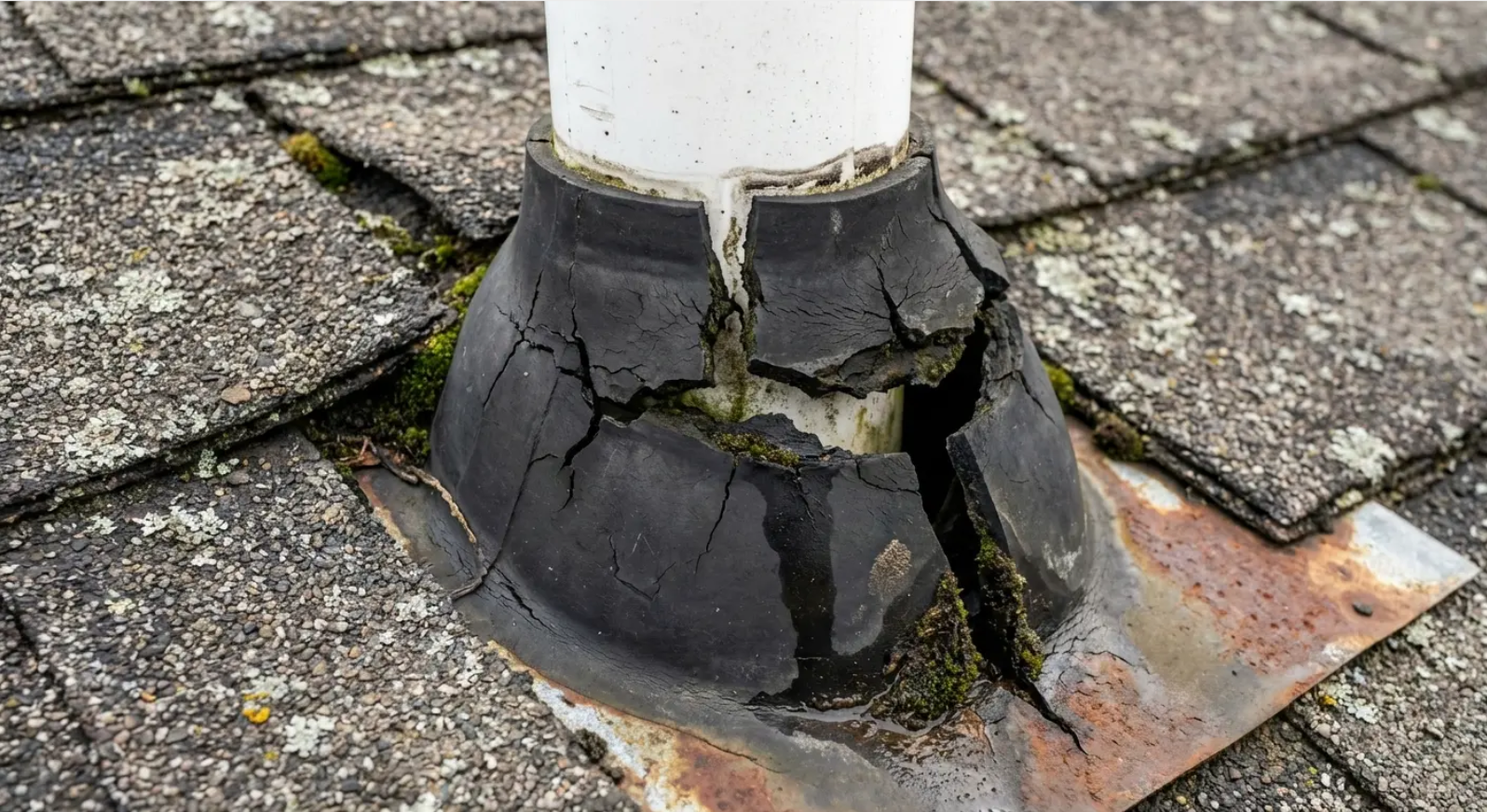
Those rubber gaskets on pipe boots rot out after about ten years. We rip out the surrounding shingles, pry up the old flashing, and install a new aluminum-base boot. We make a point never to nail the top of the flange so water can flow freely.
If you’re handy and think the gasket is the issue, you can check out our guide on DIY: How to replace a pipe boot on an asphalt shingle roof to handle it yourself.
Step Flashing Remediation
The L-shaped metal cards where a roof meets a wall are vital. If they rust out, we have to pull back the siding and shingles to replace them one by one, making sure each overlaps the one below it by at least two inches.
Chimney Cricket Installation
A simple patch won't fix water pooling behind a chimney. We build a "cricket"—a small diverted roof structure that physically pushes water around the masonry so it doesn't get stuck there.
For smaller masonry issues, like failing sealant, you might be able to manage the fix by reading our tutorial on DIY: How to recaulk chimney flashing.
Tape vs. Caulk
Caulk is temporary. For a fix that lasts on metal seams, we use butyl-backed flashing tape. It expands and contracts with the weather, whereas caulk eventually just cracks and fails.
The Caulk Trap: A lot of homeowners try to fix a flashing leak by gooping a thick bead of silicone caulk over the metal edge. It stops the water for a few months, sure. But the sun dries it out, it peels, and worse—it can trap water behind the flashing, rotting the wood underneath.
To Patch or To Pitch? The "Repair vs. Replace" Calculus
We help you figure out when a patch is enough and when the roof is just done. Sometimes paying for another
roof leak repair is just throwing good money after bad.

Reading the Roof’s Health
We have to look at the big picture. Is this leak a one-off accident, or is the whole system failing? Checking the overall health of the roof is critical before we tell you to repair it.
Age is a huge factor. Data from the U.S. Census Bureau says that "nearly 60% of owner-occupied homes nationwide were built before 1980". If your home is in that group and the roof hasn't been replaced recently, a leak is probably a sign that the materials are just expiring, rather than a random damage event.
Granule Loss
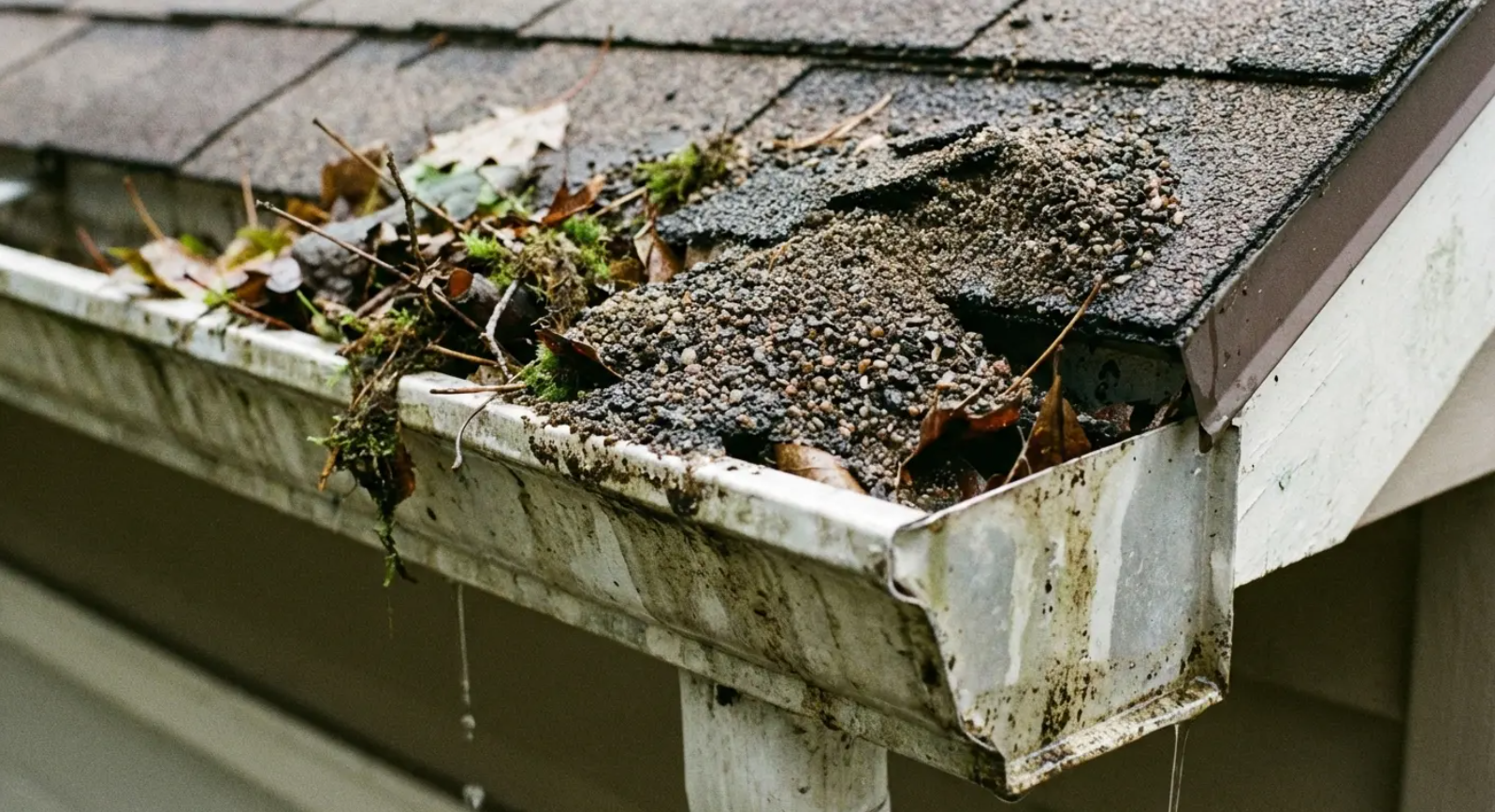
Check your gutters. If they are full of colored sand (granules), your shingles are getting brittle. Trying to repair them often cracks the neighbors, creating a domino effect of new leaks.
Spongy Decking
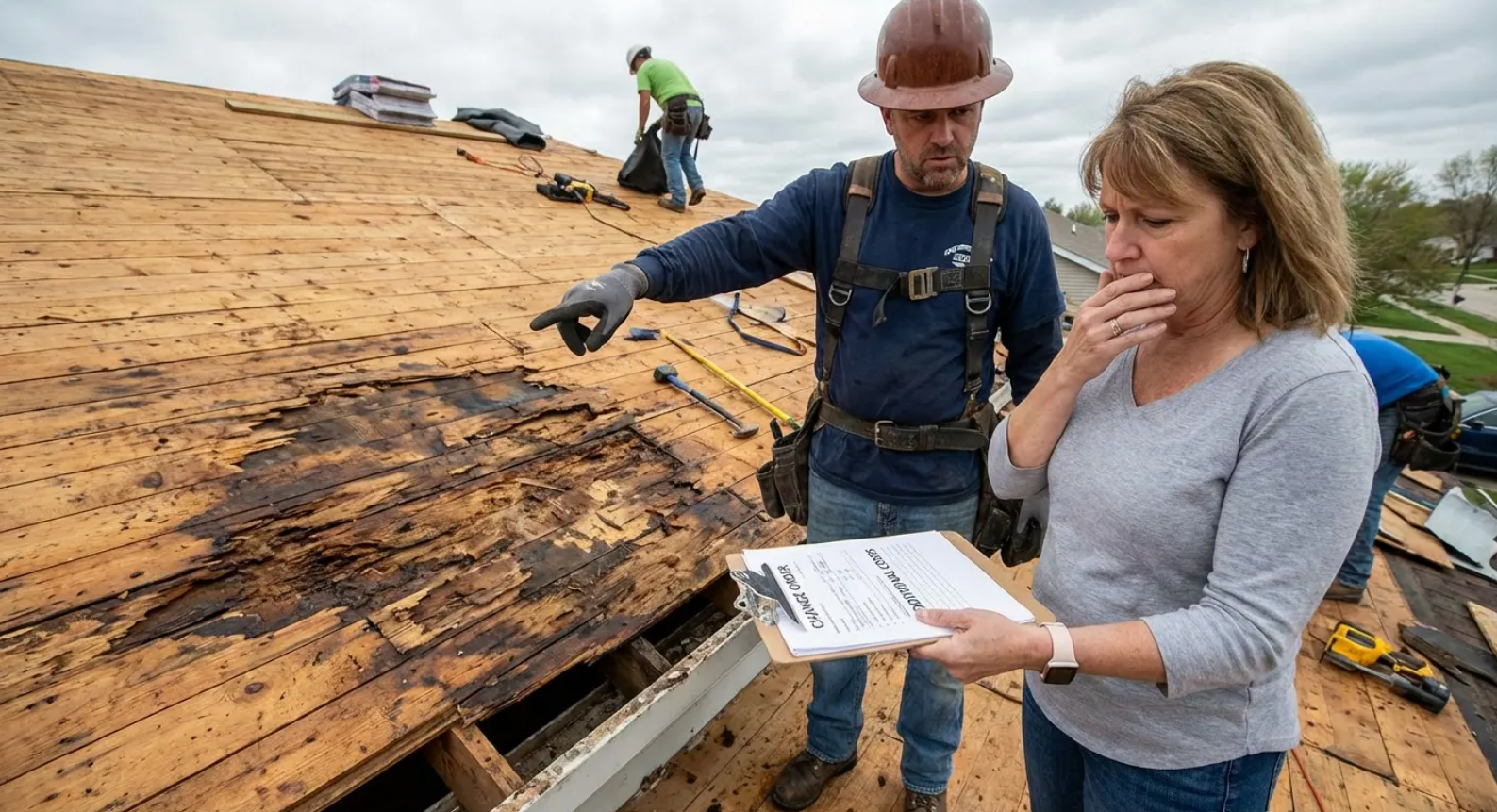
If the plywood feels soft when we walk on it, the leak has been active for a long time. A surface patch isn't safe here; we have to rip it up and replace the structural wood.
The Financial Reality
We break down the money side of things, looking at the "50% Rule" and insurance to help you make the best choice for your bank account.
Budgeting is always the main stressor. To give you an idea of what you might pay, we broke down the typical costs of roof repairs in Central PA, giving you a realistic baseline before you even schedule an estimate.
Cost is always the bottom line. While a minor patch is affordable, the "national average roof repair cost of around $970" can quickly balloon if you have multiple failing spots. We help you compare the cost of that
roof leak repair against the price of just getting a new system.
| Factor | Repair is Likely Best | Replacement is Likely Best |
|---|---|---|
| Roof Age | Under 15 Years | Over 20 Years |
| Damage Extent | Isolated (one slope/area) | Widespread (>25% of surface) |
| Cost Ratio | < 30% of replacement cost | > 50% of replacement cost |
| Ownership Plans | Selling within 1 year | Staying 5+ years |
The 50% Rule
We follow a standard industry rule: If the repair is going to cost more than half the price of a new roof, or covers more than 25% of the surface, you're usually better off just replacing it. It’s a better long-term investment.
Insurance Nuances
Insurance covers storm damage but usually denies claims for old-fashioned wear and tear. We can help you figure out if filing a claim is worth the hassle based on what caused the leak.
Resale Value
A patchy roof with mismatched shingles lowers your home's value. If you plan on selling soon, a new roof offers a high ROI, while a patched-up roof often gets red-flagged by home inspectors.
Band-Aids vs. Surgery: Temporary Solutions
Sometimes you just need to stop the water right now while you wait for funds or better weather. Here is what you need to know about temporary fixes for
roof leak repair.

Emergency Tarping
We wrap the tarp over the ridge so water can't run under the top edge. We secure it with wood strips, not bricks, and we always emphasize: this is a 30 to 90-day fix, tops.
If the weather is nasty right now and you can't get a contractor out, read our guide on emergency roof leak repair: how to stop a leak in the rain to protect your living room until the pros arrive.
Ignoring a leak is dangerous, especially for vulnerable folks. In a recent incident in East Providence, "dozens of nursing home residents relocated after a leak" compromised the building. It’s a stark reminder that dragging your feet on repairs can lead to major displacement and structural failure.
Wet-Patch Limitations
Products like wet-dry roofing cement work in the rain, but the chemicals can actually eat away at asphalt over time. Use them if you have to, but know they need to be removed and properly repaired later.
Don't Walk Away Yet: Post-Repair Integrity
The job isn't done just because the truck drives away. We want to verify the repair and keep the roof maintained so this doesn't happen again, ensuring your repair holds up.

Double-Checking the Work
We want to make sure the repair holds up against the next storm. We also look at the environment around the roof to minimize future risks.
Retesting the Repair
We advise doing the water test again once the materials have cured. It is much better to find out the repair failed while we are still there than during the next thunderstorm.
Interior Painting Timing
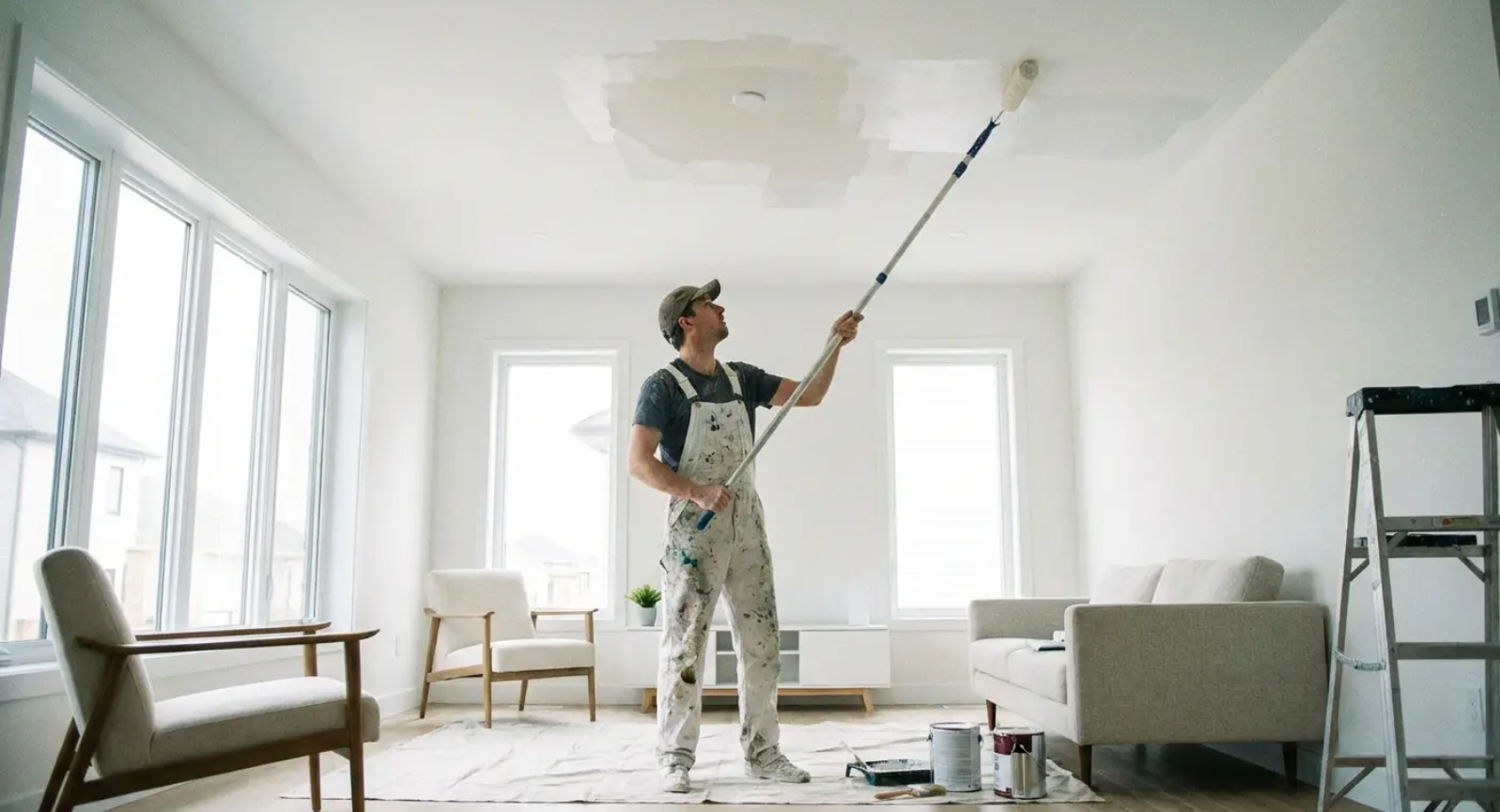
Do yourself a favor: wait for one or two heavy rains before you paint your ceiling. We recommend using a stain-blocking oil-based primer to make sure that old water stain doesn't bleed through your fresh paint.
The Premature Paint Job: We see this all the time. A homeowner fixes a leak and paints the ceiling the next day. Two weeks later, a storm hits. The repair holds, but residual moisture trapped in the attic insulation seeps down and ruins the new paint. Give it time to dry out!
Gutters and Valleys
Keep your gutters and valleys clear. Clogged gutters cause "capillary action," where water backs up under the shingles and creates leaks even on a perfectly good roof.
Annual Plans
Proactive maintenance is cheaper than emergency repairs. Tune-up packages that include resealing pipe boots and clearing debris can extend the life of your roof significantly.
How Joyland Removes the Mystery
We know how stressful a leaking roof is. You see the water, but you can't see the cause or the cost. Joyland Roofing solves this by being radically transparent. We don't just tell you what is wrong; we show you. We use video inspections to show you the rusted flashing or missing shingle so you can see it with your own eyes. This kills the mystery and helps you make an honest decision between
roof leak repair and replacement. If you are tired of guessing, reach out to us to see exactly what is happening up there.
Final Thoughts
Roof leak repair is a process that takes patience and skill. Whether it is a simple boot swap or a complex diagnostic puzzle, understanding the "why" behind the leak is just as important as the repair itself. We encourage you to take action early before a small drip becomes a massive disaster. If you need expert help with your
roof leak, we are here for you.