The big reveal: This Cedar Shake Roof Replacement is Finished in Wrightsville, PA
James Wesser
July 8, 2026

Lorem ipsum dolor sit amet

Lorem ipsum dolor sit amet, consectetur adipiscing elit. Sed do eiusmod tempor incididunt ut labore et dolore magna aliqua. 

Quick answer: what does the finished cedar shake roof look like?

Joyland Roofing is back in Wrightsville, Pennsylvania, for the final part of this cedar shake roof replacement project.


And now, the roof is complete.

The short version? It looks gorgeous.


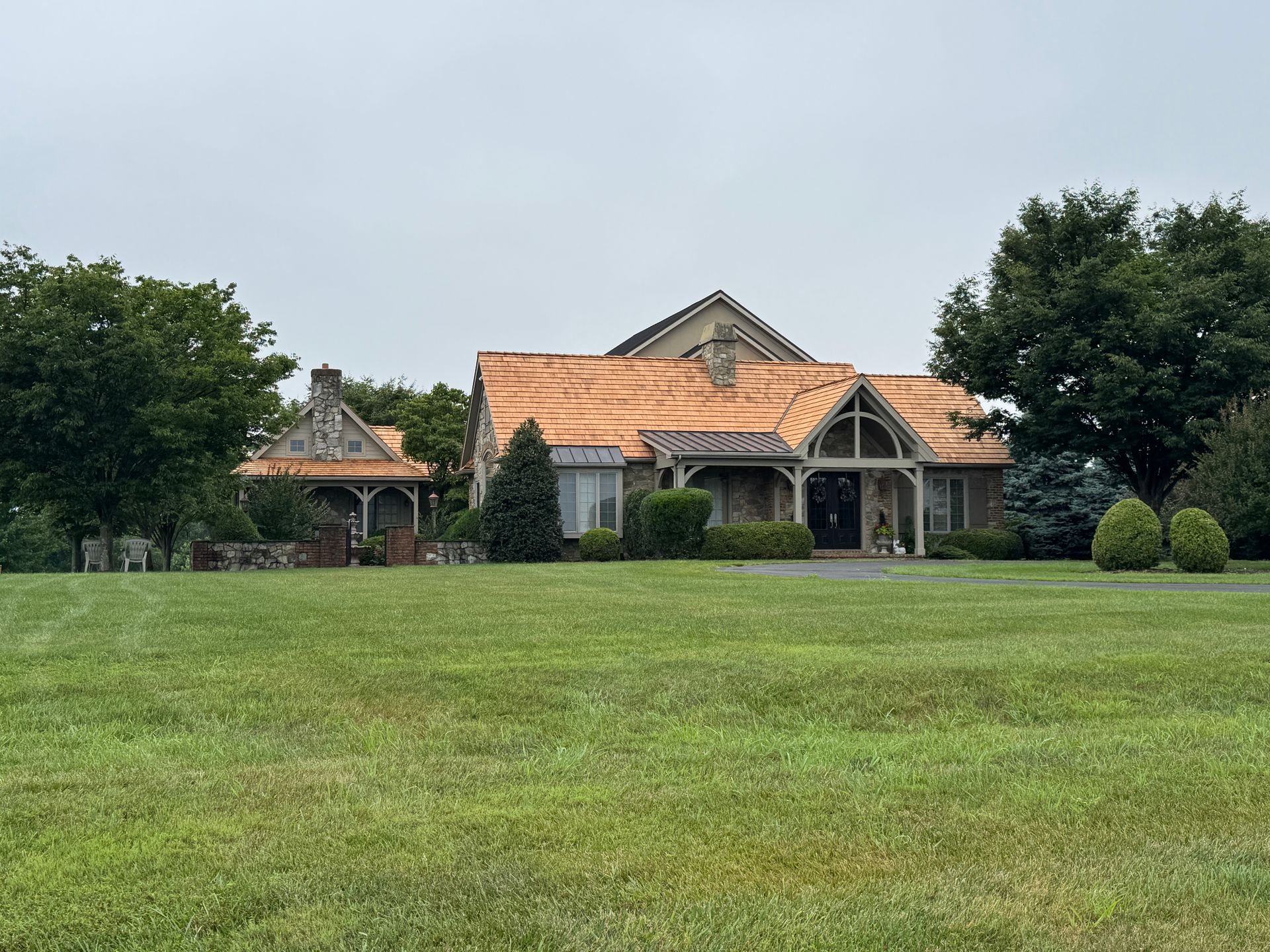
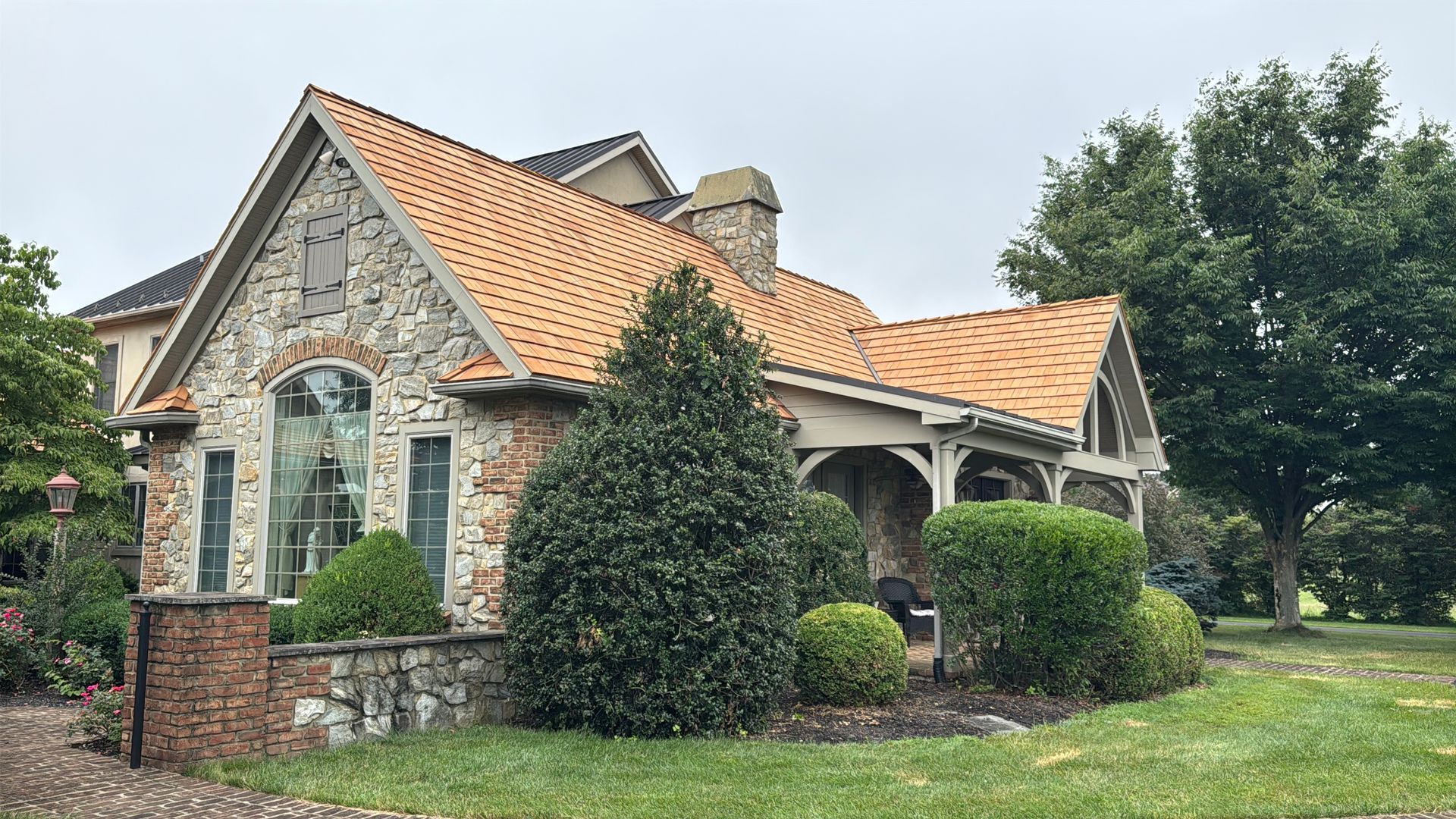
A finished cedar-shake roof has a completely different presence than a standard asphalt-shingle roof. The color, texture, and natural variation in the wood give the home a warmer, sharper, and more finished look. On this home, the new cedar ties in with the stone chimneys, standing-seam metal sections, valleys, wall areas, and architectural details, making the entire exterior feel refreshed.


As Kevin O’Connell put it on-site: “A brand new cedar roof is just amazing to look at.”


This is Part 3 of the series, which means we’re finally at the payoff: the finished cedar shake roof reveal.

Why does the finished cedar shake roof look so different?

Cedar shake has one of the most dramatic before-and-after transformations in roofing.


Kevin said it clearly: when you replace old asphalt shingles with new asphalt shingles, you can see the difference. The same is true for metal. But with cedar, the change is much more noticeable.


The old roof and the new roof are not just different in age. They’re different in color, texture, depth, and character.


That’s why the finished roof stands out so much.


The new cedar has a bright, natural tone. The individual shakes create dimension across the roof. From the ground, the roof doesn’t look flat or plain. It has movement. It has texture. It looks like it belongs on the home, especially with the stone and architectural details around it.


This is where a cedar shake roof earns its reputation.

It’s not just a roof covering.

It becomes part of the look of the whole home

What should you look for in the finished roof?

When you look at the finished photos or video from this Wrightsville project, the biggest thing to notice is how the cedar transitions throughout the home.


Kevin pointed out several finished details worth watching:

  • How the cedar tucks under the second-story wall areas
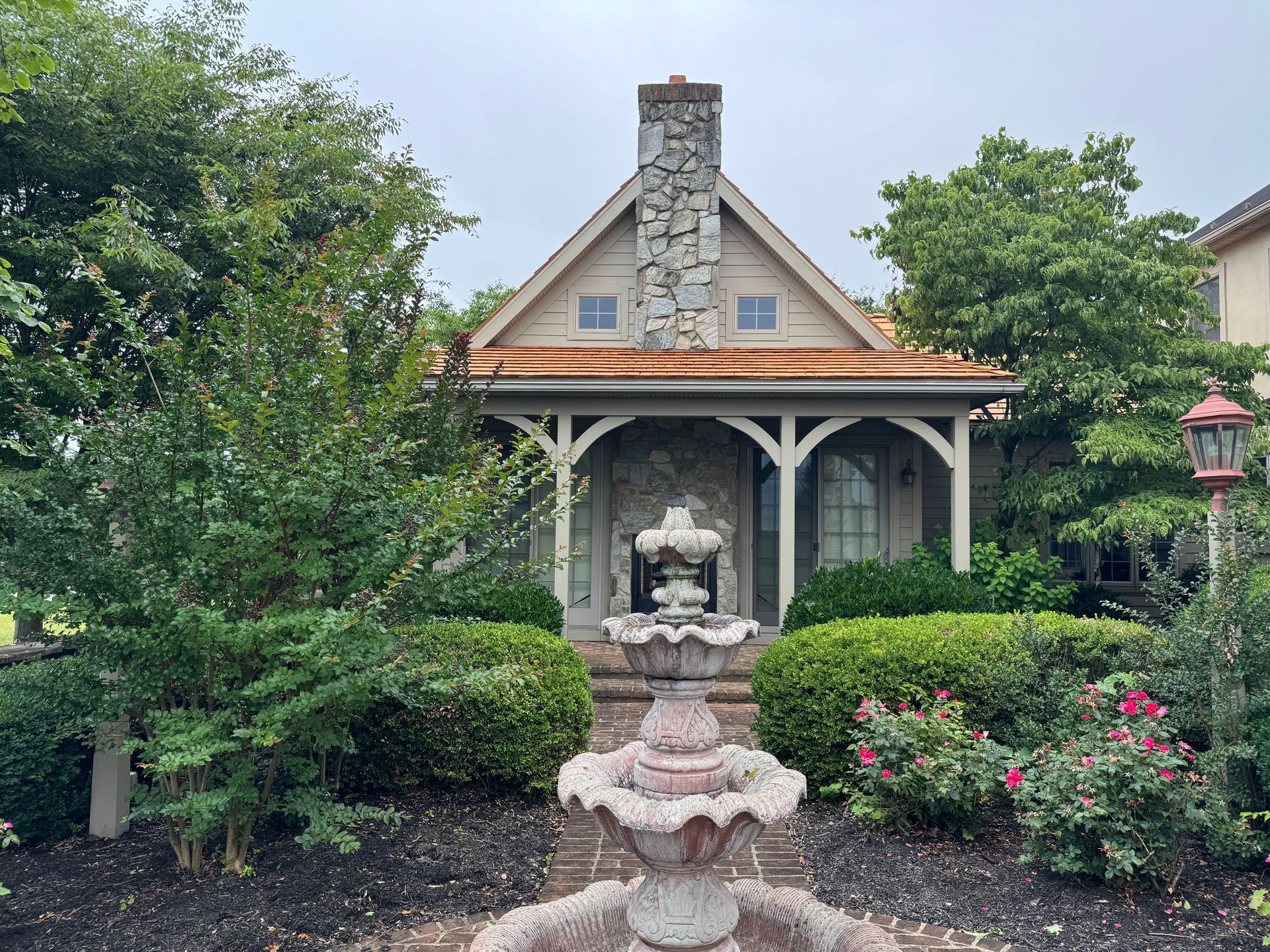
  • How the new roof ties into the stone chimneys
  • How the cedar meets the masonry without looking forced
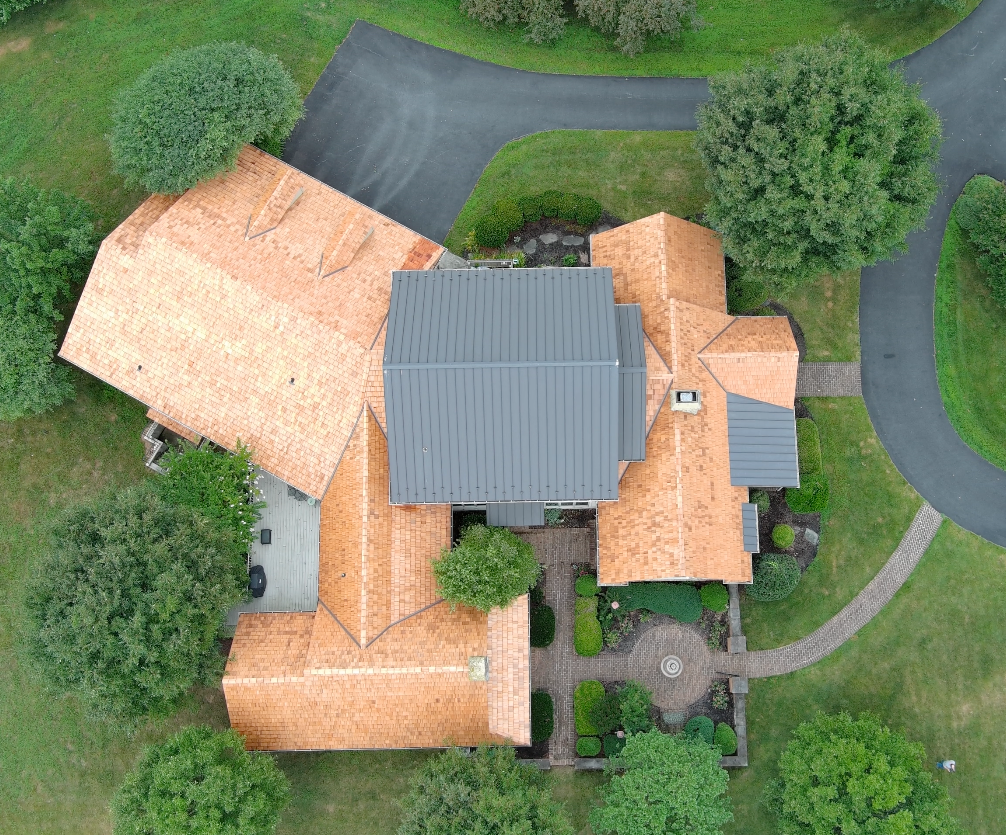
  • How the roof lines move into valleys and corners
  • How the standing-seam metal sections work with the cedar
  • How the ridge caps finish the peaks of the roof


Those details are easy to miss if you’re only looking at the roof from far away.

But they’re a big part of why the finished project looks so clean.


The cedar doesn’t appear to have been dropped on top of the home. It looks like it belongs there.

That’s the goal.

Visual evidence: finished cedar details to notice

Final reveal

What makes the finished cedar roof stand out?

The new cedar is the first thing you notice, but the finished details around the home are what make the project feel complete.

1

Natural cedar color

The new cedar gives the home a warm, fresh look that immediately changes the exterior.

2

Stone chimney tie-ins

The cedar meets the masonry cleanly, which helps the roof look intentional instead of patched together.

3

Finished peaks

Ridge vents and ridge caps help finish the roof structure and give the peaks a clean final look.

Plain-English takeaway: The finished cedar is beautiful on its own, but the way it ties into the chimneys, walls, valleys, and peaks is what makes the whole home look complete.

What part of this finished cedar roof is Kevin most proud of?

For Kevin, the most satisfying part of this project was not just the roof’s overall look.

It was the intricate detail work.

One area he specifically called out was the garage section, where multiple valleys converge at the home’s inside and outside corners.


Those areas are tricky on any roof. With cedar, they require even more care.

That’s because cedar shake roofing is made up of many smaller pieces. When water moves through valleys or around corners, the installation must be clean, both functionally and visually.


Kevin said those details mattered for two reasons:

First, the roof needs to be installed to help prevent water intrusion.
Second, the finished details still need to look good.


That’s the fun and frustrating thing about cedar shake. The roof has to work right, but it also has to look right.


No pressure. Just a few thousand pieces of wood sitting in someone’s home.

How does the new cedar work with the stone, metal, and architecture?

One of the reasons this finished roof looks so good is that the cedar doesn’t have to carry the entire exterior load. It works with the rest of the home.


The stone chimneys, stone walls, standing-seam metal sections, dormers, porch areas, and landscaping all give the home character. The new cedar adds warmth and texture to that existing style.


That’s what makes this project feel less like a simple roof replacement and more like a full exterior refresh.


Kevin mentioned that the cedar “slips” beneath the stone chimney areas and ties into the various elements of the home. That’s the kind of finished detail that helps the roof feel connected to the rest of the house.


When the roof is done well, the eye shouldn’t get stuck on awkward transitions.


It should just look finished.


That’s exactly what this roof does.
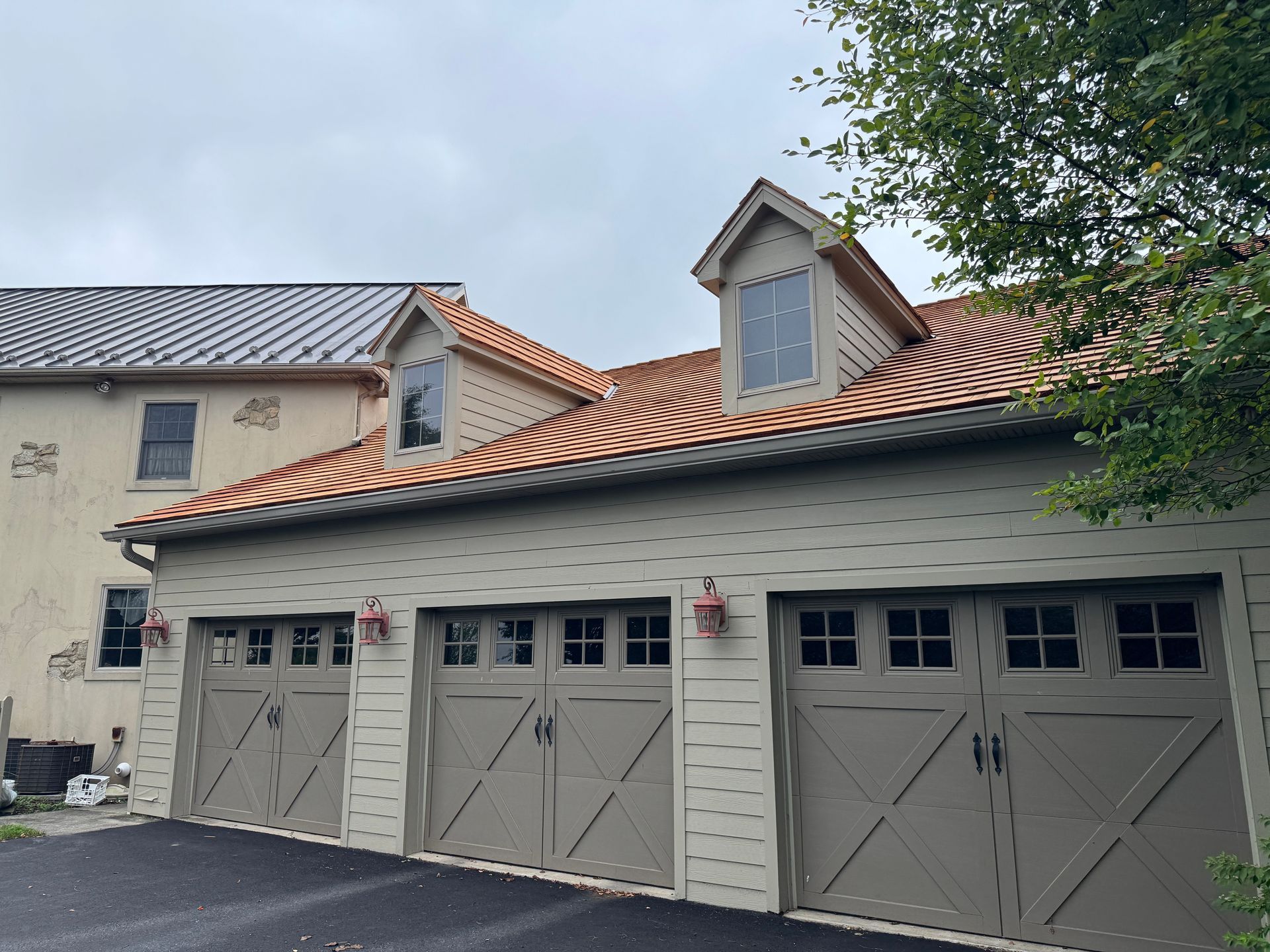
What should the homeowner feel confident about now?

If this were Kevin’s home, he said he would feel secure with the new roof.

That confidence comes from two things: the product and the installation.


This project used a high-quality cedar-shake system with multiple layers of protection, including the shakes themselves and the underlayments beneath them.


The goal isn’t just to make the roof look good on day one. It’s important to install it carefully so the homeowner can feel confident about the roof over time.

And yes, the homeowner should also feel proud of how the house looks now.


Kevin said the finished project makes the home feel like a brand-new home.

That’s not a bad feeling to have when you pull into your driveway.

How long did this cedar shake roof replacement take?

This cedar shake roof replacement took about 2.5 weeks to complete.


That timeframe can vary depending on the size of the home, the roof’s square footage, the number of details, the weather, and how many tricky areas the crew has to work through.


Kevin explained that cedar isn’t installed like three-foot-wide metal panels or a standard asphalt shingle roof. Cedar takes longer because each section has to be removed, prepared, installed, and carefully detailed.


The straight runs can move faster.


The detailed areas are where the time goes.


That includes valleys, chimneys, roof-to-wall areas, ridge caps, and areas where multiple roof sections meet. And on this project, there were plenty of those.

Visual evidence: where the time goes on a cedar shake roof

Project timeline

Where the time goes on a cedar shake roof

This cedar shake roof took about two and a half weeks because the straight roof areas are only part of the job. The detailed sections are where the careful work really shows.

2.5
weeks on this project

The timeline included removal, install, detail work, ridge vent, ridge caps, and the final finish.

The simple version

Straight runs move faster. Valleys, chimneys, walls, corners, ridge vents, and ridge caps take more time because each one has to be tied in cleanly and finished carefully.

1

Straight roof sections

Open roof faces can move more quickly because there are fewer interruptions, fewer tie-ins, and fewer spots where materials are meeting.

2

Detail-heavy areas

Stone chimneys, valleys, wall transitions, inside corners, outside corners, and standing seam tie-ins need slower, more careful work.

3

Finished cedar roof

The extra time shows up in the final result: clean transitions, finished peaks, protected details, and a cedar roof that looks like it belongs on the home.

Plain-English takeaway: Cedar shake roofs take longer because the details take longer. On a home like this, those details are the difference between a roof that is simply replaced and a project that looks truly finished.

What should viewers notice from Part 1 to Part 3?

If you watched this project from the beginning, Kevin said he hopes a few things stood out.


First, the care that went into the installation.

Second, the effort to protect the property during the two-and-a-half-week project.

Third, the visual change from the old cedar roof to the new cedar roof.


That’s the whole reason we documented this project in parts.


Part 1 introduced the roof and explained why cedar shake is different.

Part 2 showed the middle of the project, including tear-off, deck checks, potential leak areas, chimneys, valleys, and tie-ins.

Part 3 shows what all of that work turned into.


The finished roof is the part everyone sees.

But the full series shows how it got there.

What does wrapping up this project mean to the Joyland team?

For Kevin, wrapping up a project like this on time means a lot.


This was a large cedar shake roof replacement with multiple details, a two-and-a-half-week timeline, stone chimney work, roof transitions, ridge work, and a finished look that had to match the home.


Kevin said he was proud and blessed that the Joyland team completed the project, met the timeline, avoided major complications, and handled whatever came up along the way.


That’s what you want in a project like this.


Not drama.
Not mystery.
Not “we’ll figure it out eventually.”


Just a crew working through the details and getting the project across the finish line.

Who is Joyland Roofing?

Joyland Roofing serves homeowners across south-central Pennsylvania with roof replacement, roof repair, specialty roofing, gutters, siding, and exterior services.


We documented this cedar shake roof replacement in Wrightsville because it shows the kind of work that’s hard to understand from a single before-and-after photo.

A finished cedar shake roof is beautiful.


But the full story includes planning, tear-off, deck checks, weather decisions, chimneys, valleys, wall transitions, ridge vent, ridge caps, and careful installation from start to finish.


That’s what this three-part series was built to show.

Ready to talk about your roof?

Whether you have cedar shake, asphalt shingles, metal roofing, or another roof system, Joyland can walk you through what is happening and what your best options are.

Want us to take a look at your roof?

Whether it is cedar shake, asphalt shingles, metal, or another roof system, Joyland can walk you through what is going on and what your best options are.

Get in Touch With Joyland

FAQs about this finished cedar shake roof replacement

  • Where is this cedar shake roof replacement project?

    The finished cedar roof has a dramatic visual transformation. Kevin described the first impression as “gorgeous” and said a brand-new cedar roof is amazing to look at.

  • Why does a cedar shake roof look so different after replacement?

    Cedar has natural color, texture, and depth. Compared to replacing asphalt shingles or metal roofing, the change from old cedar to new cedar can feel much more dramatic.

  • What finished details should homeowners notice?

    Homeowners should look at how the cedar ties into the stone chimneys, wall areas, valleys, standing seam metal sections, ridge caps, and other architectural elements of the home.

  • How long did this cedar shake roof replacement take?

    This roof took about 2.5 weeks to complete. Roofs that are bigger may take even longer (up to 4 weeks) to complete. 

John Esh | CEO & Master Installer

  • 25+ Years Experience: From ground crew to Master Certified Installer.
  • Local Roots: Serving Lancaster, Harrisburg, and SEPA since 1991.
  • Credentials: GAF Master Certified (ME27586); Licensed in PA (PA124258) & MD (#137952).
  • The "Why": Obsessed with "radical transparency" to remove the fear factor from home improvements.

James Wesser | Content Producer

  • Background: Former local news digital producer and journalist.
  • The Mission: Turning complex roofing jargon into clear, "fluff-free" answers for homeowners.
  • Local Tie: When not filming on-site, he’s likely roaming Hersheypark or building digital worlds.

Meet The Experts