
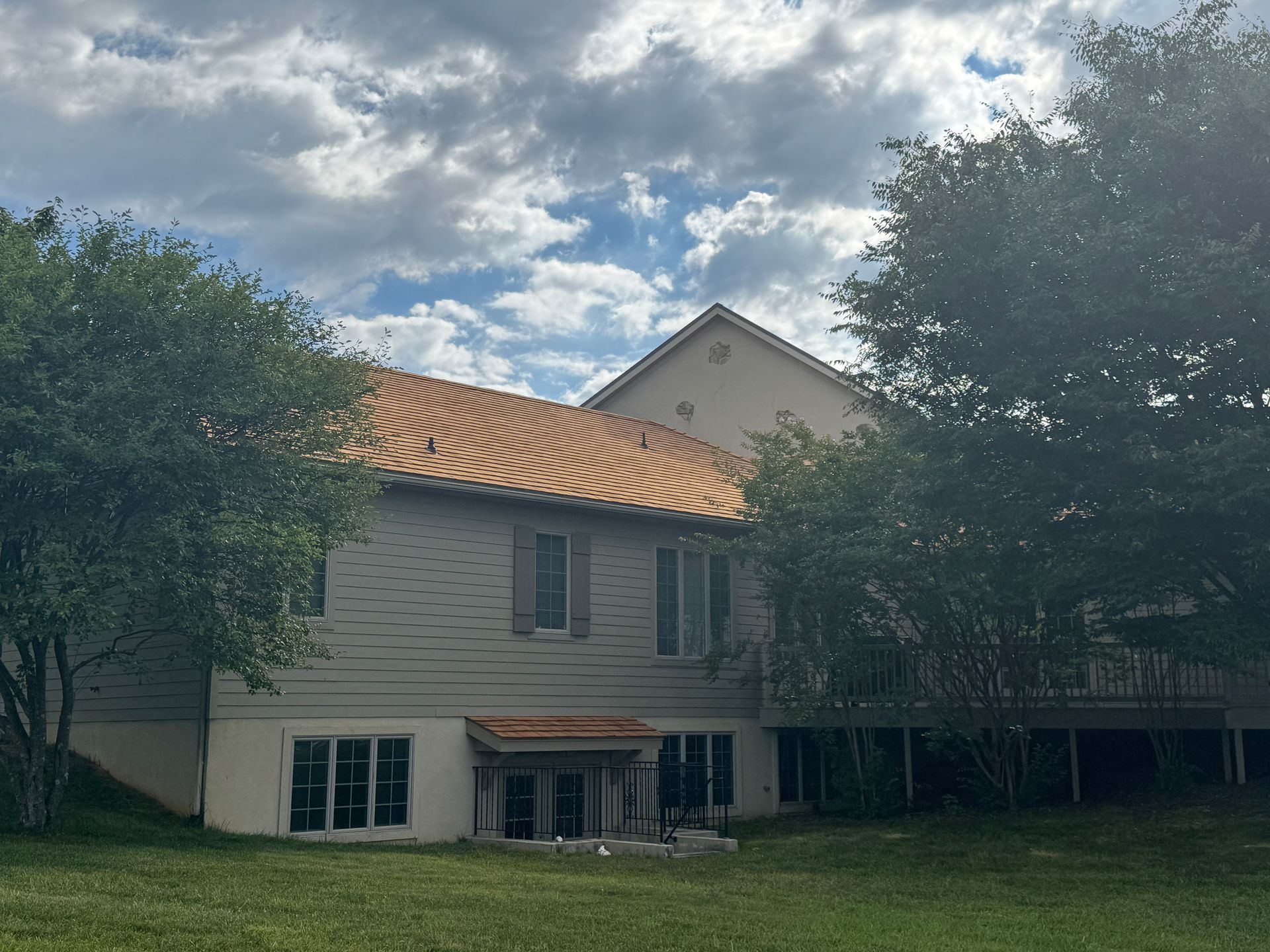
We’re halfway through this cedar shake roof replacement in Wrightsville, PA: Part 2
James Wesser
June 25, 2026

Lorem ipsum dolor sit amet

Lorem ipsum dolor sit amet, consectetur adipiscing elit. Sed do eiusmod tempor incididunt ut labore et dolore magna aliqua. 

Quick answer: Where is this cedar shake project now?

Why does the midway point matter on a cedar shake roof replacement?

The midway point of a cedar-shake roof replacement is where many of the hidden details come into view.

From the ground, homeowners usually see the finished roof. That’s the pretty part—the part that gets compliments from neighbors—and we’re not mad about that.


But midway through the project, the crew sees the roof differently.


At this stage, sections of old cedar are removed, new cedar is installed, and the roof deck, valleys, chimneys, wall transitions, and ridge areas are checked as the project moves forward.


On this Wrightsville cedar-shake project, Kevin said the roof is about 50–55% complete. That makes this the perfect stage to show what has changed since Part 1 and what still needs to happen before the final reveal.

Part 2 progress update

This cedar shake roof is about 50 to 55% complete

The old cedar is coming off, the new cedar is going on, and the crew is checking the details that matter while the roof is opened up.

Project progress 50 to 55%
1

Old cedar coming off

The crew is removing the existing cedar in sections instead of getting too far ahead of the weather.

2

New cedar going on

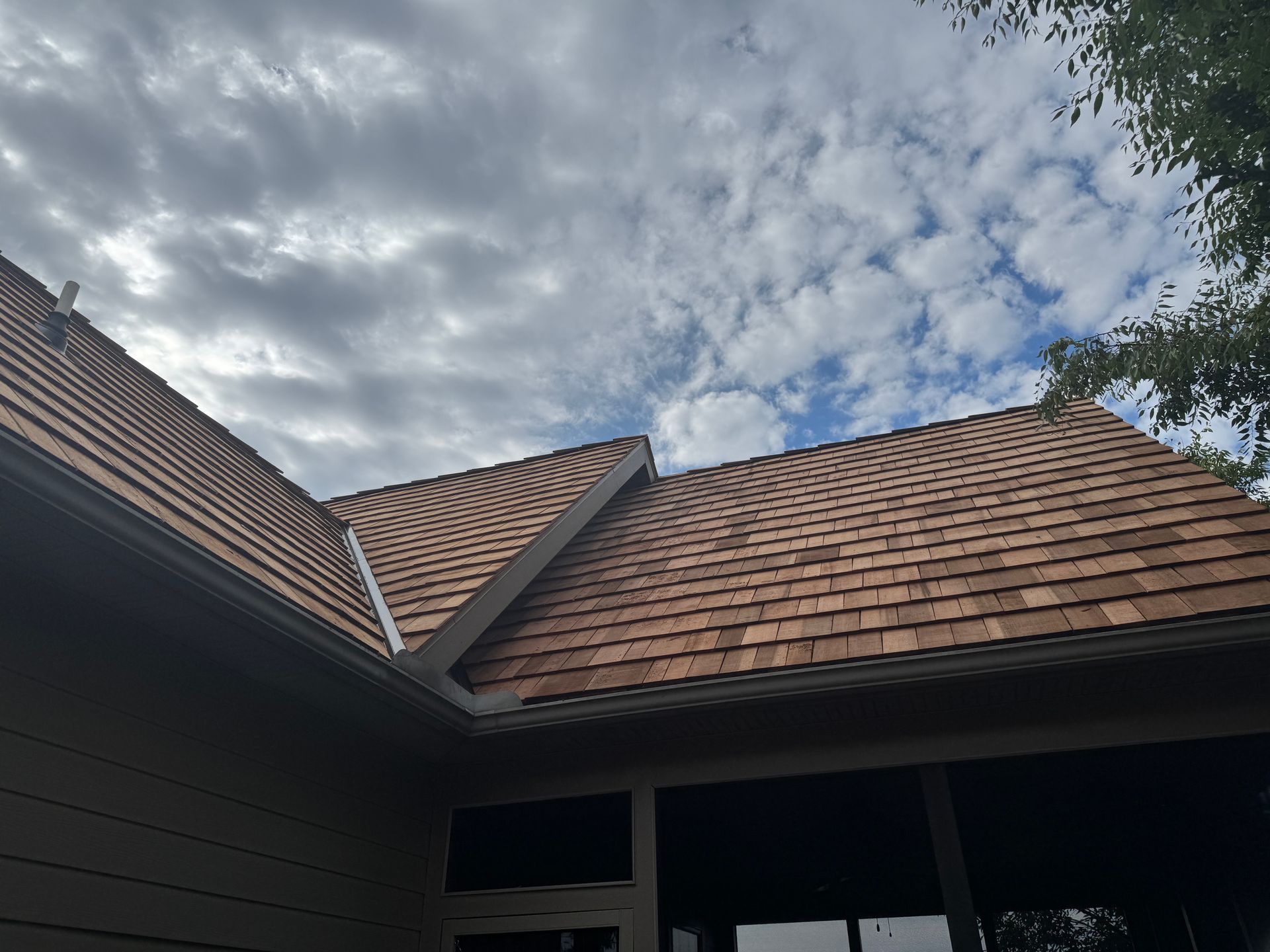
About half of the roof has new cedar installed, so the transformation is starting to show.

3

Details being checked

Valleys, chimneys, wall transitions, and the roof deck are being inspected as the project moves forward.

Plain-English takeaway: Part 2 is the messy, important middle stage where the roof is opened up and the hidden details get checked before the final cedar roof is complete.

Why isn’t the crew tearing off the whole roof at once?

In Part 1 of this Wrightsville cedar shake roof replacement, we talked about why cedar has to be treated differently from a typical asphalt shingle roof. Now that the project is underway, that same careful approach shows up in how the crew handles tear-off, weather, and protecting the home while the new cedar system is installed.


On this project, the crew is not trying to tear off the whole roof at once and hopes the weather behaves.


Kevin explained that the crew is being careful not to get too far ahead with the tear-off. It had rained the day before, and rain was also a concern earlier in the week.


That matters because once the old roofing is removed, the home needs to stay protected while the new roof system is installed.


Careful timing is one of those job-site decisions that most homeowners never see, but it matters.


A roof replacement is not just about speed. It is about knowing when to move, when to slow down, and how to protect the home during the project.


On a cedar-shake roof, patience matters even more because the project is done in sections. Old material is removed, the roof deck is checked, the new system is installed, and the crew keeps moving across the roof in a controlled manner.


That is not slow for the sake of being slow.


That is controlled work.


What did the crew find when the old cedar came off?

The good news on this Wrightsville project is that there have not been any major surprises.


Kevin said the project has been “pretty straightforward,” which is exactly what you want to hear when the old cedar starts coming off.


One of the biggest unknowns was how the cedar would tie into the existing stone chimneys and mortar.


Any time a new roof ties into pre-existing stone or mortar, there is a question about how that area will behave once the old roofing materials are removed. The crew has to be careful not to crack mortar, damage stone, or create new problems while replacing the old system.


On this project, those chimney tie-ins went well.


Kevin said that also speaks to the quality of the home being built in the first place.


That kind of detail matters because the chimney area is one of the places where roofing work has to be clean, careful, and intentional. It is not a spot where you want a “close enough” attitude wearing work boots.

Why does the roof deck matter during a cedar shake replacement?

Once the old cedar comes off, the roof deck becomes visible.

That is a key part of the midway inspection.


Kevin explained that roof decking under cedar can vary. In some cedar shake projects, crews may find plywood, OSB, or lath strips over rafters or trusses. In some cases, when old cedar comes off, crews can even see right into the attic.


Fortunately, this project has a plywood deck.


That gives the crew a clean surface to inspect as they move across the roof. They can check for rot, water damage, soft spots, or areas where previous slow leaks may have damaged the plywood without showing obvious signs inside the home.


On this project, Kevin said they have not found rotten plywood so far.


That is a good sign.


It means the crew can keep moving forward without surprise deck repairs slowing things down, and it gives the homeowner more confidence that the roof underneath the old cedar is in solid shape.

What areas are Joyland checking most closely at the halfway point?

At the midway point, the most important areas are the places where water is most likely to cause trouble.


Kevin called out valleys, wall transitions, stucco walls, and chimneys.


Those are not random details. Those are exactly the kinds of spots where roofs need extra attention because they involve transitions, material changes, water movement, or places where roofing meets another part of the home.


When the old roofing is removed in those areas, the crew can look for signs of water penetration before installing the new system.


That is why Kevin said the crew is “hyper-analyzing” those areas.


They are not just checking boxes.


They are looking at the places where problems are most likely to hide.

Mid-project inspection

Where potential leak areas get checked

Once the old cedar comes off, the crew can inspect the detail areas before the new cedar system is tied in.

Stone chimneys

The crew checks how the roof ties into existing stone and mortar without damaging the chimney area.

Valleys

Valleys move a lot of water, so they get close attention before the new cedar is installed around them.

Wall transitions

Stucco walls and roof-to-wall areas need careful tie-ins because materials meet and water has to be directed correctly.

Roof deck

Once exposed, the plywood deck is checked for rot, soft spots, or signs of water damage from past issues.

What Kevin is watching: the areas where the old roof ties into other materials, because those are the places where potential leak problems are most likely to show up.

What happens next after the roof is halfway complete?

Now that the project is moving into the home stretch, the crew will continue installing the new cedar.


After both sides of each roof face are installed, the next major steps include installing the ridge vent and ridge caps across the peaks.


That ridge work helps finish the roof structure at the top.


It also gives the roof its final, cleaned-up look.


At this stage, the project moves from the “midway construction zone” to the “final cedar shake roof reveal.”


And with cedar, that reveal is worth waiting for.


The contrast between old cedar and new cedar is usually much more dramatic than what homeowners see with a standard shingle replacement.


That is part of what makes this project so fun to follow.


The roof is not just getting replaced.


It is taking shape in real time.


Why should homeowners care about this stage of the project?

The middle of a roof replacement is where shortcuts would show up if someone were taking them.


That is why this stage matters.


It shows whether the crew is paying attention to the roof deck, weather, material staging, chimneys, valleys, walls, and potential leak areas before everything gets covered back up.


Once the cedar is finished, many of those details will be hidden.


So Part 2 is a chance to see the work before it disappears underneath the final roof.


That matters to any homeowner, but especially to someone considering a cedar-shake roof.


Cedar is a premium roofing material.


It deserves a careful install.


And the best time to see that care is not only at the final reveal. It is right here, halfway through.

Who is Joyland Roofing?

The middle of a roof replacement is where shortcuts would show up if someone were taking them.


That is why this stage matters.


It shows whether the crew is paying attention to the roof deck, weather, material staging, chimneys, valleys, walls, and potential leak areas before everything gets covered back up.


Once the cedar is finished, a lot of those details will be hidden.


So Part 2 is a chance to see the work before it disappears underneath the final roof.


That matters to any homeowner, especially to someone considering a cedar-shake roof.


Cedar is a premium roofing material.


It deserves a careful install.


And the best time to see that care is not only at the final reveal. It is right here, halfway through.


Whether you have cedar shake, asphalt shingles, metal roofing, or another roof system, Joyland can walk you through what is happening and help you understand your best options.


FAQs about this cedar shake roof replacement

  • Where is this cedar shake roof replacement project?

    This cedar shake roof replacement project is in Wrightsville, Pennsylvania, right along the river.

  • How far along is the project in Part 2?

    In Part 2, the project is about 50 to 55% complete. Most of the old cedar has been torn off, and about half of the new cedar has already been installed.

  • Why is Joyland not tearing off the whole roof at once?

    The crew is being careful not to get too far ahead with tear-off because of the weather. Removing roofing in controlled sections helps protect the home while the project is in progress..

  • What does the crew check after the old cedar comes off?

    Once the old cedar is removed, the crew checks the roof deck, valleys, chimneys, wall transitions, and other potential leak areas before tying in the new cedar roofing system.

  • What did Joyland find under the old cedar?

    On this project, Kevin said the roof has a plywood deck and they have not found rotten plywood so far.

  • Why do stone chimneys matter during a cedar shake replacement?

    Stone chimneys and existing mortar require careful tie-ins. The crew has to remove the old roofing and install the new cedar without damaging the chimney area or creating weak spots where water could get in.

  • What happens next in the project?

    The crew will continue installing the new cedar. Once both sides of each roof face are installed, they will move toward ridge vent installation and ridge caps to finish the roof structure.

John Esh | CEO & Master Installer

  • 25+ Years Experience: From ground crew to Master Certified Installer.
  • Local Roots: Serving Lancaster, Harrisburg, and SEPA since 1991.
  • Credentials: GAF Master Certified (ME27586); Licensed in PA (PA124258) & MD (#137952).
  • The "Why": Obsessed with "radical transparency" to remove the fear factor from home improvements.

James Wesser | Content Producer

  • Background: Former local news digital producer and journalist.
  • The Mission: Turning complex roofing jargon into clear, "fluff-free" answers for homeowners.
  • Local Tie: When not filming on-site, he’s likely roaming Hersheypark or building digital worlds.

Meet The Experts