
When the Storm Moves Out, Joyland Moves In
James Wesser
July 6, 2026

Lorem ipsum dolor sit amet

Lorem ipsum dolor sit amet, consectetur adipiscing elit. Sed do eiusmod tempor incididunt ut labore et dolore magna aliqua. 

Quick Answer: What should you do after storm damage in Central PA?

If a storm damages your roof, siding, or gutters, the first priority is protecting your home from further water damage. That may mean emergency tarping, securing loose materials, covering openings, or scheduling a permanent repair once the home is stabilized.


That is exactly why Joyland Roofing mobilizes after major storms. When the storm moves out, Joyland moves in.

Central Pennsylvania took a hit over the holiday weekend

The Fourth of July weekend brought severe storms across central Pennsylvania, leaving downed trees, damaged wires, power outages, and plenty of homeowners wondering what happened to their roofs overnight.


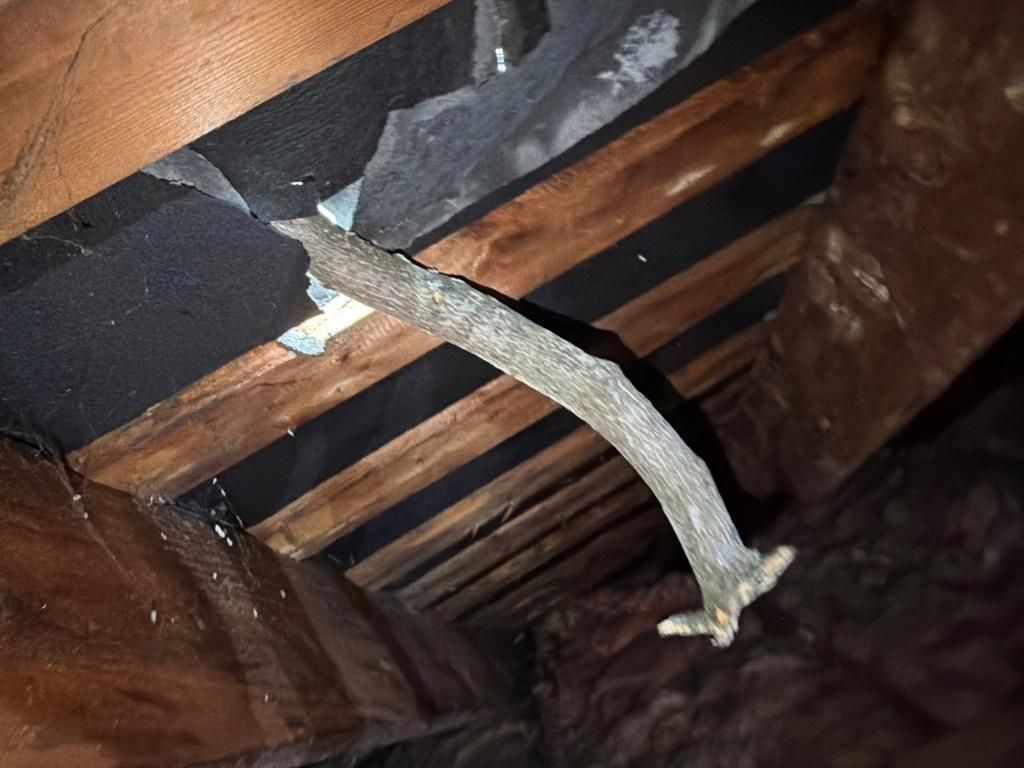
For many families, storm damage is not obvious from the ground. A roof may look “mostly fine” until the next round of rain shows up inside a ceiling, attic, bedroom, or wall. Missing shingles, lifted flashing, torn siding, bent gutters, and tree damage can all create openings that let water in.


That is why a rapid response is necessary when a storm hits a community.


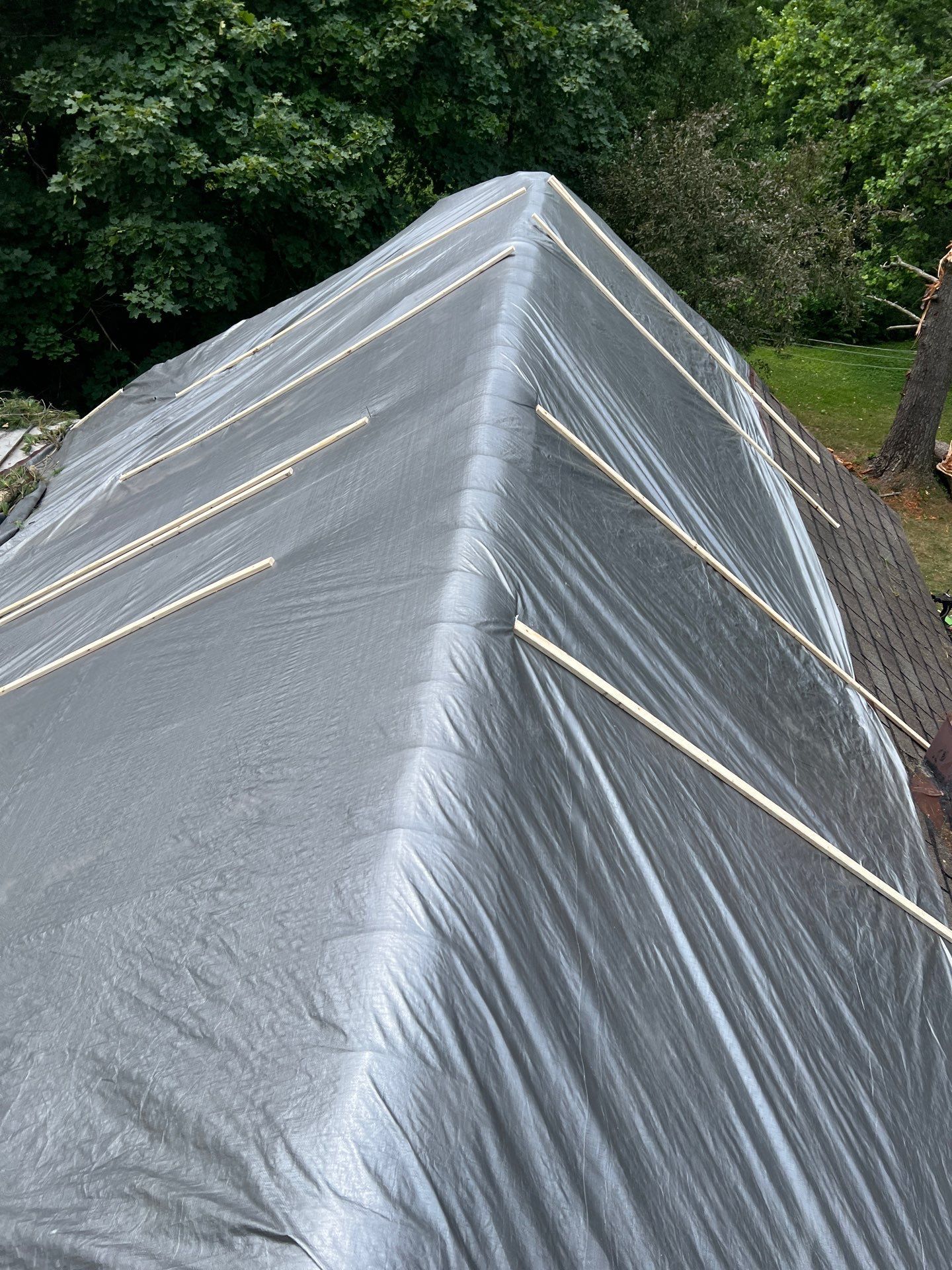
Not every damaged roof needs a full replacement. Sometimes the right answer is a temporary tarp, an emergency patch, a repair, or a closer inspection once conditions are safe. The point is to stop the problem from getting worse before it turns into roof damage, drywall, insulation, and mold.

What Joyland was doing after the storm

In the video, Kevin O’Connell from Joyland Roofing explains what was happening behind the scenes:


Joyland’s repair techs, project managers, and crews were in the yard loading supplies, including tarps, lumber, and materials to quickly cover damaged roofs.


That matters because emergency storm response is not just “sending someone with a ladder” After a major storm, homeowners may be dealing with:


  • Roof leaks
  • Missing or lifted shingles
  • Trees or branches through roofs
  • Damaged siding
  • Loose or broken gutters
  • Exposed decking
  • Water coming into the home
  • Damage that needs to be documented for insurance


The first goal is simple: stabilize the home.


That may mean covering the damaged area, stopping active water intrusion, documenting what happened, and helping the homeowner understand whether they need a repair, a larger restoration, or a replacement.

Why tarping is not “just a tarp”

A tarp may not look exciting, but after storm damage, it can be the difference between “we caught this in time” and “now the inside of the house is involved.”


Emergency tarping and temporary coverings are meant to buy time. They help protect the home until the weather clears, the damage can be inspected safely, and a permanent repair plan can be made.


A tarp is not the finish line. It is the pause button.


That is especially important after back-to-back storms. Even if the first round caused the damage, the next round of rain is often when homeowners discover the leak.

What homeowners should check after a storm

Once it is safe, walk around your home from the ground and look for visible signs of damage. Do not climb onto the roof. Storm-damaged roofs can be slick, unstable, or hide soft spots.


Look for:


  • Shingles in the yard
  • Pieces of siding or trim on the ground
  • Gutters pulling away from the home
  • Tree limbs touching or puncturing the roof
  • Water stains on ceilings or walls
  • Wet insulation in the attic
  • Dripping around skylights, chimneys, vents, or pipe boots
  • Granules washed into downspouts or splash blocks


If you see active leaking, move valuables out of the way, place buckets or towels where needed, and take photos of the damage. Those photos may help later if insurance gets involved.

When should you call for emergency roof repair?

Call for emergency help if water is entering the home, a tree or branch has damaged the roof, shingles or flashing are missing, or part of the roof is exposed.


You should also call if the affected area is above a bedroom, an attic, an electrical area, a finished basement, or anywhere water could spread quickly.


Joyland Roofing offers emergency roof repair and storm damage assistance for homeowners facing urgent roof issues. The goal is to protect the home first, then help determine the right long-term fix.

Storm damage help in Central Pennsylvania

Joyland Roofing serves homeowners throughout central and south-central Pennsylvania, including Lancaster County and nearby communities across the region.


After storms like this, a fast response and clear communication can be the difference between a temporary problem and a much bigger repair. Homeowners need someone who can show up, assess the damage, protect the home, and explain what happens next.


That is the whole point.


When the storm moves out, Joyland moves in.


If you have a roof or exterior emergency, call Joyland Roofing at 717-459-3499.

Storm Damage FAQs

  • Does storm damage always mean I need a new roof?

    No. Some storm damage can be repaired, especially if it is isolated to one area. A proper inspection can help determine whether a repair is enough or whether the roof has more extensive damage.

  • Is emergency tarping a permanent fix?

    No. Emergency tarping is temporary protection. It helps reduce water intrusion until the roof can be properly inspected and repaired.

  • Should I go on my roof after a storm?

    No. Stay on the ground. Storm-damaged roofs can be dangerous, especially if the surface is wet, damaged, or weakened by a tree impact.

  • What should I document after storm damage?

    Take photos of the roof from the ground, damaged shingles or siding in the yard, interior leaks, ceiling stains, wet insulation, and any tree or branch impact. Keep a simple timeline of when the storm happened and when you noticed the damage.

  • Does Joyland help with roof leaks after storms?

    Yes. Joyland Roofing provides emergency roof repair, storm damage help, temporary coverings, and repair solutions for homeowners dealing with active leaks or exterior damage.

John Esh | CEO & Master Installer

  • 25+ Years Experience: From ground crew to Master Certified Installer.
  • Local Roots: Serving Lancaster, Harrisburg, and SEPA since 1991.
  • Credentials: GAF Master Certified (ME27586); Licensed in PA (PA124258) & MD (#137952).
  • The "Why": Obsessed with "radical transparency" to remove the fear factor from home improvements.

James Wesser | Content Producer

  • Background: Former local news digital producer and journalist.
  • The Mission: Turning complex roofing jargon into clear, "fluff-free" answers for homeowners.
  • Local Tie: When not filming on-site, he’s likely roaming Hersheypark or building digital worlds.

Meet The Experts