
Starting a Cedar Shake Roof Replacement in Wrightsville, PA | Part 1
James Wesser
June 18, 2026

Lorem ipsum dolor sit amet

Lorem ipsum dolor sit amet, consectetur adipiscing elit. Sed do eiusmod tempor incididunt ut labore et dolore magna aliqua. 

Quick answer: What is this project?

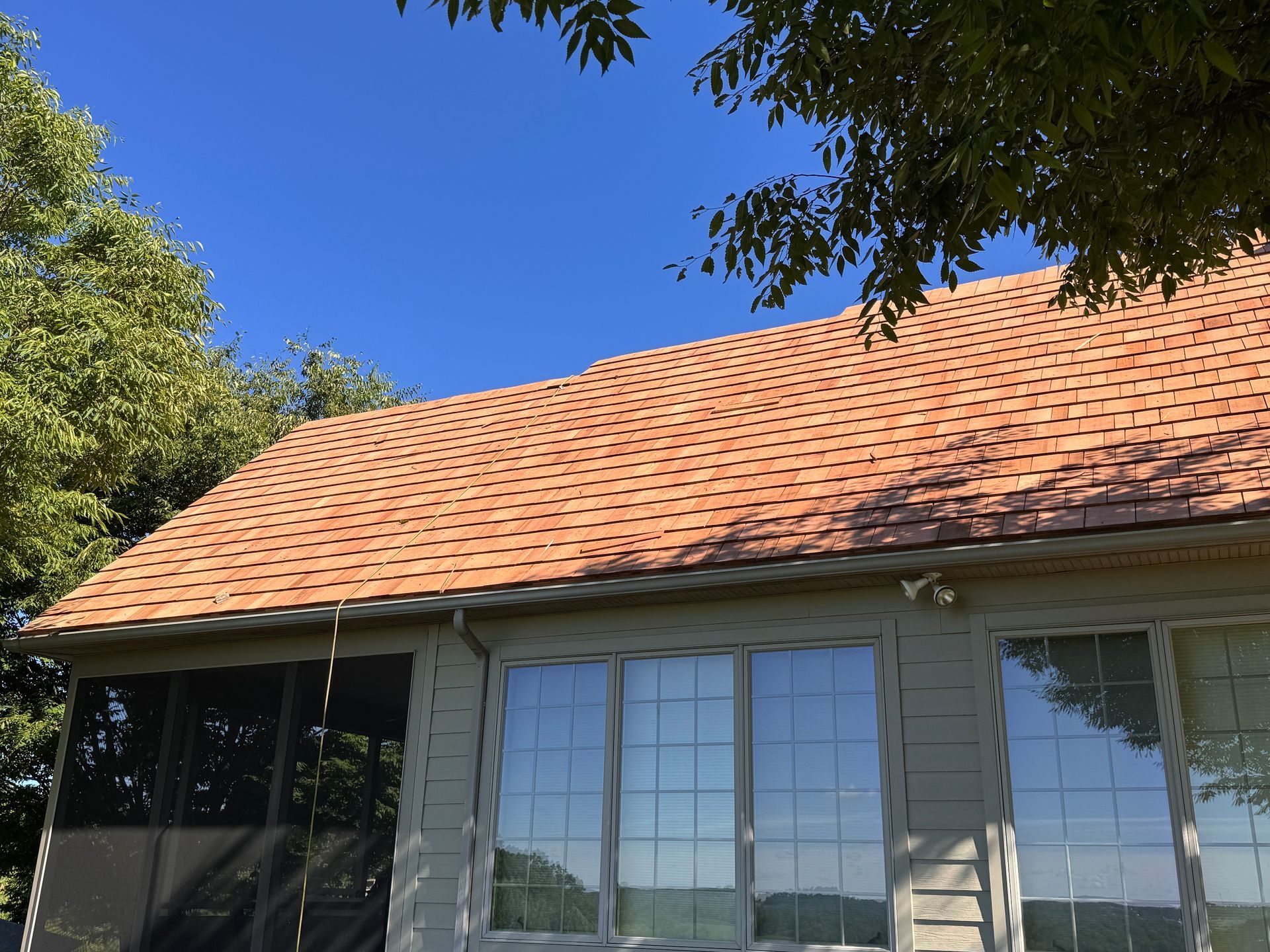
Joyland Roofing is starting a cedar shake roof replacement in Wrightsville, Pennsylvania, right along the river.

This is Part 1 of a project series following the roof from the existing cedar, through tear-off and prep, to the new cedar shake installation.


The big thing to know: cedar shake is not installed like a typical asphalt shingle roof. It is a wood product, which means the roof has to be treated as a full system with proper protection, airflow, underlayments, flashing, and careful installation.


As Kevin O’Connell explained on-site, cedar shake roofing takes “much more of a craftsman’s eye and skill to install it.”


That is what this first part is about: the project's start, what makes cedar different, and what our crew is watching from day one.

Why are we following this cedar shake project?

Some roofs are worth slowing down and documenting. This Wrightsville cedar shake roof replacement is one of them.


Cedar shake has a natural look that stands out right away. It has texture, depth, and character that you do not get from standard asphalt shingles. On the right home, it does more than cover the roof. It becomes part of the home’s architecture.


But cedar is also not a “just nail it down and move on” type of roof. It is wood. Wood behaves differently from asphalt or metal. It can absorb moisture, it needs time to dry out, and the details underneath the finished roof matter.


That is why we wanted to follow this project in parts.

Part 1 shows the project getting started.


Later parts will show more of the tear-off, underlayment, airflow layer, cedar installation, and the finished transformation.

What makes a cedar shake roof different from a typical shingle roof?

House with orange tile roof and windows under blue sky, framed by leafy trees

Kevin summed it up simply on-site:


A cedar shake replacement and a typical asphalt shingle replacement are completely different products.


Asphalt shingles are manufactured roofing products. Cedar shakes are wood. That changes the way the roof is removed, the way the new roof is installed, and the way the crew thinks through the details.


With cedar, there is more individual material to handle. There are more joints across the roof surface. There are more areas where water management and airflow need to be thought through carefully.


That does not mean asphalt roofing is simple. It means cedar has its own set of rules.


And if you treat cedar like asphalt, you are asking a natural wood roof to perform like something it is not.


That is where things can get expensive later.
Project context

Why this cedar shake roof is different

This Wrightsville project is not a standard roof swap with a prettier material. Cedar shake is wood, which means the roof has to be planned, protected, ventilated, and installed with more care.

Typical asphalt shingle replacement

1
Manufactured roofing product Designed mainly to shed water off the roof surface.
2
Larger pieces Fewer individual pieces across the roof compared to cedar shakes.
3
Faster installation rhythm Still needs skill, but the process is more familiar on most homes.

Cedar shake replacement

1
Natural wood roofing Cedar can absorb moisture, so the system has to help it dry properly.
2
More joints and transitions Smaller cedar pieces mean details like valleys, walls, and chimneys matter even more.
3
More craftsmanship The finished look is beautiful, but the install takes patience and a careful eye.
Plain-English takeaway: Cedar shake roofing is not just about the look. It has to be installed as a roof system that manages water, airflow, and detail areas correctly.

What does Joyland look for at the start of a cedar shake project?

At the beginning of a cedar shake roof replacement, the crew is not just looking for a random place to start. Kevin explained that the first question is simple: Where is the best place to start?


That sounds basic, but on a roof like this, it matters.


The crew has to review the roof elevations, the tear-off order, potential fall zones, and areas that need extra protection as work moves across the roof.


That becomes even more important with cedar because the amount of material is different. Cedar shakes do not weigh as much as asphalt shingles, but there can be much more individual material to remove, move, stage, and install.


Simply put, a lot is going on before the new roof starts looking pretty.

What areas of this Wrightsville cedar shake roof need extra attention?

The most important areas on a cedar shake roof are usually the transitions.

A transition is where one roof section or material meets another. On this project, that includes areas like:


  • Valleys
  • Walls
  • Stone chimneys
  • Roof-to-wall sections
  • Standing-seam metal roof tie-ins
  • Pipe penetrations
  • Ridge and hip areas


Those areas deserve extra attention because water does not care how nice the roof looks from the road. Water looks for weak spots.


On this project, the cedar roof ties into standing-seam metal roofing and stone chimneys. That makes the detail work even more important.


Kevin explained that cedar shakes create more small joints across the roof than larger roofing materials like metal panels or asphalt shingles. Every one of those joints has to work as part of the larger roof system.

Why does cedar shake need airflow?

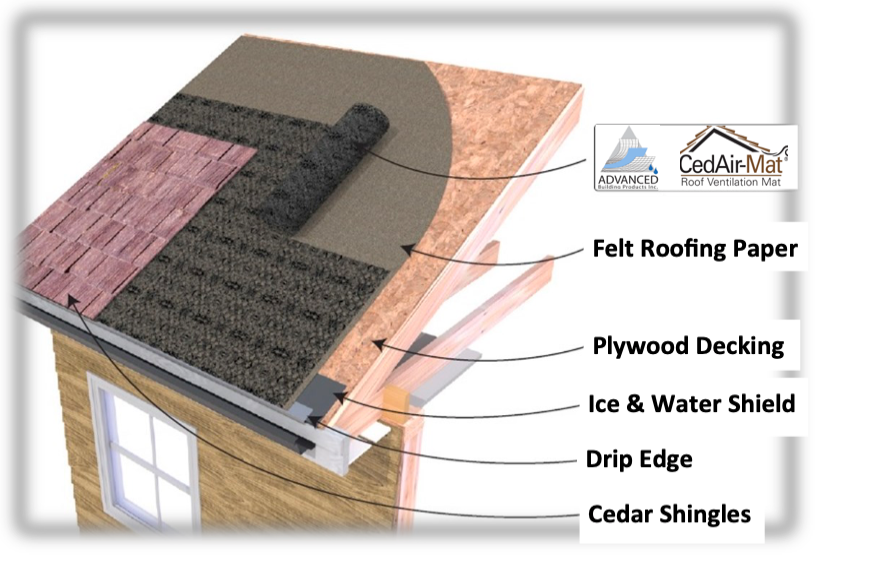
Diagram of roof layers, labeled cedar shingles, plywood decking, felt roofing paper, ice and water shield, and drip edge

Cedar is wood.


That is the whole point of its look, but it is also why the installation matters.


Wood can absorb moisture. After that, it needs to dry out. If moisture gets trapped, the roof can age faster than it should.


That is why cedar shake roofing needs airflow around the shakes.


Kevin explained that the roof system has to provide airflow in, underneath, and around the cedar so the wood does not retain moisture, hold it, and rot.


That is where the roof deck, underlayments, and breathing layer matter.


The finished cedar is what everyone notices from the ground.


The system underneath is what helps the roof perform.

What will viewers see as this project moves forward?

This is only Part 1.


As the project continues, you will see the roof move through several stages:

  • The existing cedar roof
  • Tear-off and disposal
  • New underlayments
  • Mesh that helps the cedar breathe
  • New cedar shake installation
  • The final transformation


That is one of the reasons cedar shake projects are so interesting to document.

With cedar, the difference between old and new can be dramatic. You can see the existing roof, the roof in transition, and the new cedar all in the same project timeline.

It is not just a before-and-after. It is a process you can actually watch unfold.

Part 1 overview

From old cedar to new roof system

This series follows the Wrightsville cedar shake replacement from the existing roof to the finished cedar. Part 1 starts with the project setup and the details the crew is watching from day one.

1

Existing cedar

The project starts with the old cedar roof, visible wear, and the areas that need careful attention.

2

Tear-off

The crew removes the old cedar and manages the larger volume of material that comes with wood roofing.

3

Underlayments

New protection goes down before the cedar, helping build the roof as a complete system.

4

Breathing layer

Mesh helps create airflow around the cedar so the wood can dry properly after it absorbs moisture.

5

New cedar

The new cedar shake goes on, creating the sharp visual difference between the old roof and the new one.

Why should homeowners care about the start of the project?

The start of a roof replacement tells you a lot.


It shows how the crew thinks, how the property is protected, how materials are handled, and whether the details are being planned before the roof starts coming apart.


With cedar shake, that matters even more.


This is not a roof where the goal is to move fast. The goal is to move correctly.

That means paying attention to the roof deck, underlayments, airflow, transitions, and water-management areas before the finished cedar ever becomes the star of the show.


A cedar shake roof can be beautiful. But beauty is not the whole job.

Who is Joyland Roofing, and why are we documenting this?

Joyland Roofing serves homeowners across south-central Pennsylvania with roof replacement, roof repair, specialty roofing, gutters, siding, and exterior services.


We are documenting this Wrightsville cedar shake project because it shows the kind of work that is easy to oversimplify from the ground.


From the yard, a cedar roof might just look like a beautiful roof.


Up close, it is planning, airflow, underlayment, flashing, transitions, material handling, and craftsmanship.

That is the part we want homeowners to see.


Not because every homeowner needs to become a roof nerd overnight.


But because the more you understand what goes into a project like this, the easier it is to choose a contractor who treats your home with the care it deserves.

FAQs About this Cedar Shake Roof Replacement

  • Where is this cedar shake roof replacement project?

    This project is in Wrightsville, Pennsylvania, right along the river.

  • What makes cedar shake roofing different from asphalt shingles?

    Cedar shake is wood, while asphalt shingles are manufactured roofing products. Because cedar is natural wood, it needs careful installation, proper airflow, and attention to details like underlayments, valleys, chimneys, and transitions.

  • Why does cedar shake need airflow?

    Cedar can absorb moisture. Airflow helps the wood dry properly, which helps reduce the chance of trapped moisture shortening the life of the roof.

  • What areas of a cedar shake roof need the most attention?

    The most important areas are usually transitions, including valleys, walls, chimneys, pipe penetrations, ridge areas, and places where cedar ties into another roofing material.

  • What will Part 2 show?

    Part 2 will show more of the system underneath the cedar, including tear-off, underlayments, the breathing layer, and the early stages of the new cedar installation.

John Esh | CEO & Master Installer

  • 25+ Years Experience: From ground crew to Master Certified Installer.
  • Local Roots: Serving Lancaster, Harrisburg, and SEPA since 1991.
  • Credentials: GAF Master Certified (ME27586); Licensed in PA (PA124258) & MD (#137952).
  • The "Why": Obsessed with "radical transparency" to remove the fear factor from home improvements.

James Wesser | Content Producer

  • Background: Former local news digital producer and journalist.
  • The Mission: Turning complex roofing jargon into clear, "fluff-free" answers for homeowners.
  • Local Tie: When not filming on-site, he’s likely roaming Hersheypark or building digital worlds.

Meet The Experts