
February 7, 2026
How Long Does It Take to Replace a Roof? Here's What Actually Controls Your Timeline
Author
New Paragraph
Ask a roofer how long a replacement takes and you’ll usually hear the same answer: three to five days.
That number isn’t wrong. It’s just incomplete.
Three to five days is only the installation phase—the time a crew is physically on your roof removing the old materials and installing the new ones. It doesn’t include the weeks of preparation that happen before work even begins.
Permits have to be approved. Materials have to be ordered and delivered. Your contractor has to fit the project into their schedule. And weather can shift everything.
Because of that, most homeowners experience something closer to three to eight weeks from signing a contract to having a finished, inspected roof.
The key thing to understand is that roof replacement timelines aren’t controlled by just one factor. Roof complexity, permits, scheduling, and material availability often matter more than the installation itself.
Another factor homeowners overlook is how roofing crews are organized. Some companies rely on subcontractors, which can affect scheduling and communication—learn more about roofing subcontractors and how they impact projects.
So the real question isn’t just how long it takes to replace a roof.
It’s what actually controls the timeline—and which parts you can influence before the project even starts.
Table of Contents
- Why '3 to 5 Days' Is Basically a Lie
- The Boring Stuff Before Anyone Touches Your Roof
- What Actually Happens Each Day
- Timeline Killers You Can Control (Finally)
- When Your Contractor Is Working Too Fast
- Having the Timeline Talk
TL;DR
Look, here's what you actually need to know:
- That "3-5 days" estimate? It's only counting the days workers are on your roof, not the 2-6 weeks of permits and material ordering beforehand
- Your roof's weird angles and chimneys matter way more than square footage
- Yeah, weather causes delays. But your contractor's messy schedule causes more
- If they finish too fast, they probably cut corners
- You have more control than you think if you know what questions to ask
Why '3 to 5 Days' Is Basically a Lie
Ask any roofer how long a replacement takes, and they'll say three to five days. And they're right.
Sort of.
They're answering a completely different question than what you're actually asking.
That timeframe? It's just the installation. The days workers are physically on your roof banging around. What you need to know is how long the entire process takes from signing a contract to having a completed, inspected roof over your head. The gap between these two numbers can stretch from a few weeks to several months.
Last year I had a client, a nice couple in the Chicago suburbs, who scheduled their in-laws to visit right after we quoted them for three days. I tried to explain that wasn't how it worked, but they'd already bought the plane tickets. The permit office took two weeks. The shingles they wanted were backordered. It rained twice. Five weeks later, when we finally finished, they weren't even mad anymore. Just exhausted. The in-laws had come and gone. They'd rescheduled twice.
I've seen this happen dozens of times. Homeowners make plans around that three-day estimate without understanding the weeks of preparation required beforehand.

The Number You're Actually Asking For vs. What You Need to Know
When you ask how long it takes to replace a roof, you're probably thinking about when you can schedule that vacation or have your house back to normal. You can't plan the moving truck, take time off work, or coordinate other home projects around just the installation days.
Roofing companies focus on installation duration because it's the only variable they can somewhat control. Permit offices work on their own schedule. Weather doesn't care about your timeline. Material suppliers deal with backorders.
What actually matters:
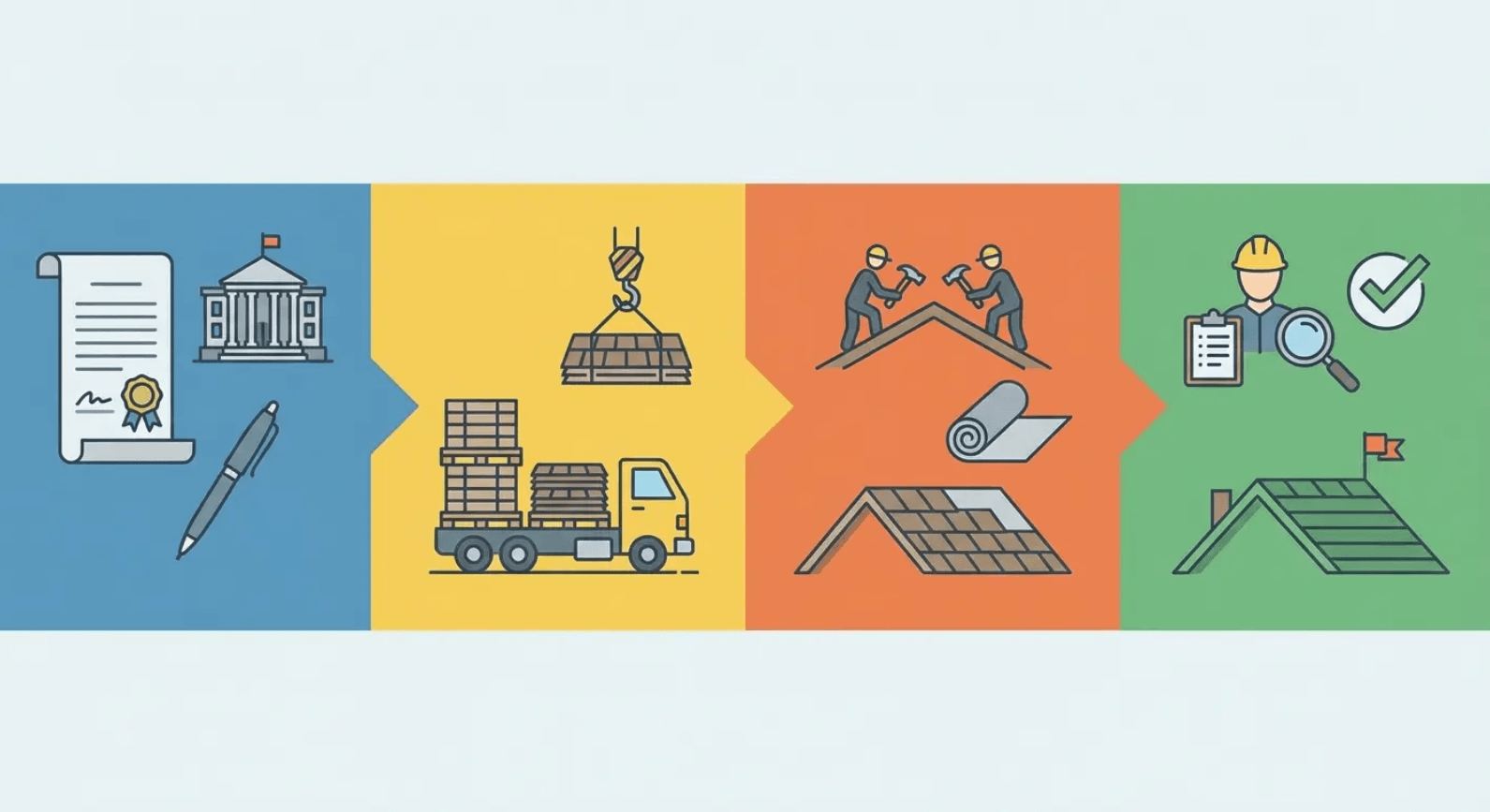
Timeline Components:
- Initial inspection and estimate: 1-2 hours (you control this, schedule promptly)
- Material selection and ordering: 1-7 days for standard stuff, 4+ weeks for specialty (partially controllable if you decide quickly)
- Permit approval: 2 days to 6 weeks (completely out of your hands, depends on your city)
- HOA approval if applicable: 2-12 weeks (depends on when the board meets)
- Contractor scheduling: 1-12 weeks (partially controllable, book during off-season)
- Active installation: 1-7 days (weather dependent)
- Final inspection: same day to 2 weeks (inspector availability)
Why Contractors Default to the Installation-Only Timeline
Look, I'm a contractor, so take this with a grain of salt. But we stick to installation timelines because we're trying to give you a concrete answer to a complicated question. That answer creates false expectations that lead to frustration on both sides, though.
The truth is, we can control how efficiently our crews work once they're on your roof. We can't control when the city building department processes your permit or when your HOA board meets to review architectural requests.
But here's what matters for your planning: understanding which parts of the timeline you can influence and which ones require patience.
The Boring Stuff Before Anyone Touches Your Roof
So you signed the contract. Great.
Now nothing happens. For weeks.
And nobody warned you about this part.
Between signing a contract and hearing the first hammer, there's an entire phase of preparation that most homeowners don't anticipate. This isn't contractor procrastination. These are necessary steps that protect your investment and ensure legal compliance.
Permit Approval Can Take Longer Than the Actual Roof Installation
Building permits aren't optional paperwork. They're legal requirements in most jurisdictions, and the approval process operates on government time.
In some cities, you'll have your permit within 48 hours. In others, the review process takes four to six weeks. The timeline depends on your local building department's workload, staffing levels, and whether your roof design requires additional engineering review.
Louisiana recently tightened roofing regulations big time. New state laws enacted in 2025 (Act 239 and Act 422) now require a permit and final inspection on every residential and commercial reroof project starting August 1, 2025, according to OCNJ Daily. Contractors must also hold the proper state roofing license for any job valued at $7,500 or more. These regulatory changes show how permit requirements keep evolving, which means you need to verify current requirements in your specific jurisdiction rather than relying on outdated assumptions.
You can't start work without this approval. Well, you can, but you'll face fines and potential insurance complications.

Material Availability Isn't What It Used to Be
Standard asphalt shingles in common colors? Usually available within a week. Specialty materials, custom colors, or high-end products? You might wait a month or more.
Supply chain disruptions have made material lead times unpredictable. Your contractor should verify availability before quoting a timeline, not assume their supplier has stock.
Ask them this: "Have you confirmed material availability for my specific product choice, or are you estimating based on typical lead times?" The answer tells you whether their timeline is grounded in reality.
HOA Approval Adds Another Layer You Can't Rush
If you live in a community with a homeowners association, you'll need architectural approval before work begins. This process runs parallel to permit approval but follows its own timeline.
Some HOAs review requests monthly. Others require board votes that happen quarterly. You're stuck working around volunteer schedules and committee meeting calendars that won't adjust for your urgency.
Honestly? Most HOAs are just slowing everything down for no good reason. But you still have to deal with them.
Start this process immediately after choosing your materials. The approval often hinges on color and style compliance, so you need those decisions locked in early.
Contractor Scheduling Might Be Your Biggest Wait
Even after permits arrive and materials ship, you're waiting for an opening in your contractor's schedule. Reputable roofing companies book out weeks or months in advance, especially during peak season from late spring through early fall.
This wait time isn't a red flag. It's often a green one. Crews that can start tomorrow might be available for a reason.
What Actually Happens Each Day
Once work begins, the project follows a predictable rhythm. Understanding what happens each day helps you identify normal progress versus concerning delays. It also prepares you for the disruption you'll experience.
Day One: Tearoff and Disposal (The Loudest Day You'll Experience)
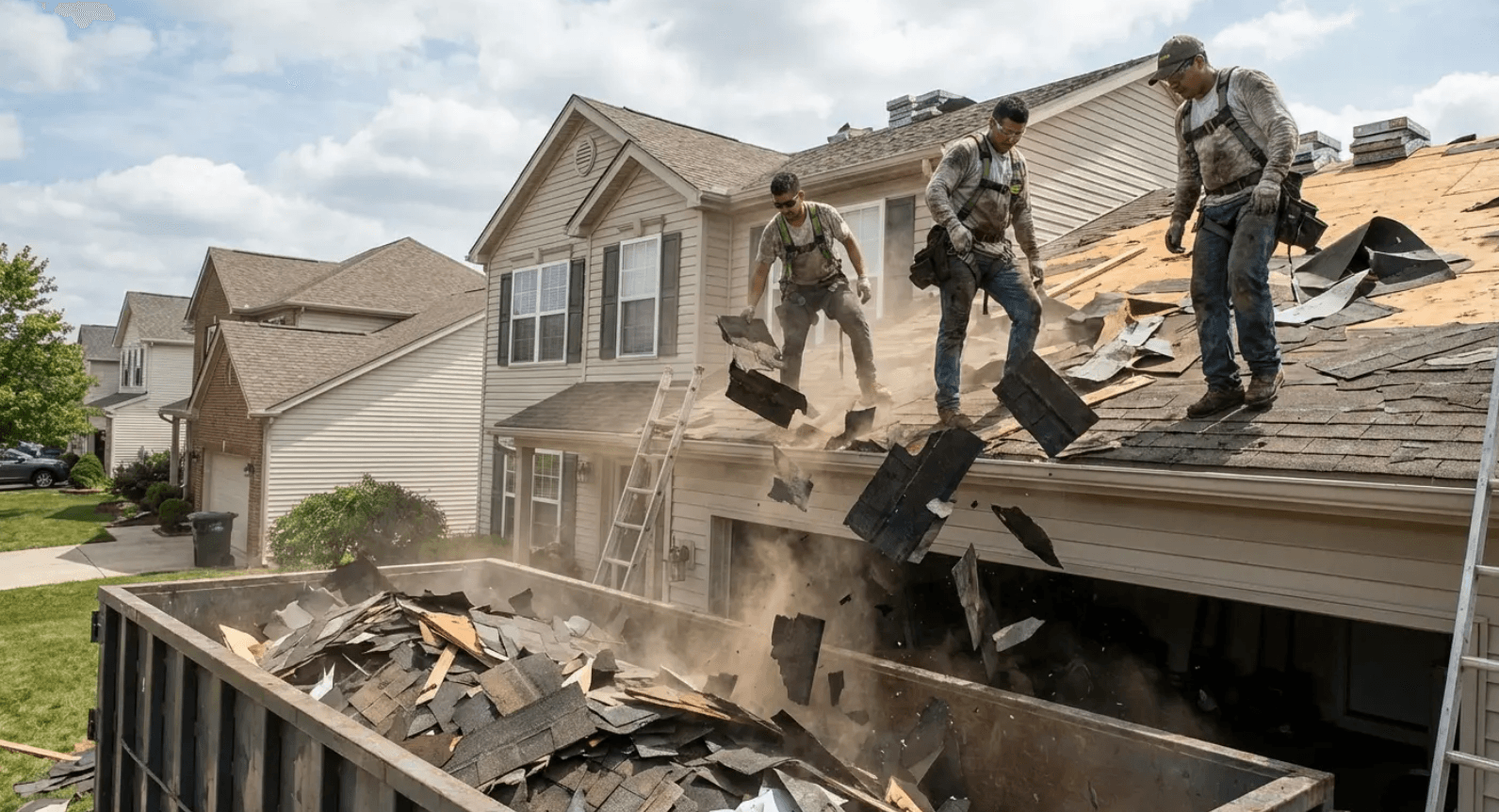
Day one is tearoff day. The crew shows up at 7 AM (sorry), and it gets loud immediately. Like, "you can't take a work call from home" loud.
Expect constant banging, scraping, and the sound of debris hitting the dumpster. This phase generates the most disruption but at least you can actually see something happening.
For a standard single-family home, tearoff usually completes in one day. Larger homes or roofs with multiple layers might extend into day two. Homes with slate, tile, or other specialty materials require more careful removal and take longer.
The day before we start, you need to move your cars, clear stuff away from the house, and take down anything hanging on walls inside. It's going to shake. That's really it. Oh, and if you have a dog that loses its mind at strangers, figure that out.
Actually, let me back up. There's a bit more to prep:
What to Do Before We Arrive:
- Move all vehicles out of the driveway and away from the house
- Take down wall hangings (vibrations will knock them down)
- Cover stuff in your attic with tarps if you're worried about dust
- Move outdoor furniture, grills, and planters at least 15 feet from the house
- Trim back tree branches within 10 feet of the roof
- Figure out where your pets will be during work hours
- Let your neighbors know it's going to be loud
- Make sure we can access electrical outlets
- Mark any sprinkler heads near the house
- Protect any delicate landscaping right next to the foundation
Day Two: Deck Inspection and Repair (Where Hidden Problems Surface)
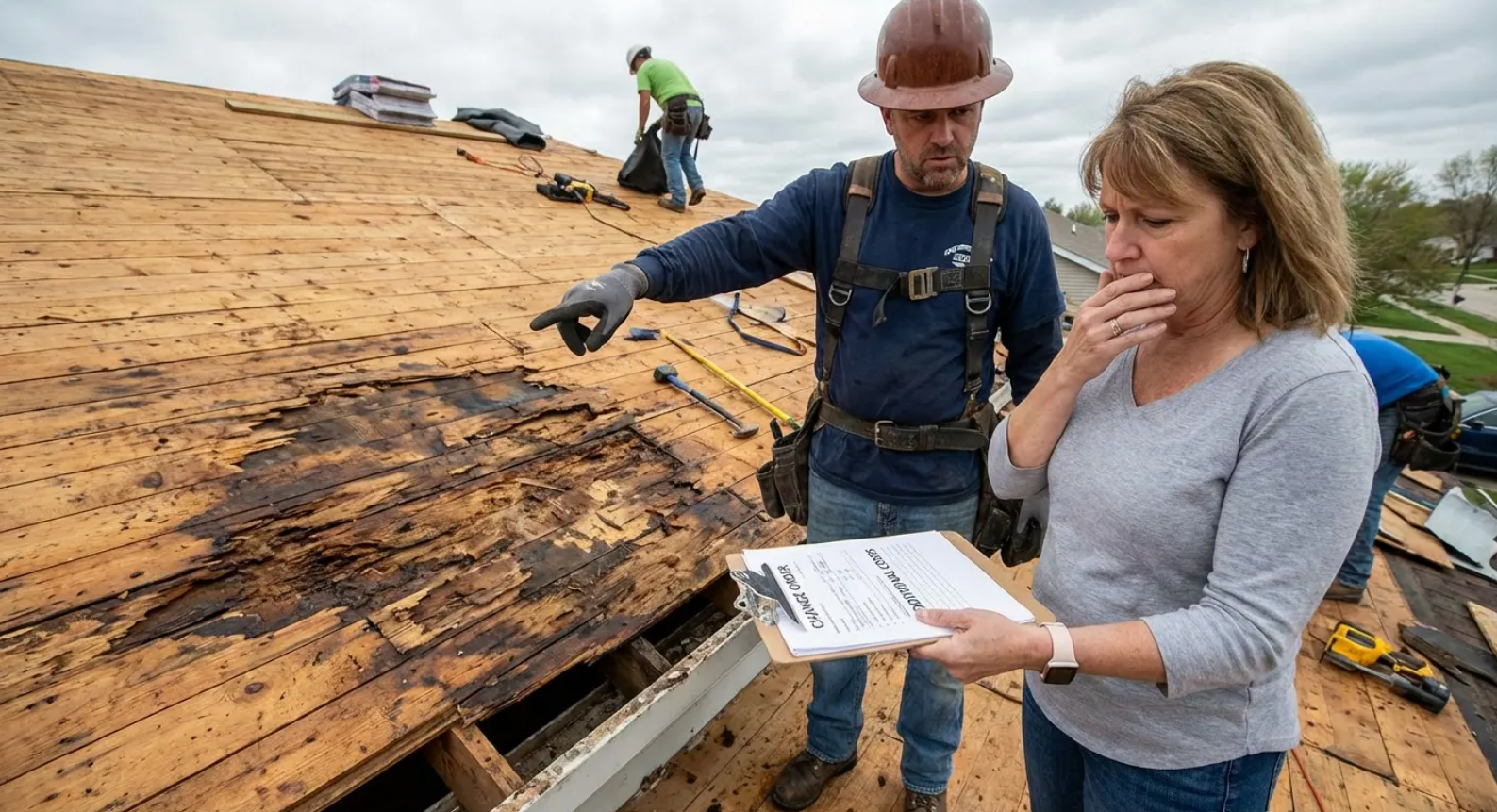
Once the old roofing is gone, your roof deck gets its first thorough inspection in years or decades. This is when we discover rot, water damage, or structural issues that weren't visible from below.
And boom, your timeline and budget just changed.
Replacing damaged decking isn't optional, and it adds time to the project. How much time depends on the extent of damage and whether your contractor has the materials on hand.
This is why I always tell homeowners never to accept a final quote until after deck inspection. If a contractor won't put the deck inspection clause in writing, walk away. I don't care how good their price is.
Day Three Through Completion: Installation Rhythm
After deck repairs, the installation follows a predictable rhythm. Underlayment goes down first, then starter strips, then shingles working from bottom to top.
A well-coordinated crew develops an efficient workflow. You'll see steady progress each day, though it might not look as dramatic as the tearoff phase.
Why Some Roofs Take Twice as Long Despite Similar Size
Square footage tells you less than you'd think. A simple ranch-style roof might take three days while a complex Victorian with the same square footage takes seven.
Complexity determines labor hours more than raw size does. Your roof's complexity depends on:
- Number of valleys, hips, and ridges
- Chimney and skylight count
- Pitch (steeper roofs slow everything down)
- Number of roof planes and directional changes
- Architectural details that require custom flashing
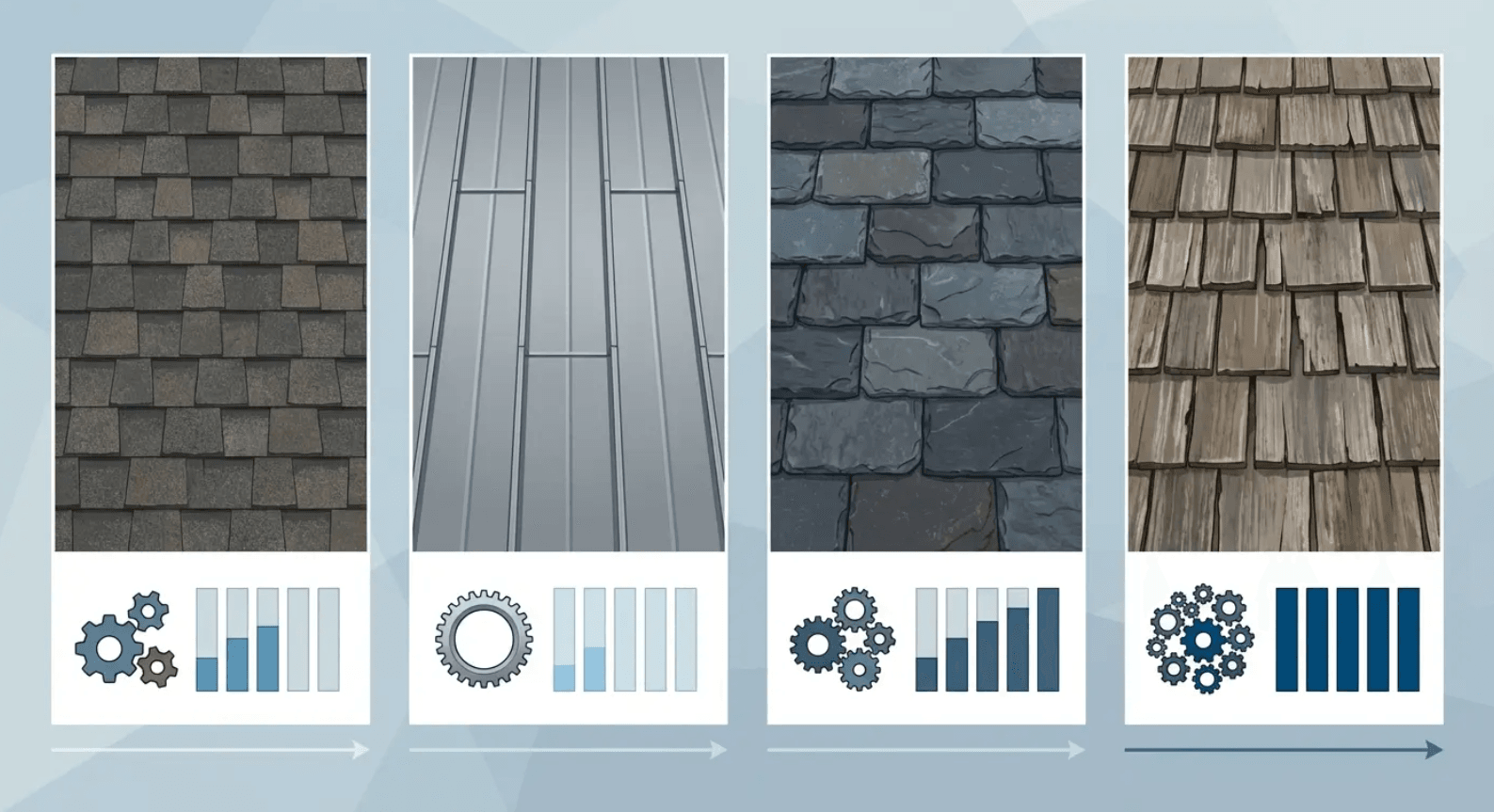
Material choice also matters:
| Roof Material | Installation Time | How Long It Lasts |
|---|---|---|
| Asphalt shingles | 1-3 days | 20-30 years |
| Wood shakes | 2-8 days | Depends on climate |
| Metal roofing | 5-14 days | 40-70 years |
| Slate | 6-7 days | 50+ years |
| Concrete tiles | 8-9 days | 50+ years |
| Synthetic shingles | 5-6 days | 30-50 years |
Timeline Killers You Can Control (Finally)
While you can't control permit offices or
weather, you have more influence over your project timeline than you might think. These are the variables where your actions directly impact how quickly work progresses.
Indecision About Materials and Colors Pushes Everything Back
You don't need to choose your shingle color the day you get quotes, but you do need to decide before your contractor orders materials. Every day you delay this decision is a day added to your overall timeline.
I've watched projects stall for weeks because homeowners couldn't commit to a color. I get it. You're stuck staring at shingle samples knowing you'll see this color every day for the next 20 years. Yeah, it's hard to commit.
But understand that your deliberation has cascading effects on scheduling, material ordering, and permit applications.
Set yourself a decision deadline and stick to it.
Poor Property Access Slows Down Every Single Day
Crews need clear access to all sides of your home. They need space for the dumpster, material delivery, and equipment staging.
If your driveway is blocked, your yard has obstacles, or your landscaping creates access problems, every task takes longer. What should be a 10-minute material move becomes a 30-minute obstacle course.
I know a homeowner in Seattle who learned this the hard way. On the first day, the crew arrived to find a locked gate blocking access to the backyard where significant roof work was needed. Lost two hours waiting for the homeowner to return home and unlock the gate. On the second day, overgrown rhododendrons along the side of the house prevented ladder placement. Another hour of trimming before work could proceed. These seemingly minor access issues added nearly half a day to what should have been a straightforward three-day project.
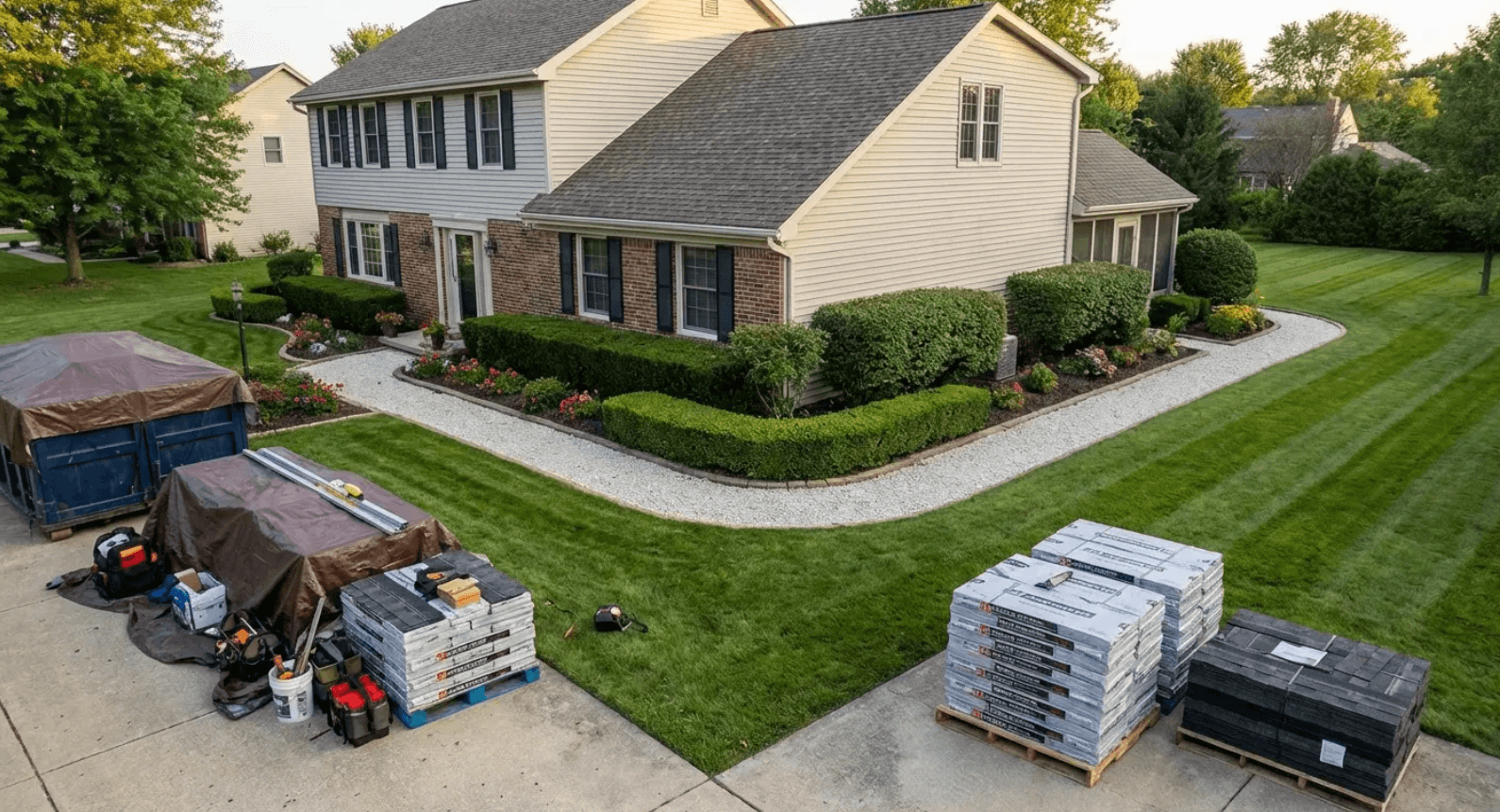
Before work begins:
- Trim back vegetation within 10 feet of your home
- Move vehicles, patio furniture, and grills away from the house
- Clear a path around your home's perimeter
- Identify where the dumpster can go without blocking essential access
Being Unavailable for Mid-Project Decisions Creates Standstills
Contractors occasionally need homeowner input during installation. They discover an issue requiring a decision, or they need access to a locked area, or they have a question about your preferences for a detail.
If you're unreachable, work stops. Make sure your contractor has multiple ways to contact you and commit to responding within a few hours during the installation period.
Skipping the Pre-Installation Walkthrough Guarantees Confusion
Many timeline problems stem from misaligned expectations that a thorough pre-installation walkthrough would have prevented. Before we start, we should walk through a few things: When we're showing up. Where we're parking. How to reach you if something comes up. What happens if it rains. Basic stuff, but you'd be surprised how many problems come from skipping this conversation.
Contractors who skip this step are setting everyone up for preventable delays and frustration.
Cover these topics:
Logistics: Confirmed start date and time, daily work hours, crew parking locations, dumpster placement, bathroom access policy, gate codes or lockbox combinations
Communication: Primary contact person and phone number, backup contact, preferred communication method (call/text/email), expected response time for urgent decisions, daily progress update schedule
Weather Plan: Rain delay protocol, who decides if weather prevents work, how weather delays will be communicated, tarping procedures if rain interrupts mid-day
Special Considerations: Areas requiring extra protection, pets that need accommodation, noise-sensitive situations (home office, infant, etc.), landscaping or property features requiring special care, alarm systems that need adjustment
When Your Contractor Is Working Too Fast
We need to talk about something that might surprise you: a crew that finishes too quickly probably isn't doing you any favors.
The Crew That Finishes Your Roof in One Day Probably Cut Corners
A full roof replacement in a single day sounds impressive until you think about what gets skipped to achieve that timeline.
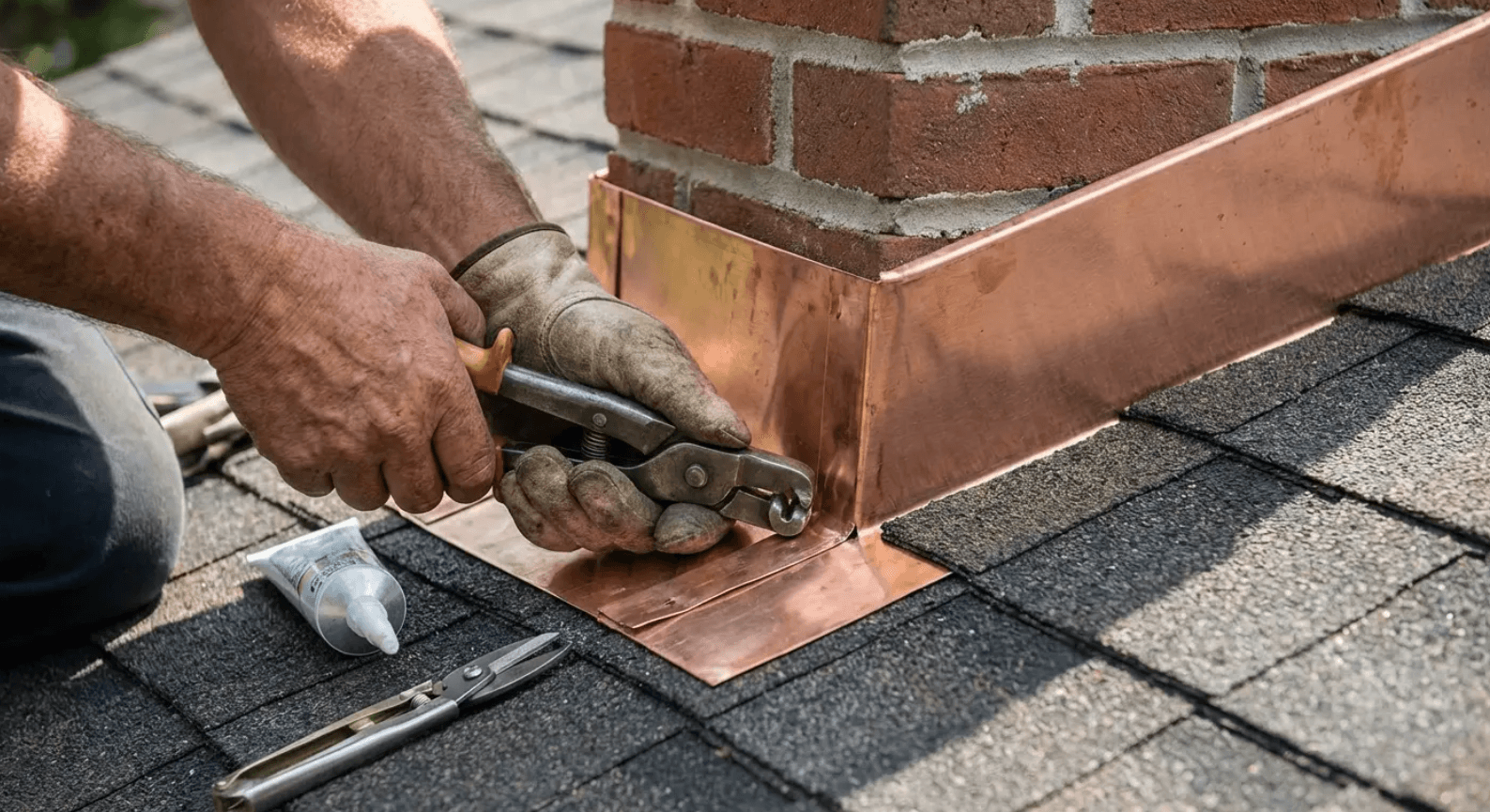
Proper installation requires specific steps that simply take time. Flashing needs to be individually cut and formed for each penetration. Underlayment needs to be carefully aligned and fastened. Shingles need to be nailed in specific patterns at specific depths.
Rushing these steps creates invisible problems. The roof looks fine from the ground, but it'll fail prematurely when wind or water finds the gaps that speed created.
If you hear your contractor say "we'll be done in one day," you should hear "we're going to cut every corner we can find, plus a few we'll invent."
Shortcuts That Save Hours But Cost Years
Certain installation shortcuts are impossible to spot without climbing on the roof:
- Inadequate nailing (using fewer nails than manufacturer specifications require)
- Improperly sealed flashing that'll leak within a year
- Skipped or poorly installed underlayment
- Incorrectly aligned shingles that create weak points
- Missing or inadequate ventilation
These details determine whether your roof lasts 25 years or needs repairs in five.
I know a guy who hired the cheapest crew he could find. They finished in one day. He thought he was a genius. Two, maybe three years later? Shingles blowing off in regular wind. Not even a storm. Turns out they'd barely nailed anything down. The "savings" from the rushed job cost him $8,500 in emergency repairs and a battle with his insurance company over whether the damage was covered.
How to Identify Appropriate Work Pace
You want efficiency, not haste. The difference is pretty obvious once you know what to look for.
Efficient crews work steady. No constant smoke breaks, but they're not cutting corners either. The detail work takes time. You'll see them slow down for flashing and valleys even when it looks like they should be moving faster. And they clean up. Every day.
Rushed crews? They leave a mess because cleanup takes time they don't want to spend. You'll notice them taking shortcuts on flashing, using excessive caulk to cover installation gaps, or leaving debris scattered around.
Having the Timeline Talk
Having productive timeline conversations with contractors requires knowing which questions reveal realistic planning versus wishful thinking. I've found that homeowners who ask specific questions upfront avoid most timeline frustrations later.
Questions That Reveal Whether a Timeline Is Realistic
Don't just accept the number your contractor offers. Ask questions that force specificity:
"What could extend this timeline, and how would you handle those situations?"
"Have you confirmed material availability for my specific product, or are you estimating?"
"What's your plan if weather delays installation?"
"How many other projects are you juggling during my installation window?"
Contractors with realistic timelines answer these questions directly. Those offering fantasy timelines get vague or defensive.
Building Buffer Time Into Your Personal Planning
Whatever timeline your contractor provides, add buffer time to your own planning. This isn't cynicism, it's pragmatism.
Weather happens. Unexpected deck damage happens. Material shipments arrive late. Permit offices take longer than expected.
If your contractor says six weeks total from contract to completion, plan for eight. If they say three days of installation, prepare for five.
This buffer protects you from the stress and disruption of timeline surprises.
How to Respond When Timelines Change Mid-Project
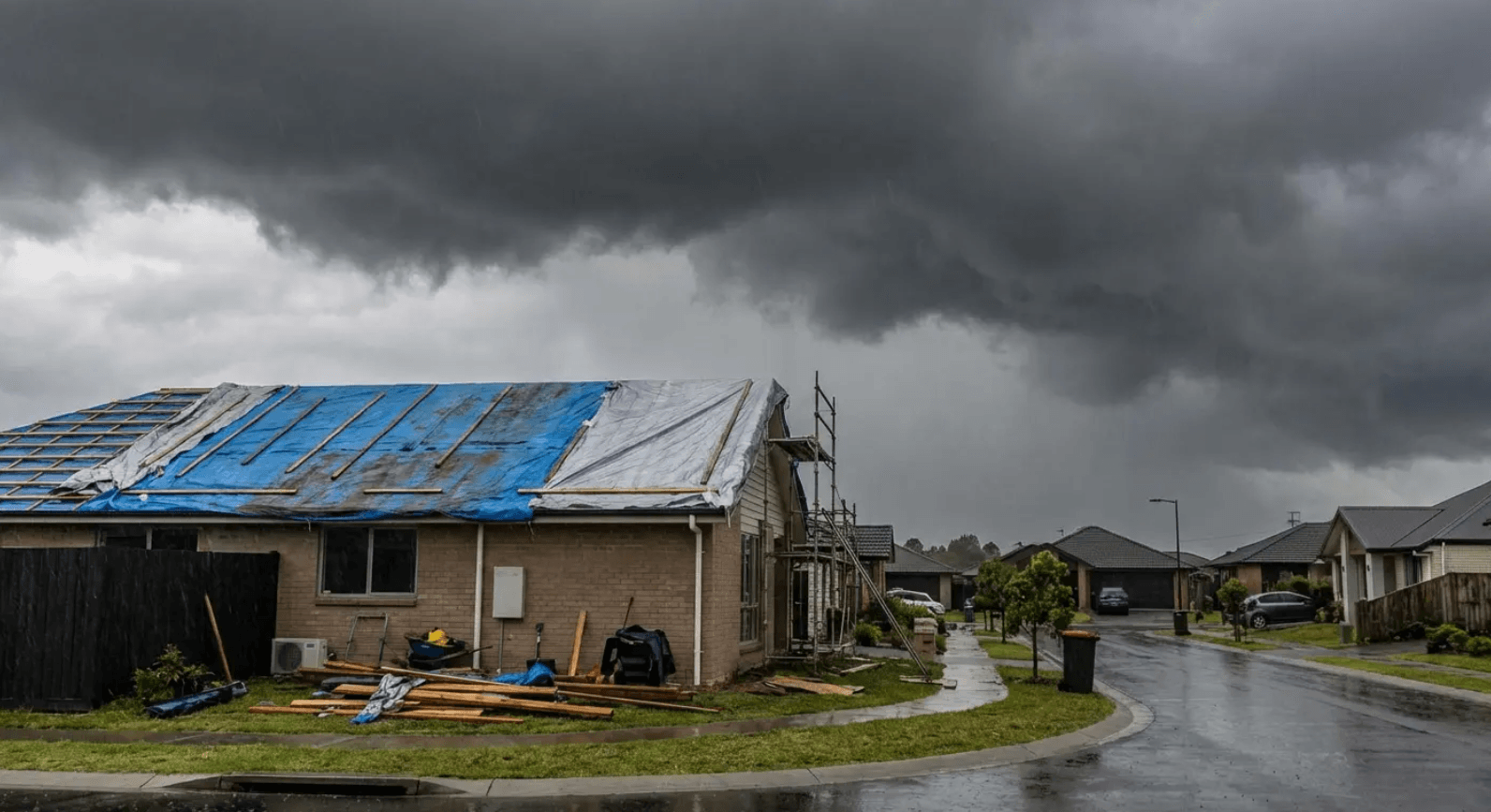
Timeline changes during roof replacement are common. How your contractor communicates these changes matters more than the changes themselves.
A decent contractor calls you the second they know there's a problem. They explain what happened, take responsibility for controllable delays, and give you a revised timeline. The sketchy ones? You'll be chasing them down, and they'll act like you're being unreasonable for asking.
Your response should match their communication. Reasonable delays communicated professionally deserve patience. Preventable delays handled poorly deserve firm accountability.
The Timeline Conversation That Should Happen Before You Sign
Before committing to any contractor, have an explicit conversation about timeline expectations and contingencies. Get answers to:
- What's included in your quoted timeline (just installation, or full project completion)?
- What's your current backlog, and when would you realistically start?
- How do you handle weather delays?
- What's your policy on timeline extensions?
- How will you communicate if the schedule changes?
Contractors who can't or won't answer these questions clearly will create timeline frustration later.
We've helped hundreds of homeowners at Joyland Roofing work through timeline anxiety by being transparent about every phase of the replacement process. We know you're trying to plan your life around this project, which is why we provide detailed timelines that account for permits, materials, and realistic installation schedules rather than optimistic best-case scenarios. If you're tired of vague answers and want a contractor who respects your time as much as your investment, we'd welcome the conversation.
Final Thoughts
The real answer to "how long does it take to replace a roof?" depends entirely on which timeline you're asking about.
Active installation? Probably three to five days for most homes.
Total project duration from contract signing to final inspection? More likely four to eight weeks, sometimes longer.
Understanding this distinction helps you plan appropriately, ask better questions, and identify contractors who communicate honestly versus those who tell you what you want to hear.
Your roof replacement timeline isn't just about how fast shingles go down. It's about permits that protect your investment, materials that determine longevity, and installation quality that affects performance for decades.
Look, you're going to get quotes from contractors who promise the moon. Fast timelines, low prices, everything you want to hear.
And you're going to get quotes from contractors who tell you it'll take longer and cost more than you hoped.
The first group is usually lying. The second group might just be honest.
Your roof is going to be up there for 20-30 years. An extra two weeks on the timeline won't matter in year five. But corners cut to save three days? You'll be dealing with those for a long time.
Choose the contractor who respects your intelligence enough to tell you the truth about timelines. Even when it's not what you want to hear.