
Short answer: The roofing trends that matter in 2026 are less about color and more about proof. Homeowners have better information about how shingles age, how different products handle wind and hail, how insurers evaluate roof condition, and how installation details affect long-term performance.
That matters in south-central Pennsylvania, where the same roof can see summer heat, heavy rain, wind, freezing temperatures, and snow in a single year. The National Weather Service lists Harrisburg's 1991–2020 normal annual snowfall at 29.9 inches. A roof here has to work through seasons, not just look good from the street.
So if you landed here looking for the hottest shingle color of 2026, we are going to disappoint you a little. Color matters. It is just nowhere near the top of the list.
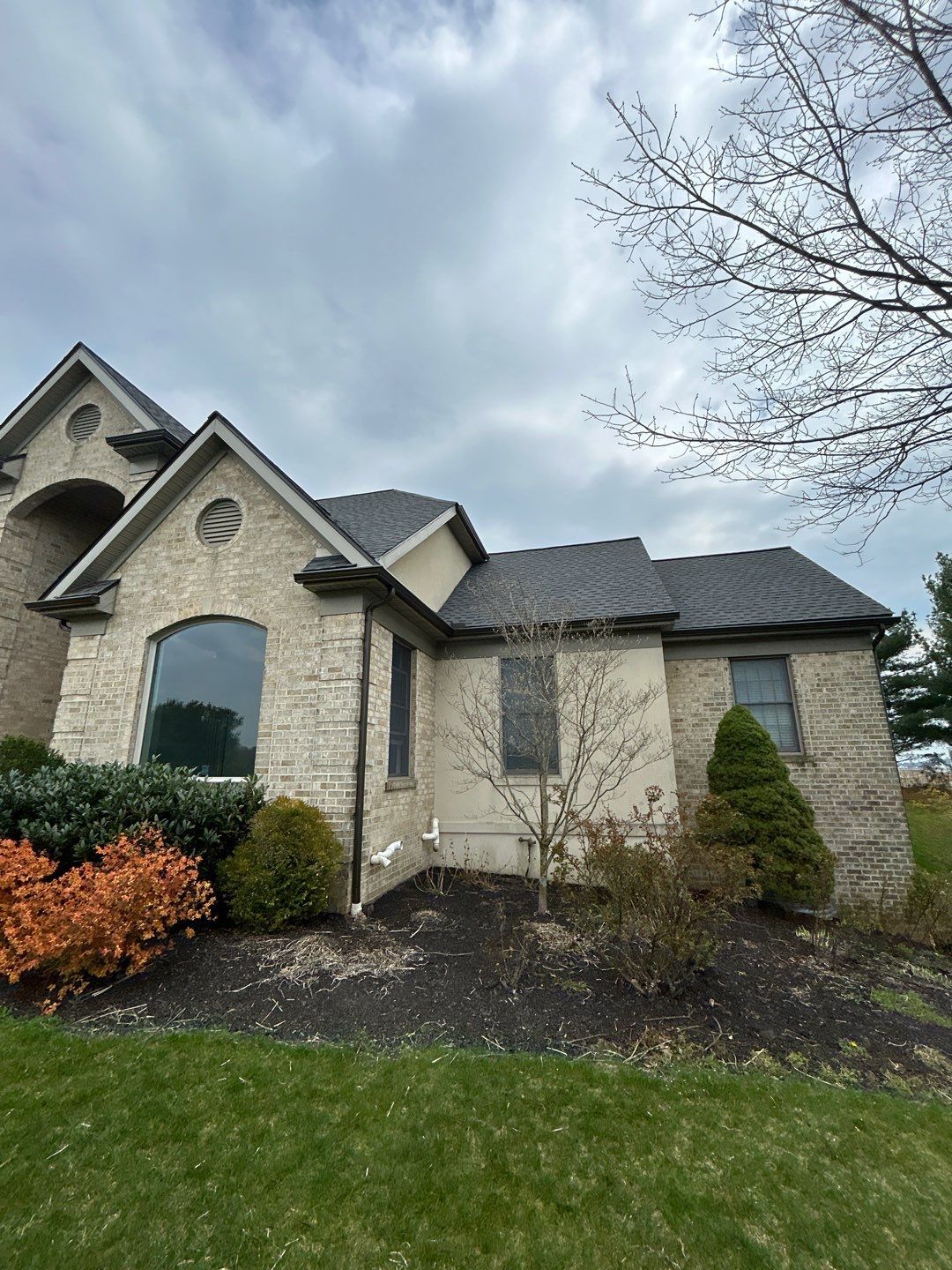
What are the biggest roofing trends in 2026?
The biggest change is that homeowners can make roof decisions with more real performance data than they could a few years ago. Research organizations, manufacturers, insurers, and contractors are paying more attention to how a roof performs after installation, not just how it tests when it is brand new.
| Trend | Why it matters | What to ask |
|---|---|---|
| Long-term shingle performance | New 10-year aging research shows wind performance can change differently from product to product. | What exact shingle product are you installing, not just what brand? |
| Impact resistance | Products with the same general "impact-resistant" label do not necessarily perform the same in realistic hail testing. | What testing or rating supports the impact-resistance claim? |
| Insurance scrutiny | Roof condition can affect underwriting, inspections, and policy decisions. | What roof documentation should I keep for my insurer? |
| Weather-specific installation | Cold or hot weather does not automatically stop roofing, but installation procedures may need to change. | How will you adjust if temperatures or weather change during the job? |
| Whole-system thinking | Shingles, decking, flashing, underlayment, ventilation, insulation, and attic conditions affect one another. | What are you inspecting besides the roof covering? |
1. Shingle age is becoming a performance question, not just a warranty question
Asphalt shingles are still the dominant residential roof covering. The Insurance Institute for Business & Home Safety, or IBHS, says asphalt shingles represent nearly three-quarters of single-family home roofs in North America.
The important 2026 development is what researchers are learning about those shingles after they have spent years outside.
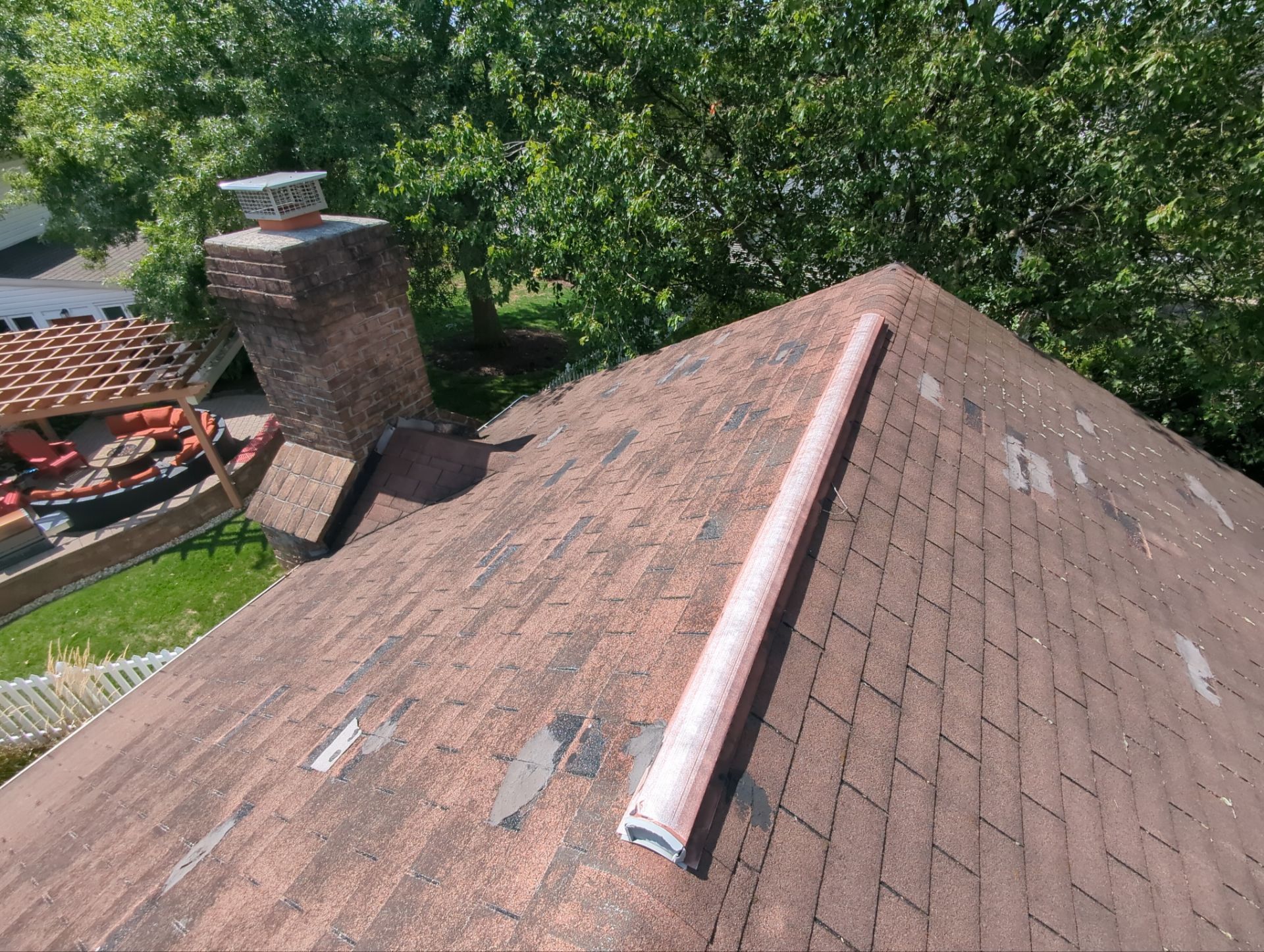
In September 2026, IBHS released results from its 10-year Roof Aging Farm research. Researchers compared naturally aged shingles from multiple manufacturers and product lines with five-year and baseline samples. The study found meaningful product-to-product differences in how wind resistance changed with age.
That does not mean every asphalt shingle is unreliable, and it does not give homeowners a magic number for when a roof will fail. It means the exact product, age, orientation, climate exposure, installation, and whether shingles remain sealed can matter more than a broad warranty label suggests.
For a homeowner comparing asphalt shingle roofing, one of the smartest questions is now very simple: What exact product are you installing, and what do we know about its performance?
2. "Impact-resistant" is getting more specific
Hail resistance is another area where the label on the package only tells part of the story.
UL 2218 classifies prepared roof coverings from Class 1 through Class 4 using steel-ball impact testing, with Class 4 representing the highest impact classification under that standard. But IBHS has developed additional testing using laboratory-made hailstones to look at damage such as dents, tears, and granule loss.
In its 2025 ratings, IBHS evaluated 24 impact-resistant shingle products representing about 95% of the U.S. impact-resistant shingle market. Most products earned a "Good" rating in the IBHS system, but none earned "Excellent." That is a useful reminder that two products marketed as impact resistant are not automatically identical.
For Pennsylvania homeowners, that is a better conversation than simply asking, "Is this a Class 4 shingle?" Ask which product is being quoted, which testing applies, what the manufacturer actually warrants, and whether your insurance company offers any product-specific benefit. Do not assume a premium discount exists until your own carrier confirms it.
3. Insurance companies are looking more closely at roof condition
This trend is especially relevant in Pennsylvania because the state Insurance Department has already had to address it.
In 2024, the Pennsylvania Insurance Department said it had received complaints about insurers using aerial imagery when canceling or declining to renew homeowners policies because of roof condition. The department warned that unclear aerial images showing discoloration or streaking should not, by themselves, be treated as proof of significant roof damage and said insurers should verify the type and extent of damage.
That does not mean every older roof is an insurance problem. It means documentation matters more than it used to.
If you replace or repair a roof, keep:
- The final contract and scope of work
- The exact manufacturer and product installed
- Warranty paperwork
- Before-and-after photos
- Receipts for repairs or maintenance
- Any inspection report showing the roof's condition
If an insurer raises a concern about your roof, ask exactly what condition they identified and what documentation or inspection they need. Roofing contractors can document what they see, but coverage and underwriting decisions belong to the insurance company.
4. The best roofing season is becoming less important than the installation conditions
There is a persistent roofing myth that asphalt shingles can only be installed during a narrow spring-to-fall temperature window. Manufacturer guidance is more nuanced than that.
For example, GAF's technical guidance on temperature extremes says there is no practical absolute hot or cold temperature limit for fiberglass asphalt shingle application when the correct precautions are taken. GAF notes that shingles are easier to handle above about 40°F and below about 90°F. In cold conditions, shingles can become brittle and may require hand sealing; in very hot conditions, foot traffic and handling can damage softened shingles.
That is a much better way to think about roofing in Lancaster, Lebanon, Dauphin, York, Berks, and Cumberland counties. A January roof replacement is not automatically wrong, and a July installation is not automatically perfect. What matters is the actual weather, the roof surface, the manufacturer's instructions, material storage, sealing, safety, and the contractor's plan when conditions change.
A contractor should be able to explain what happens if rain moves in, how exposed decking will be protected, and what changes when shingles are installed in cold weather.
5. A roof is increasingly being treated as a system, not a layer of shingles
This might be the most important trend on the list because it changes what a good roof inspection looks like.
A roof covering can be installed correctly and still be sitting over a bad assembly. Decking condition, flashing, attic air leakage, insulation, ventilation, bathroom exhaust ducts, and moisture all affect what happens above the ceiling.
For conventional vented attics, the 2021 International Residential Code uses a baseline net-free ventilation ratio of 1 square foot of ventilation for every 150 square feet of vented space, with a 1:300 option when specific conditions are met. The National Roofing Contractors Association has also long recommended balanced intake and exhaust rather than treating ventilation as "more vents must be better."
But not every roof assembly is supposed to be vented the same way. Conditioned and unvented roof assemblies also exist. That is why adding a ridge vent, powered fan, or more insulation without understanding the existing assembly can create a new problem instead of solving the old one.
We break this down further in our guide to roof and ceiling design in Pennsylvania homes.
A real example: Joyland’s Lititz roof replacement
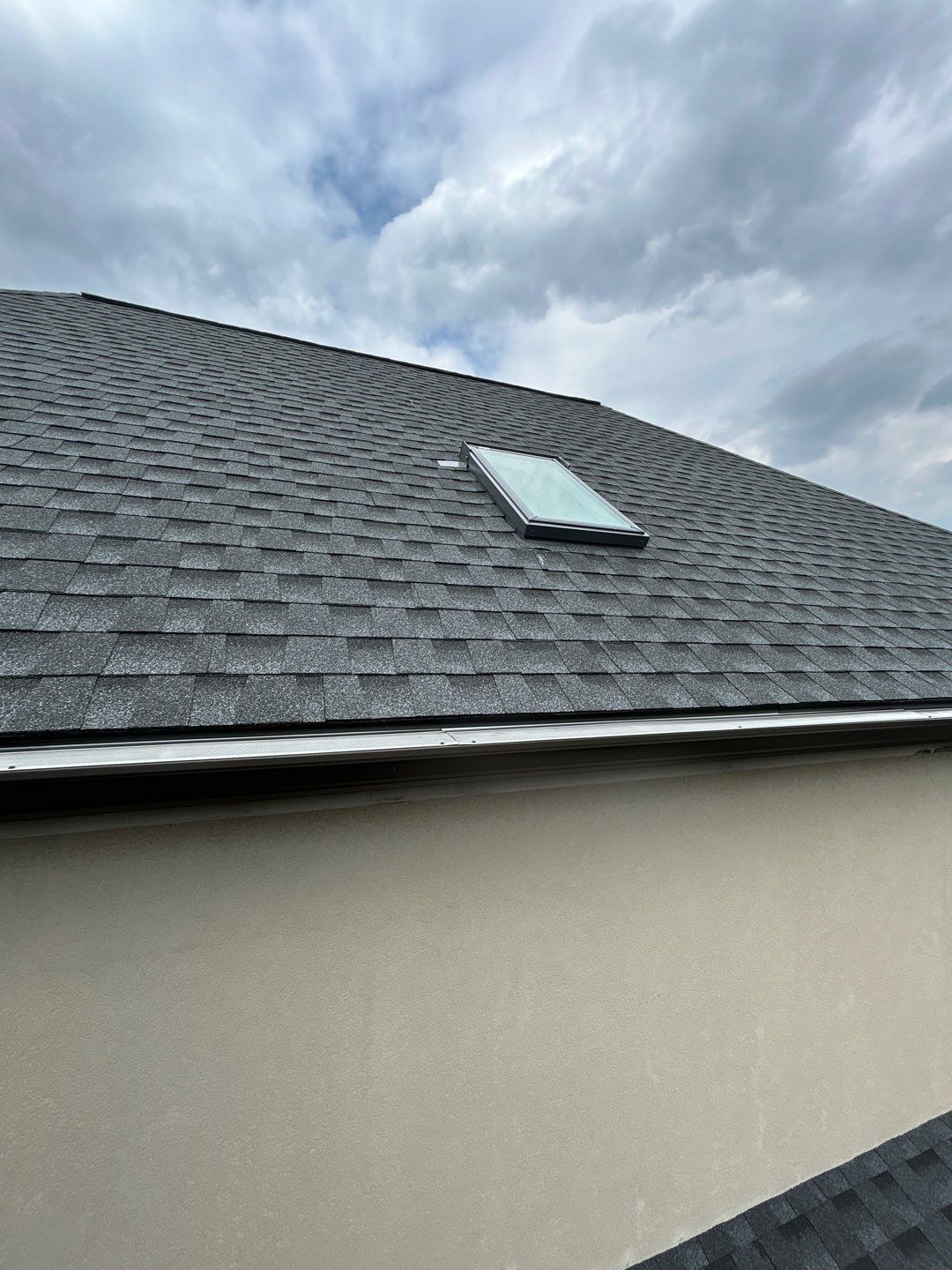
In the Lititz project documented in Joyland’s portfolio, the work included Timberline HDZ shingles, ice and water protection, upgraded flashing, ridge ventilation, and new Velux skylights. That is what a whole-system conversation looks like in practice: the roof covering, ventilation, and details around openings are addressed together.
6. Material decisions are getting more intentional
Asphalt is not disappearing. Metal is not automatically the upgrade everyone needs. Slate is not practical for every structure. The useful trend is that homeowners are comparing roofing systems based on the house, budget, expected ownership period, roof geometry, maintenance, and appearance instead of chasing a universal "best roof."
Joyland's September 2026 planning ranges show how wide the price difference can be between materials. These figures are based on roof area, not interior floor area, and the final project depends on pitch, complexity, tear-off, decking, flashing, access, and other job-specific conditions.
| Roofing material | Approx. installed planning range |
|---|---|
| Architectural asphalt shingles | $5.50–$7.50 per sq. ft. of roof area |
| Designer asphalt shingles | $7.50–$12 per sq. ft. |
| Corrugated / exposed-fastener metal | $11–$16 per sq. ft. |
| Standing-seam metal | $18–$22 per sq. ft. |
| Synthetic slate or cedar-style products | $19–$26 per sq. ft. |
| Premium Western Red Cedar | $25–$30 per sq. ft. |
| Natural slate | $35–$39 per sq. ft. |
You can see the assumptions behind those numbers in our Pennsylvania roof replacement cost guide and compare material fit in our guide to the best roofing material for Pennsylvania homes.
What should homeowners care about more than roofing trends?
Installation. Full stop.
A premium shingle does not fix bad flashing. A long warranty does not fix rotted decking. A strong wind rating does not help if the product is fastened outside the manufacturer's instructions. And a new roof covering does not solve an attic moisture problem by itself.
Before signing a roofing contract, ask these five questions:
- What exact roofing product and system are you installing? Get the manufacturer and product line in writing.
- What happens if you find damaged decking? The proposal should explain how replacement is approved and priced.
- How are flashing, valleys, penetrations, and roof-to-wall transitions handled? Those details deserve more attention than the shingle color.
- How are attic and ventilation conditions evaluated? The answer should be based on the actual assembly, not a one-size-fits-all vent recommendation.
- What quality-control documentation will I receive? Photos and a final inspection are useful records for you, the warranty, and potentially your insurer.
Related video: roofing red flags to watch before you hire
The product matters, but the person installing it matters just as much. This Joyland video covers five warning signs to watch for when comparing roofing contractors.
What this means for Pennsylvania homeowners
The best roofing trend of 2026 is better information.
We have stronger long-term research on asphalt shingles. Impact-resistant products can be compared more carefully. Pennsylvania regulators are paying attention to how insurers judge roof condition. Manufacturer guidance makes it easier to separate legitimate weather precautions from blanket installation myths. And homeowners are asking more questions about the roof system underneath the shingles.
That is useful whether your house is in Lancaster, Lebanon, Harrisburg, York, Reading, Mechanicsburg, or anywhere else across south-central Pennsylvania.
If your roof is still doing its job, you do not need to replace it because the industry found a new trend. If it is damaged, aging, leaking, or becoming an insurance concern, the goal is to understand why before choosing the solution.
Joyland Roofing can inspect the roof, document what we find, and explain whether the next step is maintenance, repair, or replacement. If replacement makes sense, we can compare asphalt shingles, metal roofing, and other systems based on the house instead of whatever happens to be trending online.
Sources used for this 2026 update
- Insurance Institute for Business & Home Safety: 10-Year Wind Performance of Asphalt Shingles
- IBHS: 2025 Hail Impact-Resistant Shingle Ratings
- UL Solutions: UL 2218 and IBHS impact testing
- Pennsylvania Insurance Department: roof imagery and policy decisions
- GAF Technical Advisory Bulletin: temperature extremes and fiberglass asphalt shingles
- 2021 International Residential Code R806.2: minimum attic vent area
- National Weather Service State College: central Pennsylvania snowfall normals
