
Searching for the best type of roof can make a straightforward home project feel like a championship bracket. Asphalt, metal, slate, and cedar all have loyal fans, and every material can sound unbeatable when its drawbacks are left out of the conversation.
Here is the honest answer for homeowners in south-central Pennsylvania: there is no single roofing material that is best for every house. For many homeowners, architectural asphalt shingles provide the best balance of price, appearance, and proven performance. Standing-seam metal can be the better long-term upgrade when the budget and style are right. Slate and cedar make sense for particular homes and priorities, while a flat or low-slope roof may require a membrane system instead of any of those materials.
In John’s comparison of asphalt, metal, slate, and cedar, he explains the real advantages and disadvantages of the materials Joyland installs. The best choice is the one that fits your roof’s design, your plans for the home, your budget, and the amount of maintenance you are prepared to handle.
What Is the Best Roofing Material for a Pennsylvania Home?
If you want the shortest useful answer, start here:
Architectural asphalt shingles are the best overall value for many homeowners. They offer the lowest starting price among Joyland’s primary steep-slope roofing options, a wide selection of colors and styles, and relatively straightforward repairs.
Standing-seam metal is often the best long-term upgrade. It costs considerably more upfront, but its concealed-fastener design reduces the maintenance concerns associated with exposed screws and creates a clean, distinctive appearance.
Natural slate is best when historic character, exceptional longevity, and authentic stone matter more than initial price. The home’s structure and the availability of qualified installation and repair specialists must be considered.
Cedar is best for homeowners who specifically want natural wood and accept the maintenance that comes with it. Shade, debris, moisture exposure, product grade, ventilation, and installation all affect how a cedar roof performs.
Synthetic slate or cedar may fit homeowners who want a premium appearance without the weight or maintenance characteristics of the natural material. These products should be evaluated individually because their composition, testing, warranties, and track records vary.
EPDM, TPO, or another membrane system is normally the better category for a flat or low-slope roof. In that situation, the roof’s design narrows the options before color or style enters the discussion.
That is the quick answer. The details below will help you understand why one of those choices may fit your house better than the others.
A Roof Is More Than the Material You See
Homeowners naturally focus on shingles, panels, slate, or cedar because that is the visible part of the roof. However, the finished material is only one part of a complete roofing system.
The roof deck, underlayment, leak barriers, flashing, ventilation, fasteners, and drainage details all affect performance. A premium material cannot correct rotted decking, unsuitable flashing, poor fastening, or a roof design that does not manage water properly.
That does not mean the material is unimportant. It means the material and the system beneath it have to work together. Before switching materials, a contractor should evaluate the roof’s slope, accessible decking, framing concerns, penetrations, ventilation, and the manufacturer’s installation requirements. Joyland’s roof-deck guide explains what can sometimes be found during an inspection and what may remain hidden until the existing roof is removed.
Architectural Asphalt Shingles: The Best Overall Value for Many Homes
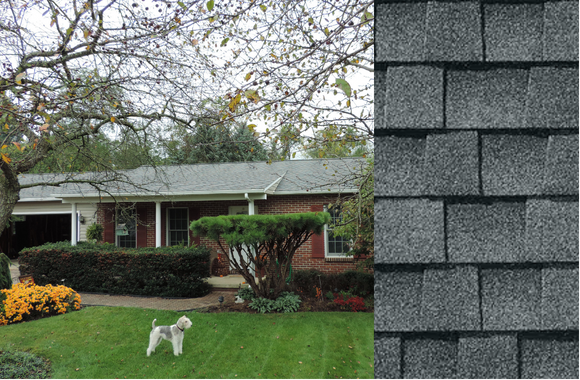
Residential asphalt shingle roofing remains a practical choice for many homes in Lancaster, York, Dauphin, Lebanon, and the surrounding area. It combines a comparatively affordable starting price with broad availability, familiar installation methods, and plenty of colors and profiles.
Why Homeowners Choose Asphalt Shingles
Architectural shingles provide more dimension than basic three-tab shingles and are the most common shingle style Joyland installs. Homeowners can choose standard architectural products or move into heavier and more decorative designer lines.
Asphalt also makes it easier to stay within a moderate roof-replacement budget. Repairs are generally more straightforward than repairs involving specialty metal panels, natural slate, or cedar. If a homeowner wants the appearance of slate or wood without using the natural material, certain designer asphalt shingles can create a similar visual effect at a lower cost.
GAF describes a residential roof as a system rather than shingles alone. The selected shingle, required accessories, installation details, and warranty package should be reviewed together instead of assuming every “lifetime” label provides identical coverage.
The Drawbacks of Asphalt Shingles
Asphalt is usually not chosen because it offers the longest potential service life. It can also be more vulnerable to visible wear or storm damage than some premium materials, depending on the specific product and conditions.
Homeowners should also be cautious about comparing shingles by brand name or warranty length alone. Product line, impact rating, algae protection, installation requirements, accessory package, and workmanship coverage can all change what is actually being offered.
Who Should Probably Avoid Asphalt?
Asphalt may not be the best fit if your main priority is owning the longest-lasting material available, preserving an authentic historic roof, or achieving the distinctive appearance of standing-seam metal, natural slate, or real cedar. It may still be the sensible financial choice, but it will not imitate every premium material perfectly.
Metal Roofing: A Long-Term Upgrade With Two Very Different Options
“Metal roofing” is not one product. Joyland’s residential metal roofing guide separates the two systems homeowners are most likely to compare: standing seam with concealed fasteners and corrugated panels with exposed fasteners.
Standing-Seam Metal
Standing-seam panels connect at raised seams while concealing the attachment points beneath the finished surface. The result is the clean vertical-line appearance many people picture when they think of a modern metal roof.
The concealed-fastener design is an important practical difference. Properly designed clips and attachment details allow the panels to accommodate movement as temperatures change. The Metal Construction Association explains that standing-seam clip selection and installation must account for thermal movement and attachment fatigue.
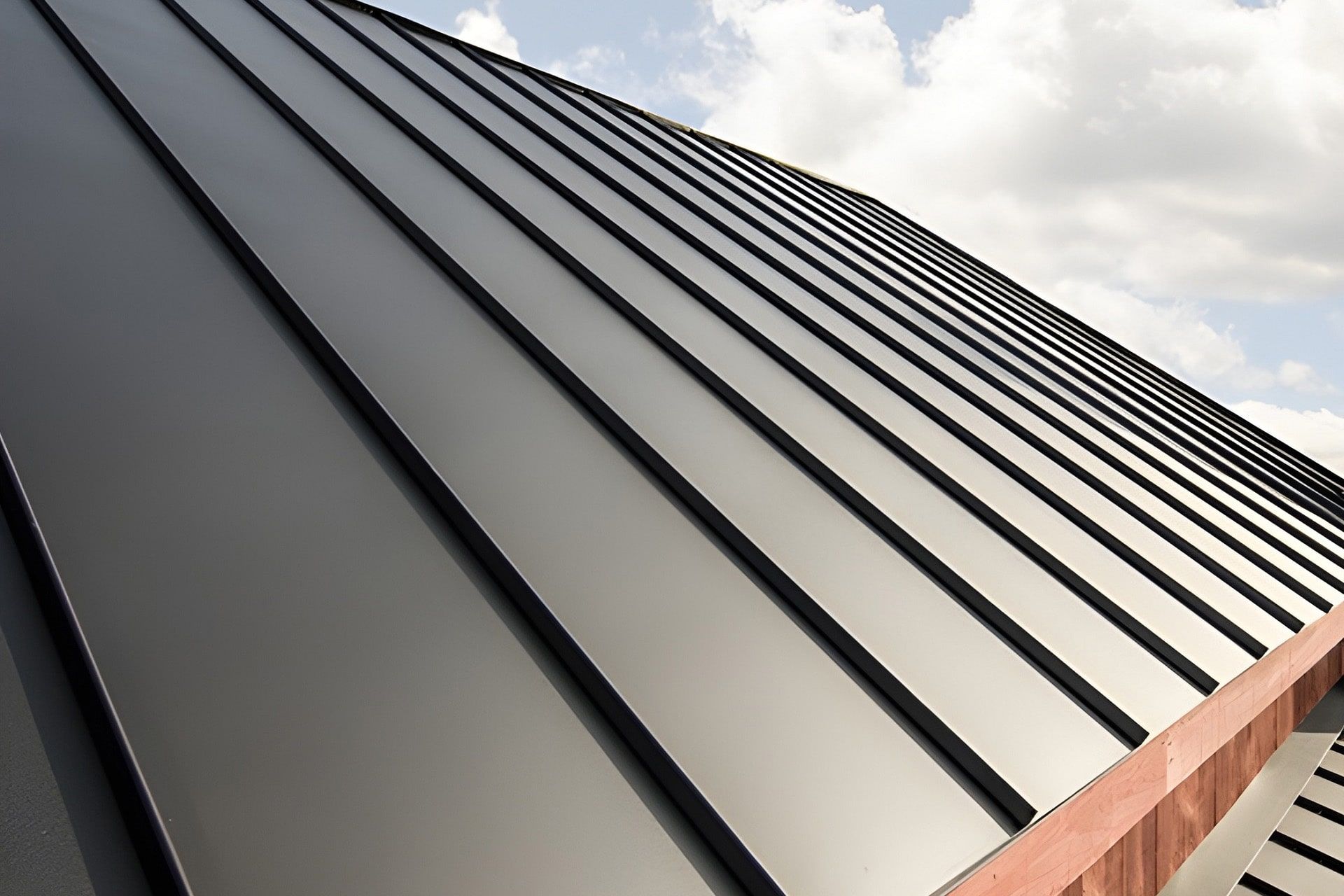
Standing seam can be a strong fit for a homeowner who expects to stay in the house for a long time, likes the appearance, and is comfortable with a much higher initial investment than asphalt. It can also work well when the roof is a major part of the home’s exterior design.
Its drawbacks are real. The upfront cost is substantial, repairs require metal-roofing experience, and broad flat panels may show oil canning, a visible waviness that is generally cosmetic. Roof geometry, panel dimensions, substrate condition, and installation details can affect how noticeable it becomes.
Corrugated or Exposed-Fastener Metal
Corrugated metal uses screws installed through the face of the panels. It offers a lower starting price than standing seam and can complement farmhouses, barns, garages, and homes where the exposed-fastener appearance fits the design.
The tradeoff is maintenance. The screws and sealing washers remain exposed to weather and ultraviolet light. They should be inspected and may eventually need tightening or replacement. That does not make corrugated metal a bad roof. It makes it a different roof from standing seam, with a different price and maintenance expectation.
Who Should Probably Avoid Metal?
Metal may not fit a homeowner whose primary concern is keeping the initial project cost as low as possible. Standing seam may also be hard to justify if the homeowner expects to move soon and does not personally value the longer ownership horizon or appearance. Corrugated metal is less suitable for someone who wants the benefits of metal without accepting future exposed-fastener maintenance.
Natural Slate: The Premium Choice for Longevity and Historic Character
Natural slate occupies a different category from ordinary replacement materials. It is stone, it requires specialized installation and repair techniques, and it can remain serviceable for many decades. Depending on the slate, installation, flashing, and maintenance history, a slate roof may last a century or longer.
Joyland’s slate roofing service emphasizes the importance of evaluating the home’s structure and using contractors familiar with slate-specific tools, fastening, and flashing methods. The National Slate Association similarly recommends hiring a qualified slate specialist because natural slate requires distinct installation and repair knowledge.
Why Homeowners Choose Slate
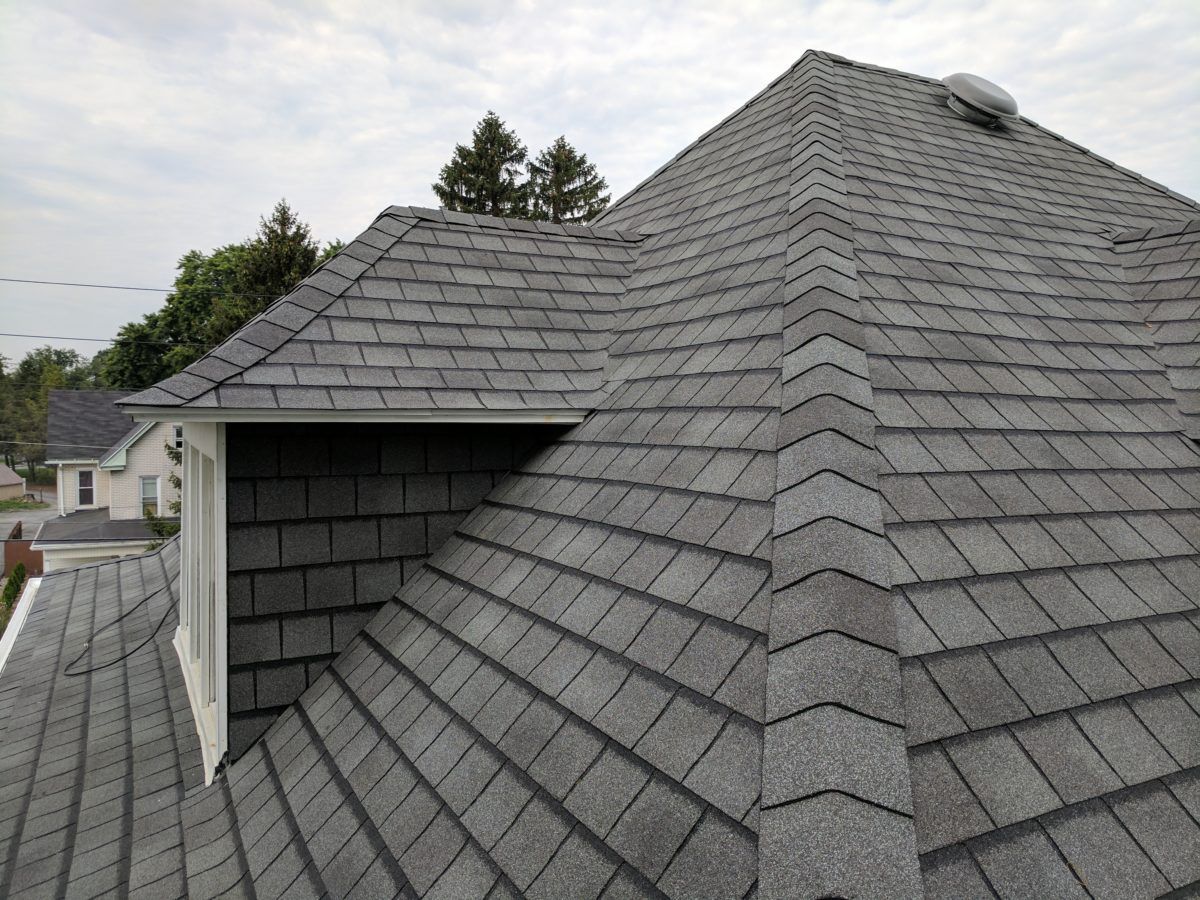
Slate provides an authentic appearance that is difficult to duplicate, especially on historic stone, brick, Tudor, Colonial, and other traditional homes found throughout Pennsylvania. Its potential service life is another major advantage when the entire roof system is designed to support it.
The Drawbacks of Slate
Slate carries the highest published starting price among Joyland’s residential roofing materials. It is also much heavier than asphalt, so the structure must be evaluated before switching a home from a lighter material to natural slate.
Slate can be damaged by improper foot traffic, and repairs should be completed by someone who understands the material. The slate itself may outlast components such as flashing and fasteners, so a long-lasting slate roof still requires inspection and skilled maintenance.
Who Should Probably Avoid Slate?
Natural slate may not fit a limited replacement budget, a structure that cannot support it without additional work, or a homeowner who does not have access to qualified slate service. It also may be unnecessary when the homeowner mainly wants a slate-like appearance rather than the natural stone itself.
Cedar Roofing: The Natural-Wood Choice
Cedar creates a warm, textured appearance that manufactured roofing products can only approximate. Shingles provide a more uniform, sawn look, while shakes generally create a thicker and more rustic appearance. Product grade and installation method matter, so “cedar roof” should not be treated as a single interchangeable specification.
Joyland’s cedar roofing guide explains that shade, moisture, debris, ventilation, and ongoing care can significantly affect performance. The Cedar Shake & Shingle Bureau advises that accumulated needles, leaves, branches, and dirt should be professionally removed because cedar needs to breathe and dry.
Why Homeowners Choose Cedar
Cedar is primarily chosen for its natural appearance and architectural character. It can be especially appropriate on homes where wood roofing is part of the original design or where a homeowner genuinely prefers how cedar weathers over time.
The Drawbacks of Cedar
Cedar requires more attention than asphalt or standing-seam metal. Debris and persistent moisture can interfere with drying. Moss or organic growth, damaged pieces, flashing, and ventilation conditions may require professional attention.
Wood is also combustible. Product treatments, roof assemblies, local requirements, and insurance considerations can vary, so a homeowner should confirm what applies to the specific property rather than rely on a general claim about all cedar roofs.
Who Should Probably Avoid Cedar?
Cedar is probably not the right choice for someone who wants the least possible maintenance. It may also be a poor match for a heavily shaded roof that continually collects debris unless the homeowner accepts the inspection and care that environment requires. If the goal is only the wood-shake appearance, a designer asphalt shingle or synthetic product may deserve consideration.
Synthetic Slate and Cedar: Evaluate the Product, Not Just the Look
Synthetic roofing can recreate some of the color, texture, and profile of slate or cedar while reducing weight and changing the maintenance requirements. It can be useful when a homeowner wants a premium appearance but natural stone or wood is not the right fit.
The important limitation is that “synthetic roofing” covers many different products. Materials, manufacturing methods, fire and impact ratings, installation requirements, warranties, and years of field history can vary by brand and product line.
Ask for the exact manufacturer and product name. Review its technical documents, testing, warranty exclusions, approved installation method, and examples that have been in service for more than a few years. A synthetic product should not be described as equivalent to natural slate or cedar unless the specific comparison can be supported.
Synthetic slate or cedar may not be right for homeowners who want authentic natural material, are working under historic-preservation requirements, or are uncomfortable with the particular product’s track record or warranty terms.
Flat and Low-Slope Roofs Need a Different Conversation
If part or all of the home has a flat or low-slope roof, shingles, slate, and cedar may not be appropriate for that section. These materials shed water through overlapping pieces and depend on sufficient slope. Low-slope areas often require a membrane designed to create a continuous water-resistant surface.
Joyland’s residential flat roofing guide discusses EPDM rubber, TPO, and modified bitumen systems. The right choice depends on the roof’s existing assembly, drainage, penetrations, exposure, anticipated foot traffic, and the details needed at walls and roof transitions.
A home can also use more than one roofing system. A steep main roof may use asphalt, metal, slate, or cedar while a porch, addition, balcony, or low-slope section uses a membrane. Trying to force the same visible material onto every section can create a water-management problem rather than a design improvement.
How Much Do Different Roofing Materials Cost in Pennsylvania?
As of September 2026, Joyland’s residential roof replacement pricing guide lists these approximate planning ranges:
- Architectural asphalt shingles: approximately $5.50 to $7.50 per square foot of roof area
- Designer asphalt shingles: approximately $7.50 to $12 per square foot
- Corrugated or exposed-fastener metal: approximately $11 to $16 per square foot
- Standing-seam metal: approximately $18 to $22 per square foot
- Synthetic slate or cedar-style products: approximately $19 to $26 per square foot
- Premium Western Red Cedar: approximately $25 to $30 per square foot
- Natural slate: approximately $35 to $39 per square foot
These are planning ranges, not quotes for a specific house. Roof size, pitch, height, access, tear-off, decking, flashing, valleys, dormers, chimneys, skylights, ventilation changes, and product selection can all affect the final price. Costs can also change over time, so the current proposal should control the decision.
The least expensive roof today is not automatically the least expensive choice over the entire time you own the home. The opposite is also true: paying more does not guarantee that the upgrade will make financial sense for your ownership timeline. Compare the initial cost, expected maintenance, repair availability, warranty terms, and how long you realistically expect to stay in the house.
Five Questions That Will Narrow Down Your Options
1. What Materials Work With the Roof’s Slope and Design?
Start with what can be installed correctly. The roof’s slope, valleys, transitions, penetrations, and drainage design may eliminate certain products or require a different system on part of the home.
2. Can the Existing Structure and Deck Support the Material?
Switching from asphalt to a heavier material such as natural slate requires more than choosing a color. The structure and roof deck must be appropriate for the new system. If the contractor identifies a genuine structural concern, an appropriately qualified professional may need to evaluate it.
3. What Is Your Real Budget?
Consider both the amount you are comfortable investing now and how long you expect to own the home. Asphalt may be the sensible choice when initial cost matters most. Standing seam or a premium material may make more sense when the homeowner values its particular advantages and expects to benefit from them over a longer period.
4. How Much Maintenance Are You Willing to Accept?
Be realistic. Cedar needs different care from asphalt. Exposed-fastener metal needs different attention from standing seam. Slate should be serviced by people who understand how to work on it. No roof should be sold as though it will never need inspection or repair.
5. What Do You Actually Want the House to Look Like?
Appearance is a valid part of the decision. Compare physical samples against the siding, brick, stone, trim, and neighboring homes. Look at completed projects using the same product, profile, and color whenever possible. A material that performs well but makes you dislike the front of your house is not a great personal fit.
Questions to Ask Before Choosing a Roof Material
- Why are you recommending this material for my particular roof?
- What are its biggest drawbacks for my home and location?
- Is the entire roof suitable for this product, including low-slope sections?
- Does the structure or roof deck need additional evaluation or work?
- What exact manufacturer, product line, profile, thickness, or grade is included?
- What is included in the complete roofing system beneath the finished material?
- How should the roof be inspected and maintained?
- Who in this area can repair the material if it is damaged?
- What do the manufacturer and workmanship warranties cover, exclude, and require?
- How will hidden decking or other additional work be documented and priced?
A trustworthy recommendation should still make sense after the disadvantages are explained. If a salesperson can describe only the benefits, you have not received a complete comparison.
Frequently Asked Questions About Roofing Materials
What Is the Best Overall Roof for Pennsylvania?
Architectural asphalt shingles are the best overall value for many Pennsylvania homeowners because they balance initial price, appearance, availability, and repairability. That does not make asphalt the automatic answer for every house. Standing-seam metal, slate, cedar, synthetic roofing, or a membrane system may fit better depending on the roof and the homeowner’s priorities.Is a Metal Roof Better Than an Asphalt Roof?
Metal is not universally better. Standing-seam metal offers a concealed-fastener system and a longer-term ownership proposition, but it costs substantially more upfront. Asphalt is more affordable and provides more familiar repair and replacement options. The better choice depends on budget, design, ownership timeline, and personal preference.What Type of Roof Lasts the Longest?
Natural slate has one of the longest potential service lives among residential roofing materials and may remain serviceable for a century or more. Actual performance depends on the slate, roof design, flashing, fasteners, installation, and maintenance. A long-lasting surface material does not eliminate the need to care for the rest of the roof system.Can I Replace Asphalt Shingles With Metal or Slate?
Possibly. A contractor should first evaluate the roof’s slope, deck, transitions, and other installation conditions. Natural slate adds significant weight and may require structural evaluation. Metal has its own substrate, attachment, flashing, and ventilation requirements. The answer should come from an inspection of the house and the selected product’s requirements.What Is the Best Material for a Flat Residential Roof?
EPDM, TPO, and modified bitumen are common residential low-slope systems, but there is no universal winner. Drainage, roof use, existing construction, penetrations, energy goals, and repair needs all influence the recommendation.Does a More Expensive Roof Always Provide Better Value?
No. A premium roof can make sense when its appearance, ownership horizon, material characteristics, and maintenance expectations match the homeowner’s goals. It can be unnecessary when those advantages do not matter to the homeowner or the house. Value is the fit between the roof, the homeowner, and the complete installed price, not simply the highest material cost.
Get a Roofing Recommendation Based on Your Home
You do not need to decide between asphalt, metal, slate, cedar, synthetic roofing, and membrane systems from a browser tab alone. A useful recommendation starts with the roof in front of you.
Joyland Roofing serves homeowners throughout south-central Pennsylvania from its Elizabethtown location. Our team can inspect the roof, explain which materials fit its design, show you physical options, and provide clear pricing without pretending one product is perfect for everybody.
If you are planning a roof replacement and want an honest comparison, contact Joyland Roofing to schedule an inspection and discuss the options that make sense for your home.
John Esh | CEO & Master Installer
- 25+ Years Experience: From ground crew to Master Certified Installer.
- Local Roots: Serving Lancaster, Harrisburg, and SEPA since 1991.
- Credentials: GAF Master Certified (ME27586); Licensed in PA (PA124258) & MD (#137952).
- The "Why":
Obsessed with "radical transparency" to remove the fear factor from home improvements.
James Wesser | Content Producer
- Background: Former local news digital producer and journalist.
- The Mission: Turning complex roofing jargon into clear, "fluff-free" answers for homeowners.
- Local Tie: When not filming on-site, he’s likely roaming Hersheypark or building digital worlds.