
How Much Does a Roof Replacement Cost in Pennsylvania?
If you are pricing a new roof in Lancaster, York, Harrisburg, Lebanon, Carlisle, Reading, or another south-central Pennsylvania community, you probably want a useful number before you want a roofing lecture. Fair enough.
Joyland Roofing's current residential pricing guide uses these planning examples for an architectural asphalt shingle roof:
Small home, approximately 1,200 to 1,500 square feet: $8,250
Medium home, approximately 1,800 to 2,500 square feet: $12,500
Large home, approximately 3,000 to 3,800 square feet: $19,500
Those are starting points, not guaranteed prices. Your actual roof replacement cost depends on the measured roof area, material, pitch, design, number of existing layers, condition of the wood deck, access around the house, and the exact work included in the proposal.
That is the honest short answer. The rest of this guide explains what moves the number, how Joyland builds an estimate, and how to compare proposals without getting lost in a pile of roofing terminology.
Current Roof Replacement Price Examples From Joyland
Joyland's residential roof replacement pricing guide groups example prices by approximate home size and roofing material. These examples reflect Joyland's current published planning figures as of August 2026.
The square footage categories describe the approximate size of the home. They are not a substitute for measuring the roof itself. A roof has slopes, overhangs, valleys, dormers, and other surfaces that can make its actual area larger than the home's floor area.
Small Home: Approximately 1,200 to 1,500 Square Feet
Joyland's current examples include:
Architectural asphalt shingles: $8,250
Designer asphalt shingles: $11,250
Exposed-fastener or corrugated metal: $19,800
Standing-seam metal: $27,000
For a straightforward smaller home, architectural asphalt shingles are usually the lowest-priced option in Joyland's published examples. Metal, cedar, slate, and synthetic specialty products require a larger budget.
Medium Home: Approximately 1,800 to 2,500 Square Feet
Joyland's current examples include:
Architectural asphalt shingles: $12,500
Designer asphalt shingles: $15,800
Exposed-fastener or corrugated metal: $23,500
Standing-seam metal: $38,000
This category covers many homes found throughout Lancaster County, York County, Dauphin County, Lebanon County, and the surrounding Susquehanna Valley. Two homes with the same interior square footage can still have different roof prices if one is a simple ranch and the other has multiple roof sections, valleys, dormers, or steep slopes.
Large Home: Approximately 3,000 to 3,800 Square Feet
Joyland's current examples include:
Architectural asphalt shingles: $19,500
Designer asphalt shingles: $25,950
Exposed-fastener or corrugated metal: $34,000
Standing-seam metal: $55,000
Larger homes usually require more roofing material, more tear-off and disposal capacity, and more time for installation and cleanup. Roof shape and access still matter, so size alone does not determine the final proposal.
Joyland's full pricing page also includes current examples for Western red cedar, natural slate, and synthetic slate or cedar products. Those materials can be a good fit for the right home, but they are priced well above architectural asphalt shingles in Joyland's published guide.
Why Roof Area and Home Square Footage Are Not the Same
A 2,000-square-foot home does not automatically have a 2,000-square-foot roof. The home's square footage is usually based on interior floor area. Roofing is measured across the sloped exterior surfaces.
Pitch increases surface area. Overhangs add area beyond the exterior walls. Attached garages, porches, additions, dormers, and intersecting roof sections add more. Contractors also account for material needed at hips, ridges, valleys, edges, and around penetrations.
That is why a cost-per-square-foot number is useful only when everyone is talking about the same square foot. Joyland currently publishes architectural asphalt planning ranges of about $5.50 to $7.50 per square foot of roof area across its three home-size examples. A measured proposal is still necessary to determine the real project total.
What Changes the Cost of a Roof Replacement?
The roofing material and measured area usually create the foundation of the estimate. The following conditions determine how simple or involved the installation will be.
Roofing Material
Architectural asphalt shingles are the lowest-priced replacement option in Joyland's current examples. Designer shingles cost more, while residential metal roofing carries a substantially higher initial price.
Cedar, natural slate, and synthetic specialty products have different material, installation, and structural considerations. The best choice depends on the house, budget, appearance, and roofing system you actually want. A proposal should name the manufacturer, product line, color, and included accessories instead of saying only “shingles” or “metal.”
Pitch, Height, and Access
A steep or high roof generally takes more time to move across and work on than a low, simple roof. Limited driveway access, tight property lines, mature landscaping, decks, additions, and overhead obstacles can also affect staging, property protection, debris handling, and cleanup.
None of those conditions makes a house “bad.” They simply affect the plan and the labor required to complete the work safely and protect the property.
Roof Shape and Penetrations
A simple two-sided roof usually takes less time and material than a roof with multiple valleys, dormers, skylights, chimneys, wall intersections, or separate additions. Those details require cutting, flashing, and careful water management.
When comparing estimates, confirm how chimneys, skylights, pipe penetrations, valleys, and roof-to-wall intersections will be handled. If one proposal includes those details and another barely mentions them, the totals are not describing the same job.
Existing Roofing Layers and Disposal
More than one layer of existing roofing means more material to remove, carry, and dispose of. Joyland's current pricing guidance identifies multiple layers as a factor that can increase labor and disposal costs.
Ask each contractor how many layers are assumed, whether the proposal includes a dumpster or other debris handling, and whether landfill or disposal charges are included. A lower number is not especially helpful if half the tear-off cost is waiting offstage.
Roof Deck Repairs and Concealed Damage
The wood roof deck is under the existing roofing, so some damage may not be visible until tear-off. An attic inspection can reveal staining, moisture, deteriorated sheathing, or ventilation concerns, but the lower edges of the roof and other covered areas may remain hidden.
Joyland currently publishes planning ranges of $5 to $10 per square foot of work for rotted or warped sheathing and $2 to $4 per linear foot for repairs to old plank decking. Those are not automatic charges or a promise of what your repair will cost. Your written proposal should explain the unit price or approval process for any wood replacement that becomes necessary.
A clear change process matters here. If concealed damage is found, the contractor should document it, explain the required work and price, and get authorization before moving forward whenever circumstances allow.
Ventilation, Underlayment, Flashing, and Accessories
A roof replacement is more than the visible surface. Depending on the home and selected system, the scope may include roof-deck protection, leak barrier, starter materials, ridge caps, drip edge, flashing, pipe boots, vents, and intake or exhaust ventilation work.
These components affect both price and system performance. Compare the actual products and quantities in each proposal. “Complete roofing system” sounds nice, but the written scope should still explain what complete means.
Permits and Local Requirements
Permit requirements and fees can vary by municipality. Joyland says it typically lists permit fees separately and handles filing in areas such as Lancaster, York, and Reading.
Pennsylvania's Uniform Construction Code permit guidance specifically addresses roof replacement work that includes sheathing and requires the application description to identify the existing and replacement sheathing materials. The local code office determines the permit path and inspections that apply to a particular property.
Before signing, confirm whether a permit is needed, who will obtain it, who pays the fee, and whether that cost is included in the total.
Property Protection and Cleanup
Roof replacement creates a controlled construction zone around the house. Landscaping, air-conditioning equipment, siding, windows, decks, walkways, and driveways may need protection. The old roofing also has to leave the property, and the grounds need to be checked for debris and nails.
Joyland's published asphalt-shingle process includes protecting the property, tearing off the existing roof, completing needed deck repairs, restoring the site, using magnets during cleanup, and performing a final quality check. Make sure those responsibilities are included in any estimate you compare.
How to Use Joyland's Instant Roof Quote
If you are still deciding whether a replacement fits the household budget, Joyland's instant roof quote tool is a practical place to start. Joyland uses RoofQuote PRO by Roofle to combine aerial roof measurements with the materials and pricing Joyland has configured in the tool.
The instant result is a planning estimate, not a construction contract. It can help you compare material options and understand the likely size of the investment before scheduling an appointment.
The tool cannot physically inspect the roof deck, attic ventilation, prior repairs, flashing details, or every access condition. A site inspection is what turns the technology-assisted starting point into a roof-specific proposal. The final price may be close to the instant estimate, higher, or lower depending on what the inspection confirms.
A trustworthy contractor should explain any meaningful difference between the instant estimate and the final proposal.
What Should a Roof Replacement Estimate Include?
A useful roofing proposal should tell you what the contractor plans to do, not just what the contractor plans to charge. Look for:
Measured roof area and the sections included
Number of existing layers assumed for removal
Manufacturer and exact roofing product
Underlayment, leak barrier, starter, ridge cap, and edge components
Flashing plan for chimneys, walls, valleys, skylights, and penetrations
Ventilation work included in the scope
Allowance or unit pricing for roof-deck repairs
Property-protection and cleanup responsibilities
Dumpster, hauling, and disposal costs
Permit responsibility and any separately listed fees
Estimated project schedule
Payment terms and change-order process
Exact material and workmanship warranty documents
Pennsylvania homeowners can also use the state Attorney General's home improvement contractor verification guidance before hiring. Pennsylvania requires qualifying home improvement contractors to register with the Office of Attorney General, but the state is clear that registration is not an endorsement of a contractor's skill or quality. Check registration, insurance, references, written scope, and communication together.
How Joyland Builds a Roof Replacement Proposal
Joyland's process is designed to move from a broad planning number to a specific written scope.
Inspection and Roof Evaluation
Joyland offers a free, no-obligation estimate and inspection for residential replacement projects. The evaluation looks at the roof and accessible related areas. When attic access is available, Joyland can check for signs of ventilation problems, water entry, or deteriorated sheathing that may affect the project.
An inspection does not make every concealed condition visible. It does reduce guesswork and gives the proposal a much better foundation than home square footage alone.
Material and System Selections
The proposal should reflect the roofing material and system the homeowner actually selected. That includes more than color. It includes the product line, related components, flashing approach, ventilation work, and any upgrades or specialty details.
Joyland's residential roofing options include asphalt shingles, metal, cedar, slate, and other roof types. The right comparison is not “roof A versus roof B.” It is one defined system and scope versus another.
A Written Price and Change Process
The proposal should identify the known work, the total price, any separately listed permit cost, and how possible concealed deck repairs will be priced. If the inspection changes the instant estimate, Joyland should be able to point to the measurement, material, access, or roof condition responsible for the change.
During tear-off, any newly exposed issue should be documented and explained. Nobody enjoys a change order, but clear photos, unit pricing, and a written approval process are much better than a surprise number at the end.
How Roofing Warranties Affect the Comparison
Do not compare warranties by the largest number printed on the brochure. Roofing proposals can involve a manufacturer's material warranty, enhanced system coverage, a contractor's workmanship warranty, or a combination of those items.
Coverage depends on the exact products, installer qualifications, registration requirements, exclusions, transfer rules, and warranty purchased for the project. For example, GAF's residential warranty comparison explains that enhanced warranties require qualifying products and registration, and that the certified contractor handles registration for an enhanced GAF warranty.
Ask the contractor to identify in writing:
The exact warranty name
Who provides the coverage
Which products and installation issues are covered
The coverage period that applies to your selected system
Registration, maintenance, transfer, and claim requirements
Any exclusions or owner responsibilities
Joyland's website discusses GAF warranty options, but the warranty included with your roof is the one identified in your final proposal and warranty documents. There is no single warranty term that applies to every material and every Joyland project.
Should You Repair the Roof Instead of Replacing It?
Not every leak requires a new roof. An isolated issue involving a shingle, pipe boot, flashing detail, or small storm-damaged area may be repairable if the surrounding roof is in serviceable condition.
A replacement may make more sense when problems are widespread, the roof system is failing in several areas, repairs are recurring, the deck has significant deterioration, or a durable repair cannot be integrated with the existing material.
The decision should come from the observed condition of the roof, not an arbitrary age cutoff or a calculator that assumes replacement from the beginning. Joyland provides residential roof repair services as well as full replacements, so the inspection can start with the actual problem.
What About Insurance and Financing?
Insurance and financing can affect how a homeowner pays for a roof, but neither one changes the physical scope required to complete it.
Insurance Claims
Homeowners insurance may apply when a covered event damages the roof. Coverage is determined by the policy and insurance company, not by the roofer. Age, wear, deterioration, maintenance, and excluded causes are different from sudden covered damage.
Joyland can inspect and document roof conditions and prepare a construction estimate. It cannot guarantee that a carrier will approve a claim or pay for a replacement. Read Joyland's guide to roof insurance claims in Pennsylvania for a clearer breakdown of the homeowner, contractor, adjuster, and insurer roles.
Financing Options
Joyland offers roof financing options for qualifying projects through a third-party provider. Available amounts, rates, terms, and approval depend on the actual offer.
Review the total amount financed, annual percentage rate, monthly payment, term, and total repayment before accepting any plan. The goal is to understand the real project cost and the real financing cost, not just whether the monthly number fits neatly on the screen.
How to Compare Roofing Quotes Without Choosing on Price Alone
Start by making the scopes comparable. If one proposal includes tear-off, disposal, new flashing, ventilation work, permit handling, property protection, enhanced warranty registration, and a defined deck-repair price while another says “install new roof,” those are not equal bids.
Ask each contractor the same questions:
What exact product and roofing system are included?
What existing material and how many layers will be removed?
What flashing, ventilation, and accessory work is included?
How will concealed deck damage be documented and priced?
Are disposal, cleanup, and permits included?
What warranty documents will I receive?
What could change the price after I sign?
Who communicates with me before and during the project?
The cheapest total is not automatically the best value. The highest total is not automatically the best roof. The clearest scope gives you the best chance of understanding what you are buying.
Roof Replacement Cost FAQs
How Much Does an Asphalt Shingle Roof Cost in South-Central Pennsylvania?
Joyland's current planning examples for architectural asphalt shingles are $8,250 for a small home, $12,500 for a medium home, and $19,500 for a large home. The measured roof area, pitch, design, access, existing layers, and deck condition determine the actual proposal.
How Much Does a Roof Cost Per Square Foot?
Joyland currently publishes an architectural asphalt planning range of approximately $5.50 to $7.50 per square foot of roof area across its example home sizes. Designer shingles and metal, cedar, slate, or synthetic specialty products cost more. Confirm that any per-square-foot comparison uses roof area rather than interior floor area and includes the same scope.
Is Joyland's Roof Estimate Free?
Joyland offers a free, no-obligation estimate and inspection for residential roof replacement projects. The instant quote tool can provide a faster planning estimate, while the inspection supports the final roof-specific proposal.
Will the Instant Roof Quote Be My Final Price?
Not necessarily. It is a starting estimate based on aerial measurement and the options configured by Joyland. The final proposal reflects the selected material, inspection findings, access, flashing, ventilation, existing layers, and other roof-specific details.
What Is the Most Common Unexpected Roof Replacement Cost?
Concealed wood damage is a common source of scope changes because part of the deck may not be visible until the existing roofing is removed. Multiple hidden roofing layers can also add labor and disposal. A strong proposal explains unit pricing and the approval process for both conditions before work starts.
Are Roofing Permits Included in the Price?
Permit requirements and fees vary by municipality. Joyland says permit fees are typically shown separately and that it handles filing in areas such as Lancaster, York, and Reading. Confirm the permit responsibility and fee in your written proposal.
Does Homeowners Insurance Pay for Roof Replacement?
Sometimes, but only when the damage is covered under the specific policy. A contractor can document roof conditions and estimate the construction work. The insurance company decides coverage, deductible, depreciation, and payment under the policy.
Does Joyland Offer Roof Financing?
Joyland offers financing options for qualifying projects through a third-party provider. Approval and terms vary. Review the actual APR, payment, term, and total repayment before accepting an offer.
Get a Roof Replacement Estimate From a Local Pennsylvania Roofer
Joyland is a family-run roofing and exteriors company serving Lancaster and surrounding Pennsylvania counties since 1991. The residential service area includes communities across Lancaster, York, Dauphin, Lebanon, Cumberland, Berks, Chester, Montgomery, Bucks, and Delaware counties.
If you are early in the process, use the instant quote to establish a starting budget. If you are ready for a roof-specific scope, contact Joyland Roofing to schedule a free estimate and inspection.
Bring the instant estimate, your material questions, and every proposal you are comparing. Joyland should be able to explain what is included, what is not visible yet, and what could change before anybody asks you to sign.
Pricing reviewed August 2026. Published planning figures can change. Confirm current pricing and project-specific terms in your written Joyland proposal.
If you are pricing a new roof in Lancaster, York, Harrisburg, Lebanon, Carlisle, Reading, or another south-central Pennsylvania community, you probably want a useful number before you want a roofing lecture. Fair enough.
Joyland Roofing's current residential pricing guide uses these planning examples for an architectural asphalt shingle roof:
- Small home, approximately 1,200 to 1,500 square feet: $8,250
- Medium home, approximately 1,800 to 2,500 square feet: $12,500
- Large home, approximately 3,000 to 3,800 square feet: $19,500
Those are starting points, not guaranteed prices. Your actual roof replacement cost depends on the measured roof area, material, pitch, design, number of existing layers, condition of the wood deck, access around the house, and the exact work included in the proposal.
That is the honest short answer. The rest of this guide explains what moves the number, how Joyland builds an estimate, and how to compare proposals without getting lost in a pile of roofing terminology.
Current Roof Replacement Price Examples From Joyland
Joyland'sresidential roof replacement pricing guidegroups example prices by approximate home size and roofing material. These examples reflect Joyland's current published planning figures as of August 2026.
The square footage categories describe the approximate size of the home. They are not a substitute for measuring the roof itself. A roof has slopes, overhangs, valleys, dormers, and other surfaces that can make its actual area larger than the home's floor area.
Small Home: Approximately 1,200 to 1,500 Square Feet
Joyland's current examples include:
- Architectural asphalt shingles: $8,250
- Designer asphalt shingles: $11,250
- Exposed-fastener or corrugated metal: $19,800
- Standing-seam metal: $27,000
For a straightforward smaller home, architectural asphalt shingles are usually the lowest-priced option in Joyland's published examples. Metal, cedar, slate, and synthetic specialty products require a larger budget.
Medium Home: Approximately 1,800 to 2,500 Square Feet
Joyland's current examples include:
- Architectural asphalt shingles: $12,500
- Designer asphalt shingles: $15,800
- Exposed-fastener or corrugated metal: $23,500
- Standing-seam metal: $38,000
This category covers many homes found throughout Lancaster County, York County, Dauphin County, Lebanon County, and the surrounding Susquehanna Valley. Two homes with the same interior square footage can still have different roof prices if one is a simple ranch and the other has multiple roof sections, valleys, dormers, or steep slopes.
Large Home: Approximately 3,000 to 3,800 Square Feet
Joyland's current examples include:
- Architectural asphalt shingles: $19,500
- Designer asphalt shingles: $25,950
- Exposed-fastener or corrugated metal: $34,000
- Standing-seam metal: $55,000
Larger homes usually require more roofing material, more tear-off and disposal capacity, and more time for installation and cleanup. Roof shape and access still matter, so size alone does not determine the final proposal.
Joyland's full pricing page also includes current examples for Western red cedar, natural slate, and synthetic slate or cedar products. Those materials can be a good fit for the right home, but they are priced well above architectural asphalt shingles in Joyland's published guide.
Why Roof Area and Home Square Footage Are Not the Same
A 2,000-square-foot home does not automatically have a 2,000-square-foot roof. The home's square footage is usually based on interior floor area. Roofing is measured across the sloped exterior surfaces.
Pitch increases surface area. Overhangs add area beyond the exterior walls. Attached garages, porches, additions, dormers, and intersecting roof sections add more. Contractors also account for material needed at hips, ridges, valleys, edges, and around penetrations.
That is why a cost-per-square-foot number is useful only when everyone is talking about the same square foot. Joyland currently publishes architectural asphalt planning ranges of about $5.50 to $7.50 per square foot of roof area across its three home-size examples. A measured proposal is still necessary to determine the real project total.
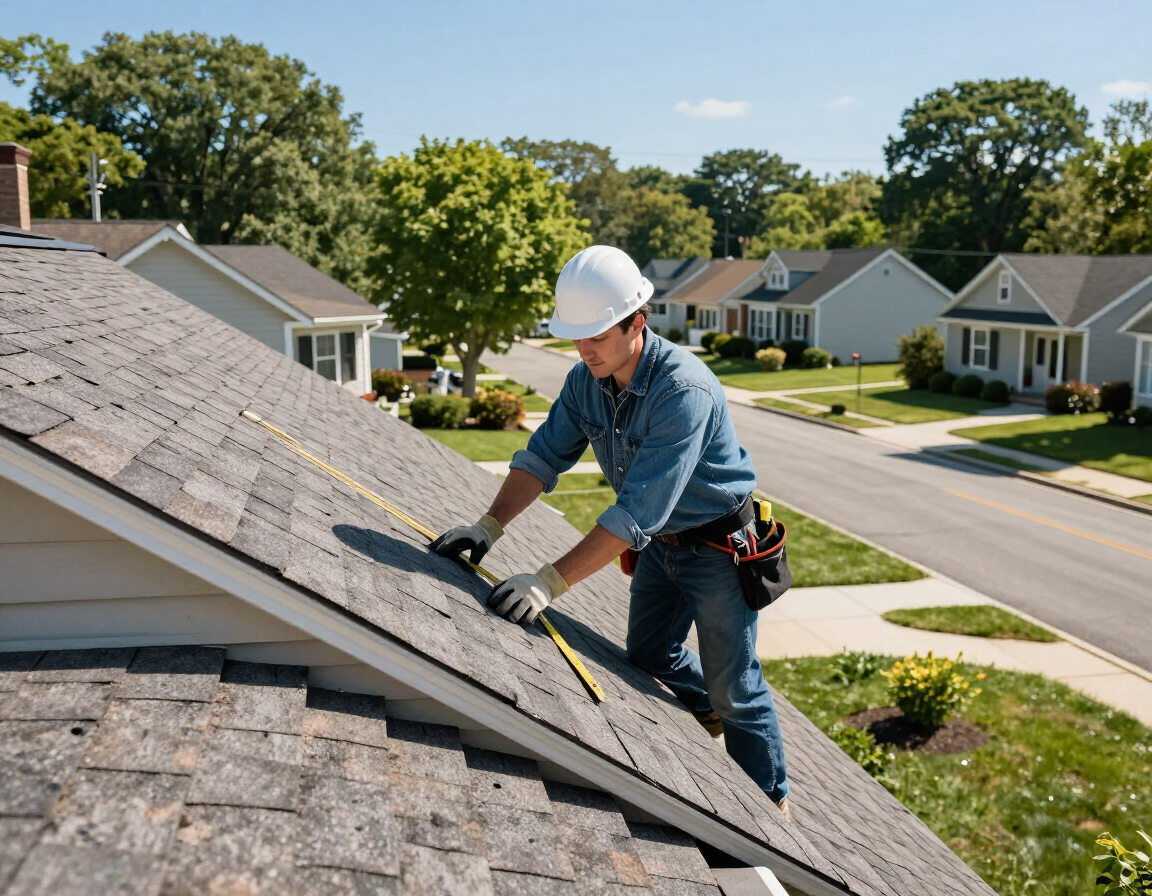
What Changes the Cost of a Roof Replacement?
The roofing material and measured area usually create the foundation of the estimate. Conditions such as pitch, access, roof shape, existing layers, deck condition, and permits determine how simple or involved the installation will be.
Each factor is explained in detail in the section below so you know exactly what to look for when comparing proposals.
The roofing material and measured area usually create the foundation of the estimate. The following conditions determine how simple or involved the installation will be.
Roofing Material
Architectural asphalt shingles are the lowest-priced replacement option in Joyland's current examples. Designer shingles cost more, while residential metal roofing carries a substantially higher initial price.
Cedar, natural slate, and synthetic specialty products have different material, installation, and structural considerations. The best choice depends on the house, budget, appearance, and roofing system you actually want. A proposal should name the manufacturer, product line, color, and included accessories instead of saying only "shingles" or "metal."
Pitch, Height, and Access
A steep or high roof generally takes more time to move across and work on than a low, simple roof. Limited driveway access, tight property lines, mature landscaping, decks, additions, and overhead obstacles can also affect staging, property protection, debris handling, and cleanup.
None of those conditions makes a house "bad." They simply affect the plan and the labor required to complete the work safely and protect the property.
Roof Shape and Penetrations
A simple two-sided roof usually takes less time and material than a roof with multiple valleys, dormers, skylights, chimneys, wall intersections, or separate additions. Those details require cutting, flashing, and careful water management.
When comparing estimates, confirm how chimneys, skylights, pipe penetrations, valleys, and roof-to-wall intersections will be handled. If one proposal includes those details and another barely mentions them, the totals are not describing the same job.
Existing Roofing Layers and Disposal
More than one layer of existing roofing means more material to remove, carry, and dispose of. Joyland's current pricing guidance identifies multiple layers as a factor that can increase labor and disposal costs.
Ask each contractor how many layers are assumed, whether the proposal includes a dumpster or other debris handling, and whether landfill or disposal charges are included. A lower number is not especially helpful if half the tear-off cost is waiting offstage.
Roof Deck Repairs and Concealed Damage
The wood roof deck is under the existing roofing, so some damage may not be visible until tear-off. An attic inspection can reveal staining, moisture, deteriorated sheathing, or ventilation concerns, but the lower edges of the roof and other covered areas may remain hidden.
Joyland currently publishes planning ranges of $5 to $10 per square foot of work for rotted or warped sheathing and $2 to $4 per linear foot for repairs to old plank decking. Those are not automatic charges or a promise of what your repair will cost. Your written proposal should explain the unit price or approval process for any wood replacement that becomes necessary.
A clear change process matters here. If concealed damage is found, the contractor should document it, explain the required work and price, and get authorization before moving forward whenever circumstances allow.
Ventilation, Underlayment, Flashing, and Accessories
A roof replacement is more than the visible surface. Depending on the home and selected system, the scope may include roof-deck protection, leak barrier, starter materials, ridge caps, drip edge, flashing, pipe boots, vents, and intake or exhaust ventilation work.
These components affect both price and system performance. Compare the actual products and quantities in each proposal. "Complete roofing system" sounds nice, but the written scope should still explain what complete means.
Permits and Local Requirements
Permit requirements and fees can vary by municipality. Joyland says it typically lists permit fees separately and handles filing in areas such as Lancaster, York, and Reading.
Pennsylvania's Uniform Construction Code permit guidance specifically addresses roof replacement work that includes sheathing and requires the application description to identify the existing and replacement sheathing materials. The local code office determines the permit path and inspections that apply to a particular property.
Before signing, confirm whether a permit is needed, who will obtain it, who pays the fee, and whether that cost is included in the total.
Property Protection and Cleanup
Roof replacement creates a controlled construction zone around the house. Landscaping, air-conditioning equipment, siding, windows, decks, walkways, and driveways may need protection. The old roofing also has to leave the property, and the grounds need to be checked for debris and nails.
Joyland's published asphalt-shingle process includes protecting the property, tearing off the existing roof, completing needed deck repairs, restoring the site, using magnets during cleanup, and performing a final quality check. Make sure those responsibilities are included in any estimate you compare.
How Joyland Builds a Roof Replacement Proposal
Joyland's process is designed to move from a broad planning number to a specific written scope. It starts with a free, no-obligation inspection and ends with a written price that explains what is included and how concealed conditions will be handled.
The sections below walk through each step, from the initial site evaluation to the final written change process.
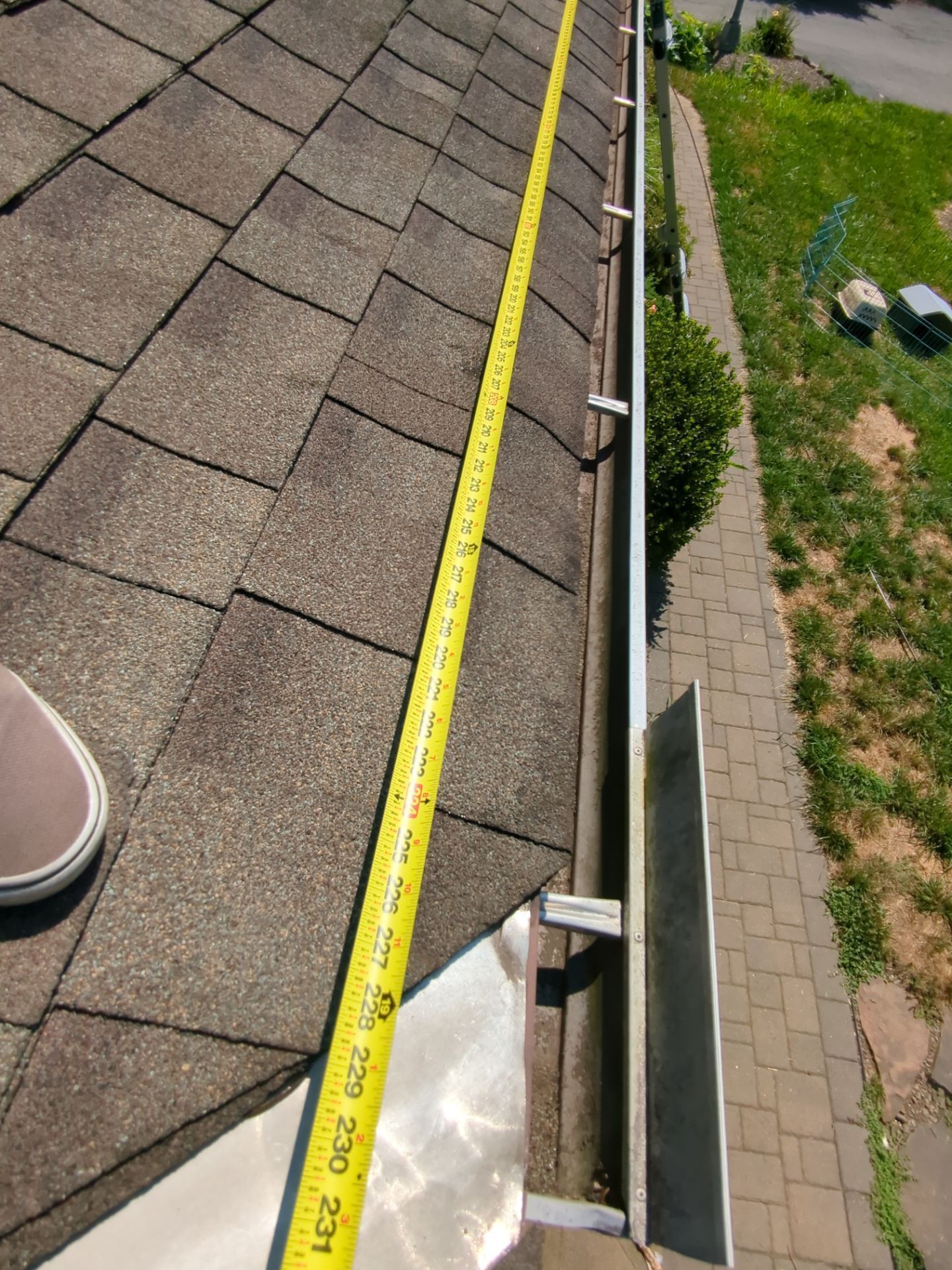
Inspection and Roof Evaluation
Joyland offers a free, no-obligation estimate and inspection for residential replacement projects. The evaluation looks at the roof and accessible related areas. When attic access is available, Joyland can check for signs of ventilation problems, water entry, or deteriorated sheathing that may affect the project.
An inspection does not make every concealed condition visible. It does reduce guesswork and gives the proposal a much better foundation than home square footage alone.
Material and System Selections
The proposal should reflect the roofing material and system the homeowner actually selected. That includes more than color. It includes the product line, related components, flashing approach, ventilation work, and any upgrades or specialty details.
Joyland's residential roofing options include asphalt shingles, metal, cedar, slate, and other roof types. The right comparison is not "roof A versus roof B." It is one defined system and scope versus another.
A Written Price and Change Process
The proposal should identify the known work, the total price, any separately listed permit cost, and how possible concealed deck repairs will be priced. If the inspection changes the instant estimate, Joyland should be able to point to the measurement, material, access, or roof condition responsible for the change.
During tear-off, any newly exposed issue should be documented and explained. Nobody enjoys a change order, but clear photos, unit pricing, and a written approval process are much better than a surprise number at the end.
How to Use Joyland's Instant Roof Quote
If you are still deciding whether a replacement fits the household budget, Joyland's instant roof quote tool is a practical place to start. Joyland uses RoofQuote PRO by Roofle to combine aerial roof measurements with the materials and pricing Joyland has configured in the tool.
The instant result is a planning estimate, not a construction contract. It can help you compare material options and understand the likely size of the investment before scheduling an appointment.
The tool cannot physically inspect the roof deck, attic ventilation, prior repairs, flashing details, or every access condition. A site inspection is what turns the technology-assisted starting point into a roof-specific proposal. The final price may be close to the instant estimate, higher, or lower depending on what the inspection confirms.
A trustworthy contractor should explain any meaningful difference between the instant estimate and the final proposal.
What Should a Roof Replacement Estimate Include?
A useful roofing proposal should tell you what the contractor plans to do, not just what the contractor plans to charge. Look for:
- Measured roof area and the sections included
- Number of existing layers assumed for removal
- Manufacturer and exact roofing product
- Underlayment, leak barrier, starter, ridge cap, and edge components
- Flashing plan for chimneys, walls, valleys, skylights, and penetrations
- Ventilation work included in the scope
- Allowance or unit pricing for roof-deck repairs
- Property-protection and cleanup responsibilities
- Dumpster, hauling, and disposal costs
- Permit responsibility and any separately listed fees
- Estimated project schedule
- Payment terms and change-order process
- Exact material and workmanship warranty documents
Pennsylvania homeowners can also use the state Attorney General's home improvement contractor verification guidance before hiring. Pennsylvania requires qualifying home improvement contractors to register with the Office of Attorney General, but the state is clear that registration is not an endorsement of a contractor's skill or quality. Check registration, insurance, references, written scope, and communication together.
How Roofing Warranties Affect the Comparison
Do not compare warranties by the largest number printed on the brochure. Roofing proposals can involve a manufacturer's material warranty, enhanced system coverage, a contractor's workmanship warranty, or a combination of those items.
Coverage depends on the exact products, installer qualifications, registration requirements, exclusions, transfer rules, and warranty purchased for the project. For example, GAF's residential warranty comparison explains that enhanced warranties require qualifying products and registration, and that the certified contractor handles registration for an enhanced GAF warranty.
Ask the contractor to identify in writing:
- The exact warranty name
- Who provides the coverage
- Which products and installation issues are covered
- The coverage period that applies to your selected system
- Registration, maintenance, transfer, and claim requirements
- Any exclusions or owner responsibilities
Joyland's website discusses GAF warranty options, but the warranty included with your roof is the one identified in your final proposal and warranty documents. There is no single warranty term that applies to every material and every Joyland project.
Should You Repair the Roof Instead of Replacing It?
Not every leak requires a new roof. An isolated issue involving a shingle, pipe boot, flashing detail, or small storm-damaged area may be repairable if the surrounding roof is in serviceable condition.
A replacement may make more sense when problems are widespread, the roof system is failing in several areas, repairs are recurring, the deck has significant deterioration, or a durable repair cannot be integrated with the existing material.
The decision should come from the observed condition of the roof, not an arbitrary age cutoff or a calculator that assumes replacement from the beginning. Joyland provides residential roof repair services as well as full replacements, so the inspection can start with the actual problem.
What About Insurance and Financing?
Insurance and financing can affect how a homeowner pays for a roof, but neither one changes the physical scope required to complete it.
Insurance Claims
Homeowners insurance may apply when a covered event damages the roof. Coverage is determined by the policy and insurance company, not by the roofer. Age, wear, deterioration, maintenance, and excluded causes are different from sudden covered damage.
Joyland can inspect and document roof conditions and prepare a construction estimate. It cannot guarantee that a carrier will approve a claim or pay for a replacement. Read Joyland's guide to roof insurance claims in Pennsylvania for a clearer breakdown of the homeowner, contractor, adjuster, and insurer roles.
Financing Options
Joyland offers roof financing options for qualifying projects through a third-party provider. Available amounts, rates, terms, and approval depend on the actual offer.
Review the total amount financed, annual percentage rate, monthly payment, term, and total repayment before accepting any plan. The goal is to understand the real project cost and the real financing cost, not just whether the monthly number fits neatly on the screen.
How to Compare Roofing Quotes Without Choosing on Price Alone
Start by making the scopes comparable. If one proposal includes tear-off, disposal, new flashing, ventilation work, permit handling, property protection, enhanced warranty registration, and a defined deck-repair price while another says "install new roof," those are not equal bids.
Ask each contractor the same questions:
- What exact product and roofing system are included?
- What existing material and how many layers will be removed?
- What flashing, ventilation, and accessory work is included?
- How will concealed deck damage be documented and priced?
- Are disposal, cleanup, and permits included?
- What warranty documents will I receive?
- What could change the price after I sign?
- Who communicates with me before and during the project?
The cheapest total is not automatically the best value. The highest total is not automatically the best roof. The clearest scope gives you the best chance of understanding what you are buying.
Ready to Compare Options?
Joyland offers a free, no-obligation estimate and inspection for residential replacement projects in Lancaster, York, Harrisburg, and surrounding Pennsylvania counties.
Use the instant quote tool to establish a starting budget, then schedule an inspection to get a roof-specific proposal you can compare with confidence.
Roof Replacement Cost FAQs
How Much Does an Asphalt Shingle Roof Cost in South-Central Pennsylvania?
Joyland's current planning examples for architectural asphalt shingles are $8,250 for a small home, $12,500 for a medium home, and $19,500 for a large home. The measured roof area, pitch, design, access, existing layers, and deck condition determine the actual proposal.How Much Does a Roof Cost Per Square Foot?
Joyland currently publishes an architectural asphalt planning range of approximately $5.50 to $7.50 per square foot of roof area across its example home sizes. Designer shingles and metal, cedar, slate, or synthetic specialty products cost more. Confirm that any per-square-foot comparison uses roof area rather than interior floor area and includes the same scope.Is Joyland's Roof Estimate Free?
Joyland offers a free, no-obligation estimate and inspection for residential roof replacement projects. The instant quote tool can provide a faster planning estimate, while the inspection supports the final roof-specific proposal.Will the Instant Roof Quote Be My Final Price?
Not necessarily. It is a starting estimate based on aerial measurement and the options configured by Joyland. The final proposal reflects the selected material, inspection findings, access, flashing, ventilation, existing layers, and other roof-specific details.What Is the Most Common Unexpected Roof Replacement Cost?
Concealed wood damage is a common source of scope changes because part of the deck may not be visible until the existing roofing is removed. Multiple hidden roofing layers can also add labor and disposal. A strong proposal explains unit pricing and the approval process for both conditions before work starts.Are Roofing Permits Included in the Price?
Permit requirements and fees vary by municipality. Joyland says permit fees are typically shown separately and that it handles filing in areas such as Lancaster, York, and Reading. Confirm the permit responsibility and fee in your written proposal.Does Homeowners Insurance Pay for Roof Replacement?
Sometimes, but only when the damage is covered under the specific policy. A contractor can document roof conditions and estimate the construction work. The insurance company decides coverage, deductible, depreciation, and payment under the policy.Does Joyland Offer Roof Financing?
Joyland offers financing options for qualifying projects through a third-party provider. Approval and terms vary. Review the actual APR, payment, term, and total repayment before accepting an offer.
Get a Roof Replacement Estimate From a Local Pennsylvania Roofer
Joyland is a family-run roofing and exteriors company serving Lancaster and surrounding Pennsylvania counties since 1991. The residential service area includes communities across Lancaster, York, Dauphin, Lebanon, Cumberland, Berks, Chester, Montgomery, Bucks, and Delaware counties.
If you are early in the process, use the instant quote to establish a starting budget. If you are ready for a roof-specific scope, contact Joyland Roofing to schedule a free estimate and inspection.
Bring the instant estimate, your material questions, and every proposal you are comparing. Joyland should be able to explain what is included, what is not visible yet, and what could change before anybody asks you to sign.
Pricing reviewed August 2026. Published planning figures can change. Confirm current pricing and project-specific terms in your written Joyland proposal.

John Esh | CEO & Master Installer
- 25+ Years Experience: From ground crew to Master Certified Installer.
- Local Roots: Serving Lancaster, Harrisburg, and SEPA since 1991.
- Credentials: GAF Master Certified (ME27586); Licensed in PA (PA124258) & MD (#137952).
- The "Why":
Obsessed with "radical transparency" to remove the fear factor from home improvements.
James Wesser | Content Producer
- Background: Former local news digital producer and journalist.
- The Mission: Turning complex roofing jargon into clear, "fluff-free" answers for homeowners.
- Local Tie: When not filming on-site, he’s likely roaming Hersheypark or building digital worlds.