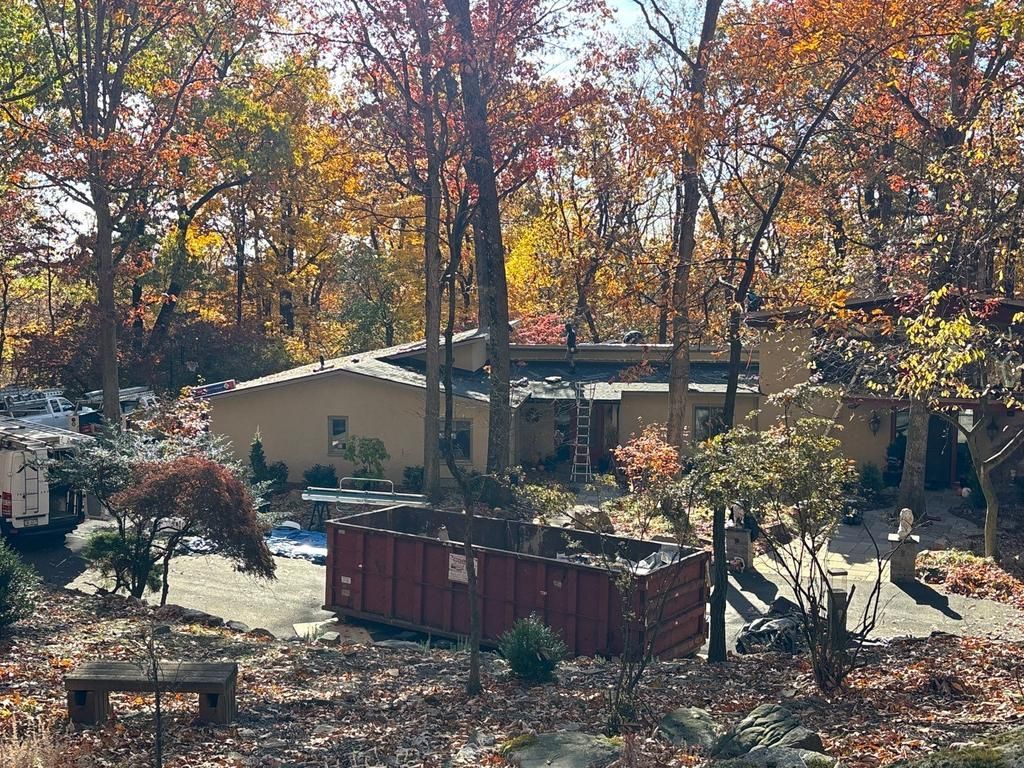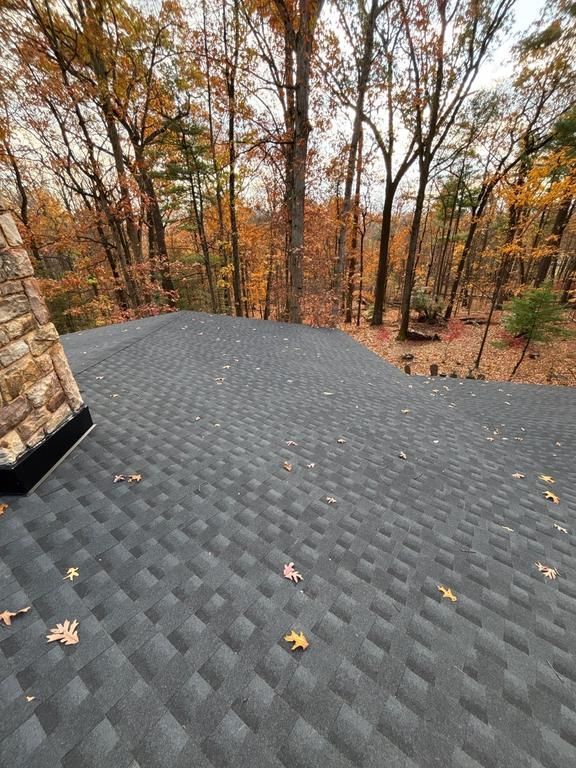
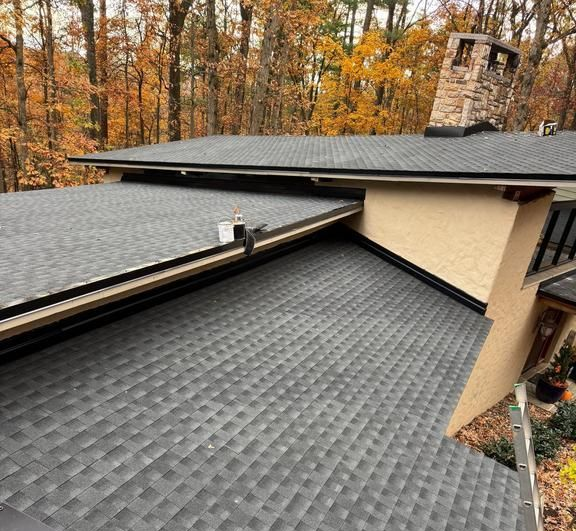
Tracy had talked to a couple of handymen about whether the roof could be patched.
“I had talked to a couple of handymen — you know, we all have our handymen — and said, ‘Hey, can you patch this?’” Tracy said. “And they’re like, ‘This is not a patch thing because patches, then there are other seams.’”
That answer mattered because not every roof issue should be patched. Sometimes a patch makes sense. Sometimes it just adds another seam to an already vulnerable area and buys a little time while the real problem keeps growing in the background.
Tracy also had to make the case at home because the roof was not actively leaking yet.
“This was a sell for the husband,” Tracy said. “‘Well, it’s not leaking.’”
And honestly, that is a very normal reaction. If there is no water dripping into the house, it is tempting to wait.
But Tracy saw it differently.
“I’m a big preventative maintenance girl,” she said. “And I said, ‘Well, but I don’t want it to leak because once it leaks, there’s internal damage.’”
That is the line homeowners should tape to the fridge. Waiting until a roof leaks can mean the roof is no longer the only problem. Once water gets inside, you may be dealing with insulation, drywall, wood, paint, ceilings, flooring, mold concerns, and the emotional damage of finding a bucket at 2 a.m.
Tracy did not want to get to that point.
“So I thought, you know what, we’ve got some beautiful timing now, let’s just go ahead and do it,” she said.