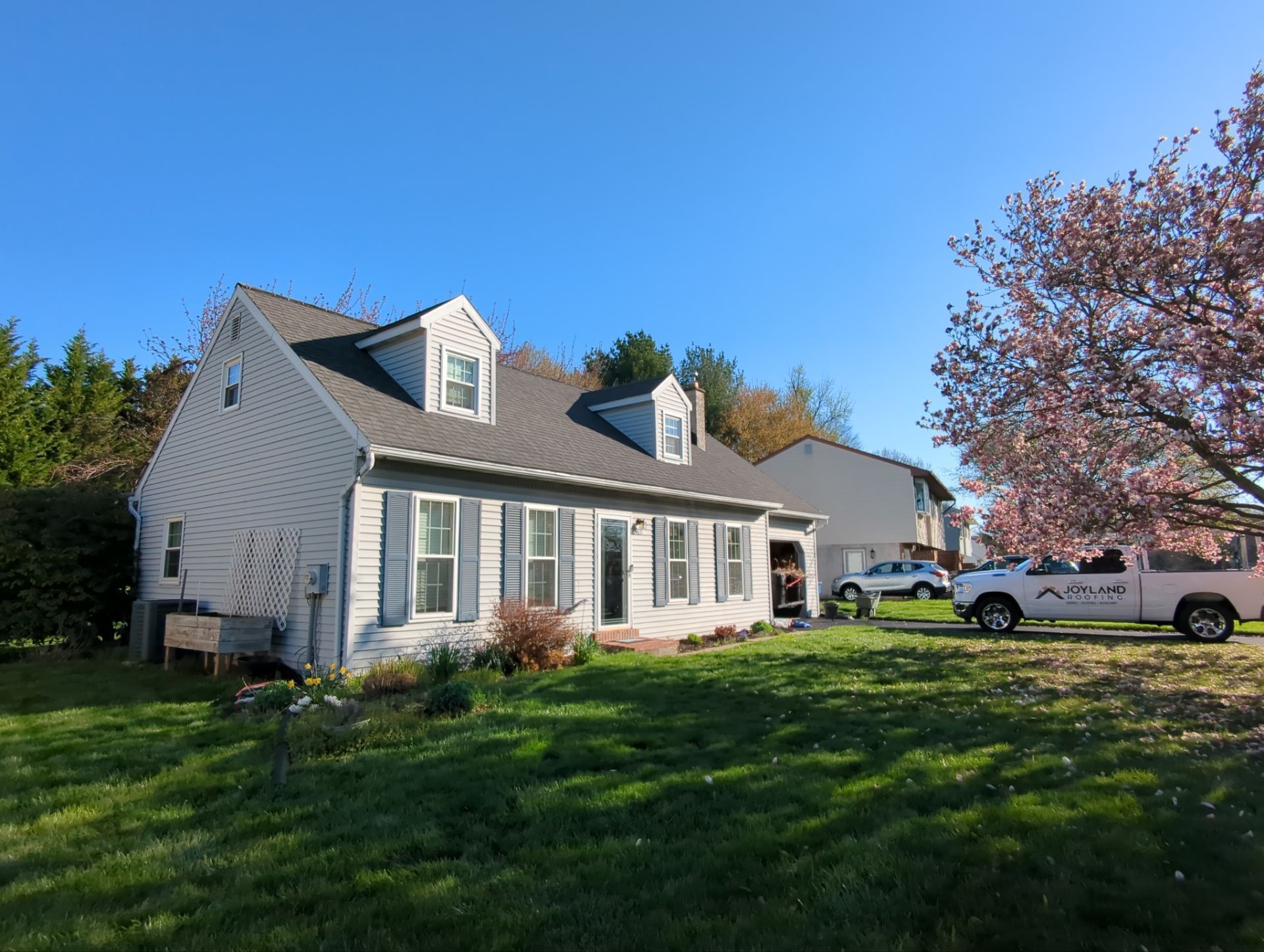
Roof Repair or Replacement? How We Make the Call in South-Central Pennsylvania
James Wesser
July 17, 2026

Lorem ipsum dolor sit amet

Lorem ipsum dolor sit amet, consectetur adipiscing elit. Sed do eiusmod tempor incididunt ut labore et dolore magna aliqua. 

When water starts appearing on a ceiling, most homeowners aren't looking for a roofing lecture. They want to know what is leaking, whether it can be fixed, and how much this is about to disrupt their lives.


The difficult part is that a roof leak does not automatically mean you need a new roof. At the same time, not every roof should be patched simply because a repair is technically possible.


Joyland Sales Manager Kurtis O’Connell put it pretty plainly: “I’m okay with walking in and selling a replacement. I’m also okay with walking away having sold a $500 to $1,000 repair.”


That is how the repair-versus-replacement decision should be approached.


The contractor first needs to understand what is happening on the roof. Then the homeowner needs enough honest information to decide which reasonable option fits their home, budget, and future plans.

Where this guidance comes from

This article is based on a conversation with Joyland Sales Manager Kurt O’Connell about what he and our roofing consultants examine when homeowners call with a leak or damaged roof. It reflects the questions that come up during real inspections, including roof condition, workmanship, ventilation, repair longevity, budget, and the homeowner’s plans for the property.

Quick answer: Should you repair or replace your roof?

A roof may be a good candidate for repair when the problem is isolated, the surrounding shingles are still in good condition, and the repair is expected to provide a dependable solution.


Replacement becomes more likely when the roof shows widespread deterioration, recurring leaks, brittle shingles, repeated workmanship issues, or several vulnerable areas failing at once.


The roof's age is part of the decision, but it should never be the sole deciding factor.

Imagine the pipe boot is leaking, but the surrounding shingles are still holding well and appear to have another five to ten years of useful life. In that situation, replacing the damaged flashing may stop the leak without asking the homeowner to replace an otherwise serviceable roof.


That repair also gives the homeowner time. Instead of being forced into an immediate replacement, they may have several years to plan for the project and work it into their budget.


The homeowner’s future plans also play a role. Someone planning to retire soon may make a different decision than someone moving in a few years, even when both roofs are in similar condition.

Those personal plans help choose between practical options. They do not change the physical condition of the roof.

Repair or replace?

What usually points the decision in either direction

The decision is not based on one leak or the roof's age alone. It comes down to whether the problem is isolated, how the surrounding roof is performing, and whether the proposed solution will hold up.

A repair may make sense when:

The problem is limited and repairable
  • The leak comes from one identifiable area.
  • The surrounding shingles are still holding up well.
  • The roof has useful service life remaining.
  • The damage is limited to a pipe boot, flashing detail, or small section.
  • The repair is expected to provide a dependable solution.

Replacement may make sense when:

The issue is affecting the larger roof system
  • Leaks or failures are appearing in several areas.
  • Shingles are brittle, loose, cracked, or losing granules.
  • Flashing details are deteriorating throughout the roof.
  • Previous workmanship problems are repeated across the system.
  • A repair would only provide a short-term patch.
A roof does not need to look destroyed before replacement becomes worth discussing. It also does not need to be replaced simply because one part started leaking.

This is a general comparison. An on-site inspection is still needed to determine what is happening on a specific roof.

The first question is not just, “How old is the roof?”

Roof age is important, but it does not tell the entire story.


Once a roofing consultant gets onto the roof, they are looking at how the complete system is performing.


That usually begins with the shingles.


How well are the granules still attached? Are the shingles flexible, or are they becoming brittle? Are they cracked, curled, loose, or showing signs of previous damage?


Traction can tell an experienced roofer a lot, too. Roofers have to trust the surface beneath their feet. If the granules are coming loose and the shingles feel unstable underfoot, that can be another sign that the material is wearing down.


Then the inspection moves into the details:


  • What does the chimney flashing look like?
  • Are the pipe boots cracked or deteriorated?
  • Is the wall flashing installed correctly?
  • Are the valleys holding up?
  • Are there signs of previous repairs?
  • Is the roof deck stable?
  • Is the attic properly ventilated?
  • Does the problem appear isolated or repeated across the roof?


The National Roofing Contractors Association (NRCA) recommends looking for cracked, warped, or missing shingles; deteriorated flashing; loose seams; and excessive granule loss when evaluating potential roof problems.


You can read more in the NRCA homeowner roofing resources.


Sometimes the shingles still look respectable, but the smaller details around chimneys, walls, valleys, skylights, and plumbing vents are beginning to fail.


Those details are often where the investigation starts. For a closer look at the full process, see what a real roof inspection looks like from the ladder to the attic.

What makes a roof a good candidate for repair?

The strongest candidate for roof repair  is one with a single clear problem and plenty of life left in it.


A leaking pipe boot is a good example.


Plumbing vent pipes pass through the roof, and flashing is installed around each pipe to prevent water from entering the opening. Over time, the flashing or rubber collar can crack, split, loosen, or deteriorate.

If the pipe boot is leaking but the surrounding roof is still in good condition, replacing the flashing may stop the leak and give the homeowner several more years before a full replacement is needed.


GAF also identifies plumbing vent penetrations and pipe flashing as common locations for roof leaks. You can read more in the guide to pipe boot flashing and roof leak repair.


Joyland also offers a step-by-step guide to replacing a pipe boot on an asphalt shingle roof.


Other repairable situations may include:

  • A small number of shingles were damaged by the wind
  • A limited flashing problem
  • A minor leak around one roof penetration
  • Damage confined to one section of an otherwise healthy roof
  • An installation detail that can be corrected without disturbing the full system


The important question is not simply whether new material can be placed over the problem.

The real question is whether the repair will provide a reliable solution for a reasonable amount of time.


A repair should stop the problem. It should not simply move the leak somewhere else or delay an unavoidable replacement for a few weeks.


Homeowners who want a general idea of the numbers can also review Joyland’s roof repair pricing guide.  It includes ballpark ranges for pipe boots, missing shingles, flashing problems, roof-deck repairs, and other common work.

When does roof replacement make more sense?

A roof replacement becomes the more responsible recommendation when the problem is no longer isolated.


A homeowner may call about one leak, but an inspection can reveal that several parts of the roof are approaching the same point of failure. The visible leak may only be the first symptom.


Replacement may make more sense when:

  • Leaks are appearing in multiple areas
  • Shingles are brittle, loose, cracked, or losing significant granules
  • Repairs have already been completed several times
  • Flashing details are failing throughout the roof
  • The roof deck has widespread deterioration
  • Major workmanship problems are repeated across the roof
  • New shingles cannot be integrated reliably with the existing material
  • A repair would provide only a very short-term improvement

This does not mean every older roof automatically needs to be replaced.


An older roof can still be repairable when the shingles are holding up well and the problem is limited to one area. At the same time, repeatedly spending money on isolated repairs may not make sense when the entire system is beginning to break down.


A contractor should be able to explain both the immediate problem and the larger condition of the roof.

The inspection process

How a roofing consultant narrows down the options

The inspection should move from the immediate symptom to the larger roof system. That is how a contractor determines whether a repair will solve the problem or simply delay the next one.

1

Find the source

Trace the leak or damage instead of assuming the visible interior stain is directly below the roof problem.

2

Check the surrounding roof

Evaluate shingle condition, granule adhesion, brittleness, traction, and the useful life remaining around the damaged area.

3

Inspect the details

Look closely at pipe boots, chimney flashing, wall flashing, valleys, penetrations, ventilation, and the roof deck.

4

Determine the scope

Decide whether the failure is one isolated defect or part of a repeated, roof-wide pattern.

Then the homeowner reviews the reasonable options. The final conversation should include the expected life of a repair, the risks of waiting, replacement options, budget, and the homeowner's plans for the property.

Your plans for the home are part of the conversation

Two homeowners can have roofs in nearly identical condition and still make different decisions.


One may plan to stay in the house for another 20 years. Another may be preparing to retire and wants to complete major home projects while still working. Someone else may expect to move within five years and would rather handle a dependable repair now.


Those plans do not replace the physical findings from the inspection, but they can help determine which reasonable option fits best.


Imagine the roof is still performing well overall, but one pipe boot has started leaking. A targeted repair could solve the immediate problem and give the homeowner time to prepare financially for a future replacement.


When replacement becomes part of that plan, Joyland’s residential roof pricing guide can help homeowners understand how roof size, material choice, pitch, decking, and project complexity affect the budget.


Another homeowner with the same roof may decide to replace it sooner to eliminate a major future expense before retirement. Both homeowners received the same inspection findings. They simply used that information to make different decisions.


A roofing consultant’s job is not to make that personal decision for the homeowner. It is to explain the expected lifespan, risks, costs, and tradeoffs behind each option.

The homeowner's goals

The same roof can lead to different reasonable decisions

The roof's condition establishes what is safe and practical. After that, the homeowner's timeline, finances, and future plans can help determine which reasonable option fits best.

Planning to stay long-term

The homeowner expects to remain in the house and wants to reduce the likelihood of recurring repairs or another major project later.

The conversation may place more weight on long-term reliability, system improvements, and the total cost over time.

Moving within a few years

The roof is still in serviceable condition, and the current problem is limited to one repairable area.

A dependable repair may solve the immediate issue without forcing an unnecessary full replacement.

Preparing for retirement

The homeowner may prefer to complete a major project while still working, even if a smaller repair could provide additional time.

Both repair and replacement should be explained so the homeowner can weigh timing, budget, and peace of mind.
Personal plans help choose between reasonable options. They should never be used to pressure someone into a project the roof does not actually need.

Why older South-Central Pennsylvania homes can be different

South-central Pennsylvania has no shortage of older homes.


Many were built before modern insulation, air sealing, and heating and cooling systems became common. As these houses have been updated, the way heat and moisture move through the attic can change.


That makes attic ventilation an important part of the roof inspection.


A balanced ventilation system helps remove excess heat and moisture from the attic. ENERGY STAR notes that airflow through a well-ventilated attic can remove superheated air during the summer while also helping manage moisture around the roof system.


You can learn more through ENERGY STAR’s guide to attic ventilation.


Poor ventilation does not automatically mean the roof needs to be replaced. However, it may contribute to existing problems or affect how a future roof system should be designed.


Older homes may also have individual board decking instead of modern plywood or oriented strand board sheets.

Those boards naturally expand and contract as temperatures and moisture levels change. Because each board can move independently, that movement can sometimes push roofing nails backward, loosen shingles, or create recurring problem areas.


We do not normally think of a house as moving, but it is. Building materials react to heat, cold, moisture, wind, and seasonal changes every day.


That is why the structure beneath the shingles needs to be considered along with the visible roofing material.

Workmanship can change the entire recommendation

Homeowners often assume roofing estimates are easy to compare because every contractor is looking at the same house.


But a roof is not just a bundle of shingles.


It includes the deck, underlayment, flashing, ventilation, fasteners, edges, valleys, penetrations, and dozens of installation details. Even a high-quality shingle can fail early if the system underneath it was installed incorrectly.


We have seen roofs less than 5 years old that required major work due to poor workmanship.


One example came from Andrea’s home project in Lebanon. Her roof was only about four years old, but the inspection uncovered a concern with the OSB in the crawl space that another company had not mentioned.


That changed the conversation. The roof's age alone did not tell Andrea everything she needed to know about the home's condition.


In situations like that, replacing a single leaking component may not solve the underlying problem. The contractor needs to determine whether the defect is truly isolated or whether similar mistakes are repeated across the roof.

This is also why the lowest proposal is not always an apples-to-apples comparison.


Two estimates may use similar shingles while including very different approaches to ventilation, flashing, roof deck preparation, cleanup, warranties, and project management.

The product is only one part of the roof. The installation determines whether all those pieces work together.

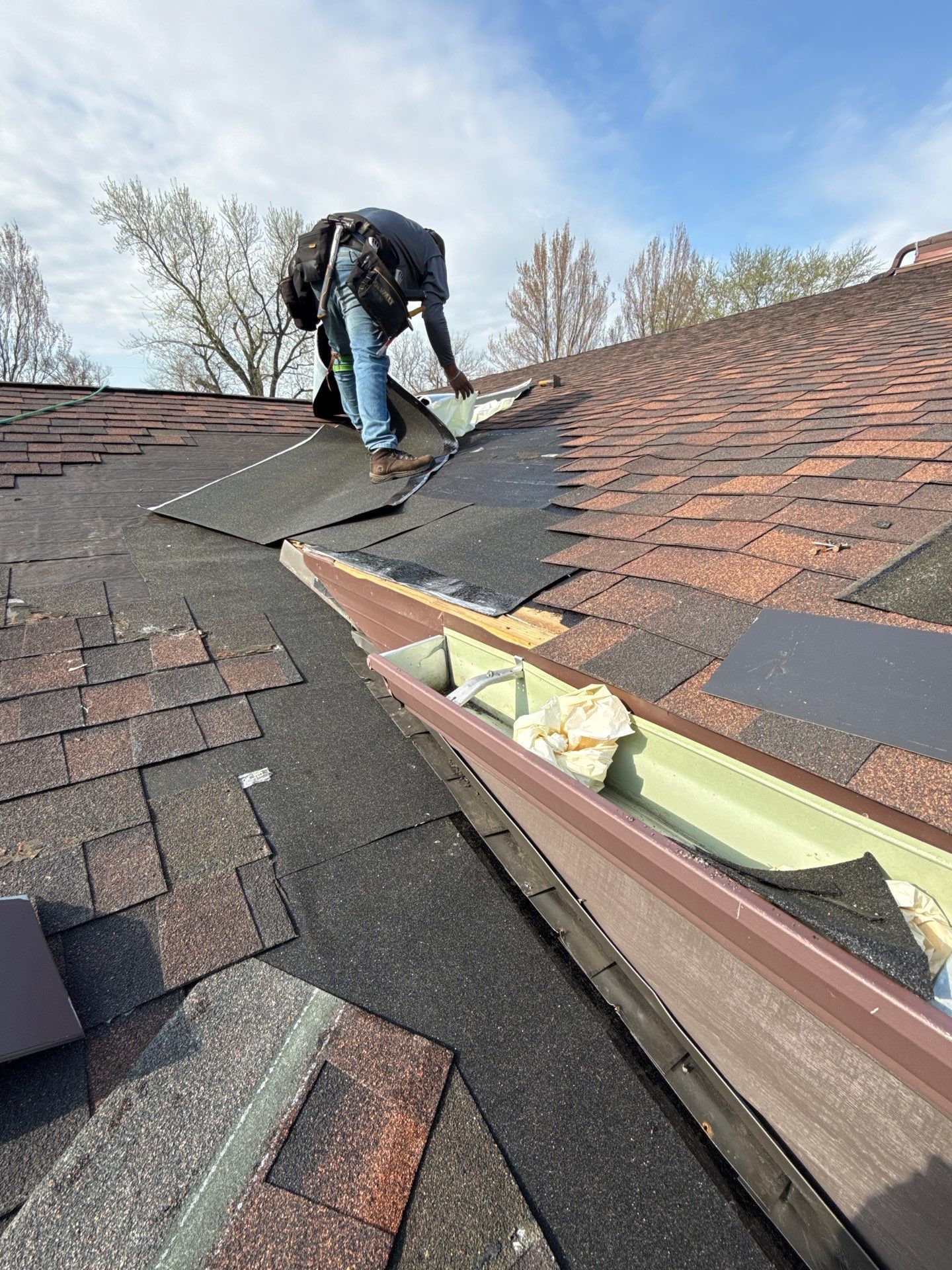
A contractor should give you options, not corner you

There are situations where replacement is clearly the best path. There are also plenty of roofs where a repair is completely reasonable.


A homeowner should not be pushed into a single answer before the inspection is complete.


Your roofing contractor should be able to explain:

  • What is causing the current problem
  • Whether the issue is isolated or widespread
  • What condition is the rest of the roof in
  • What a repair would include
  • How long is the repair reasonably expected to help
  • Why replacement may or may not be worth considering
  • What different scope or material options are available
  • There should be room for a real conversation.

As Kurt explained, the process should begin by talking through the situation rather than pushing a predetermined answer.


The contractor provides professional knowledge. The homeowner provides the personal context and makes the final decision.


Sometimes that decision is a complete roof replacement. Sometimes, a smaller repair can give the homeowner several more useful years.


A contractor should be working with you, not at you.

Questions to ask before approving a roof repair or replacement

Before signing a proposal, ask the contractor a few direct questions:


  • Can you show me exactly where the problem is?
  • What condition are the surrounding shingles in?
  • Is this one isolated failure or part of a larger pattern?
  • Would you expect this repair to provide a lasting solution?
  • Are there other vulnerable areas likely to fail soon?
  • What did you find in the attic or on the roof deck?
  • Are there ventilation problems that should be addressed?
  • What repair and replacement options do I have?
  • What are the tradeoffs between those options?
  • Can you provide photos or a video from the inspection?


A trustworthy contractor should not be irritated by these questions. They should already be prepared to answer them.

Do you need a roof repair or replacement?

A leak does not automatically mean you need a new roof. It also does not mean a small patch will be enough.

The responsible way to know is to inspect the roof, trace the source of the problem, evaluate the surrounding materials, and look at the system beneath the shingles.


Joyland Roofing has been helping homeowners care for their roofs since 1991. We provide residential roofing services, including inspections, repairs, and replacements throughout south-central Pennsylvania.


That includes older homes where ventilation, board decking, and previous workmanship can complicate what would otherwise be a straightforward leak.


We will show you what we find, explain what can realistically be repaired, and tell you when a replacement should be considered.


The final decision belongs to you, and you should understand exactly what you are deciding between.

Do you need a roof repair or replacement?

  • Do you need a roof repair or replacement?

    A leak does not automatically mean you need a new roof. It also does not mean a small patch will be enough.

  • Can a leaking roof be repaired without replacing it?

    Yes. Many roof leaks can be repaired when the source is isolated and the surrounding shingles and roof components are still in good condition. Pipe boots, limited flashing failures, and small areas of wind damage are common examples.

  • Does a 20-year-old roof automatically need to be replaced?

    No. Age is one part of the evaluation, but the condition of the shingles, flashing, roof deck, ventilation, and previous workmanship also need to be considered. Some older roofs can still be repaired, while poorly installed newer roofs may already require major work.

  • How long should a roof repair last?

    It depends on what is being repaired and the condition of the surrounding roof. A properly completed repair on an otherwise healthy roof may provide years of additional service. A repair completed on a roof with widespread deterioration may only be temporary.


    The contractor should explain what lifespan they reasonably expect from the repair before you approve the work.

  • Can poor attic ventilation damage a roof?

    Poor ventilation can contribute to excess heat and moisture in the attic. Over time, those conditions may affect roofing materials, insulation, or the wooden structure beneath the roof. Ventilation should be evaluated as part of the complete roof system rather than treated as a separate issue.

  • Should I repair my roof if I plan to move soon?

    Your moving plans should be part of the conversation, but the roof’s physical condition still comes first. An isolated issue may be repairable regardless of how long you intend to stay. Widespread deterioration or recurring leaks may make replacement the more practical option.

John Esh | CEO & Master Installer

  • 25+ Years Experience: From ground crew to Master Certified Installer.
  • Local Roots: Serving Lancaster, Harrisburg, and SEPA since 1991.
  • Credentials: GAF Master Certified (ME27586); Licensed in PA (PA124258) & MD (#137952).
  • The "Why": Obsessed with "radical transparency" to remove the fear factor from home improvements.

James Wesser | Content Producer

  • Background: Former local news digital producer and journalist.
  • The Mission: Turning complex roofing jargon into clear, "fluff-free" answers for homeowners.
  • Local Tie: When not filming on-site, he’s likely roaming Hersheypark or building digital worlds.

Meet The Experts