All About Leaks
John Esh
February 13, 2026

Lorem ipsum dolor sit amet

Lorem ipsum dolor sit amet, consectetur adipiscing elit. Sed do eiusmod tempor incididunt ut labore et dolore magna aliqua. 

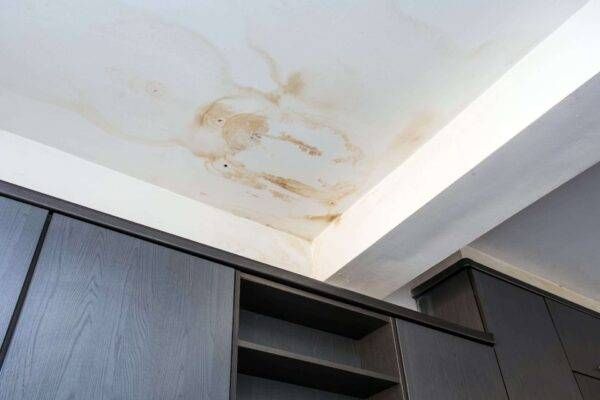
Ok, your roof probably doesn’t leak as badly as that picture. But maybe you have that slow, steady drip that you put a bowl under when it rains. Maybe you just have suspicious brown spots on the ceiling. Maybe you even have a leak that you can’t see at all.


No matter how small it is, any leak can cause major damage to your roof and the rest of your home. It’s important to understand leaks and how to respond to them so that you can protect your home.

Water damage stain on a white ceiling above dark cabinets.

Three Common Signs of Leaks in Your Home’s Roof

1. Drips

An active, dripping leak is obviously bad, but it’s also the simplest kind of leak to find, diagnose, and fix.

If water is leaking into your home, first move your belongings away from where they might be damaged. Water can spread quickly and do a lot more damage than you might think. Once your things are safe, get in touch with a professional roof inspector who can find the source of your leak.


2. Stains

Spots on your ceiling might not be as threatening as dripping water, but they’re a sure sign of a leak. You should never ignore water spots, even if they’ve been there a while. While they’re not an active leak into your living area yet, those spots mean that water is entering your home and slowly causing damage. And the damage is almost definitely not limited to your ceiling.


If you have attic access, you’ll want to check out the source of the leak. Make sure any belongings in storage are far away from the location of the water.

Then contact a professional roofer who can inspect the situation and recommend a repair method. A small leak won’t likely require a complete re-roof, but it’s a sign that a maintenance plan is needed. Putting off maintaining your roof will only lead to more problems.


3. Invisible Leaks

Drips and stains make it easy to identify problems with your roof. But those leaks can slowly develop for years before you begin to see signs of the damage that’s happening to your home. If your roof is more than ten years old, especially, it’s best to get your roof inspected so you can prevent leaks before they damage your home.

Schedule an Inspection

If you have a drip, ceiling staining, or just want to catch leaks before they occur, Joyland Roofing is happy to inspect your roof, make roof repairs, and help you develop a maintenance plan that will prevent leaks and other damage for years to come.


Contact us to schedule an inspection today!

Gray wood-look siding with textured grain, featuring a knot and grooves, possibly outdoors.
By John Esh February 25, 2026
Upgrade your home’s exterior with modern siding. Vinyl, fiber cement, and metal options boost curb appeal, improve durability, and add long-term value.
By John Esh February 7, 2026
Choosing the right siding material for your home is a crucial decision that affects not only the aesthetics of your house but also its durability and maintenance requirements. Here are some insights to help you make an informed choice: Wood Siding: Wood siding, including pine and cedar, is a traditional choice known for its natural, warm appearance. Cedar is particularly noted for its resistance to rot and insects and its dimensional stability, while pine is more affordable. However, wood siding requires regular maintenance such as painting or staining to protect it from weather and UV damage​​.
Logo for Joyland Roofing: red and black roof icon with company name in red and black text.
By John Esh January 4, 2026
2. Incorrect Measurement and Cutting: Precision in measurement and cutting is crucial. Errors here can lead to gaps, overlaps, or weakened structural stability due to jagged edges or cracks​​. 3. Improper Nailing Techniques: Nailing technique is vital for the stability of the siding. Mistakes in nailing can lead to immediate damage or a gradual decline in siding stability, increasing the risk of damage from environmental factors​​​​. 4. Poorly Executed Flashing and Caulking: Adequate flashing and caulking are key for moisture management. Errors in these areas can lead to water damage and undermine the insulation properties of the walls​​.

Search Blog


Quick Links

John Esh | CEO & Master Installer

  • 25+ Years Experience: From ground crew to Master Certified Installer.
  • Local Roots: Serving Lancaster, Harrisburg, and SEPA since 1991.
  • Credentials: GAF Master Certified (ME27586); Licensed in PA (PA124258) & MD (#137952).
  • The "Why": Obsessed with "radical transparency" to remove the fear factor from home improvements.

James Wesser | Content Producer

  • Background: Former local news digital producer and journalist.
  • The Mission: Turning complex roofing jargon into clear, "fluff-free" answers for homeowners.
  • Local Tie: When not filming on-site, he’s likely roaming Hersheypark or building digital worlds.

Meet The Experts