Siding Warranties Explained: What Homeowners Need To Know Before Replacing Your Siding
James Wesser
May 19, 2026

Lorem ipsum dolor sit amet

Lorem ipsum dolor sit amet, consectetur adipiscing elit. Sed do eiusmod tempor incididunt ut labore et dolore magna aliqua. 

Most homeowners do not think about reading their siding warranty until something goes wrong.

Which is kind of like waiting to read the parachute manual after you already jumped out of the plane.


Not exactly ideal timing.


If you are  replacing your siding, there are two main warranties you need to understand: the manufacturer's warranty and the workmanship warranty.


They are not the same thing.

And that difference matters a lot.


A manufacturer's warranty usually covers the siding product itself. A workmanship warranty covers how the siding was installed. Both matter because even a great siding product can fail, leak, buckle, or lose warranty protection if it is installed incorrectly.


So before you choose a siding contractor, it is worth understanding what is actually covered, what is excluded, what could void the warranty, and who you call if something goes wrong.


Because the best siding warranty is not always the biggest number on the brochure.


Sometimes the biggest number is just the loudest number.


What Is A Siding Warranty?

A siding warranty is a written promise that explains what is covered if something goes wrong with your siding after it is installed.


But not all siding warranties cover the same things.

Some warranties cover manufacturing defects. Some cover installation mistakes. Some cover fading, peeling, cracking, or blistering. Some may include labor. Some may not. Some may transfer to the next homeowner. Some may lose value over time.


That is why the real question is not, “Does this siding have a warranty?”


The better question is, “What exactly does this warranty cover, and what does it not cover?”

That is where the useful answers are hiding.

Manufacturer Warranty Vs. Workmanship Warranty

When replacing siding, you usually need to understand two different types of coverage.


The first is the manufacturer's warranty.


The second is the workmanship warranty.


The manufacturer's warranty comes from the company that made the siding product. The workmanship warranty comes from the contractor who installed it.


Here is the simple version.


The manufacturer's warranty covers the product.


The workmanship warranty covers the installation.


You want both.


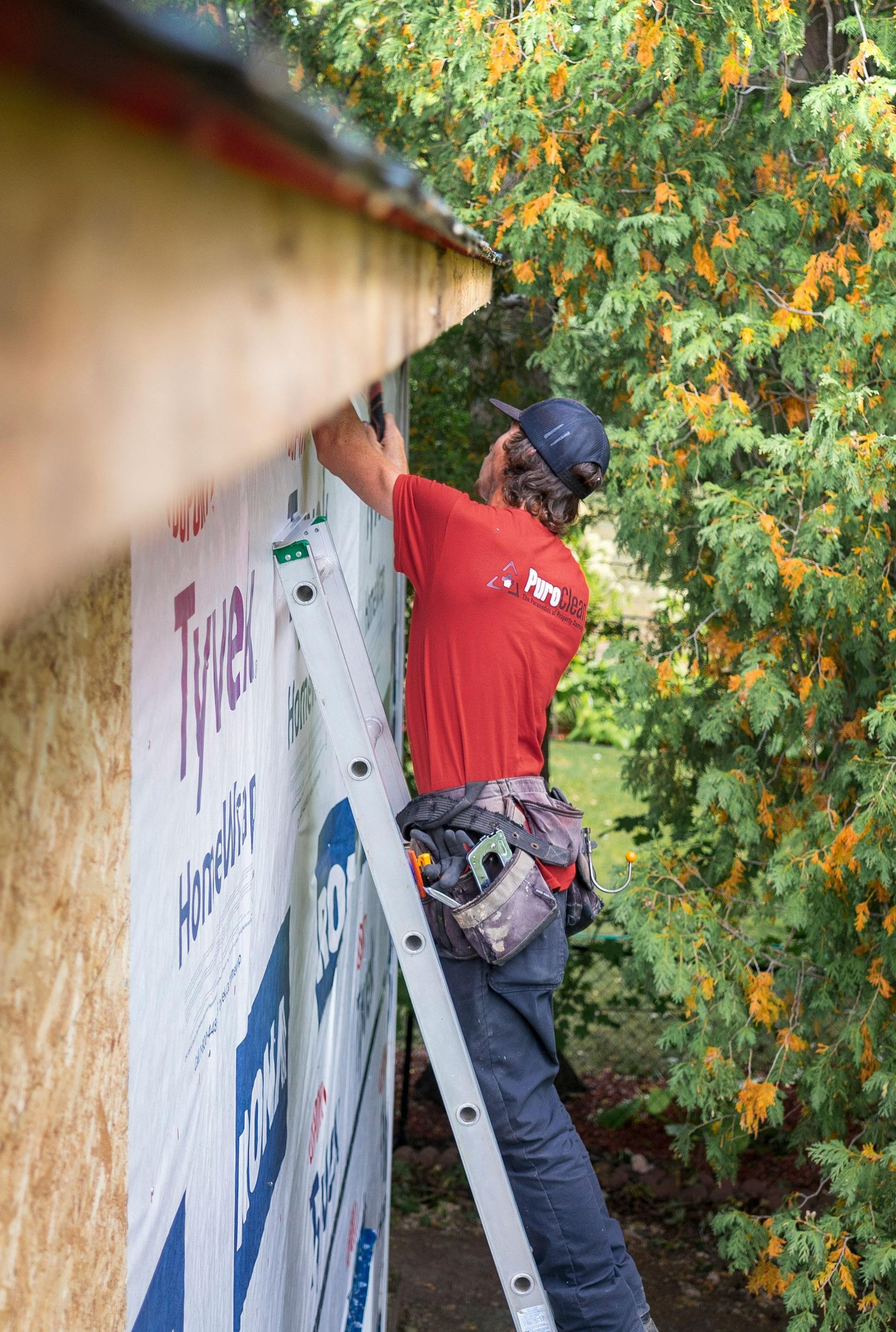
A good siding product matters. But the installation matters just as much because siding is not just decoration. It is part of your home’s exterior wall system. It needs to shed water, allow for movement, protect the structure behind it, and work with windows, doors, trim, house wrap, flashing, soffit, fascia, and gutters.


That is a lot of little details.


And little details are where siding problems love to start acting dramatic.
What Does A Manufacturer Siding Warranty Cover?

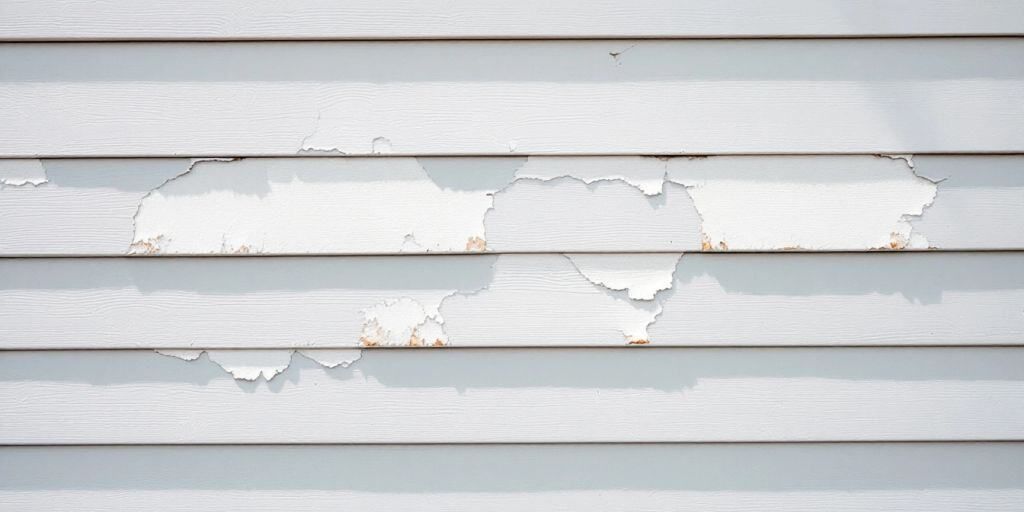
A manufacturer siding warranty usually covers defects in the siding product itself.


Depending on the product and manufacturer, that may include issues like:

  • Peeling
  • Cracking
  • Blistering
  • Manufacturing defects
  • Excessive fading beyond the warranty terms
  • Problems with the material itself


For example, fiber cement siding and vinyl siding usually have different warranty structures. Even within the same brand, the warranty can vary by product line. That is why homeowners should ask about the exact siding product being installed, not just the brand name.


A contractor saying, “It has a great warranty,” is not enough.


Great, according to who?

The brochure?

The salesperson?

The tiny legal paragraph nobody wants to read?


You want the actual warranty details.

A Manufacturer Warranty Does Not Cover Everything

This is one of the biggest misunderstandings homeowners have about siding warranties.


A manufacturer's warranty does not mean that anything that ever goes wrong with your siding is automatically covered.

The manufacturer is usually standing behind the product itself, not every possible issue that can happen in your home.


That means installation matters.


If siding is installed incorrectly, the manufacturer may deny a warranty claim because the product was not installed according to their requirements. That could include problems with fastening, clearances, flashing, water management, or other installation details.


So yes, the siding product matters.

But the contractor installing it matters too.


A strong manufacturer's warranty can become a lot less helpful if the installation gives the manufacturer a reason to say, “Nope, not our problem.” And nobody wants to learn that after there is already a problem on the wall.

What Is A Workmanship Warranty?

A workmanship warranty is the contractor’s warranty on the installation.


This is the warranty that covers how the siding was installed, not how the product was manufactured.


And honestly, this is the one homeowners should pay very close attention to.


Most siding problems are not caused by the product randomly failing. A lot of problems come from how the siding was installed.


That can include issues with:

  • Fastening
  • Flashing
  • Trim details
  • House wrap
  • Window and door transitions
  • Expansion and contraction
  • Water drainage
  • Clearances around roofing, decks, patios, and hard surfaces

If those details are handled poorly, the siding system can have problems even if the product itself is fine.


At Joyland, we provide a 10-year workmanship warranty on our siding installations. That covers the work we perform, including the way we install, flash, and detail the parts of the project we touch.


The manufacturer stands behind the siding product.


The contractor should stand behind the installation.


That is the combo you want.

What Does A Workmanship Warranty Not Cover?

A workmanship warranty is important, but it still has limits.


It usually does not cover damage caused by abuse, neglect, lack of maintenance, outside damage, or work done by someone else after the project is finished.


That could include things like a grill melting vinyl siding, storm debris impact, improper pressure washing, another contractor cutting into the siding, or kids turning the side yard into batting practice.


The point is simple: warranties are not magic shields. They come with responsibilities, exclusions, and conditions.

That is why your siding warranty should be explained before the project starts, not after something goes wrong.

Why The Number Of Years Is Not The Whole Story

A big warranty number sounds impressive. But the number of years is only part of the story.

You also need to know what the warranty actually includes. Does it cover labor? Removal? Disposal? Reinstalling new materials? Fading? Hail? Does it transfer if you sell your house? Does it lose value over time?


That is where the real warranty lives.


Not in the headline.

In the details.


A “lifetime warranty” may not help much if your issue is installation-related. And a clear workmanship warranty from a contractor who explains what is covered may be more useful than a giant warranty number with a mile of exclusions hiding behind it.

What Does Prorated Mean In A Siding Warranty?

A prorated warranty loses value over time.


In plain English, the older the siding gets, the less the warranty may pay toward a covered issue. That does not automatically make it bad. It just means you need to understand when prorating starts and how much coverage remains as the siding ages.


Because “covered” and “fully covered” are not always the same thing.

Sneaky little difference.


Big homeowner impact.

Does A Siding Warranty Transfer If You Sell Your House?

Some siding warranties transfer to the next homeowner.

Some do not.


Some transfer once, require paperwork, become prorated after transfer, or have a deadline for notifying the manufacturer.


This matters if you may sell your home in the future.


A transferable siding warranty can be a nice selling point, but only if you understand the rules. Do not assume the warranty automatically follows the house forever.


Surprises are great for birthdays.

Not warranty claims.

Hardie Siding Warranty Vs. Vinyl Siding Warranty

Fiber cement siding and vinyl siding usually have different warranty structures.


James Hardie fiber cement siding, for example, has a 30-year non-prorated substrate limited warranty. The substrate is the actual fiber cement material, not the finish color on the surface.


If the product has James Hardie ColorPlus Technology, the factory-applied finish has its own separate 15-year limited warranty.


Vinyl siding warranties are usually structured differently. Many vinyl siding products are marketed with lifetime limited warranties, but the coverage depends on the manufacturer and the specific product line.


Some vinyl warranties may cover peeling, cracking, blistering, or excessive fading. Some may include certain hail coverage. Some may transfer. Some may prorate.


The key is to ask about the exact siding product being installed.


Not just, “Is it vinyl?”


Not just, “Is there a lifetime warranty?”


Ask what that specific warranty actually says.


Because “lifetime” sounds simple until the fine print walks into the room wearing work boots.

What Can Void A Siding Warranty?

A siding warranty can be voided or limited for several reasons.


Common issues include improper installation, failure to follow manufacturer instructions, lack of maintenance, abuse or neglect, unapproved repairs, improper cleaning, structural movement, moisture problems behind the siding, or damage caused by another contractor.


This is why proper installation matters so much.


If the siding is installed incorrectly, the manufacturer may not cover the product. If the issue is caused by outside damage or someone else’s work, the contractor may not cover it either.

That does not mean warranties are useless.


It just means they need to be understood honestly.

Questions To Ask Before Choosing A Siding Contractor

Before you choose a siding contractor, ask these questions:

Question to Ask Why It Matters
What manufacturer warranty comes with this exact siding product? Different products from the same brand can have different warranty coverage. You want the details for the actual siding being installed on your home.
What workmanship warranty do you provide? The manufacturer covers the product, but the contractor should stand behind the installation. This matters because many siding problems come from install details.
Is the workmanship warranty written in the contract? Verbal promises are nice until nobody remembers them the same way. Get the warranty in writing before the project starts.
Is the warranty prorated? A prorated warranty loses value over time, so “covered” may not mean “fully covered” years later.
Does the warranty transfer if I sell my house? Some siding warranties transfer to the next homeowner, while others do not. This can matter for resale value.
Does it cover labor, removal, disposal, and reinstalling materials? Some warranties only cover materials. That means you could still be responsible for labor and other project costs.
What could void the warranty? Improper installation, lack of maintenance, unapproved repairs, or damage from someone else could limit or void coverage.
If I have an issue, do I call you first, or do I call the manufacturer? You want to know the claim process before something goes wrong, not while you are already annoyed and staring at suspicious siding.

Make Sure The Warranty Is In Writing

If a contractor says they offer a workmanship warranty, make sure it is written into the contract or included in your project paperwork.


Verbal promises are not enough.


You should know how long the warranty lasts, what parts of the project are covered, what is excluded, who handles issues after installation, how manufacturer claims work, and what documentation you should keep.

Clear paperwork protects everyone.


Because nobody wins when the warranty plan is based on memory, assumptions, or “I thought you said…”

That is where confusion grows legs and starts sprinting.

So, What Is The Best Siding Warranty?

The best siding warranty is not just the biggest number.


It is the combination of a quality siding product, proper installation, a clear manufacturer warranty, a written workmanship warranty, clear exclusions, and a contractor who explains the details before the project starts.


That last part matters.

A lot.


You should not have to decode your siding warranty like it is a treasure map. You should understand it before the first panel goes on the wall.

Need Help Understanding Your Siding Options?

If you are thinking about replacing your siding in South Central Pennsylvania, Joyland can walk you through the product options, warranty details, and installation process before you sign anything.


No confusing fine print gymnastics.

No “just trust us” routine.


Just clear answers, proper installation, and siding that is meant to protect your home, not leave you wondering what is actually covered later.


  • What is the difference between a manufacturer warranty and a workmanship warranty?

    A manufacturer warranty covers the siding product itself. A workmanship warranty covers how the siding was installed. You want both because a good product can still have problems if it is installed incorrectly.

  • What does a siding manufacturer warranty usually cover?

    A manufacturer warranty usually covers product defects, such as cracking, peeling, blistering, or excessive fading. The exact coverage depends on the siding brand and the specific product being installed.

  • Does a siding warranty cover labor?

    Not always. Some siding warranties only cover the material, while others may include labor, removal, disposal, or reinstalling materials. Always ask what is actually included before choosing a siding product.

  • Can poor installation void a siding warranty?

    Yes. If siding is not installed according to the manufacturer’s instructions, the manufacturer may deny a warranty claim. That is why choosing the right siding contractor matters just as much as choosing the right siding product.

  • What does prorated mean in a siding warranty?

    A prorated warranty loses value over time. That means the older the siding gets, the less the warranty may pay toward a covered issue.

  • Does a siding warranty transfer if I sell my house?

    Some siding warranties transfer to the next homeowner, but not all of them do. Some may require paperwork, have a transfer deadline, or become prorated after the home is sold.

  • What can void a siding warranty?

    Common issues that can void or limit a siding warranty include improper installation, lack of maintenance, unapproved repairs, damage from another contractor, improper cleaning, or damage caused by abuse or neglect..

  • What should I ask a siding contractor about the warranty?

    Ask what manufacturer warranty comes with the exact product, what workmanship warranty they provide, whether it is written in the contract, whether it is prorated or transferable, what could void it, and who you call if there is a problem.

John Esh | CEO & Master Installer

  • 25+ Years Experience: From ground crew to Master Certified Installer.
  • Local Roots: Serving Lancaster, Harrisburg, and SEPA since 1991.
  • Credentials: GAF Master Certified (ME27586); Licensed in PA (PA124258) & MD (#137952).
  • The "Why": Obsessed with "radical transparency" to remove the fear factor from home improvements.

James Wesser | Content Producer

  • Background: Former local news digital producer and journalist.
  • The Mission: Turning complex roofing jargon into clear, "fluff-free" answers for homeowners.
  • Local Tie: When not filming on-site, he’s likely roaming Hersheypark or building digital worlds.

Meet The Experts