
Replacing your own roof can look like a straightforward way to save money. Price the shingles, borrow a nailer, invite a few capable friends, and get to work.
The shingles are only one part of the project, though. A complete roof replacement can also involve property protection, tear-off, disposal, roof-deck repairs, underlayment, leak barriers, flashing, ventilation, permits, inspections, cleanup, and documentation.
That does not mean every homeowner is incapable of doing roofing work. It means the useful question is not simply, “Can I install shingles?” It is, “Can I safely manage the entire roofing system from the first delivery through the final cleanup?”
Short answer: A homeowner with relevant construction experience, proper safety equipment, dependable help, a simple roof design, and enough time may be able to manage a DIY roof replacement. For most homeowners, however, the project is more complicated and physically demanding than the material price alone suggests.
Can you replace your own roof in Pennsylvania?
Whether you may legally complete the work depends on the property, project scope, and requirements of the municipality responsible for permits and inspections.
Pennsylvania’s guidance shows that certain replacements of building materials can fall under a Level 1 alteration permit. When roof sheathing will be replaced, the permit application may need to identify the existing and proposed sheathing materials and thicknesses. Review the state’s Uniform Construction Code alteration-permit information, and then confirm the requirements with the municipality or code official responsible for your address.
Getting that answer before materials arrive is easier than discovering halfway through tear-off that an application or inspection was required.
What is included in a complete roof replacement?
Comparing the price of roofing materials with a contractor’s proposal can create a misleading picture. One number represents products. The other should represent an organized project with labor, equipment, protection, disposal, and quality control.
Joyland’s asphalt-shingle roofing process illustrates the major stages involved in a professional replacement:
- Delivering materials and arranging debris removal.
- Protecting siding, windows, landscaping, driveways, and outdoor equipment.
- Removing the existing roofing materials.
- Inspecting the exposed roof deck and completing approved repairs.
- Installing the water-shedding system, including applicable leak barriers, underlayment, starter materials, shingles, caps, and flashing.
- Cleaning the property and collecting loose debris and nails.
- Inspecting and documenting the completed work.
A DIY plan needs to account for those same responsibilities. The roof does not give partial credit because the shingles look tidy from the driveway.
Costs that are easy to miss in a DIY roofing budget
A realistic budget should cover the complete project, not only the visible roof covering. Depending on the house and the work involved, additional expenses may include:
- Underlayment, leak barriers, starter materials, ridge-cap shingles, flashing, fasteners, sealants, and ventilation components.
- Delivery charges and a safe place to stage materials.
- Dumpsters, disposal fees, and transportation.
- Ladders, roof-access equipment, fall protection, tools, and equipment rentals.
- Tarps and temporary weather protection.
- Permit and inspection fees where applicable.
- Replacement decking or lumber discovered after tear-off.
- Extra materials for waste, cuts, breakage, and unexpected details.
- Time away from work and additional help if the project runs longer than planned.
For a professional-cost comparison, Joyland’s residential roofing pricing guide explains how roof size, pitch, access, removal, materials, and deck repairs affect a local estimate. Published examples are useful for planning, but an inspection is needed for a quote specific to the house.
The roof deck may change the project after tear-off
The roof deck is the structural surface beneath the roofing system. Depending on the home, it may consist of plywood, oriented strand board, or older wood planks.
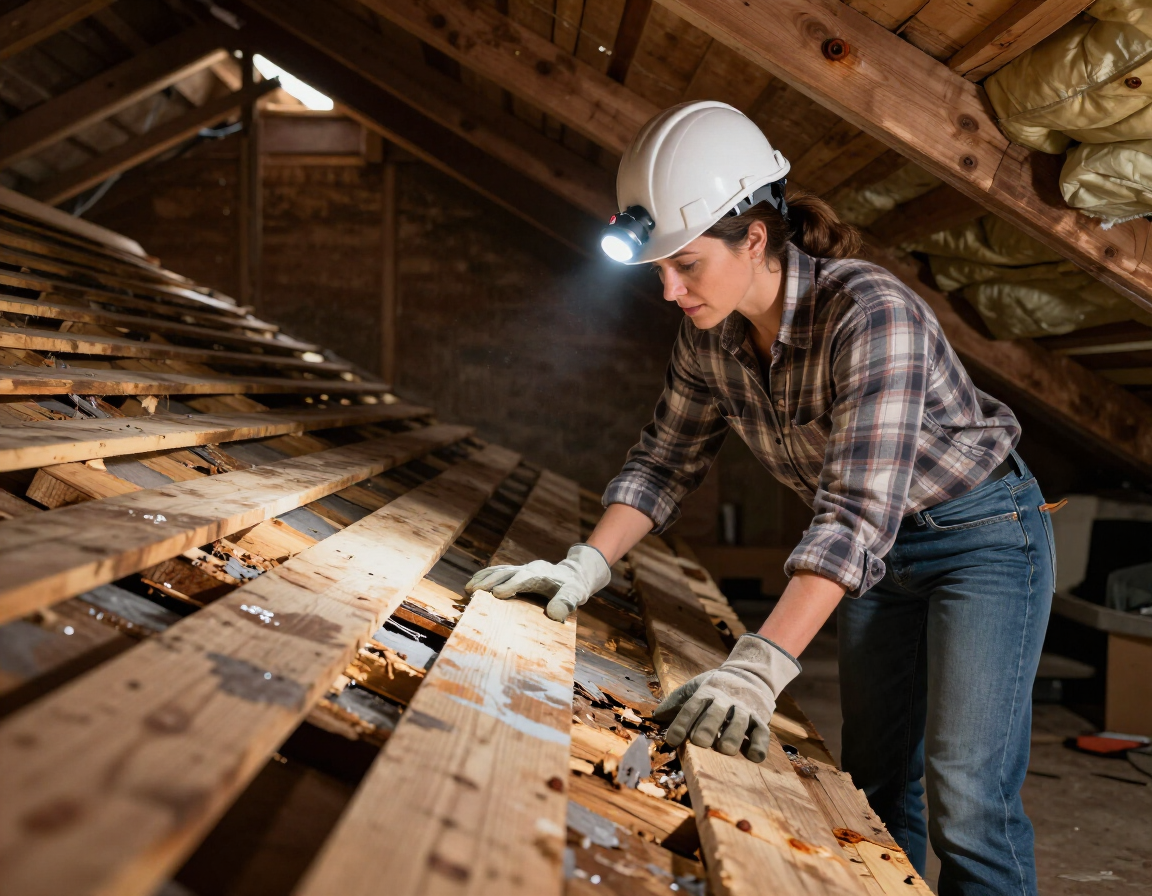
It must be solid enough to support the roofing system and hold its fasteners. Moisture deterioration, delamination, gaps, damaged planks, previous repairs, and unsuitable sheathing can change the required scope.
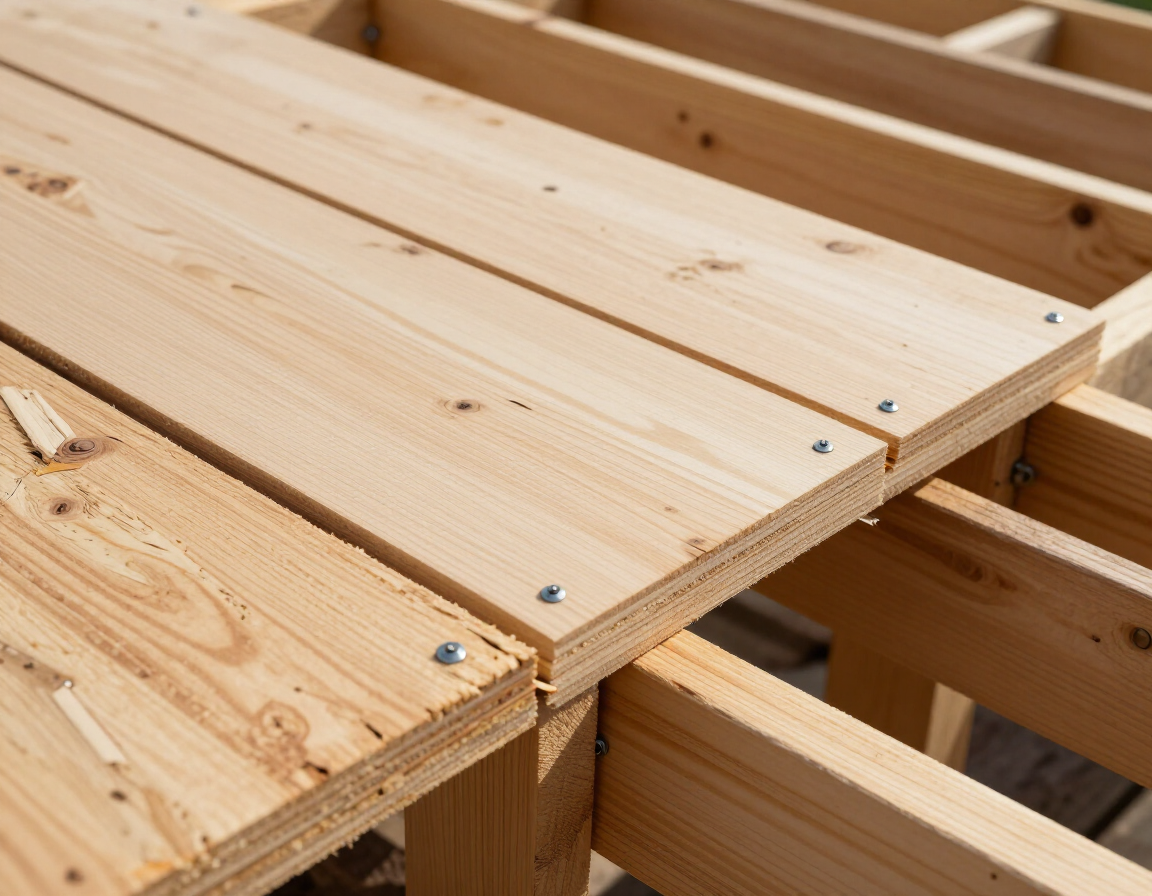
Some deck concerns can be identified from an accessible attic, but others do not become visible until the old roofing is removed. Joyland’s guide to roof decking and hidden deck damage explains what contractors look for and why proposed deck repairs should be documented before additional work is authorized.
Flashing and roof transitions require careful planning
Large, uninterrupted roof areas are often the easiest parts to understand. The details around chimneys, walls, valleys, skylights, plumbing vents, roof edges, and intersecting roof sections are where planning becomes more demanding.
These locations must direct water onto the roof covering and away from vulnerable joints. Reusing damaged or incorrectly installed flashing can leave the same weakness beneath a new field of shingles.
Before beginning, identify every penetration and transition and compare the planned assembly with the roofing manufacturer’s written instructions. If a detail is unclear before tear-off, it will not become more convenient with the roof open and rain in the forecast.
Ventilation is part of the roofing system
Roof replacement can affect intake vents, exhaust vents, ridge openings, bath-fan terminations, and the way air moves through an attic. Adding a new ridge vent without checking the available intake does not automatically create a balanced system.
Ventilation needs depend on the building’s design, insulation, air sealing, existing openings, and applicable code requirements. Treat ventilation as a system-level decision instead of simply replacing whichever vents were visible on the old roof.
Safety begins before anyone steps onto the roof
Roofing combines height, sloped surfaces, loose debris, changing weather, heavy material bundles, sharp tools, and repeated trips between the roof and the ground. Pitch, roof height, edge conditions, surface temperature, wind, rain, and morning moisture can all affect footing and access.
A ladder is only one part of that exposure. Joyland’s ladder-safety checklist covers basic inspection, setup, climbing, and weather considerations before someone leaves the ground.
If the safety plan depends on “being careful,” it is not yet a complete plan. Determine how materials will reach the roof, how workers will be protected at edges, how debris will leave the roof, and what happens if weather changes while the building is exposed.
DIY installation and roofing warranties
Roofing warranties are not all the same. Product coverage, system coverage, and contractor workmanship coverage address different responsibilities.
A DIY installation does not automatically mean that every form of manufacturer coverage disappears. However, eligibility and coverage can depend on the products used, installation requirements, registration, documentation, and who performs the work.
For example, GAF’s current residential warranty comparison distinguishes basic product coverage from enhanced warranty options. Some enhanced options require qualifying GAF components and installation by an eligible certified contractor.
Read the warranty documents for the exact products under consideration before buying them. A contractor’s workmanship warranty is separate from manufacturer product coverage, and a DIY project does not include contractor workmanship protection.
Watch: Roofing warranties explained
In this Joyland video, John Esh explains the difference between manufacturer material coverage, enhanced warranty options, and contractor workmanship coverage.
When might a DIY roof replacement be manageable?
A DIY project may be more realistic when several favorable conditions exist:
- The homeowner has relevant roofing or construction experience.
- The building is low, accessible, and structurally simple.
- The roof has few penetrations, transitions, or complex flashing details.
- The permit and inspection process has been confirmed.
- Proper access, fall-protection, and material-handling equipment is available.
- Dependable help and enough uninterrupted time are available.
- There is a realistic plan for debris, cleanup, weather, and concealed damage.
- The homeowner understands the applicable warranty terms and accepts responsibility for the workmanship.
A small detached structure and a two-story home with valleys, a chimney, and several roof transitions are both “roofs,” but they are not comparable projects.
When should you talk with a roofing contractor?
Professional evaluation deserves a place in the conversation when the roof is steep or difficult to access, the decking condition is uncertain, leaking is active, structural damage is suspected, or the roof contains complicated transitions and penetrations.
A contractor should also be considered when the project must be completed within a tight weather window, when enhanced warranty eligibility matters, or when the homeowner cannot safely manage tear-off and material handling.
If you are not yet certain that replacement is necessary, Joyland’s repair-versus-replacement guide explains how roof condition, recurring problems, repair performance, and long-term plans fit into that decision. Our real roof-inspection walkthrough also shows what can be learned by examining the roof, transitions, and accessible attic areas together.
How to compare DIY and professional replacement fairly
| Project responsibility | DIY replacement | Professional replacement |
|---|---|---|
| Measurements and material ordering | The homeowner calculates quantities, waste, accessories, delivery, and storage. | The contractor should include the required materials in the proposal. |
| Safety and roof access | The homeowner supplies equipment and accepts responsibility for the worksite. | The contractor manages crew access, equipment, and jobsite procedures. |
| Tear-off and disposal | The homeowner arranges containers, removal, transportation, and fees. | Removal and disposal should be identified in the project scope. |
| Hidden deck damage | The homeowner must recognize the condition and complete or arrange repairs. | The proposal should explain how discovered damage will be documented and approved. |
| Flashing and ventilation | The homeowner determines compatible details and follows applicable instructions. | The contractor should explain the proposed roofing, flashing, and ventilation system. |
| Permits and inspections | The homeowner confirms and completes the applicable local requirements. | The contract should state who is responsible for permits and required inspections. |
| Workmanship coverage | No contractor workmanship warranty is provided. | Coverage depends on the written warranty offered with the project. |
The fairest comparison places the complete DIY budget beside the complete contractor proposal. Include equipment, disposal, accessories, deck contingencies, permits, time, cleanup, and warranty differences rather than comparing a stack of shingles with a finished roofing system.
Joyland Roofing helps homeowners across south-central Pennsylvania understand their roof condition, replacement options, expected project scope, and available warranty choices.
If you are deciding between doing the work yourself and hiring a contractor, schedule a roof assessment. We can inspect the roof, explain what the project would involve, and provide a proposal for your home.
The shingles may be the most visible part of the roof. The details beneath and around them are what make it a complete system.
Pennsylvania permit guidance, Joyland pricing information, and manufacturer warranty information linked in this article were reviewed on September 11, 2026. Requirements, pricing, and warranty terms can change, so confirm the details that apply to your property and selected products.