
Your Guide to Flat Roof Snow Removal
John Esh
January 2, 2026

Lorem ipsum dolor sit amet

Lorem ipsum dolor sit amet, consectetur adipiscing elit. Sed do eiusmod tempor incididunt ut labore et dolore magna aliqua. 

When winter hits, snow and ice can accumulate on your roof which can sometimes lead to serious problems. On flat roofs, the weight of the snow can become an issue, and can even damage the roof, causing water leaks and structural damage. Therefore, it’s important to remove the ice and snow from your flat roof as soon as possible. But what’s the best way to go about it? We’ve put together a quick 5-step process to use when you find yourself in this situation.


Let’s go over some helpful tips about removing snow from a flat roof.

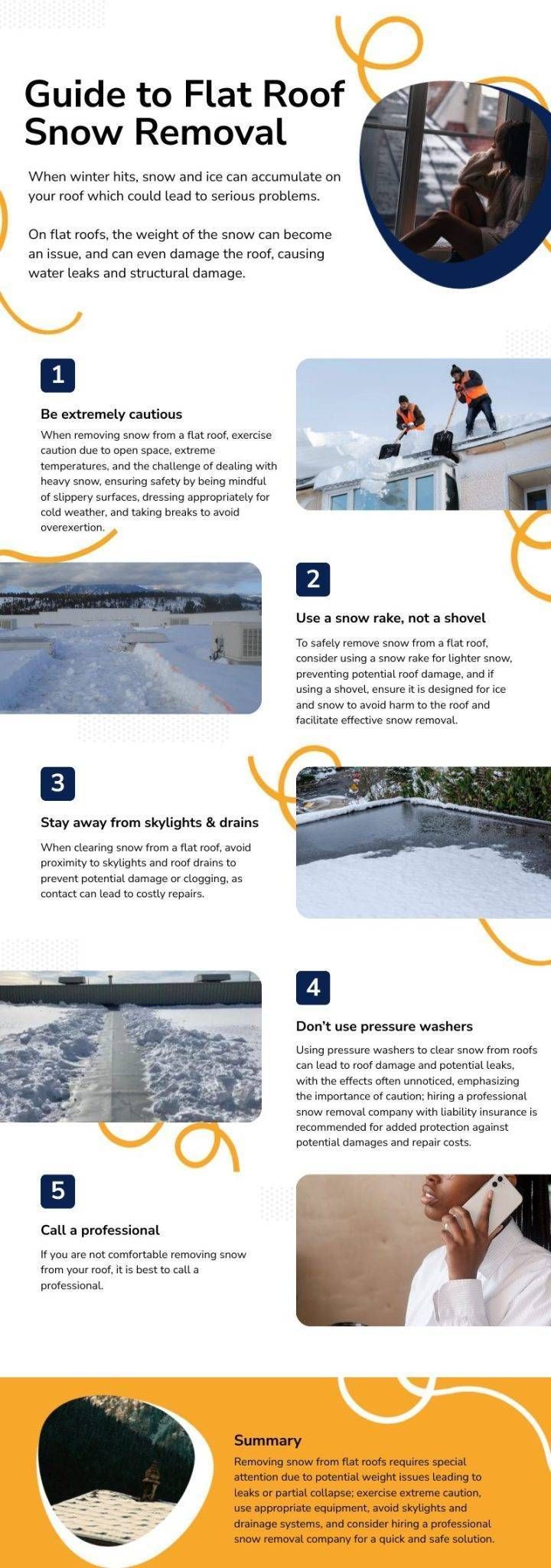
Guide to flat roof snow removal: steps to remove snow, photos of roof work, a phone call.

An infographic with instructions for removing snow from a flat roof.

First and foremost, snow and ice can pile up and weigh down the roof. Most flat roofs are designed to withstand a lot of weight, but after a winter storm, you could be looking at thousands of extra pounds. This can cause structural damage to the premises and in worst-case scenarios can even cause a collapse. 


Also, if the snow and ice are not removed, they can melt and then freeze again once the temperatures drop. This can create ice dams that can cause water leaks. These leaks can damage electrical systems, wood furnishings, and so on, which is why it’s important to remove snow and ice from your flat roof at the earliest opportunity. 

Be ectremely cautious

When removing snow from a flat roof, you are dealing with open space and extreme temperatures. You are also dealing with heavy snow that can be extremely difficult to push off your roof. Be extremely cautious when attempting to remove the snow. 


The surface will likely be slippery, which can easily cause slip-and-fall accidents. Also, make sure that you are always dressed properly for the frigid temperatures, and try to work in short bursts, resting frequently to warm up and regain your energy.

Use a snow rake instead of a shovel

If the snow is light enough, you can use a snow rake to remove snow from a flat roof without having to use a shovel. This will make the job much easier and make sure that you don’t accidentally damage your roof with a shovel. 


If you must use a shovel to remove snow from your roof, make sure that you are using an appropriate shovel for the job. Using a shovel that is not designed for ice and snow can damage your roof and make removing the snow even more difficult. 

Stay away from skylights and drains

When removing snow from a flat roof, you may need to get close to skylights and roof drains. Make sure to stay away from these areas and avoid contact with them. If you contact the skylight or a roof drain, you could damage or clog the system and cause water to build up around or inside your house. This could end up costing you a lot of money for additional repairs.

Don't use pressure washers

People often use pressure washers to remove snow from roofs. While this does remove the snow, it can also damage the roof and can cause leaks. Damage from using a pressure washer on a flat roof can be difficult to spot and can go unnoticed for some time. But it will ultimately end with you needing to pay for costly roof repairs, and that’s the best-case scenario. 


If you do decide to use a pressure washer to remove the snow from your flat roof, then be extremely cautious. When in doubt, it’s always best to hire a professional snow removal company with liability insurance, that way, if something gets damaged, you’re protected and covered for the cost of the repairs. 

Summary

A flat roof is a unique structure that requires special attention when removing snow. In most cases, flat roofs are designed to handle the weight of snow and ice, but following a severe winter storm, the heavy snowfall can become problematic. This can lead to leaks and can sometimes even cause a partial roof collapse. 


When removing snow from a flat roof, you should always be extremely cautious. Make sure you use the right equipment and always steer clear of skylights and drainage systems. Whenever possible, it’s always best to contact a professional snow removal company with the tools and experience to get the job done quickly and safely.

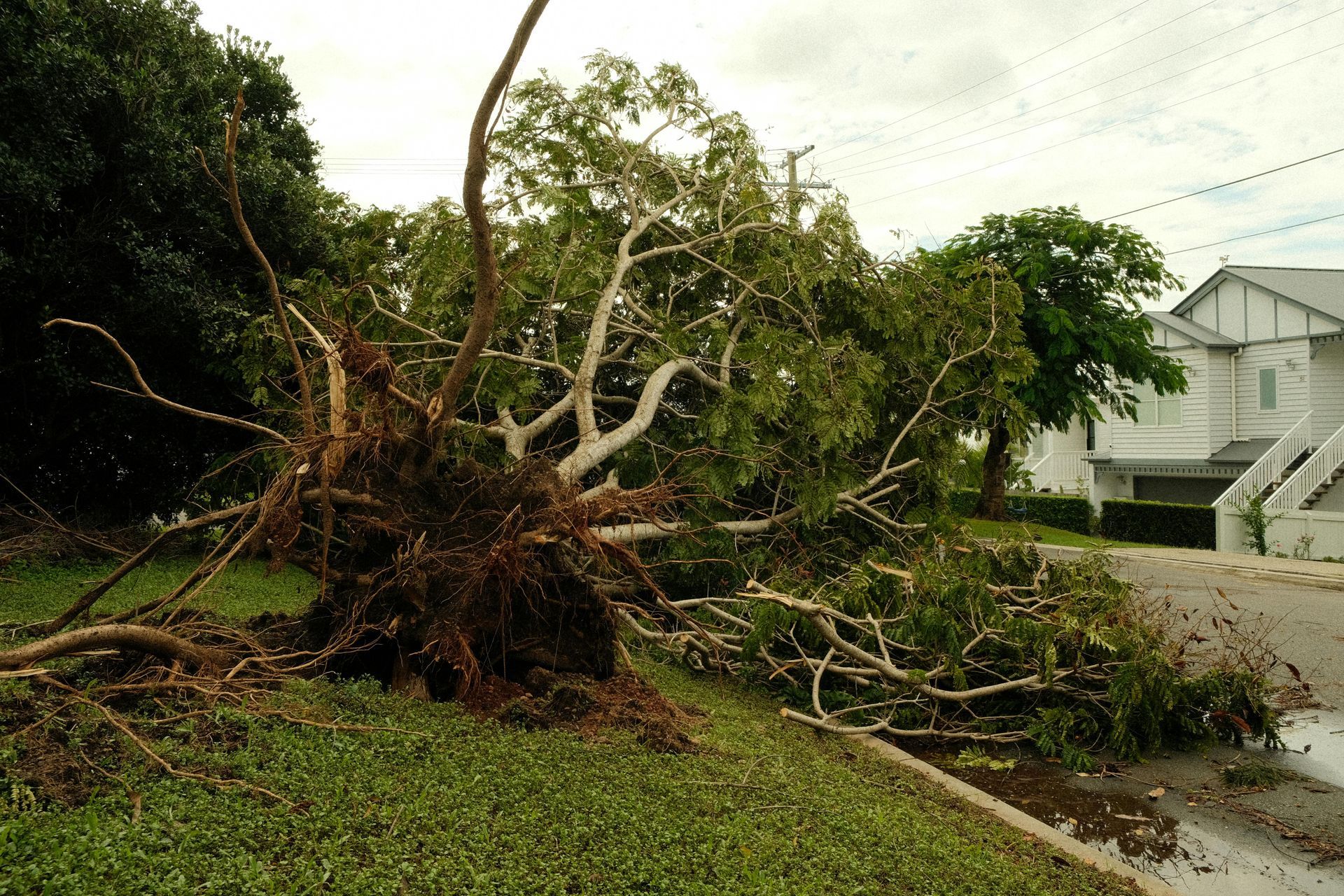
A large, uprooted tree lies across a grassy lawn next to a residential street following a storm.
By James Wesser March 26, 2026
Storm hit your roof in Lancaster, PA? Here’s exactly what to do next to spot damage and avoid costly repairs.
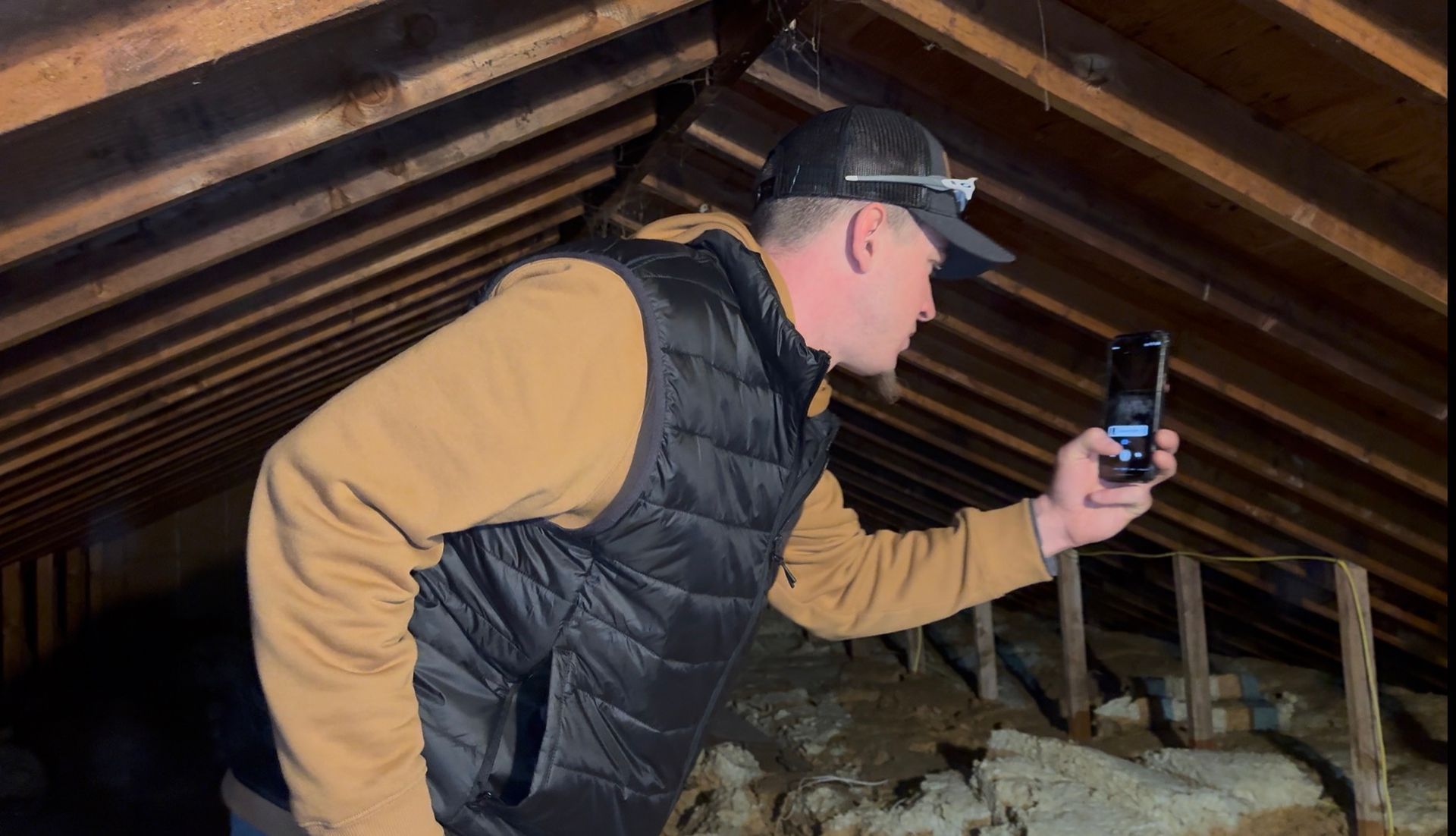
A person wearing a hat and quilted vest stands in an attic, holding up a smartphone to record or photograph the space.
By James Wesser March 18, 2026
Our sales consultant Zach walks through an actual situation where missing shingles and past repairs raised bigger questions about the condition of the roof.

Stone mansion nestled in the woods, with a long driveway and tiered gardens.
By Upstream Marketing February 27, 2026
Learn how to compare roofing quotes in Lancaster, Harrisburg, and Chester County without getting burned. We break down what drives the price gap, red flags to watch for, and what a quality roof replacement actually includes.

John Esh | CEO & Master Installer

  • 25+ Years Experience: From ground crew to Master Certified Installer.
  • Local Roots: Serving Lancaster, Harrisburg, and SEPA since 1991.
  • Credentials: GAF Master Certified (ME27586); Licensed in PA (PA124258) & MD (#137952).
  • The "Why": Obsessed with "radical transparency" to remove the fear factor from home improvements.

James Wesser | Content Producer

  • Background: Former local news digital producer and journalist.
  • The Mission: Turning complex roofing jargon into clear, "fluff-free" answers for homeowners.
  • Local Tie: When not filming on-site, he’s likely roaming Hersheypark or building digital worlds.

Meet The Experts