
Choosing a shingle color is the fun part of replacing a roof. The more important questions are less glamorous: What happens to the old roofing? Is the wood underneath sound? Which flashing gets replaced? What does the warranty actually cover?
An asphalt shingle roof replacement is a coordinated roofing-system project, not simply a layer of new shingles. For homeowners in south-central Pennsylvania, understanding the cost, scope, and installation process makes it much easier to compare proposals and know what you are buying.
How much does an asphalt shingle roof replacement cost in Pennsylvania?
Joyland publishes planning examples to help homeowners understand the likely scale of a project before an inspection. The current architectural-shingle examples are:
| Planning example | Published example price | Price per square foot of roof area |
|---|---|---|
| Small home example | $8,250 | $5.50–$7.00 |
| Medium home example | $12,500 | $6.00–$7.50 |
| Large home example | $19,500 | $6.50–$7.50 |
Pricing note: These examples were checked against Joyland’s published residential roofing pricing guide on September 15, 2026. They are budgeting examples, not guaranteed quotes. A home’s floor area is not the same as its roof area. The roof planes must be measured, and features such as pitch, valleys, dormers, and overhangs affect the total.
Designer or specialty shingles usually cost more than standard architectural shingles. Deck repairs, flashing details, access, and other job-specific work can also move a proposal above a planning range.
What changes the price of a shingle roof replacement?
Measured roof area and design
A straightforward ranch roof and a steep two-story roof with dormers, valleys, skylights, and several penetrations may cover similar square footage but require very different amounts of labor. Roof geometry affects measuring, staging, cutting, flashing, safety setup, and waste.
Tear-off and disposal
Removing the existing roof gives the crew access to the roof deck and clears the way for a new system. The number and type of existing layers, disposal volume, and property access all affect the work. Your proposal should say whether tear-off, hauling, and disposal are included.
Roof decking
The shingles fasten to the roof deck, so soft, deteriorated, or unsuitable areas cannot simply be ignored. Some concerns can be seen from an accessible attic, but others only appear after the old roofing is removed. Joyland’s guide to roof decking explains the role of plywood, OSB, and the plank decking found on many older Pennsylvania homes.
Flashing and roof penetrations
Chimneys, sidewalls, plumbing vents, skylights, and other transitions need specific water-shedding details. Ask which flashing components will be replaced, which may be reused, and how that decision will be documented. “New roof” is not detailed enough if the proposal never explains the places where the roof changes direction or meets another surface.
Shingle and system choices
Architectural, designer, and three-tab shingles do not have the same appearance, specifications, or price. The selected underlayment, starter materials, ventilation components, ridge caps, accessories, and warranty tier also affect the complete system.
Access and property protection
Crews need room for materials, equipment, and a debris container. Landscaping, narrow driveways, neighboring buildings, roof height, and steepness can change how the site must be protected and how efficiently the work can proceed.
What happens during an asphalt shingle roof replacement?
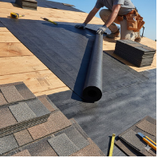
Joyland describes a seven-step process for a typical residential asphalt shingle replacement:
- Arrival and staging: The crew positions materials, equipment, and the debris container for the job.
- Property protection: Landscaping, air-conditioning equipment, outdoor furniture, and work areas are protected as needed.
- Tear-off: Existing roofing is removed so the crew can work from the deck upward.
- Deck inspection: The exposed substrate is checked, and necessary repairs are addressed according to the proposal and approval process.
- System installation: Specified leak barriers, underlayment, starter materials, shingles, caps, and flashing are installed.
- Cleanup: The property is raked and swept, and magnetic tools are used to help collect loose fasteners.
- Final inspection: A supervisor reviews the work and completes the project’s photo documentation.
You can see the complete overview on Joyland’s residential asphalt shingle roofing page.
What is underneath asphalt shingles?
The exact assembly depends on the home, product specifications, local requirements, and proposed system. A typical replacement may involve:
- Roof deck: The structural surface attached to the rafters or trusses.
- Leak barrier: A self-adhering membrane installed in specified vulnerable areas.
- Underlayment: A protective layer installed over the deck beneath the shingles.
- Starter material: The first course designed to help secure and seal the roof edge.
- Field shingles: The visible primary roof covering.
- Flashing: Materials used at walls, chimneys, penetrations, and transitions.
- Ridge and hip caps: Pieces designed to finish peaks and hips.
- Ventilation components: Intake and exhaust elements selected for the roof and attic design.
Color gets the showroom attention. Decking and flashing do the quiet, unglamorous work that helps keep the ceiling dry.
What if the crew finds damaged roof decking?
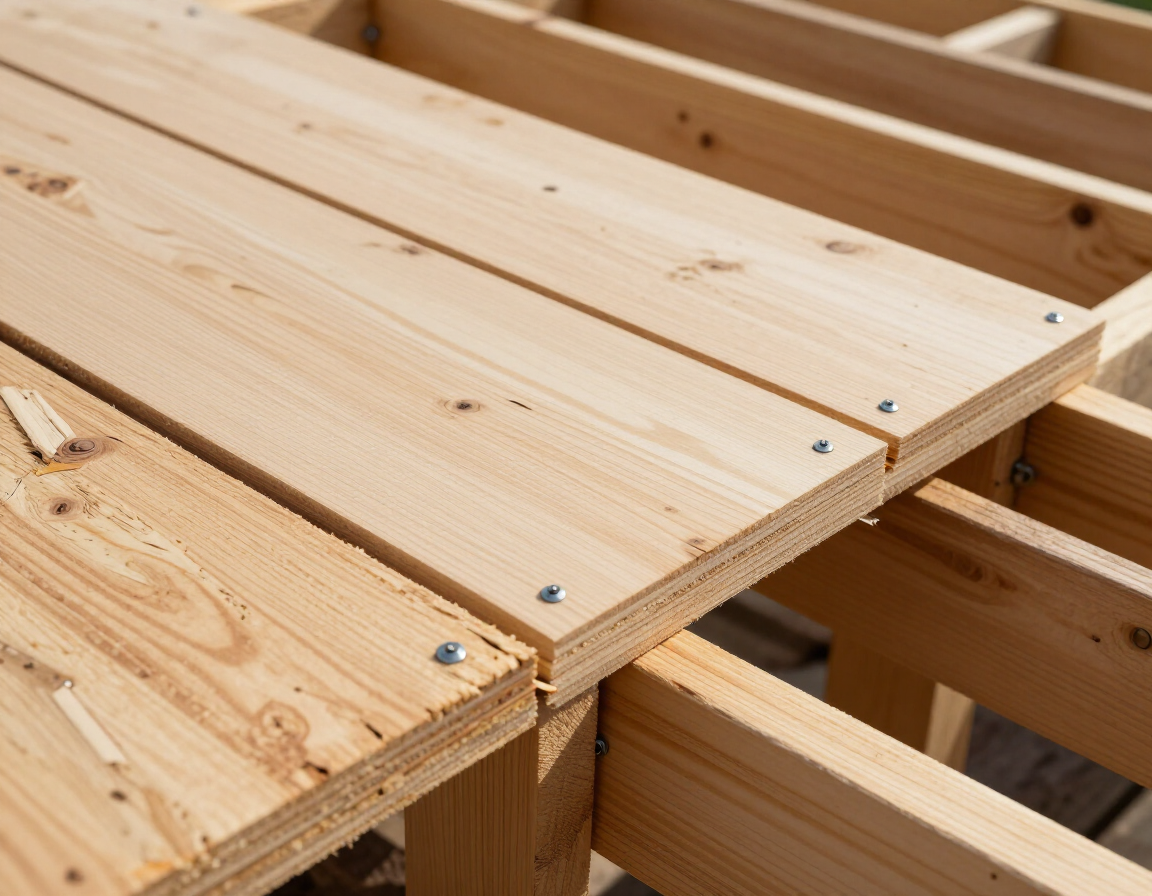
A careful inspection can identify many concerns before work begins, but shingles and underlayment conceal part of the deck. Once tear-off starts, the crew may find localized deterioration, old plank gaps, previous patching, or material that will not hold fasteners reliably.
Before signing, ask how the contractor handles concealed conditions:
- What condition requires decking replacement?
- How is additional work documented?
- What unit price or approval method applies?
- Will you receive photos of the affected areas?
This does not mean every roof replacement turns into a surprise construction project. It means the proposal should explain the process before the old shingles are in the dumpster.
Which asphalt shingle type should you choose?
| Shingle type | What it offers | What to compare |
|---|---|---|
| Architectural | A dimensional appearance and a broad selection of commonly used styles and colors. | Exact product line, wind rating, algae-resistance features, warranty terms, and installed price. |
| Designer or specialty | More distinctive profiles, color blends, or appearances inspired by slate or wood shake. | Added cost, availability, roof suitability, accessory requirements, and warranty terms. |
| Three-tab | A flatter, more uniform appearance with a simpler shingle profile. | Availability, specifications, wind rating, warranty, and whether it fits the goals of the project. |
Do not judge a product only by a category label or marketing name. Compare the technical documentation and warranty for the exact shingle being proposed.

Should you repair the roof or replace it?
A leak does not automatically mean the entire roof needs to be replaced. A targeted repair may make sense when the problem is isolated and the surrounding roof remains serviceable. Replacement deserves consideration when deterioration is widespread, failures are recurring, repairs cannot be integrated reliably, or continued repairs no longer make financial sense.
Joyland’s roof repair or replacement guide explains how roof condition, expected repair performance, and your plans for the home fit together. A real inspection should support that decision with photos and an explanation, not just a birthday estimate for the shingles. You can also review what a real roof inspection looks like before scheduling one.
How long does roof replacement take?
Joyland says most residential asphalt shingle projects are completed within 24 to 48 hours. That is a useful expectation, not a promise for every house. Large or complex roofs, steep pitches, difficult access, extensive deck work, and weather can extend the schedule.
A good proposal should describe the anticipated start and completion window and explain how the roof will be protected if weather interrupts the work. Joyland’s article about what happens if it rains during a roof replacement walks through that issue in more detail.
What should an asphalt shingle warranty cover?
There are usually two different warranty conversations: manufacturer coverage for qualifying roofing products and contractor workmanship coverage for the installation. They are not interchangeable, and the word “lifetime” does not explain all the terms.
Coverage varies by product and warranty level. For example, GAF’s residential warranty comparison shows differences in eligibility, non-prorated periods, workmanship coverage, and whether tear-off or disposal is included. Enhanced coverage may require qualifying accessory products and installation by a contractor with the appropriate certification.
Ask for the specific warranty documents before choosing. Confirm:
- The exact shingle and accessory products covered
- The length and limits of manufacturer coverage
- Whether workmanship is included and who provides it
- Whether registration is required and who completes it
- What exclusions, maintenance duties, or transfer rules apply
How should you compare roof replacement proposals?
Comparing only the totals can hide important differences. The National Roofing Contractors Association’s homeowner resources recommend detailed proposals that identify the roof covering, included materials, removal work, flashing, ventilation, installation method, timing, payment procedures, and warranties.
- The exact shingle manufacturer, product line, and color
- Tear-off, hauling, and disposal
- Underlayment, starter materials, ridge caps, and leak barriers
- Flashing and ventilation work
- How concealed deck damage is priced and approved
- Property protection and cleanup
- Manufacturer and workmanship warranty terms
- Expected scheduling and payment procedures
A lower number may represent the same work at a better price. It may also represent less work. The written scope is how you tell the difference.
How should you prepare your home for replacement day?
- Confirm where vehicles should be parked and keep required access clear.
- Move fragile or valuable outdoor items away from the work areas.
- Secure delicate items in the attic and on walls because roofing work creates vibration.
- Plan for construction noise, especially for pets, children, remote work, or daytime sleepers.
- Tell the project team about gates, electrical access, pets, septic components, or other property concerns.
- Keep family members and pets away from active work and debris areas.
Your contractor should provide project-specific instructions before the crew arrives.
Joyland Roofing helps homeowners across south-central Pennsylvania understand the condition of their roofs, compare material options, and see what is included in the work.
If you are considering an asphalt shingle roof replacement, schedule an inspection and estimate. We can measure the roof, document its condition, explain the proposed system, and provide a project-specific quote.