
5 Siding Mistakes To Avoid Before Replacing Yours
James Wesser
May 18, 2026

Lorem ipsum dolor sit amet

Lorem ipsum dolor sit amet, consectetur adipiscing elit. Sed do eiusmod tempor incididunt ut labore et dolore magna aliqua. 

Most siding problems do not start when the siding gets old. A lot of them start on install day.


The biggest siding mistakes to avoid are choosing a color without looking at the whole home, covering hidden wall damage, missing water management details, installing vinyl siding too tightly, overlooking finish details, and not asking clear warranty questions before the project starts.


That is the frustrating part. Some of the biggest siding problems are not obvious from the street. They hide in the details: the flashing, the house wrap, the trim cuts, the window and door openings, the way the siding is fastened, and how water is directed away from the wall.


A new siding job might look clean and beautiful at first. But if the prep work or installation details are wrong, the wall system behind the siding can still have problems. Sometimes those problems do not show up until years later, when water has already found its way behind the siding.


And water? Water is patient. Annoyingly patient.


If you are replacing siding on a home in Lancaster, Harrisburg, Mechanicsburg, West Chester, or anywhere in Central Pennsylvania, the goal is not just to make your house look new. The goal is to protect your home, manage water properly, understand your warranty, and make sure the finished details look right every time you pull into the driveway.

What Are The Most Common Siding Mistakes?

The five biggest siding mistakes homeowners should watch for are:


  1.  Choosing a siding color without looking at the whole house
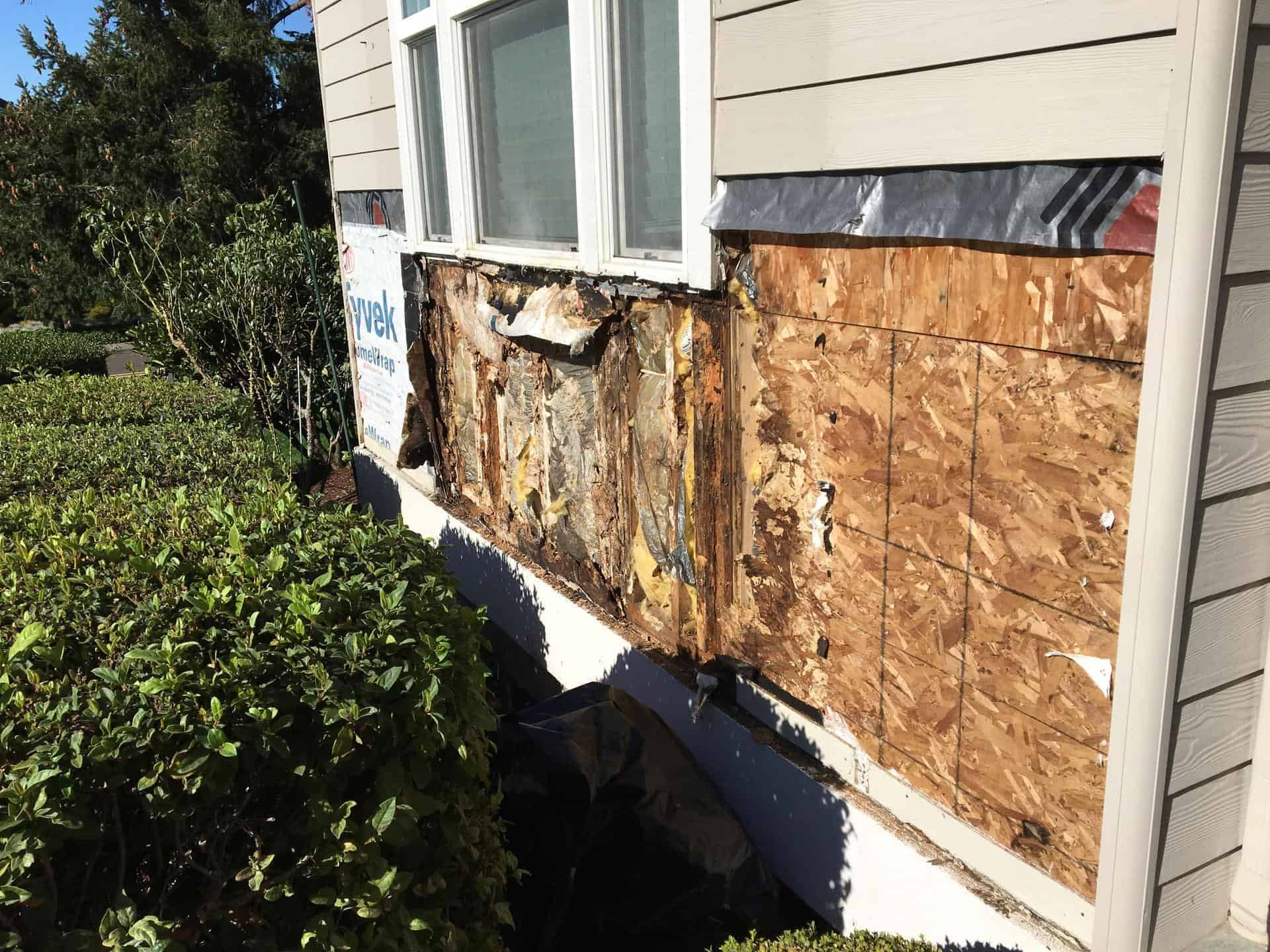
  2. Covering up problems behind the old siding
  3. Missing water management details around windows, doors, and rooflines
  4. Installing vinyl siding too tightly
  5. Overlooking the finished trim and detail work


Each one matters. Some affect the way your home looks. Others affect how well your siding protects the home from water, rot, and future repairs.

The 5 Siding Mistakes Homeowners Should Avoid

Siding mistake Why it matters What to ask your contractor
Choosing color by itself The siding color has to work with the roof, brick, stone, trim, gutters, windows, doors, and landscaping. How will this siding color work with the permanent colors already on my home?
Covering hidden problems Rot, soft sheathing, missing house wrap, and old water damage should not be buried under new siding. What happens if you find rotten wood or bad sheathing after the old siding comes off?
Bad water management Water needs a path out and away from the wall, especially around windows, doors, and rooflines. How do you handle flashing around windows, doors, and roof-to-wall intersections?
Installing vinyl siding too tight Vinyl siding expands and contracts as temperatures change. If it cannot move, it can buckle or warp. How do you allow vinyl siding to move after it is installed?
Overlooking finish details Corners, trim, mounting blocks, light fixtures, vents, and exposed wood all affect the final look and long-term protection. How do you make sure the trim, blocks, vents, and final details are clean and properly finished?

1. Choosing A Siding Color Without Looking At The Whole House

The first mistake is choosing a siding color by itself.


A color can look great on a small sample and still look completely wrong once it is on the entire home. That little sample board is helpful, but it is not living in the same world as your roof, brick, stone, windows, trim, gutters, garage door, shutters, front door, soffit, fascia, and landscaping.


Your house already has a color palette before new siding ever shows up.

So instead of starting with, “What color do I like?” start with, “What colors are already on my home?”


If your roof has warm tones, like brown, tan, weathered wood, or warm gray, warmer siding colors usually feel more natural. Think cream, taupe, beige, clay, warm white, greige, or earthy green.


If your roof has cooler tones, like black, charcoal, slate, blue gray, or cool gray, cooler siding colors usually tend to fit better. Think soft gray, crisp white, deep blue, charcoal, or cooler greens.


This matters for homeowners in Central PA because a lot of homes in Lancaster County, Cumberland County, and Chester County have a mix of exterior materials. Brick, stone, shutters, white trim, black windows, older roof colors, and newer garage doors all have to work together. The goal is not to pick the trendiest siding color.


Trends are fine until your house starts looking like it belongs to one specific month on Pinterest.

The better goal is to choose a color that still looks right five, 10, or even 15 years from now. Good siding should make your home look finished, not like the siding got into a disagreement with the roof and everybody else just had to live with it.

How Roof Color Can Help Guide Siding Color

If your roof has... Siding colors that may feel natural Why it works
Warm tones like brown, tan, weathered wood, rusty blends, or warm gray Cream, taupe, beige, clay, warm white, greige, earthy green Warm siding colors usually connect better with the existing warmth in the roof.
Cool tones like black, charcoal, slate, blue gray, or cool gray Soft gray, crisp white, deep blue, charcoal, cooler greens Cool siding colors usually feel cleaner beside cooler roof tones.

2. Covering Up Problems Behind The Old Siding

Siding is not just there to make your house look nice.


That is part of the job, obviously. Curb appeal matters. Nobody replaces siding because they want the house to look like it has been lightly haunted since 1987.


But siding is also part of the wall system that helps protect your home.


When the old siding comes off, that is the time to inspect what is happening underneath. 

  • Is there soft sheathing? 
  • Is there wood rot? 
  • Is the house wrap missing? 
  • Is there old water damage? 
  • Are the windows flashed correctly? 
  • Are there areas where water has been sneaking in for years?

Those issues should not be covered with brand-new siding.


If the wall underneath still has a problem, new siding may make the home look better from the street, but it does not solve the issue behind it. It just makes the problem better dressed.


A common example is wood rot under or around windows. If windows were not properly flashed and sealed, water can work its way behind the window, behind the siding, and into the wall structure. Over time, that can rot the sheathing or framing around the window.


That is why the tear-off stage matters. Once the old siding is removed, a good contractor should be looking for damage before the new siding goes on.


If rotten wood is found, it should be addressed. If flashing is missing or wrong, it should be corrected. If house wrap is missing or damaged, that needs to be part of the conversation.


New siding over bad wood is not a repair.


It is a cover-up with better lighting.
3. Bad Water Management Around Windows, Doors, And Rooflines

Siding sheds water, but it is not magic. Water still needs a path out and away from the wall. That is why the details around windows, doors, rooflines, and wall intersections matter so much.


This is especially important in Pennsylvania, where rain, snow, freeze-thaw cycles, humidity, and storm runoff all give your siding plenty to deal with. Central PA homes are not exactly living in a dry desert climate. The walls need to be able to handle water properly.


Proper drainage details are not usually the exciting part of a siding project. Nobody is standing in the driveway saying, “Wow, look at that properly integrated flashing detail.”


Actually, a contractor might say that. We are a strange people. But those details are some of the most important parts of the job. One of the biggest problem areas is where a roof meets a wall. At that roof-to-wall intersection, water is running down the roof and toward the siding. If kick-out flashing is missing or installed wrong, water can run behind the siding instead of being directed into the gutter.


That can cause a serious problem over time.


When water gets behind siding at a roofline, it can travel down the wall and rot the structure underneath. Sometimes the siding hides the damage for years. That is the dangerous part. You may not know anything is wrong until the wall is already soft, stained, rotted, or leaking.


The same idea applies around windows and doors. If water gets behind the siding, it needs a way back out. Flashing, house wrap, drainage gaps, and proper overlaps all work together to direct water away from the wall system.


The short version? Water always needs an exit plan.


If the wall system does not give water a way out, water will make its own way. And water is not known for making polite choices.

Common Siding Water Trouble Spots

Trouble spot What can go wrong Why homeowners should care
Roof-to-wall intersections Missing or improper kick-out flashing can let roof water run behind the siding. Water can rot the wall from the roofline down if it keeps entering behind the siding.
Windows Bad flashing or sealing can allow water to get behind the window and siding. Rot often shows up under windows because water collects and sits there over time.
Doors Water can enter around trim, thresholds, or poorly flashed openings. Door openings are major interruption points in the wall system and need careful detailing.
Trim and exterior penetrations Lights, vents, outlets, hose bibs, and mounting blocks can be sloppy or poorly sealed. Small openings can become big water problems if they are not finished correctly.

4. Installing Vinyl Siding Too Tight

This one is easy to miss because it can look fine right after installation.


Vinyl siding moves as temperatures change. It expands and contracts. That is normal. That is how the product is designed to work. The problem happens when vinyl siding is nailed too tightly, locked in place, or not given enough room to move back and forth.


If vinyl siding is fastened too tightly, it cannot expand and contract properly. When the siding heats up, it expands. If it has nowhere to go, it can buckle, ripple, or warp.

That is when you start seeing siding that looks wavy, bubbled, or distorted. And no, that is not just “how vinyl siding looks.” It can be a sign that the siding was not allowed to move the way it was designed to move.


This matters in places like Lancaster, Harrisburg, and Lebanon because Pennsylvania's weather gives siding a full personality test. Cold winters. Hot summers. Sunny walls. Shaded walls. Freeze-thaw swings. Humid days. Storms. The siding has to be installed so it can handle expansion and contraction.


Vinyl siding should be fastened so the panels can still move. The nails should not be driven tight against the siding. The panels should not be forced up or down when they are fastened. Openings and stops need proper clearance.

Tiny installation details can make a big difference.


A little space can prevent a lot of ugly.

Vinyl Siding Needs Room To Move

Installation detail Good installation Problem installation
Fastening Fasteners are not driven tight, allowing the panel to move. Fasteners are driven tight and lock the siding in place.
Panel movement Panels can move side to side as temperatures change. Panels are trapped and cannot expand or contract freely.
Clearance Clearance is left at openings, stops, and trim areas. Panels are cut too tight against trim or openings.
Possible result Siding lays flatter and performs the way it was designed. Siding may buckle, warp, ripple, or look wavy over time.

5. Overlooking The Finished Details

This is where a siding job can go from “That looks great” to “Something feels off.”


Corners, trim, mounting blocks, light fixtures, vents, outlets, shutters, and window details all matter.


You do not want a beautiful new wall of siding with crooked fixture blocks, sloppy trim cuts, exposed wood, awkward corners, or joints that were handled poorly.


The small details are what your eye notices every time you pull into the driveway.


And once you see it, good luck unseeing it. Your brain will bring it up every single time like it is holding a tiny clipboard.


Exposed wood around trim is a problem because water can get behind it and start causing rot. Short trim cuts, gaps, and sloppy transitions may look minor at first, but those details can create openings where water gets behind the system.


Joints matter too.


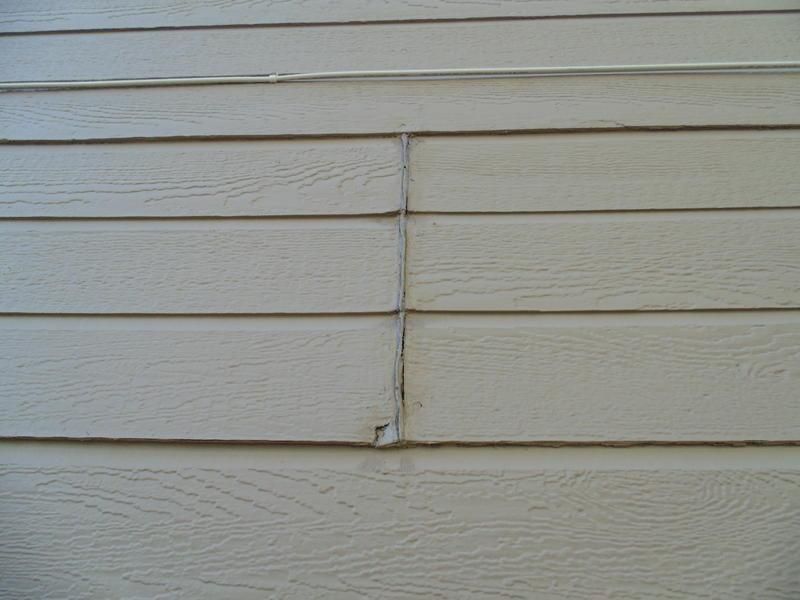
With vinyl siding, joints should be overlapped properly so water can shed away. With fiber cement siding, joint flashing is often used behind butt joints as part of the water management system. The bigger point is this: the siding system should not depend on hope and one heroic bead of caulk.


Caulk has its place.

But caulk should not be treated like a magical tube of forgiveness for poor installation.


If the trim is sloppy, the blocks are crooked, or the cuts are short, the finished job can feel off even if the main siding panels look good.


Details really do matter.

What Should You Ask Before Replacing Your Siding?

If you are planning a siding replacement, do not only compare price and color.


Those matter, of course. Nobody is saying to ignore the budget or choose a siding color by spinning around blindfolded in the showroom.


But the real questions go deeper than that.


Ask how the contractor handles preparation. Ask what they look for after the old siding comes off. Ask how they handle rotten sheathing, old water damage, missing house wrap, window flashing, door flashing, roofline intersections, kick-out flashing, vinyl movement, trim cuts, mounting blocks, vents, and the final details.


A good siding replacement should do three things:

It should make your home look better.

It should help protect the wall system behind the siding.

It should give you confidence that the job was done right.


That is especially important for homes in Central Pennsylvania, where siding has to deal with rain, snow, heat, humidity, changing seasons, and the occasional storm that shows up like it has something to prove.

Good siding is not just about making the house look new.


It is about protecting the home, managing water correctly, making the details look clean, and giving you peace of mind when you pull into the driveway.

Final Takeaway

If you are replacing siding, do not just ask, “What color do I like?” or “How much does it cost?”


Ask what is happening behind the siding.

Ask how water will be managed.

Ask how windows, doors, and rooflines will be flashed.

Ask how vinyl siding will be installed so it can move.

Ask how the trim, vents, lights, mounting blocks, and final details will be finished.


Because the best siding jobs are not just the ones that look nice in the after photo.

They are the ones that still make sense years later.


And if you are going to invest in new siding for your home in Lancaster, Harrisburg, or the surrounding Central PA area, it should do more than look good on day one.

It should protect your home.


It should look clean.


And it should not leave you muttering, “Who cut that trim?” every time you pull into the driveway.

  • What should I avoid when choosing a siding color?

    Avoid picking a siding color by itself. Your siding should work with the rest of your home, including the roof, brick, stone, trim, gutters, windows, garage door, shutters, and landscaping. A color may look great on a small sample but feel completely different once it is on the whole house.

  • Why is it important to inspect behind old siding?

    When old siding comes off, it is the best time to check for hidden problems like wood rot, soft sheathing, water damage, missing house wrap, or bad flashing. If those issues are covered with new siding, the home may look better from the outside while the wall system underneath still has problems.

  • Why does flashing matter during a siding replacement?

    Flashing helps direct water away from vulnerable areas like windows, doors, and rooflines. If flashing is missing or installed incorrectly, water can get behind the siding and cause rot, leaks, or hidden wall damage over time. Siding sheds water, but flashing helps make sure that water has somewhere safe to go.

  • Can vinyl siding be installed too tightly?

    Yes. Vinyl siding expands and contracts as temperatures change. If it is nailed too tightly or cut too close around trim and openings, it may not have room to move. That can lead to buckling, warping, or wavy-looking siding over time.

  • Why do the small siding details matter?

    The small details are what make a siding job look finished and help protect the home. Corners, trim cuts, mounting blocks, vents, light fixtures, window details, and exposed wood all matter. A siding job can look good from far away, but sloppy finish details are the kind of thing you notice every time you pull into the driveway.

John Esh | CEO & Master Installer

  • 25+ Years Experience: From ground crew to Master Certified Installer.
  • Local Roots: Serving Lancaster, Harrisburg, and SEPA since 1991.
  • Credentials: GAF Master Certified (ME27586); Licensed in PA (PA124258) & MD (#137952).
  • The "Why": Obsessed with "radical transparency" to remove the fear factor from home improvements.

James Wesser | Content Producer

  • Background: Former local news digital producer and journalist.
  • The Mission: Turning complex roofing jargon into clear, "fluff-free" answers for homeowners.
  • Local Tie: When not filming on-site, he’s likely roaming Hersheypark or building digital worlds.

Meet The Experts