
Your roof is getting older. Maybe you've noticed some dark streaks, granules collecting in the gutters, or a few shingles that don't look quite right anymore.
Does that mean it's time for a new roof?
Not necessarily. Roofs show signs of aging long before they completely stop doing their job. But there's an important difference between normal wear, damage that can be repaired, and a roofing system that's reaching the end of its useful life.
For homeowners in Lancaster County and throughout South-Central Pennsylvania, understanding that difference can help prevent unnecessary work without putting off repairs that actually matter.
The short answer: Your roof's age is only one part of the decision. Shingle condition, flashing, previous repairs, water intrusion, and the condition of the roof underneath all help determine whether you should maintain, repair, or replace it.
How Long Should a Residential Roof Last?
There isn't one expiration date that applies to every residential roof.
Asphalt shingles, metal, slate, cedar, and low-slope roofing systems have different service-life expectations. Even two homes with the same shingles installed in the same year can experience different amounts of wear.
That's because a roof's useful life depends on several factors:
- The type and quality of roofing materials
- How the roof was originally installed
- Exposure to sunlight, wind, hail, rain, and snow
- Attic ventilation and moisture conditions
- Flashing, drainage, and roof design
- Maintenance and how quickly damage is addressed
Manufacturer warranties also shouldn't be mistaken for a promise that a roof will last a specific number of years. Warranty coverage depends on the product, installation requirements, exclusions, and applicable terms.
GAF explains that asphalt shingles don't have a single expiration date. Their actual condition depends on environmental exposure and the roof's performance over time. Read GAF's guidance on when a roof may need replacement.
For a breakdown of the different roofing materials and their expected service lives, read Joyland's guide to how long shingle, metal, and flat roofs last.
Normal Roof Aging vs. Actual Roof Failure
A roof doesn't have to look brand-new to keep protecting your house. At the same time, a roof doesn't have to develop an active leak before replacement becomes worth considering.
The important question is whether the visible condition is cosmetic, a localized defect, or evidence of wider deterioration.
Granule Loss
Asphalt shingles have protective mineral granules on their surfaces. These granules help protect the asphalt from sunlight and weather exposure.
Some loose granules are expected, particularly with new shingles that shed excess granules during their early service life.
However, widespread granule loss, bare areas of exposed asphalt, or significant deterioration after storm damage deserves closer examination.
What matters: The amount, location, and cause of granule loss. Finding a few granules in the gutter is not, by itself, proof that the entire roof needs replacement.
Curling, Cracking, and Brittle Shingles
Shingles that lift, curl, crack, or become brittle may no longer resist weather as intended.
A single damaged shingle might be repairable. But when deterioration is widespread, or the surrounding shingles are too brittle to work with reliably, replacement becomes more likely.
There is no universal measurement of curling that automatically means every roof must be replaced. The contractor needs to evaluate the condition of the shingles and whether a lasting repair is practical.
Dark Streaks on the Roof
Those black or dark streaks running down an asphalt shingle roof are often associated with algae growth.
Algae staining isn't the same thing as widespread shingle failure. Depending on the condition of the roofing materials, it may primarily be an appearance issue.
However, moss, lichen, and other biological growth can create different concerns. The roof should be evaluated before choosing a cleaning method, especially if the shingles are already worn.
Learn more in Joyland's roofing learning center, which includes guidance on black roof streaks and exterior maintenance.
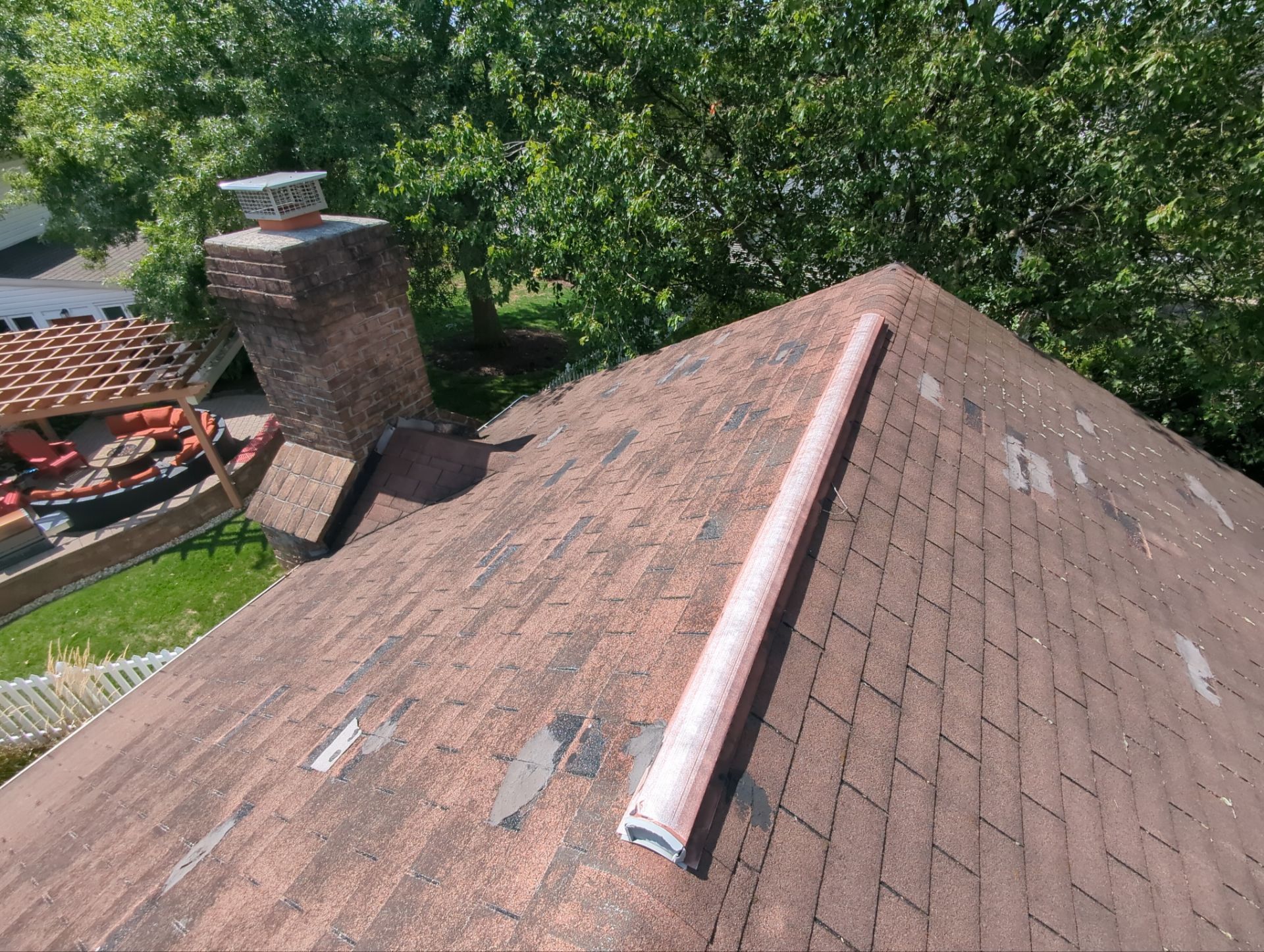
Missing Shingles and Exposed Roof Areas
Missing shingles aren't simply a sign of getting older. They can leave part of the roof vulnerable to water intrusion and should be assessed promptly.
One or two missing shingles may be repairable when the surrounding materials remain serviceable. Widespread missing shingles, deteriorated material, or repeated failures are a different story.
Roof Aging and Damage: What Should You Do?
| What You Notice | What It Could Mean | Recommended Next Step |
|---|---|---|
| Small amounts of granules in gutters | Normal shedding or aging | Monitor and evaluate with other signs |
| Dark streaks without shingle damage | Possible algae staining | Identify the growth before cleaning |
| A few missing or damaged shingles | Localized wind damage or deterioration | Prompt professional repair assessment |
| Widespread curling or brittle shingles | Advanced shingle deterioration | Evaluate whether replacement is appropriate |
| Water stains or repeated leaks | Possible water intrusion or another moisture source | Diagnose the source promptly |
| Sagging or visibly compromised roof structure | Possible structural deterioration or other serious issue | Urgent professional evaluation |
These are general assessment guidelines, not universal pass-or-fail standards. A qualified professional must determine the condition of an individual roof.
Your Roof Is More Than Just Shingles
This is one of the most important points in the original conversation about roof longevity.
A residential roofing system contains several components working together to shed water and protect the structure.
Those components don't always deteriorate at the same rate. Your shingles could still be in reasonable condition while a pipe boot or chimney flashing has developed a leak.
Flashing
Flashing is installed around chimneys, walls, valleys, skylights, and other places where the roof changes direction or meets another surface.
Damaged, missing, corroded, or improperly installed flashing can allow water into the roof system even when nearby shingles appear undamaged.
In some cases, correcting the flashing can solve the problem without replacing the entire roof. In other situations, surrounding materials may also need to be removed or replaced.
Pipe Boots and Roof Penetrations
Plumbing vent pipes typically pass through the roof and require flashing around the opening.
Depending on the product, rubber seals and other flashing components can deteriorate from sunlight, temperature changes, and ordinary weather exposure.
A leaking pipe boot is often a localized repair opportunity, provided the surrounding shingles and roof deck are in suitable condition.
Roof Decking
Beneath the visible roofing materials is the roof decking, commonly made from plywood, oriented strand board (OSB), or boards on older homes.
Prolonged moisture exposure can cause decking deterioration. An isolated damaged section may be repairable, while extensive deterioration or structural problems require a more involved solution.
Important: You cannot determine the condition of all concealed decking just by looking at the shingles. A roof inspection may identify warning signs, but some damage only becomes visible when roofing materials are removed.
Attic Ventilation
Ventilation also affects how heat and moisture move through the attic.
Poor ventilation, air leakage from the living space, and inadequate insulation can contribute to moisture and temperature-related problems.
Improving attic conditions may be part of a roof maintenance or replacement plan, but there is no reliable universal promise that a ventilation upgrade will add a specific number of years to a roof's life.
Storm Damage Doesn't Always Mean a New Roof
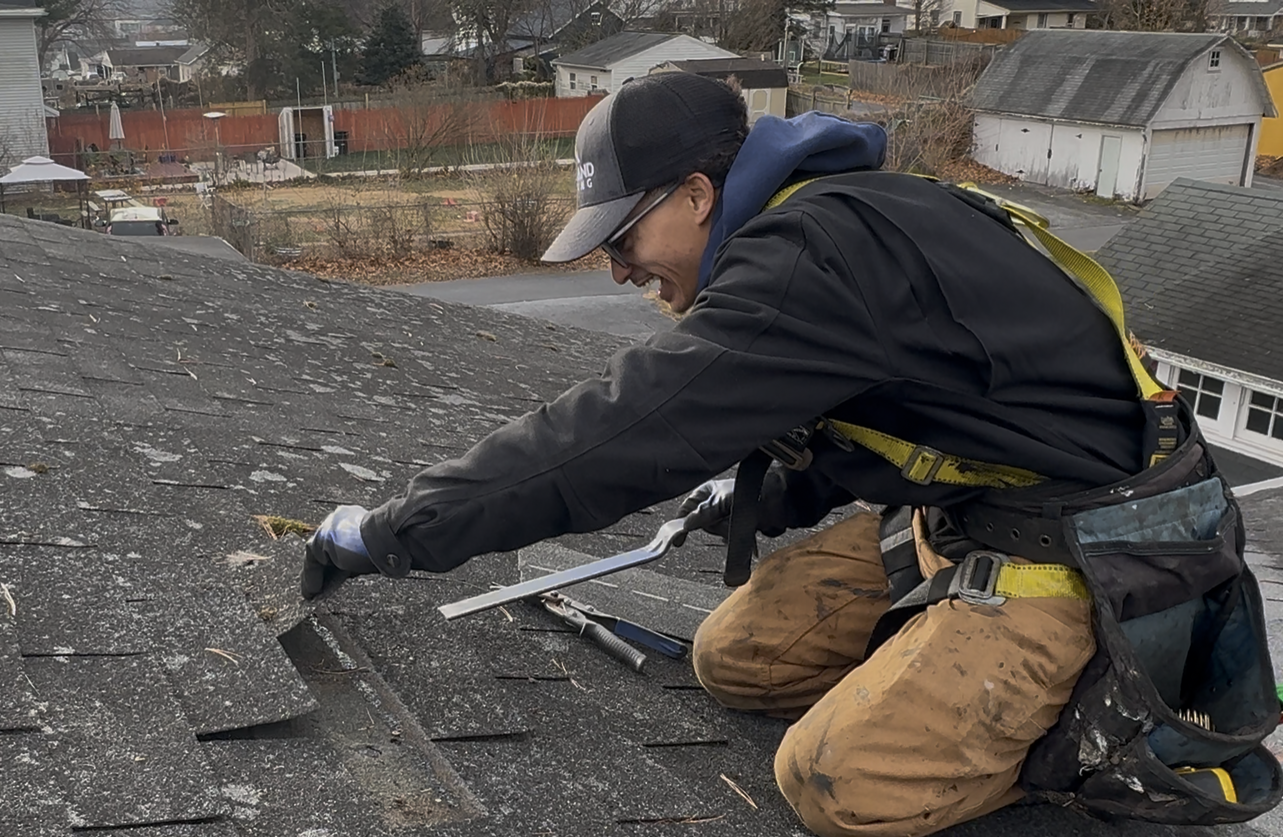
Pennsylvania storms can bring strong winds, hail, heavy rain, falling branches, and flying debris.
All of these can damage roofing materials. But the extent of the damage matters.
For example, wind might tear shingles from one limited area while the rest of the roof remains serviceable. That could be a reasonable repair candidate.
On another roof, wind may reveal widespread problems with shingle adhesion or aging materials. Replacing just the visibly missing shingles might not address the larger issue.
What About Hail Damage?
Hail can damage shingles in several ways, including impact damage and displacement of protective granules.
Damage isn't automatically harmless just because the shingles haven't started leaking.
The contractor should evaluate the type of roofing material, evidence of impact, the condition of the affected shingles, and how widely the damage is distributed.
GAF explains that storm-related granule loss can expose underlying asphalt and contribute to accelerated deterioration. Learn more from GAF's guide to identifying roof damage.
Whether an insurance policy covers a repair or replacement is a separate question. Coverage depends on the policy, cause of damage, applicable terms, and the insurer's assessment.
A roofing contractor should be able to document what was found without guaranteeing an insurance outcome.
Should You Repair, Replace, or Monitor Your Roof?
Instead of making the decision based on a roof's age alone, it helps to consider three practical possibilities.
Option 1: Repair the Existing Roof
A repair may be appropriate when:
- The problem is limited to one identifiable area.
- Surrounding shingles remain in serviceable condition.
- Flashing or another replaceable component is causing the issue.
- The underlying structure is sound or repairable locally.
- The proposed repair can provide a dependable solution.
A good repair should address the cause of the problem, not simply cover its visible symptoms.
Read about Joyland's residential roof repair services to learn how roof leaks and damaged roofing components are diagnosed and repaired.
Option 2: Replace the Roofing System
Replacement becomes more reasonable when:
- Shingle deterioration is widespread.
- Leaks or failures keep appearing in different areas.
- Existing shingles are too brittle to repair reliably.
- Problems with installation are repeated throughout the roof.
- There is significant deterioration of the roofing system.
- Further repairs are unlikely to provide dependable protection.
Waiting until water is dripping into the house isn't a requirement for roof replacement. Significant deterioration can justify replacement before visible interior damage occurs.
Joyland's residential roofing service page explains the replacement process and the different materials available for Pennsylvania homes.
Option 3: Monitor the Roof's Condition
Sometimes an inspection finds cosmetic changes or aging that don't currently require repairs.
Monitoring can be appropriate when a professional has established that the roofing materials remain serviceable and no defect requiring correction has been identified.
But monitoring doesn't mean ignoring the roof.
Keep a record of identified concerns, photograph visible changes from a safe location, and arrange a follow-up inspection when conditions change or after a significant storm.
Missing shingles, open flashing, active water intrusion, or suspected structural damage should not simply be left until the next routine inspection.
Does Repairing an Older Roof Actually Save Money?
It can. But a cheaper repair today isn't automatically the less expensive decision over the next several years.
The important question is whether the money spent on a repair is likely to provide meaningful, dependable service from the existing roof.
For example, a leaking pipe boot on an otherwise serviceable shingle roof may be worth repairing. Repeatedly repairing different sections of a heavily deteriorated roof may become less practical.
What Do Roof Repairs Cost in Pennsylvania?
Joyland publishes ballpark repair prices based on different materials and common problems.
For context, the company's published pricing guide lists approximately $450 to $600 for a typical asphalt-shingle pipe boot replacement and $450 to $700 for replacing a few missing asphalt shingles.
Those are examples, not guaranteed prices. Roof height, access, slope, materials, additional damage, and the required repair scope can change the actual cost.
You can review the complete Joyland roof repair pricing guide and compare it with the residential roof replacement pricing guide.
Four Things Worth Comparing Before Spending Money
- The current problem: Is this one isolated failure or part of a larger pattern?
- The remaining condition: Are the surrounding shingles and other components still reliable?
- The repair's limitations: What could still fail, even after the repair is completed?
- The long-term plan: Would repairing now give you useful time to plan a replacement, or only postpone unavoidable work briefly?
Nobody can guarantee the exact number of years a particular repair will add to an existing roof.
A responsible recommendation should explain the likely benefits and limitations without promising a specific amount of additional service life.
How to Assess Your Roof's Condition
You don't have to be a roofing expert to notice when something might be wrong. You do need to know what deserves attention and what questions to ask.
Start With What You Can Safely See
From the ground, look for:
- Missing, displaced, or visibly damaged shingles
- Changes in the roofline or obvious sagging
- Loose or damaged flashing you can see safely
- Roof debris after a storm
- Unusual concentrations of shingle granules at downspout outlets
- Visible water staining around exterior roof details
Inside the house, pay attention to ceiling stains, recurring moisture, and signs of water intrusion. If an attic is safely accessible, visible staining or dampness beneath the roof may warrant investigation.
Keep in mind that not every ceiling stain comes from the roof. Plumbing, condensation, and improperly vented exhaust fans can produce similar symptoms. The moisture source needs to be identified.
Safety matters: Don't climb onto the roof to inspect it yourself. Professional roof access involves fall protection and an understanding of potentially unsafe surfaces.
Questions to Ask During a Roof Inspection
Whether you call Joyland or another roofing contractor, these questions can help you understand the recommendation:
- What specific damage or deterioration did you find?
- Can you show me photos or video of the problem?
- Is this normal aging, isolated damage, or widespread failure?
- Can the affected area be repaired reliably?
- If you're recommending replacement, why wouldn't a repair be a reasonable solution?
- What happens if I delay the recommended work?
- Are there any concerns with decking, flashing, drainage, or ventilation?
These aren't trick questions. They're reasonable things to ask before authorizing work on one of your home's most important systems.
For more guidance, read How to Tell If a Roofer Is Lying: Make Them Prove These 3 Claims.
Why Pennsylvania Weather Matters for Roof Longevity
A roof in South-Central Pennsylvania faces different seasonal conditions throughout the year.
Summers bring heat, humidity, heavy rain, and thunderstorms. Colder months can introduce snow, freezing temperatures, ice, and repeated thawing and refreezing.
These conditions affect roofing materials and highlight why proper installation, drainage, and maintenance matter.
Snow, Ice, and Ice Dams
Ice dams can form when snow melts on a warmer portion of the roof and refreezes near a colder roof edge. Water can then back up beneath roofing materials and enter vulnerable areas.
Ice dam prevention often involves more than shingles. Attic air sealing, insulation, ventilation, and water-shedding details all deserve consideration.
The National Weather Service's ice dam guidance explains how melting and refreezing can lead to water intrusion.
Wind and Seasonal Storms
Wind can loosen, crease, or remove shingles. Debris and falling branches can damage roofing materials, flashing, or even the structure beneath.
Following significant storms, homeowners should check for visible damage from a safe location and arrange professional assessment when necessary.
Older Homes and Roof Construction
Homes throughout Lancaster, Lebanon, York, Dauphin, Berks, and Cumberland counties include a wide range of ages and construction methods.
Some older homes have board roof decking, multiple roof transitions, chimneys, or unusual flashing details that deserve extra attention.
Evaluating these features is important because a roofing problem may involve more than the visible shingles.
What Does a Roof That Actually Needs Replacing Look Like?
Consider the real Joyland project pictured earlier in this article.
The existing shingle roof had widespread missing materials, worn areas, and flashing concerns. This wasn't simply an isolated missing shingle on an otherwise healthy roof.
Joyland's documented project involved removing the deteriorated roofing system and installing a new IKO Cambridge shingle system with underlayment, ice and water protection, and new flashing.
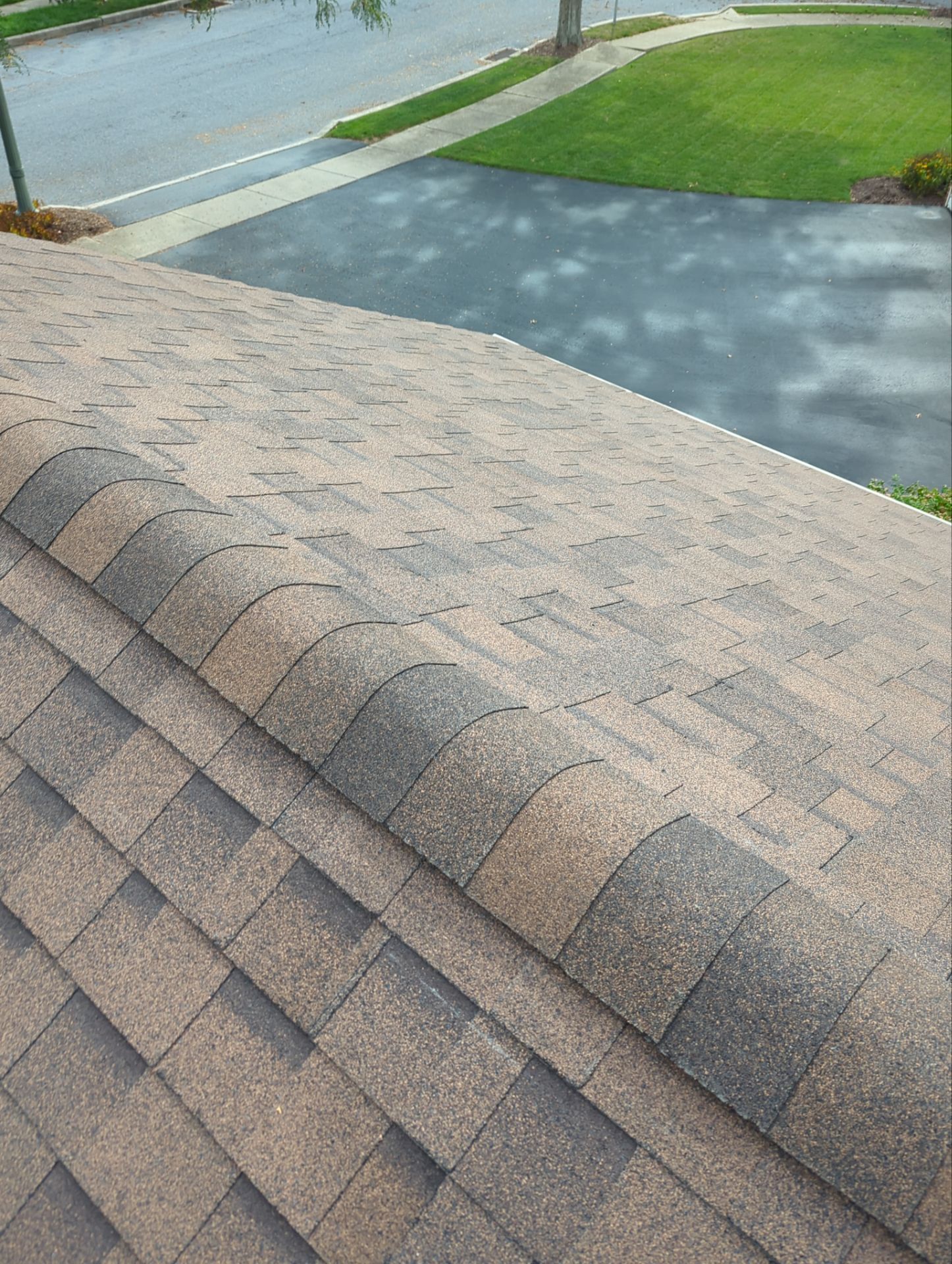
This example doesn't mean every roof with missing shingles needs replacement.
It illustrates why the overall extent and condition of the damage must be considered before deciding how much work is necessary.
See additional real local roofing work in Joyland's roofing project portfolio.
Don't Replace a Roof Just Because It's Old. Don't Ignore It Just Because It Isn't Leaking.
A roof that's showing its age isn't automatically a roof that needs to be torn off.
On the other hand, the absence of a visible leak doesn't guarantee that everything is fine. Shingles may be badly deteriorated, flashing may be compromised, or moisture may be affecting concealed materials before a ceiling stain appears.
The right decision comes from understanding the condition of the whole roofing system.
Sometimes that's a small repair. Sometimes it's maintenance and continued observation. And sometimes replacing the roof is the most dependable long-term solution.
The important part is knowing why.
Not Sure If Your Roof Needs Repairs or Replacement?
You shouldn't have to guess what's happening on your roof.
Joyland Roofing & Exteriors helps homeowners throughout South-Central Pennsylvania understand the condition of their roofing systems.
Whether you're dealing with a leak, damaged shingles, or an aging roof, our team can evaluate the problem, explain the findings, and discuss the appropriate repair or replacement options.
Frequently Asked Questions About Roof Aging and Replacement
Can an old roof still be in good condition?
Yes. A roof's age is only one factor in determining whether it needs replacement. An older roof may still be serviceable if the roofing materials, flashing, and underlying components remain in suitable condition. However, age-related deterioration can make further repairs less reliable.
Does granule loss mean I need a new roof?
Not necessarily. Some granule shedding is normal, particularly with newer asphalt shingles. Extensive granule loss that exposes the asphalt coating, especially across multiple areas, can indicate deterioration or storm damage that requires professional assessment.
Can a leaking roof be repaired without replacing it?
Often, yes. Localized leaks caused by damaged flashing, pipe boots, or a limited section of shingles may be repairable if the surrounding materials remain serviceable. Widespread deterioration or recurring failures may make roof replacement the better solution.
Should I replace a roof before it starts leaking?
Sometimes. A roof showing extensive shingle deterioration, significant material damage, or other major problems may be a reasonable candidate for replacement before active water intrusion becomes visible inside the home.
Can repairs extend the life of a roof?
Addressing localized problems can help an otherwise serviceable roof continue performing. However, no repair can guarantee a particular number of additional years, and repairs cannot reverse widespread aging or deterioration throughout the roofing system.
How can I tell if a roofing contractor is recommending unnecessary work?
Ask the contractor to show you the identified problem, explain whether the damage is localized or widespread, and discuss why repair or replacement is appropriate. Photos, documented findings, and clear explanations are more useful than vague statements about roof age. If the recommendation remains unclear, getting another professional opinion is reasonable.