
Quick answer
When someone asks what type of roof they have, they could be asking about three different things:
- The roofing material
- The roof’s pitch
- The roof’s shape or construction style
Most homes in south-central Pennsylvania have asphalt shingles, but you will also find metal, cedar, slate, synthetic slate, tile, and low-slope membrane roofing.
You can usually narrow down your roof type by looking from the ground or reviewing your home’s records. Do not climb onto the roof just to identify it. Some roofing materials are fragile, and every roof presents a fall hazard.
Identify the roofing material first
The roofing material is the outer surface protecting your home from the weather. This is normally what homeowners mean when they ask, “What kind of roof do I have?”
| Roofing Material | What It Generally Looks Like |
|---|---|
| Asphalt shingles | Individual overlapping shingles with either a flat, evenly spaced pattern or a thicker, layered appearance. |
| Standing seam metal | Long vertical panels with raised seams and no rows of visible screws across the main roof surface. |
| Corrugated metal | Ribbed or wavy metal panels, usually with visible screws passing through the face of the panels. |
| Cedar | Individual wood shingles or shakes that may appear brown, reddish, or silver-gray as they weather. |
| Slate or synthetic slate | Individual stone-like pieces installed in overlapping rows. Natural and synthetic slate can look very similar from the ground. |
| Clay or concrete tile | Curved, barrel-shaped, S-shaped, or flat individual tiles available in several colors. |
| EPDM or TPO | A continuous rubber or single-ply membrane used on flat and low-slope roof sections. EPDM is commonly dark, while TPO is commonly white or light gray. |
These descriptions can help you narrow it down, but some materials are designed to imitate others. Designer asphalt shingles can resemble cedar or slate, and synthetic slate can look very similar to natural slate from the ground.
Asphalt shingles
Asphalt shingles are the most common roofing material on homes in Pennsylvania.
Three-tab shingles
Three-tab shingles have a relatively flat and uniform appearance. Vertical slots divide each shingle strip into three visible tabs, creating evenly spaced rectangular sections across the roof.
They were installed on many older homes, but are less common on new roof replacements today.
Architectural shingles
Architectural shingles are thicker and more dimensional. The tabs vary in size and position, creating a layered appearance with more visible depth and shadow.
Architectural shingles are now the more common choice for residential roof replacements.
You can learn more about the differences on our asphalt shingle roofing page.
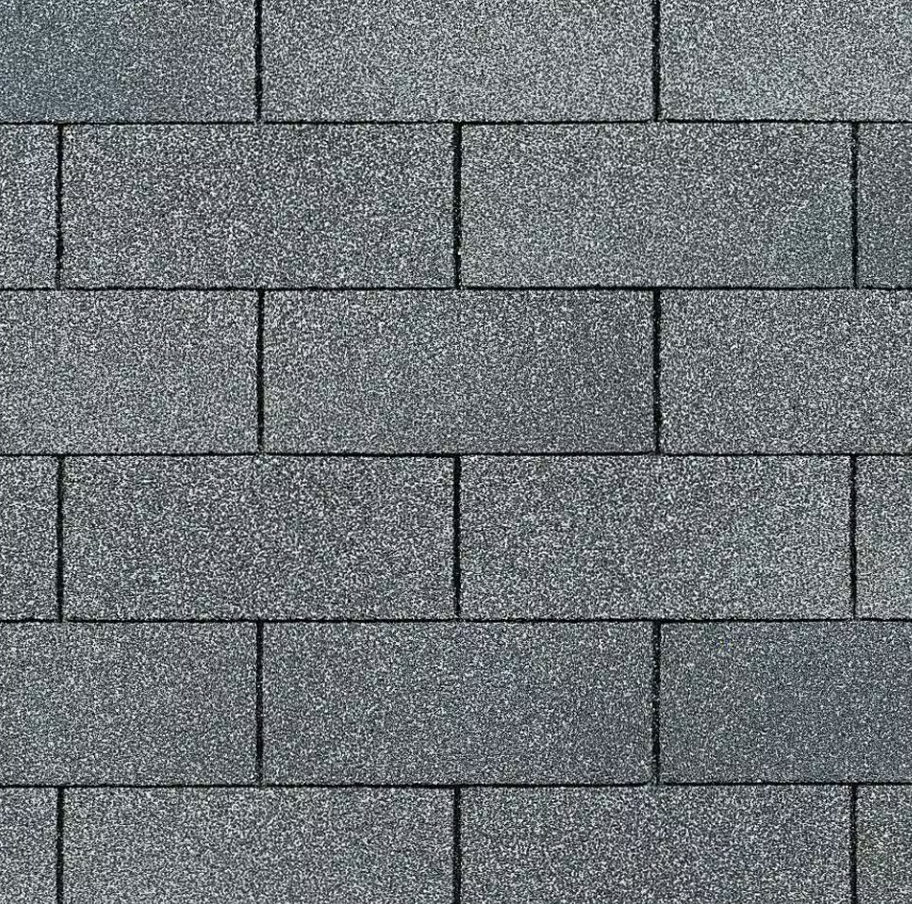
Three Tab
Button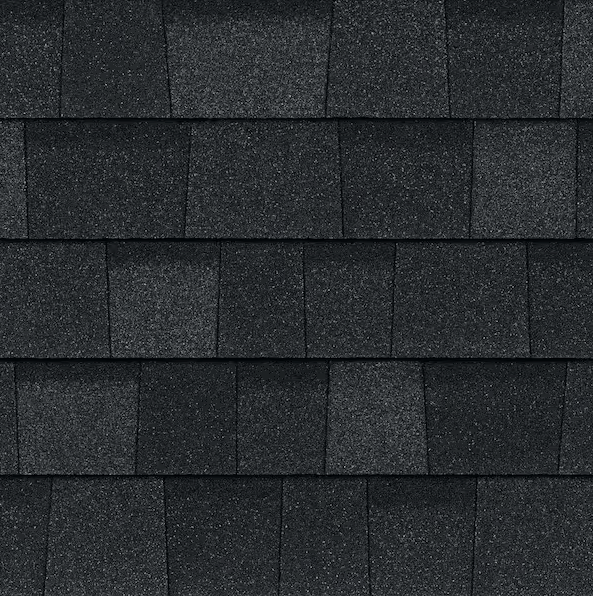
Architectural
Metal roofing
The two metal systems homeowners are most likely to encounter are standing seam and corrugated or exposed-fastener metal.
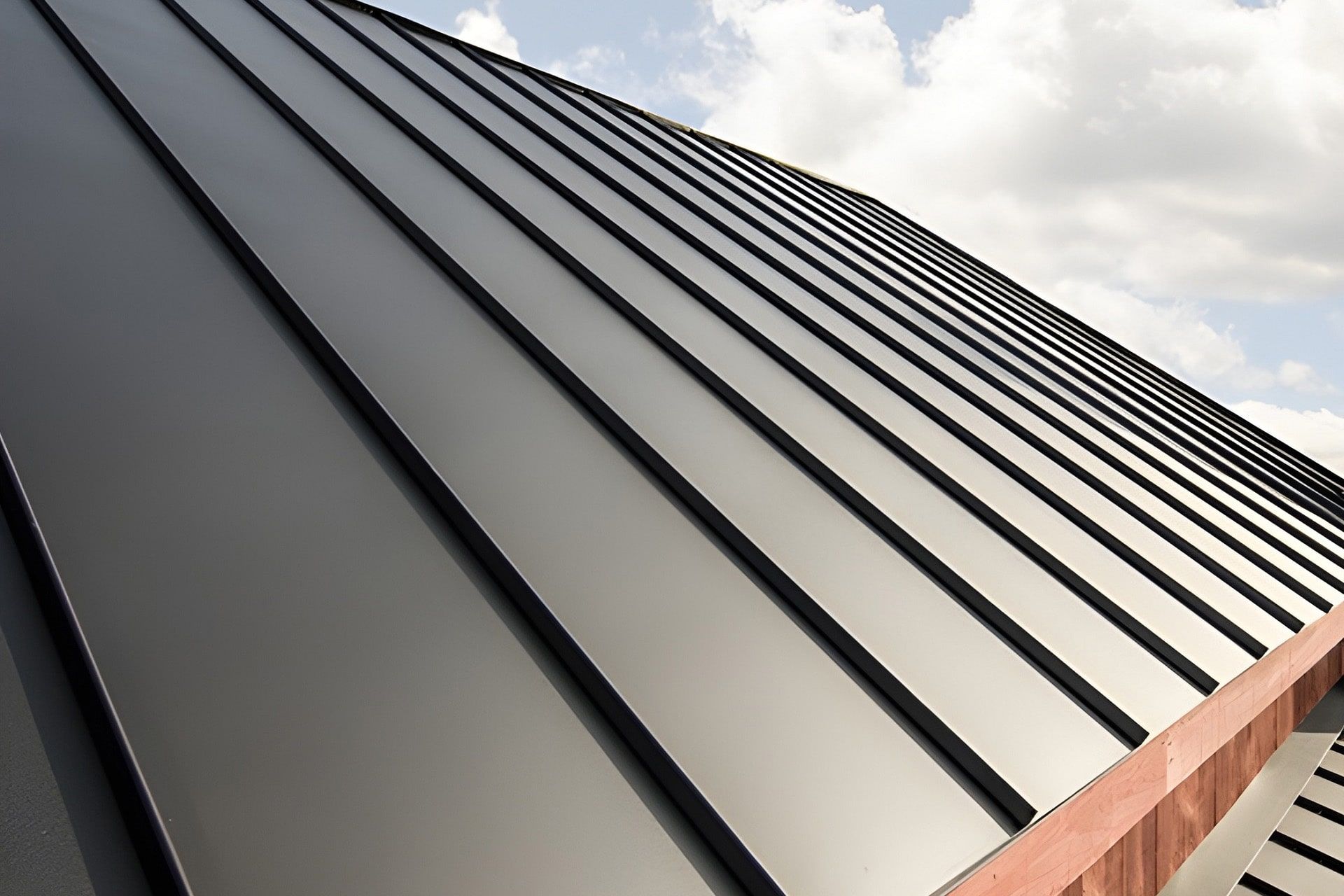
Standing seam metal
Standing seam roofing consists of long panels running from the ridge toward the edge of the roof. Raised seams connect the panels, while the primary field fasteners are concealed beneath them.
From the ground, the standing seam usually has broad, flat areas between the raised vertical seams. You should not see rows of screws across the main roof surface.
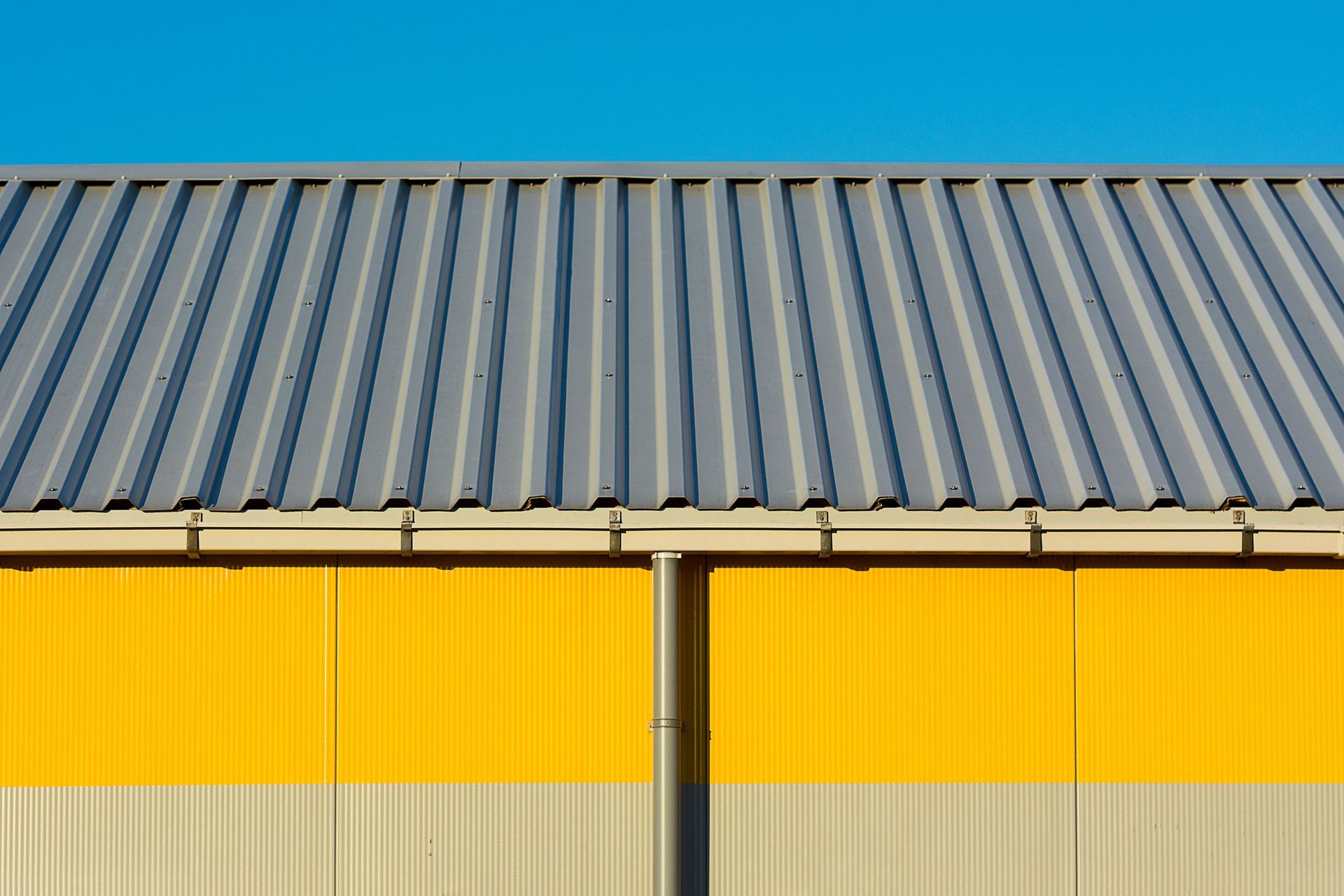
Corrugated or exposed-fastener metal
Corrugated metal has ribs or waves that are more closely spaced. Screws with sealing washers pass through the panel faces and remain visible after installation.
This system is common on barns, garages, and agricultural buildings, but it can also be installed on houses.
Our standing seam and corrugated metal roofing guide explains the differences between the two systems.
Cedar shingles and shakes
A cedar roof is made from individual pieces of natural wood.
New cedar may appear reddish-brown or golden. As it is exposed to the weather, it normally fades to a silver-gray color. You may also see natural differences in color, grain, and texture from one piece to another.
Cedar shingles are sawn and tend to have a smoother, more uniform appearance. Cedar shakes are generally thicker and have a rougher, more rustic surface.
The Cedar Shake and Shingle Bureau reports an average service life of approximately 30 to 40 years, although product quality, installation, climate, and maintenance all affect the result.
From a distance, an asphalt shingle designed to mimic wood may look like cedar. If you are uncertain, a roofer should confirm the material without unnecessarily walking across it.
Learn more about cedar roofing.
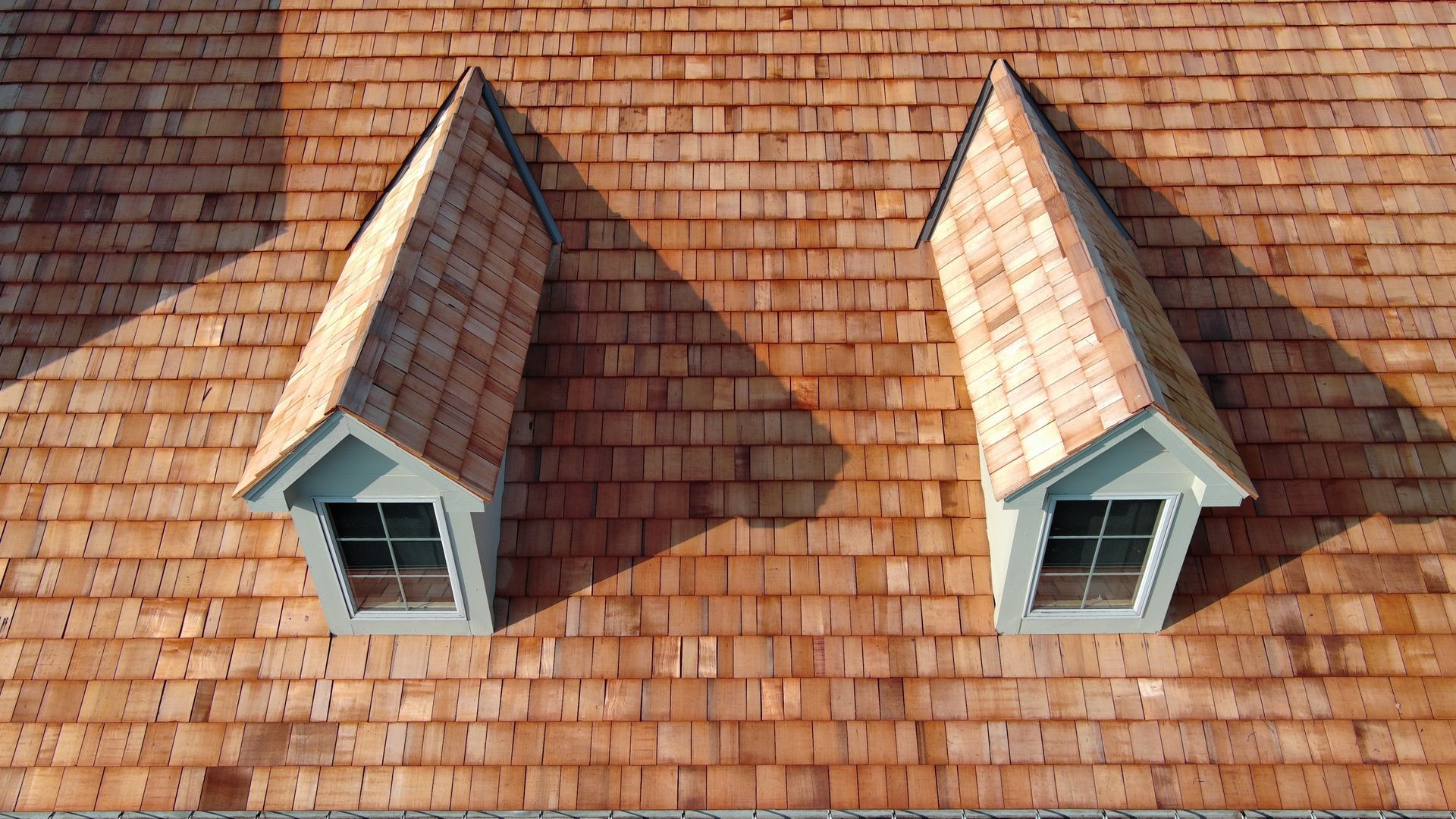
Cedar Shake Roofing
ButtonNatural slate and synthetic slate
A slate roof consists of individual pieces installed in overlapping rows. Common colors include gray, black, green, purple, and combinations of those colors.
Natural slate is cut from stone. You may notice slight variations in thickness, edges, color, and surface texture.
Synthetic slate is manufactured to imitate the appearance of natural stone. The pieces may look more consistent, but high-quality synthetic products can be difficult to distinguish from natural slate while standing on the ground.
A properly installed natural slate roof can last for generations. However, slate is heavy and can break when walked on incorrectly. Do not climb onto the roof, lift a piece, or tap it with a tool to determine whether it is real.
Our teamcan inspect the roof and explain whether you have natural slate, synthetic slate, or another slate-style material.
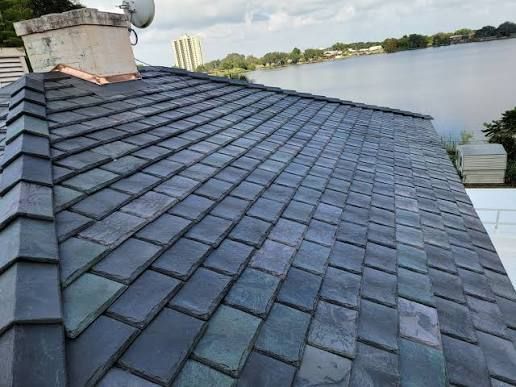
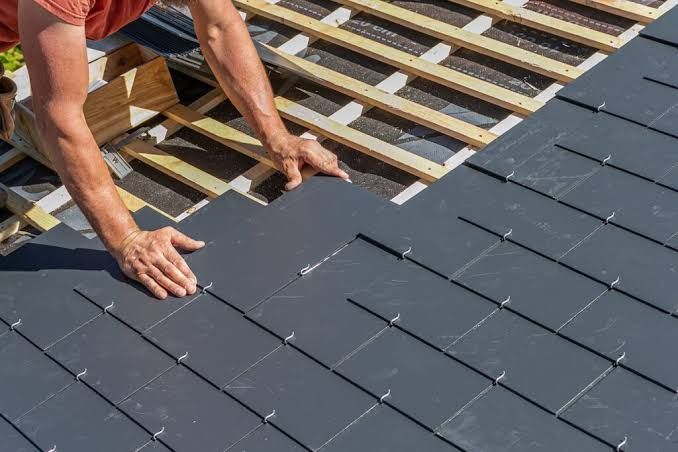
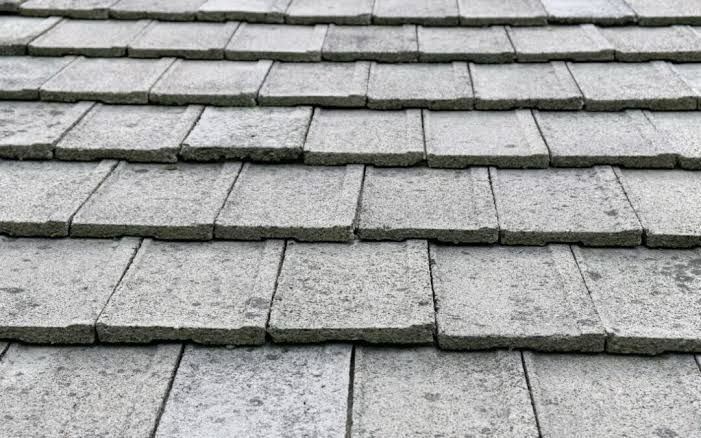
Clay and concrete tile
Tile roofing may use curved barrel tiles, S-shaped tiles, or flatter interlocking pieces. Reddish-orange is the color people commonly associate with clay tile, but tile roofing is available in many colors and profiles.
Clay and concrete tile are less common on homes in south-central Pennsylvania than asphalt, metal, or slate.
Tile is also heavy and can crack under foot traffic. Identifying the specific product may require reviewing the home’s records or having the roof inspected.
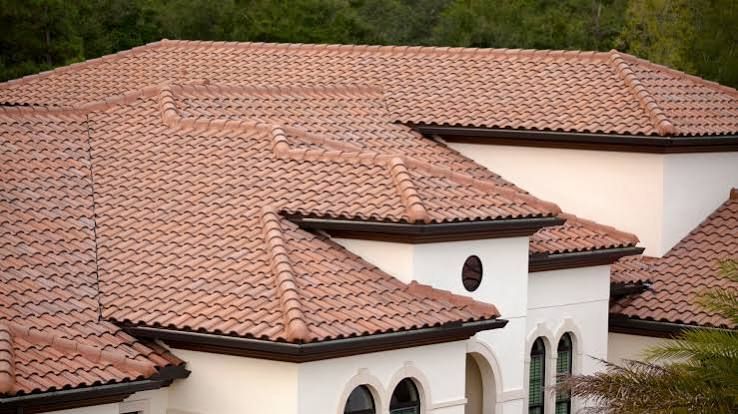
Clay Tile
Concrete Tile
ButtonFlat and low-slope roofing
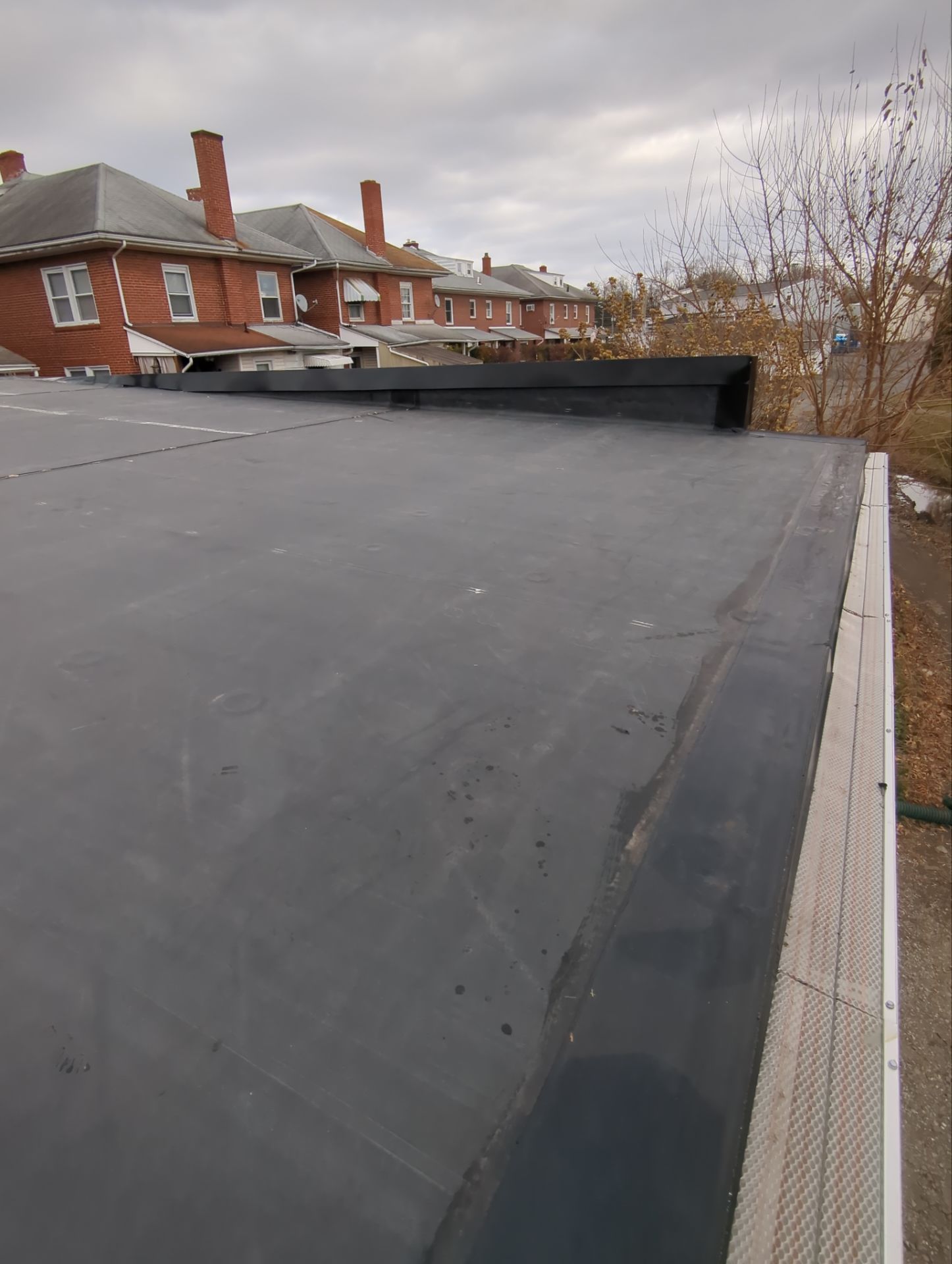
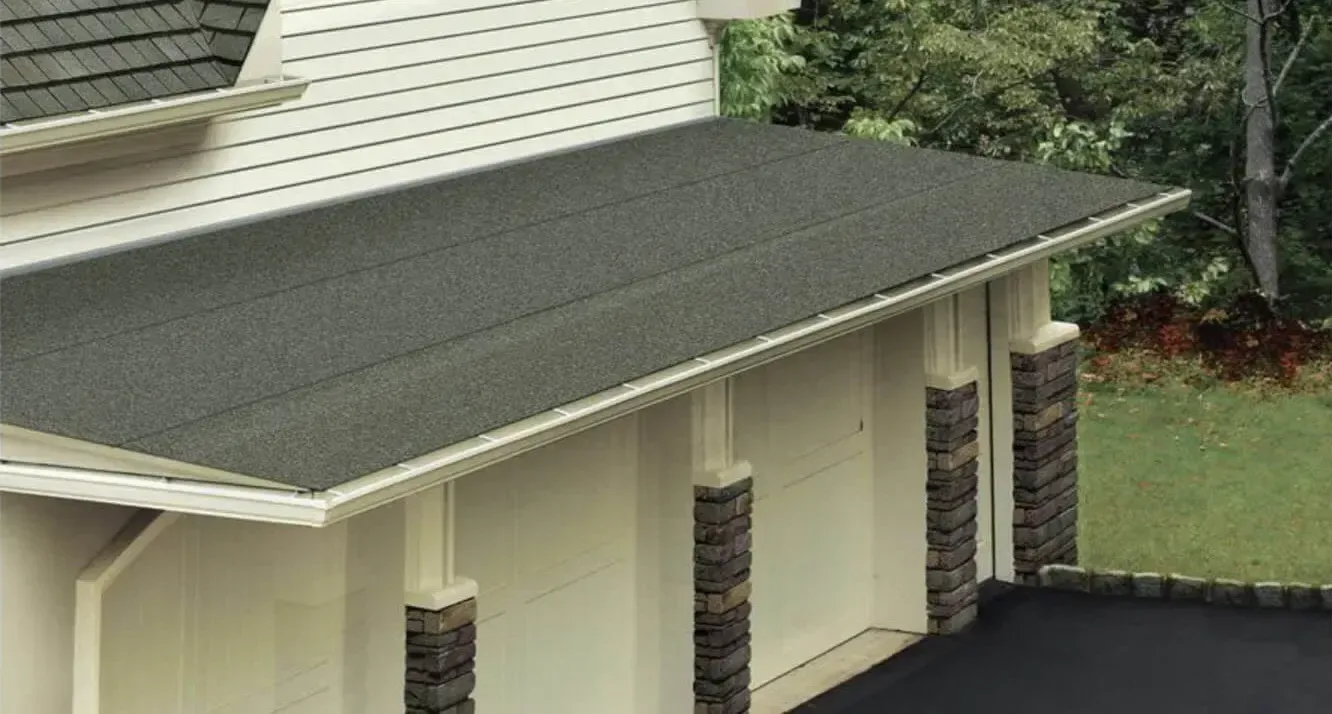
A roof that appears flat usually has a slight slope to direct water toward a drain, scupper, or gutter. Because water moves off these roofs more slowly, they require a continuous roofing system instead of ordinary shingles
Common low-slope materials include:
- EPDM: A flexible rubber membrane that is commonly black or dark gray
- TPO: A heat-welded membrane that is commonly white or light gray
- PVC: Another heat-welded membrane that often has a light, reflective surface
- Modified bitumen: A reinforced asphalt-based roofing material supplied in rolls
You may see these systems on porches, additions, garages, dormers, and commercial buildings.
Low-slope roofing is sometimes difficult to see from the ground. An upper-story window or previous roofing paperwork may provide a better view, but an inspection is the safest way to confirm the system.
See the roofing systems we recommend for
residential flat and low-slope
roofs.
What shape is my roof?
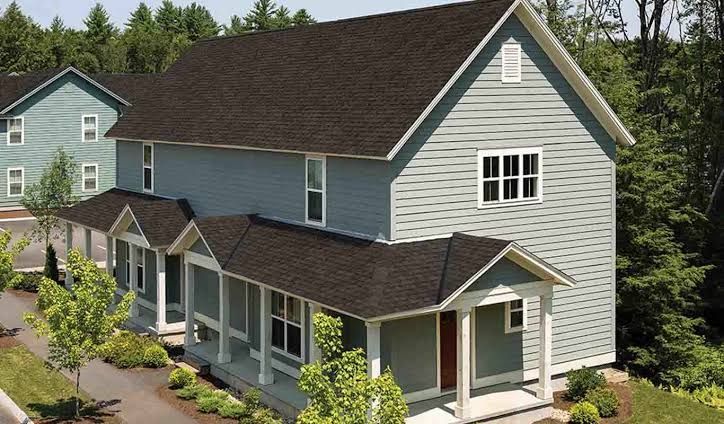
Gable roof
A gable roof has two main slopes that meet at a ridge. The end of the house forms a triangular wall beneath the roof.
This is one of the easiest roof shapes to recognize.
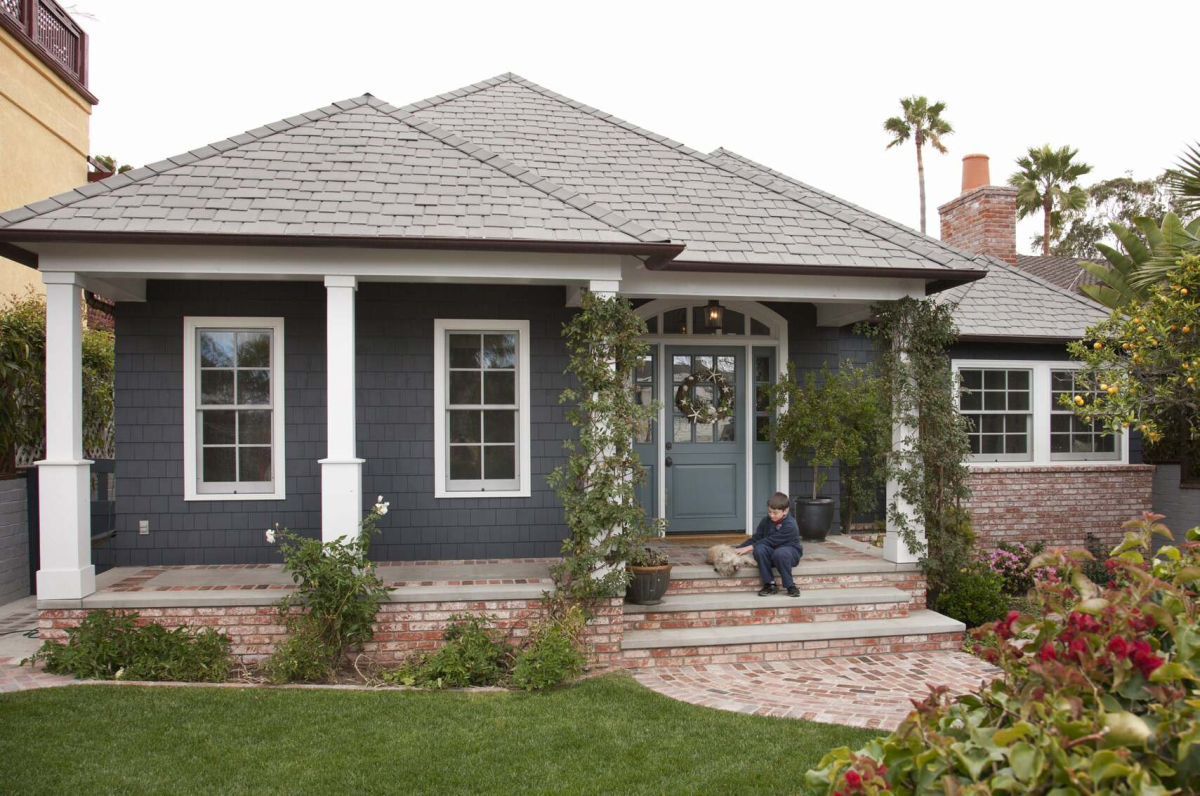
Hip roof
A hip roof slopes downward on all four sides. It does not have the large triangular end found on a traditional gable roof.
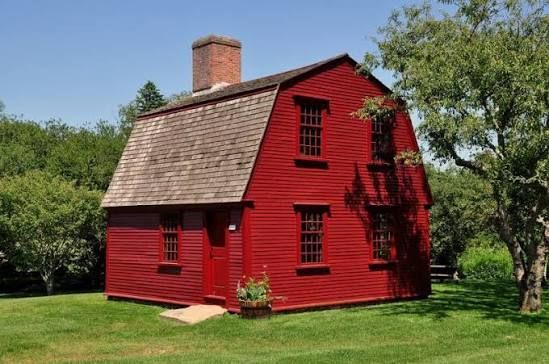
Gambrel roof
A gambrel roof has two different slopes on each side. The upper section has a gentler slope, while the lower section is much steeper.
This is the roof shape commonly associated with barns, although it can also appear on houses and garages.
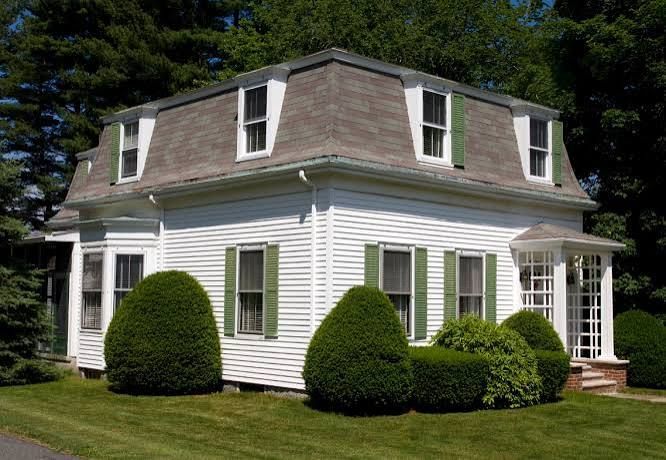
Mansard roof
A mansard roof also has an upper and lower slope, but the design usually continues around all four sides of the building.
The lower section is steep, and the upper section may be difficult to see from the ground. This design creates more usable space on the upper floor.
Your home may have more than one roof type
Many homes do not fit neatly into one category.
A house might have:
- Asphalt shingles on the main roof
- EPDM on a low-slope addition
- Metal over a porch
- A gable roof combined with hips, valleys, and dormers
Additions and renovations are common reasons for finding more than one roofing material or construction style on the same property.
When requesting an estimate or repair, mention every section of the roof. A small low-slope area may require a completely different roofing system than the steep sections around it.
Why knowing your roof type matters
Identifying your roof helps you understand:
- What type of maintenance does it need
- Which repair methods and materials are appropriate
- Whether foot traffic could damage it
- What replacement options may be compatible
- Which contractor has the right experience for the system
You do not need to know the exact manufacturer, product line, or roof pitch before calling a roofer. Identifying the general material and taking clear photos from the ground are useful starting points.
Not sure what type of roof you have?
Send us clear photos from the front, back, and sides of the house, or schedule a professional inspection.
We can identify the roofing materials, measure the pitch, evaluate each roof section, and explain the condition of the system.
Schedule a free roof inspection and estimateor call 717-459-3499to speak with the Joyland Roofing team.
Frequently asked questions
How can I identify my roof without climbing onto it?
Stand a safe distance from the house and use your phone’s zoom to photograph the roofing surface, edges, ridges, and any low-slope sections.
You can also check previous inspection reports, roofing invoices, warranty documents, or real estate disclosures. If those do not provide an answer, have the roof inspected.
Are three-tab and architectural shingles both asphalt?
Yes. Both are asphalt roofing shingles.
Three-tab shingles have a flatter, repeating pattern. Architectural shingles are thicker and use layered tabs to create a more dimensional appearance.
Is a flat roof completely flat?
Usually not. A properly designed flat roof has enough slope to direct water toward its drainage system.
The slope may be difficult to notice from the ground, which is why these roofs are commonly called flat roofs.
Can one house have several types of roofing?
Yes. Additions, porches, dormers, garages, and low-slope sections may use different roofing materials from the main house.
Each section should be evaluated separately when planning a repair or replacement
Can an aerial image tell me what kind of roof I have?
An aerial image can help identify the roof’s overall shape and show how its sections connect.
It may not provide enough detail to distinguish between similar-looking materials, such as natural slate and synthetic slate or cedar and designer asphalt shingles.
What is the most common residential roof in Pennsylvania?
Asphalt shingles are the most common residential roofing material in Pennsylvania. Architectural shingles are more commonly installed today than traditional three-tab shingles.
Metal, slate, cedar, and low-slope membrane systems are also found throughout south-central Pennsylvania.
Do I need to know my roof type before requesting an inspection?
No. Clear ground-level photos and your property address are usually enough to get the conversation started.
During an inspection, we can identify the materials, roof pitch, construction style, and any sections that require a different roofing system.
John Esh | CEO & Master Installer
- 25+ Years Experience: From ground crew to Master Certified Installer.
- Local Roots: Serving Lancaster, Harrisburg, and SEPA since 1991.
- Credentials: GAF Master Certified (ME27586); Licensed in PA (PA124258) & MD (#137952).
- The "Why":
Obsessed with "radical transparency" to remove the fear factor from home improvements.
James Wesser | Content Producer
- Background: Former local news digital producer and journalist.
- The Mission: Turning complex roofing jargon into clear, "fluff-free" answers for homeowners.
- Local Tie: When not filming on-site, he’s likely roaming Hersheypark or building digital worlds.