
If you’re interested in working with a licensed, experienced, and trusted company in Lancaster County, Joyland Roofing would love to provide you with a free quote. With decades of experience and a team dedicated to quality work, we’re the roofing company you’ve been looking for.
Fill out a form to tell us about your situation, or give us a call.
Choosing a roofing contractor should not feel like reading tea leaves while three estimates stare back at you from the kitchen table. The numbers matter, but they are only useful when you understand what each contractor is actually promising to do.
The short answer is this: choose a roofer who can verify their Pennsylvania registration and insurance, explain the complete scope in writing, show relevant local work, describe how the job will be managed, and clearly separate product warranties from workmanship coverage. A contractor should make the decision easier to understand before anyone touches your house.
What Should You Look for in a Roofing Contractor?
A dependable roofing contractor should be able to answer four basic questions without turning the conversation into a scavenger hunt:
- Who is legally responsible for the project?
- What work and materials are included in the proposal?
- Who will supervise the installation and communicate with you?
- What happens if there is a problem during or after the job?
The National Roofing Contractors Association recommends checking a contractor's permanent place of business, insurance coverage, references, written proposal, project supervision, and warranty terms. Those are good national guidelines. Pennsylvania homeowners also need to understand the state's contractor registration rules.
If you are comparing companies for a repair or replacement, start by reviewing the contractor's actual residential roofing services. A company may be excellent at asphalt shingle replacements but have little experience with slate, cedar, standing seam metal, or residential flat roofs. Relevant experience beats a generic claim that a company can do everything under the sun.
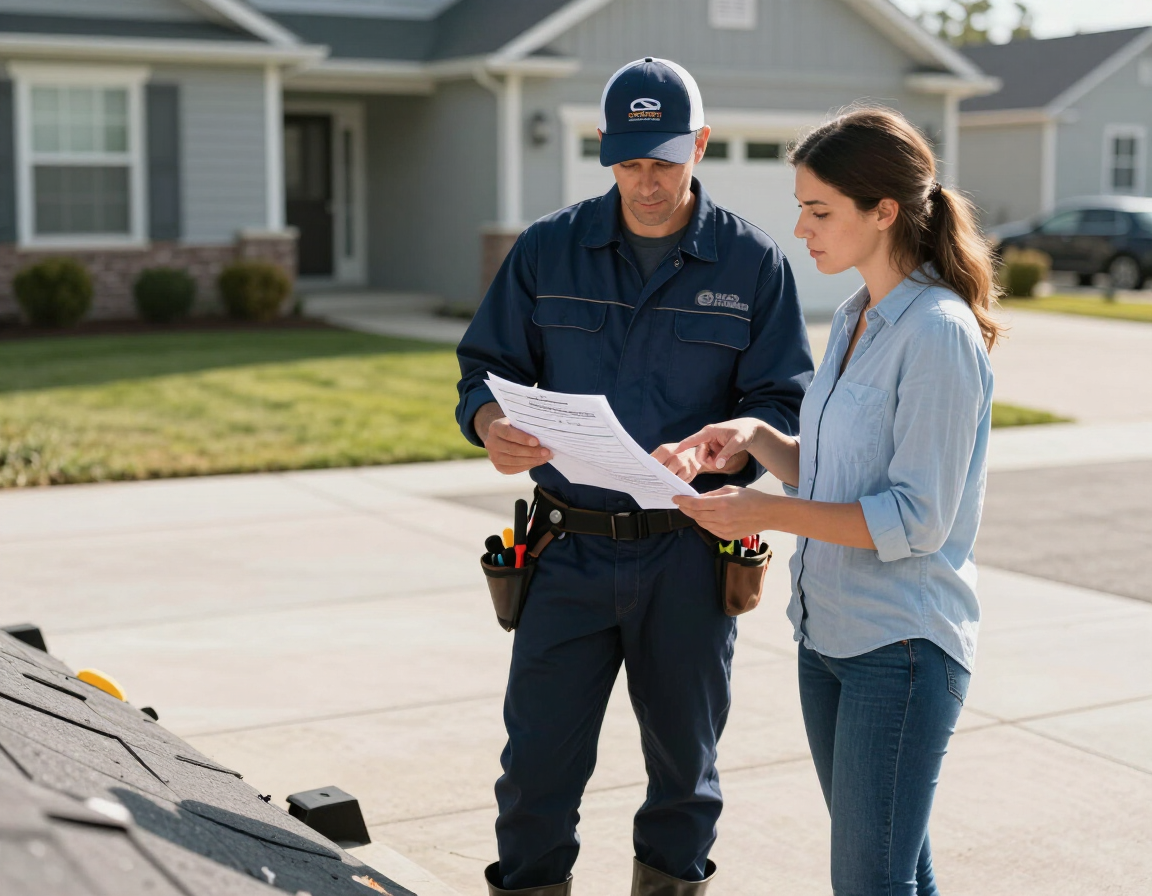
Start With Pennsylvania Registration and Insurance
Pennsylvania does not issue a general state trade license for most construction contractors. However, most businesses that perform at least $5,000 in home improvements per year must register under the Home Improvement Consumer Protection Act.
That distinction matters. Ask for the contractor's Pennsylvania Home Improvement Contractor registration number, not simply whether the company is "licensed."
Verify the Registration Yourself
Use the Pennsylvania Attorney General's contractor verification resources to check the registration. The state is very clear that registration is not an endorsement of a contractor's honesty, competence, or workmanship. It confirms that the contractor completed the required registration process. It does not replace your research.
Pennsylvania's Department of Labor and Industry also explains that the Commonwealth has no general licensing or certification requirement for most construction contractors. Local requirements can still apply, so the contractor should know how permits and inspections are handled in the municipality where the work will occur.
Ask for Current Insurance Information
Ask for evidence of general liability and workers' compensation coverage, and make sure the coverage will remain in effect during your project. If something is unclear, ask the contractor or insurance provider to explain it. A professional company should not act offended because you asked a normal business question.
You should also confirm the company's legal name, physical business address, phone number, and the person responsible for your contract. Matching those details across the proposal, registration, and insurance documents helps you know who you are actually hiring.
Compare the Written Scope, Not Only the Total
Two estimates can have different totals without one contractor being dishonest or overpriced. The roof may be measured differently, or one proposal may include work the other leaves vague.
Roof size is only one part of the calculation. Pitch, height, access, existing layers, valleys, dormers, chimneys, skylights, wall intersections, material selection, ventilation, and visible deck conditions can all affect the work. Joyland's current residential roof pricing guide shows how material and roof size change the starting range, but an inspection is still needed to build a roof-specific proposal.
The goal is not to make every contractor's price identical. The goal is to make the scopes comparable.
What Should a Roofing Proposal Include?
A clear roof replacement proposal should identify:
- The existing roofing materials and the number of layers expected to be removed
- The new roofing product, color, and system components
- Underlayment and leak-barrier locations
- How valleys, walls, chimneys, skylights, and pipe penetrations will be flashed
- How the roof deck will be evaluated after tear-off
- How unexpected deck repairs or other change orders will be priced and approved
- The proposed ventilation approach
- Who handles permits when a permit is required
- Property protection, debris removal, and cleanup procedures
- The expected schedule and how weather delays are communicated
- Payment terms
- Manufacturer and contractor warranty information
Under Pennsylvania law, home improvement contracts must be written, legible, and signed. The state's Home Improvement Contractor FAQ explains that contracts must include information such as the total price, estimated start and completion dates, and a description of the work.
For projects priced above $5,000, Pennsylvania generally limits the down payment to one-third of the contract price, plus the cost of qualifying special-order materials. That is the legal ceiling in many situations, not a recommended target for every contractor. Joyland goes further through the Joyland Promise: homeowners do not pay until the job is finished and they are happy with the result.
Ask How Unexpected Decking Will Be Handled
Some roof deck damage cannot be confirmed until the old roofing materials are removed. That does not give anyone a free pass to invent a number halfway through the job.
The proposal should explain how the contractor will document hidden damage, how you will be notified, what the repair will cost, and who must approve the change. Photos and a written change order are a much better system than a surprise conversation while your roof is open.
Evaluate the Entire Roofing System
Shingles are the most visible part of an asphalt roof, but they are not working alone. A roof system also relies on the deck, underlayment, leak barriers, edge metal, flashing, ventilation, fasteners, starter material, ridge caps, and drainage details.
This is why comparing two shingle brands without comparing the installation plan does not tell you much. A premium product cannot fix an incomplete scope or poor detailing.
Flashing Deserves a Real Explanation
Flashing helps direct water away from roof transitions and penetrations. Chimneys, sidewalls, headwalls, skylights, valleys, and plumbing vents may require different materials and installation details.
Ask which flashing will be replaced, which existing components may remain, and how the contractor will handle masonry or wall-siding transitions. "Flashing as needed" is not much of an explanation. The contractor does not need to turn the estimate into an engineering textbook, but the plan should be specific enough that both sides understand it.
Ventilation Is Specific to the Home
Attic ventilation should not be reduced to "add a ridge vent and call it a day." The design needs suitable intake and exhaust, and the correct solution depends on the attic, roof shape, insulation, existing openings, and local requirements.
GAF's ventilation guidance says a balanced system needs both intake and exhaust, and that exhaust should not exceed available intake. It also tells users to consult local codes for specific requirements. That is the right level of caution. A contractor should evaluate the house instead of applying one universal ratio or vent type to every roof in south-central Pennsylvania.
Product Compatibility Matters
Ask whether the proposed components form a qualifying system and whether substitutions are allowed. If the crew encounters a product availability issue, you should know who can approve an alternative and whether the change affects price or warranty eligibility.
Small product names buried in a proposal can carry big consequences. If a warranty requires qualifying accessories or particular installation steps, the contractor should explain those requirements before the contract is signed.
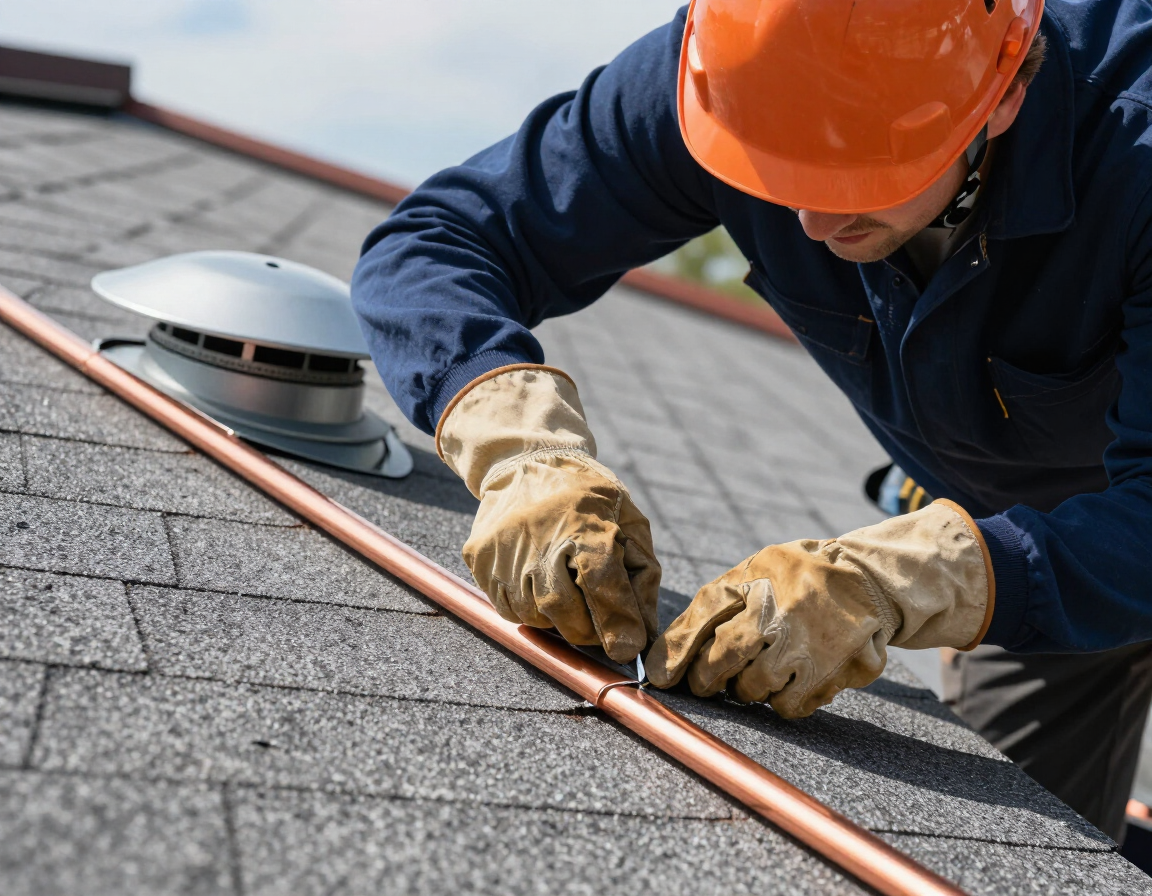
Understand What the Warranties Actually Cover
The word "lifetime" looks impressive in a brochure. It is still not a complete warranty explanation.
Roofing projects can involve at least two different types of protection: a manufacturer's limited warranty covering qualifying products and a contractor or enhanced warranty addressing qualifying installation problems. Coverage, exclusions, registration, transferability, and proration vary by product and warranty level.
Manufacturer Coverage and Workmanship Coverage Are Different
A manufacturer's basic limited warranty generally focuses on product manufacturing defects. It does not automatically cover every leak, storm event, maintenance issue, or installation mistake.
Some enhanced warranties add broader system or workmanship protection when eligibility requirements are met. For example, GAF's residential warranty comparison shows that its Silver Pledge and Golden Pledge limited warranties can include coverage for qualifying misapplication of GAF products and covered flashings. The exact terms depend on the selected products, property, warranty, and current warranty documents.
Ask the contractor to identify the exact warranty being offered and provide the actual warranty document. Then ask:
- Who provides the coverage?
- What products and installation details are covered?
- Is labor included?
- Does coverage change over time?
- Does the warranty require registration?
- Can it transfer to a future owner?
- What maintenance or documentation is required?
- What is excluded?
Joyland's current certifications and awards page lists its manufacturer credentials and training practices. GAF's own Joyland contractor profile currently identifies Joyland as a Master Elite contractor and President's Club award recipient. That verification matters because certain enhanced GAF warranties are available only through contractors with qualifying certification levels.
Ask Who Will Manage the Project
A good sales conversation does not install the roof. Before signing, find out how the project moves from the estimator to the production team.
You should know:
- Who your main contact will be
- Who supervises the crew
- How the start date will be confirmed
- How schedule or weather changes will be communicated
- How your landscaping, driveway, siding, windows, and outdoor equipment will be protected
- How questions and change orders will be handled
- What the final inspection and cleanup process includes
Clear communication is not a decorative bonus. It is part of the work. If you cannot get straightforward answers before the contract is signed, it is fair to wonder what communication will look like once the old roof is coming off.
Look for Local Proof That Matches Your Project
Do not stop at a five-star average. Read recent reviews and look for projects similar to your own.
A homeowner with a steep, multi-level roof and several dormers should not rely only on a reference from a small detached garage. A slate repair does not require the same experience as a standard asphalt replacement. A low-slope addition needs different products and details than the main shingle roof.
Look through the contractor's completed roofing projects and customer reviews. Pay attention to what customers say about communication, scheduling, property protection, cleanup, problem-solving, and follow-up. Those details are usually more useful than a review that only says, "Great job."
Local experience also helps with the unglamorous parts of roofing, including municipal permit differences, older housing stock, winter weather, summer heat, and the mix of roofing materials found throughout Lancaster County and the surrounding region. There is no need to stuff twenty town names into the conversation. The contractor should simply be able to show real work in the area and explain how local conditions affect your project.
Roofing Contractor Red Flags
One red flag does not automatically prove fraud, but several should slow the process down.
Be cautious if a contractor:
- Pressures you to sign immediately or claims a normal price is available only today
- Cannot provide a Pennsylvania registration number or current insurance information
- Uses a proposal with blank sections or vague descriptions
- Asks you to sign before the scope and payment terms are complete
- Makes warranty promises that do not appear in writing
- Refuses to explain large differences between estimates
- Cannot identify who will supervise the project
- Wants payment made to an individual instead of the business named in the contract
- Discourages you from checking references or obtaining another estimate
-
The lowest bid is not automatically bad, and the highest bid is not automatically good. A large difference is a reason to compare assumptions and scope, not a reason to invent a story about the contractor's motives.
How Joyland Approaches a Roofing Project
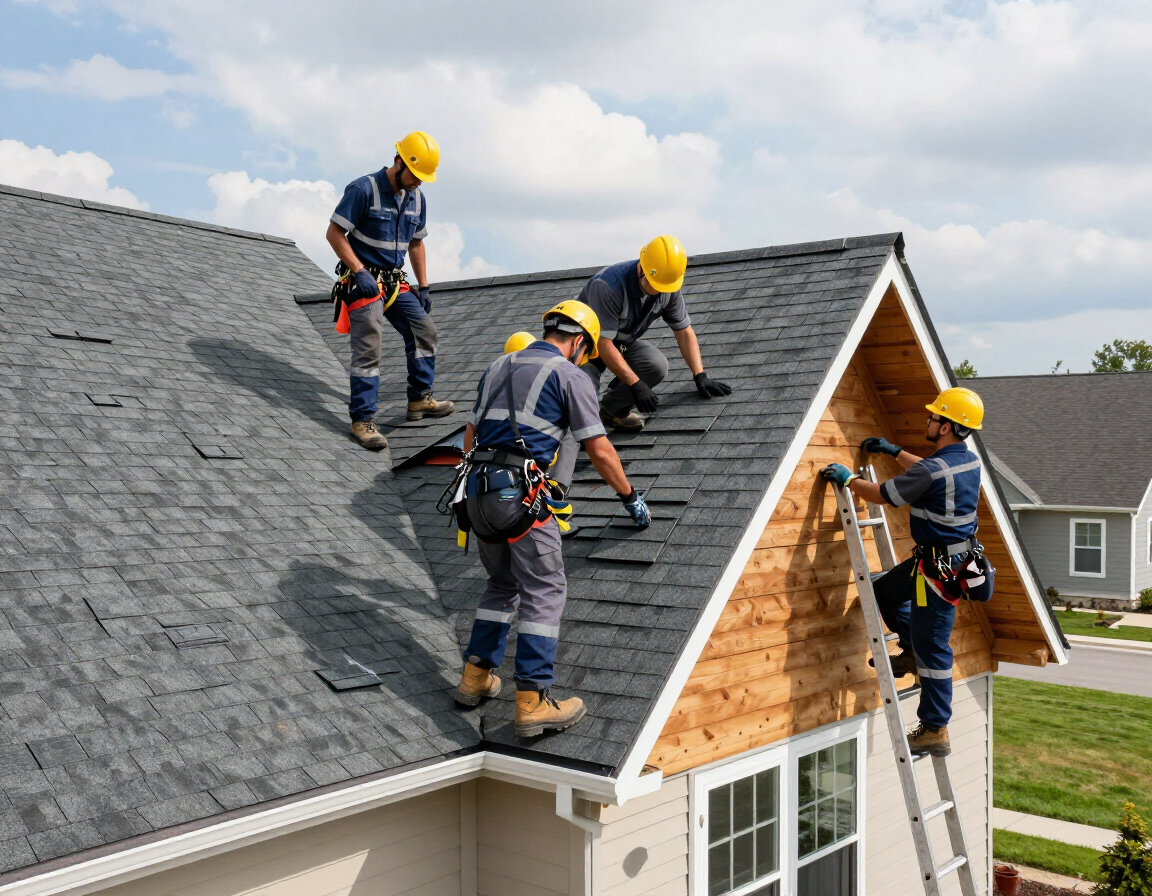
Joyland is a family-run roofing and exteriors company that has served Lancaster and surrounding Pennsylvania counties since 1991. Our published process begins with an inspection, moves into preparation and product selection, and then transitions to a coordinated installation.
The company's operating commitments are quick service, clear communication, and competent work. Those phrases are useful only when they show up in the actual experience, which is why Joyland focuses on response times, project updates, team training, manufacturer education, safety talks, and hands-on practice.
Joyland also uses a no-money-down approach for qualifying homeowner projects. Payment is due after the work is complete and the homeowner is happy. That does not mean homeowners should stop asking questions. It means Joyland is willing to let the completed work come before the final bill.
Homeowners who want an early planning number can begin with Joyland's instant roof quote. The online result is a starting estimate based on the information available to the tool. A roof-specific inspection and written proposal are still needed before anyone treats that number as the final project price.
Questions to Ask Before Hiring a Roofer
Bring these questions to every estimate appointment:
- What is your Pennsylvania Home Improvement Contractor registration number?
- Can you provide current general liability and workers' compensation information?
- Have you completed roofs with this material and level of complexity?
- What exactly will be removed and replaced?
- How will you evaluate and price damaged decking discovered after tear-off?
- Which flashing details are included?
- How will you evaluate attic intake and exhaust ventilation?
- Who will supervise the crew and communicate with me?
- How will you protect the property and handle cleanup?
- Which manufacturer and workmanship warranties apply?
- What could change the final price, and how must I approve that change?
- What happens if I have a concern after the project is complete?
-
The contractor's answers do not need to sound rehearsed. They need to be clear, consistent, and supported by the written proposal.
Frequently Asked Questions About Choosing a Roofer
Are Roofing Contractors Required to Be Licensed in Pennsylvania?
Pennsylvania does not have a general state trade license for most construction contractors. Most home improvement contractors that perform at least $5,000 of covered work annually must register with the Pennsylvania Office of Attorney General. Local licensing or permit requirements may also apply. Homeowners should verify the contractor's registration and ask how local requirements will be handled.How Many Roofing Estimates Should I Get?
The Pennsylvania Attorney General recommends obtaining more than one bid. Two or three detailed proposals are often enough to reveal differences in scope, materials, warranties, and communication. Collecting a mountain of vague estimates is less useful than comparing a few complete ones.Should I Avoid the Lowest Roofing Estimate?
Not automatically. First determine whether the proposals include comparable work. A lower estimate may reflect a simpler material choice or a different assumption about the roof. It may also omit something important. Ask the contractor to explain the scope instead of guessing why the total is different.What Should Be Included in a Roof Replacement Contract?
The contract should identify the contractor, describe the work and materials, state the total price and payment terms, provide estimated start and completion dates, explain warranties, and include other information required by Pennsylvania law. Roofing-specific proposals should also address removal, decking, flashing, ventilation, cleanup, permits when applicable, and the change-order process.How Can I Verify a Roofing Contractor's Credentials?
Check the Pennsylvania Home Improvement Contractor registration through the Attorney General, request current insurance documentation, review recent references, and verify manufacturer certifications directly with the manufacturer when those credentials affect warranty eligibility.What Is the Difference Between a Manufacturer Warranty and a Workmanship Warranty?
A manufacturer warranty generally covers qualifying defects in the roofing products under its written terms. Workmanship or qualifying enhanced coverage addresses certain installation-related problems. The exact protection varies, so ask for both documents and read the coverage, exclusions, registration requirements, and transfer rules.
Choose the Contractor Who Makes the Work Clear
The best roofing contractor for your home is not determined by one shingle sample, one sales presentation, or one number at the bottom of an estimate. It is the company that can verify its credentials, explain the roof as a complete system, document the scope, manage the project, and stand behind the written agreement.
If you are considering a roof replacement in Lancaster County or the surrounding south-central Pennsylvania region, contact Joyland Roofing to schedule an inspection and compare your options. Bring your questions. A trustworthy contractor should be comfortable answering them.
John Esh | CEO & Master Installer
- 25+ Years Experience: From ground crew to Master Certified Installer.
- Local Roots: Serving Lancaster, Harrisburg, and SEPA since 1991.
- Credentials: GAF Master Certified (ME27586); Licensed in PA (PA124258) & MD (#137952).
- The "Why":
Obsessed with "radical transparency" to remove the fear factor from home improvements.
James Wesser | Content Producer
- Background: Former local news digital producer and journalist.
- The Mission: Turning complex roofing jargon into clear, "fluff-free" answers for homeowners.
- Local Tie: When not filming on-site, he’s likely roaming Hersheypark or building digital worlds.