
Can You Shingle Over Old Shingles?
John Esh
February 7, 2026

Lorem ipsum dolor sit amet

Lorem ipsum dolor sit amet, consectetur adipiscing elit. Sed do eiusmod tempor incididunt ut labore et dolore magna aliqua. 

If you just got a roofing quote and your stomach quietly left your body, you may be wondering:


“Can we just put new shingles over the old shingles?”


Technically, sometimes yes.

But should you?

That is where things get a little more interesting.


Shingling over an existing roof is called a roof overlay. Instead of tearing off the old shingles, the new shingles are installed right on top of them. It is usually faster. It usually costs less upfront. And on paper, it can sound like a very reasonable way to save money.


But roofing is one of those things where “cheaper today” can become “why is my ceiling wet?” tomorrow.


So before you decide, here is the honest answer from a professional roofer.

Why homeowners ask about roofing over old shingles

Most people ask about a roof overlay for one simple reason: money. A full roof replacement is a major investment. So when someone says, “We can save you money by installing new shingles over the old ones,” it sounds tempting and we get that.


But this is one of those roofing decisions where the cheapest option upfront can become the more expensive option later.


That does not mean every overlay is a disaster. There are situations where it may be allowed by code and technically possible. But “allowed” and “smart for your roof” are not the same thing.


  • Local code does not know if your roof decking is soft.
  • It does not know if old leaks have damaged the plywood underneath.
  • It does not know if your attic ventilation is struggling.
  • It does not know if your shingles are hiding issues around flashing, pipe boots, valleys, or chimneys.

That is why the better question is not:

“Can I put shingles over shingles?”


The better question is:

“Will this cause problems I’ll regret later?”


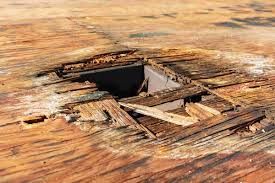
Problem 1: You May Cover Up Bad Roof Decking

Most people ask about a roof overlay for one simple reason: money. A full roof replacement is a major investment. So when someone says, “We can save you money by installing new shingles over the old ones,” it sounds tempting.


We get it.


But this is one of those roofing decisions where the cheapest option upfront can become the more expensive option later.


That does not mean every overlay is a disaster. There are situations where it may be allowed by code and technically possible. But “allowed” and “smart for your roof” are not the same thing.


Local code does not know if your roof decking is soft.

It does not know if old leaks have damaged the plywood underneath.

It does not know if your attic ventilation is struggling.

It does not know if your shingles are hiding issues around flashing, pipe boots, valleys, or chimneys.


That is why the better question is not:


“Can I put shingles over shingles?”


The better question is:


“Will this cause problems I’ll regret later?”


Problem 2: You May Lose The Warranty That Actually Matters

This is probably my biggest reason for not recommending a second layer of shingles.


Yes, you may still get a basic manufacturer's warranty. But in most cases, that is just a standard material warranty. And honestly, that is usually not the warranty homeowners think they are getting. The stronger warranties, the ones that are actually worth paying attention to, usually require the old roof to be torn off.


Why?


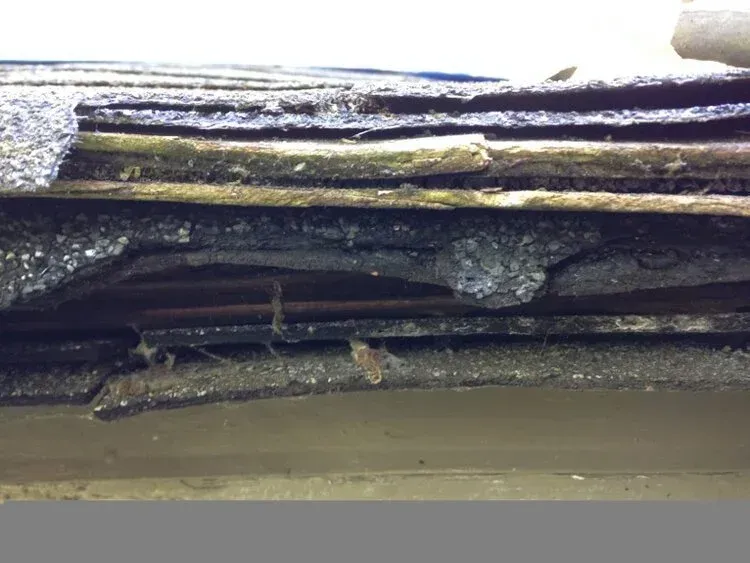
Because the manufacturer wants to know that the full roofing system was installed correctly. They want the shingles fastened to solid decking. They want the underlayment, ventilation, flashing, and other details handled the right way. When you install new shingles over old shingles, there are too many unknowns.


The decking could be soft. The old roof could be hiding moisture. The fasteners may not hold the same way. The old shingles may keep the new roof from lying flat.


That is why manufacturers are usually not going to back that kind of roof with their best warranty.


So even though an overlay may save money upfront, you may be giving up better protection down the road. That is a pretty big tradeoff.

Problem 3: Fasteners Are Harder To Get Right

This is one of those roofing details that does not sound exciting, but it matters a lot. When we tear off the old roof, we can fasten the new shingles directly into the roof decking. That is clean, simple, and strong.


When you install over an existing layer, the fastener has to go through the new shingle, through the old shingle, and still get into the decking properly.


Can it be done?

Sometimes.


Is it harder to do correctly?

Absolutely.


And in roofing, little details matter. Nail placement matters. Nail depth matters. The condition of the surface underneath matters.


If the shingles underneath are curled, uneven, brittle, or bumpy, the new shingles may not sit right. That can affect how the roof seals, how it looks, and how it performs over time.


That is not where I want to gamble.

Problem 4: You Are Adding Weight To The Roof

Shingles are heavy.


Adding a second layer means adding thousands of pounds to your roof system. Your house is probably not going to collapse overnight, so we do not need to be dramatic about it. But weight still matters.


Especially on older homes, roofs with questionable framing, or homes that already have some sagging or structural concerns.


Here in Pennsylvania, your roof already deals with wind, rain, snow, ice, heat, humidity, and the freeze and thaw cycle. Adding another layer just gives the roof more to carry.


That may not be the biggest issue on every home, but it is one more reason I want to see what is underneath before I cover it up.


Problem 5: Future Leaks Can Be Harder To Find

Leaks are already sneaky. Water does not always come in directly above the spot where you see the stain on your ceiling. It can travel along decking, rafters, flashing, or underlayment before it finally shows up inside.


Now add a second layer of shingles.


That gives water another place to travel and hide.


If a roof with two layers starts leaking, finding the source can be more difficult. A repair that should be simple can turn into a guessing game. And guessing games are great for family game night, not your roof.

This is another reason I prefer a full tear-off. It gives us a cleaner roof system and fewer layers for water to sneak through.

Why I Tore Off My Own Roof

Here is the simplest way I can explain it.


When I replaced the roof on my own house, I tore the old roof off. I am a roofer. I know that in some situations, you technically can install a second layer. But I still chose to remove the old shingles.


Why?


Because I did not want to deal with hidden bad decking. I did not want to give up better warranty options. I did not want fastening issues. And I did not want to wonder what might be happening underneath the roof ten years later.

I wanted to do it right, set it, and not think about it again.


That is the same advice I give customers.

If this were my home, I would tear the old roof off.


The Question I Want Homeowners To Ask

Instead of asking, “Can I put shingles over shingles?”


I would ask:

“What am I giving up if I do?”


Because that is the real question.

You may be giving up the chance to inspect your decking.

You may be giving up stronger warranty protection.

You may be making the roof harder to fasten correctly.

You may be making future leaks harder to diagnose.

And you may be making the next roof replacement more expensive.


That does not mean an overlay can never work. But it does mean you should know exactly what you are choosing.

Want Us To Take A Look?

If you are trying to decide whether your roof needs a full tear-off or if a second layer is even worth considering, we can take a look and give you a straight answer.


We will inspect the roof, explain what we see, and help you understand the best option for your home.


No scare tactics.

No mystery math.

Just honest roofing advice.


Call Joyland Roofing at 717-459-3499 or click the button below to get in contact!

Frequently Asked Questions

  • Can You Put New Shingles Over Old Shingles?

    Sometimes, yes. But just because you can does not mean you should. I rarely recommend it because it can hide bad decking, limit warranty options, make fastening harder, and create bigger problems down the road.

  • Why Is A Full Tear-Off Usually Better?

    A full tear-off lets us see what is actually happening underneath the shingles. If there is rotted wood, soft decking, old leak damage, or flashing issues, we can fix those problems before the new roof goes on.

  • Will A Second Layer Of Shingles Affect My Warranty?

    Yes, it can. You may still get a basic material warranty, but many enhanced manufacturer warranties are not available when new shingles are installed over old shingles. That means you may be giving up stronger protection just to save money upfront.

  • Can Bad Roof Decking Be Hidden Under Old Shingles?

    Yes. That is one of my biggest concerns. If the decking is soft, rotted, or damaged, a second layer of shingles can cover it up instead of fixing it. That problem can keep getting worse underneath the new roof.

  • Are Shingles Harder To Fasten Over Another Layer?

    Yes. When we tear off the old roof, fasteners go directly into the roof decking. With a second layer, the fasteners have to go through the new shingles, the old shingles, and still reach the decking properly. That gives you less room for error.

Search Blog


Quick Links

John Esh | CEO & Master Installer

  • 25+ Years Experience: From ground crew to Master Certified Installer.
  • Local Roots: Serving Lancaster, Harrisburg, and SEPA since 1991.
  • Credentials: GAF Master Certified (ME27586); Licensed in PA (PA124258) & MD (#137952).
  • The "Why": Obsessed with "radical transparency" to remove the fear factor from home improvements.

James Wesser | Content Producer

  • Background: Former local news digital producer and journalist.
  • The Mission: Turning complex roofing jargon into clear, "fluff-free" answers for homeowners.
  • Local Tie: When not filming on-site, he’s likely roaming Hersheypark or building digital worlds.

Meet The Experts