
Metal Roofing in PA
Choosing metal roofing in PA is a smart move for your home. It’s built to handle tough Northeast weather, won’t crack or rot, and can help lower energy costs-giving homeowners reliable protection and peace of mind for years to come.
A Lifetime Roofing Solution for Pennsylvania Homes
In an era where most things are made to be replaced, a metal roof is built to last. For many homeowners, it’s the last roof they’ll ever need. Metal roofing in PA offers serious durability, a clean modern look, and reliable protection against the state’s tough seasonal weather.
Homeowners throughout south-central PA turn to Joyland Roofing for quality installation they can trust. With 30 years of hands-on experience and full licensing and insurance, our team keeps the process simple-delivering metal roofing solutions that protect your home, improve energy efficiency, and add long-term value.
The Guide: Standing Seam vs. Corrugated
(Honest Comparison)
Choosing the right profile for your metal roofing in PA matters most. We offer an honest look at your options so you can choose what best fits your home and budget.
Option A: Standing Seam (The "Hidden Fastener" System)
Architectural shingles offer a dimensional, high-definition look designed to mimic a bit of the natural wood look.
They’re durable, beautiful, and the top choice for homeowners seeking long-lasting performance.
These shingles are by far the most common style of shingle installed in roof replacements. They blend a clean aesthetic and multiple color choices with longevity and lifetime warranties for a good bang for your buck.
There are a couple of sub-categories to the Architectural style as well. For instance, GAF sells the standard Timberline HDZ shingle, and then has a heavier, thicker Timberline HDZ Ultra shingle with additional benefits.
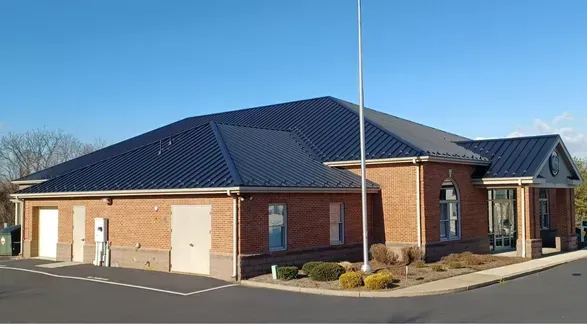
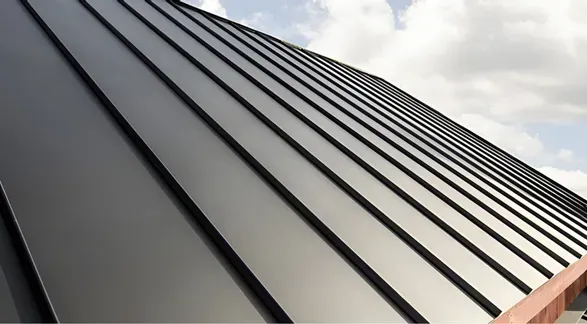
Standing seam is the gold standard of residential roofing. Raised locking seams hide all fasteners for a clean, modern look. Built with 26-gauge snap-lock panels, it adds style and durability to homes or offices and lasts 100+ years with proper care.
Pros
- Sleek Aesthetic: Clean lines with no visible screws. It's a really clean look.
- Zero Leak Points: No exposed fasteners or washers to crack or rot.
- Solar Ready: Panels allow solar clamps to attach without drilling holes.
- Storm Ready: The interlocking clip system, combined with how it's fastened, make Standing Seam a roofer's choice in areas of high wind and strong storm activity.
Cons
- Higher Investment: More expensive material and more labor-intensive installation.
- Oil Canning: Flat metal panels can sometimes show a "wavy" appearance (oil canning) in certain light. This is cosmetic, not structural, but something to be aware of. To minimize this effect, panels can be bought with striations, or tiny ridges to provide rigidity.
Option B: Corrugated / Ag Panel (The "Exposed Fastener" System)
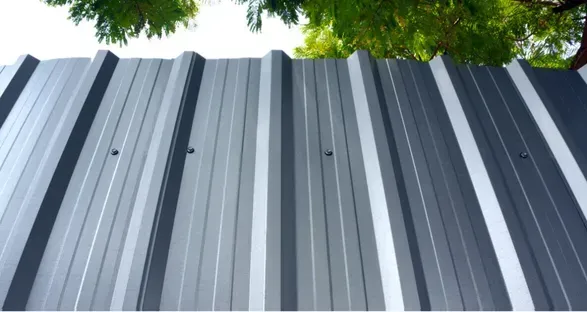
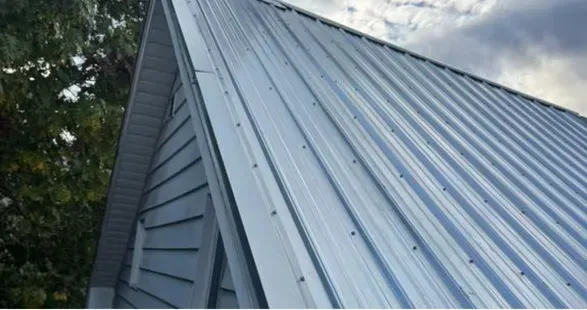
Standing seam is the top choice for metal roofing in PA. Its floating panels use hidden clips to handle temperature changes. For barns and sheds, 28-gauge corrugated panels are a smart option-affordable, sealed tight, and built to last 40+ years.
PROS
It’s much more budget-friendly and delivers a classic ranch or industrial look. Installation is faster and less complex, making it a practical, no-nonsense option for larger roofs and projects.
CONS
With exposed screws, the rubber washers eventually dry rot. This means full screw replacement every 10–15 years to prevent leaks, making it a higher-maintenance choice for metal roofing in PA.
3-tab shingles are the original asphalt shingle. They get their name from the three tabs cut into each shingle (each shingle is approximately 36" long with 3 tabs).
Although 3-tab shingles usually cost less than architectural shingles, they are a bit more labor-intensive to install. This is because the tabs all need to line up perfectly so they look good from the ground, and it takes some know-how and time to get them lined up as they're installed.
Because of this, most roofing companies charge similar prices or don't even make a distinction in price between Architecturals and 3-tab shingles. 3-tab shingles tend to be more vulnerable to blowing off in windy conditions, and usually come with a shorter warranty period than other shingle styles.
Not sure which Metal roofing fits your home? We bring full-size samples to every inspection.
PROS & CONS OF METAL ROOFING
Metal roofing in PA is known for durability and performance, but understanding its pros and cons is key to choosing the right system for your home.
PROS
- Cost-effective for most budgets
- Widest range of colors and styles
- Easier and faster to repair than metal or slate
PROS
- Superior wind, hail, and weather resistance
- Energy-efficient and reflective surface
- Low maintenance
- Increases home value
- Fire-resistant and environmentally friendly
- Upgraded look and function (over shingles)
CONS
- Higher upfront cost compared to shingles
- Can be noisy in heavy rain without proper insulation
- Exposed fastener systems require periodic tightening
- Not ideal for flat or low-slope roofs
If you're planning to stay in your home long-term or want the best protection available, metal roofing offers unmatched lifetime value.
Click here to see a longevity comparison chart for metal roof vs. other materials.
The System - parts of an Asphalt Shingle Roof
A strong, long-lasting asphalt roof is a complete system, not just the shingles on top. Each layer works together to protect your home from water, wind, and weather while boosting energy efficiency and durability.
6 Key Layers of an Asphalt Shingle Roof
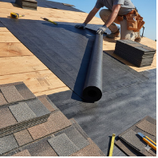
Leak Barrier
Stops water intrusion in valleys, eaves, and vulnerable areas.
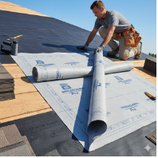
Deck Protection
Underlayment that shields the roof deck from moisture.
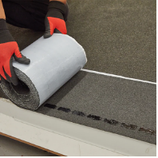
Starter Strip
Ensures proper alignment and wind resistance of the first shingle course.
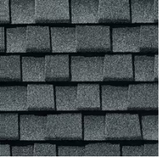
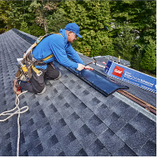
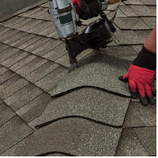
What a Metal Roof Replacement Looks Like (From Start to Finish)
The timeline and flow of a shingle roof replacement generally looks like this:
- Arrival - We typically place a dumpster in your driveway the evening before the crew arrives, or the morning of. The crew arrives around 7am, and begins staging the site.
- Property Protection - First up, we work on the ground covering and protecting things such as shrubs, AC units, flower bed ornaments, deck chairs and so forth.
- Tear off and cleanup - Taking the old roofing materials off, one shingle at a time.
- Roof repairs - Sometimes there's rotten wood or other issues that need to be addressed before a new roof can be installed.
- Install the new Shingle system - Starting with leak barrier and underlayment, and ending with the shingles, cap shingles and flashing details.
- Clean up - Our goal is to leave the building and premises in better condition than we found them, so clean up is a painstaking process of raking, sweeping, running a magnet for loose nails, and ensuring that everything is clean and safe.
- Final inspection - Job supervisor does a final quality control inspection on the roof and on the ground.
We follow a meticulous process we call "The Seamless Way." We start by protecting your property with the Equipter "Roof Buggy" to catch debris. After stripping the old materials, we prep the deck, install the underlayment, and custom-fit your metal panels. We finish with a 21-point inspection to ensure every detail meets our 30-year standard of excellence.
How Much Does an Asphalt Shingle Roof Cost?
Understanding the cost of an asphalt shingle roof can help you make the right choice for your home. While prices vary depending on style, quality, and home size, here’s a quick overview of the typical cost ranges for each shingle type.
| Shingle Type | Description | |
|---|---|---|
| 3-Tab Shingles | Single-layer, flat-profile shingles. Simple, functional, and budget-friendly. | $6 - $7 per square foot |
| Architectural Shingles | Multi-layered, dimensional shingles offering style, durability, and excellent value. | $6-$7.50 per square foot |
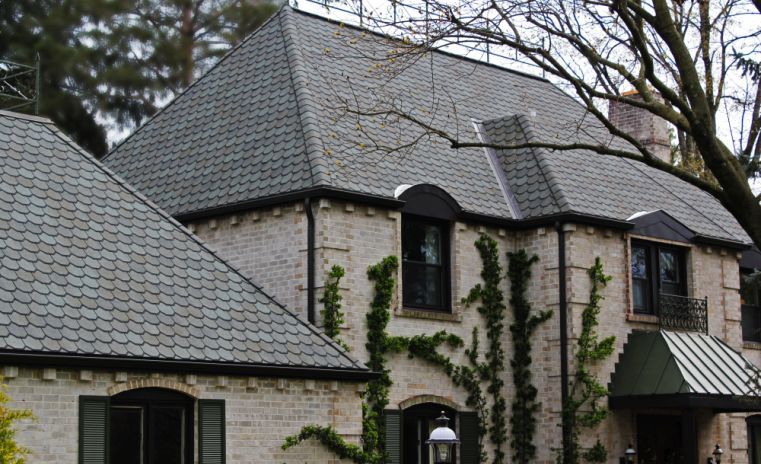
| Designer / Slate Shingles | Artisan-crafted shingles designed for premium appearance and estate-level curb appeal. | $9-$12 per square foot |
For detailed pricing by home size and shingle type, visit our Residential Roof Replacement Pricing page.
How long does an Asphalt Shingle roof last?
A roof is a long-term investment, and choosing the right shingles means knowing how long they’ll protect your home. At Joyland Roofing, we only install systems built to last, backed by industry-leading warranties for your peace of mind.
What to Look for in a Shingle Roof Warranty
Decking Requirements
Ensure your roof deck meets manufacturer standards for warranty coverage. A manufacturer could deny your claim if the roof is installed over decking that's not approved.
Workmanship coverage
Watch VideoFind out what kind of workmanship warranty you get. Some manufacturers offer workmanship coverage for a list of approved contractors. Many roofers offer their own separate workmanship warranty. Go for a strong workmanship warranty with minimal fine print. Workmanship issues are almost always to blame on a failed roof system.
Leak Protection
Check if the warranty covers leaks caused by material defects. Some shingle manufacturers ONLY provide coverage if you have an active leak. So in a case where your shingles may be defective but they're not yet causing a leak, these manufacturers' warranties would not cover the defect.
Coverage Length
Watch VideoUnderstand prorated vs. non-prorated terms (see video below), and look for exceptions. A lifetime warranty may only cover defects, or defects and workmanship, or workmanship only.
Transferability
Some warranties can transfer to a new homeowner if you sell your property, and others are not transferable. This can be a selling point if you plan to sell the house in the future.
The Joyland Promise
Don't Pay a Penny til you're Pleased
That's it. For single-family homeowners, we don't require any money down. Not only that, if you're not happy with the work we've done, we're not going to force you to pay us.
We stand behind our work with the GAF Golden Pledge Warranty:
- Lifetime materials coverage
- Up to 30-year workmanship coverage
What Your Neighbors Say








Ready to See Metal Roof Samples on Your Home?
Frequently Asked Questions - Residential Roofing
Will it look wavy (Oil Canning)?
- The Truth: On wide, flat panels, metal can develop a wavy appearance called "Oil Canning." This is purely cosmetic and does not affect the roof's integrity.
- How Joyland Fixes It: We use 26-gauge metal (thicker than standard) and can add "striations" (small stiffening ribs) to the panel face. This breaks up the flat surface and virtually eliminates visible oil canning. Striations are optional.
- If you don't like how striations change the looks, you can also choose a textured panel finish instead of a smooth/gloss finish. This significantly reduces the sheen/glare of the metal, and does a really good job of hiding oil canning.
Is metal roofing noisy when it rains?
In a barn with open framing? Yes. On your home? Depends on your attic insulation. It's a fact that rain on a metal roof is louder than on a shingle roof, but with good insulation, you don't notice much difference from inside the house.
Will a metal roof rust?
We use Galvalume steel substrate—a specific alloy of zinc and aluminum that prevents rust. Combined with our factory-applied paint system, your roof is engineered to resist corrosion for decades. Note: If you live immediately on the coast (salt spray), we recommend pure aluminum instead, because even the best coatings will corrode over time.
Can I install a metal roof over my existing shingles?
Metal needs to be installed on a smooth surface. Most shingles are uneven, which can cause the metal to buckle or "oil can." Furthermore, standard asphalt granules can scratch the back of the metal panels as they expand and contract, inviting rust from the inside out.
We've had success installing metal over 3-tab shingles that are still laying nice and flat. We put down a protective underlayment to keep the metal off of the actual shingles, and then put the metal on top of that.
Another option is to install wood lath/furring strips on top of the shingles, and then put the metal on that (this only works with corrugated metal).
What is a good gauge of metal to use?
We install 26-gauge for Standing Seam and 28-gauge for Corrugated. Many budget competitors use 29-gauge (thinner), which is prone to denting from hail and bending during high winds. Our thicker specs ensure a Class 4 Impact Rating.
Does a metal roof attract lightning?
No. Metal conducts electricity, but it does not "attract" it. In fact, a metal roof is safer during a storm because it is non-combustible (Class A Fire Rating). If struck, it disperses the energy safely (metal is a good conductor) rather than catching fire like wood shakes or asphalt.
How do you handle snow sliding off the roof?
Metal is slippery. Snow will slide off in large sheets, which can damage gutters or landscaping. For this reason, we almost always recommend installing Snow Guards (color-matched clips) that hold the snow in place and allow it to melt gradually.
What happens if a panel gets damaged? Is it easy to fix?
This is one downside of Standing Seam. Because the panels interlock, you cannot simply "swap out" one panel like a shingle. You may need to un-clip a section of the roof to replace a damaged piece. However, damage is rare due to the material's strength.
Does the color of the metal fade over time?
All paint fades eventually, but we use high-performance Kynar 500 or SMP paint systems that come with a 35-45 year warranty against chalking and fading. You can expect your roof to look vibrant for decades.
Why do you use "Snap-Lock" Standing Seam instead of "Mechanical Lock"?
For residential roofs (3/12 pitch and greater), Snap-Lock offers the perfect balance of wind uplift protection and cost efficiency. Mechanical lock (which requires a robot to crimp the seams) is typically reserved for commercial low-slope applications and costs significantly more without adding necessary value for a standard home.