January 1, 2026
Roofing Subcontractors: Why the Crew on Your Roof Matters More Than the Logo on the Truck
Author
Most homeowners never think about who’s actually swinging the hammer on their roof, but the truth is this: roofing subcontractors determine whether your new roof lasts 5 years or 25. The brand name on the estimate matters far less than the people climbing the ladder. In an industry driven by specialization, technology, and regional demands, the crew on your roof is the real difference-maker—long before you ever see a logo or sign a contract.
Table of Contents
The Reality of Modern Roofing Labor
- How We Find and Vet the Best Crews
- The Woodlands Case Study: A Market of Its Own
- The Hidden Dangers of Liability and Insurance
- Final Thoughts: Don't Manage This Mess Alone
TL;DR
- The "jack-of-all-trades" is a myth. Modern roofing needs specialized crews who stick to one lane—whether that's metal, slate, or shingles.
- The clipboard is dead. We require our crews to use drones and apps to document every single step. If there's no photo, it didn't happen.
- Finding good help isn't about browsing Craigslist. It’s about scouting supply houses at 7:00 AM and physically climbing ladders to check past jobs.
- The Woodlands is a unique beast. Between strict HOAs and steep, complex roofs, you need crews with specific "windstorm" experience and a white-glove approach to your property.
- Insurance is where people get burned. Many subs carry cheap policies with loopholes that leave you liable if an accident happens. We make sure those loopholes are closed.
The Reality of Modern Roofing Labor
Let’s be honest about how this industry actually works. The line between a "laborer" and a business partner has blurred. We aren't just hiring bodies to haul shingles up a ladder anymore; we are navigating a shifting economy. Labor shortages are real, and the technology needed to install a roof correctly has way outpaced what the old-school crews are used to. To understand the modern roofing subcontractor, you have to look at how the industry has changed from the ground up.
For a look under the hood at our specific approach, check out who’s really on your roof inside Joyland’s subcontractors system. The scale of this industry is massive. In fact, the global roofing industry is predicted to hit $280 billion by 2029. With that much money on the table, the pressure to find the right people—not just any people—is higher than ever.
The Labor Shortage & Specialization
You simply won't find many generalists these days. The labor pool is shrinking, which forces crews to pick a lane and stay in it. That's why we look for highly specialized roofing subcontractors. One crew might be artists with metal standing seam but have no clue how to handle asphalt shingles. That specialization is necessary because the general labor pool just doesn't have the depth to support the "do-it-all" handyman anymore.
It’s also an aging workforce. Currently, the median age of a roofer is 37.5 years old, and nearly half of them are over 35. As the older experts retire, there aren't enough young pros coming up behind them. That means we have to be incredibly aggressive to secure the talent that's left.
Migratory Labor Patterns
Storm-chasing crews move across state lines like clockwork. We have to distinguish between the travelers who disappear when the rain stops and the local, warranty-backed installers who actually live in our community. Knowing the difference saves you from the guys who won't be around to fix a leak in six months. It is vital to know how to spot a roof storm chaser so you don't get caught up in a scam.
The "Specialist" Premium
Specialization costs money. Crews that focus on slate, tile, or commercial flat roofing command higher rates. We pay that premium willingly because it ensures the job is done right the first time. In this market, skill is a commodity, and you get what you pay for.
Technology: No More Clipboards
Hammers and nails are the baseline, but if a crew can't handle digital tools, they can't work for us. It’s that simple. We expect our subcontractors to plug directly into our systems.

Drone-Based Quality Control
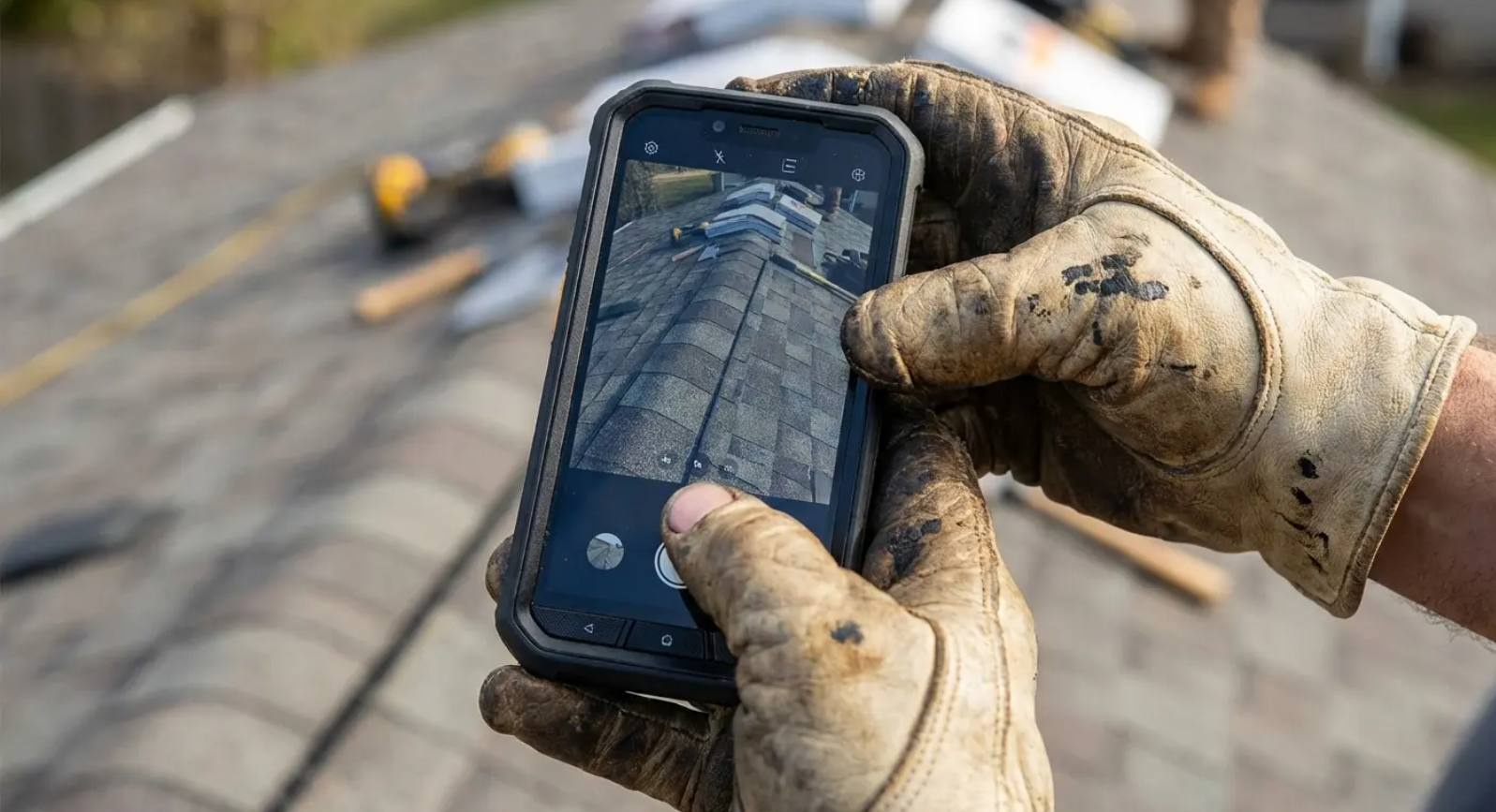
We use autonomous drones to verify tear-offs and nailing patterns. This lets us check quality without slowing down the guys on the roof. It keeps everyone honest and creates a digital paper trail that protects you.
Digital Wallet Integration
Paper checks are too slow. We’ve shifted toward instant digital payouts the moment a milestone is complete. It helps us keep the best crews happy because they know they’ll get paid the second the work is verified.
CRM Mobile Field Apps
We require crews to use apps like CompanyCam or AccuLynx. They have to document the job site in real-time. This isn't just for us; it’s for liability. If it isn't documented in the app, as far as we're concerned, it didn't happen.
Automated Material Ordering
We use AI tools to double-check measurements and catch ordering errors before the job even starts. It saves money and keeps your driveway from turning into a graveyard of unused shingles.
The "Sub" vs. "Employee" Legal Shift
The IRS and Department of Labor watch this industry closely. Misclassification is a major legal risk. We have to understand the nuance that keeps a roofing subcontractor independent. This protects us, and by extension you, from messy tax penalties and legal nightmares.
The IRS Checklist (Simplified)
- Control: Does the worker decide how to install the roof? (Yes = Contractor)
- Investment: Do they own their own trucks and tools? (Yes = Contractor)
- Contract: Is there a written agreement stating they are independent? (Yes = Contractor)
- Freedom: Can they go work for other companies if they want? (Yes = Contractor)
- Payment: Are they paid by the job, not by the hour? (Yes = Contractor)
Behavioral and Financial Control Tests
We look at specific criteria to define the relationship. Do they set their own hours? Do they have the potential to make a profit (or loss)? These are the tests that legally define a true subcontractor relationship.
How We Find and Vet the Best Crews
Knowing how to find roofing subcontractors is the biggest bottleneck for growing businesses. We don't just hope good crews show up. We have a tactical process to hunt down talent that is available, reliable, and skilled. The market is flooded with guys who call themselves roofers, but only a small percentage meet the standards for high-end residential work.
If you are trying to do this yourself, our guide on 8 tips to find & hire the best roofing contractor outlines the rigorous standards we apply to everyone we hire.
Where We Actually Look
Craigslist is usually a disaster. We diversify where we look so we aren't relying on one source.

Supply House Networking
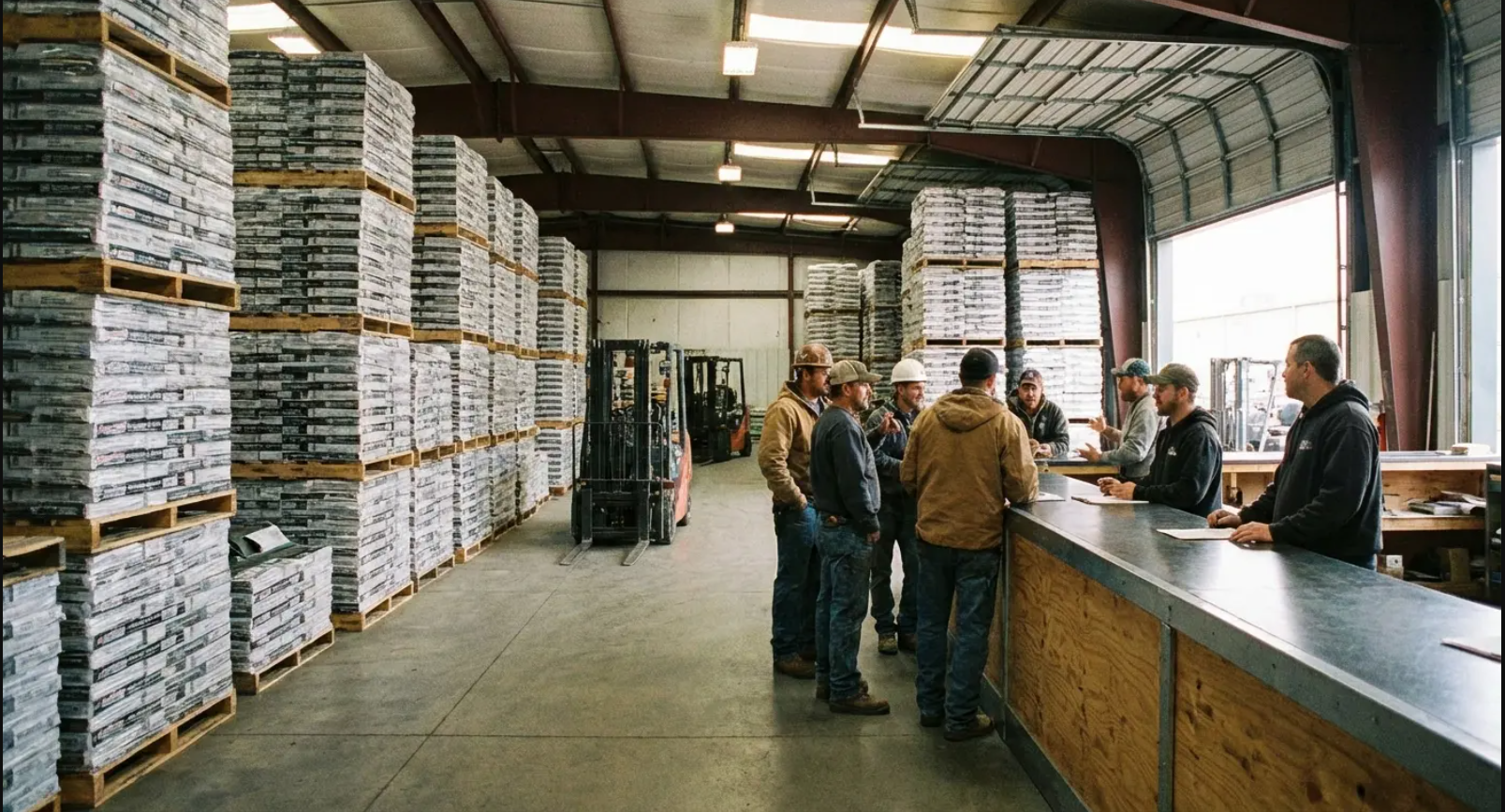
We visit local ABC Supply or Beacon branches at 7:00 AM. We watch who is buying materials and paying bills on time. The crews that are organized enough to be there early—and have their finances in order—are the ones we want to talk to.
Scouting Competitor Sites
We keep an eye on active job sites in the area. We look at cleanliness and safety before we ever approach a crew lead. If their current job site is a mess, we know they won't respect your property either.
The Vetting Protocol
Finding them is just step one. The vetting process is a gauntlet. We ensure every roofing subcontractor carries the necessary liability protection and actually has the skills they claim to have.
| Vetting Criteria | The "Truck & Ladder" Guy | The Professional Sub |
|---|---|---|
| Insurance | "I'll get it if I get the job." | Active COI with $1M+ General Liability on file. |
| Safety Gear | Sneakers and shorts. | Harnesses, ropes, and OSHA-compliant gear. |
| Documentation | Hand-written notes on a napkin. | Uses CRM apps, uploads daily photos, digital invoicing. |
| Crew Stability | Picks up day laborers at Home Depot. | Consistent team of long-term partners. |
| Warranty | "Call me if it leaks" (Number disconnected later). | Written workmanship warranty backed by the prime contractor. |
Insurance Verification (The Big One)
We request a Certificate of Insurance directly from their broker. We never take it from the sub's hand. We have to ensure the policy is active and covers "open roof" exclusions. If they don't have the right coverage, they don't step foot on our jobs.
The consequences of hiring uninsured crews are severe. A recent case in Minnesota saw a former subcontractor for American Roofing & Siding claim the company owes him $200K. The state revoked the company's license, but because the contractor wasn't insured properly, the subcontractor couldn't recover the funds. It's a mess you don't want to be part of.
Physical Audits
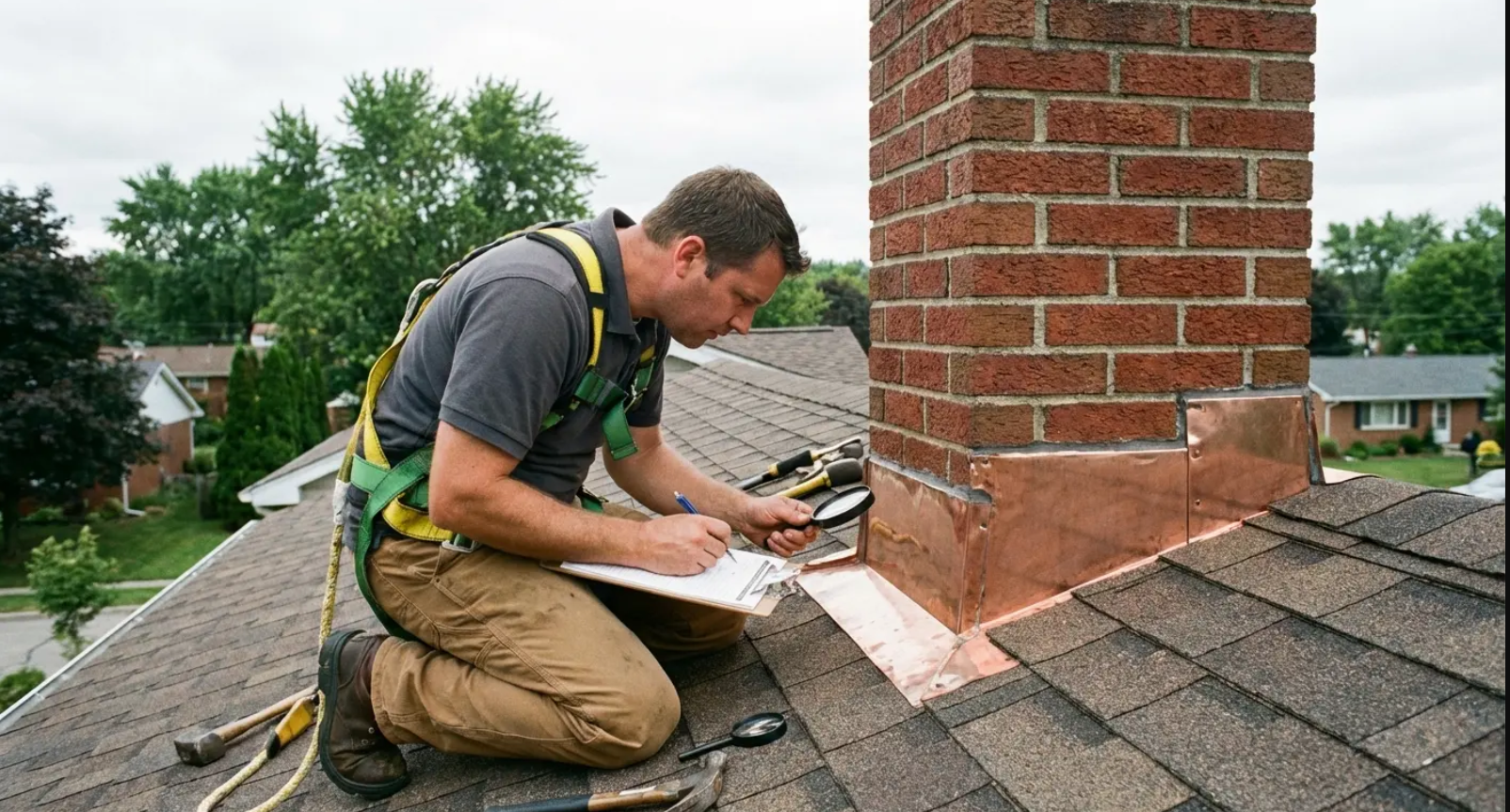
Photos can be faked. We physically visit three roofs installed by the sub in the last six months. We inspect flashing details and ridge cap straightness with our own eyes.

The Woodlands Case Study: A Market of Its Own
Roofing is hyper-local. To really understand the role of a roofing subcontractor, we have to look at where the work is happening. We use The Woodlands, Texas, as the perfect example. The local climate, affluence, and competition dictate exactly how subcontractors have to behave here.
"The Woodlands" Factor
In high-end markets, you expect prestige, not a low price. A roofing company The Woodlands residents hire has to provide white-glove service. Our subcontractors are trained in how to talk to homeowners and protect property because the expectations here are simply higher.

HOA Compliance
The Woodlands roofers have to navigate strict HOA rules. We deal with specific shingle colors and strict rules on where dumpsters can go. We need subs who can follow detailed instructions without cutting corners.
Protecting Your Landscape
The specific roof repair The Woodlands homes require often involves working around expensive landscaping. Our subs use landscape tarps and plywood protection for driveways. We treat the property with the same respect as the roof itself.
Storm Response and Competition
This area gets hit hard by the weather. When storms hit, the roster of Roofers The Woodlands has available is often swamped. It creates a fight for labor. Local knowledge of "windstorm certification" becomes a critical skill we look for.
Example: The "Wind vs. Hail" Skill Gap
Imagine a major storm hitting. A "hail crew" arrives from out of state. They are incredibly fast at tearing off shingles but lack the carpentry skills to repair wind-damaged rafters or complex soffit work. We reject this crew for wind damage claims because they will likely cover up structural issues rather than fix them. We only deploy local crews with carpentry experience for wind claims.
The "Out-of-Town" Risk
We mitigate risk by avoiding storm chasers. A truly local The Woodlands roofing company knows the local Texas windstorm building codes. Out-of-towners often miss these details, leaving you with a roof that isn't up to code.
Why You Can't Just Hire the Sub Directly
Homeowners searching for "roofing subcontractors" are usually trying to bypass the General Contractor to save a buck. But in complex markets like this, they often come back to a full-service The Woodlands roofing company they can trust. The warranty gap is too big to ignore. Data shows that over 55% of people run an online search before booking a home service, looking for reviews and credibility that a solitary subcontractor simply cannot provide on their own.

The Warranty Gap
A direct-hire subcontractor rarely offers a labor warranty that holds up in court. We explain this to homeowners all the time. A bonded roofing company provides a layer of protection that a guy with a truck simply cannot match.
A breakdown in the relationship can leave warranties in limbo. In a complex situation in Texas, the El Paso Independent School District withheld $373,000 because they could not secure a 25-year warranty due to disputes between the GC and subs. Without a solid General Contractor managing the process, the warranty is always at risk.
Pricing in Affluent Suburbs
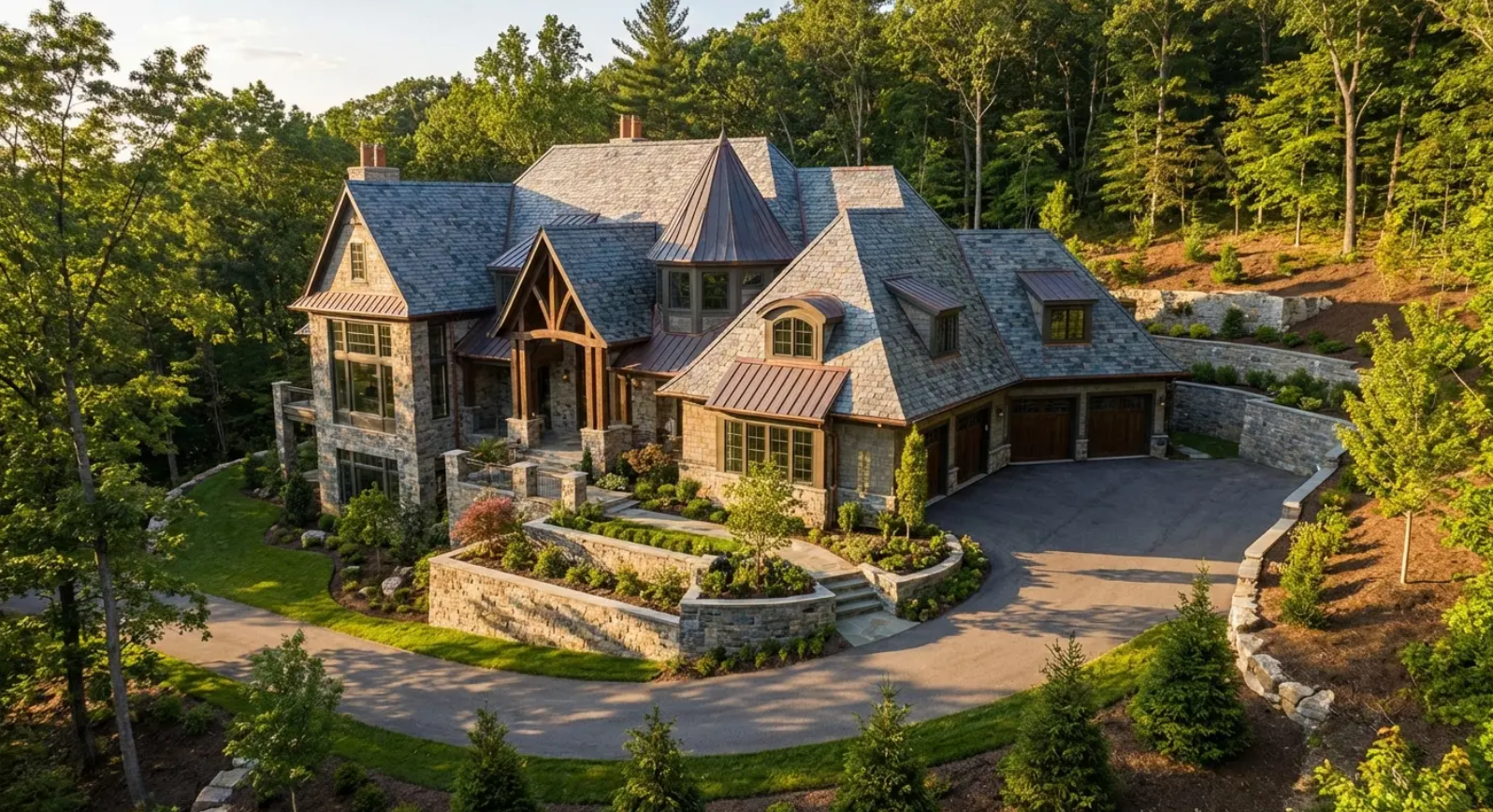
Subcontractors working for a The Woodlands roofing company demand higher rates. The roofs here are steep and complex. We have to pay for the skill required to navigate that architecture safely.
Understanding what should a roofing estimate include helps clarify why these labor costs are necessary.
| Pricing Factor | Impact on Cost | Why It Matters |
|---|---|---|
| Roof Pitch (Steepness) | + 20-40% | Crews need ropes and harnesses. They move much slower on 12/12 pitches to stay safe. |
| Access Difficulty | + 10-15% | If a boom truck can't reach the roof, we have to hand-load materials. That takes hours of hard labor. |
| Material Type | + 30-50% | Installing synthetic slate or designer shingles requires specialized training. One mistake costs thousands. |
| Complexity | + 15-25% | More valleys and dormers mean more cutting and flashing. It slows down the entire process. |
Steep Charge and Complexity
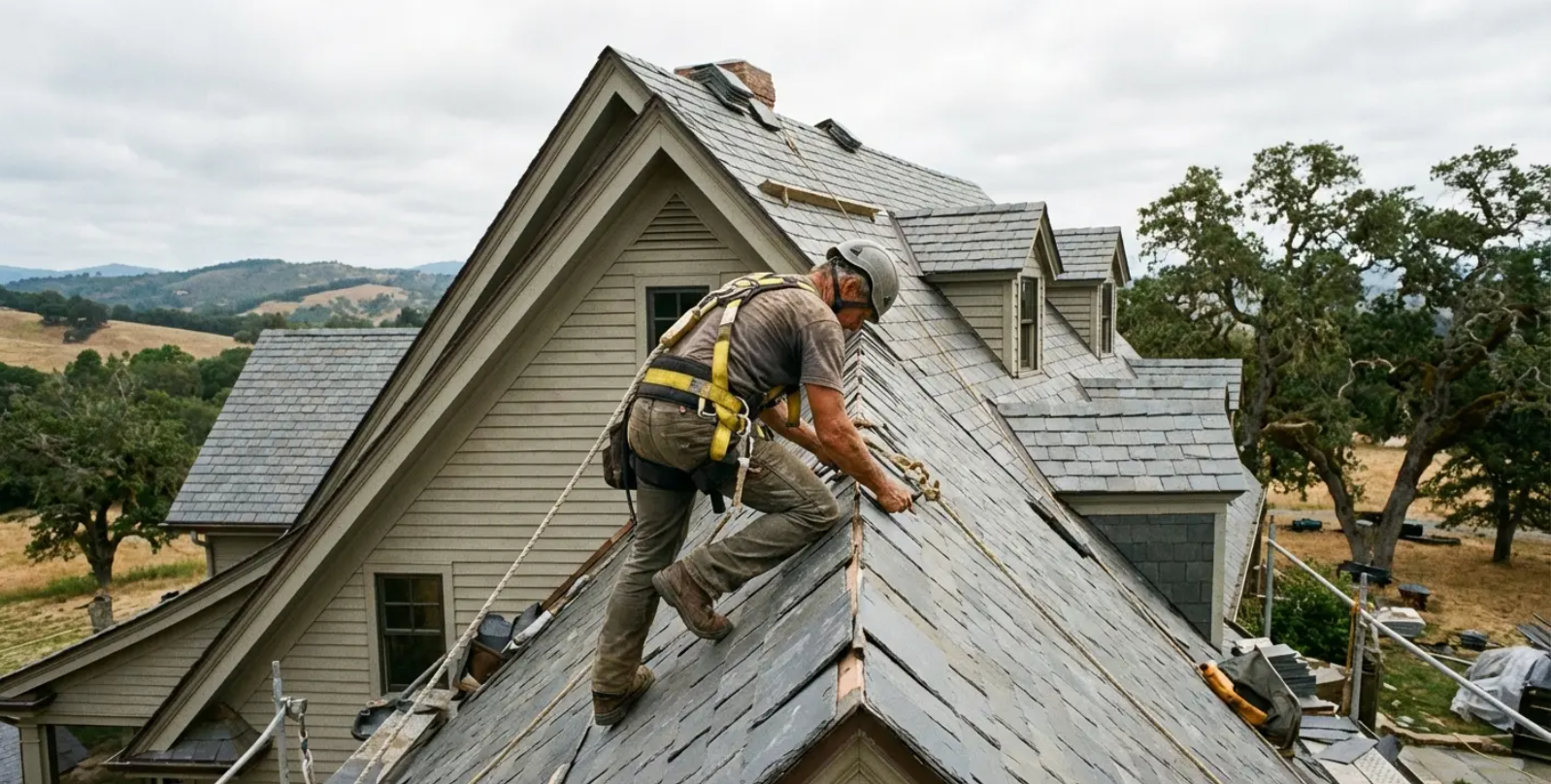
We calculate fair pay based on the pitch. The 12/12 pitch roofs common in The Woodlands are dangerous. We factor that into the pricing model so the crew doesn't rush and make a mistake.

The Hidden Dangers of Liability and Insurance
The most dangerous aspect of hiring roofing subcontractors is the transfer of liability. If a sub falls or causes a fire, you or the prime contractor are on the hook. We establish specific legal frameworks to stop this from becoming your financial disaster.

The "General Liability" Gap
Not all insurance policies are created equal. A roofing subcontractor might show you a policy that looks valid, but it could be full of holes. We know how to spot the exclusions that render a policy useless. You should look for these tell-tale signs of a good roofer to understand what real safety documentation looks like.
The "Action Over" Trap
We look for sneaky policy language that prevents a subcontractor’s employee from suing the General Contractor. This is a critical clause often missing in cheap policies.
Here is the nightmare scenario:
A subcontractor’s employee falls off your roof and gets hurt. He collects Workers' Comp, but then he sues
you (the homeowner) or us (the General Contractor) for negligence. If the subcontractor's insurance policy has an "Action Over Exclusion," their insurance company will refuse to pay the claim. We ensure that exclusion is
not present.
Height Limitations
We verify that the subcontractor's policy doesn't have a "2-story limit." If we are hiring them for a tall project, their insurance needs to match the height. We check the fine print so you don't have to.
Final Thoughts: Don't Manage This Mess Alone
Managing roofing subcontractors is a full-time job. From verifying insurance to navigating local nuances like those in The Woodlands, the risk is immense. You shouldn't have to worry about how to find roofing subcontractors who are insured or if they know local wind codes for the roof repair The Woodlands homes require. That is where Joyland Roofing comes in.
We act as the gatekeeper. We absorb the liability and handle the headaches. We ensure every crew is local, accountable, and safe. We don't just sell you a roof; we sell a vetted process that protects your home and your wallet.
The Difference is Clear:
- The Nightmare: You hire a "cheap" crew online. They hit a gas line, cause a fire, and you discover their insurance expired last month. You are now personally liable.
- The Joyland Way: Our vetted crew hits a snag. We deploy our project manager immediately, our active insurance covers the issue, and the problem is resolved within hours at zero cost or stress to you.

Search Blog