The Most Vulnerable Parts of Your Roof – Residential
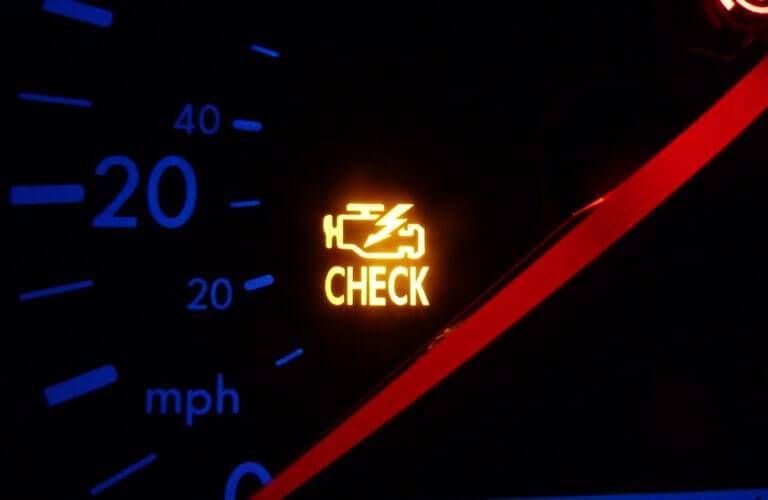
If you own a car, you don’t need to know how to replace the alternator, arc the solenoid, or even change the oil. You do, however, need to notice when the warning lights come on.
Owning a roof is no different. You don’t have to be a roofer, but it’s important to know when you need one. At this point, roofs don’t have warning lights the way cars do (but who knows what the future holds), so a homeowner should understand where the most risk-prone places on their roof are, so they can be prepared to notice potential problems as they arise.
This list will help you monitor the most vulnerable points on your roof.
Potential Problem Areas
Eaves
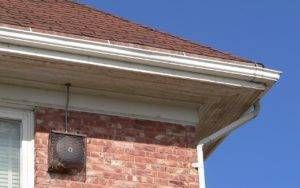
Eaves – the bottom edges of a roof – are prone to leaking if water runs up under the first shingle or behind the fascia. Even if you don’t see any leaks, water can still damage your roof decking and weaken your roof.
Over time, leaks can damage the wood of your eaves, and you may see sagging in the roof, or rotting in the fascia wood behind your gutters.
Ridge Vent
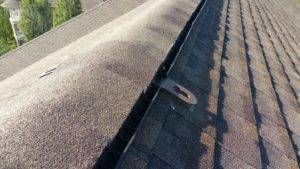
If your house has a vent system at its peak, that’s another area to keep an eye on. One-piece metal vents, especially, will leak over time and need to be replaced.
If you have attic access, it’s important to examine your roof from the inside to check for signs of leaking under the ridge vent. Wet or stained wood means your ridge vent should be replaced.
Valleys
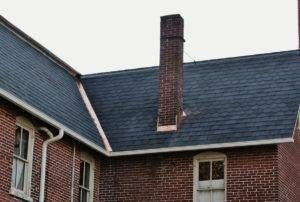
Depending on how it was originally shingled, a valley can be a weak point in your roof. Combining that with water converging from two roof faces makes valleys another high-risk part of your roof.
Watch out for dips, bulges, and cracks in the shingles, and if you have attic access, make sure to check the valley area for signs of leaking.
Flashing
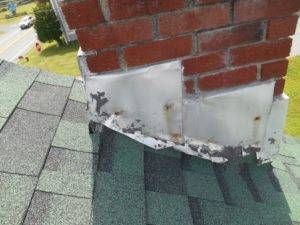
Anywhere metal is used to make vertical surfaces watertight, leaks are possible. Flashing is used around chimneys and skylights, and any time the roof connects to a wall. If flashing isn’t correctly installed, it’s definitely a leaking hazard.
Look for flashing that is misshapen or has come loose from the wall, as well as leaks inside your home.
Pipe Boots
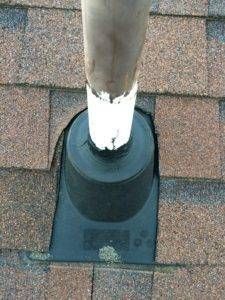
The rubber boots used to seal vent pipes usually have a limited lifespan. Eventually, the rubber will become brittle and crack, allowing leaks.
If your pipe boots are more than ten years old, or if you see cracking in the rubber, they should be replaced with new pipe boots.
What To Do
Keep a close eye on these vulnerable parts of your roof, especially as your roof ages. If you notice any warning signs in these areas, contact a professional roofer for a roof inspection.
A roofer will be able to analyze the state of your roof and help develop a maintenance plan that will extend the life of your roof as long as possible.
Contact Us

To learn more about your roof, or to schedule a roof inspection, contact Joyland Roofing at 717-744-0987 or you can contact us online HERE.