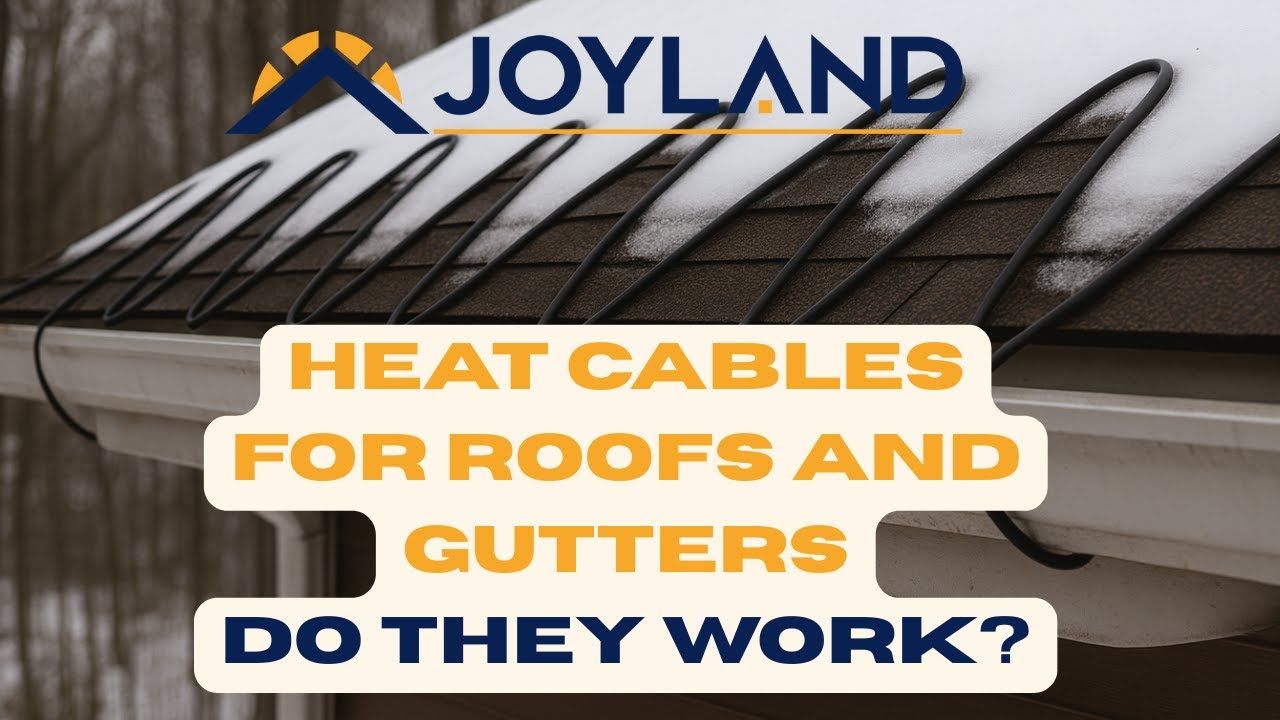
Winter weather brings an important question for homeowners: should you install heat cables—also called heat tape—along your roof edges and gutters to prevent ice dams? This guide explains how heat cables work, the pros and cons, and what type may be best for your home. We’ll also look at why insulation is just as important as adding heat cables. Why Ice Dams Form on Roofs Ice dams happen when heat escapes from your home into the attic. Even if your attic is insulated, warm air can rise and heat the underside of your roof. That warmth melts the snow, and the water runs down toward the roof edge. When it reaches the cold gutters or overhang, it refreezes, building thick layers of ice. The result: heavy icicles, clogged gutters, and potential roof damage. The first line of defense should always be proper attic insulation and ventilation. A well-insulated attic should be nearly as cold as the outside air, preventing uneven melting in the first place. How Heat Cables Work Heat cables run in a zigzag pattern across the roof edge and inside gutters. They gently warm the surface, creating channels in the ice so water can drain properly through the gutters and downspouts. For them to work effectively: Install them on both the roof edge and gutters. Extend them into the downspouts to prevent refreezing. Turn them on early, before large ice dams form. Keep in mind, heat cables don’t completely melt all snow or ice. Instead, they create paths for water to flow, reducing the risk of backups. Constant Wattage vs. Self-Regulating Heat Cables There are two main types of heat cables. Choosing the right one can make a big difference in performance and energy efficiency. Heat Cable TypeHow It WorksCostBest ForProsConsConstant WattageRuns at one set temperature when plugged inLowerMild to moderate wintersAffordable, easy to findLess efficient, won’t adjust to conditionsSelf-RegulatingAdjusts heat output based on outside temperatureHigherHarsh winters with heavy snowEnergy efficient, safer for shingles/guttersMore expensive, usually need professional installation Limitations of Heat Cables Even with the best setup, heat cables have limitations: They won’t melt an entire sheet of ice. They can raise your electric bill if run for long periods. At very low temperatures (below 20–25°F), they may only create narrow tunnels through the ice, not fully clear it. That’s why addressing attic insulation is just as important. Less heat escaping into your attic means less snowmelt, less refreezing, and less reliance on cables. Why Ice and Water Shield Matters If your roof ever needs replacement, ice and water shield is a critical underlayment. It acts as a waterproof barrier under shingles, protecting your home when ice dams form. Combined with insulation and heat cables, it gives your home the strongest defense against winter damage. Final Thoughts So, are heat cables worth it? Yes—if used correctly. They won’t completely eliminate ice, but they can reduce the risk of ice dams and keep water flowing when paired with proper insulation. For homeowners in colder climates, self-regulating heat cables offer the best performance. Just remember: prevention starts in your attic, not just on your roof’s edge.
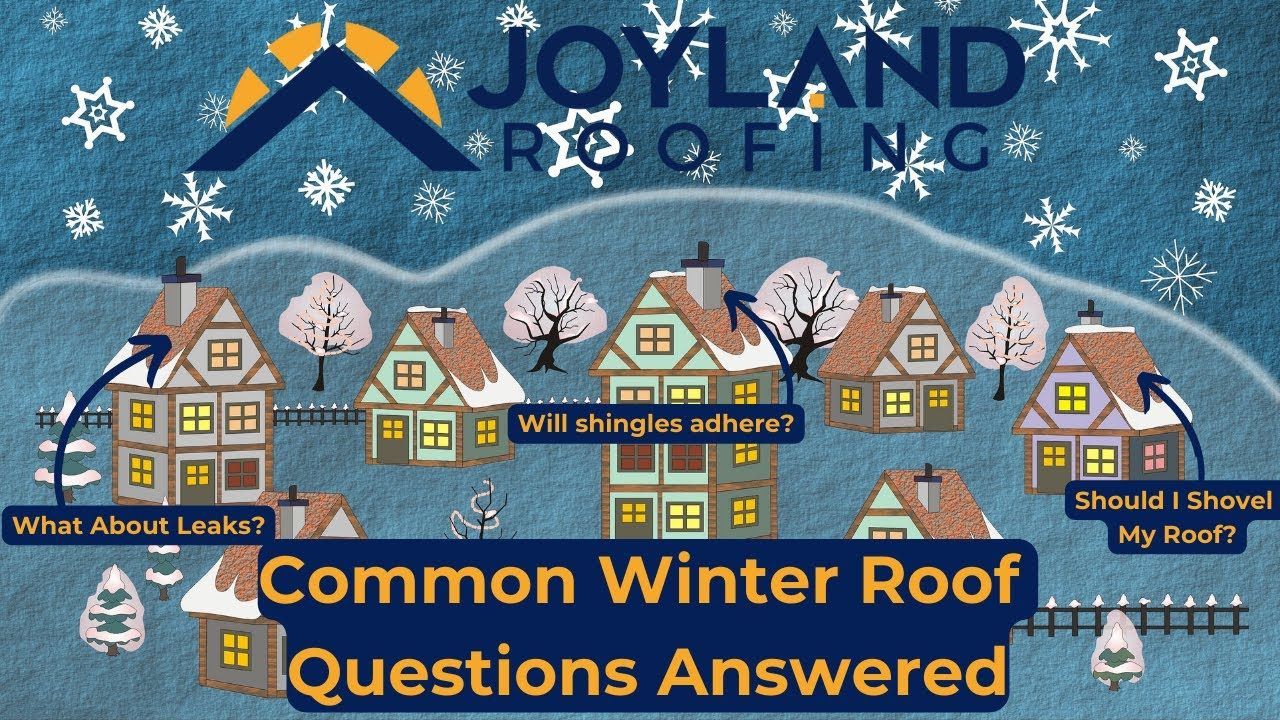
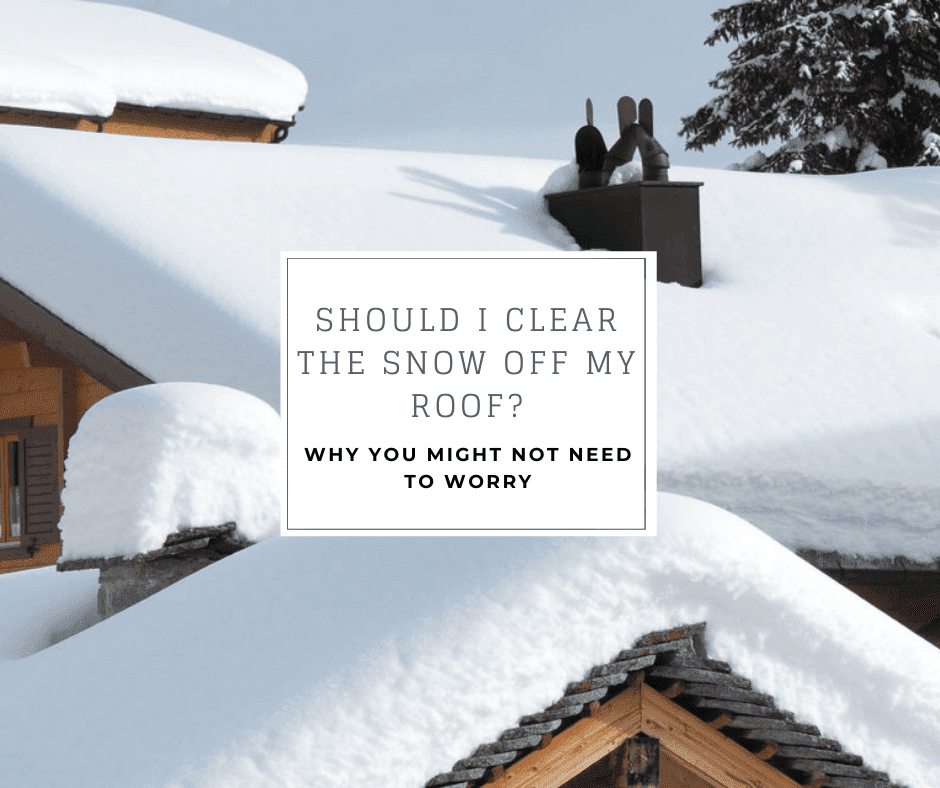
Cold weather roofing is a common concern for homeowners across Pennsylvania, especially when temperatures dip below freezing. Questions about shingle adhesion, leak risk, and snow load tend to surface during winter months. The reality is that asphalt shingles can be installed safely in cold weather when proper installation methods are followed. Understanding how shingles behave in lower temperatures helps homeowners make confident decisions about roof replacement during winter. How Shingle Sealing Works in Cold Temperatures Asphalt shingles are manufactured with a sealing strip along the underside. This strip activates when exposed to warmth, bonding each shingle to the one below it. This bond prevents wind uplift and helps the roof perform as a unified system. Cold temperatures alone do not prevent shingles from sealing. The sealing strip requires only a modest amount of heat to activate. Even on days when temperatures are around 25 to 30 degrees, direct sunlight can warm the shingles enough for the seal to engage. In some cases, shingles may take several days or longer to fully seal if sunlight exposure is limited. During this time, the roof still sheds water, snow, and ice effectively. Shingles are designed to function immediately after installation, even before the sealing strip fully activates. The Most Important Factor During Winter Shingle Installation While sealing strips are often the focus of concern, nail placement is the most critical factor during cold weather installation. Asphalt shingles become stiffer in low temperatures. If roofing equipment is not properly adjusted, nails can be driven too deeply, crack the shingle, or punch through the material entirely. Improper nailing reduces the holding strength of the shingle and can compromise long term performance. Cold weather roofing requires careful control of nail gun pressure and consistent attention to fastener placement. When installed correctly, shingles perform just as reliably in winter as they do in warmer seasons. Does Winter Roof Replacement Increase the Risk of Leaks? Winter conditions do not automatically increase the risk of roof leaks during replacement. In fact, rain poses a greater risk than snow or ice during roofing projects. Professional roof installation follows strict drying in procedures. At the end of each workday, the roof is made watertight regardless of the stage of installation. This standard applies year round, whether work is performed in winter, spring, summer, or fall. A properly dried in roof protects the home from moisture intrusion even during snowstorms or fluctuating winter weather. The key factor is not the season, but the quality of the installation process. Snow Load and Structural Concerns in Winter Residential roof systems in Pennsylvania and throughout the Northeast are engineered to support substantial snow loads. Accumulations of one to two feet of snow on a sloped roof are typically well within design limits. Removing snow from a sloped residential roof is generally unnecessary and can create additional risks. Shoveling snow off shingles can damage roofing materials, remove protective granules, or lead to personal injury. Flat commercial roofs follow different design standards. In rare cases involving extreme snowfall followed by heavy rain, snow removal may be warranted. For most residential roofs and typical winter conditions, snow load is not a structural concern. When to Contact a Roofing Professional in Winter Roof issues do not pause during colder months. Storm damage, leaks, and aging materials can still require attention in winter. Roof inspections and repairs during winter should be handled by trained professionals equipped with proper safety gear and cold weather experience. Navigating icy surfaces and understanding seasonal installation requirements are critical for protecting both the structure and the roofing system. Winter Roofing Done the Right Way Cold weather does not prevent successful roof replacement or repair. Asphalt shingles seal when exposed to sunlight, roofs remain watertight throughout installation, and properly designed structures handle snow loads effectively. The success of a winter roofing project depends on correct installation practices, experienced crews, and attention to detail. When those standards are met, roofing work can be completed safely and effectively during any season. Need a roof inspection during winter? C old weather does not stop roof problems from getting worse. A professional inspection can identify issues early and help prevent costly damage. Schedule a local roof inspection to make sure the roofing system is secure, watertight, and ready for the seasons ahead by clicking the button below.
Do Metal Roofs Attract Lightning? What Homeowners in Lancaster Should Know If you live in Central Pennsylvania, you’ve probably watched a summer thunderstorm roll in and wondered, even briefly, should I be worried about lightning hitting my house? That question tends to pop up even more often if you have, or are considering, a metal roof. Somewhere along the line, a myth took hold that metal roofs attract lightning. It sounds logical at first glance. Metal conducts electricity. Lightning is electricity. Case closed, right? Not quite. Let’s slow this down and talk through what actually happens during a lightning strike, why roof material is often misunderstood, and when lightning protection systems are worth considering in our region. Why Lightning Strikes Buildings in the First Place Lightning is not hunting for metal. It is hunting for the fastest and easiest path to the ground.Technically speaking, lightning is a massive static discharge. When it releases, it looks for the object that allows it to complete that connection with the least resistance. Most of the time, that means the tallest object in the immediate area. Trees. Towers. Church steeples. Homes on exposed hillsides. What those objects are made of matters far less than where they sit in the landscape. If lightning is going to strike a house, it is not because of the shingles or panels on the roof. It is because that house happened to be the best connection point to the ground at that moment. Does a Metal Roof Increase the Risk? No. A metal roof does not attract lightning more than asphalt, wood, or slate. In fact, if you zoom out and look at the physics, metal roofing can actually perform better during a lightning event. Because metal is a good conductor, it is able to spread electrical energy across the roof system instead of allowing it to concentrate in one spot. By contrast, materials like wood or asphalt do not conduct electricity well. When energy hits them, it tends to stay localized. That concentration is what leads to charring, combustion, or fire. Now, it is worth saying this plainly. A direct lightning strike is incredibly powerful. Thin metal panels are not invincible. A strike can still burn through metal roofing. But statistically and practically speaking, a metal roof is less likely to ignite during a strike than more combustible materials. So the short answer is no, metal roofs do not increase your odds of being struck by lightning. And they may actually reduce certain risks if a strike does occur. What About Lightning Rods? Lightning rods are often misunderstood as well. They are not designed to “absorb” lightning or take the hit so your house does not. Their real job is much simpler and much smarter. A lightning protection system provides a path with extremely low resistance for electricity to travel from the roof to the ground. The system usually includes rods mounted at key points on the roof, heavy gauge conductive cables, and long grounding electrodes driven deep into the earth. When lightning strikes, the energy does not linger. It moves incredibly fast, measured in milliseconds. Because the rod and cable system offer a better path than the structure of the house itself, the electrical charge bypasses framing, wiring, and interior components entirely. This is also why lightning rods do not instantly melt, even though they conduct enormous voltage. The electricity moves through the system so quickly that there is not enough time for heat to build up before the strike is over. Think of it less like a sponge and more like an express lane. Is Lightning Protection Necessary in Lancaster? For most homeowners in Lancaster County, lightning protection is not a necessity. It is a risk-based decision. A few factors matter more than roof type: - Topography Is your home on a hill, ridge, or open area with no taller trees or structures nearby? Elevated homes are more likely to become the preferred strike point. - Surroundings Tall trees, nearby buildings, and other vertical structures can reduce risk by taking precedence during a strike. - Regional strike density Lancaster sees thunderstorms, but it is not a high-density lightning region. Some parts of the country experience four times as many strikes per square mile annually. That difference matters. If your home is highly exposed, isolated, or located at a higher elevation, a professionally designed lightning protection system may be worth considering. For many homes in established neighborhoods with mature trees and surrounding structures, the risk remains relatively low. The Takeaway for Homeowners Lightning is about energy and pathways, not roof materials. A metal roof does not make your home more attractive to lightning. If anything, it may perform more predictably during an extreme electrical event. Lightning rods do not eliminate risk entirely, but when properly installed, they significantly improve how a building handles a strike. For homeowners in Lancaster and the surrounding areas, the decision usually comes down to location and exposure, not fear of metal. Storms will always roll through. The goal is not panic, it is understanding how your home actually works when nature gets loud. And as with most things related to your roof, the smartest move is separating long standing myths from real world physics. If you’re wondering how your specific home would handle a lightning strike, heavy storms, or long-term exposure, that’s a fair question and a smart one. Every house is different. We’re happy to take a look, talk it through, and give you straight answers without pressure, scare tactics, or guesswork. Your roof should give you peace of mind, not more “what ifs.”
Search Blog
Search Blog
Search Blog
Search Blog