


Search Blog
Search Blog
Search Blog
Search Blog

Search Blog
Search Blog
Search Blog
Search Blog
Search Blog
Search Blog

Search Blog

Search Blog
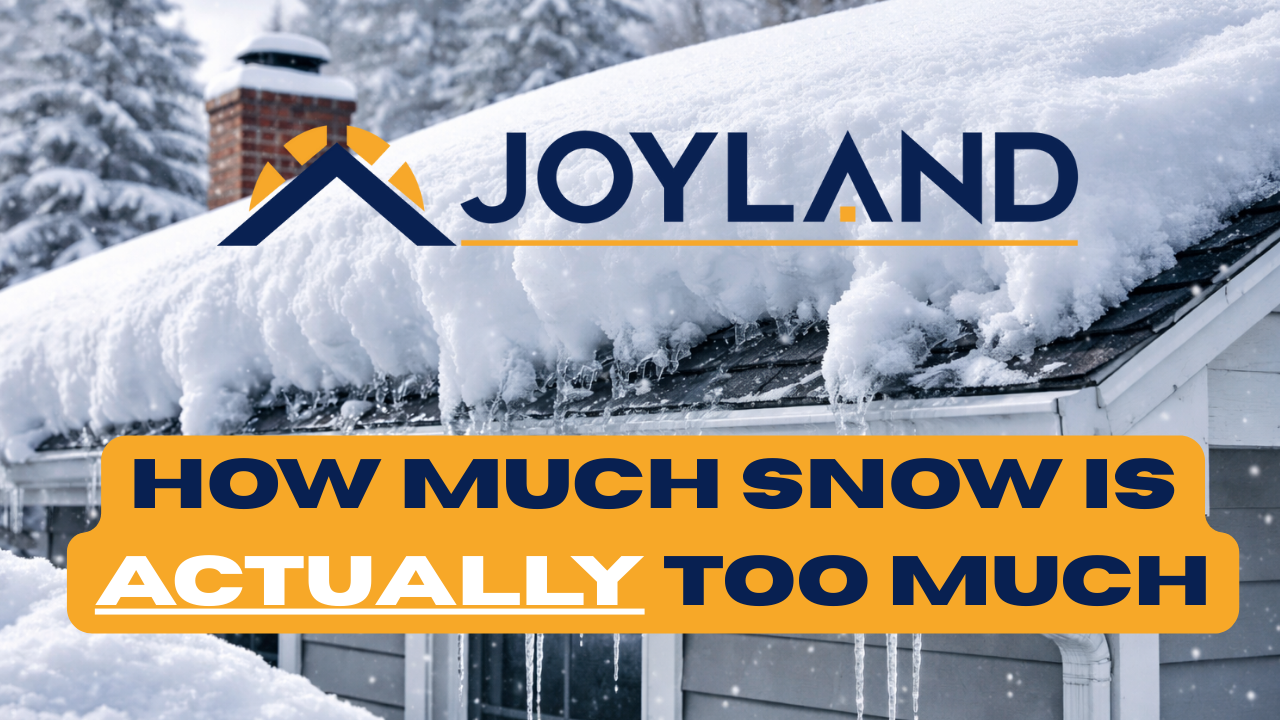
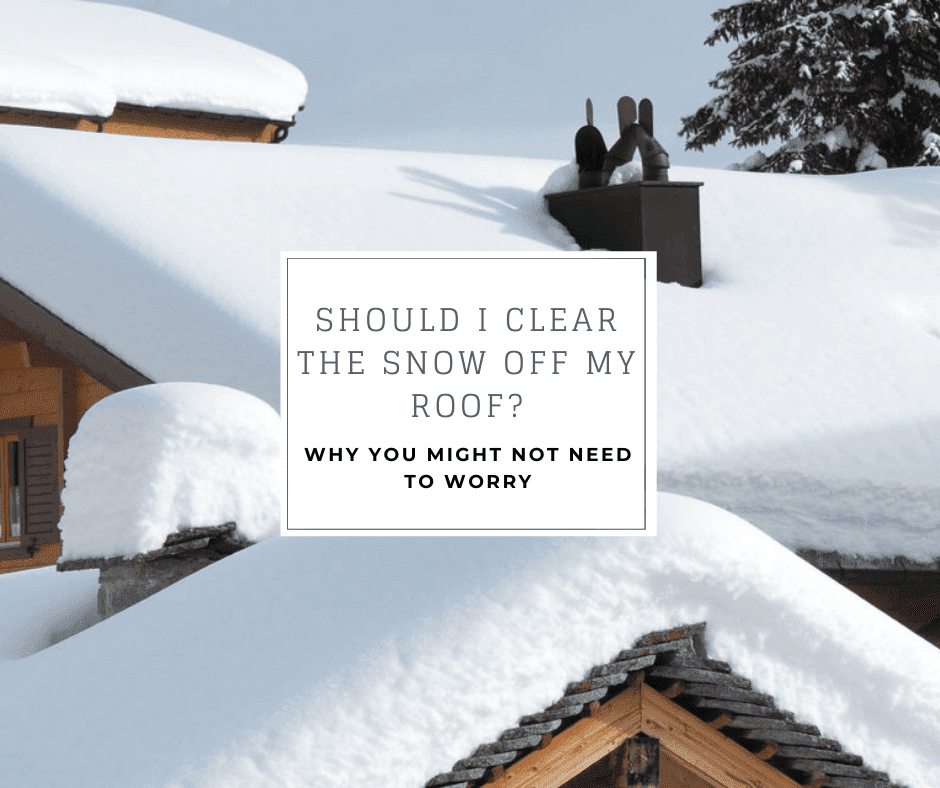
If you’ve lived in Central Pennsylvania long enough, you already know our winters are more “annoying slush pile” than “Arctic expedition.” Still, every year homeowners ask the same thing: “Is all that snow sitting on my roof something I should be worried about?” Let’s break it down in plain English. What Snow Load Actually Means Snow load is just the weight of snow sitting on your roof. Snow is heavier than people think, especially when it’s wet. But your roof isn’t up there winging it. It’s engineered to take a serious beating. Before we talk numbers, you need to know how a roof handles weight. How Roof Trusses Distribute Snow Weight A roof truss is basically a strategic triangle army. When snow presses down on the top chord (the top beam), the internal braces shift and spread that force outward toward your exterior walls, which then push the weight to the foundation. Picture it like this: Weight lands on the roof, funnels through those diagonal supports, and gets delivered safely to the ground. Your house works like a team. How Much Weight Your Roof Is Built To Handle A typical Central PA home built with 2x6 roof trusses is designed for at least: 40 pounds per square foot of live load (snow, people, etc.) Plus 7 to 15 pounds per square foot of dead load (shingles, plywood, etc.) Together, you’re looking at 50 to 60 pounds per square foot of total capacity . That’s a lot of weight. Now let’s compare that to real snow. How Heavy Is the Snow on Your Roof? Snow weight varies based on what kind of day Mother Nature is having. Fluffy snow can be ridiculously light Wet, compacted snow can run 15 to 25 pounds per square foot A foot of heavy wet snow comes out to roughly 20 pounds per square foot Now add about 10 pounds per square foot for your roofing materials. You’re at 30 pounds per square foot total with a full foot of heavy, wet snow. Your roof? Designed for 50 to 60 pounds. Meaning: You could theoretically put two to three feet of wet, heavy snow up there before your roof is in the danger zone. With light fluffy snow? You’d need six feet or more before a well-built PA roof even blinks. Why Snow Load Usually Isn’t a Problem Here Central Pennsylvania just doesn’t get multi-foot blizzards stacked back-to-back anymore. A steep roof helps too because snow melts and slides off between storms. Honestly, getting enough snow to overload a pitched roof around here is about as likely as finding a Sheetz with no line. What About Flat Roofs? Flat roofs can hold more weight than pitched roofs because they’re engineered for snow to sit instead of slide. They can still add up during rare back-to-back storms, especially when rain or ice mixes in. If you’ve got a flat roof, it’s not a bad idea to keep an eye on it in a real monster winter. But again… when’s the last time Central PA dropped three straight feet of snow? So Should You Worry? In a word: No. If you live in Pennsylvania, it’s extremely unlikely you’ll ever see enough snow on your roof to cause structural issues. Steep roofs shed snow. Flat roofs are built to bear more weight. And our winters simply aren’t what they used to be. Want Peace of Mind About Your Roof? If you still have questions or something about your roof doesn't feel right, reach out. Joyland Roofing is local, responsive, and happy to take a look so you’re not guessing.
If you’re planning on doing any exterior work, such as gutters or siding, you might be wondering, “Do I need a permit for that?” The short answer? It depends — especially in Lancaster County, where each township plays by different rules. Lancaster City’s requirements are not the same as Manheim Township, Upper Leacock, or Millersville. So let’s make this simple and walk through what’s actually required for each type of exterior project Gutter Replacements Most homeowners in Lancaster County will not need a permit for a gutter replacement. About 95 to 99 percent of the time, you can replace gutters freely. The main exception is if you live in a historic district, such as Lancaster City’s Historic District. In that case, a permit is almost always required, no matter how small the change. Typical cost if required: $50–$100 Siding Replacements If your siding project doesn’t involve any structural changes, you likely won’t need a permit. Townships like Manheim and Millersville typically allow “like-for-like” replacements — swapping one style or color for another. But if your siding work involves structural adjustments or sheathing replacement, plan on getting a permit before work begins. Typical cost if required: $50–$150 Window Replacements Here’s the rule of thumb: if you’re replacing windows that are the same size and fit in the same opening, no permit is needed. But if you’re expanding the size of the opening, cutting a new window into a wall, or modifying the structure of the frame, then yes — a permit will be required. Typical cost if required: $50–$150 Door Replacements Replacing a front or back door in the same opening? No permit required. But if you’re changing the size of the doorway, adding sidelights, or installing a transom above the door, those are structural changes — and that means a permit. Typical cost if required: $50–$150 Historic Districts in Lancaster County If your home is located in a historic district, assume that any exterior modification will need a permit. This includes gutters, siding, windows, and doors. Historic properties are regulated to preserve architectural character, so even minor updates usually need approval. How to Confirm Permit Requirements Your contractor should check permit requirements with your municipality before beginning any work. At Joyland Roofing & Exteriors, we help homeowners confirm the correct process or can handle the permitting for you. If you’d like to check yourself, most townships make it simple — just call the local zoning or building office. A two-minute phone call can save you a fine or delay later on. The Bottom Line Most Pennsylvania homeowners won’t need a permit for straightforward, like-for-like replacements. But when you’re making structural changes or working on a historic property, you almost always will. When in doubt, confirm with your township before starting your project. Or let the team at Joyland Roofing & Exteriors take care of the details so you can focus on the fun part — making your home look great.